The SF Giants Summertime Celebration 2026

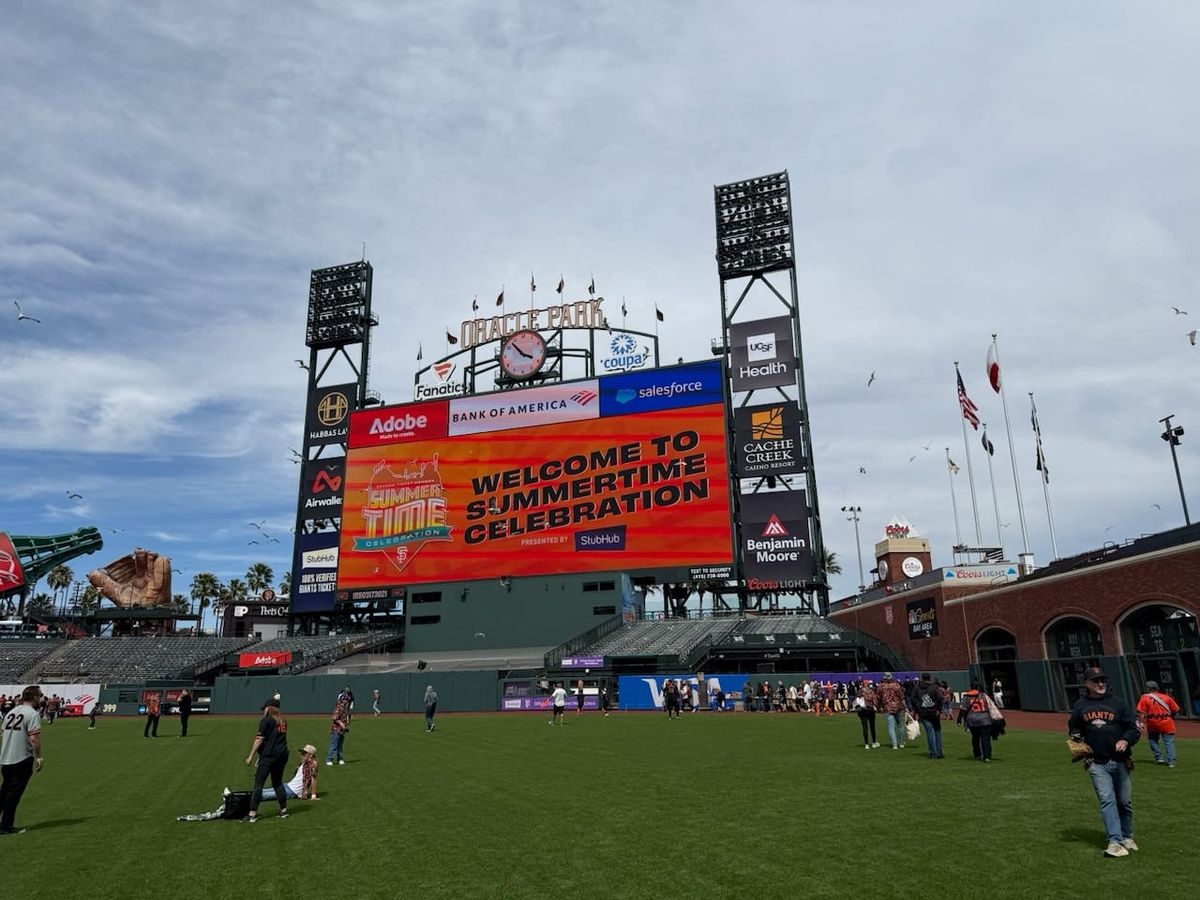
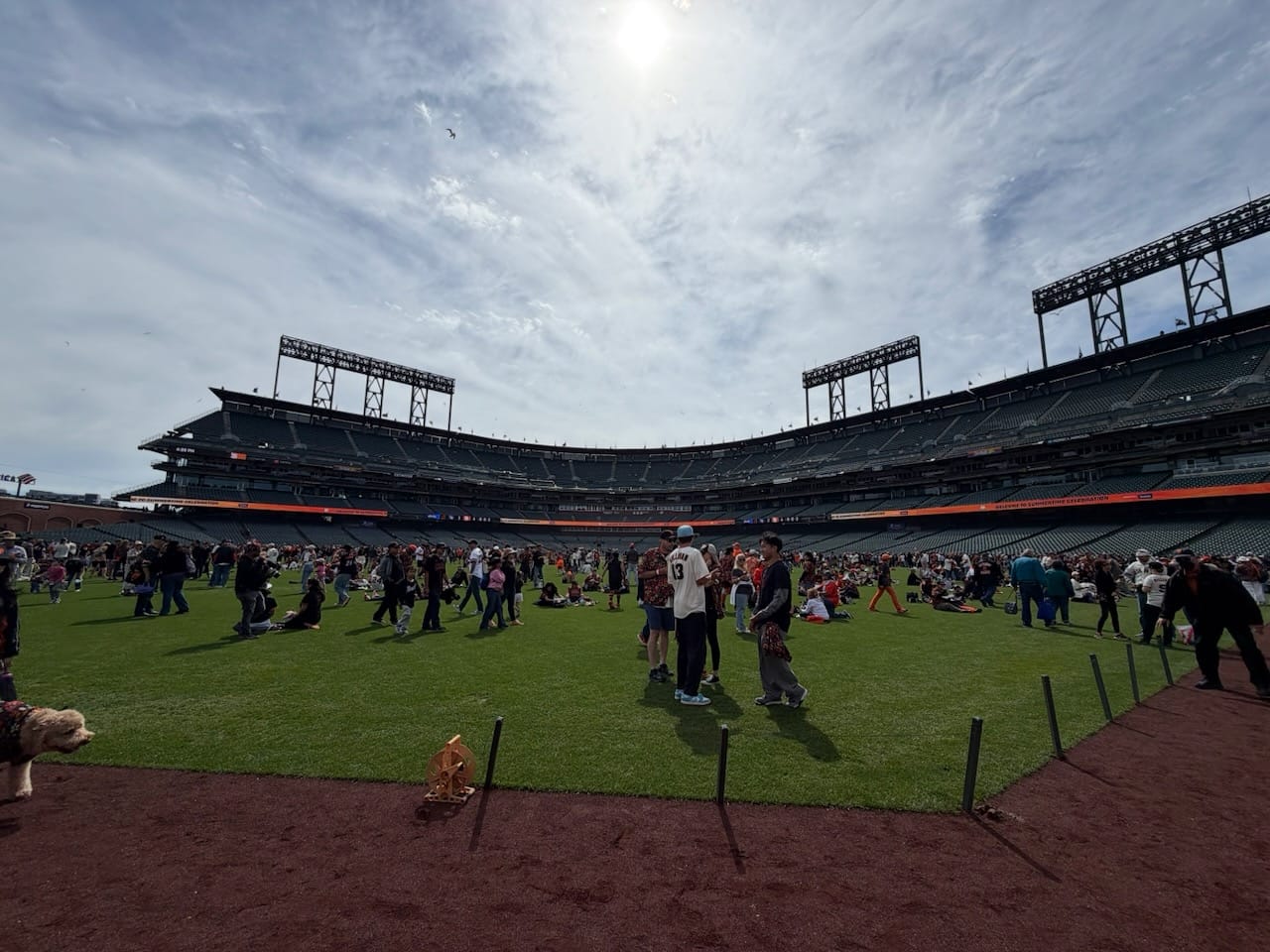
On July 11, the Giants finished a 4-2 win over the Colorado Rockies, but our day at Oracle Park was not over. We waited for our turn to walk onto the field.
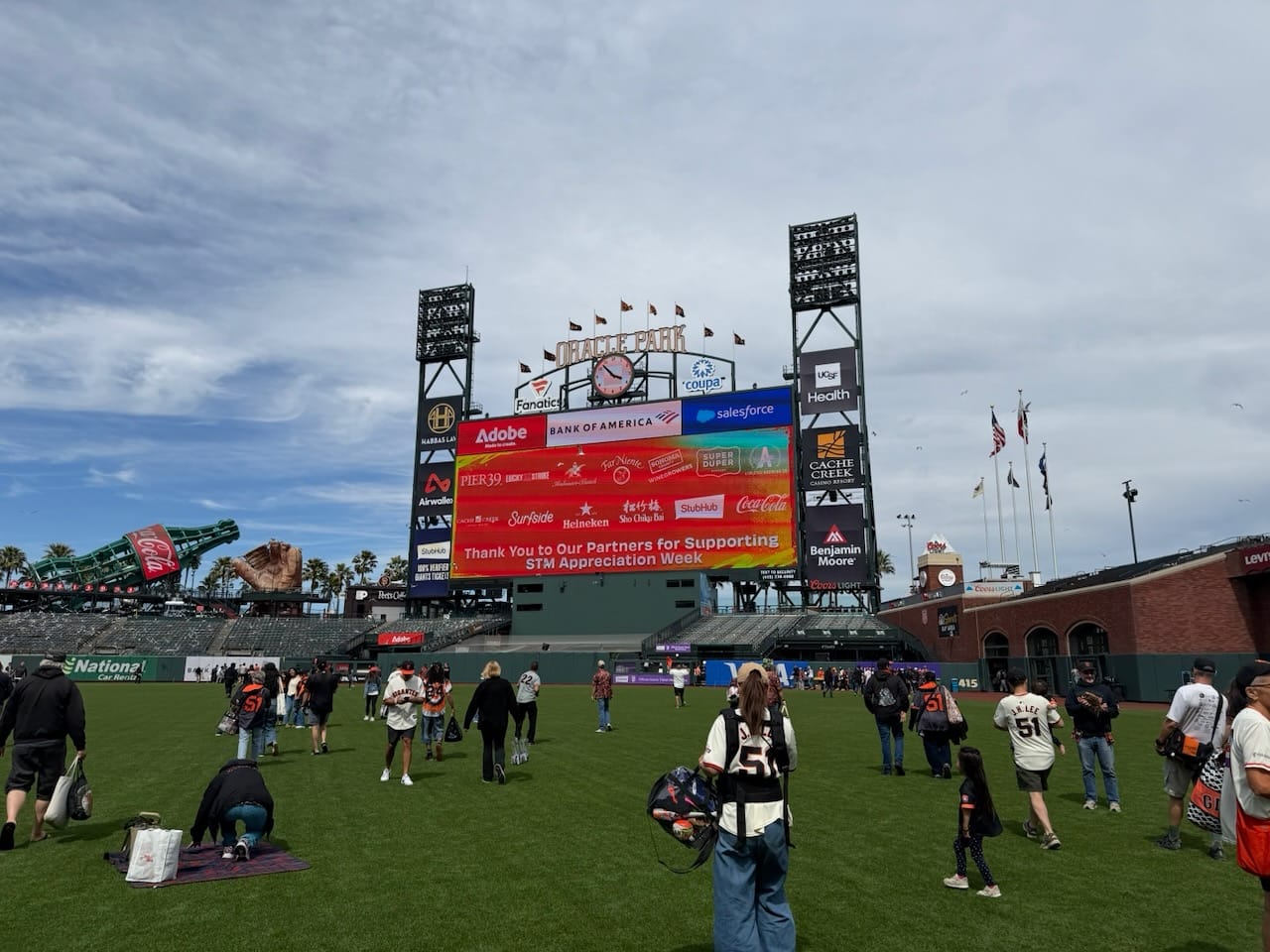
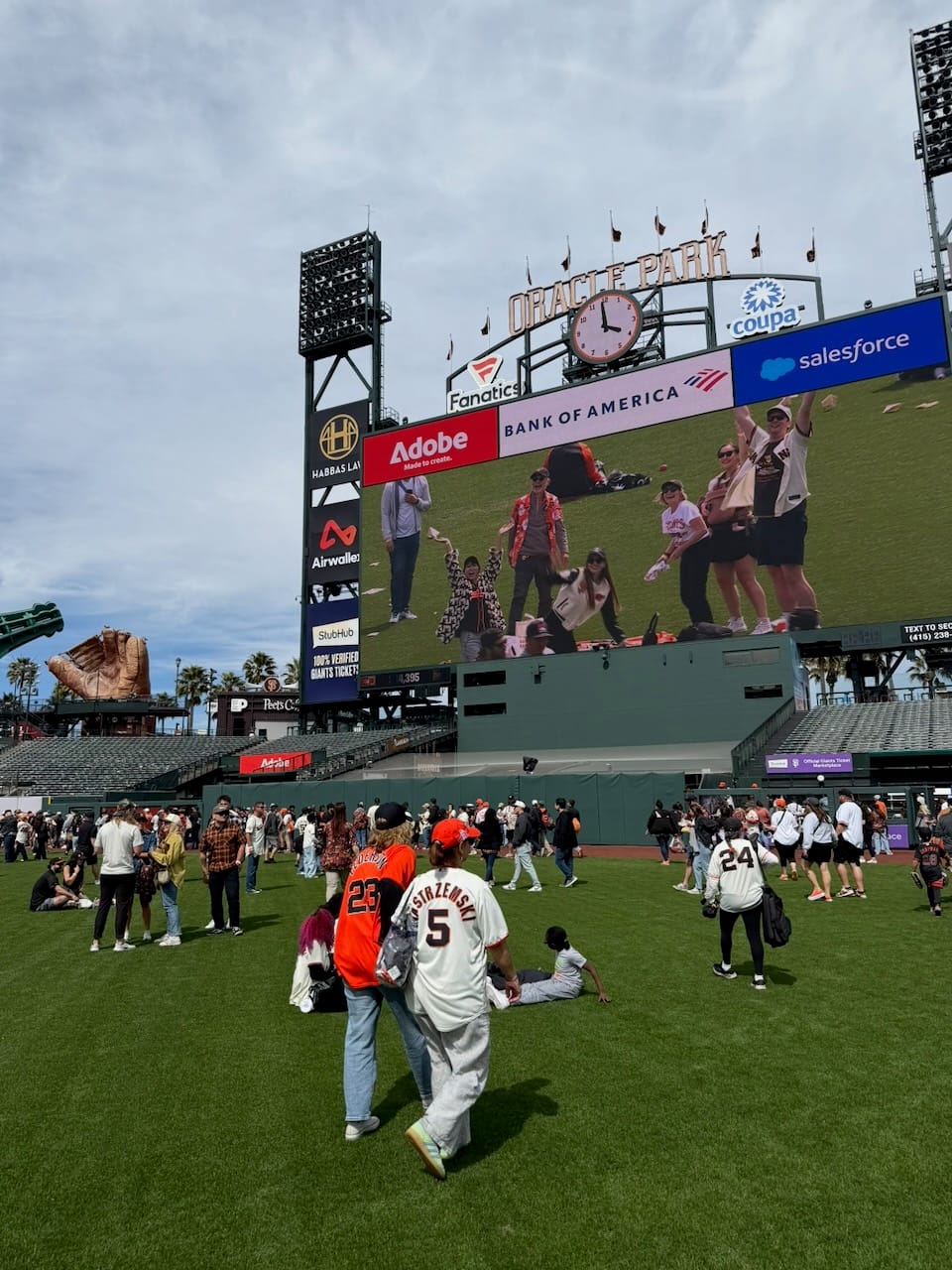
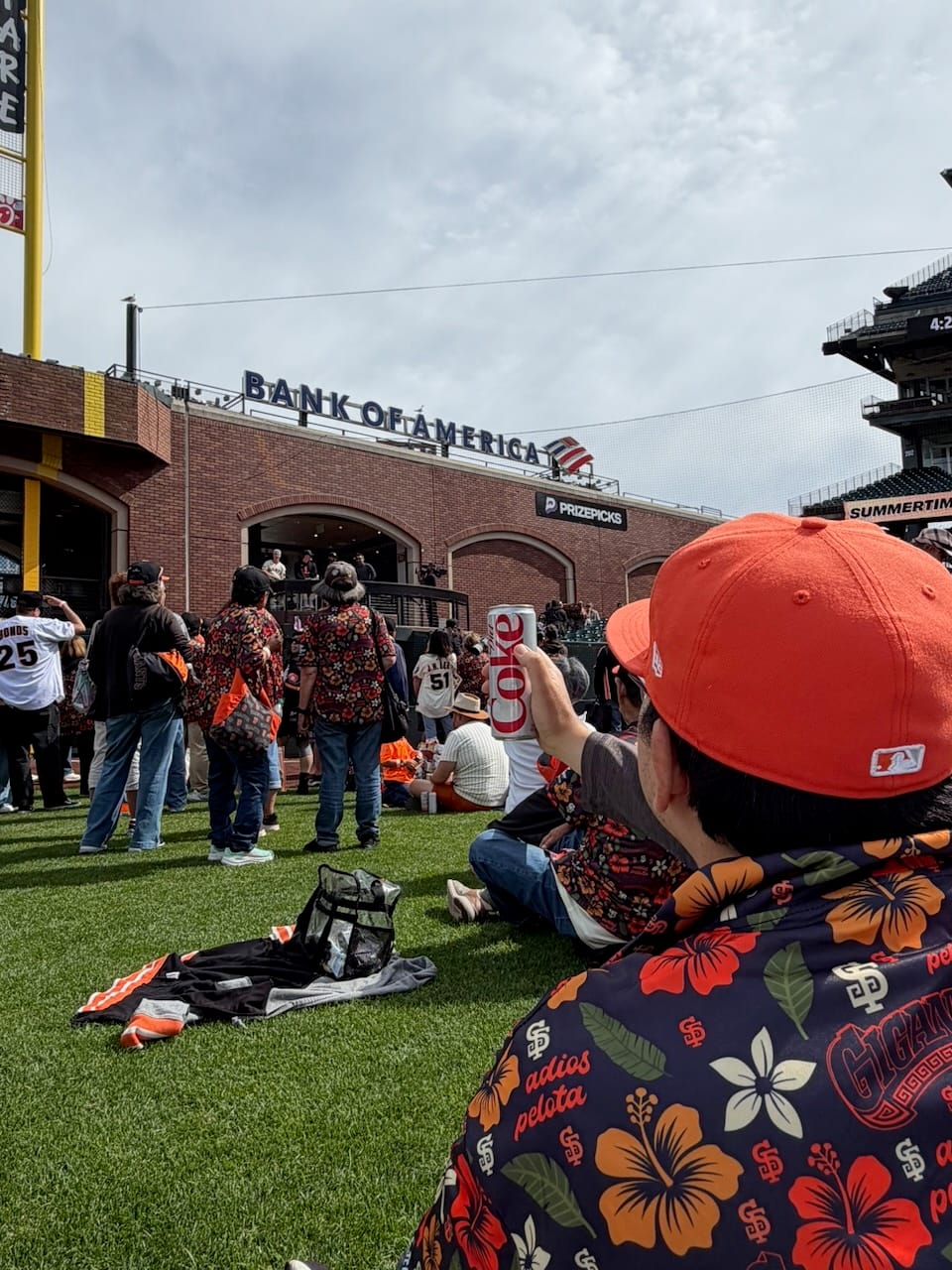
This was my third Giants Summertime Celebration. The event is usually held during Season Ticket Member Appreciation Week, and I wrote about my first one in my post about the Giants season ticket member experience. The format has become familiar: stay after the game, enter the field through the warning track, find a place on the outfield grass, eat, explore, and enjoy Oracle Park from a different perspective. It remains one of the best benefits the Giants offer their fans.
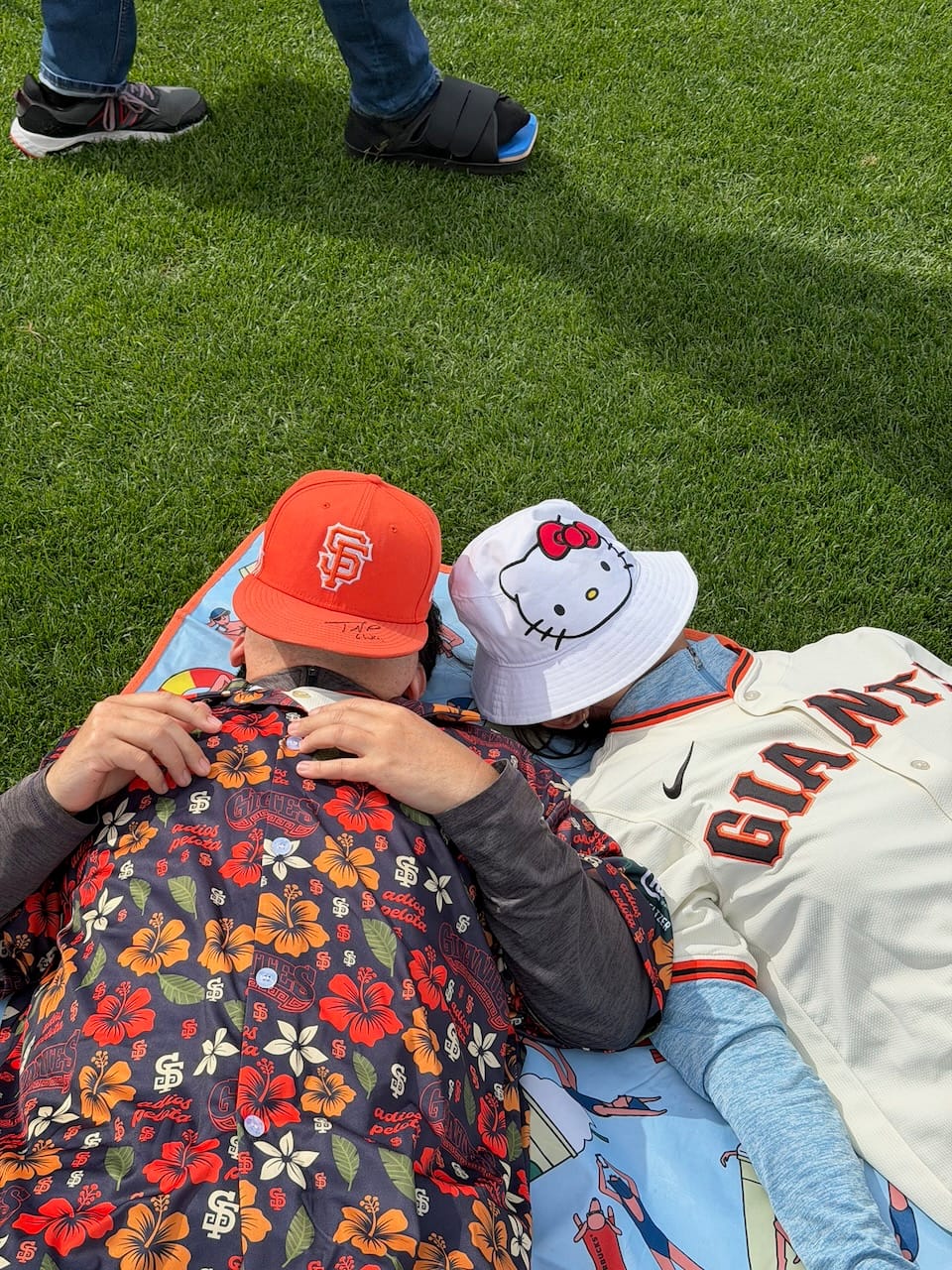
This particular Saturday had almost too many promotions attached to one game. It was a Fiesta Gigantes Saturday, the program the Giants expanded this season to every Saturday home game. The team wore its new Gigantes uniform, and the ballpark added Latino music, food, and activities. The first 20,000 fans received a Gigantes Aloha Shirt presented by Topo Chico Hard Seltzer, a gloriously loud button-up covered with hibiscus flowers, Giants logos, and adios pelota.
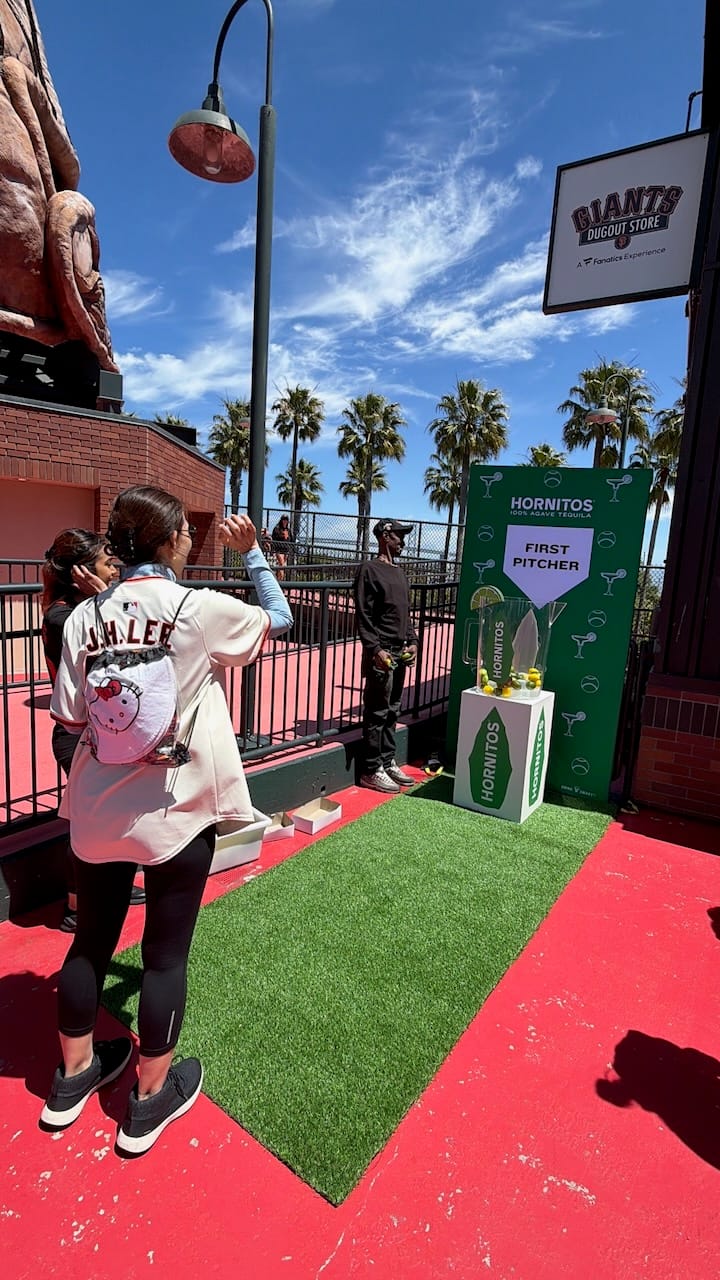
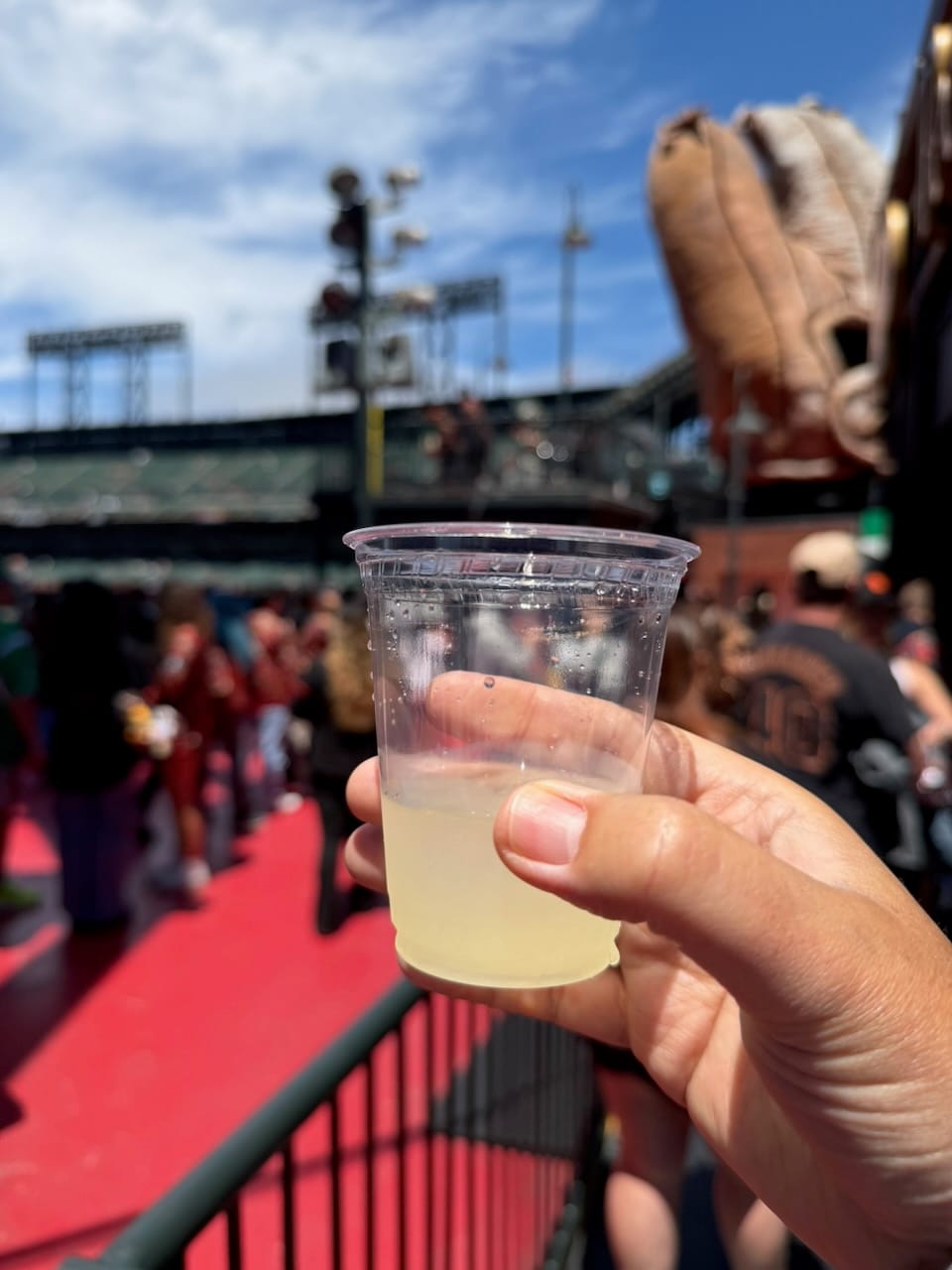
It was also Dog Days 1, presented by Fieldwork, with dogs and their people taking part in a pregame field parade. The dogs continued circulating through the park afterward, many of them dressed more carefully for the game than the humans. Near the arcade, Hornitos had a game called “First Pitcher,” where fans tossed small balls toward an oversized transparent pitcher. It was a day when something seemed to be happening around every corner of Oracle Park.
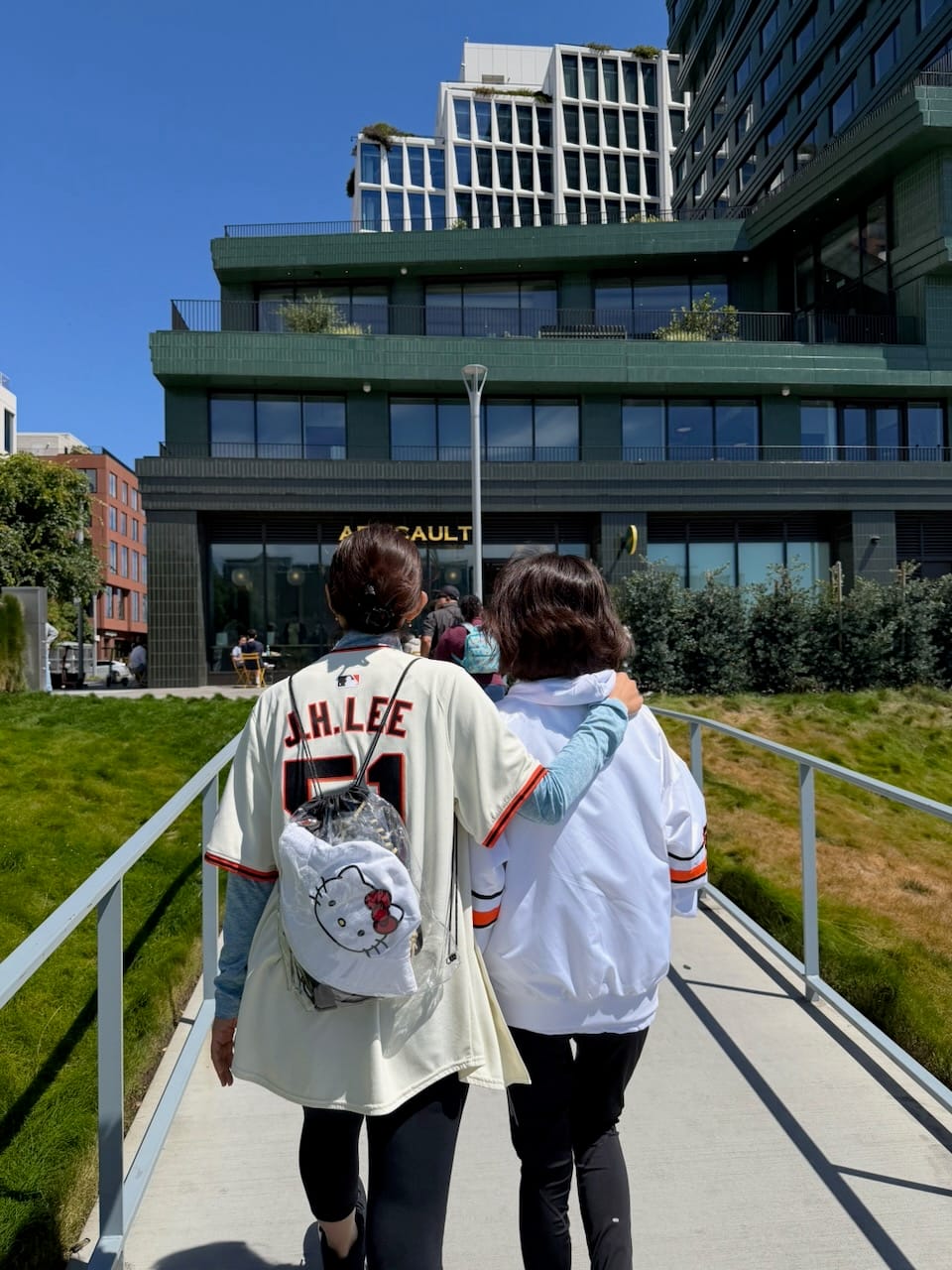
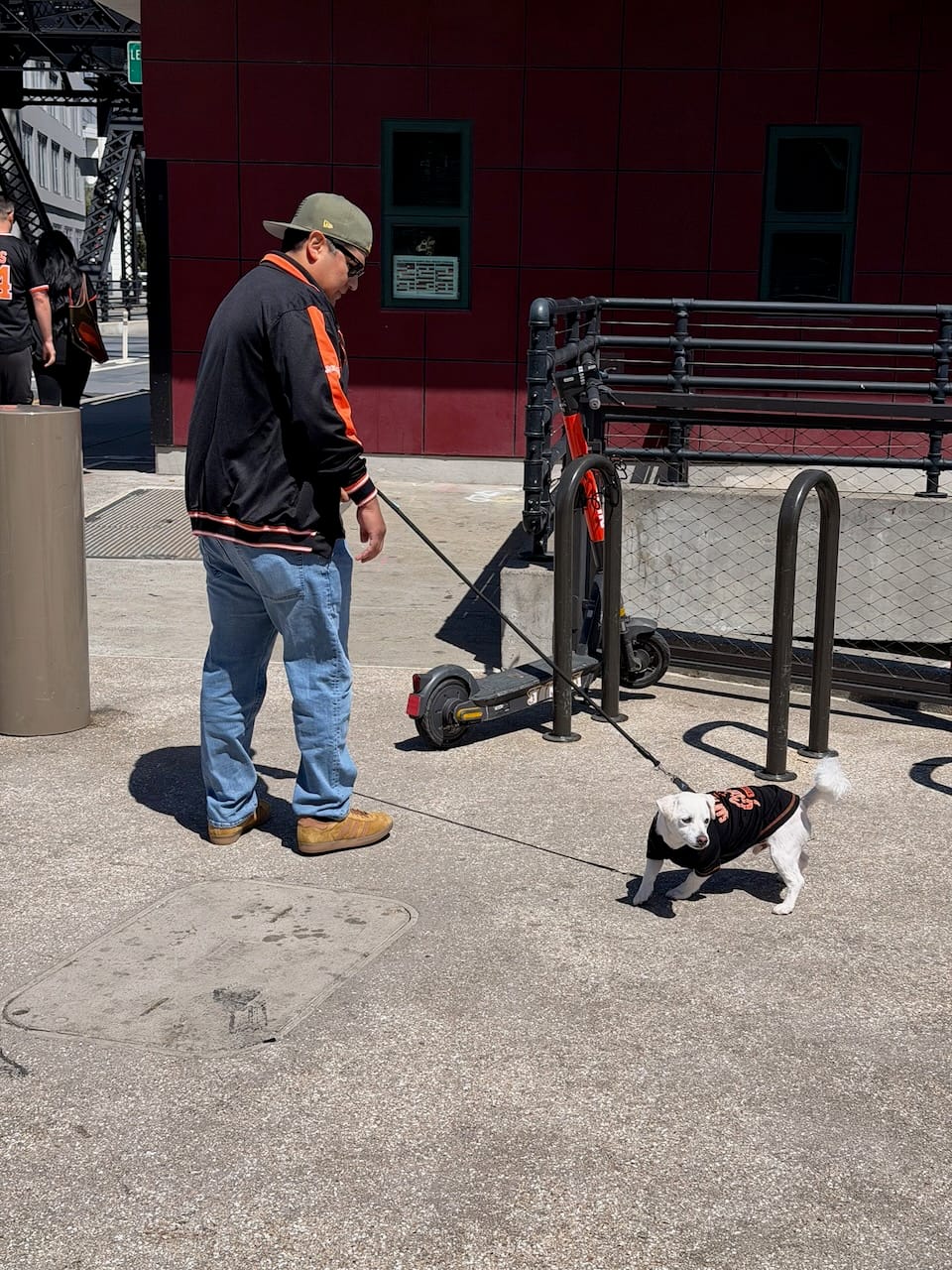
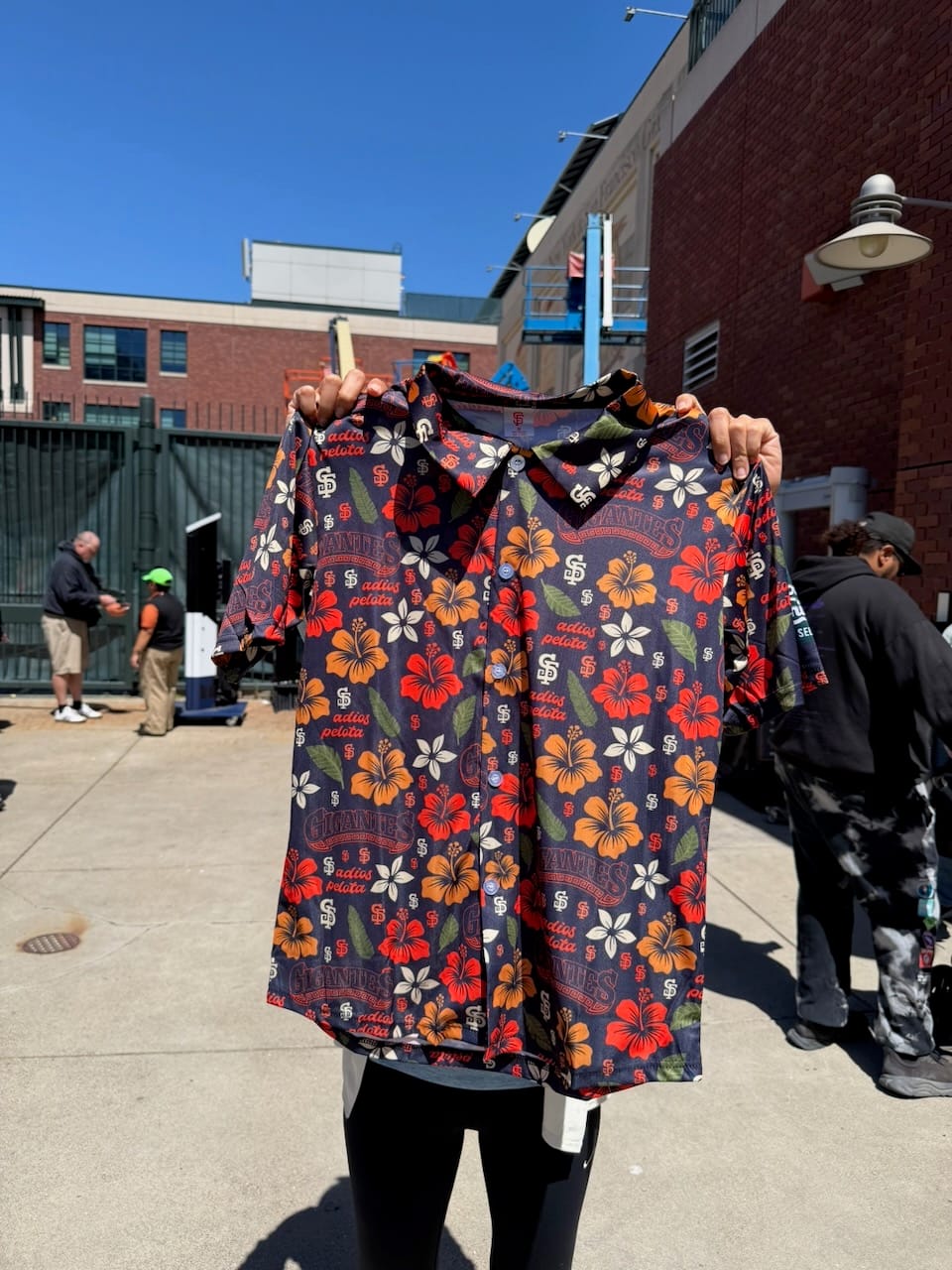
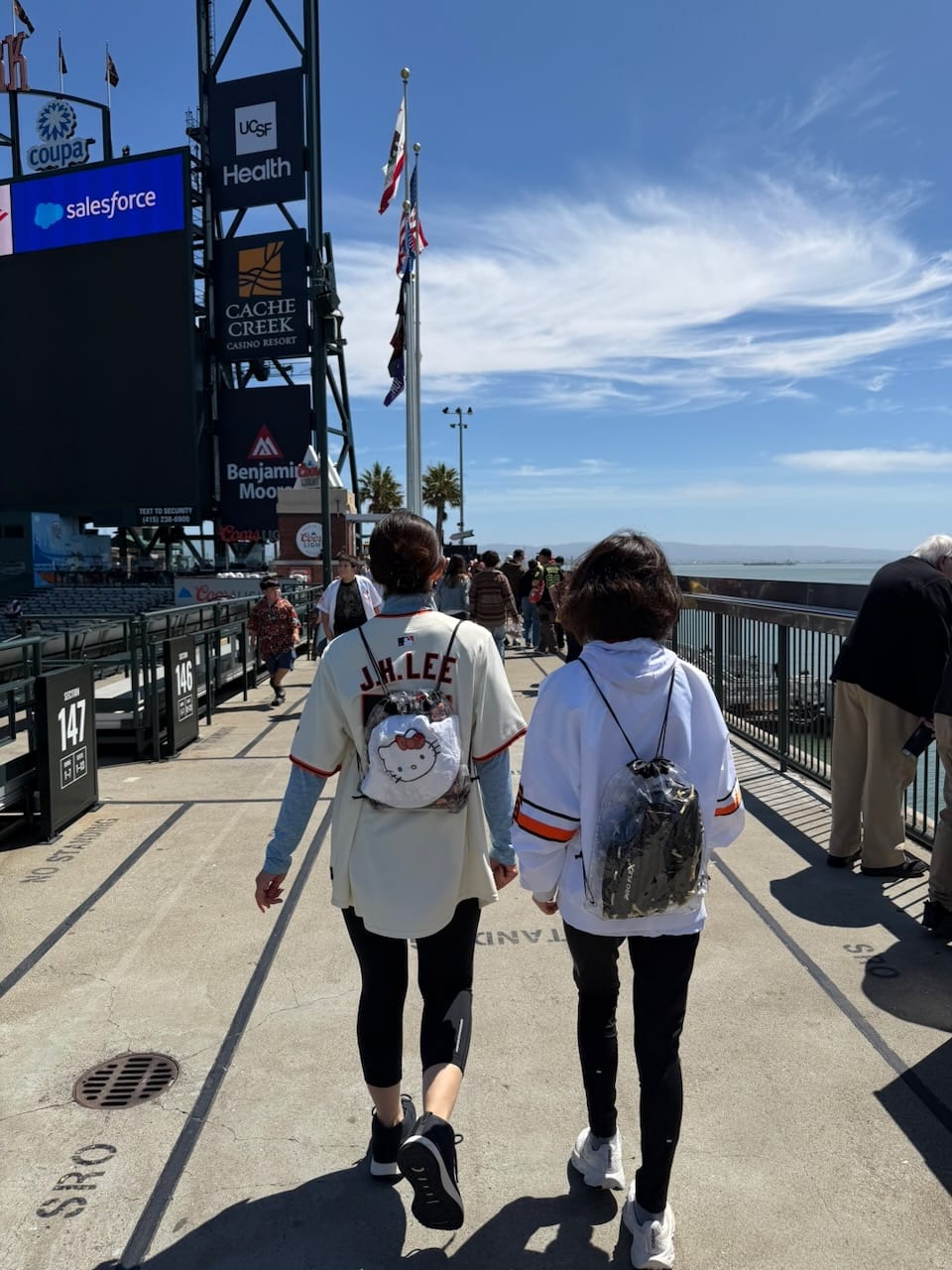
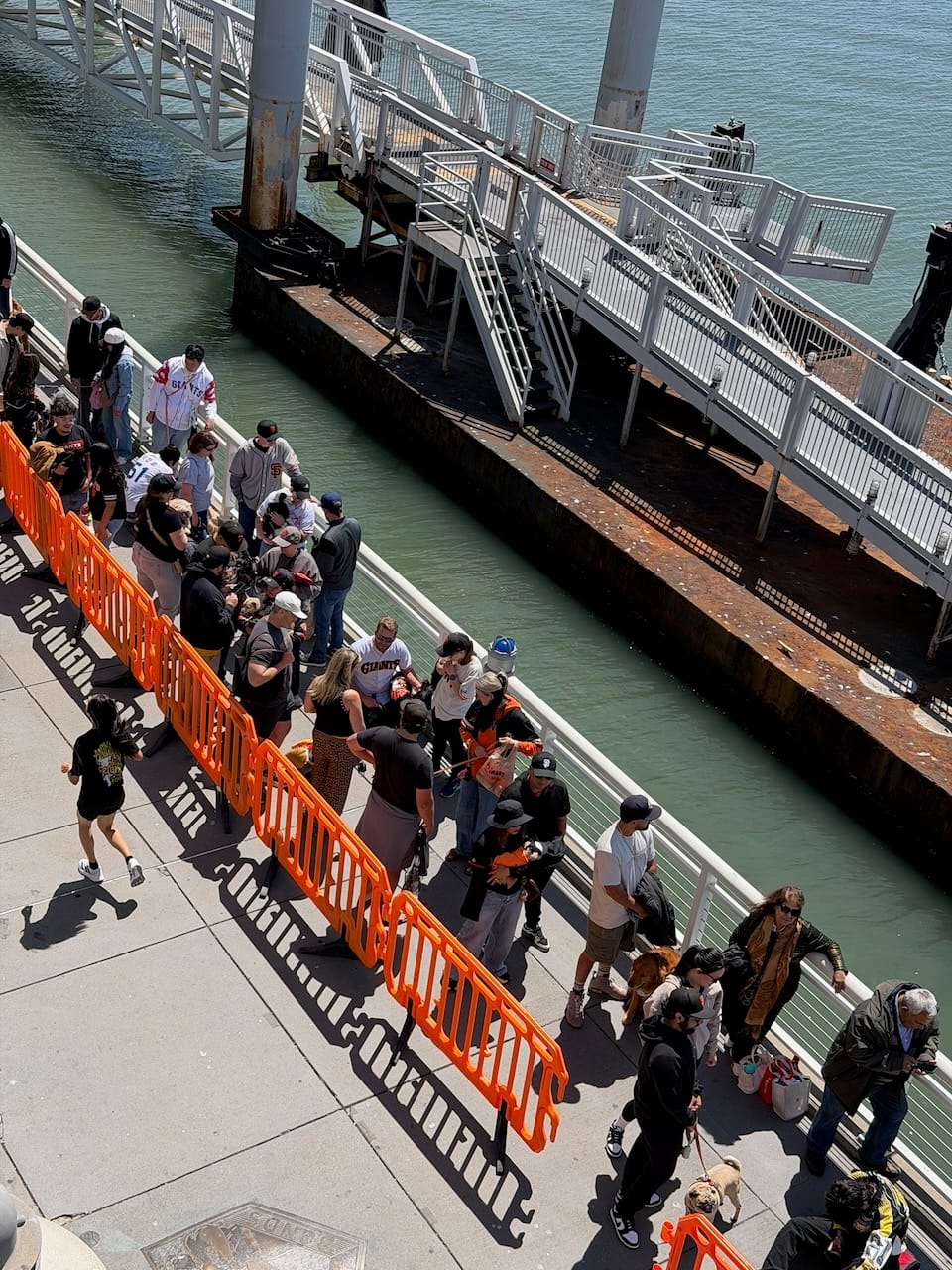
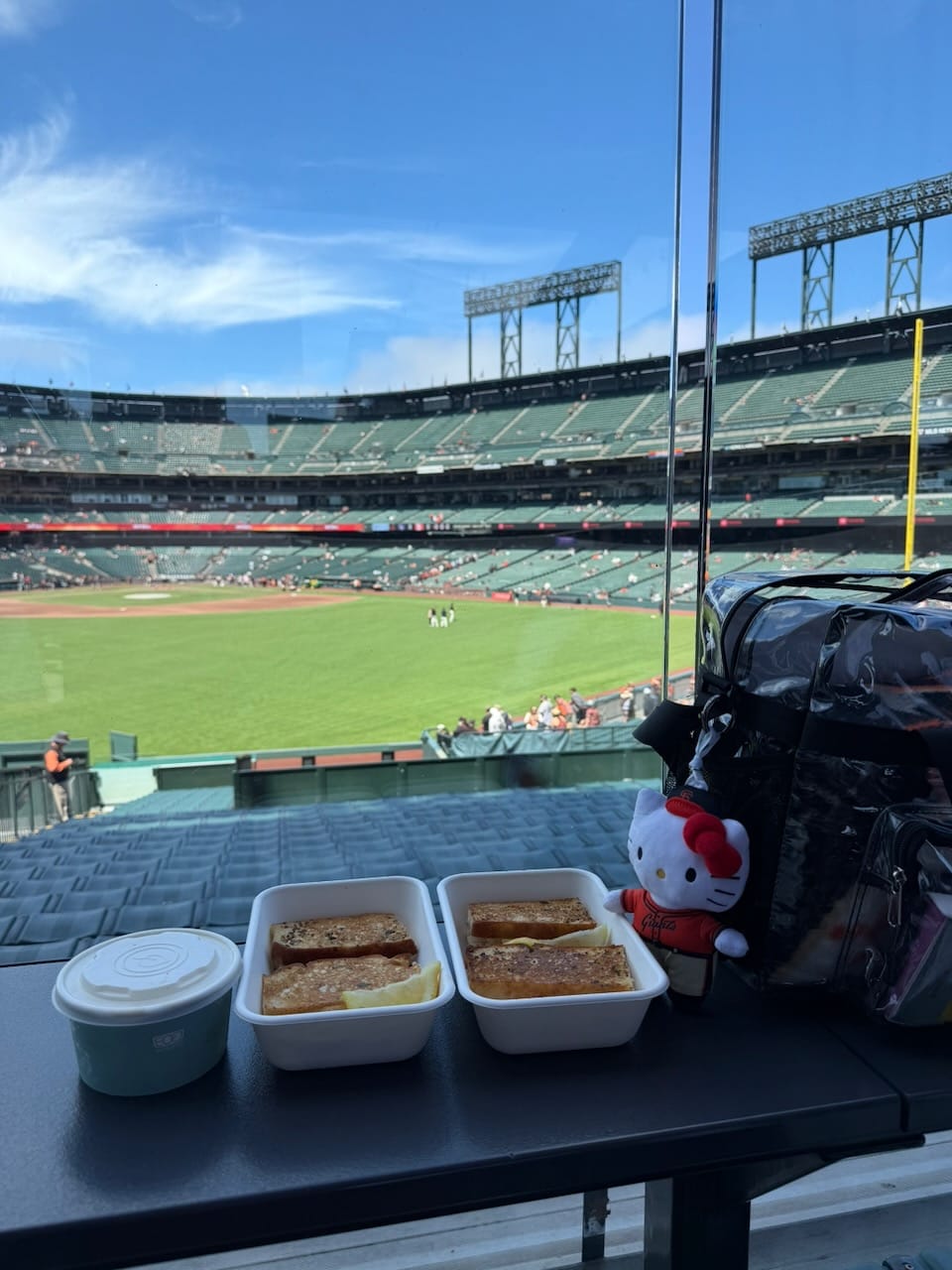
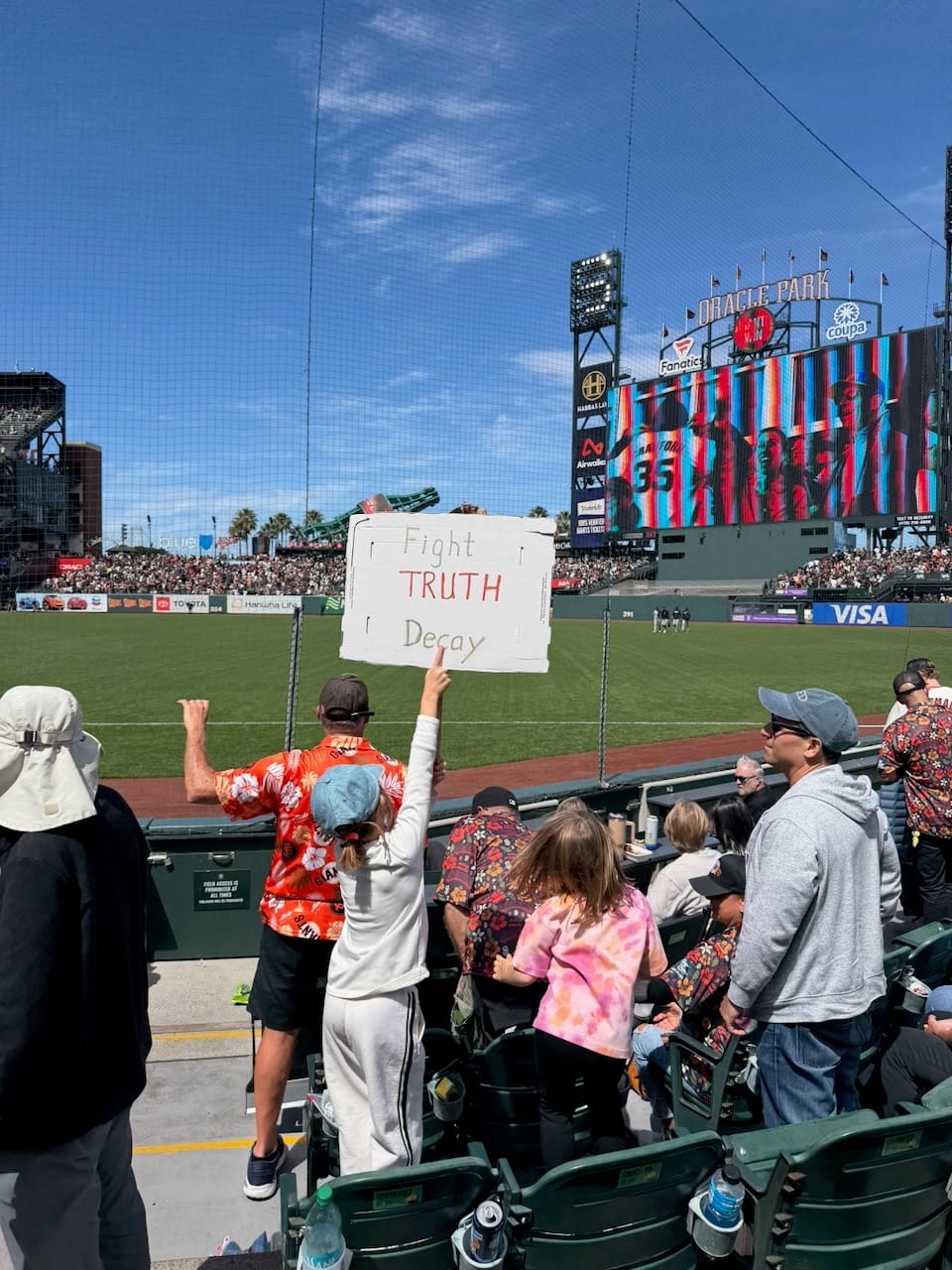
Most importantly, the Giants won. Tyler Mahle allowed only one run over seven innings, and Casey Schmitt hit a three-run home run that gave the Giants the lead. During this season, a simple, comfortable win has become a rare pleasure.
The Giants entered the game with a 39-55 record. This has been their worst season in years, and the first half had already pushed realistic postseason hopes far into the distance. Yet the park did not feel like a place abandoned by its fans. People arrived early for the shirts, brought their dogs, stayed through the game, and then remained for the celebration. On the field afterward, surrounded by hundreds of people in matching flowered shirts, I could feel that the affection for the team was still there. The standings had not erased it.
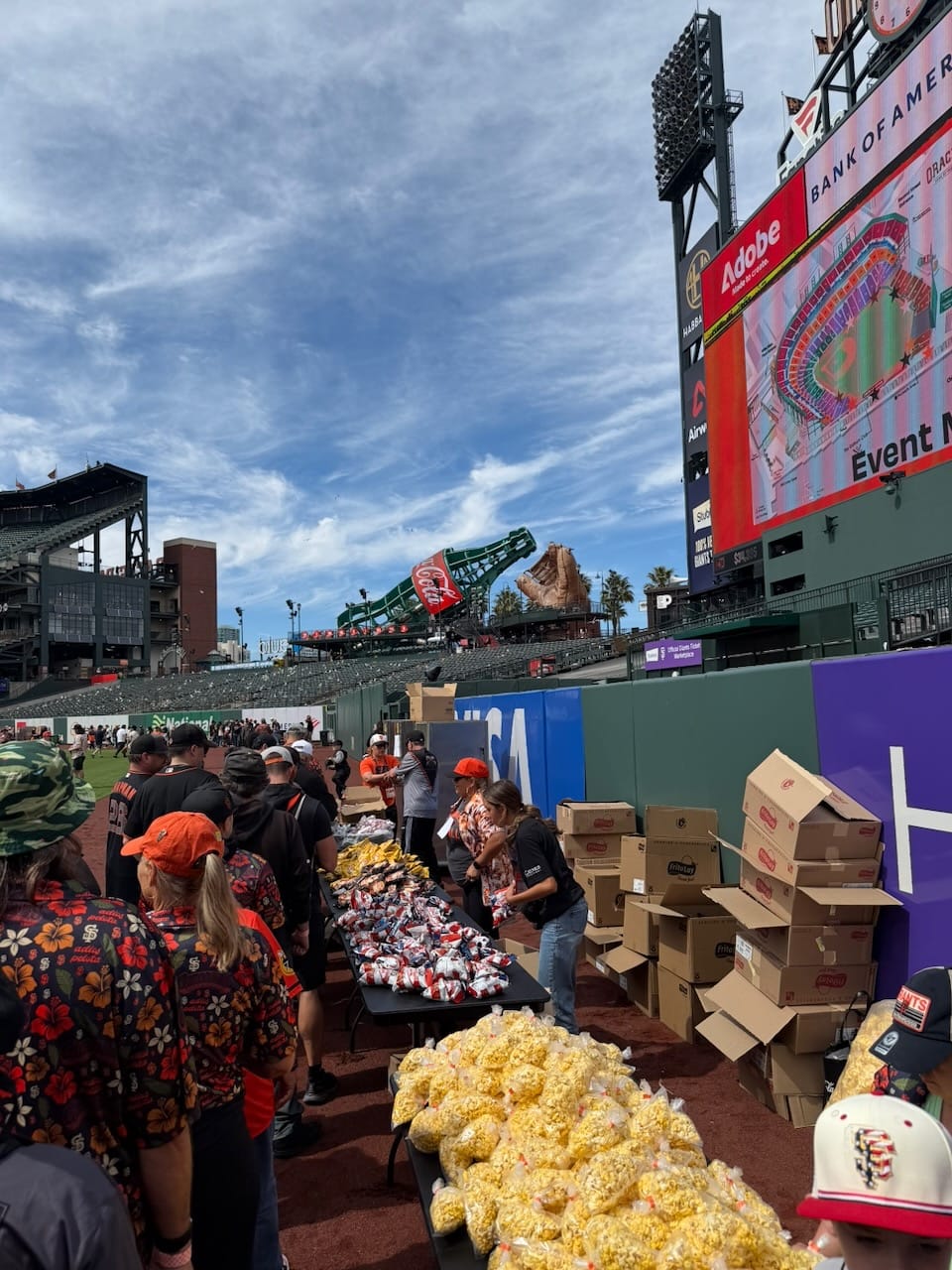
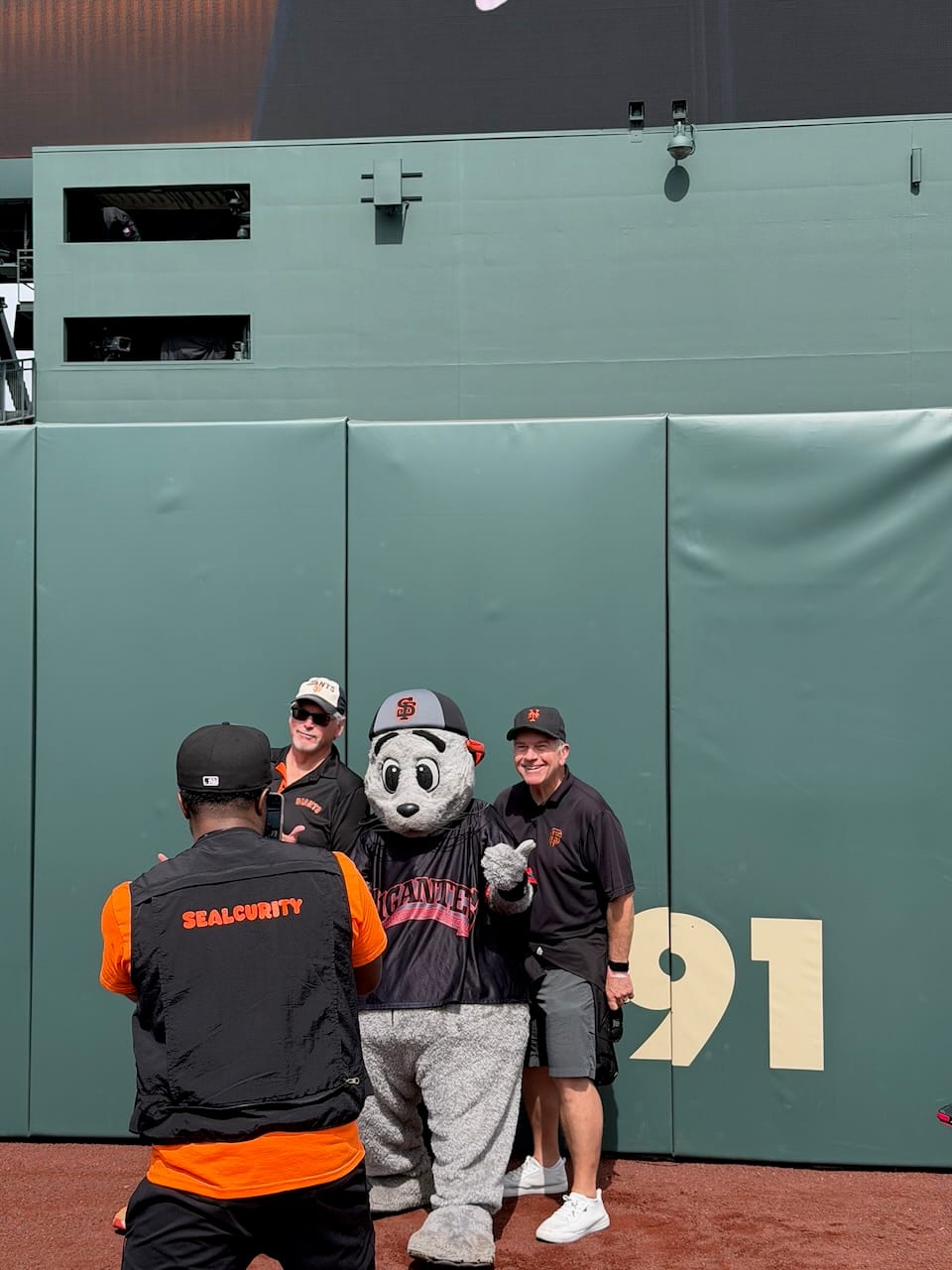
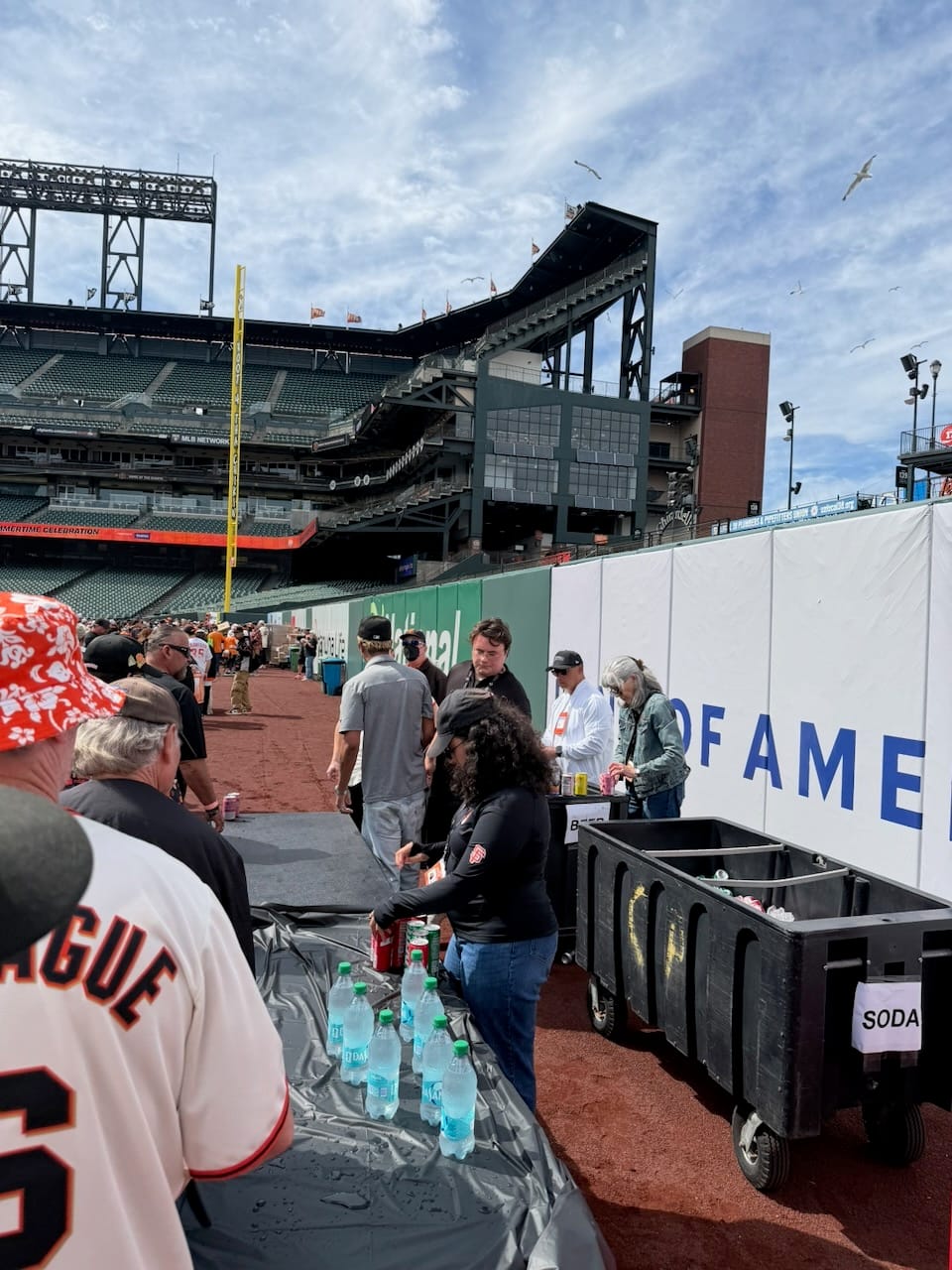
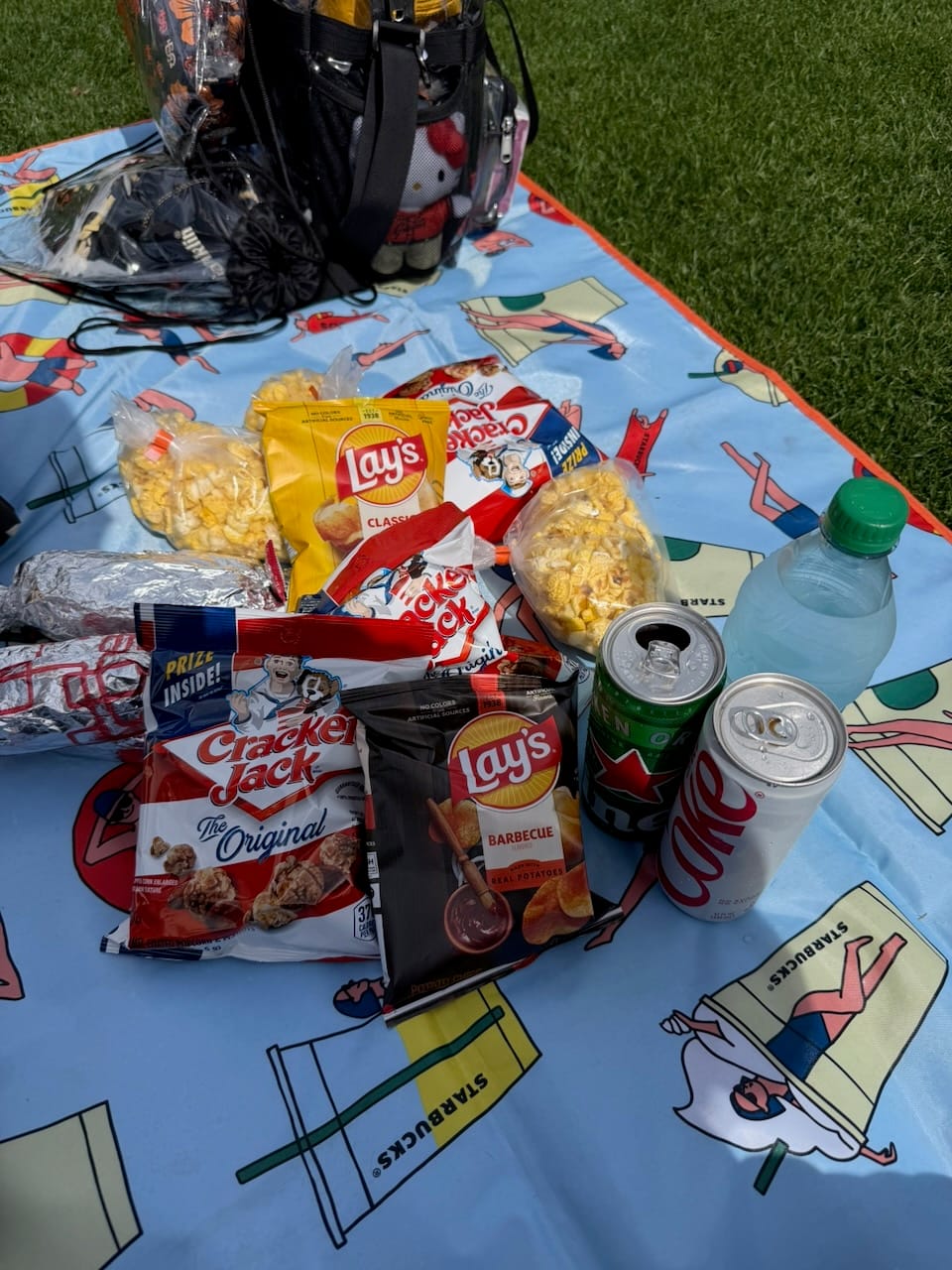
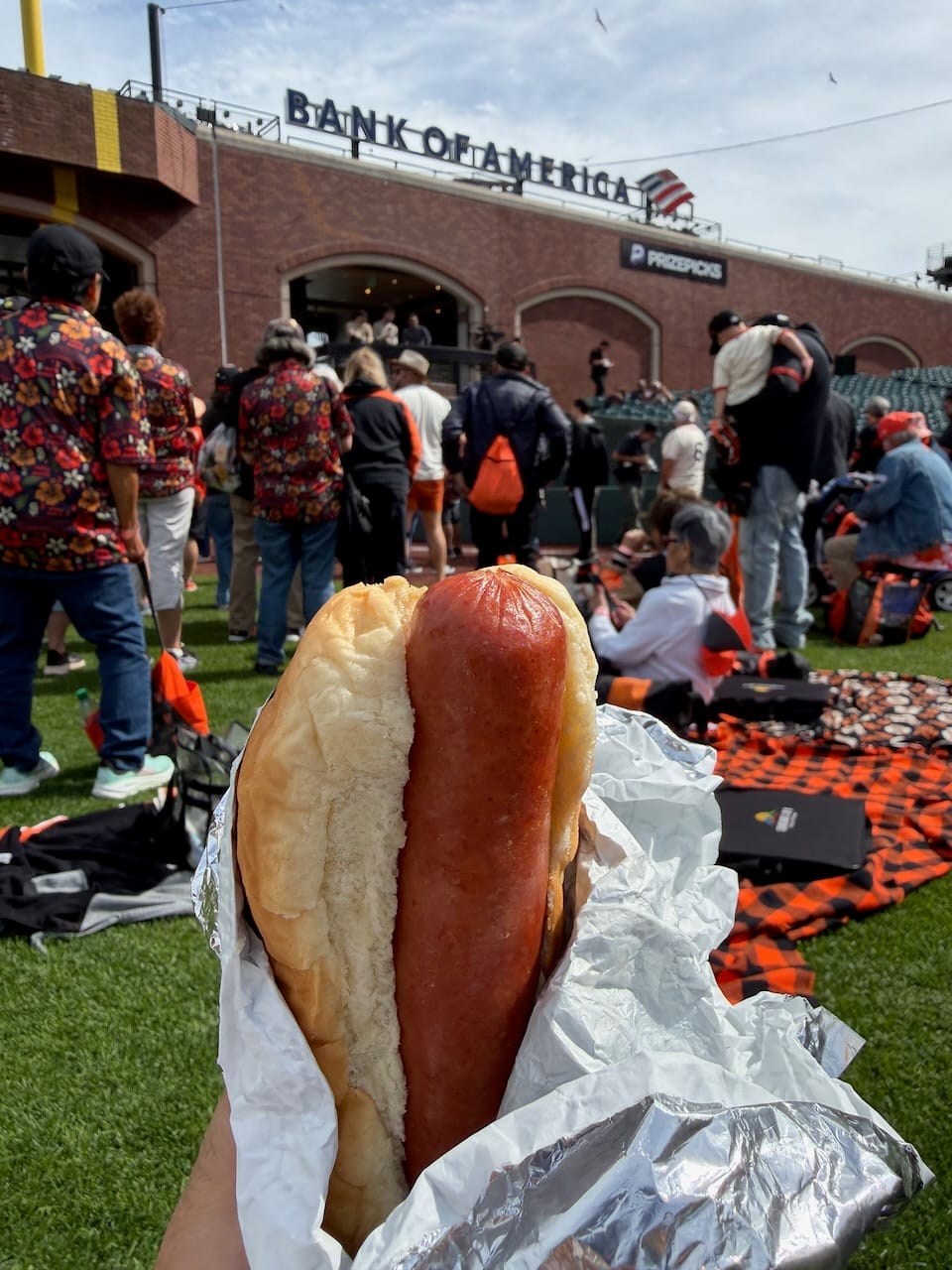
The Summertime Celebration itself was mostly as I remembered it. The Giants provided free popcorn, peanuts, chips, Cracker Jacks, hot dogs, and beverages. There were photo spots and games across the outfield, a chance to meet Lou Seal, and a bullpen tour. The only thing missing was ice cream. It was available in previous years, and I looked for it this time, but either the Giants did not provide it or I somehow missed the right table.
The player and staff interviews were the most interesting part of the afternoon. The first group featured Casey Schmitt and Bryce Eldridge, two young players who should be part of whatever future the Giants are trying to build. Schmitt had just supplied the decisive hit in the game, and his breakthrough season has been one of the few uncomplicated good stories of 2026. Eldridge is still developing, but his power and presence make it easy to imagine him near the center of the lineup for years.
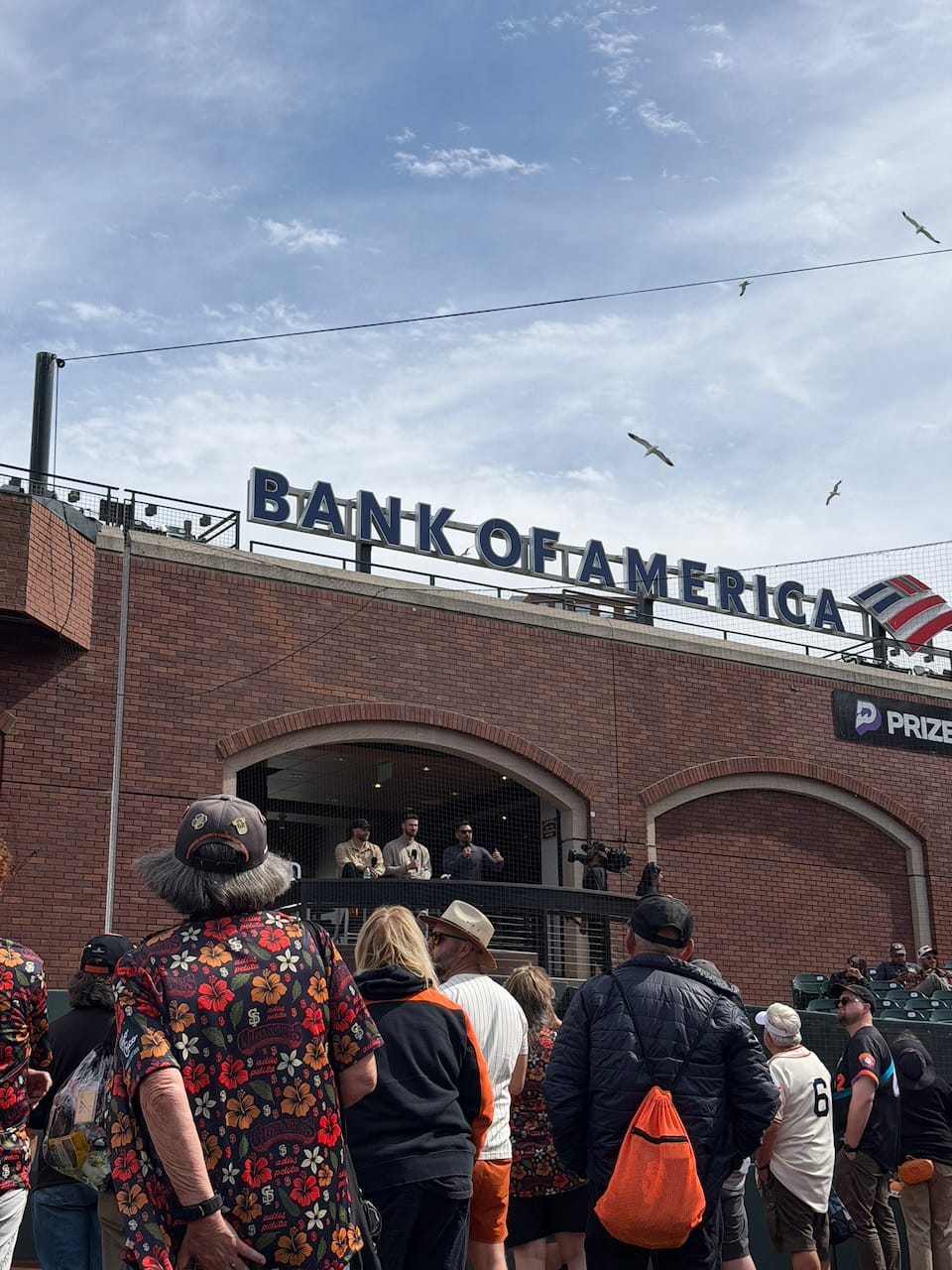
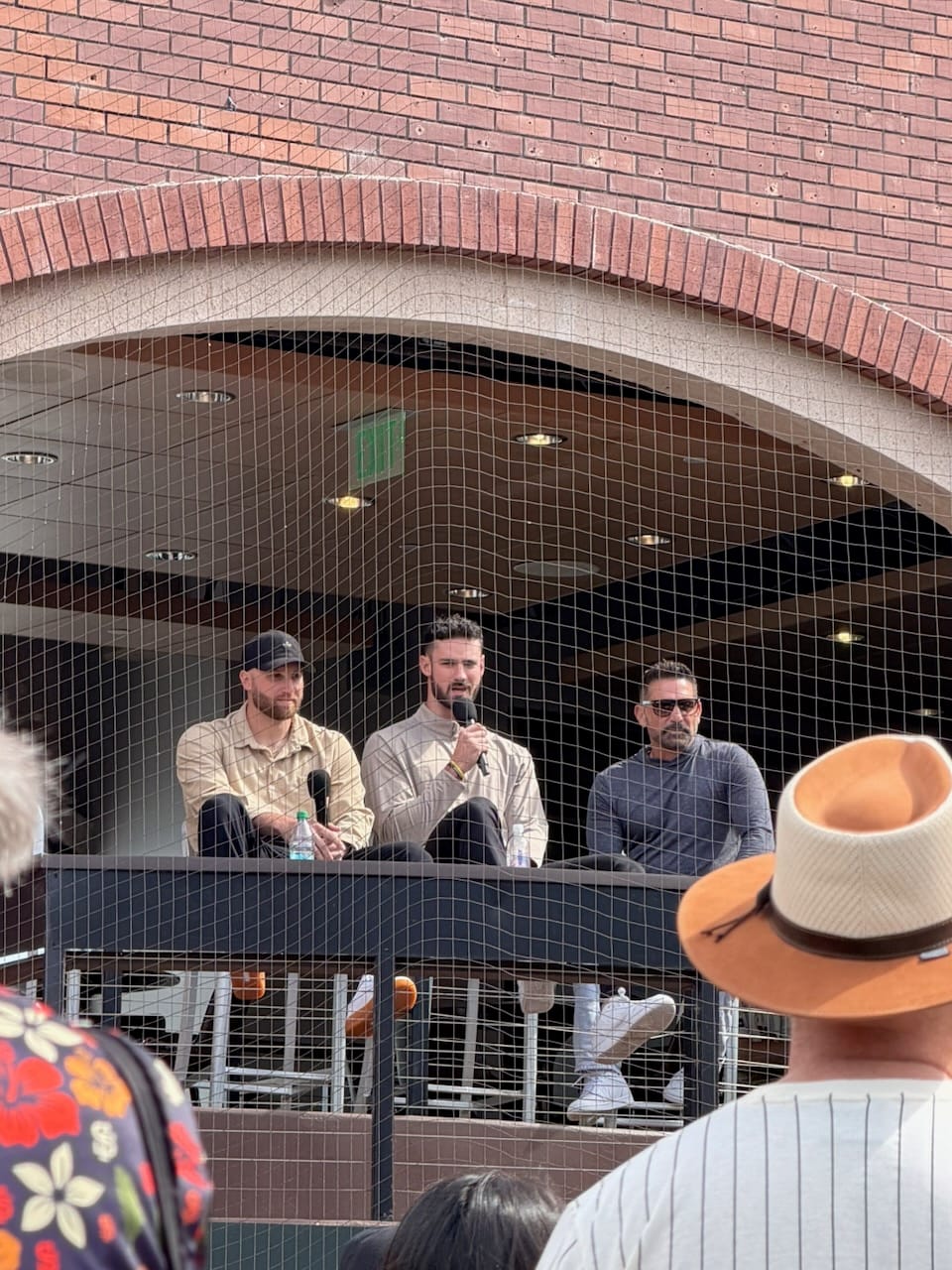
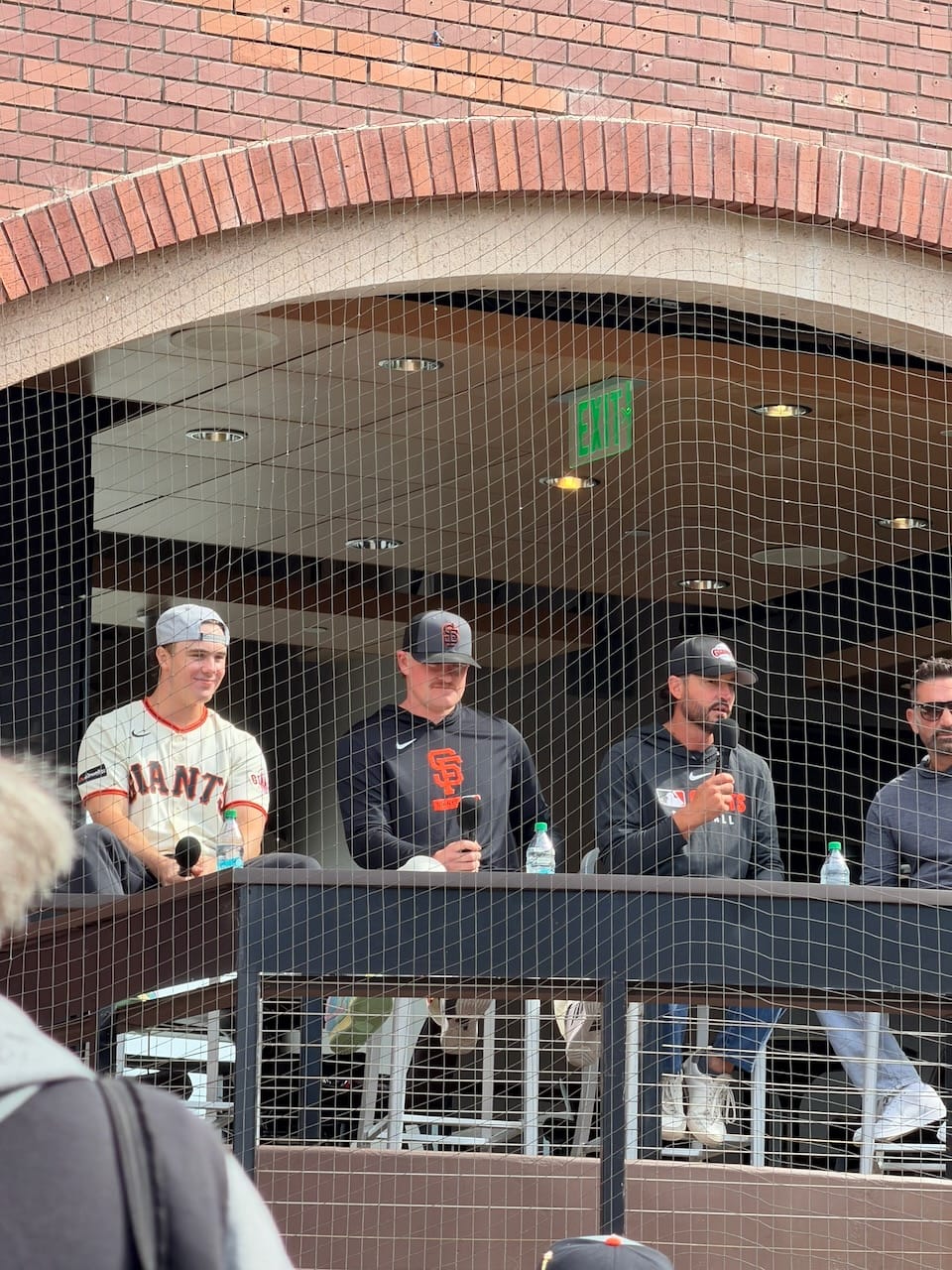
The second group was Drew Gilbert, Logan Webb, and the manager Tony Vitello. Webb is still the ace and one of the clearest identities the current team has. Gilbert is another piece of the younger core. Vitello was the more complicated figure on the stage.
Jung Hoo Lee participated in the interview last year, so I was a little sorry not to see him this time. Buster Posey's absence was more understandable. As president of baseball operations, he would have faced a difficult session. I am not sure what direction the team is going, or what kind of Giants team Posey ultimately wants to construct, and I doubt I am the only fan with those questions. Sitting in front of season ticket members during a 39-55 season might have produced more tension than celebration.
The Pride Night cap controversy in June exposed a similar absence of shared direction. Three pitchers wrote Bible references on their Pride caps, while another chose to wear the standard Giants cap. MLB later warned that writing on a cap violated its uniform rules, regardless of the message, and Vitello said the situation had not been discussed with the pitchers beforehand. I do not want to use the episode to criticize the players or their faith. The larger failure was organizational. If the team asks everyone to take part in an event carrying a public message, leadership should discuss it beforehand, establish clear expectations, and find a respectful way to handle disagreement. Instead, the disagreement appeared on the field, and the organization had to react after it became a controversy. It was another sign that this group had not yet formed a common understanding of what it represented.
Some of the same criticism applies to Vitello. Halfway through his first major league season, I still cannot describe exactly what kind of team he wants the Giants to become. His postgame interviews are usually logical and measured, but he often seems to be learning the roster and the rhythms of major league players while managing them. That is understandable for someone who came directly from college baseball, but it has not made this season easier to watch.
Recently, though, I have noticed changes. Vitello has become more willing to challenge umpires and make his frustration visible. On this very afternoon, he was ejected in the third inning after arguing a strange delayed balk call against Mahle. The argument did not change the decision, and getting ejected is not by itself good management. Still, it showed that he wanted the players and fans to see him fight for the team. He seems more willing to step forward and show what he wants to change.
The real surprise came after the interview. Vitello left the stage, came down to the field, and began signing autographs for the fans waiting along the net. I do not think this was planned. Even the security staff seemed a little astonished when he entered the seating area and approached the line. He did not sign for a few people and disappear. He worked through almost the entire line.
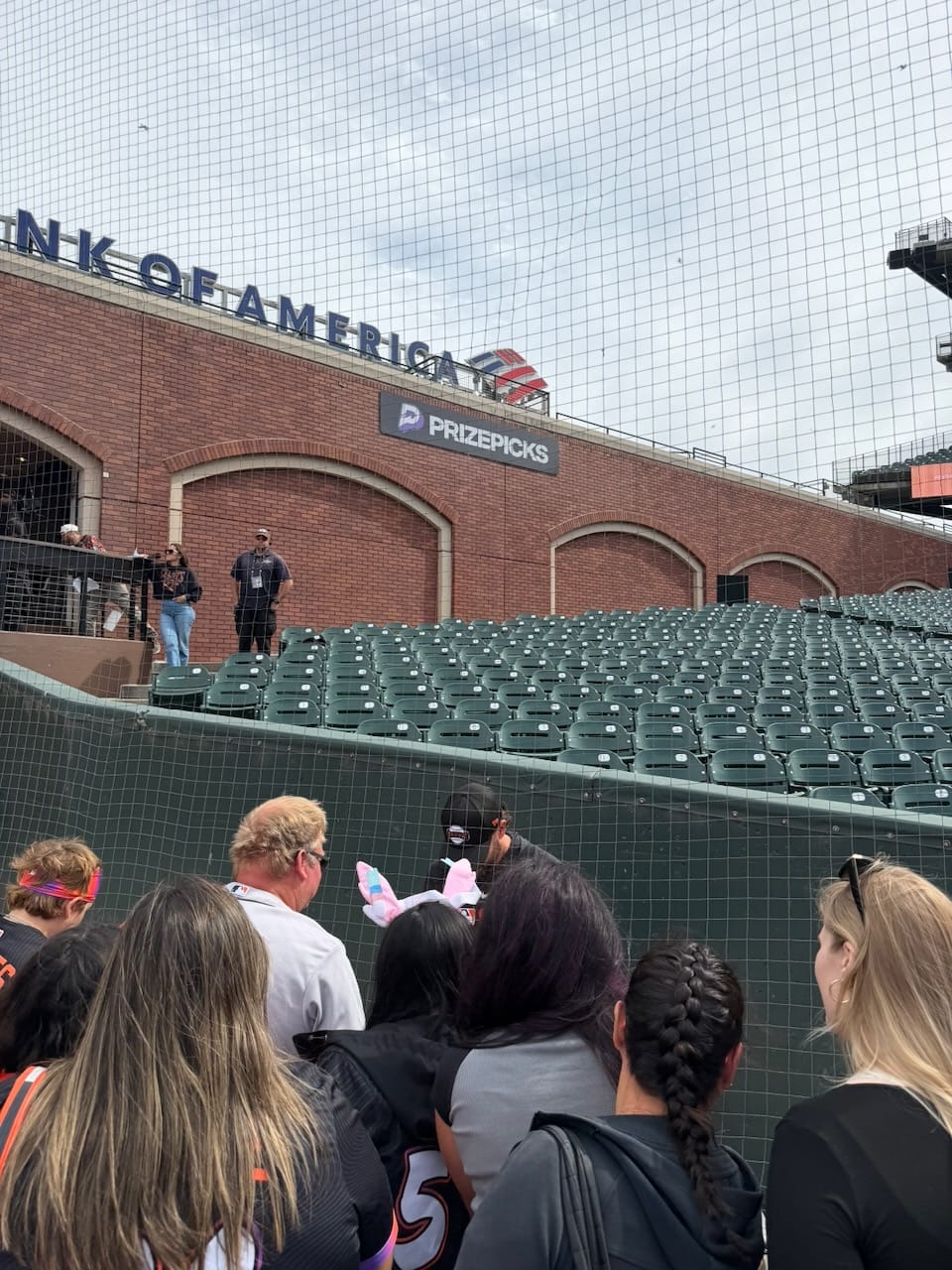
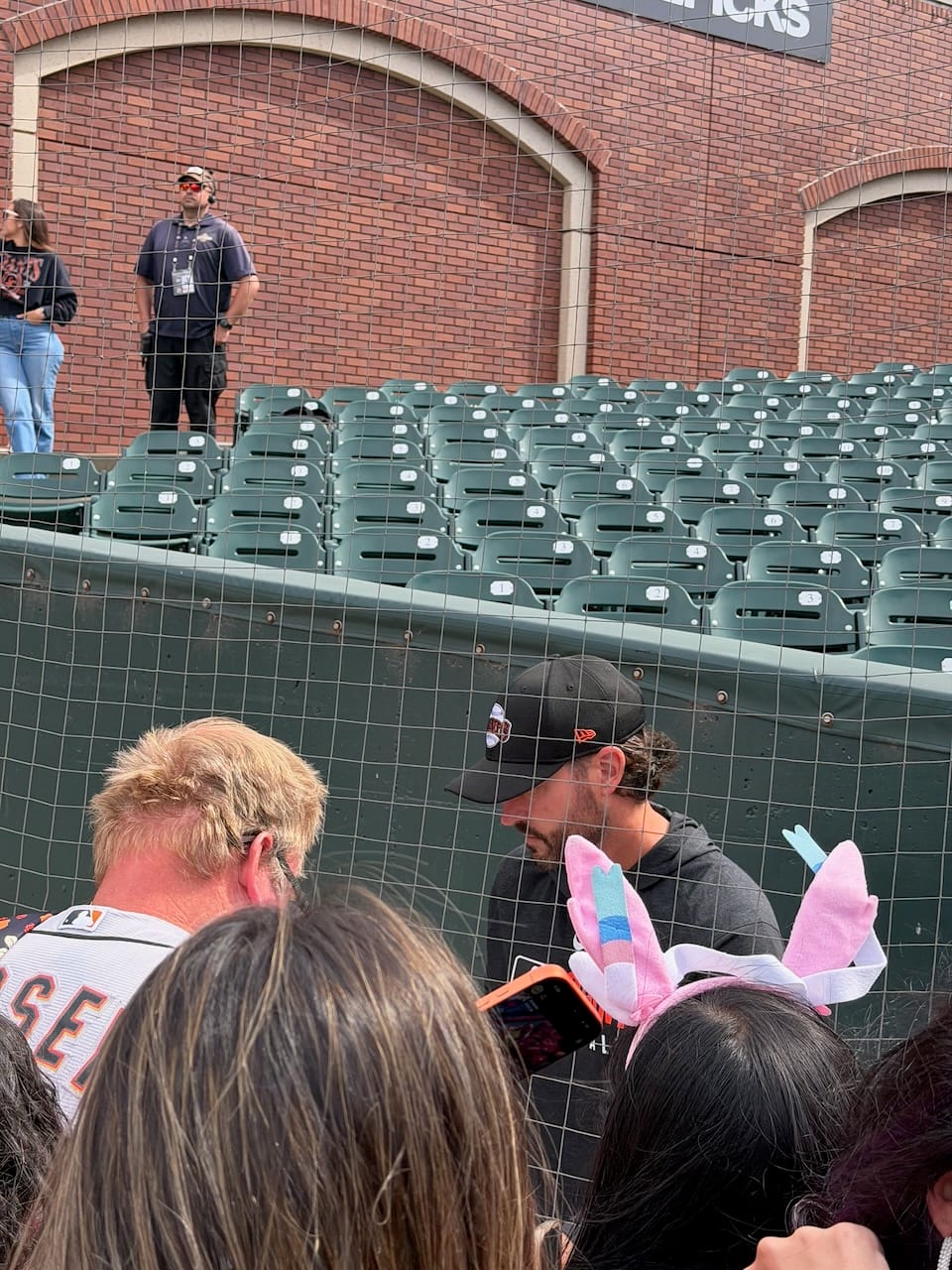
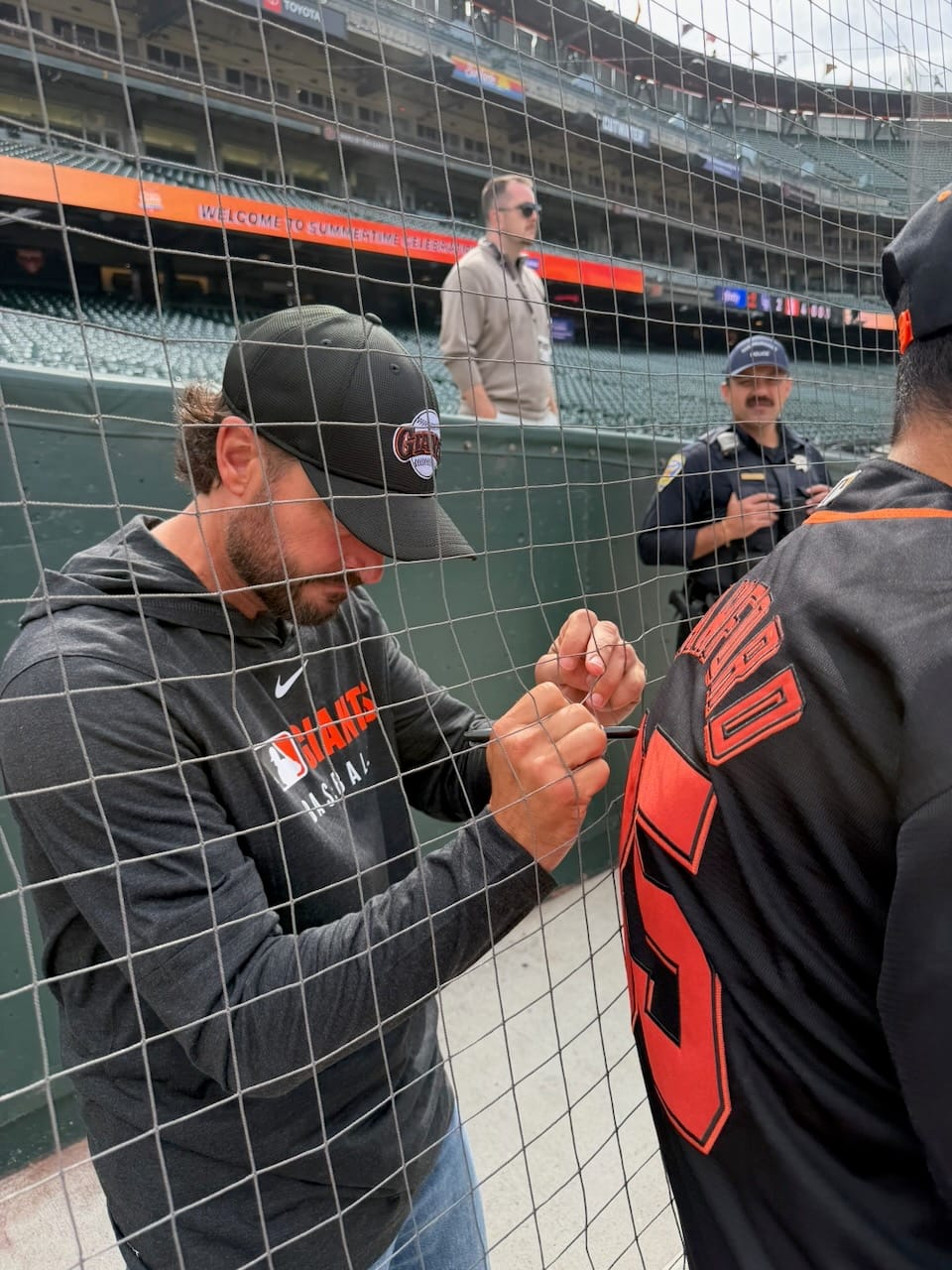
When my turn came, I handed him my orange City Connect cap and immediately realized that I did not know the correct place for a manager to sign a cap. I first offered him the inside, then another awkward area, and probably made the simple act much more confusing than it needed to be. He could have looked annoyed. Instead, he was patient, chose a place on the bill, and signed it carefully. Then he continued down the line.
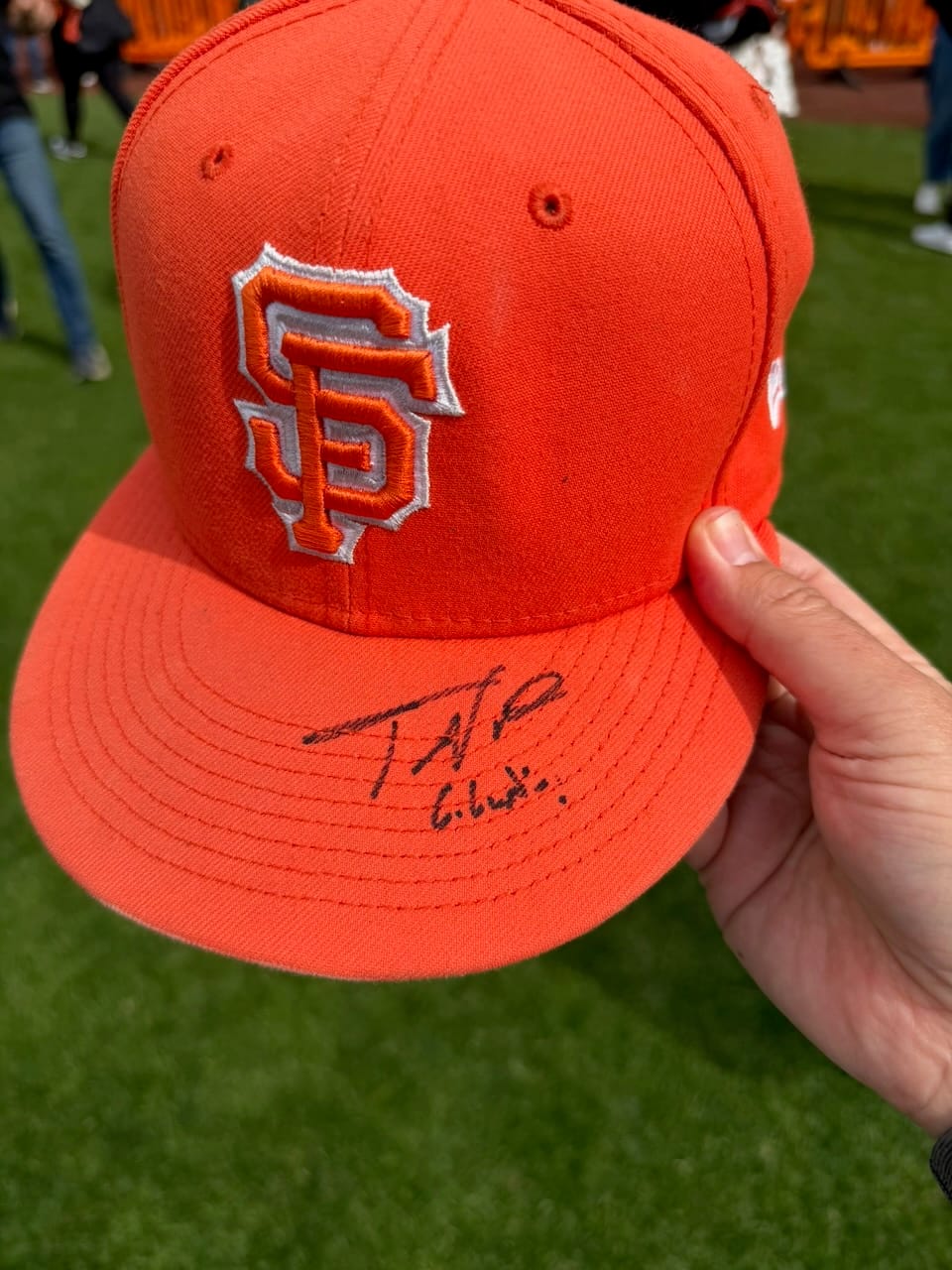
That moment did not answer my baseball questions. It did not reveal his bullpen strategy or explain the team's record. But it showed an effort to connect with fans at the event. During a season when fans have every reason to be frustrated, the manager came down from the interview desk and met them one by one. I appreciated the gesture, and I respected him for doing it.
I do not know how much the Giants can recover in the second half. They were 41-55 at the All-Star break, and as of July 25 they are 44-60. It is probably too late to make this season meaningful in the standings. There are at least signs of a more functional team. The offense has begun to revive, with Schmitt, Eldridge, Devers, Arraez, Jung Hoo Lee, and others producing more consistently. The starting pitching has often been good enough to win. The bullpen, however, remains abysmal. It has repeatedly turned winnable games into losses and is still the most urgent baseball problem.
I believe Tony deserves more time, probably through next season. The issues inside this organization did not begin with him or with Posey. We have watched different managers, executives, roster plans, and partial resets struggle with variations of the same problem for most of the last decade. Replacing one person again would be easier than defining what the Giants are supposed to become, but it would not necessarily solve anything.
I increasingly think the first step reaches beyond the roster. San Francisco has to become a place where good players actively want to live and play, and the Giants need a clear vision that makes joining the team feel like joining a serious project. The club cannot solve every problem in the city, but it can decide what it stands for, how it treats people, and what kind of baseball organization it wants to be. Without that clarity, every new player and manager is being asked to repair the team while also guessing at its identity.
By the end of the celebration, we were lying on a blanket in the outfield, wearing my Gigantes shirts with the signed orange cap between us. Around us were fans living through one of the worst seasons in recent Giants history and still wanting another hour with the team.
I do not know what the Giants will look like next year, or the year after that. I know that I will still be a Giants fan.