Joanna Stern at the Computer History Museum

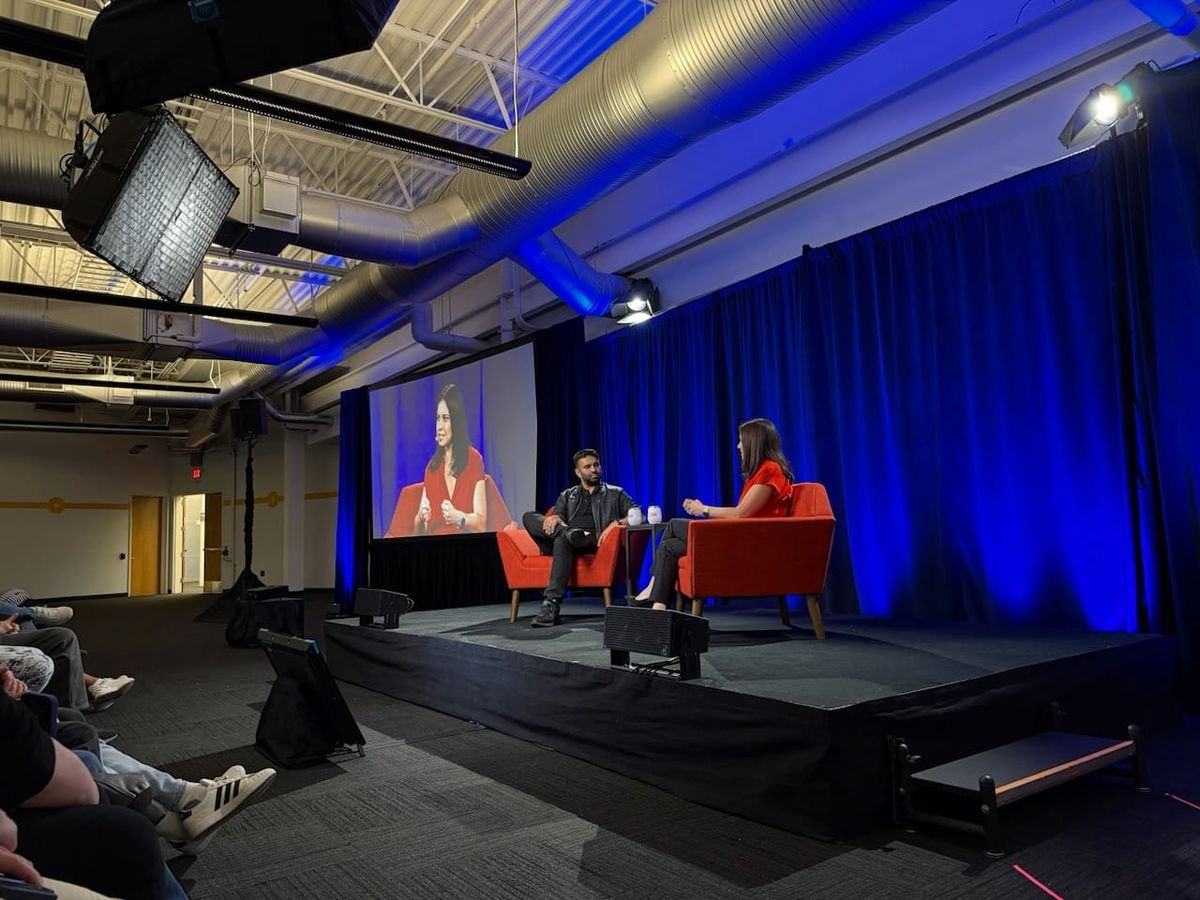
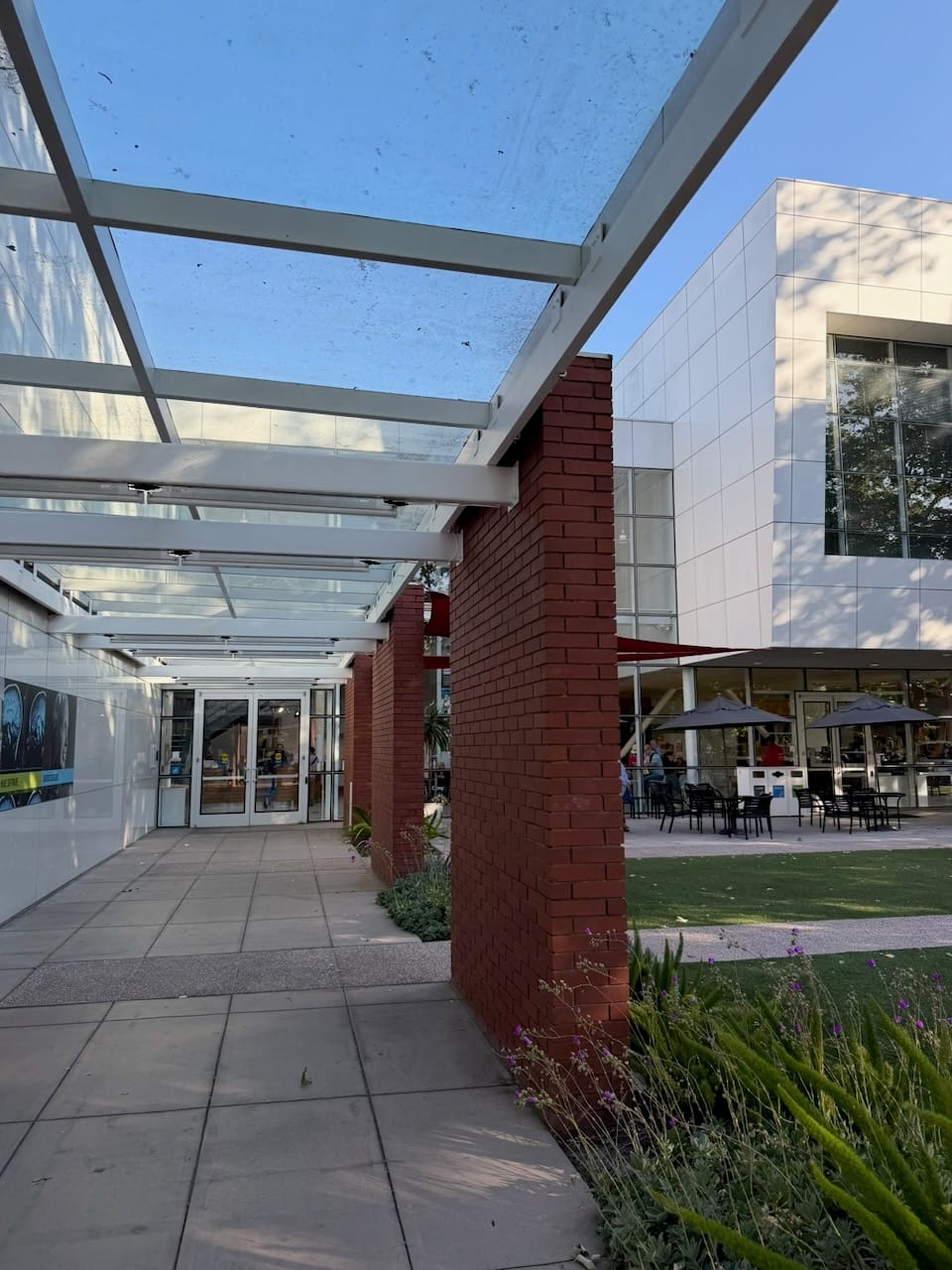
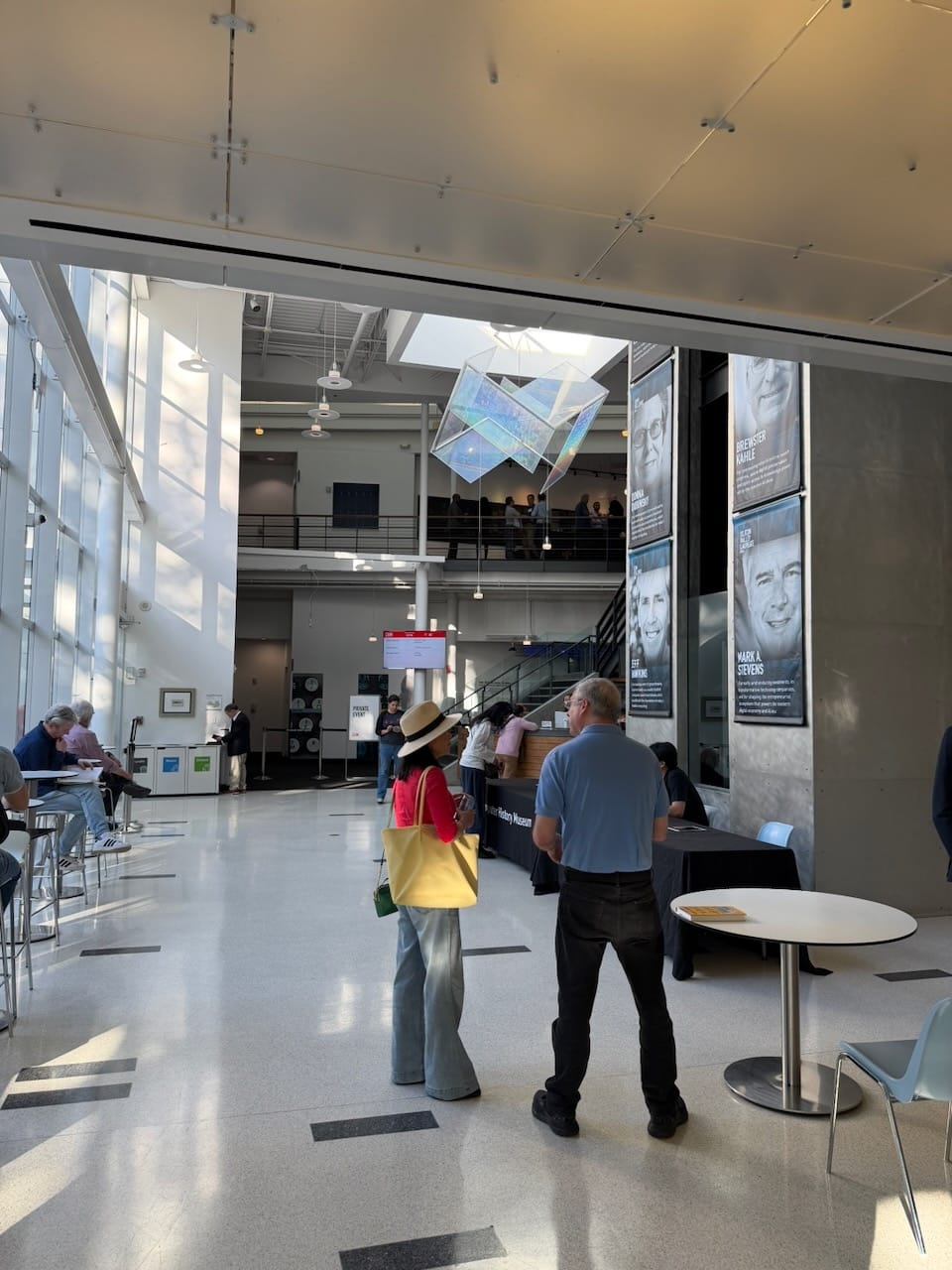
Last Tuesday night (5/19), I went to the Computer History Museum to hear Joanna Stern talk about her new book, I Am Not a Robot: My Year of Using AI to Do (Almost) Everything. This was one of those Bay Area events that felt almost too easy to attend. The museum is about 3 miles from my home. The event was free with a reservation. It started at 7 pm, which meant I could go there on a normal weekday evening without turning the night into a logistical project.
That ease is part of what made me think about the night afterward. I have lived near these kinds of opportunities for years, but I have not always acted like they were part of my life. I am not naturally a social event person. My default setting is to stay home, read about things later, maybe watch the video if it appears online, and tell myself that this is basically the same. It is not the same. This does not mean I am suddenly ready to say yes to every random invitation to an "AI leaders private dinner" or whatever those things are supposed to be. I still do not know what that room looks like, or whether I would want to be in it. But a public talk at a place I already like is different. Sometimes the most valuable thing about living here is not access to companies or jobs or products before everyone else. It is access to rooms where people are trying to understand what is happening while it is still happening.
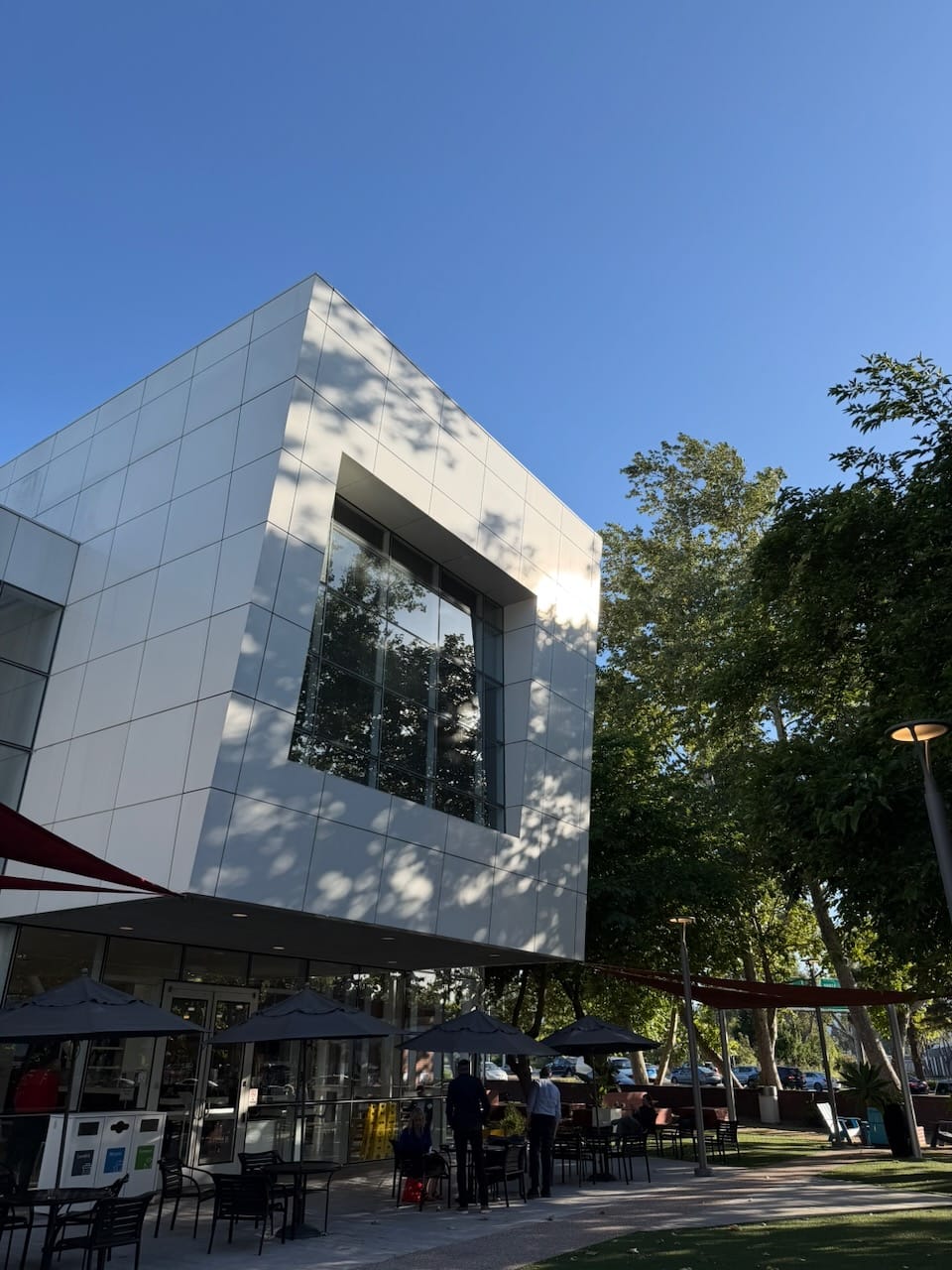
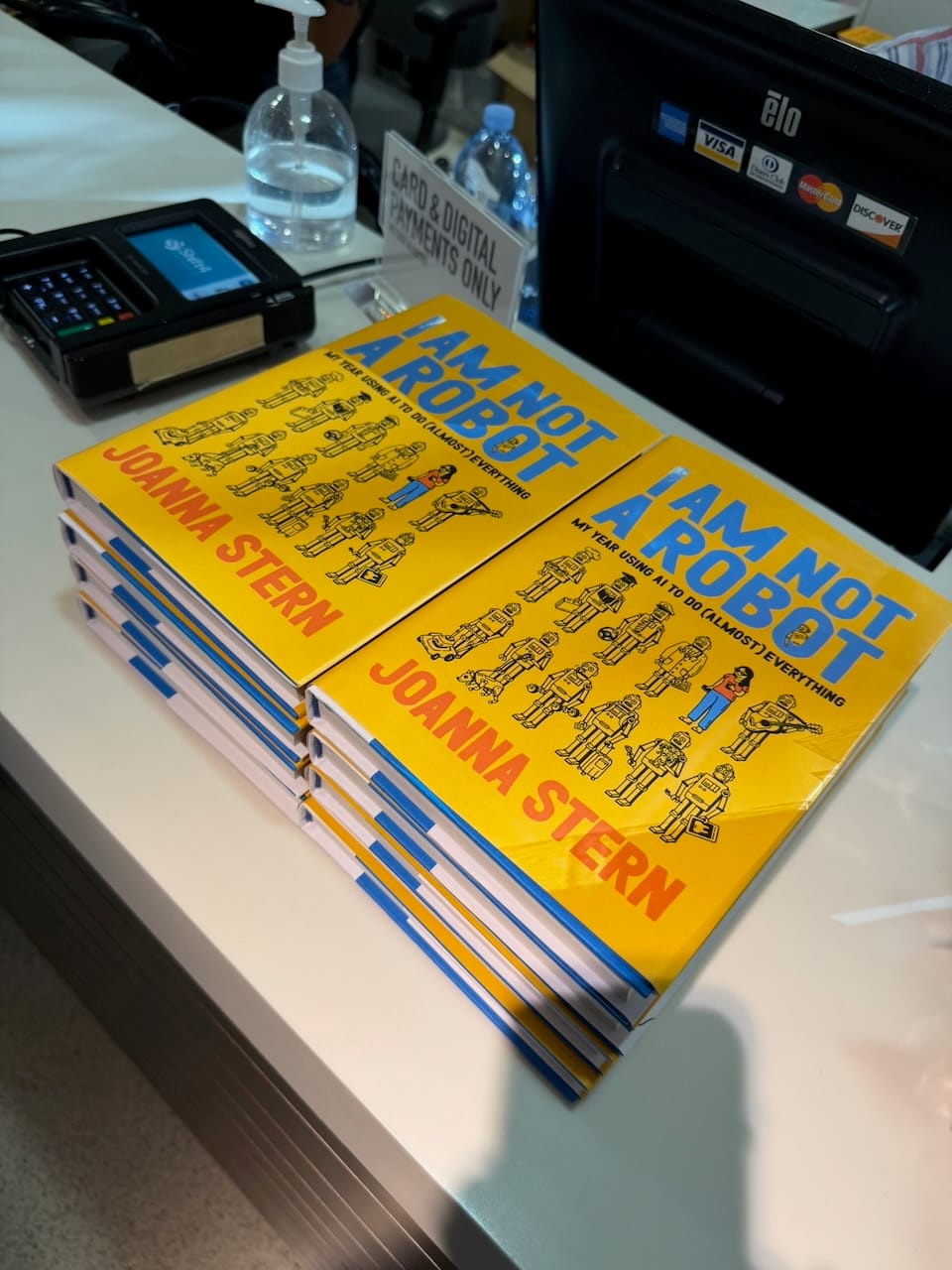
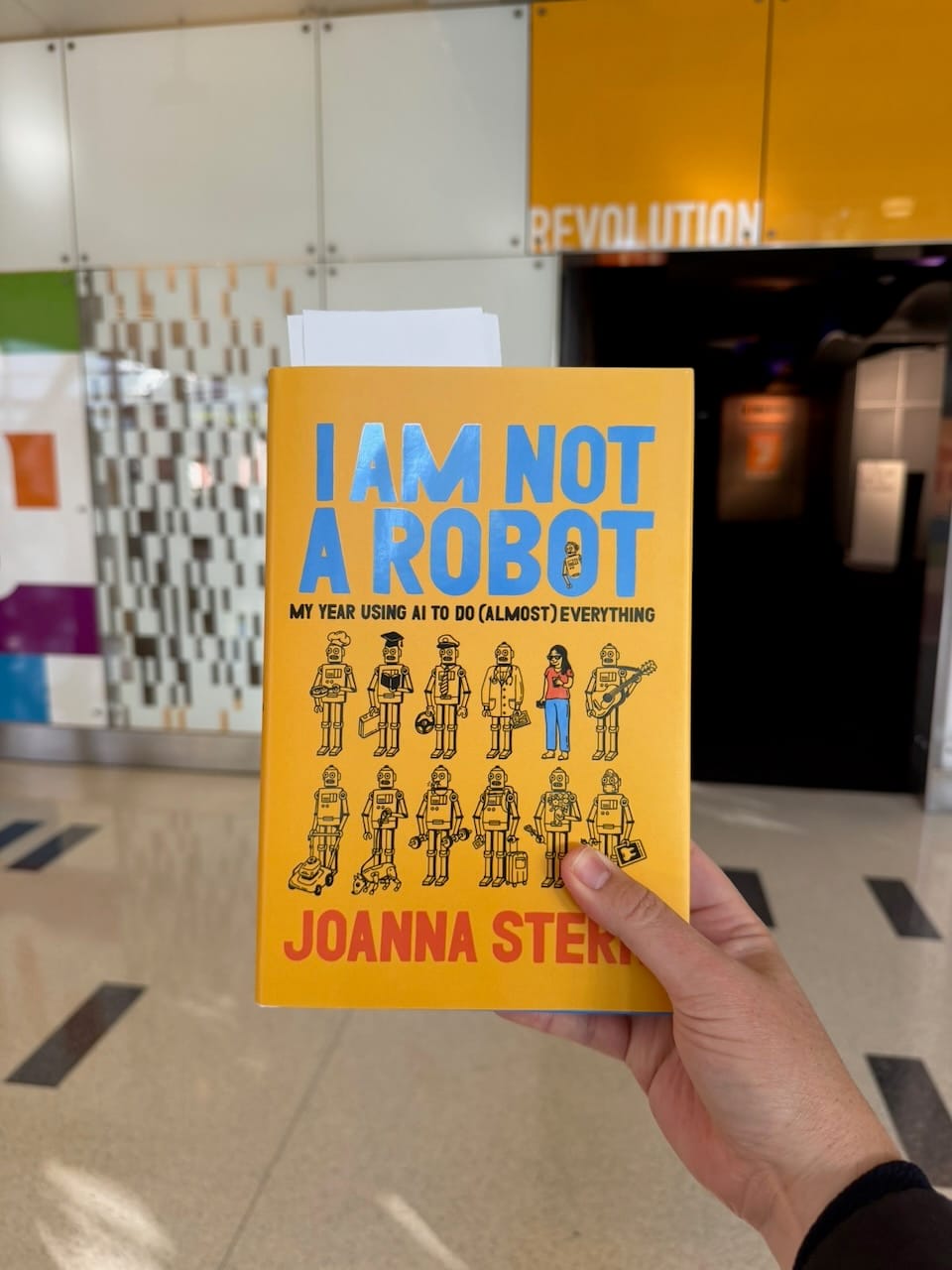
I came mostly because of Joanna Stern. I had been a fan since her Wall Street Journal days, especially after her 2019 Galaxy Fold review. The part I remembered, and later checked because memory is dangerous, was real: she put a sausage, or hot dog, inside the fold of Samsung's first Galaxy Fold. It was a ridiculous image, and it annoyed some Korean tech media at the time, but it also made the point more effectively than another paragraph about fragile hinges could have done. That is what I liked about her work. She had a way of making a technology review physical. You did not just hear that a device was awkward or unfinished. You saw the awkwardness.
That style made her a good person to write a book about AI in everyday life. AI coverage can become abstract very quickly. It turns into arguments about AGI, training data, model benchmarks, job displacement, regulation, and the future of work. Those things matter, but they can also float away from actual use. Stern's book premise pulls the subject back down to the ground: What happens if you invite AI into as many ordinary parts of life as possible? What happens when it reads your medical results, helps with work, talks to you in the car, plans your day, joins your family vacation through Waymo, or becomes an AI boyfriend for a reporting experiment?
The talk was moderated by Nilay Patel, cofounder and editor-in-chief of The Verge, which made the evening feel a little like a reunion of a certain era of tech media. Stern helped start The Verge before spending twelve years at the Journal, and now she has gone independent with New Things, her own media company and YouTube channel. That arc was part of the subtext of the evening too. She was not only talking about AI as a subject she had reported on. She was also talking about AI as something she used to help her own next step.
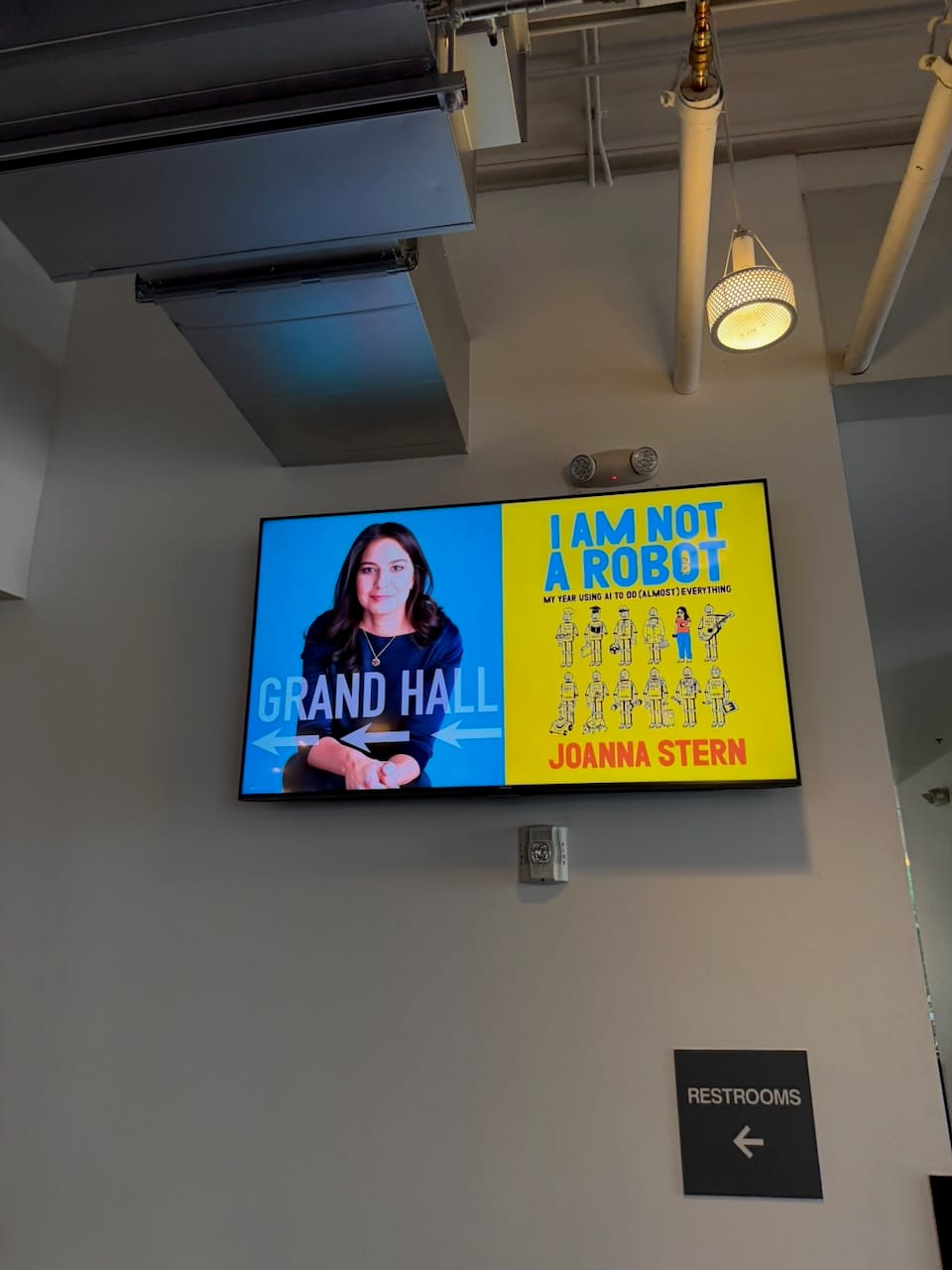
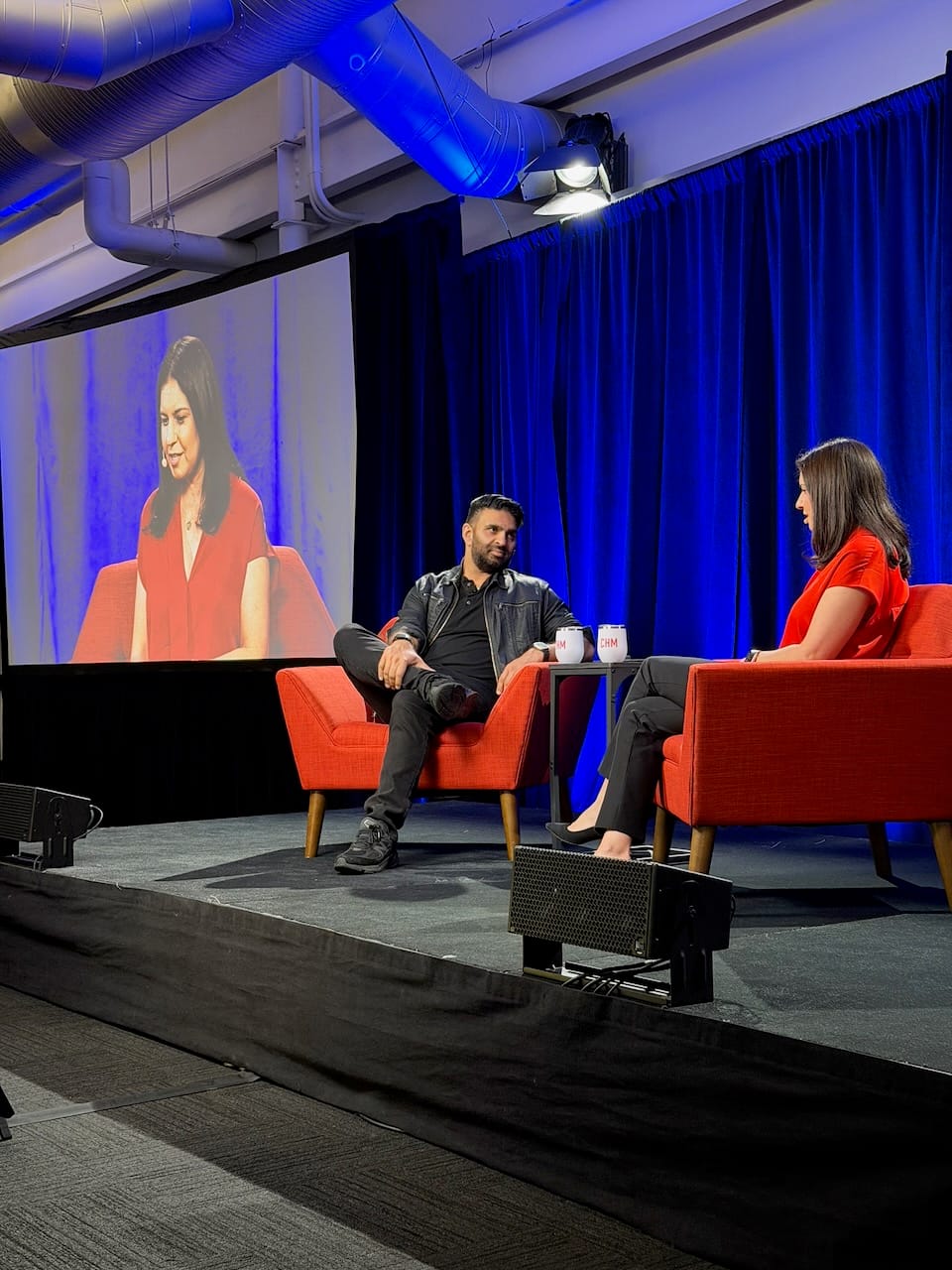
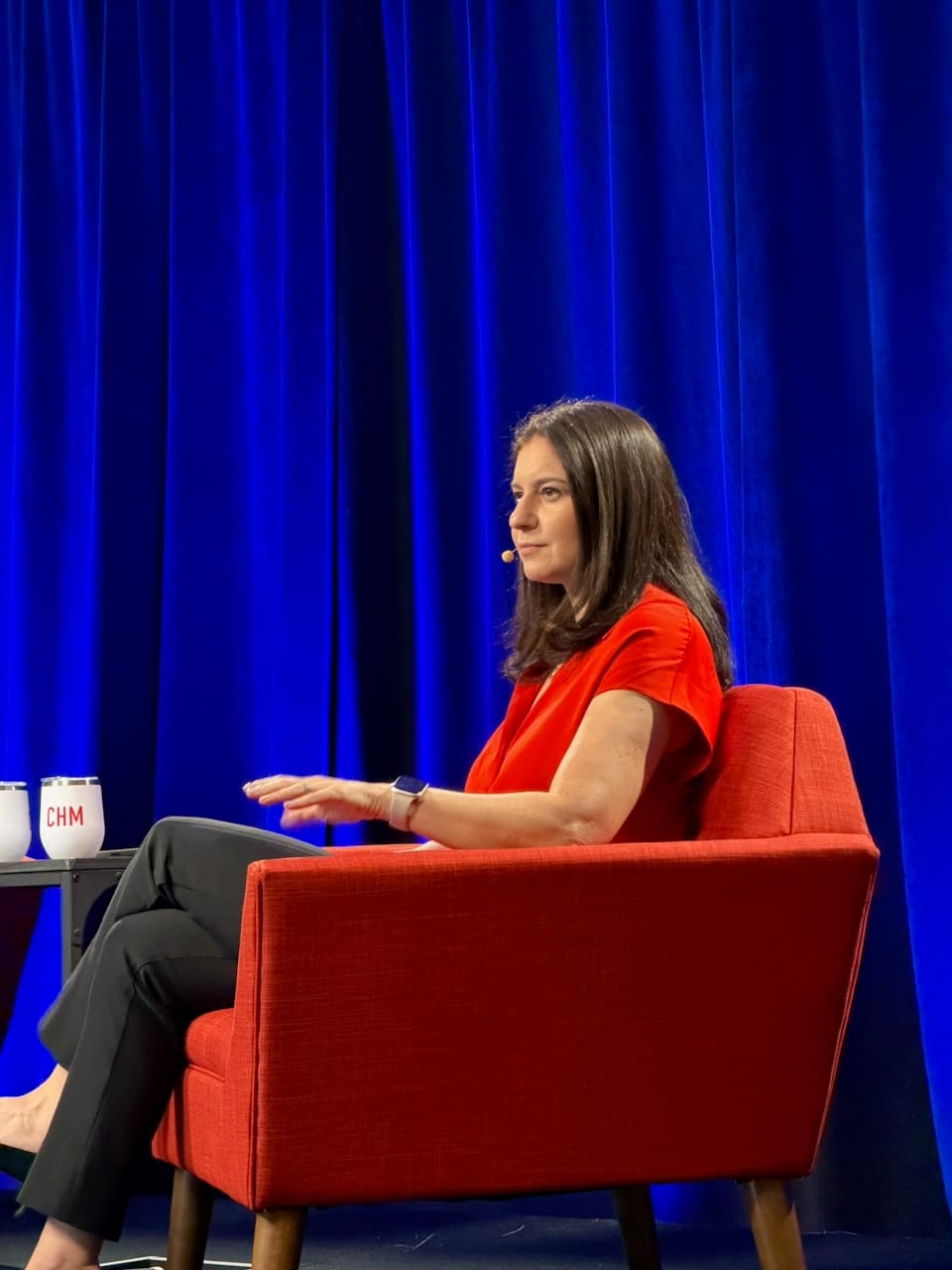
One of the clearest lines from the talk was that she did not write the book with AI, but she did make the book with AI. That distinction felt important. It is also probably where many of us are landing, whether we admit it cleanly or not. The point is not that AI replaces judgment, taste, or responsibility. The point is that it can absorb some of the surrounding mess: transcribing, summarizing, rearranging notes, creating rough systems, helping a small team handle work that would otherwise be too heavy. For a writer leaving a major institution to build an independent operation, that is not a small thing.
The panel itself was lively without becoming a product demo (which is usual in ordinary tech conferences). It opened with the recent backlash from students booing AI figures at graduation ceremonies, then moved through jobs, creative work, environmental concerns, agents, voice interfaces, kids, self-driving cars, AI companions, and what kinds of relationships should remain stubbornly human. There were funny moments, especially around Stern's AI boyfriend experiment, but the humor worked because the concern underneath it was real. A frictionless companion sounds absurd until you imagine someone lonely enough, tired enough, or vulnerable enough for the frictionlessness to become the product.
Still, I did not leave with a dark feeling. Maybe that was because the conversation kept returning to actual experience rather than prophecy. Stern was funny about bad AI products. Patel was good at pressing on the business and interface questions. The audience questions ranged from adult anxiety to children asking what they should learn. Stern's answer to the kids, in essence, was to keep reading and keep thinking critically. That sounds simple, almost too simple, but in a room full of people talking about agents and voice interfaces, it felt like the correct answer.
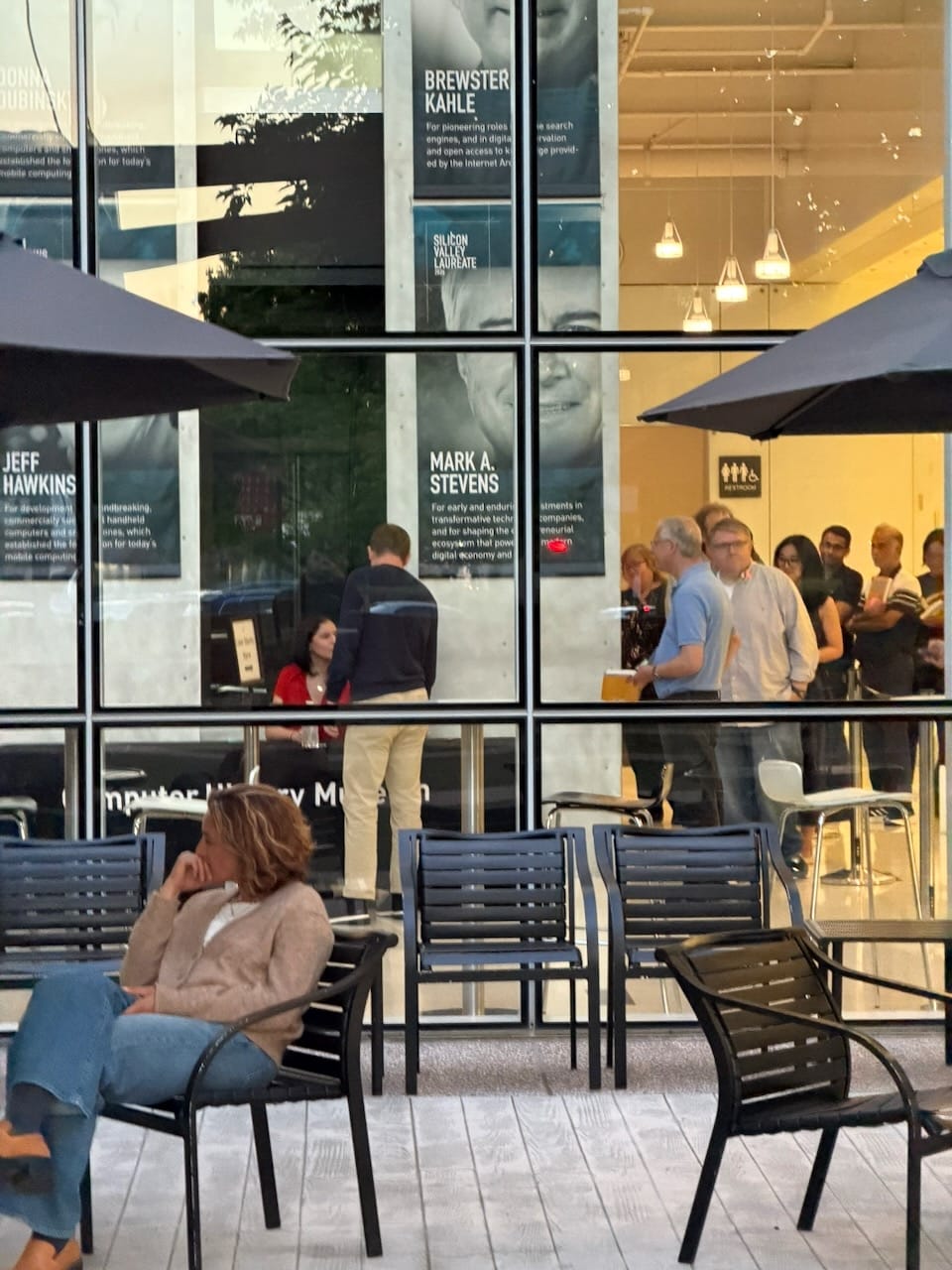
After the talk, I stayed for the signing. I have received authors' autographs before at conferences and private events, but this kind of public book-talk line was new to me. Standing there with the book, watching other people say a few words, then getting my own few seconds at the table made the whole thing feel less like consumption and more like participation. I did not say anything profound. I probably said I had been a fan since her WSJ days, and that I should have brought my daughter. Stern asked how old she was, then asked whether I could buy the book at the museum gift shop. She signed the book. That was enough.
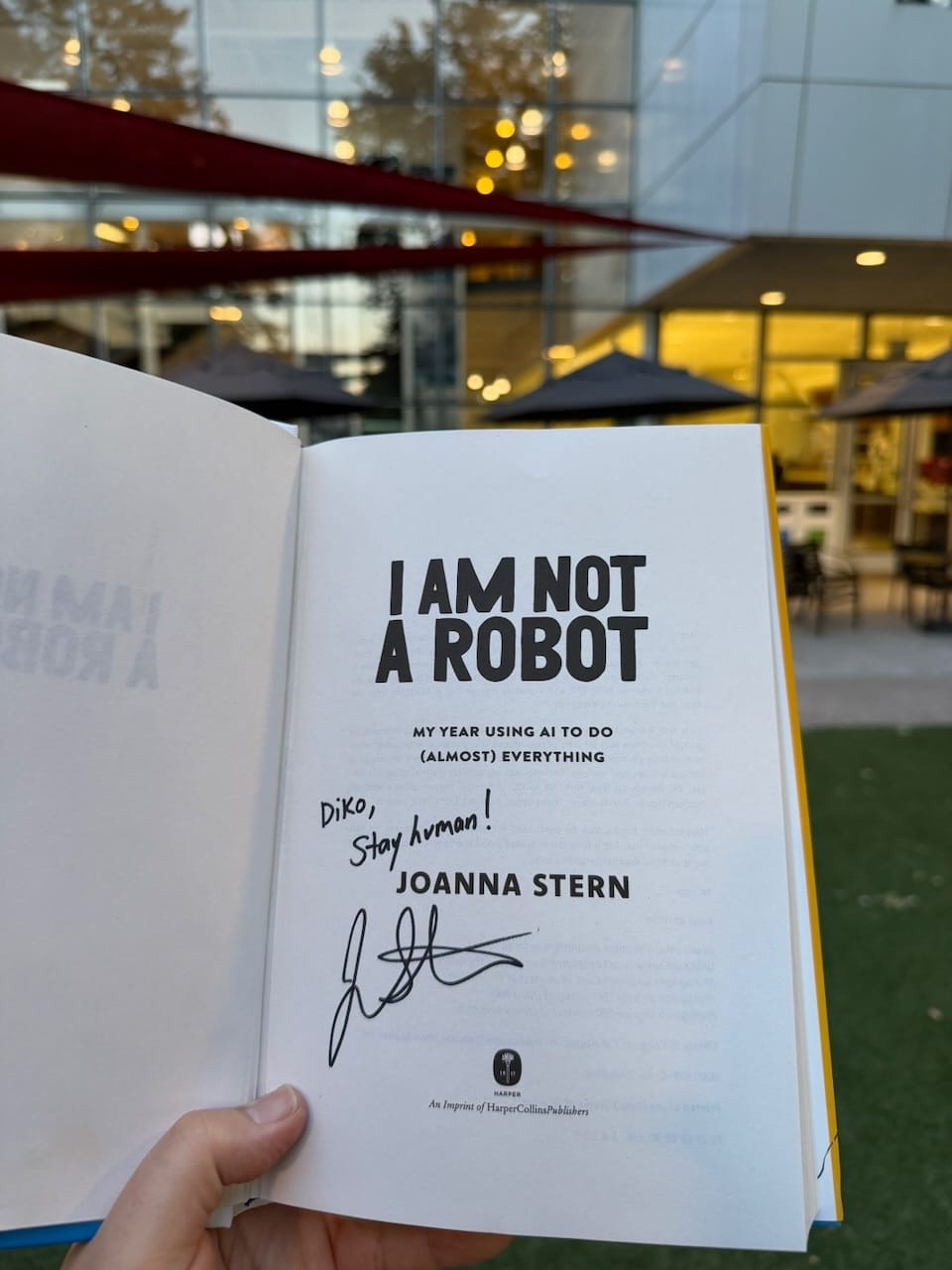
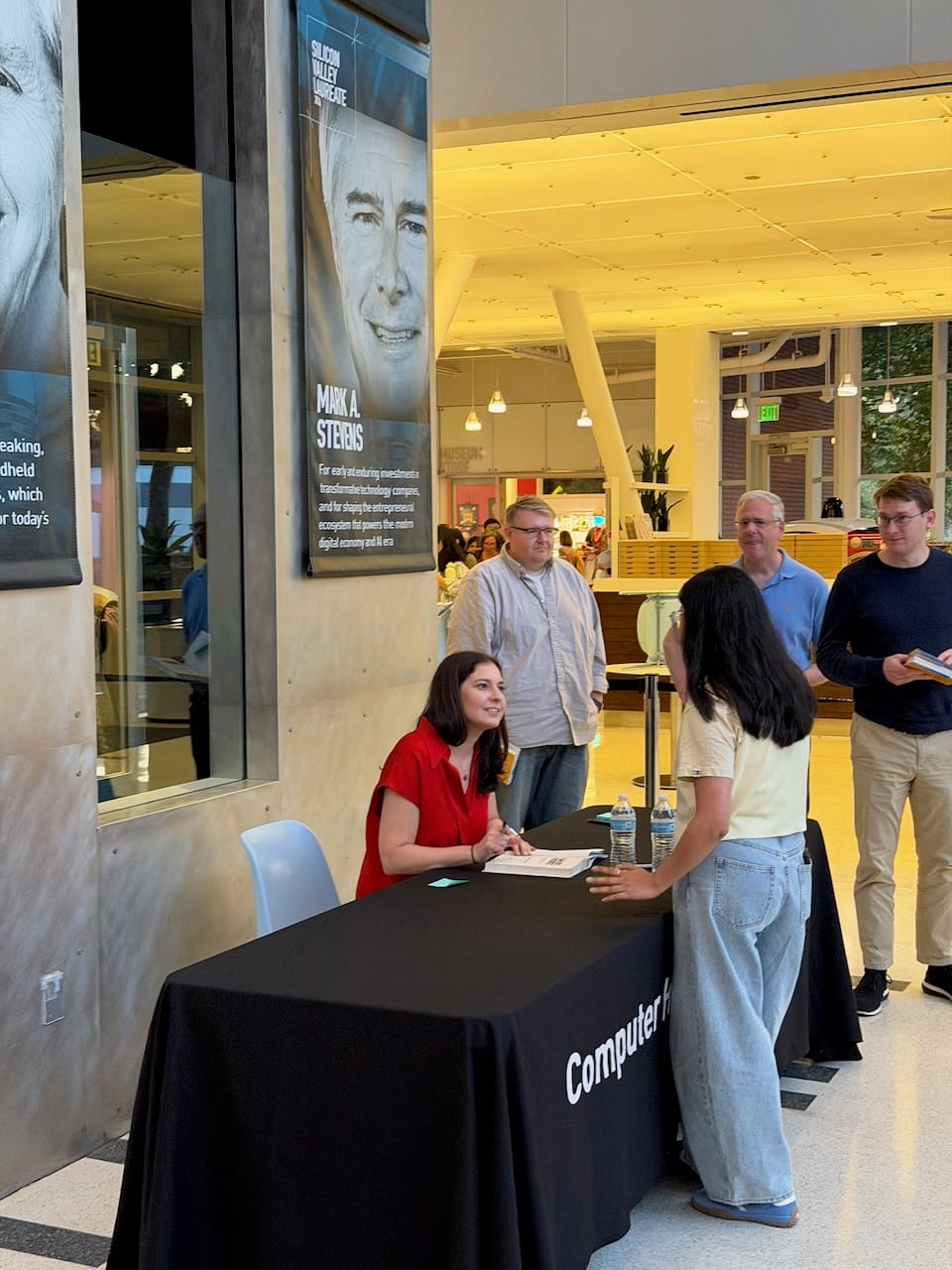
Stay human!
The signed book also felt funny in the context of the night. We had just spent more than an hour talking about AI systems that can read, summarize, generate, speak, remember, and pretend to accompany us. Then the thing I took home was a physical book with a human signature on the first page. It was not efficient. It was not scalable. It was not the future of anything. That was why it mattered to me.
I have been thinking about that small gap between knowing something is nearby and actually going. The Bay Area can be frustrating in many ways, but it has this unusual density of people, institutions, talks, museums, campuses, and events where the future is not presented as a distant abstraction. It is on a stage a few miles away, sometimes for free, if you remember to reserve a seat and leave the house.
For a long time, I treated being nearby as if it counted for something by itself. It does not. Living close to the Computer History Museum is only a fact. Walking into the building on a Tuesday night, listening to Joanna Stern and Nilay Patel talk about AI, then leaving with a signed book in my hand, that was the actual privilege. I should use it more often.