Thanksgiving 2025: Day 3, Vatican

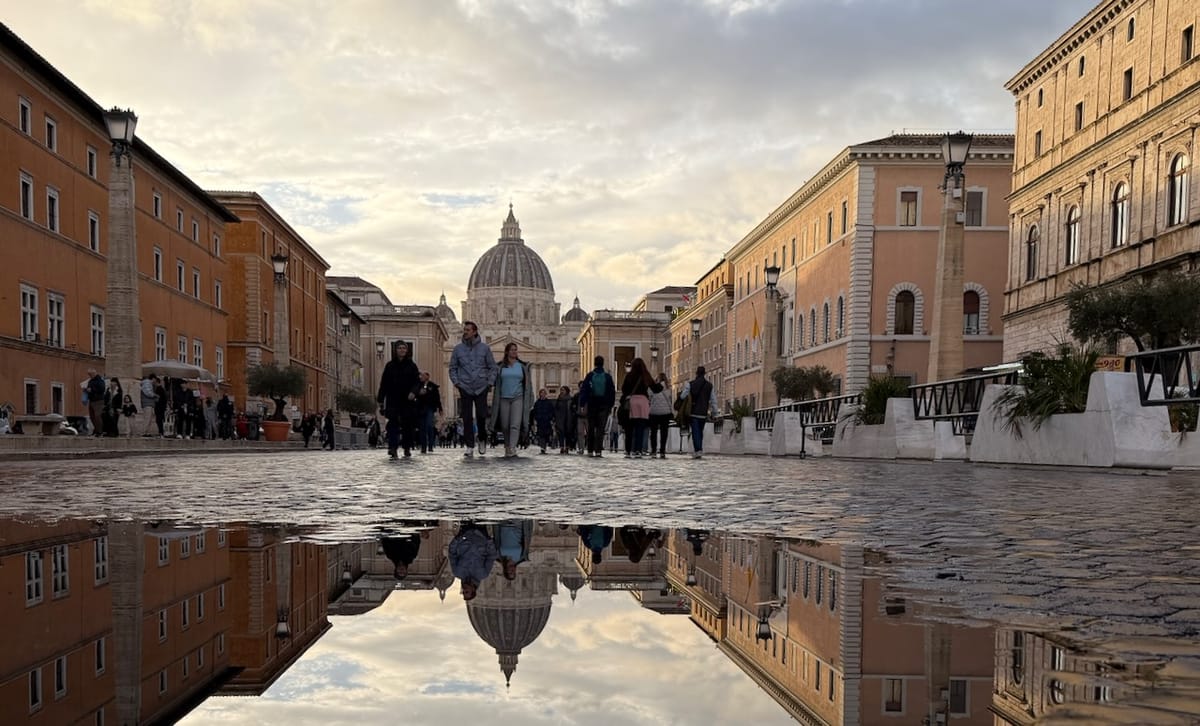
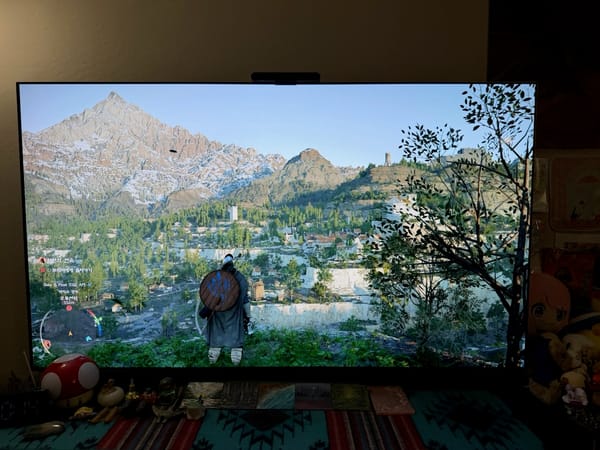
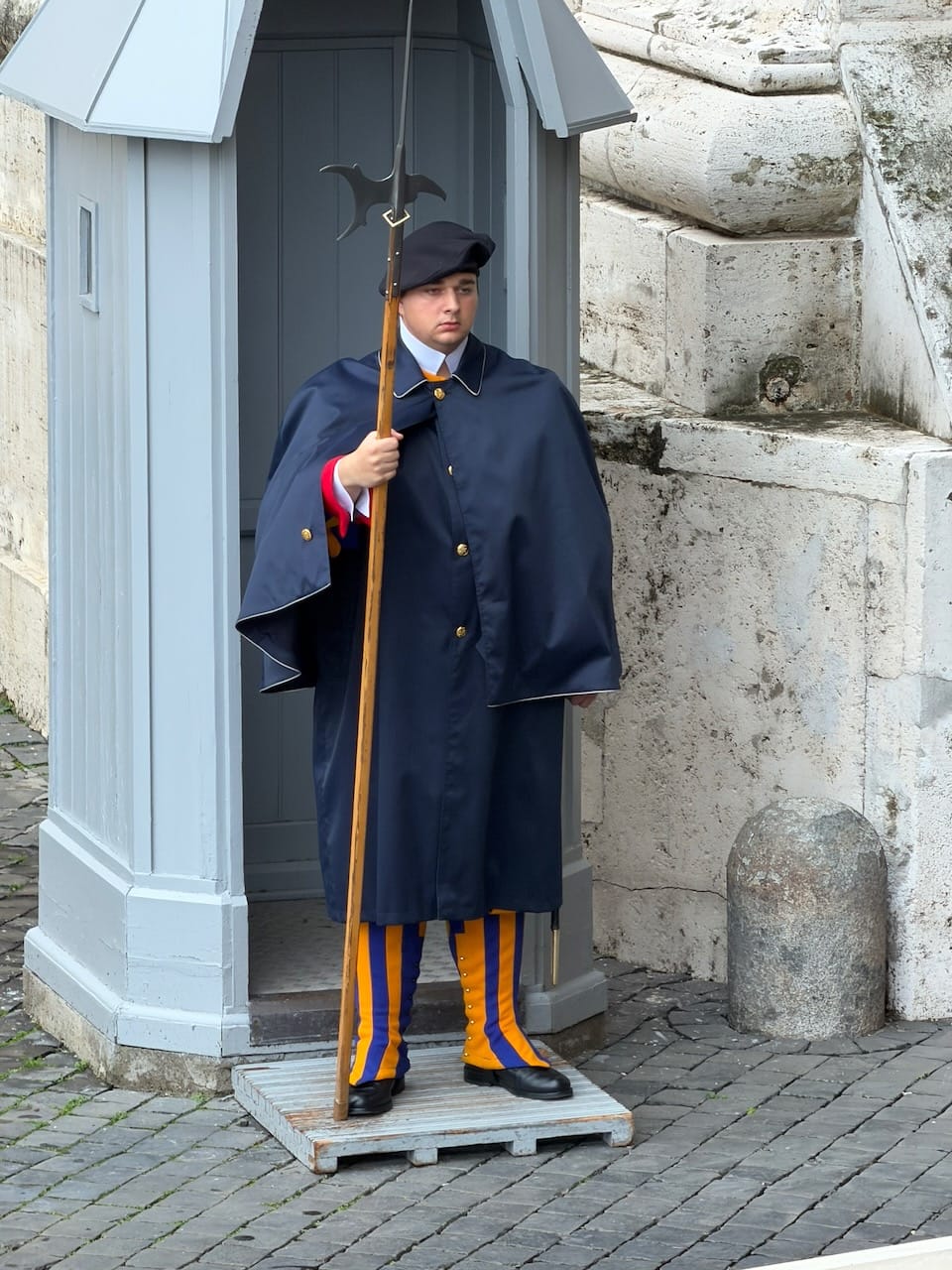
The third day took us to another country—the Vatican, technically speaking, even though it sits inside Rome. Earlier this year, I had spent a lot of time playing Indiana Jones and the Great Circle. The Vatican is the first major stage in the game, where I navigated endless corridors and punched an unreasonable number of Nazi soldiers. So when I finally stood in front of the real Vatican walls, I felt an odd sense of familiarity (thankfully without the punching).
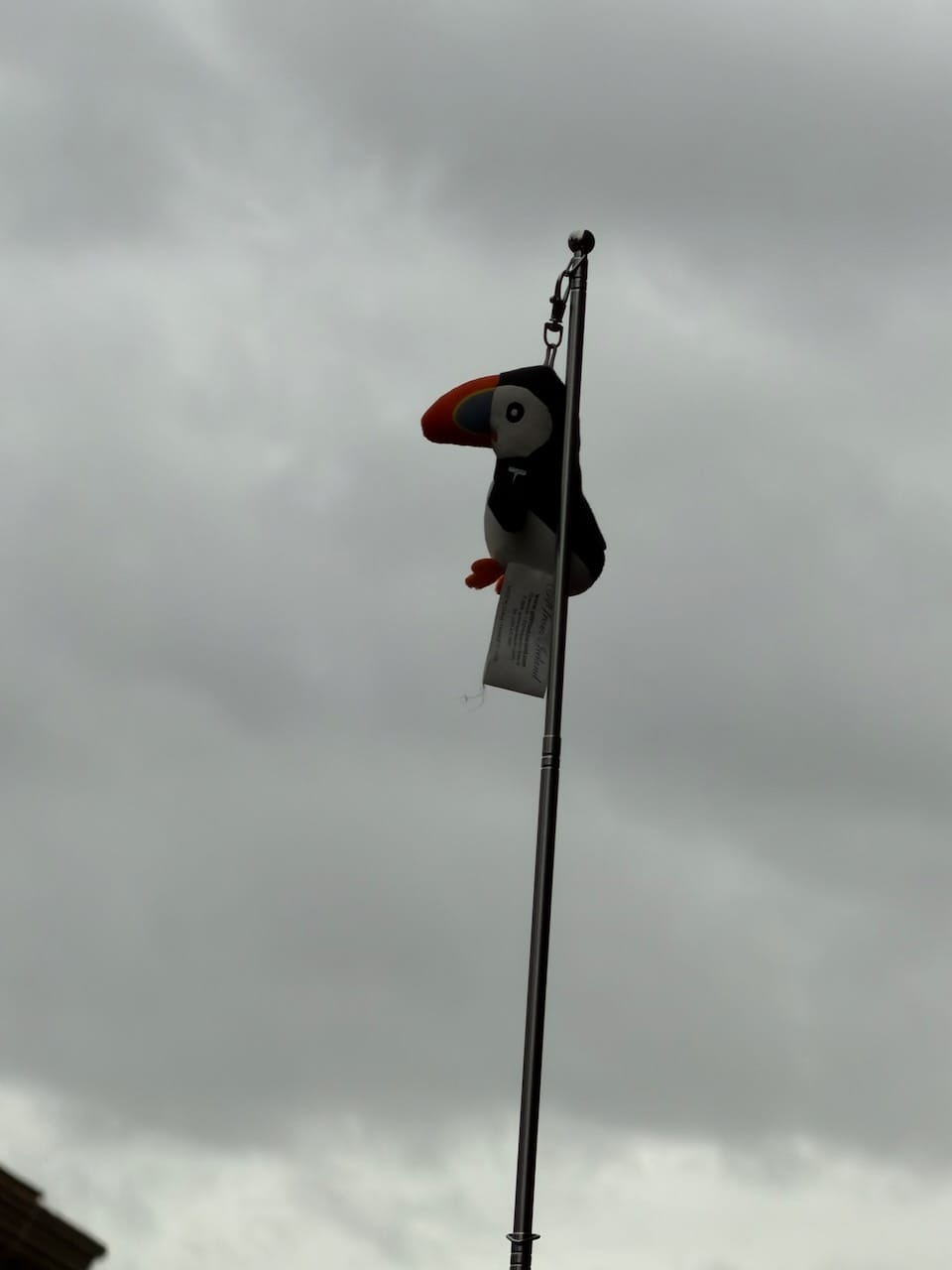
We booked another Korean-guided tour, this time for the Vatican Museums. The biggest advantage of a guided tour here is efficiency: no need to secure tickets ourselves, fast-track entry, and (most importantly) professional, detailed explanations of what we were seeing. Our guide, Minky (his nickname, inspired by a classic anime character; his real name was Mingi—memorable for all the right reasons), was genuinely excellent. With him, the tour felt almost flawless—aside from the rain, which, thankfully, is not part of a tour guide’s job description. I forgot to leave him a review afterward, which I still regret, so if you can speak or understand Korean, I strongly recommend this tour. Every guide carries a flag so their group can spot them easily. Minky’s was a parrot, which was both practical and impossible to miss.
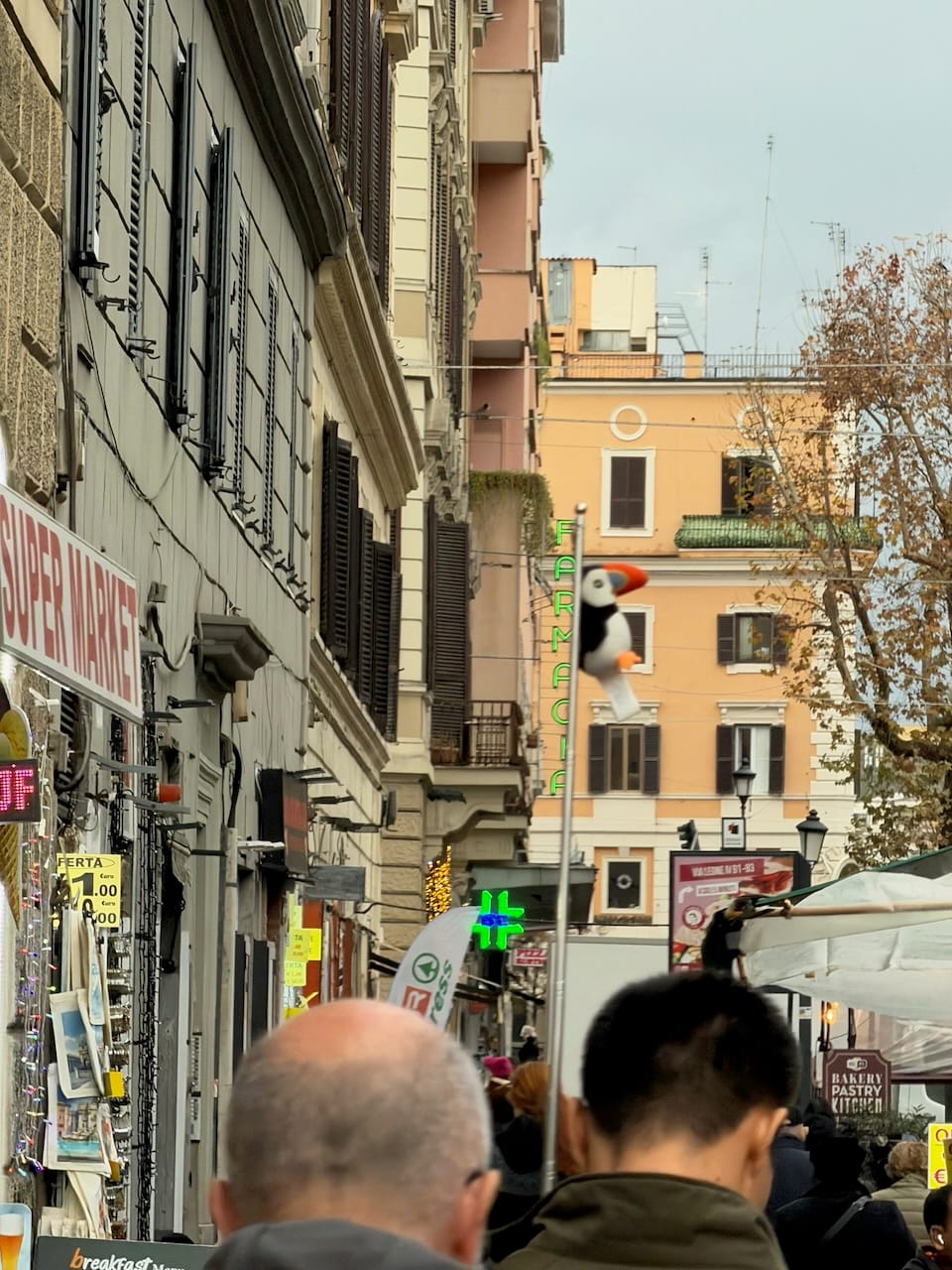
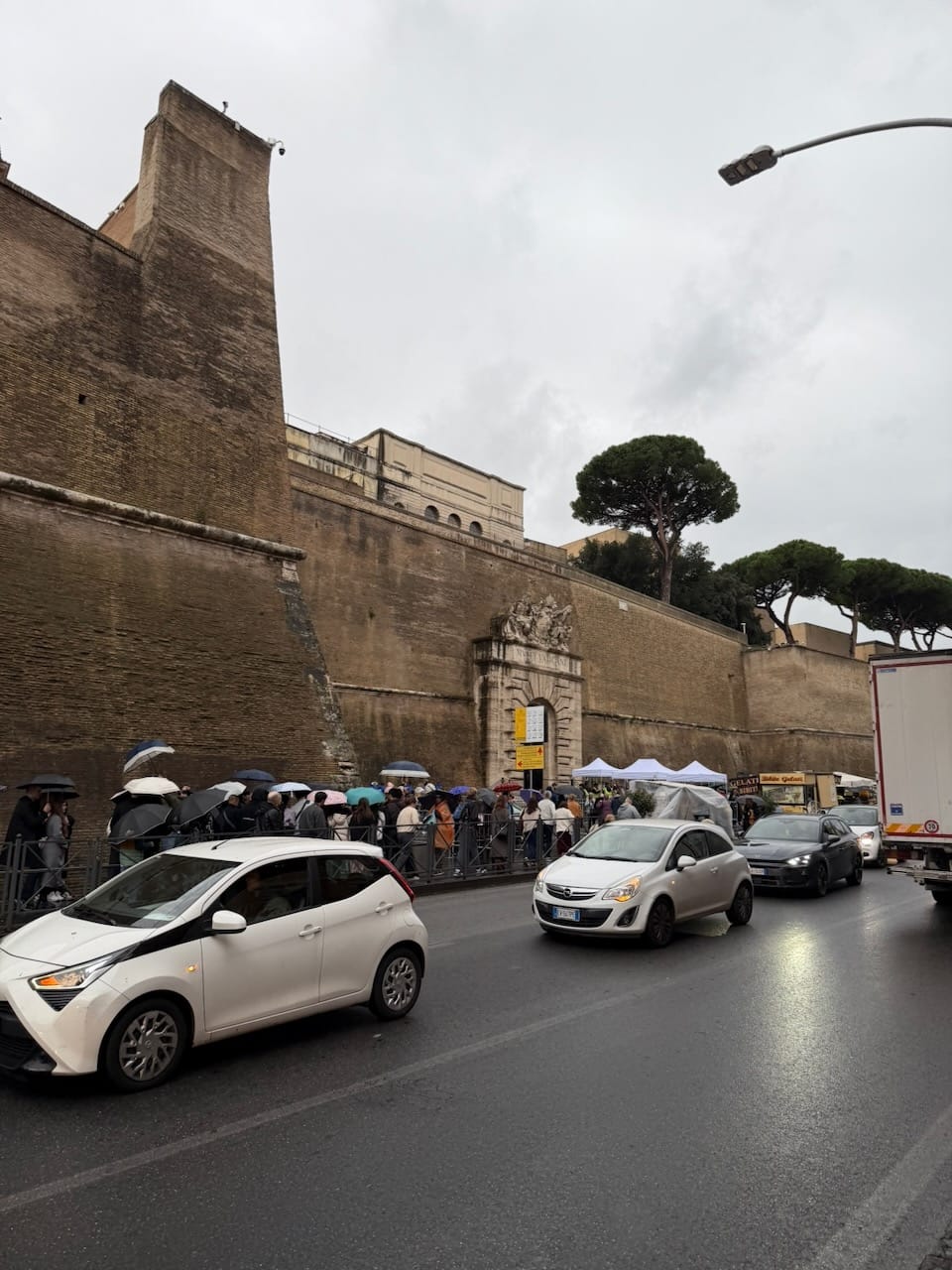


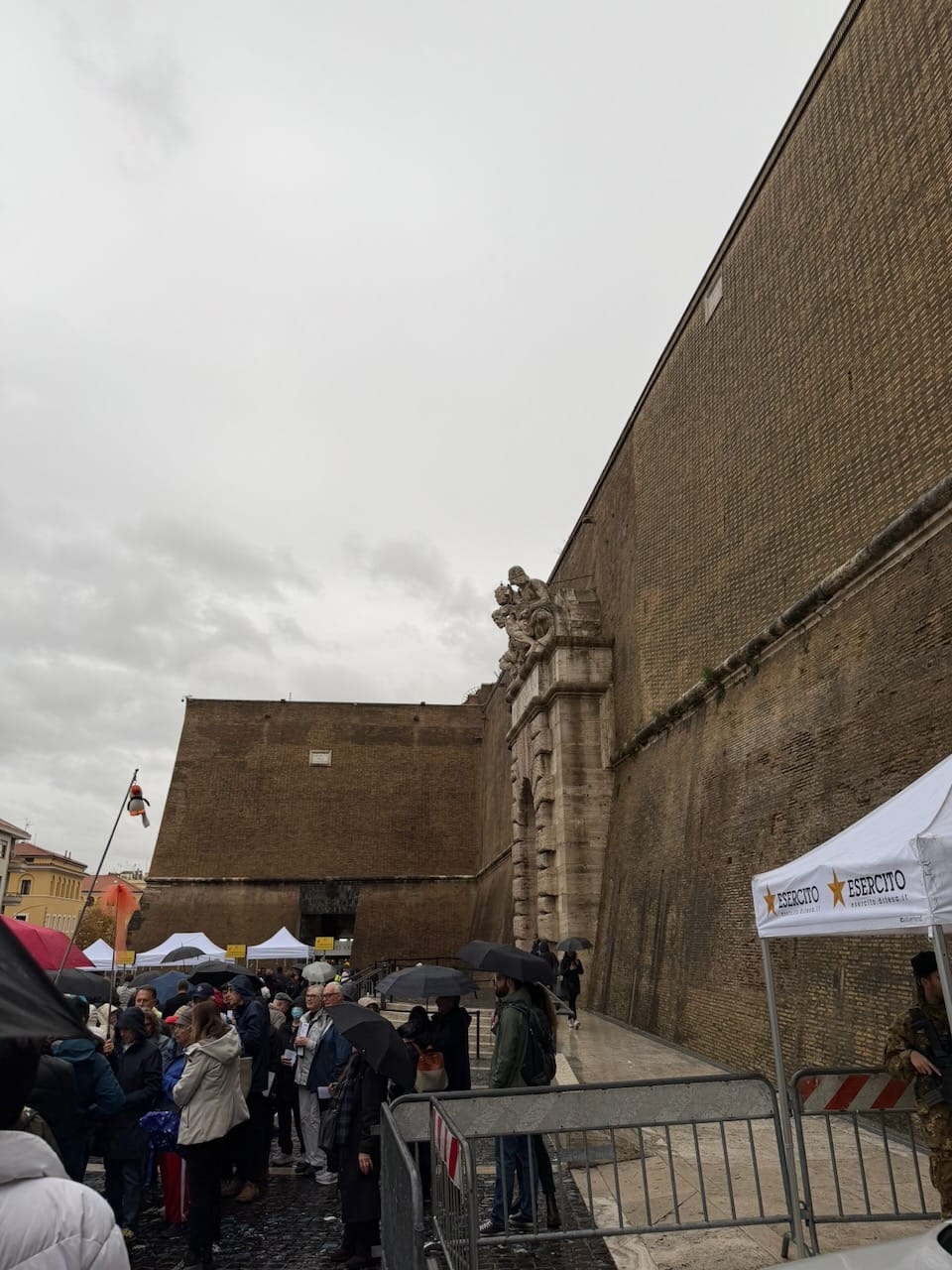
Our entry time was 9 am, and we lined up at the gate about ten minutes before. The entrance process involved multiple security checks, which was the strictest we encountered during the entire trip. Fortunately, unlike the Colosseum, they did not require original passports; photocopies were sufficient.
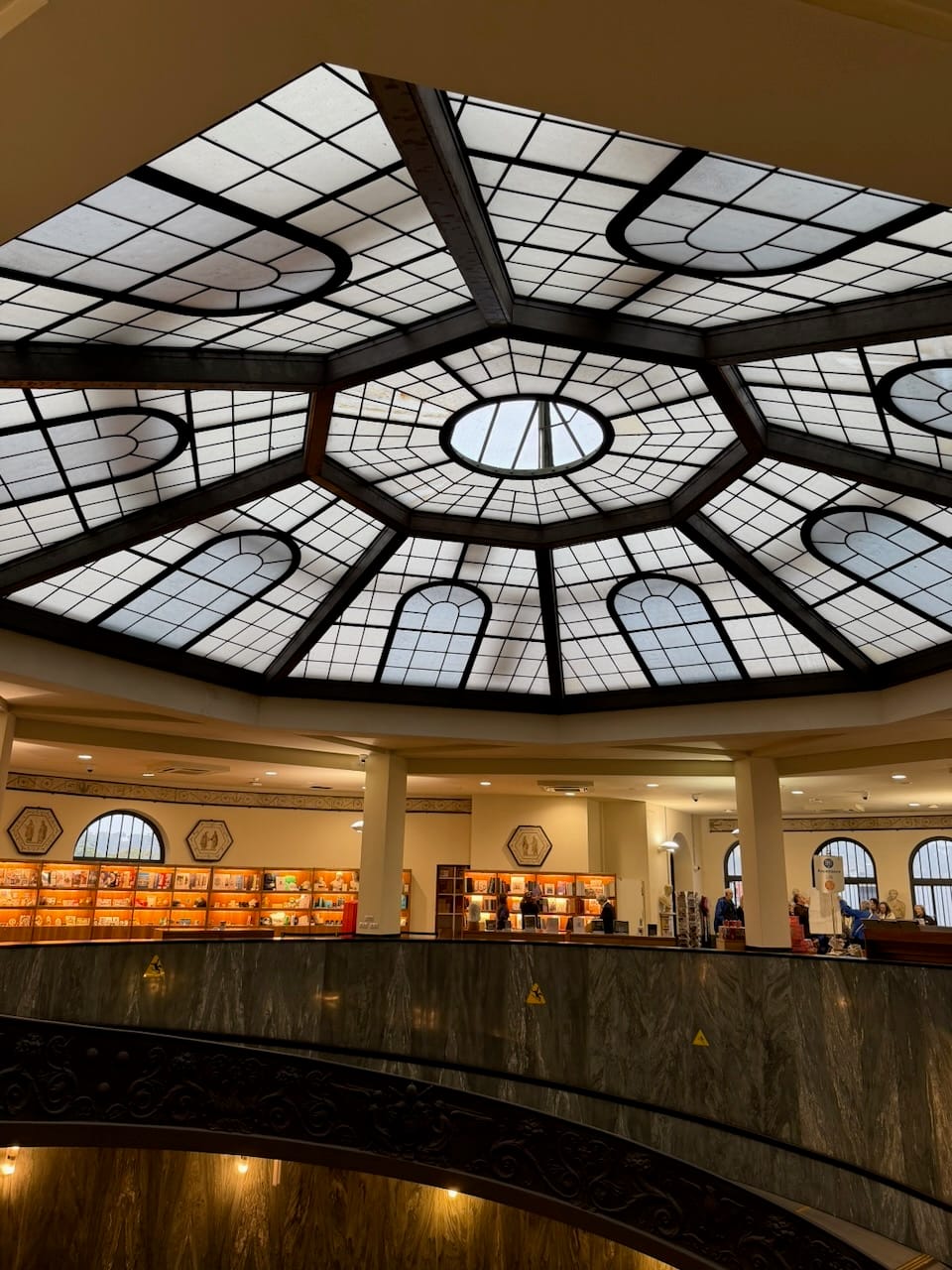
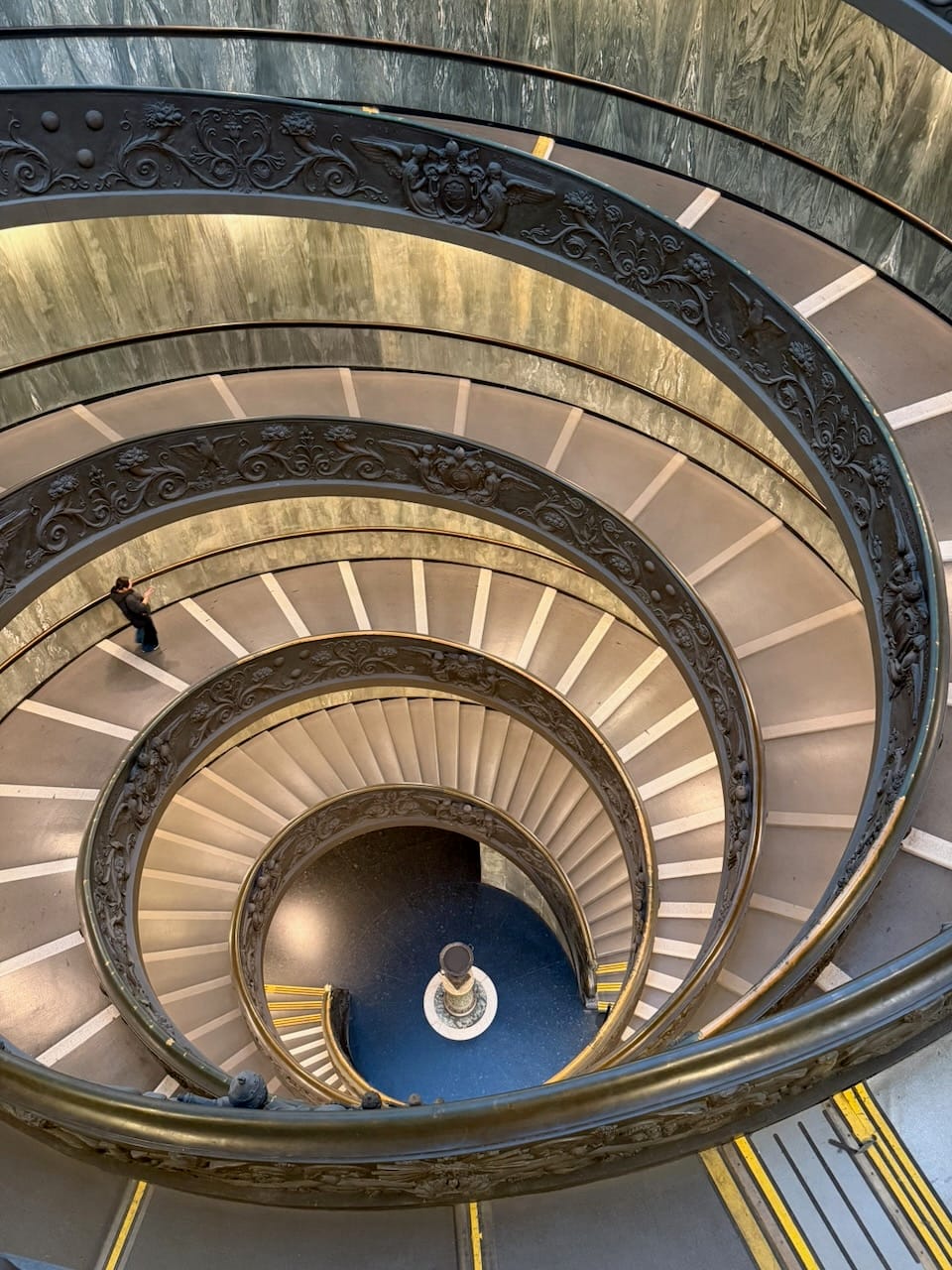
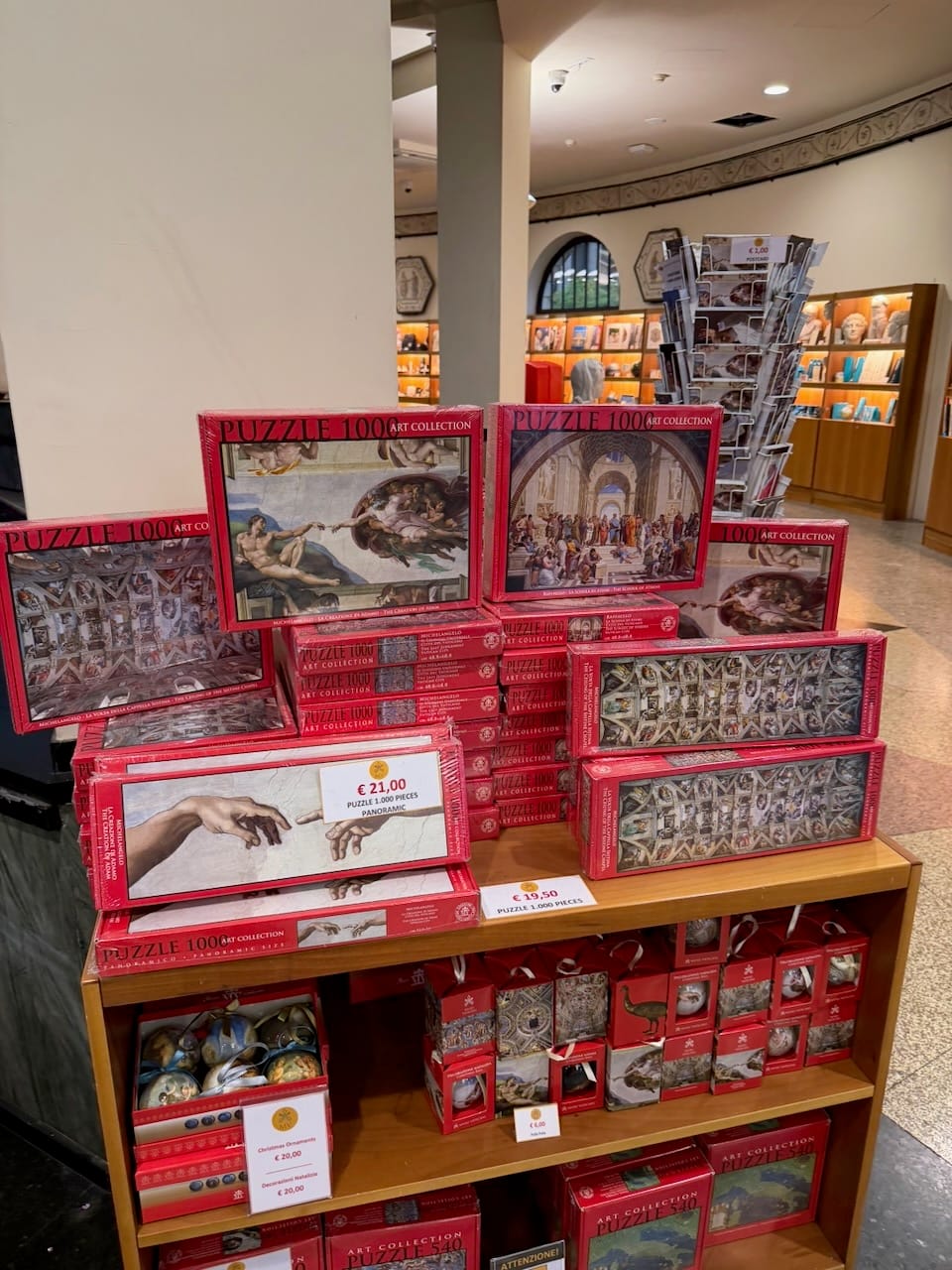
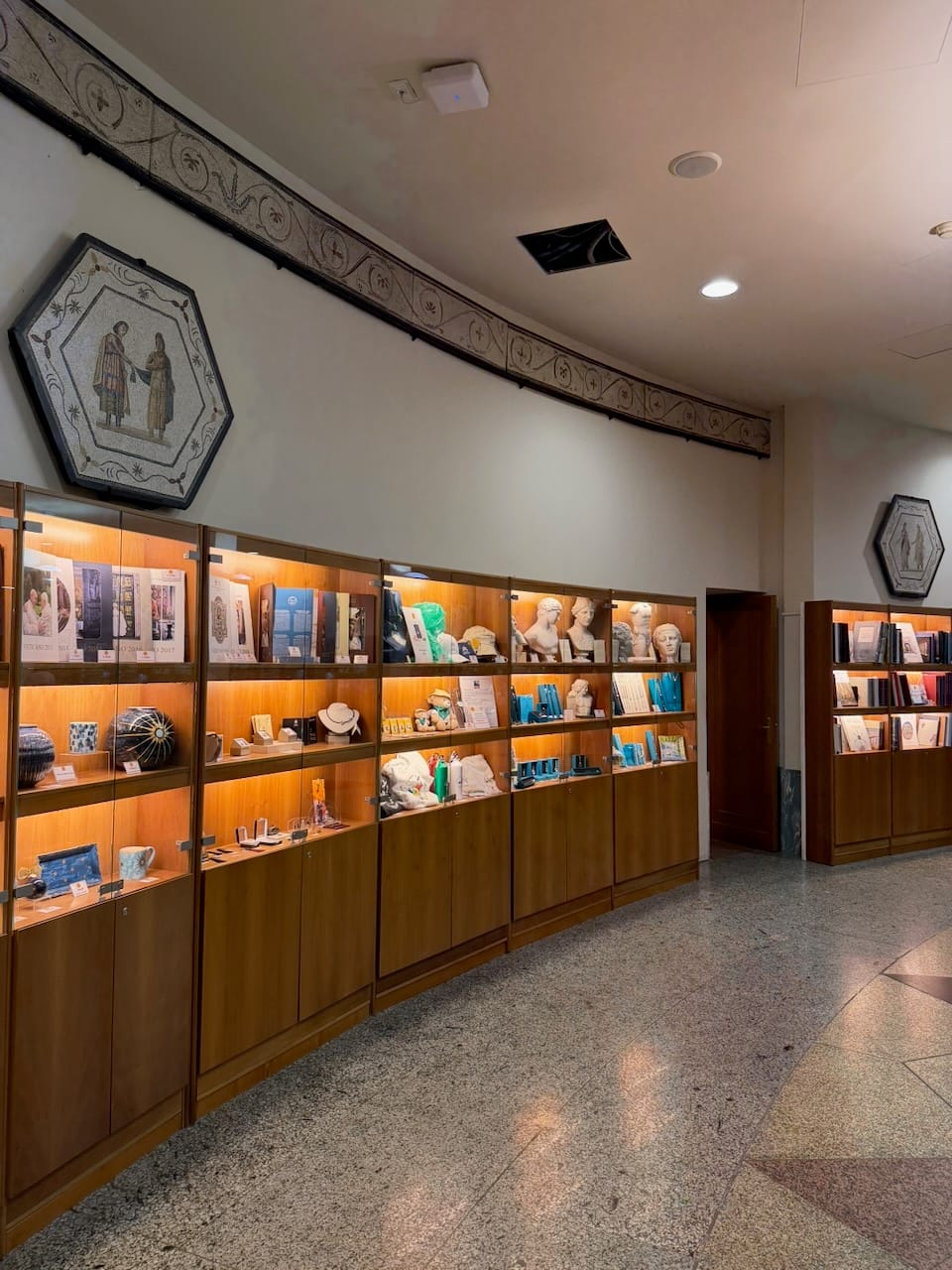
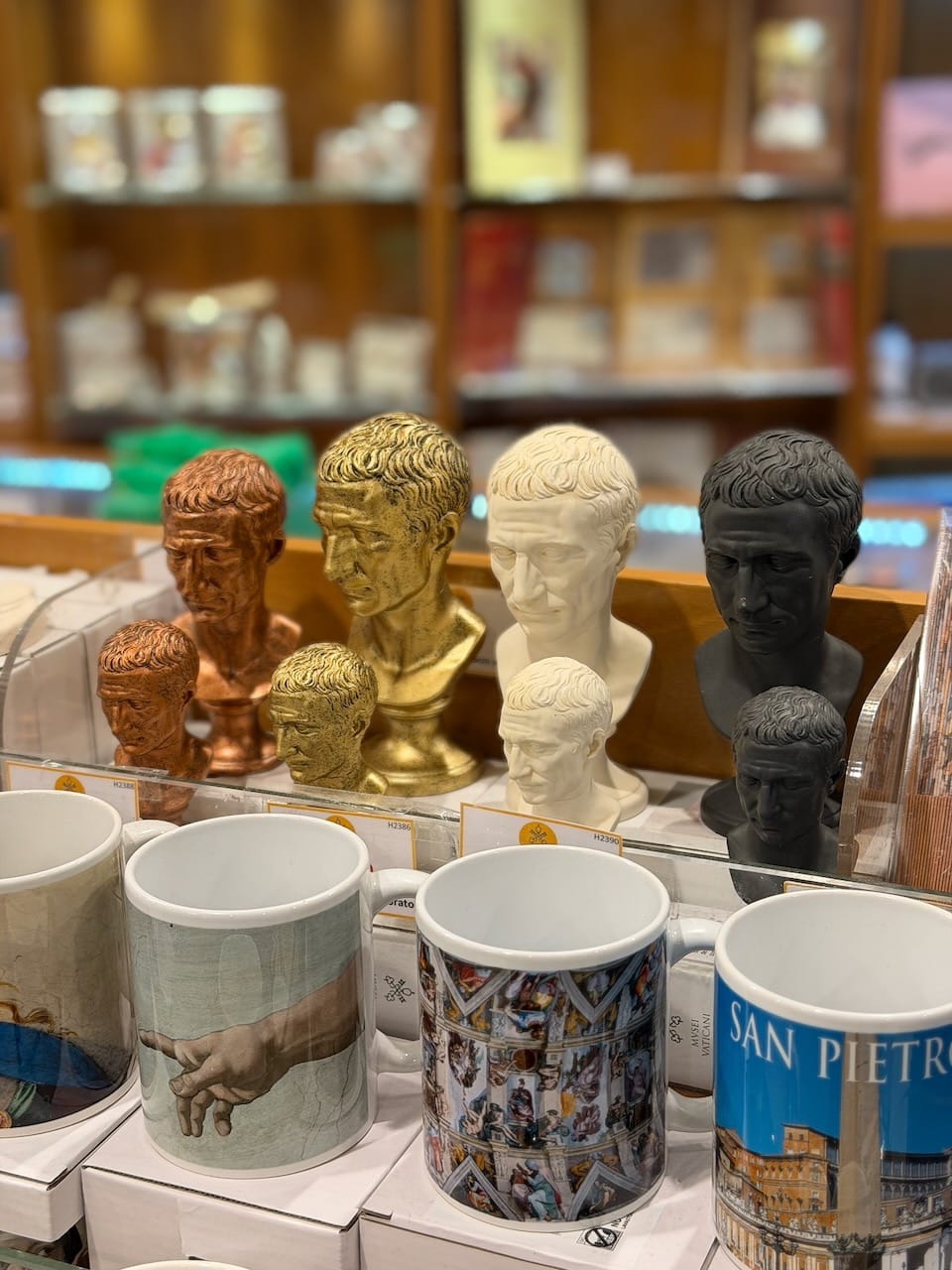
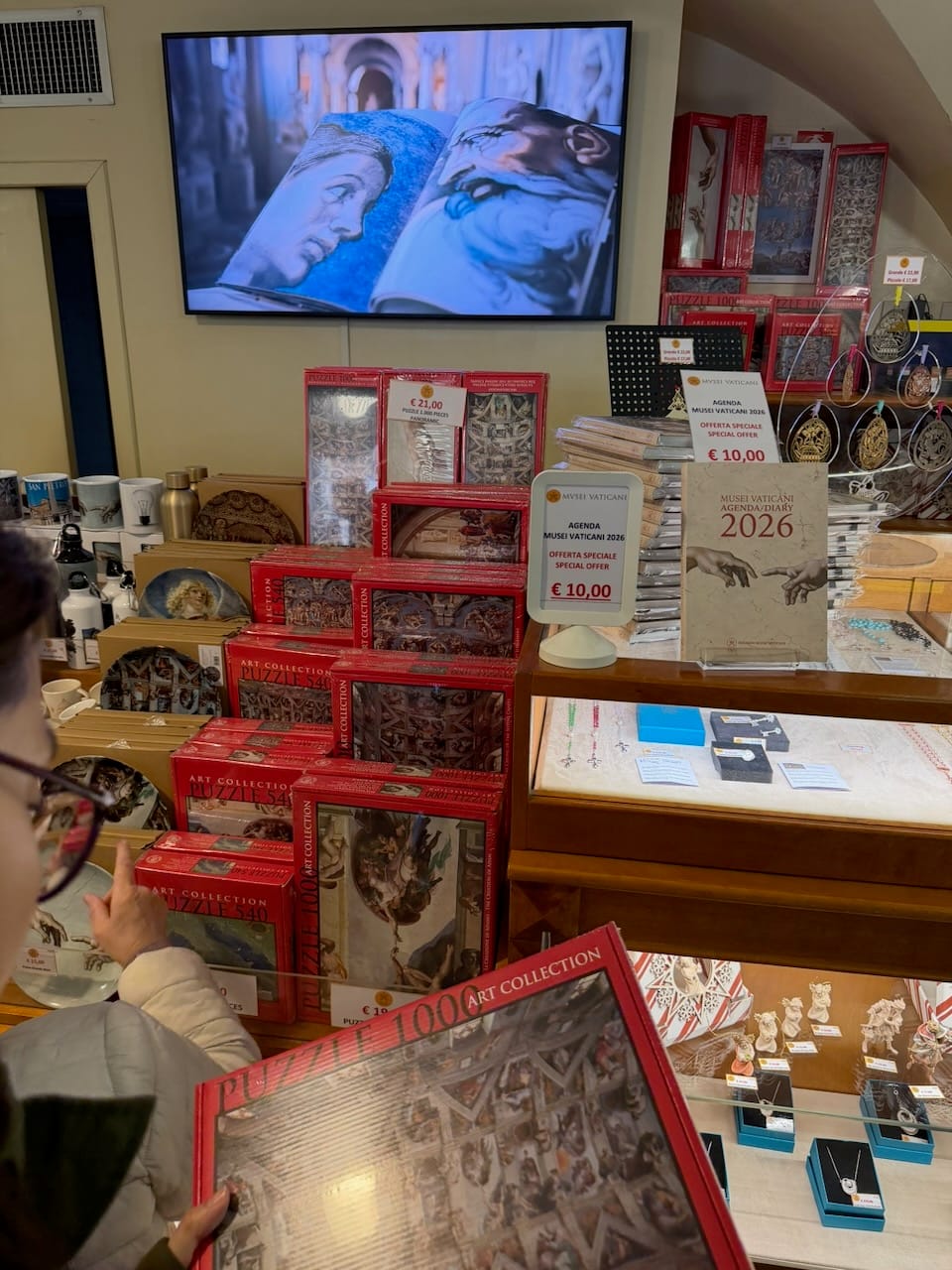
Immediately after entering, we passed through the official museum gift shop. If you’re on a guided tour, this is basically your only chance to visit it (while there’s another shop in St. Peter’s Square, some items here might be exclusive). My wife had her eye on a jigsaw puzzle but decided to put it off… and later regretted it, even though we eventually found it again in the shop outside on the square. Then came the famous spiral staircase, and the guide pointed us to the exact spot for the perfect photo.
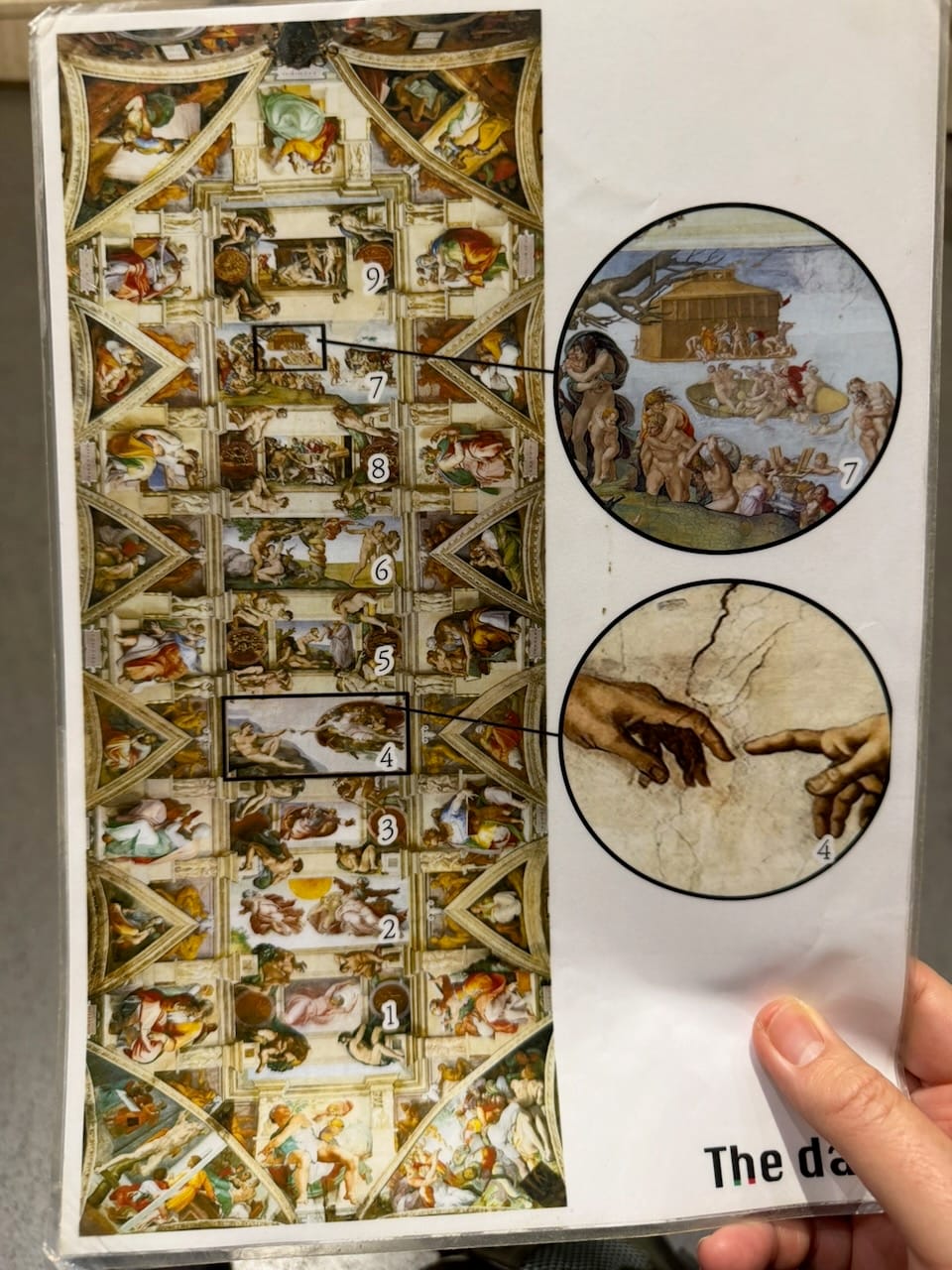
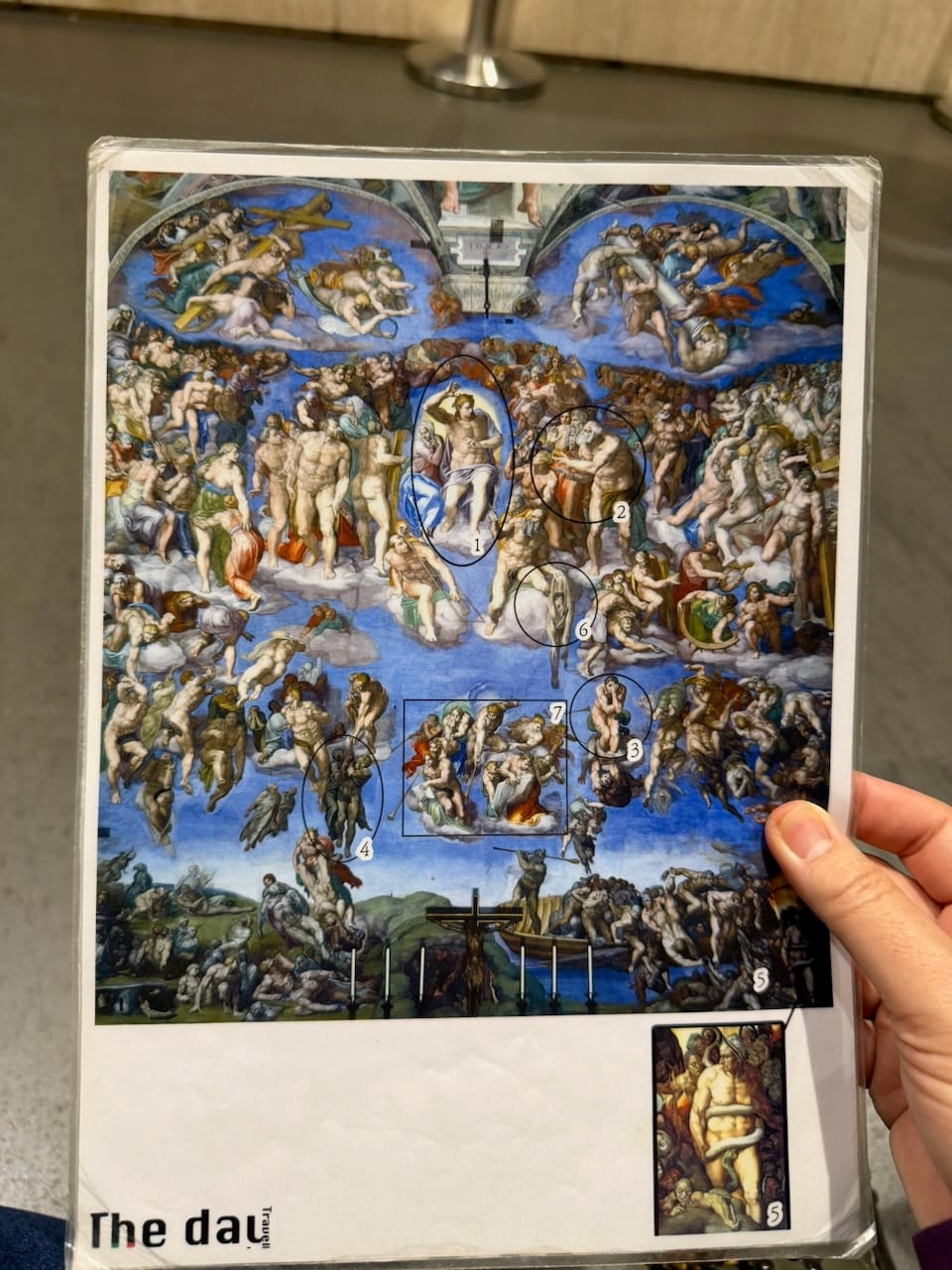
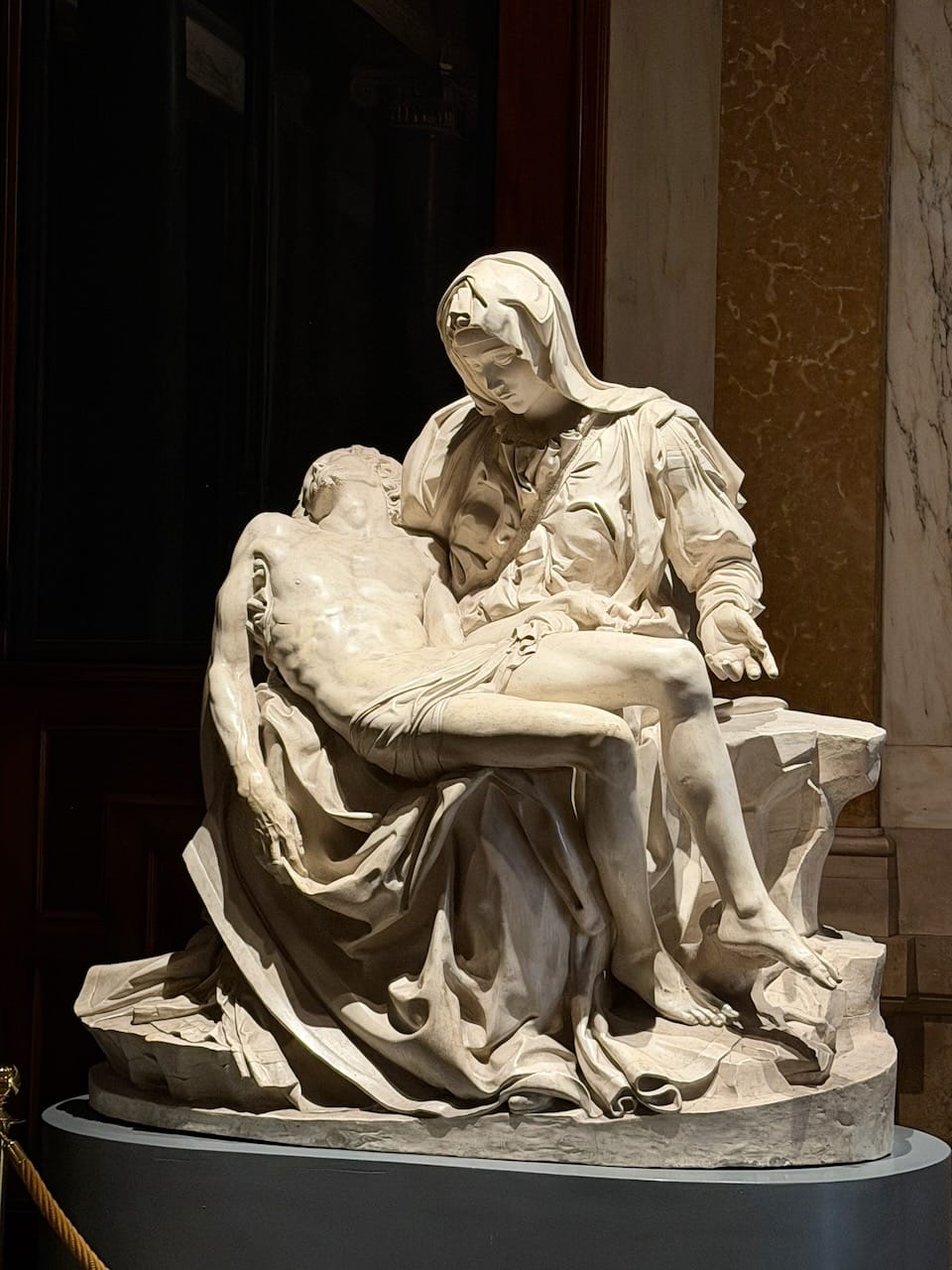
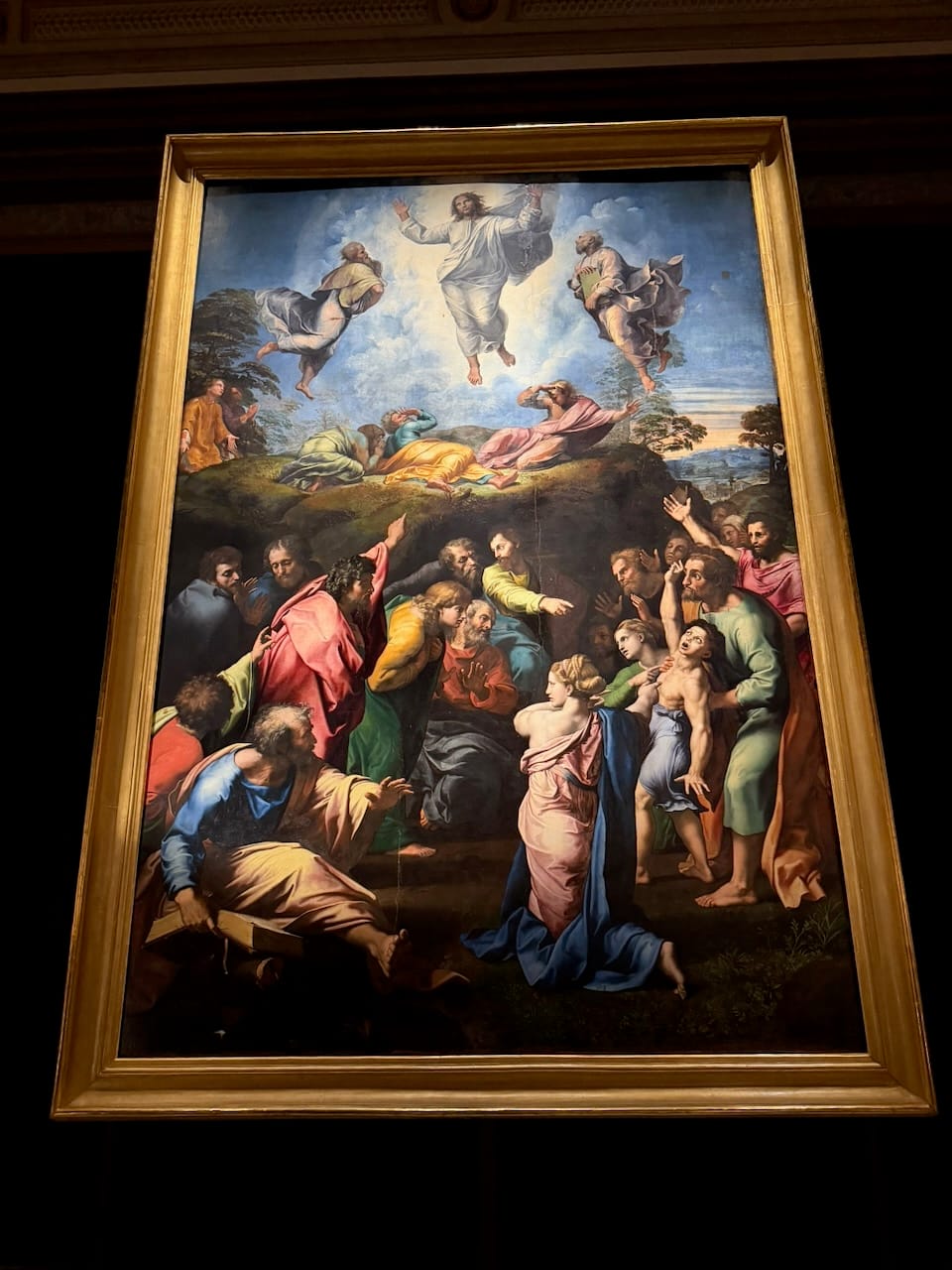
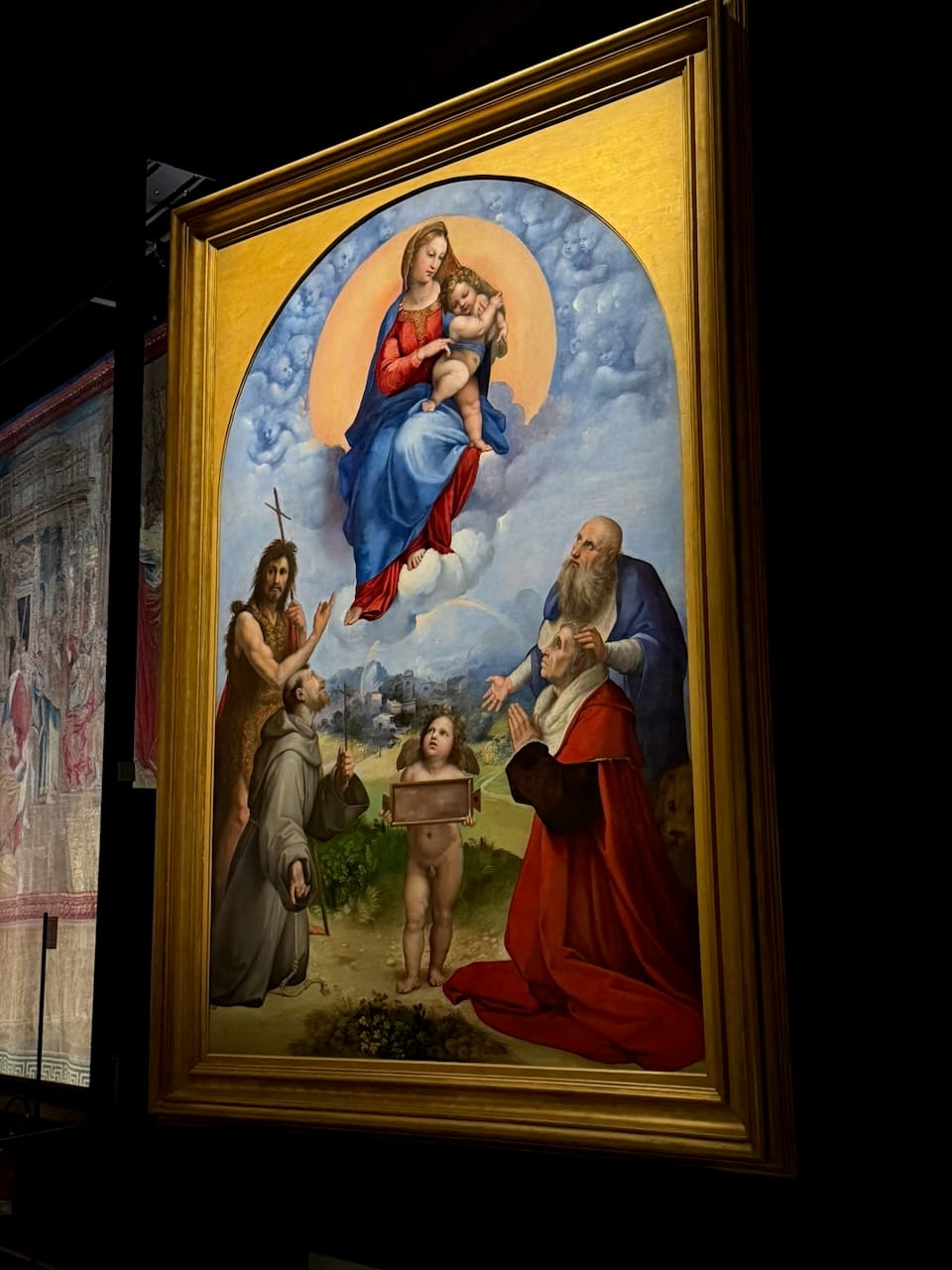
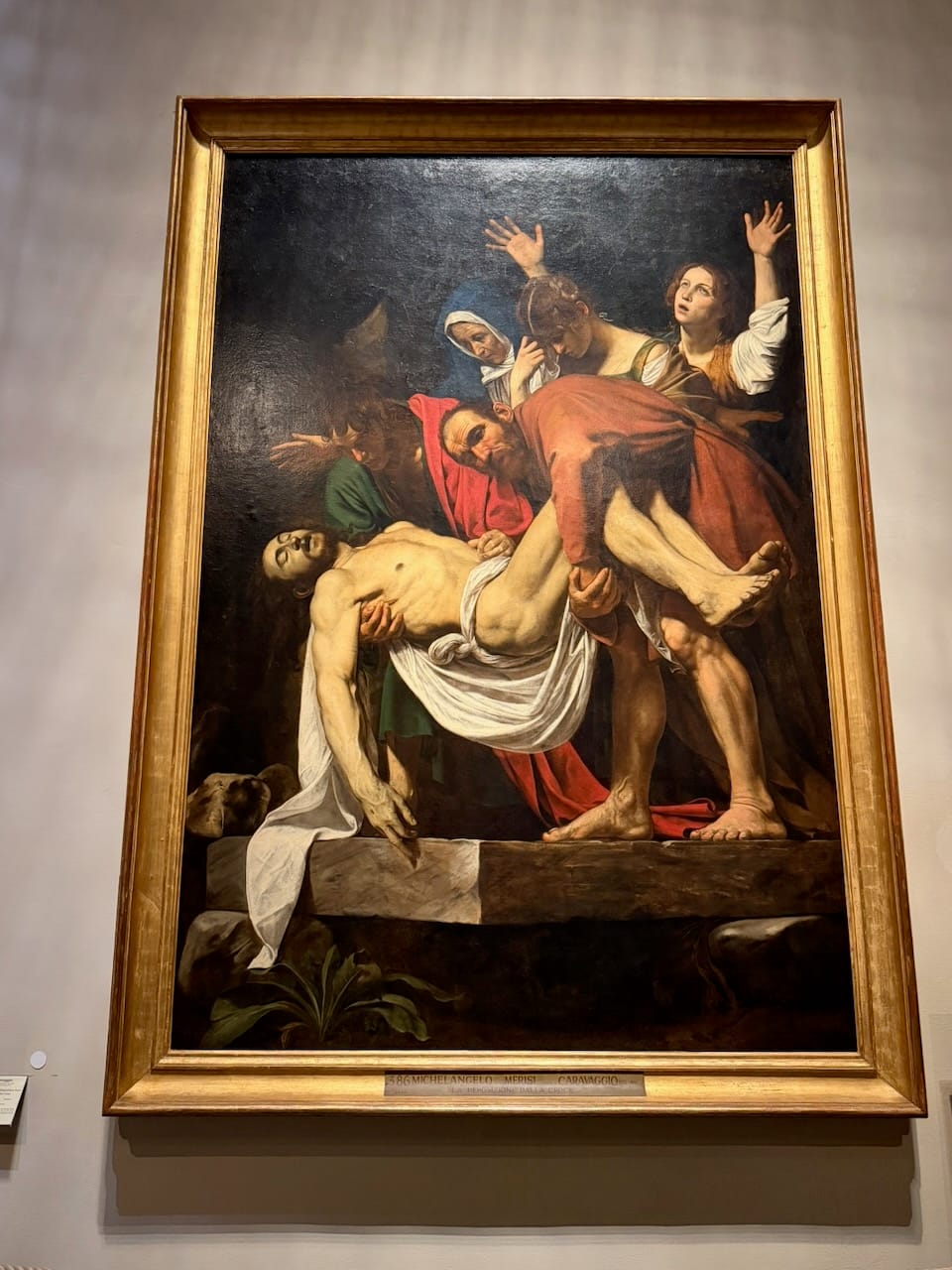
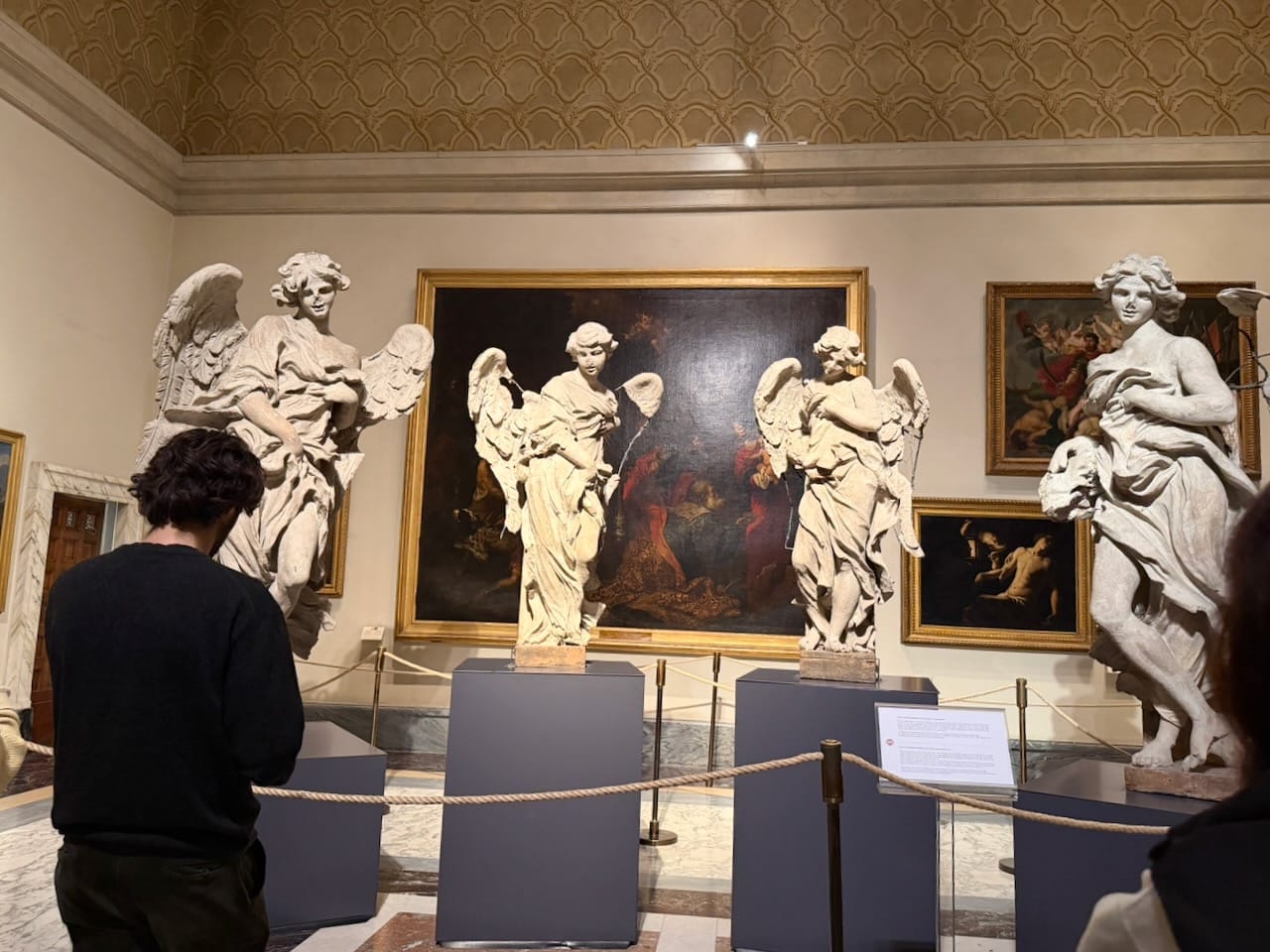
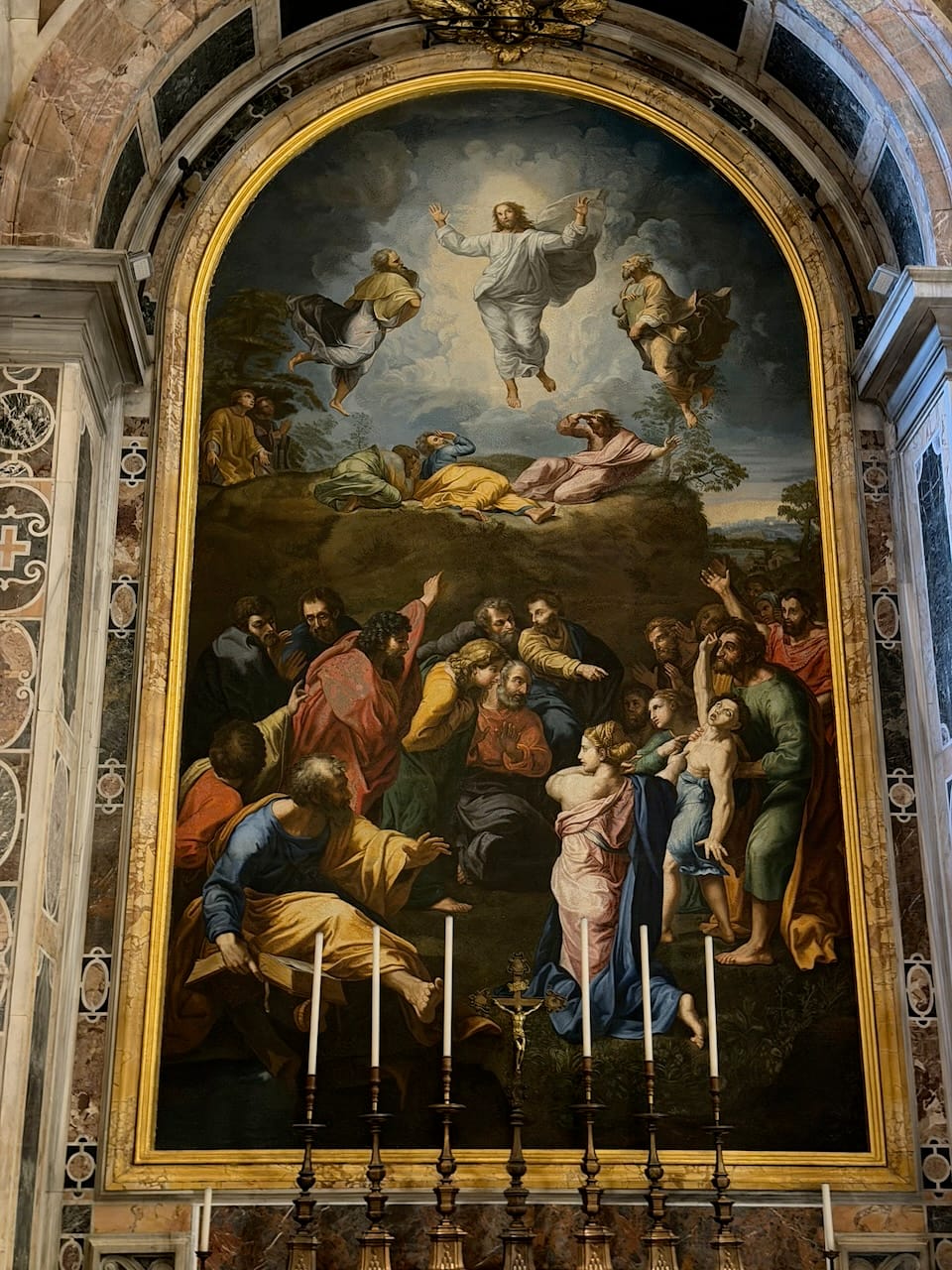
Because of the rain, our orientation session took place right at the entrance. There, Mingky gave us a detailed introduction to the highlights of the Sistine Chapel (The Creation of Adam and The Last Judgment) where photography is strictly forbidden inside. We could have this context beforehand. It helped streamline the rest of the visit and kept the tour impressively hassle-free. From there, we moved into the Pinacoteca (Picture Gallery). We saw Michelangelo’s three Pietà sculptures (replicas), along with a remarkable collection of paintings: from Giotto’s Stefaneschi Triptych to Raphael’s Transfiguration.


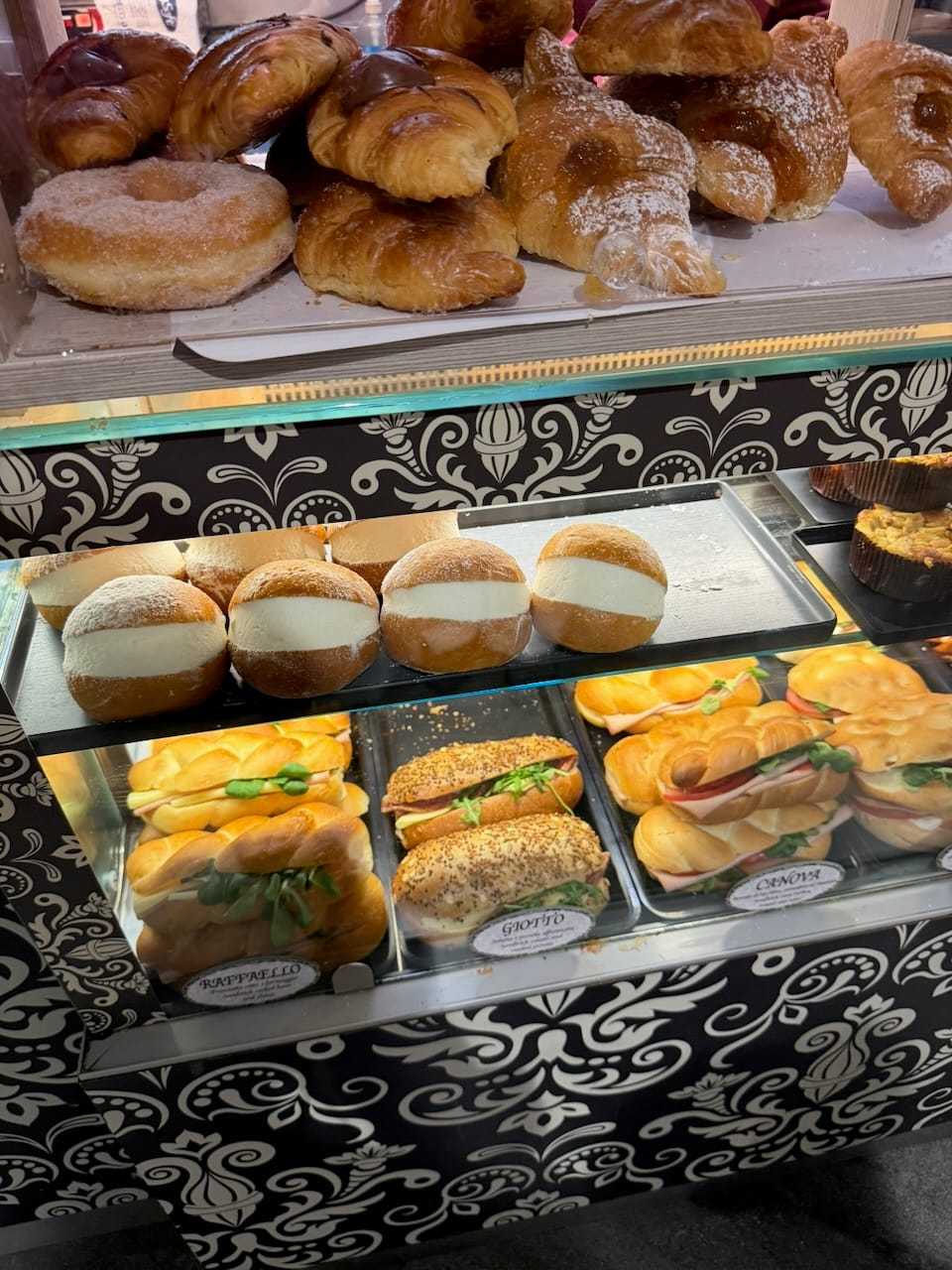
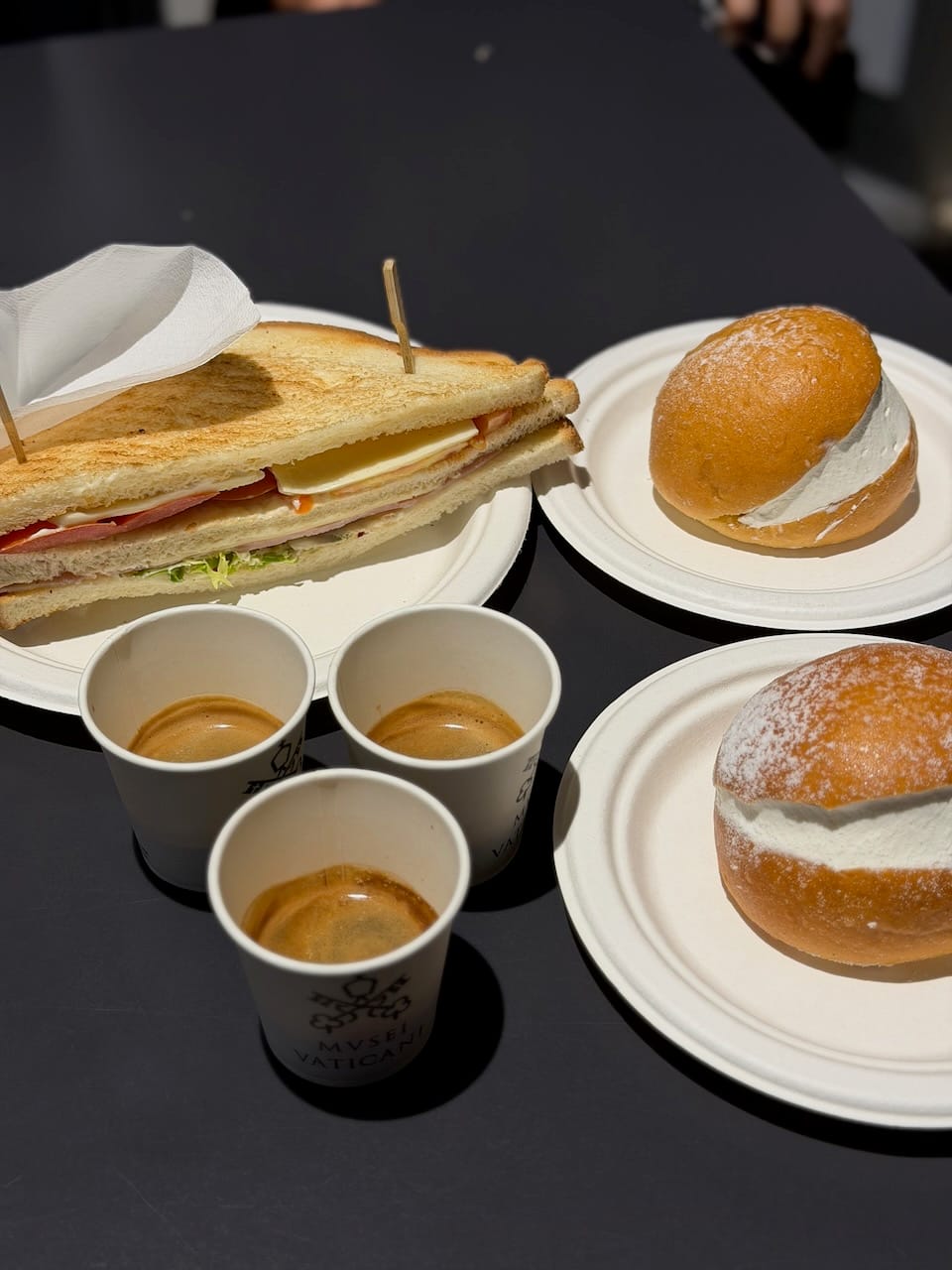
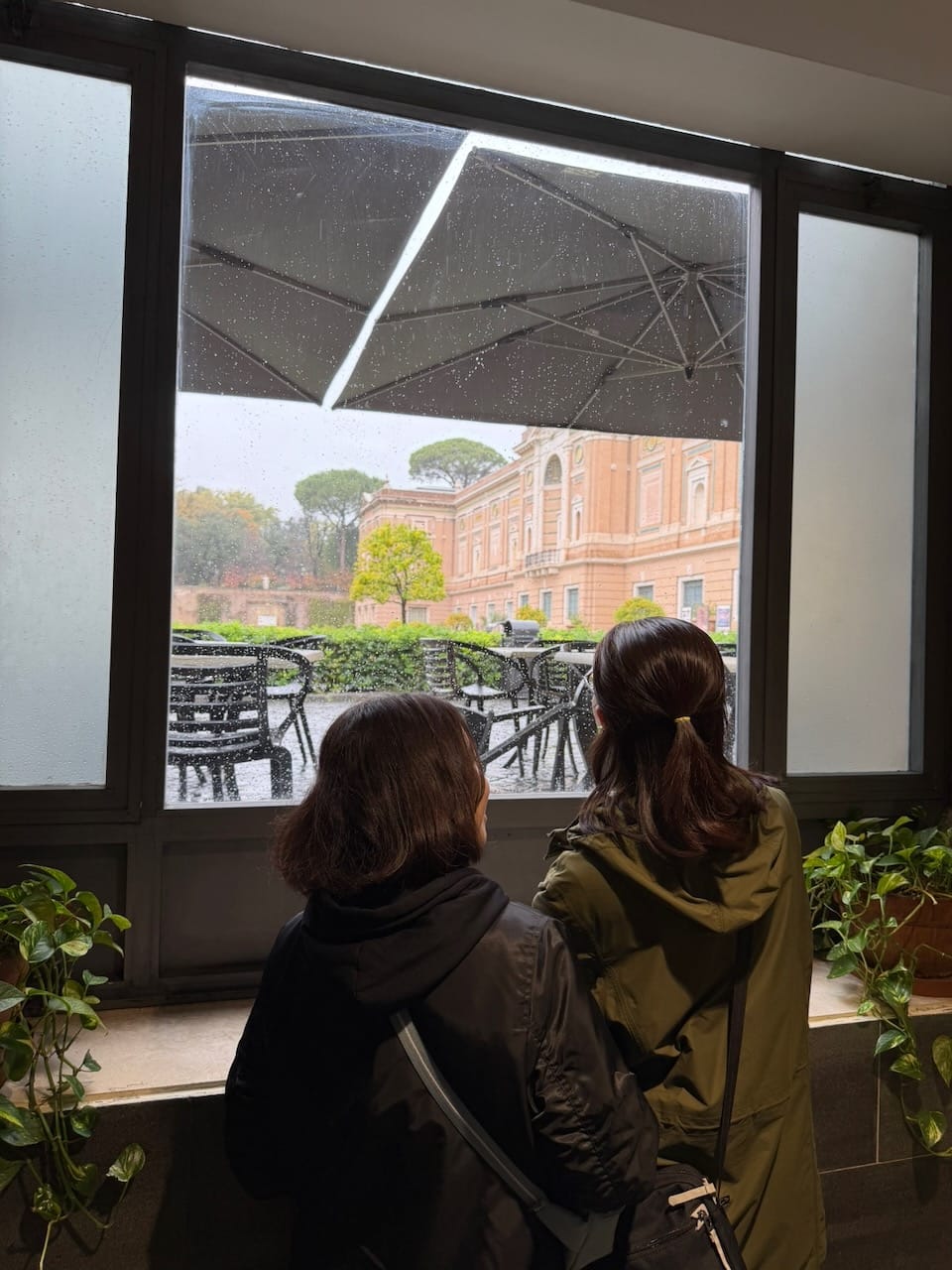
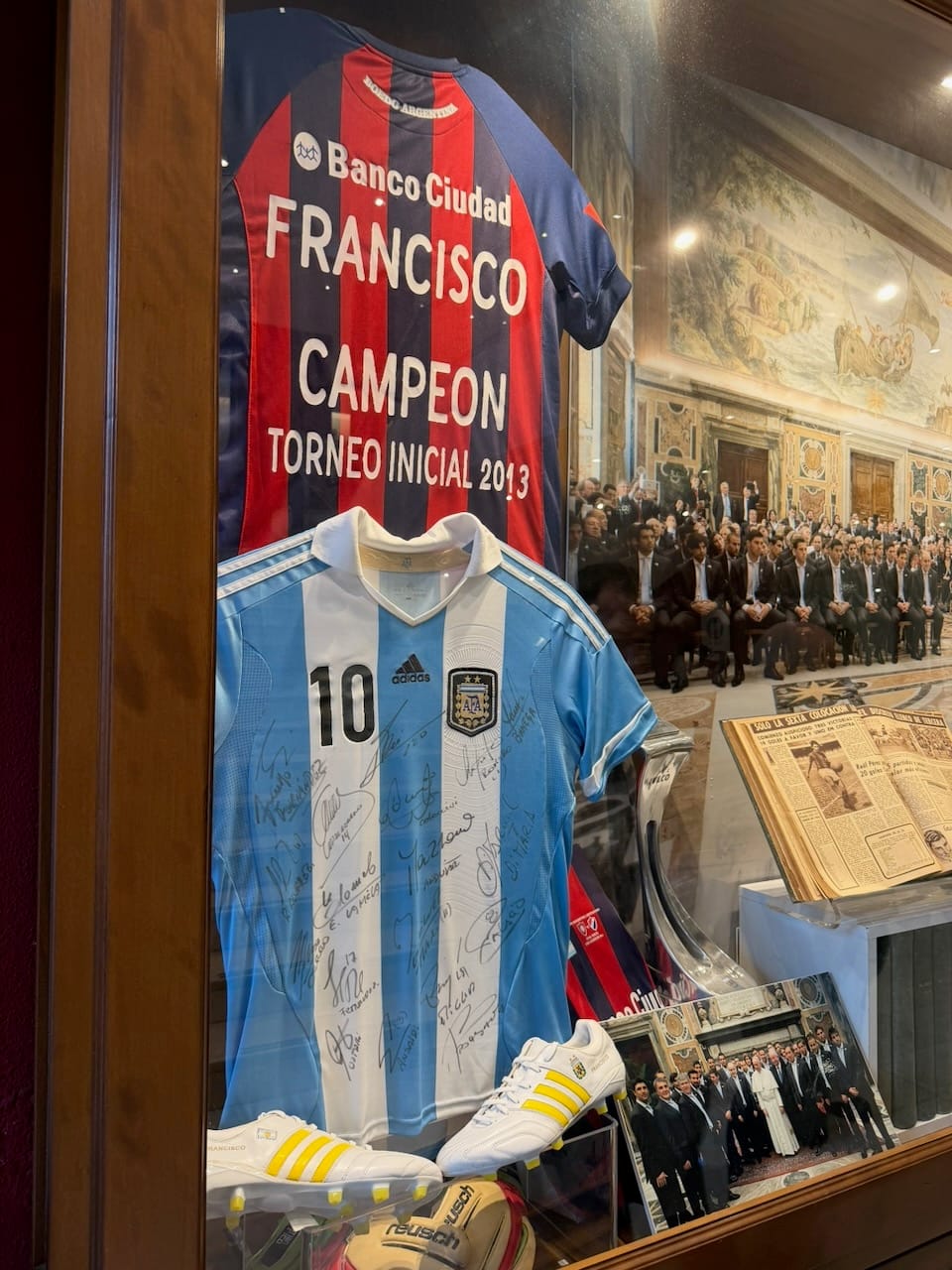
By then, nearly two hours had passed, and it was time for lunch. There were a few small cafes inside the museum complex, and Mingky gave us a break at one located beside the garden. I’m not completely sure, but it might have been the same garden shown in the Netflix film The Two Popes (might be not, but the mood certainly felt familiar). The cafe turned out to be a great choice. We finally tried maritozzi, which the taxi driver on our first day had strongly recommended. They were exactly as advertised. Next to the cafe were displays of Messi’s uniform, which simply reflected the late Pope’s love for soccer.
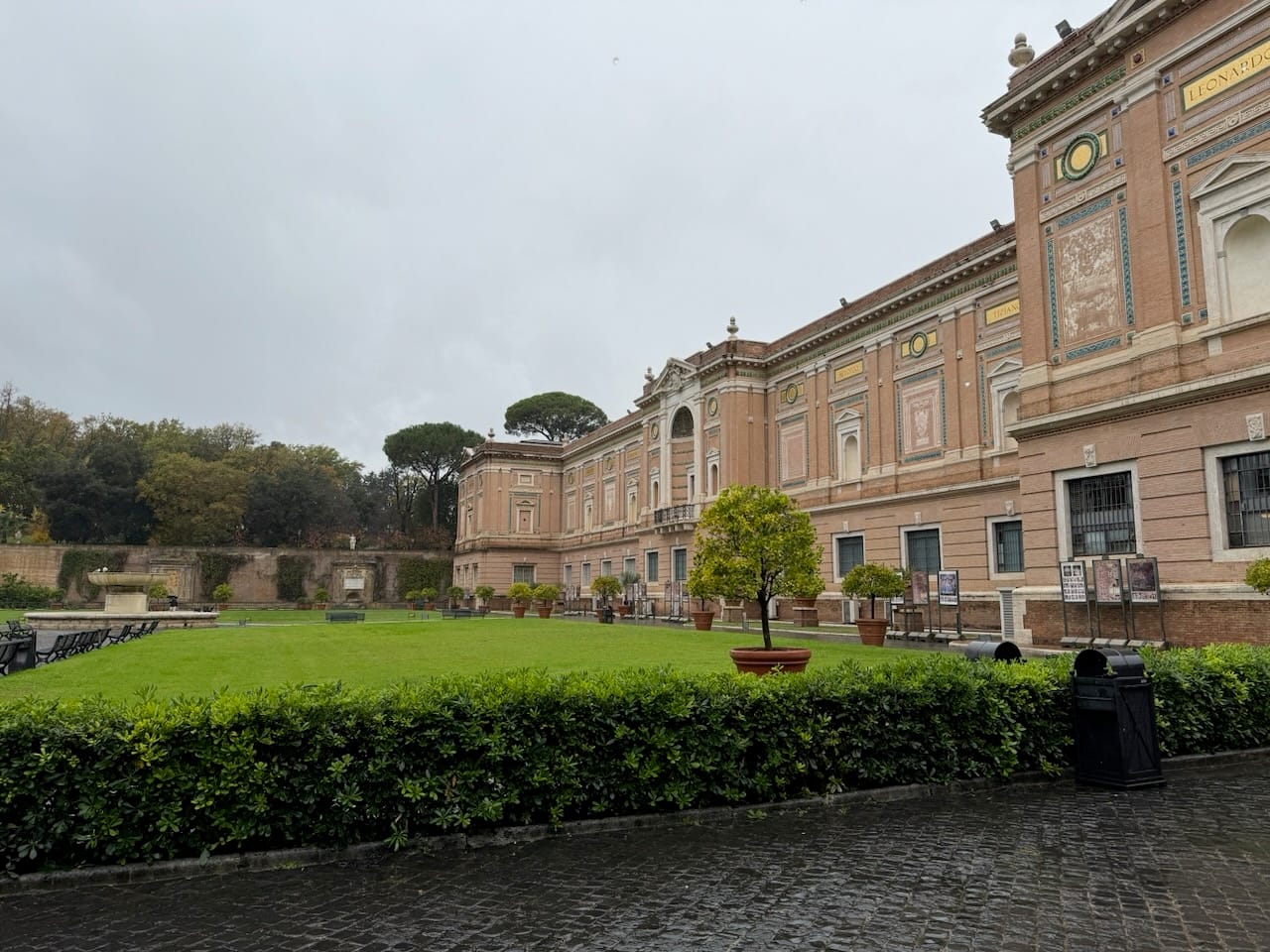
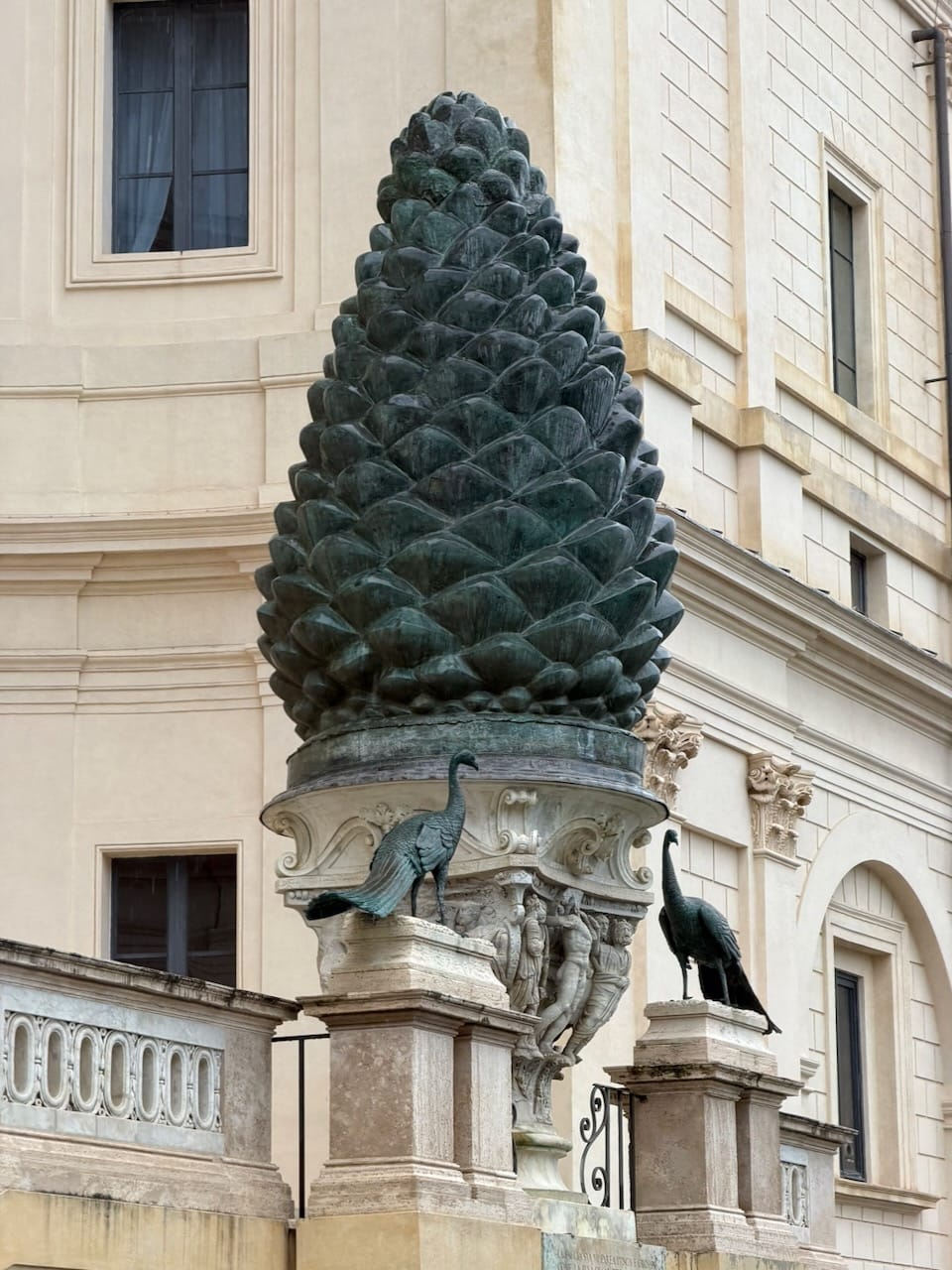
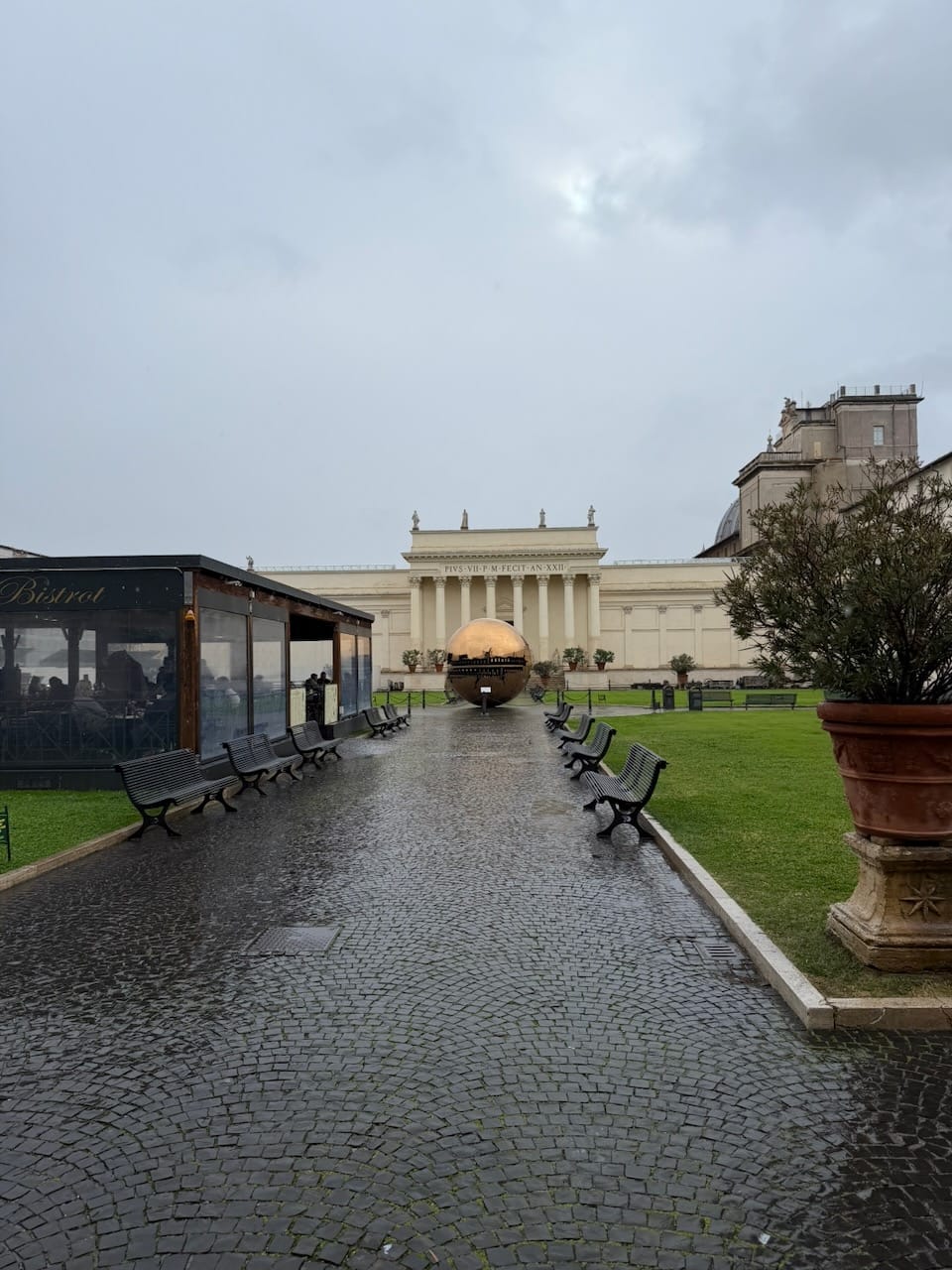
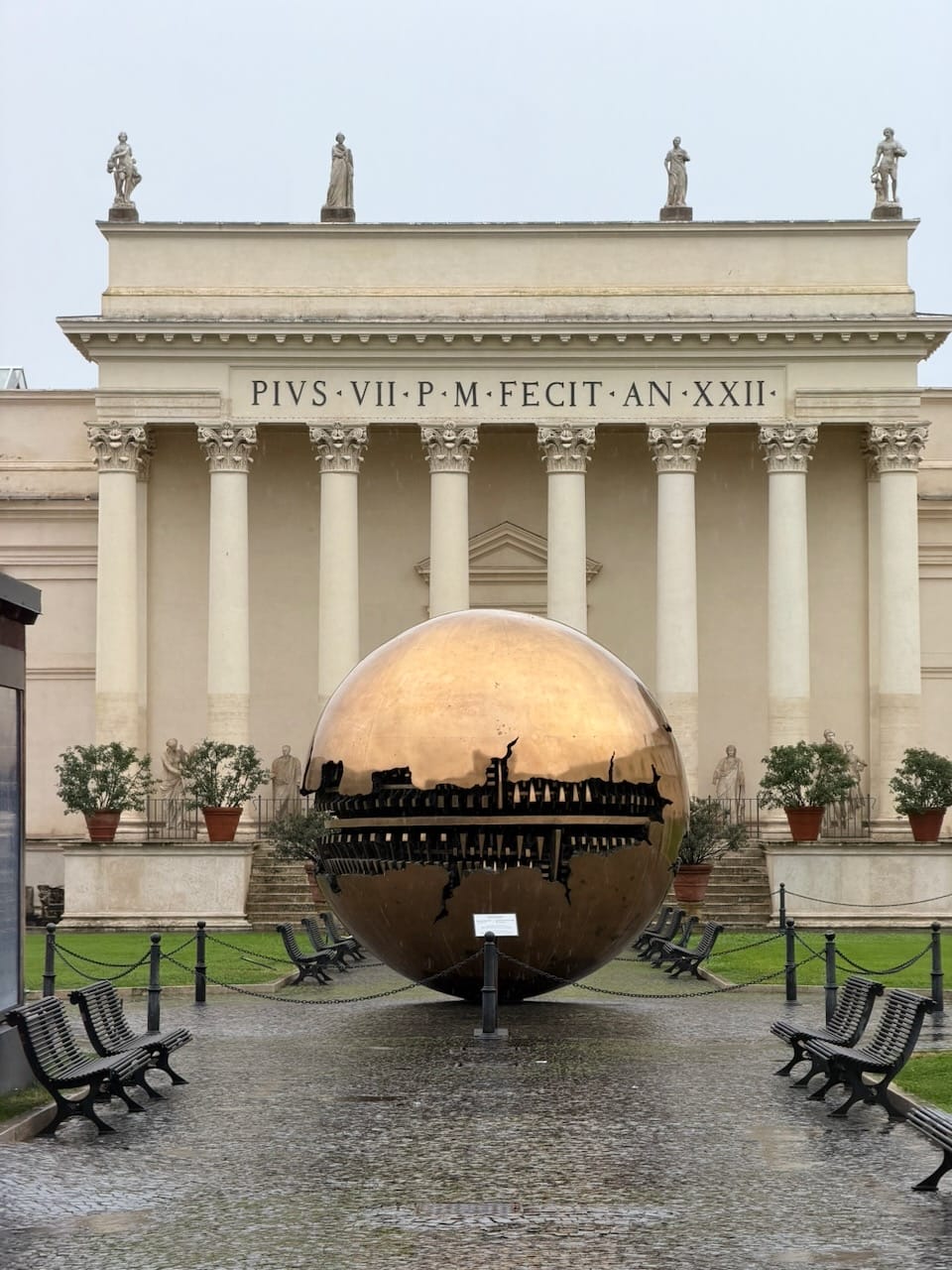
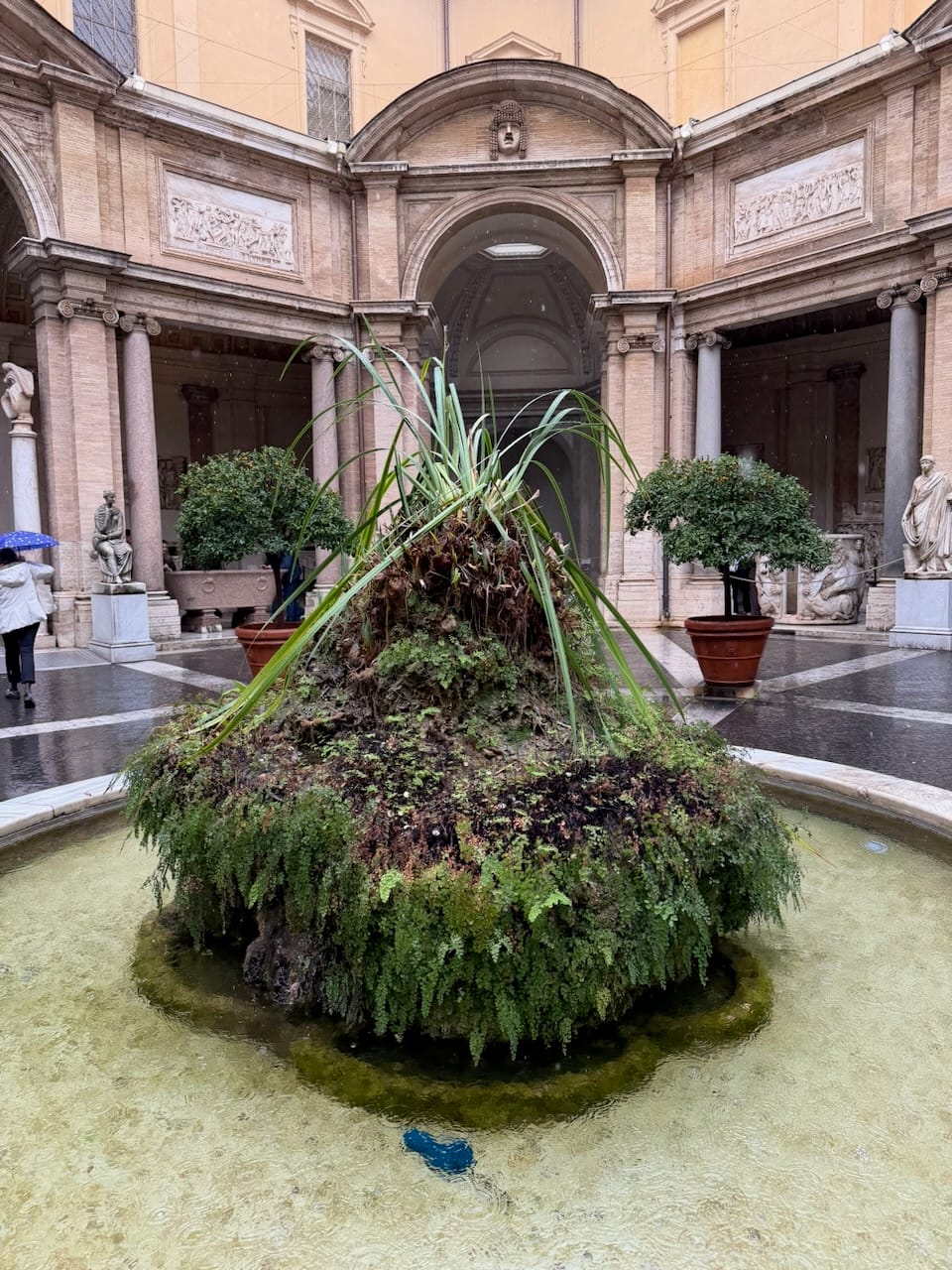
After lunch, we continued the tour and passed through the Pinecone Courtyard. At the center stood Sfera con Sfera, which was the large bronze sphere within a sphere, cracked and layered, as if revealing the fragile structure of the world inside. It felt like a quiet reminder that even perfection has something breaking beneath its surface. Nearby was a restaurant with notably low Google ratings. I heard people say it proudly serves “the most unholy food in the most holy place.” It was clearly meant as a joke, but after days of consistently great meals in Italy, I thought I should try it next time.
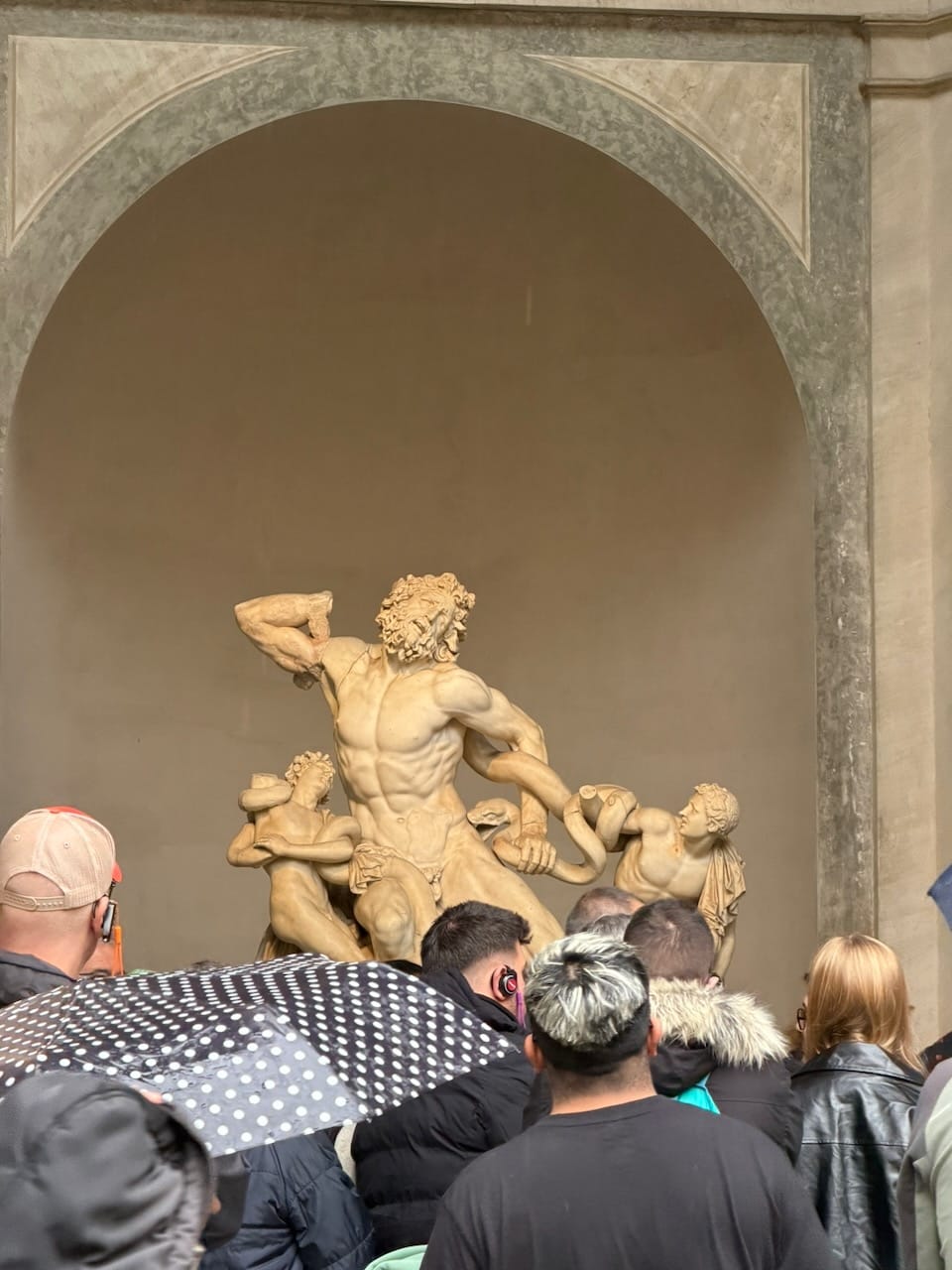
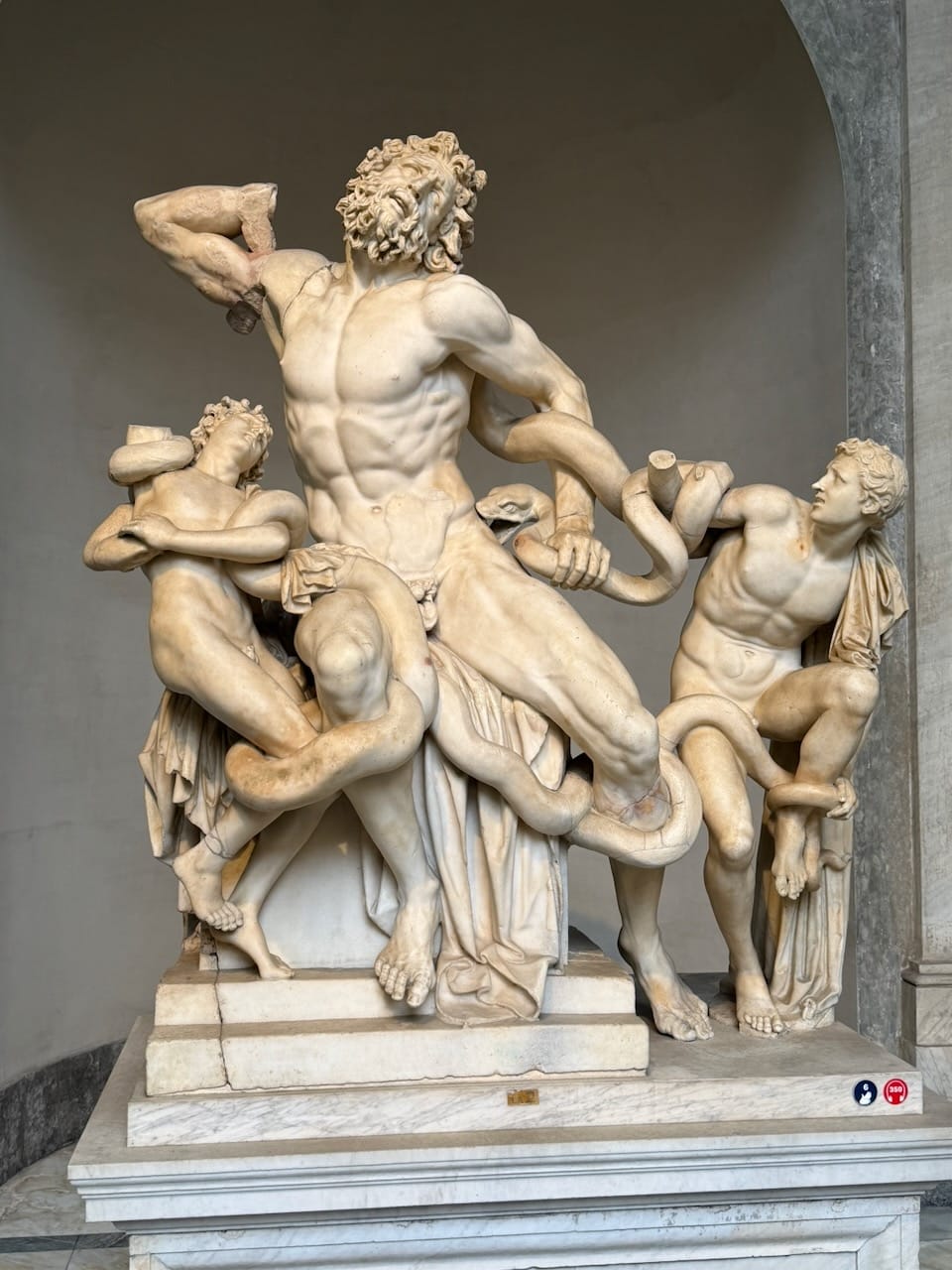
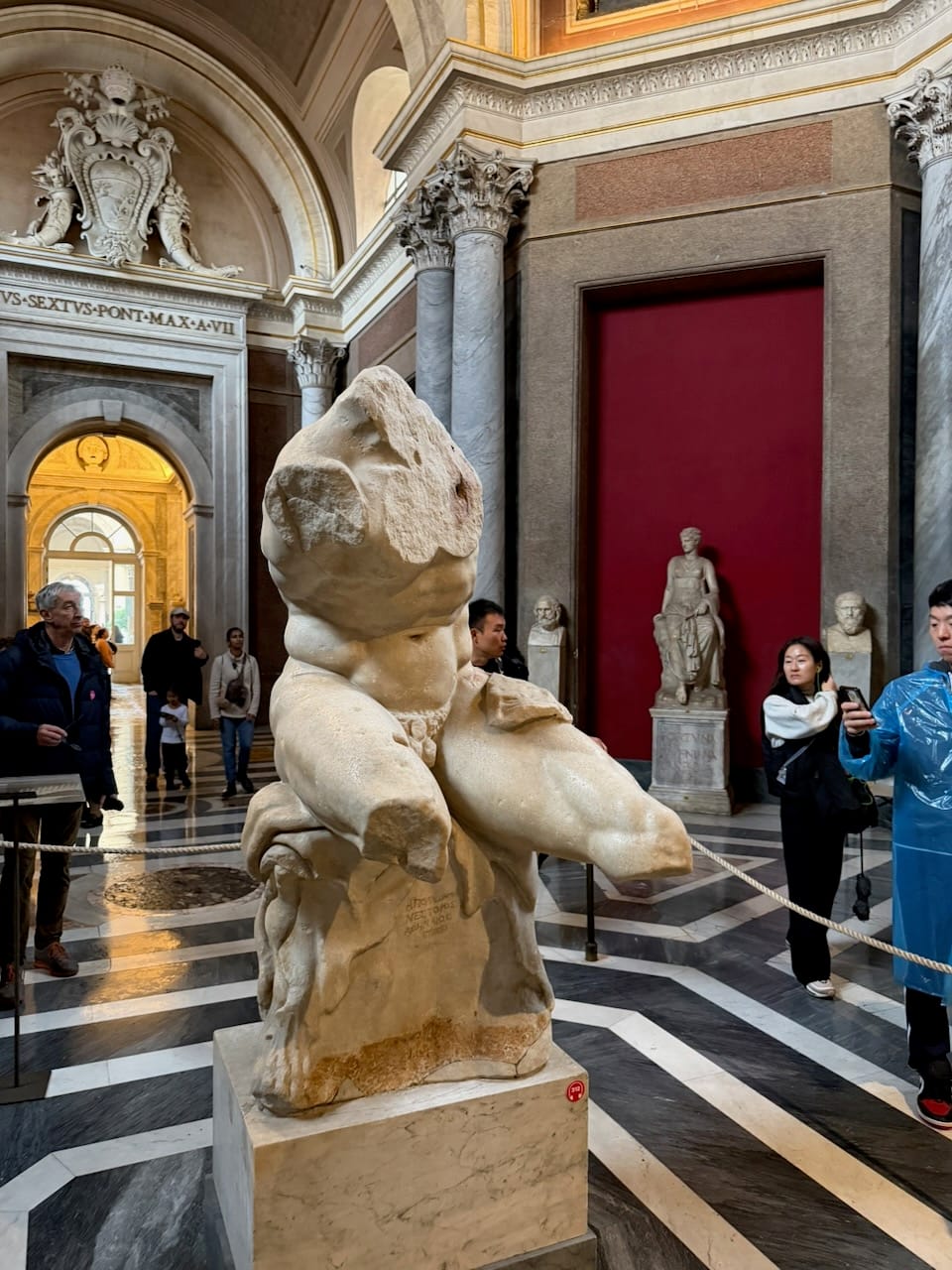
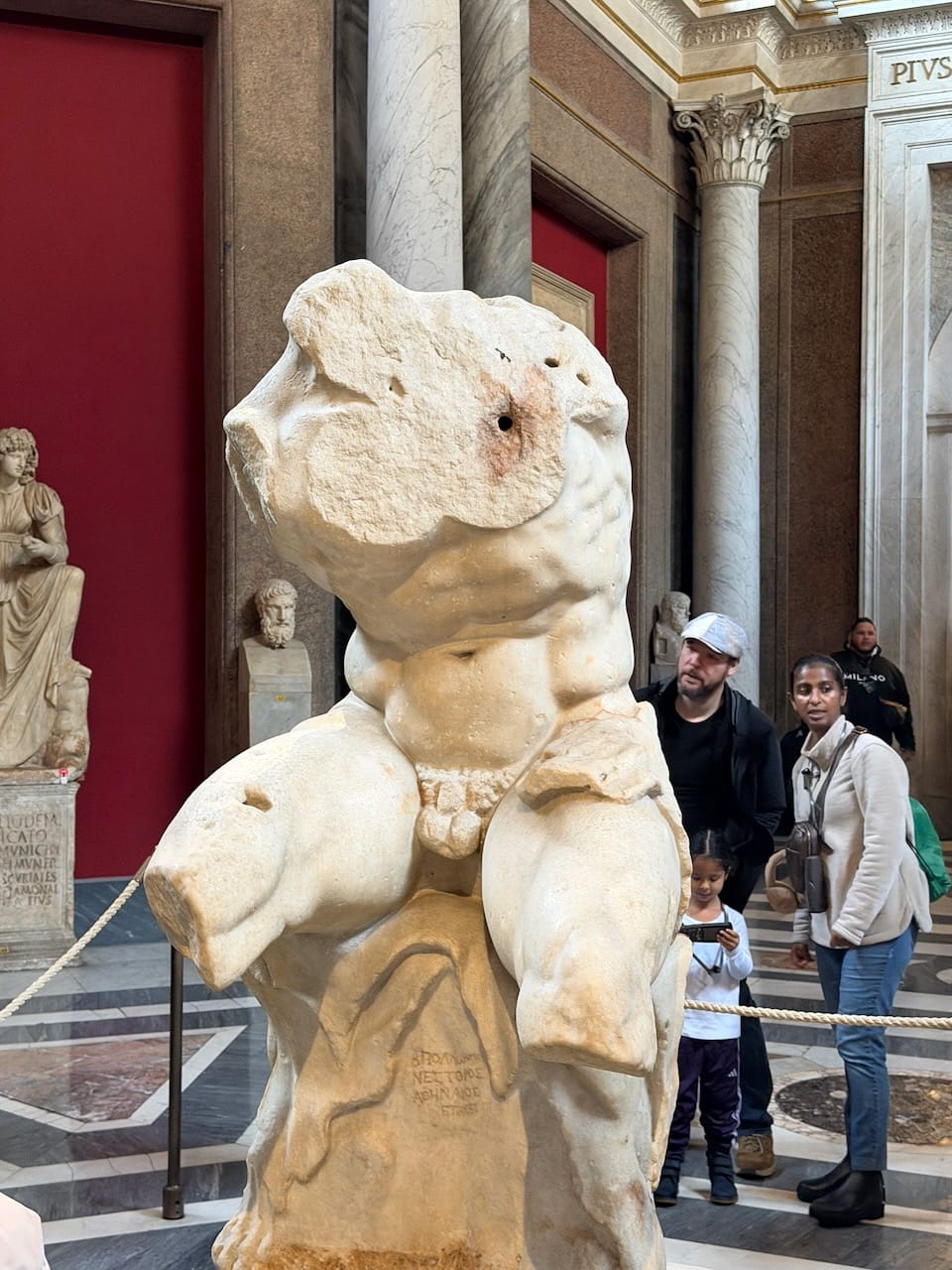
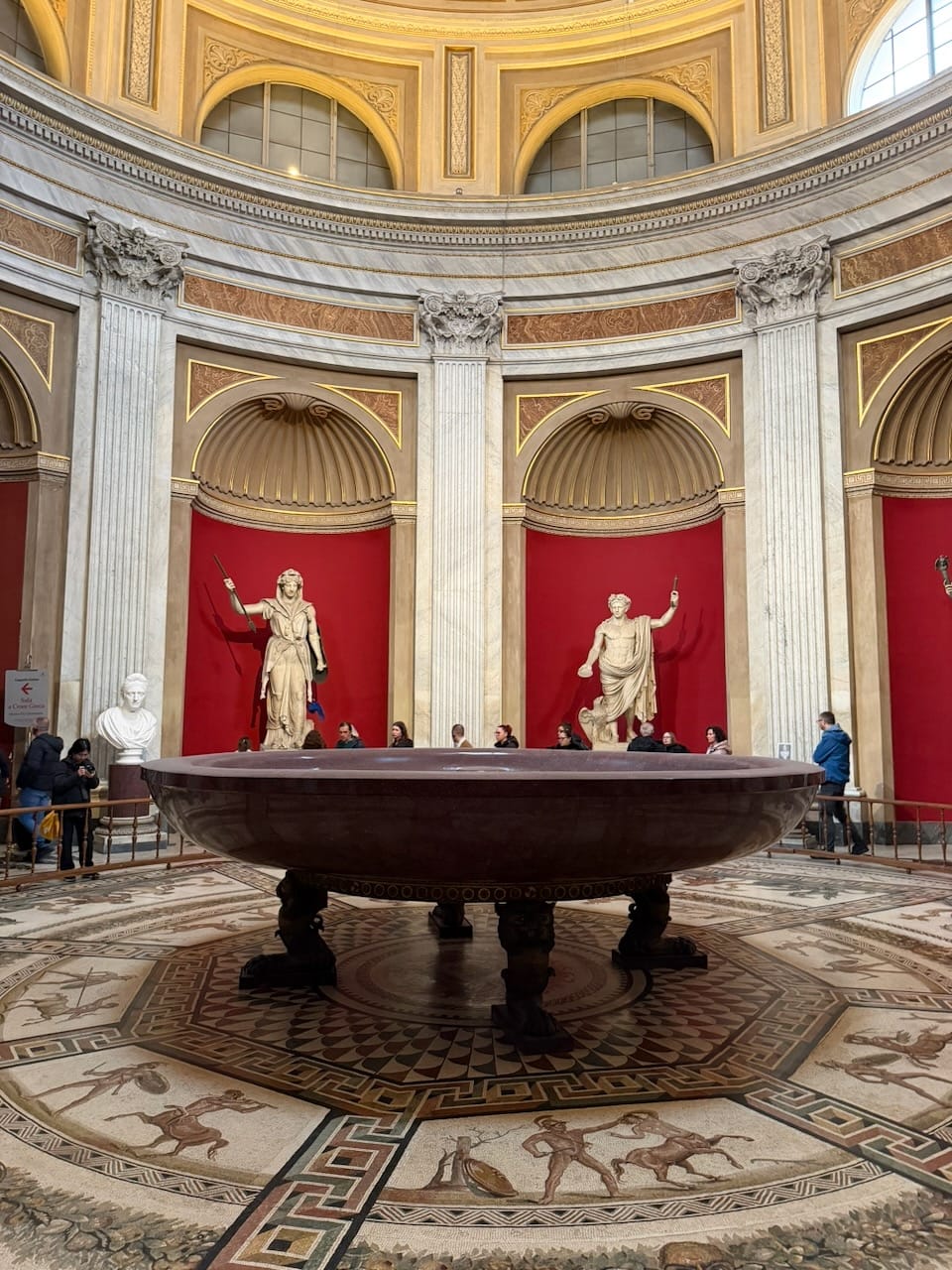
We then entered the Pio-Clementine Museum. Just past the entrance, there was a small garden area where a crowd had already gathered. At the center stood the famous sculpture Laocoön and His Sons. Frozen in a moment of unbearable struggle, bodies twisting as serpents coil around them. Even in still marble, the tension and pain felt alive. Inside, the collection of classical sculptures was overwhelming. We saw the Belvedere Torso. Broken, yet somehow even more beautiful because of it, revealing new forms and power from every angle. I heard that this fragment later became the inspiration for Rodin’s The Thinker. We also saw Nero’s Bathtub—massive, heavy, almost absurd in scale. Carved from a single piece of stone, it looked less like a bath and more like a small swimming pool.

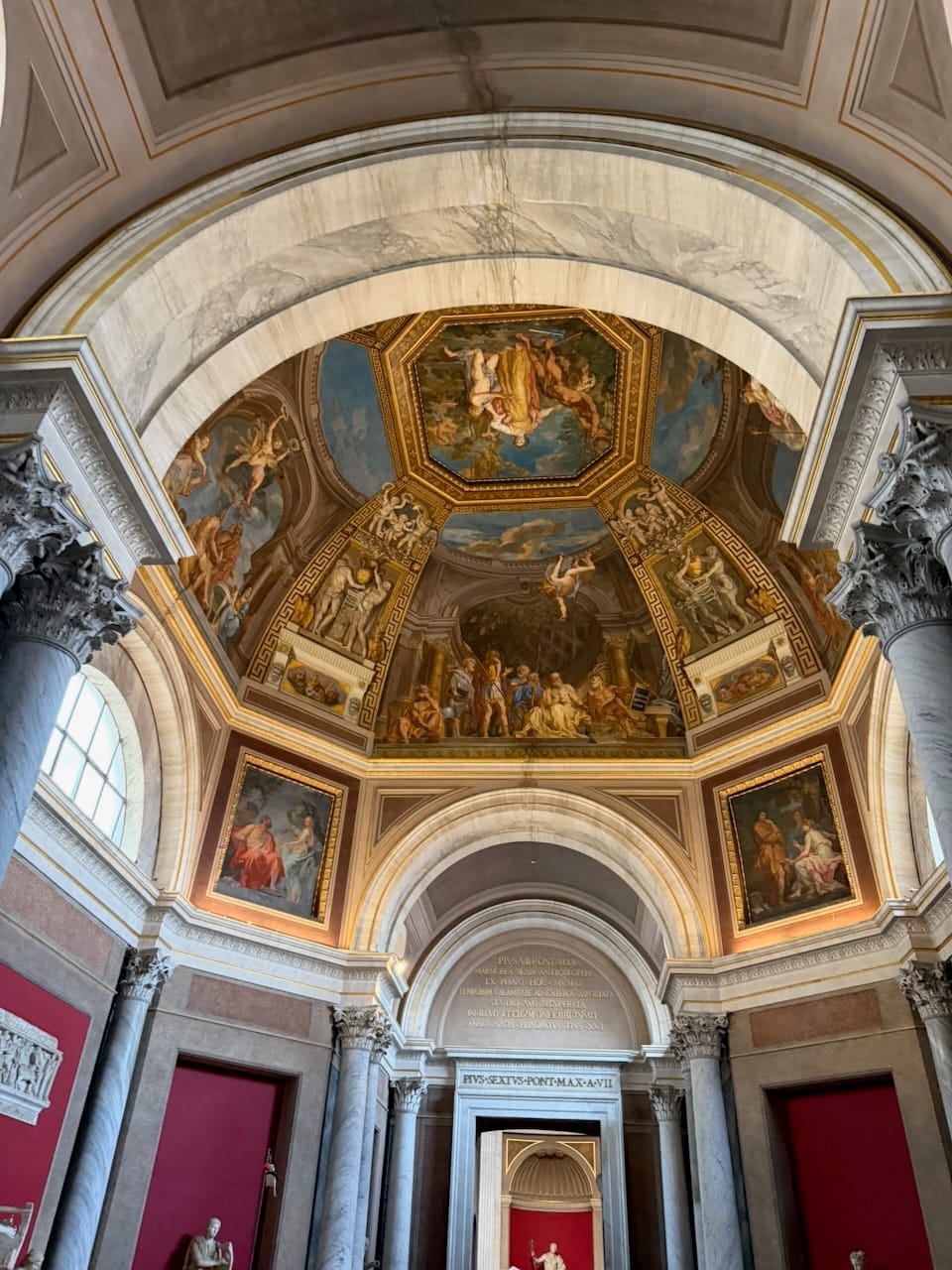
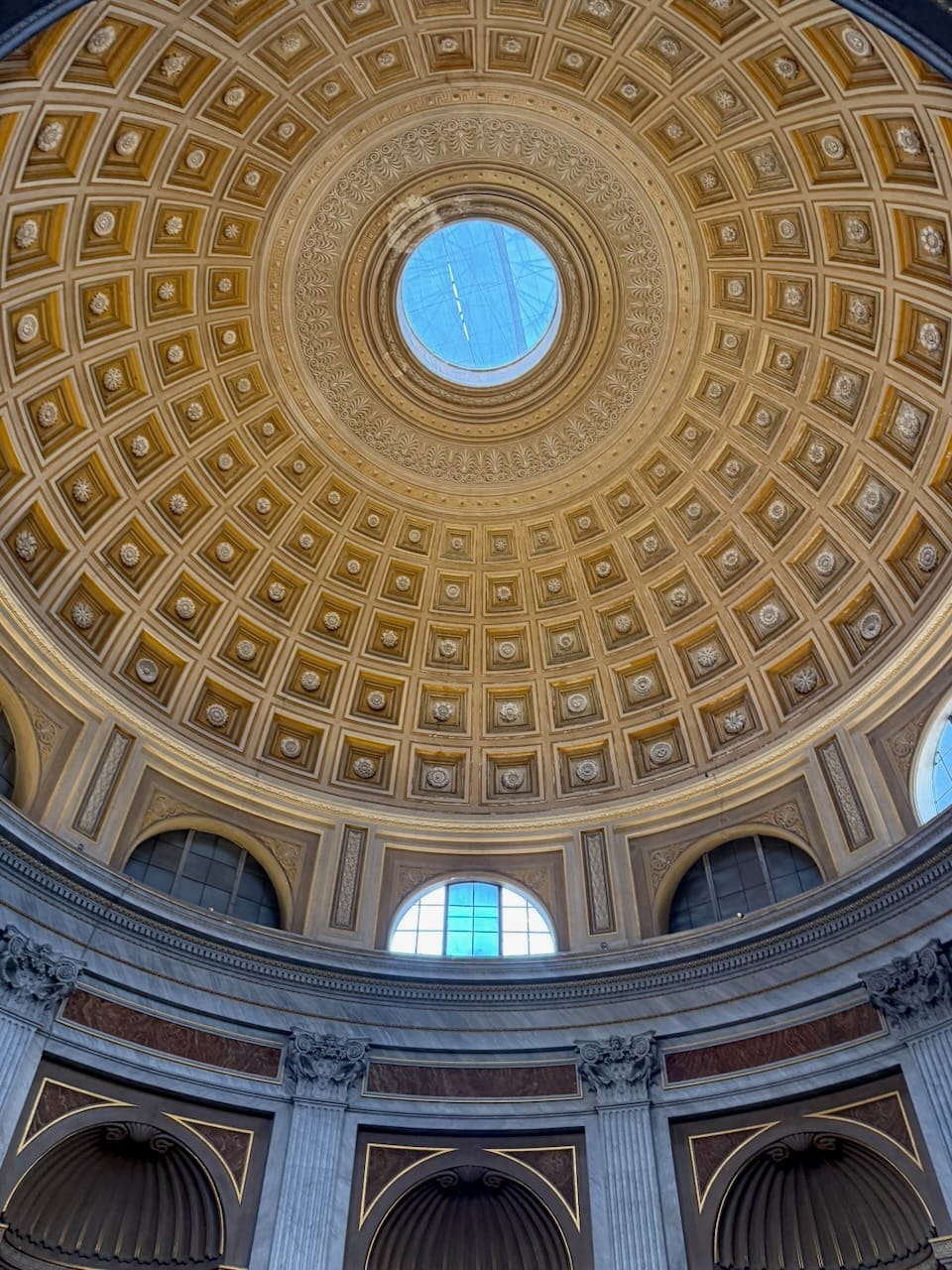
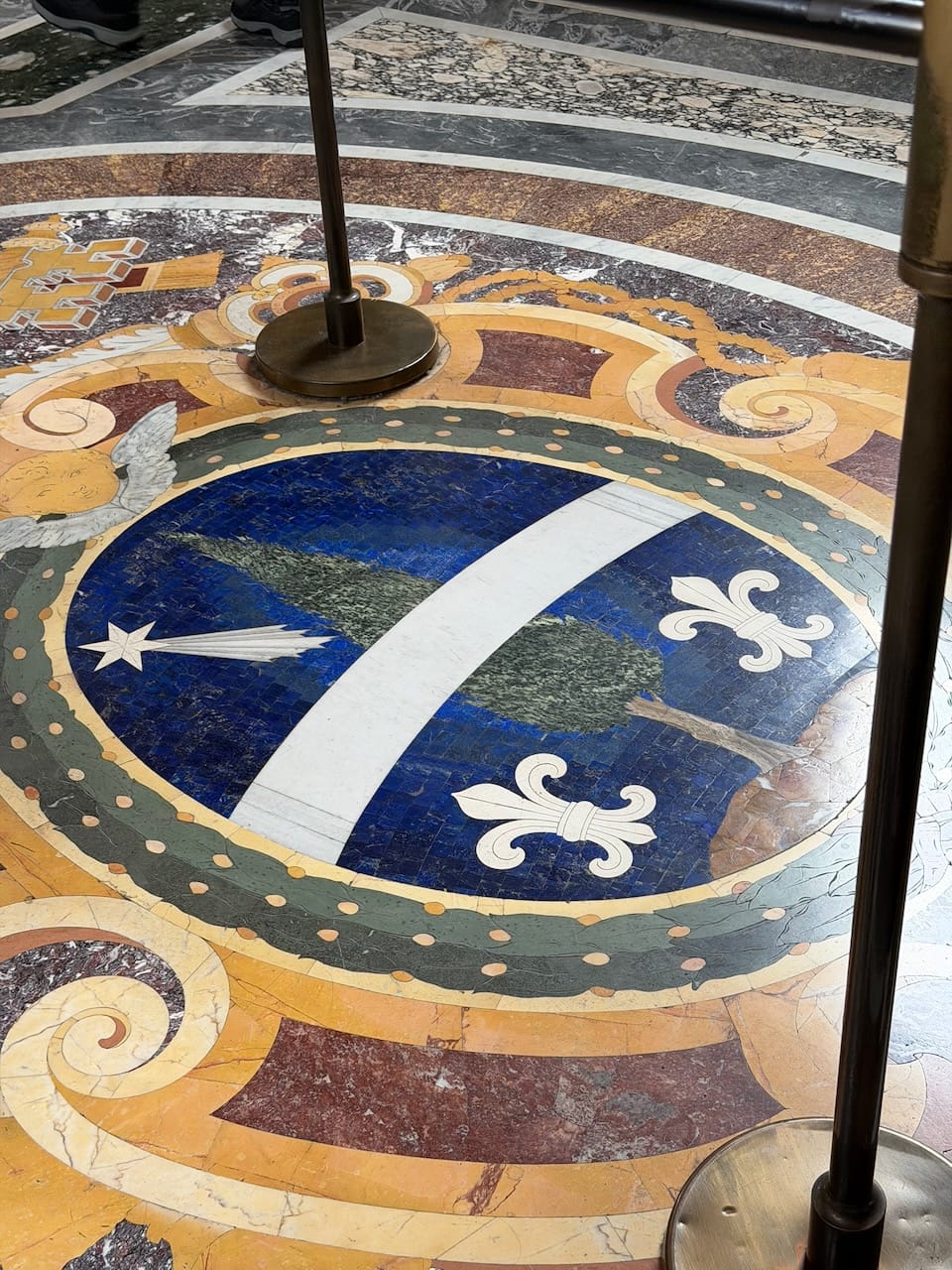
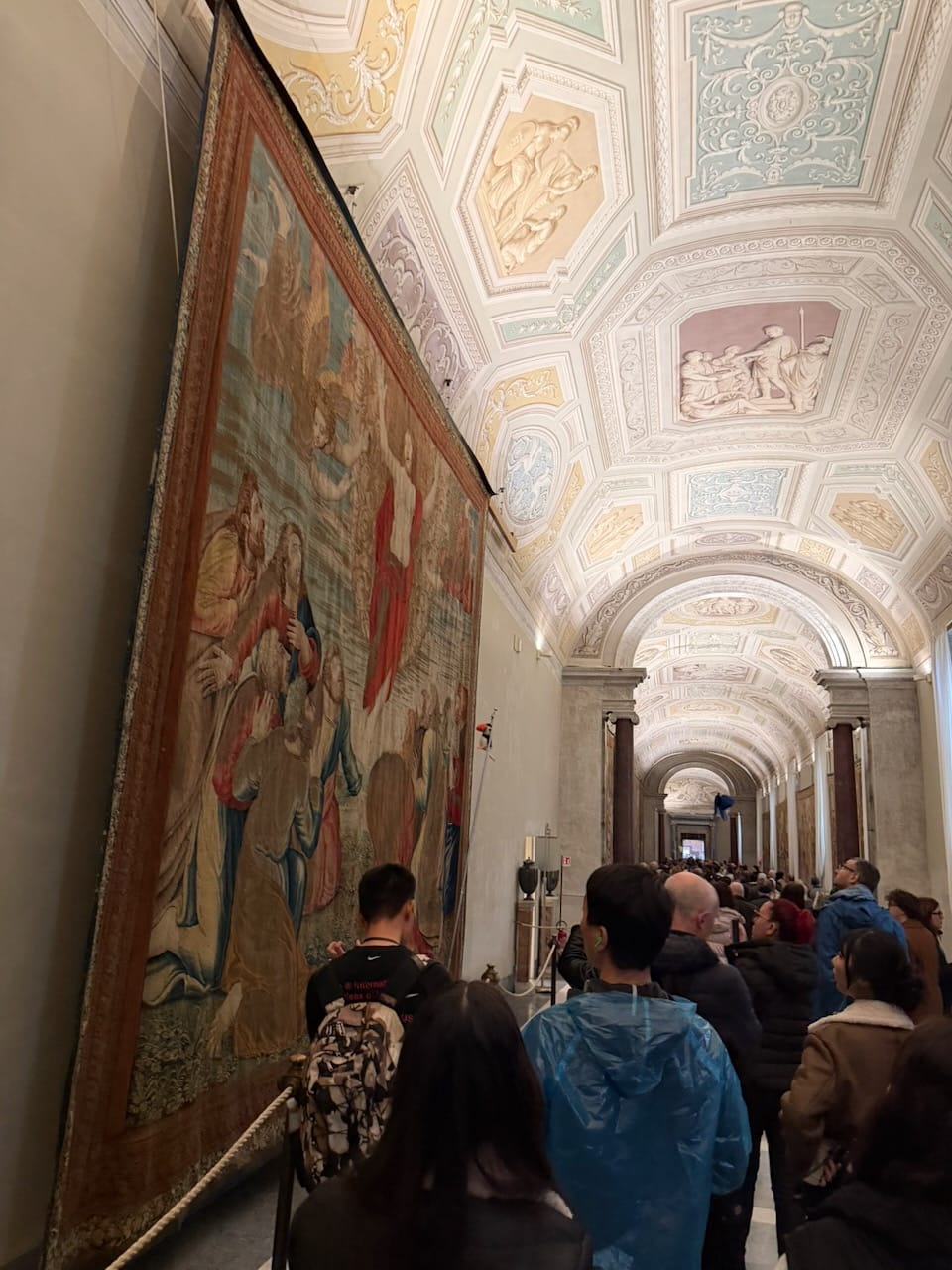
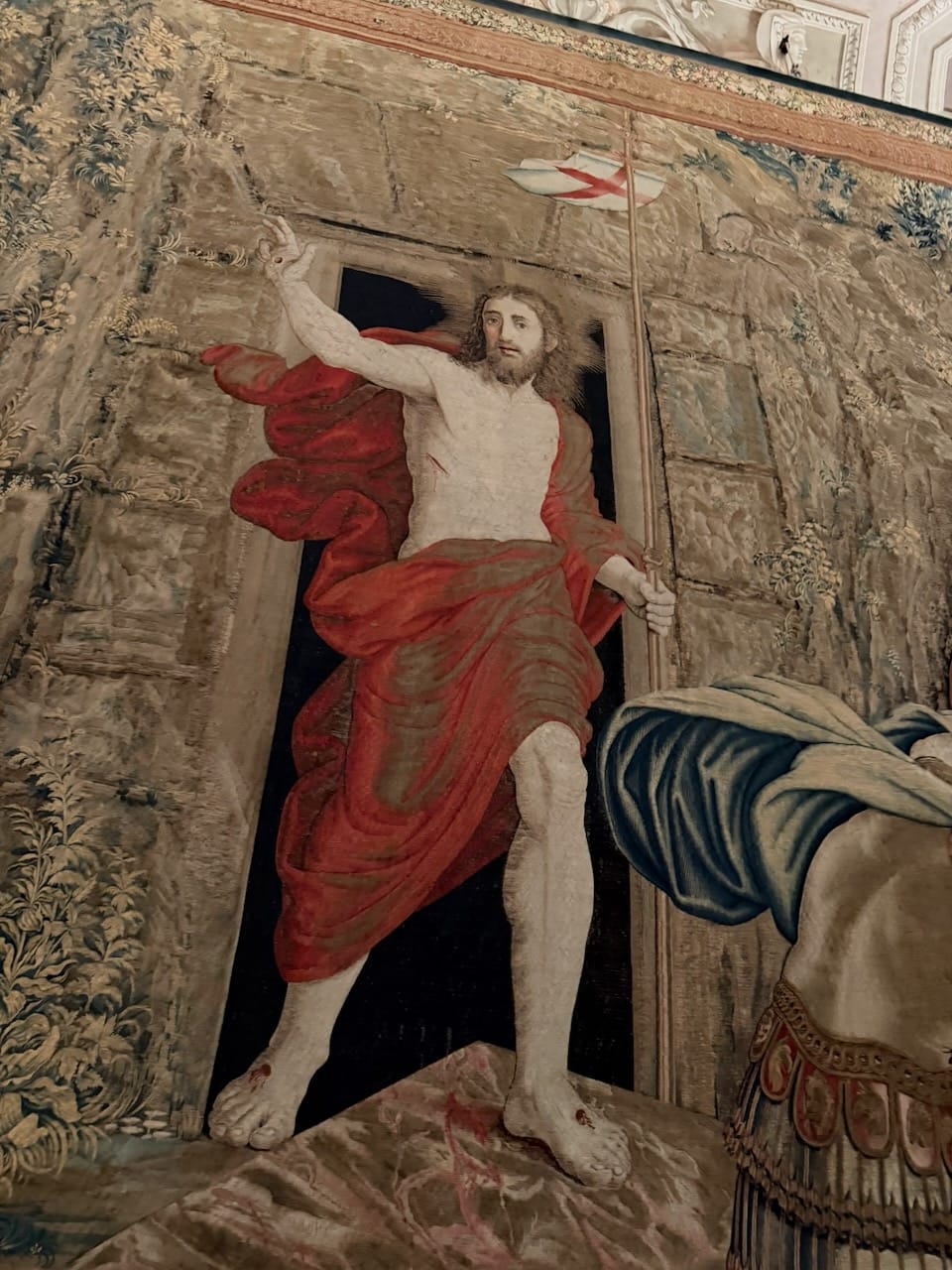
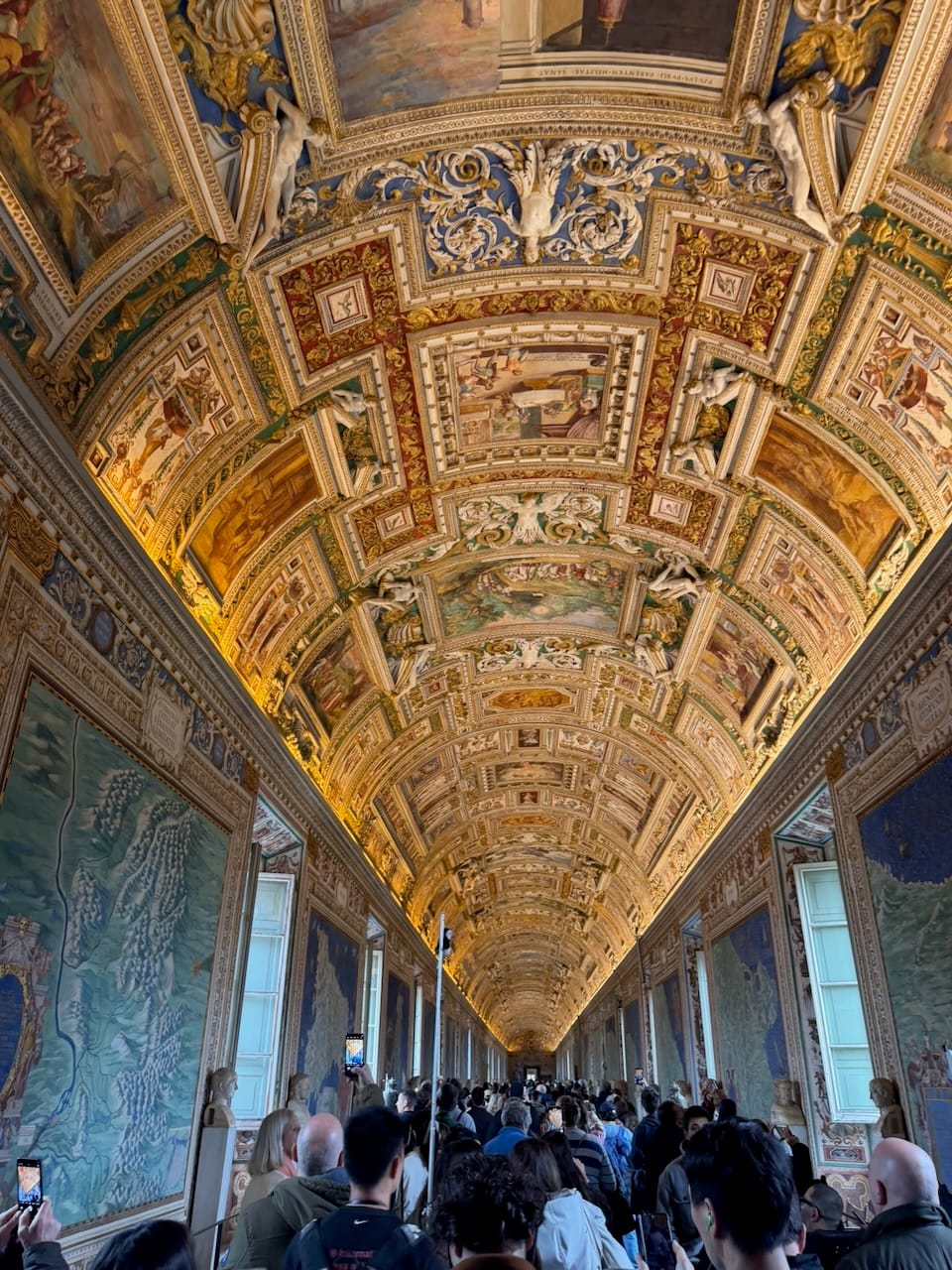
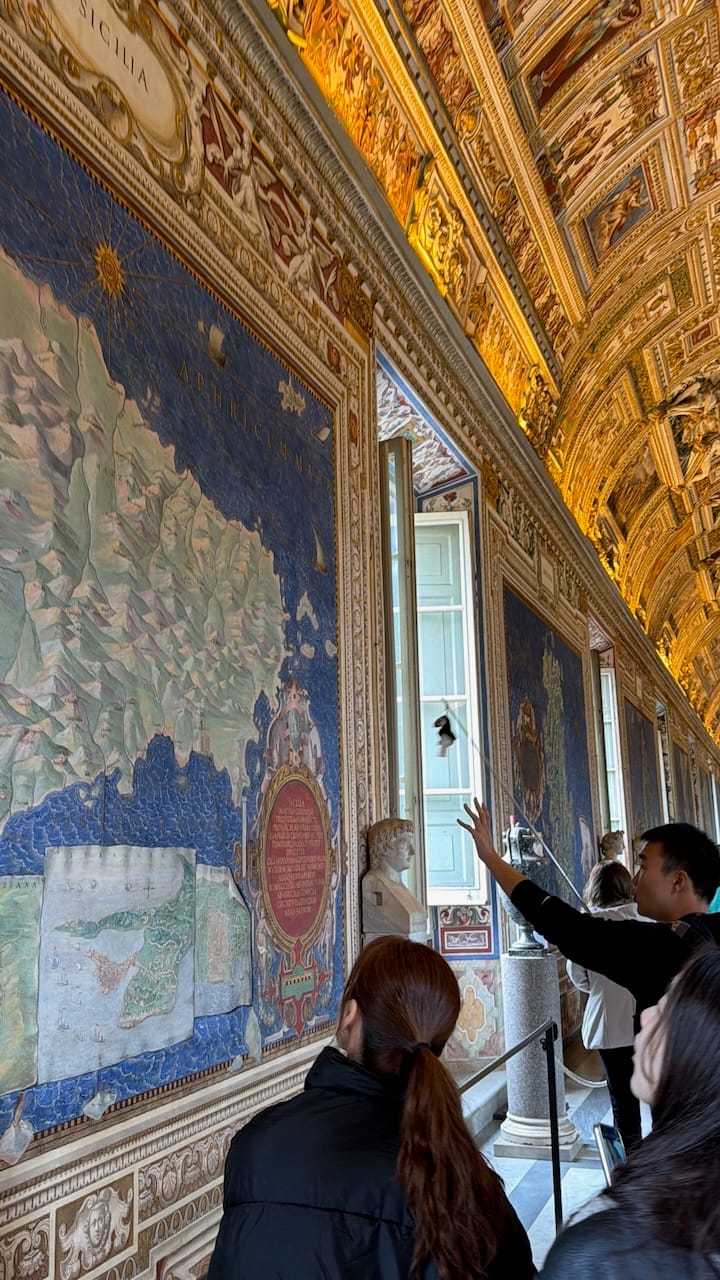
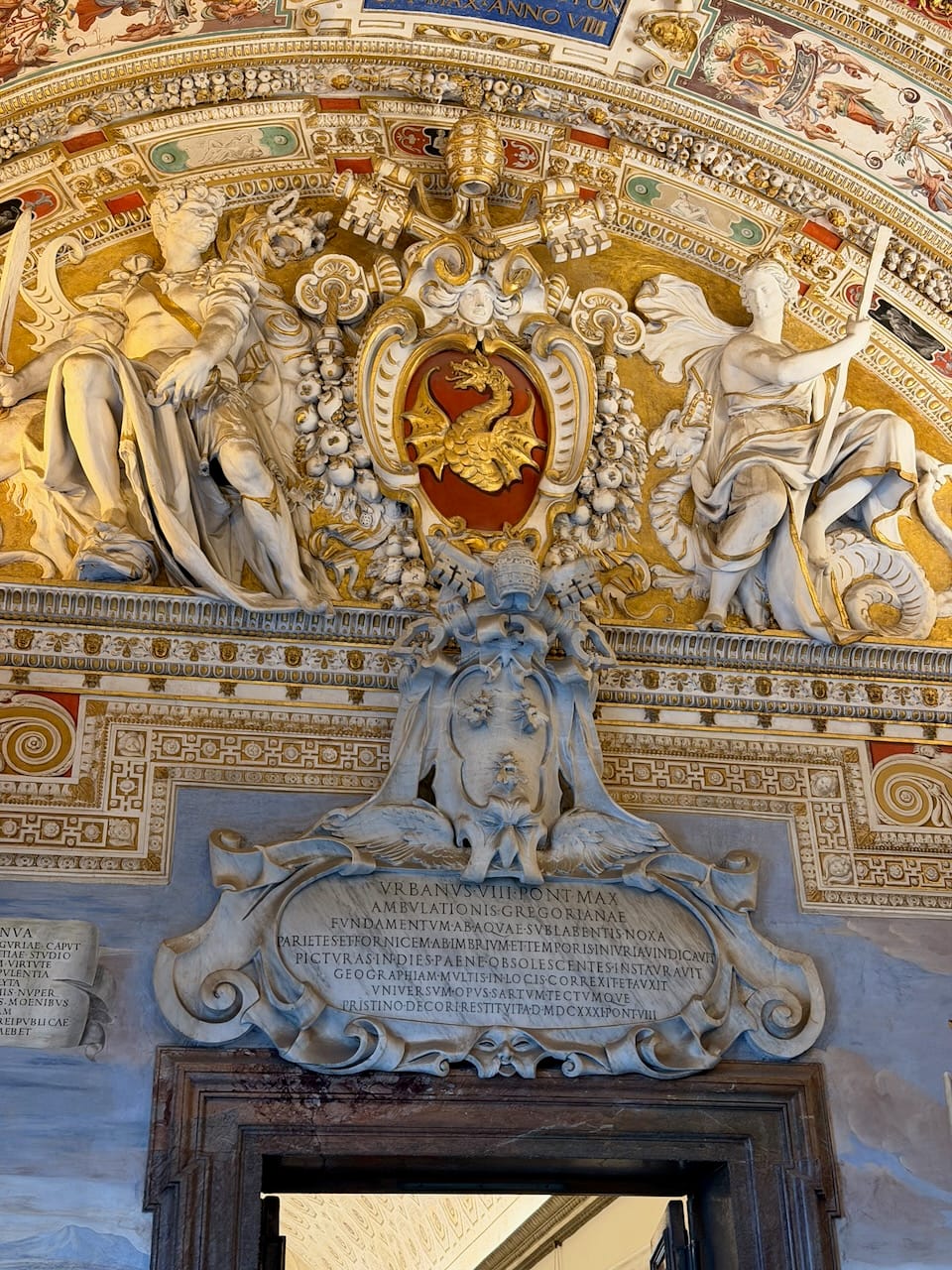
From there, we passed a protected area of a deep-blue mosaic and the coat of arms of Pope Leo XIII, then moved through a long corridor lined with magnificent tapestries, before arriving at the breathtaking Gallery of Maps. At first glance, the painted ceiling demanded attention—dramatic, colorful, overwhelming. But the real power of the room, I felt, came from the maps themselves. In that era, maps were information, and information was power.
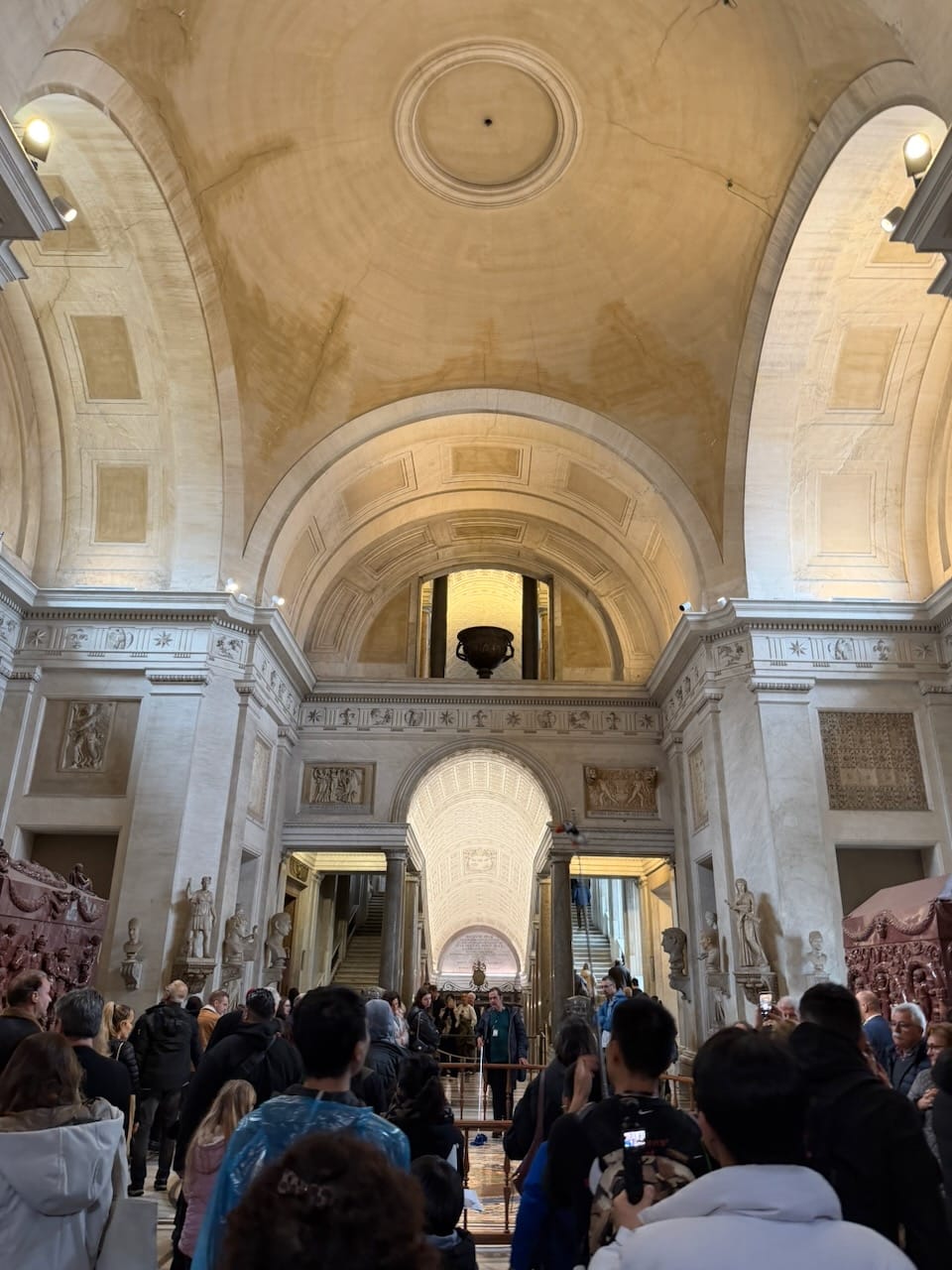


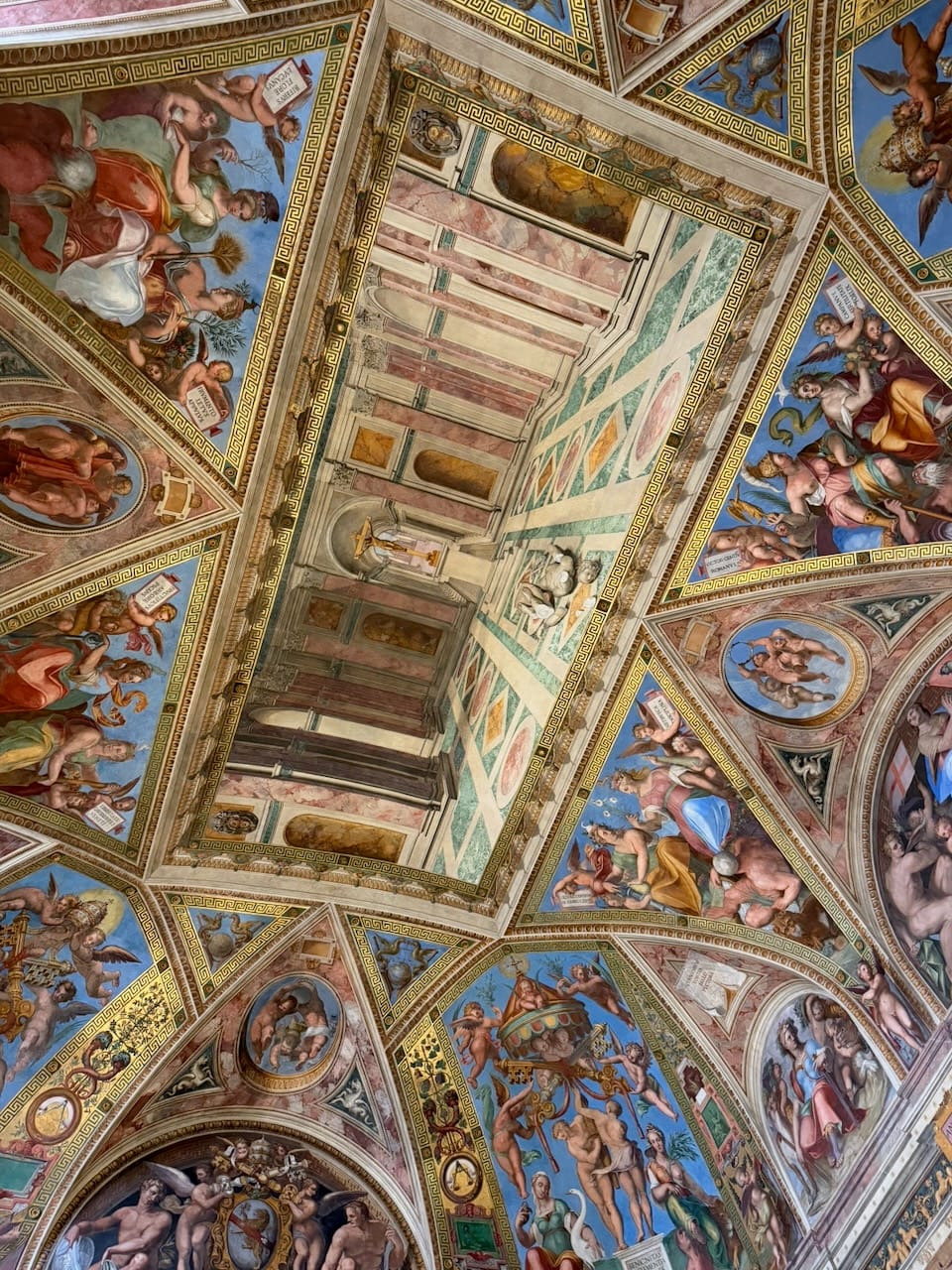
After passing countless frescoes and even a large internal parking lot that reminded me of a scene from the movie Conclave, we finally approached the highlights of the Vatican Museums.


The School of Athens was, without question, my favorite. The very existence of this painting—a gathering of Greek philosophers, many of them pagans or cults by Christian standards—inside one of the holiest places of Catholicism felt like a quiet declaration of the Renaissance spirit: generous, confident, and unafraid of knowledge from every direction. Spotting the figures was pure joy. Socrates, Euclid, Pythagoras, Plato, and even Raphael himself along with his great rival Michelangelo, all hidden in plain sight within the masterpiece. It felt like a living puzzle painted into the wall.
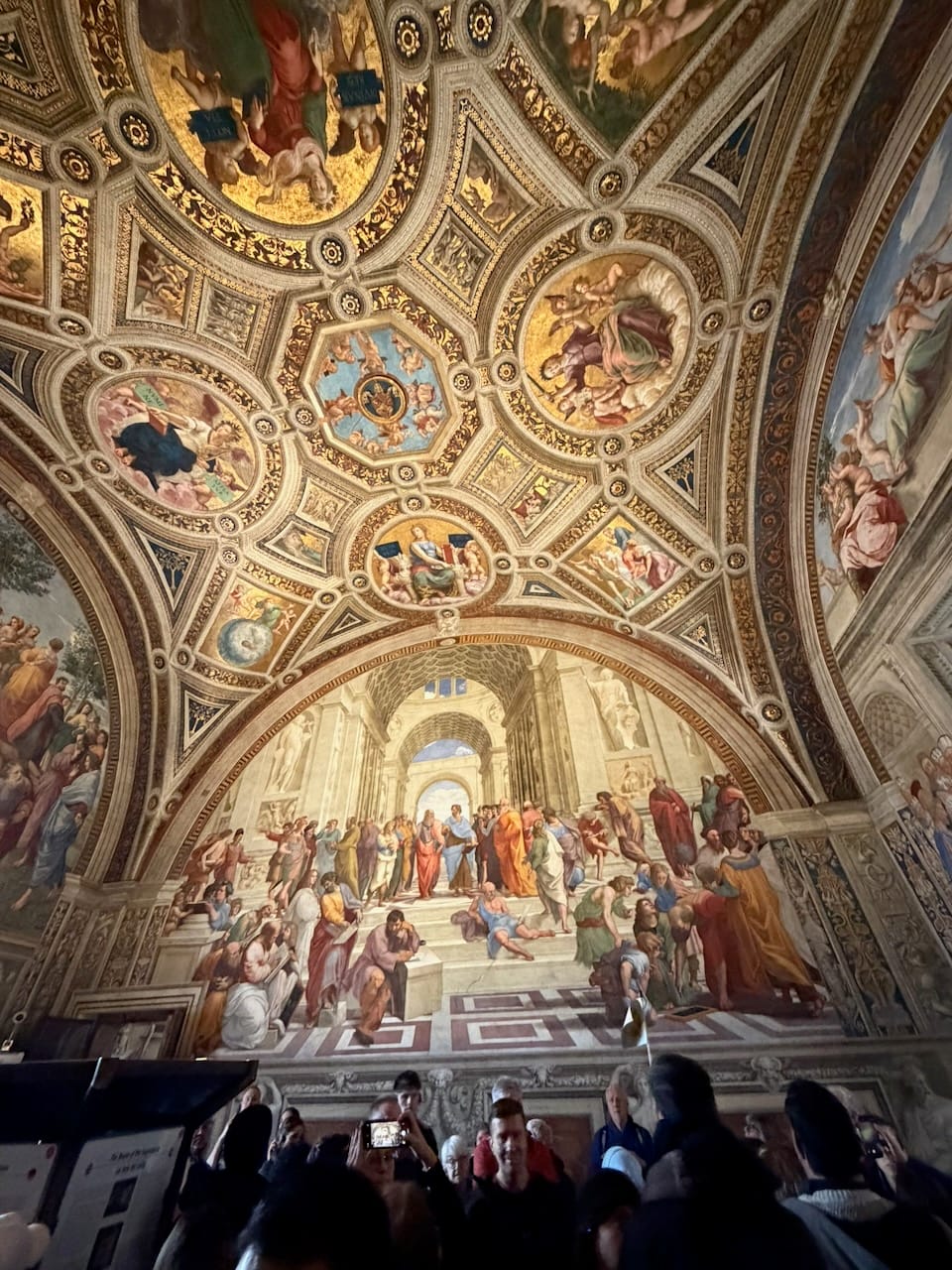
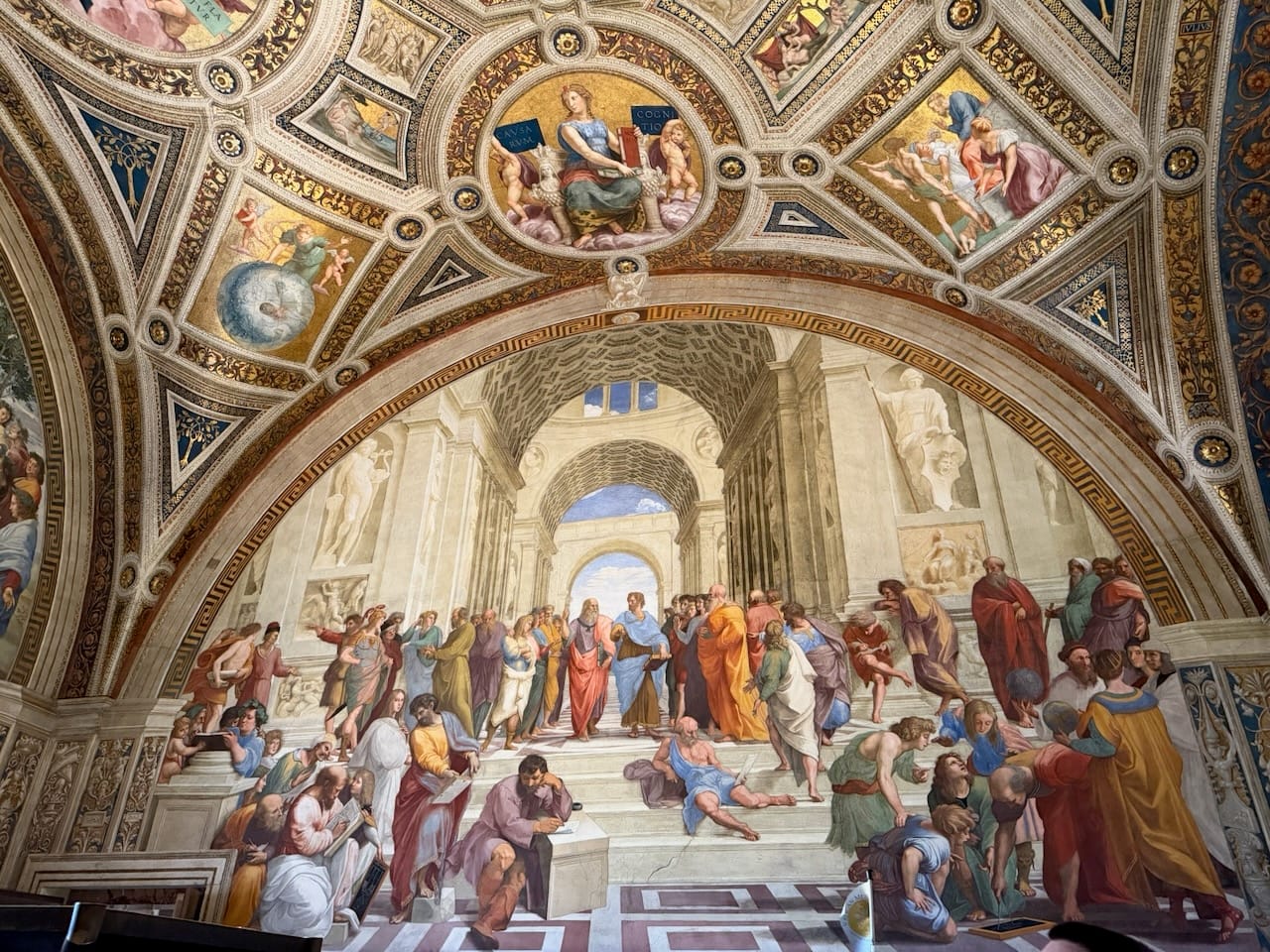
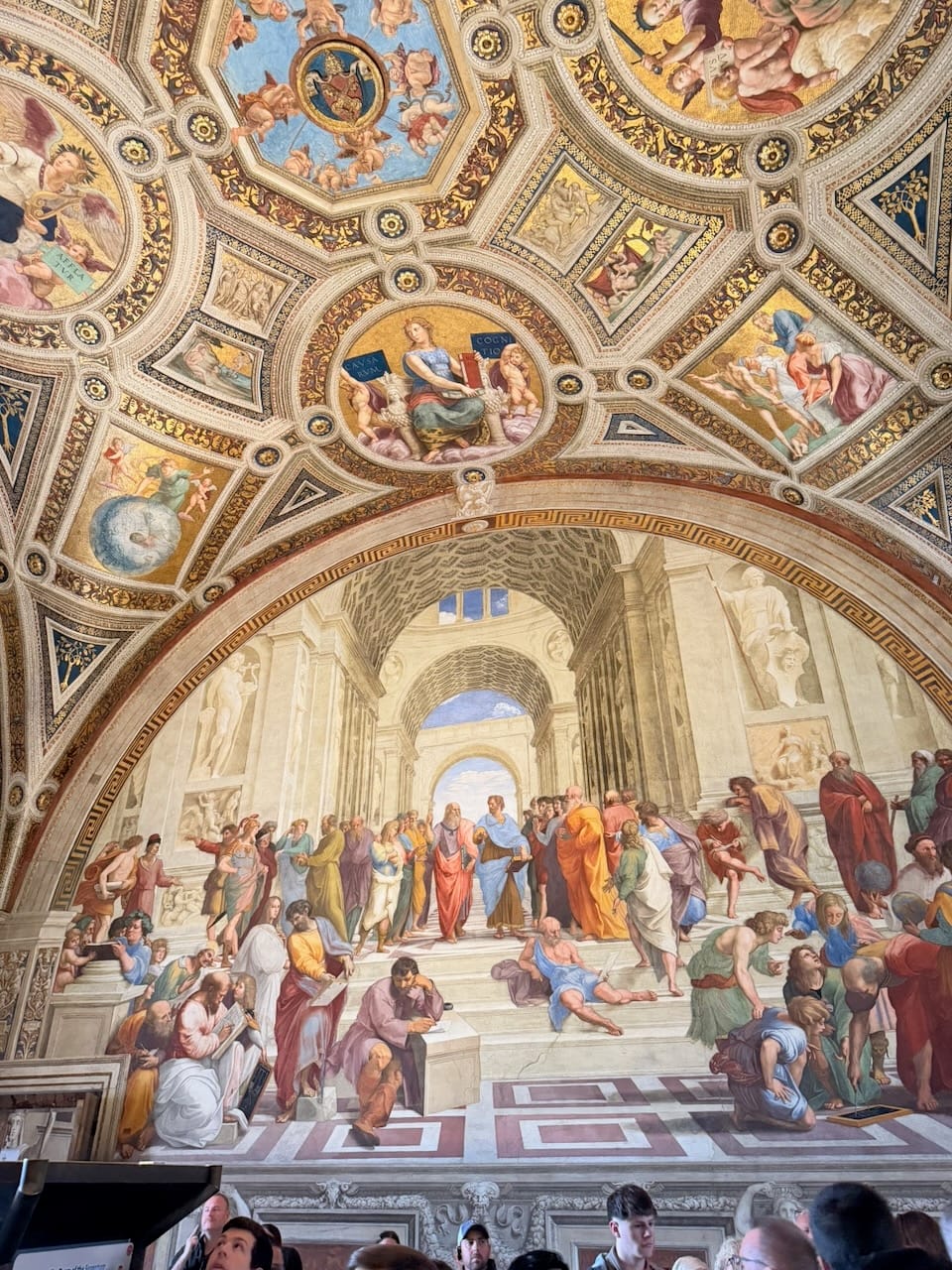
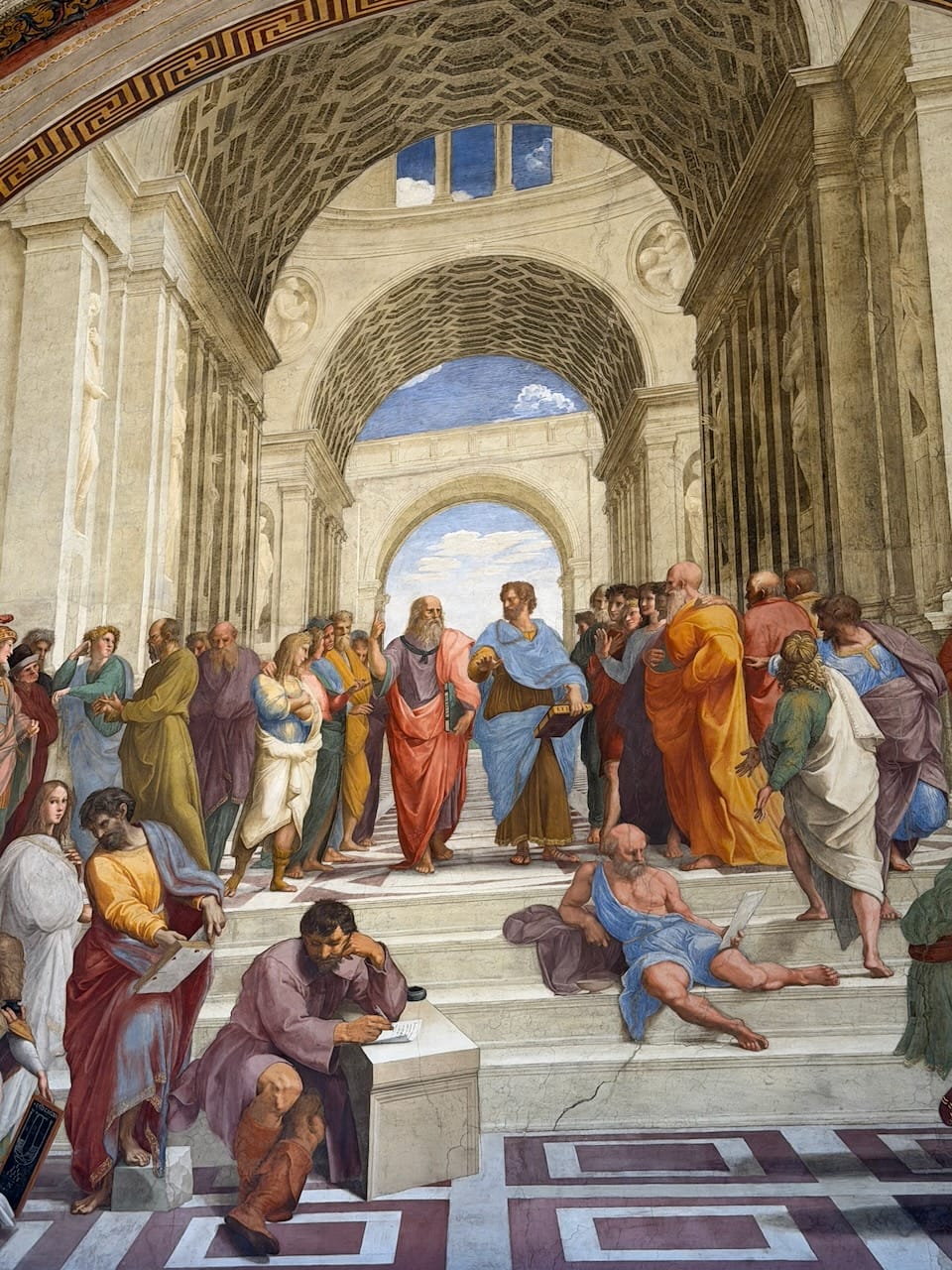
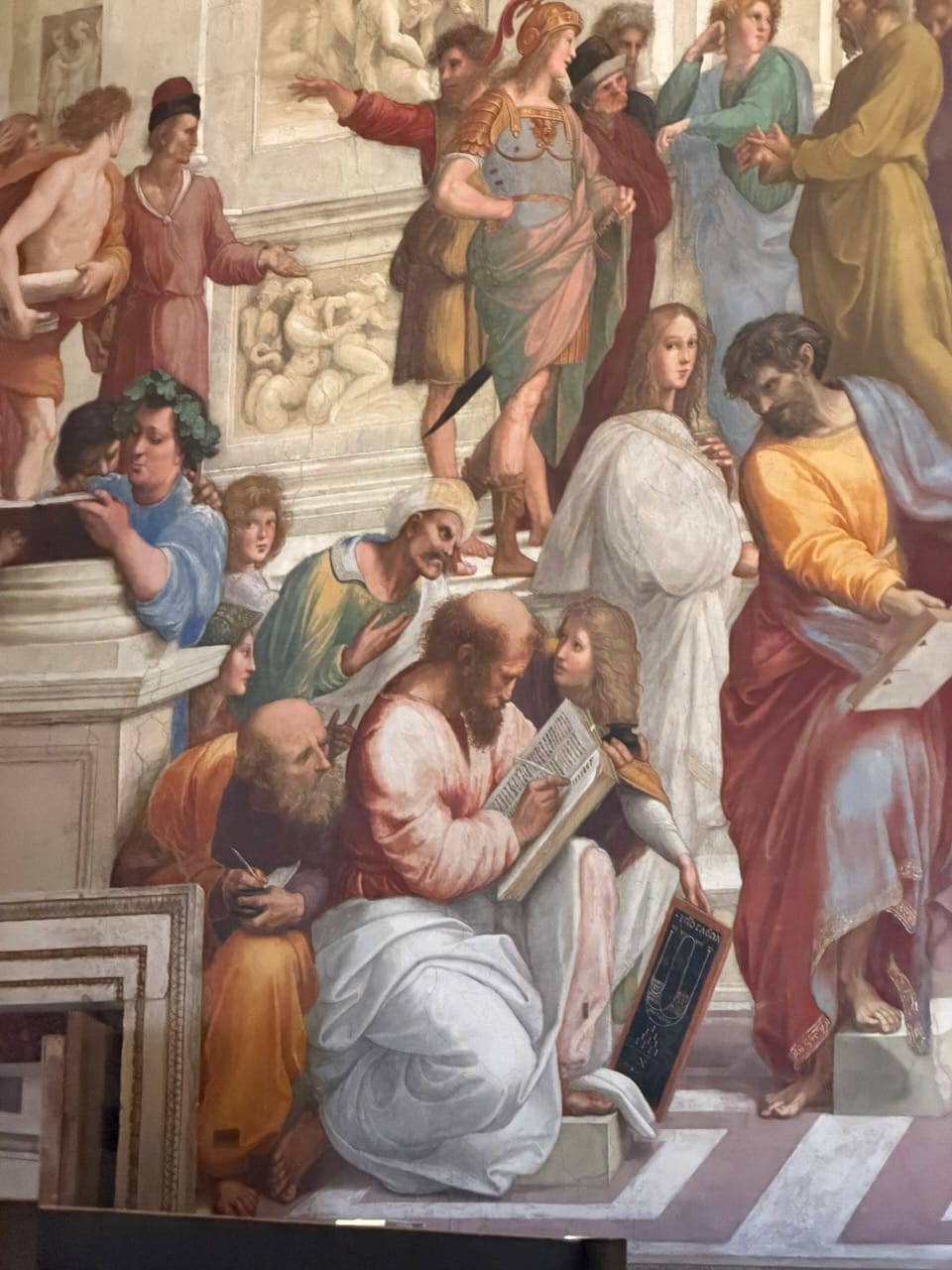
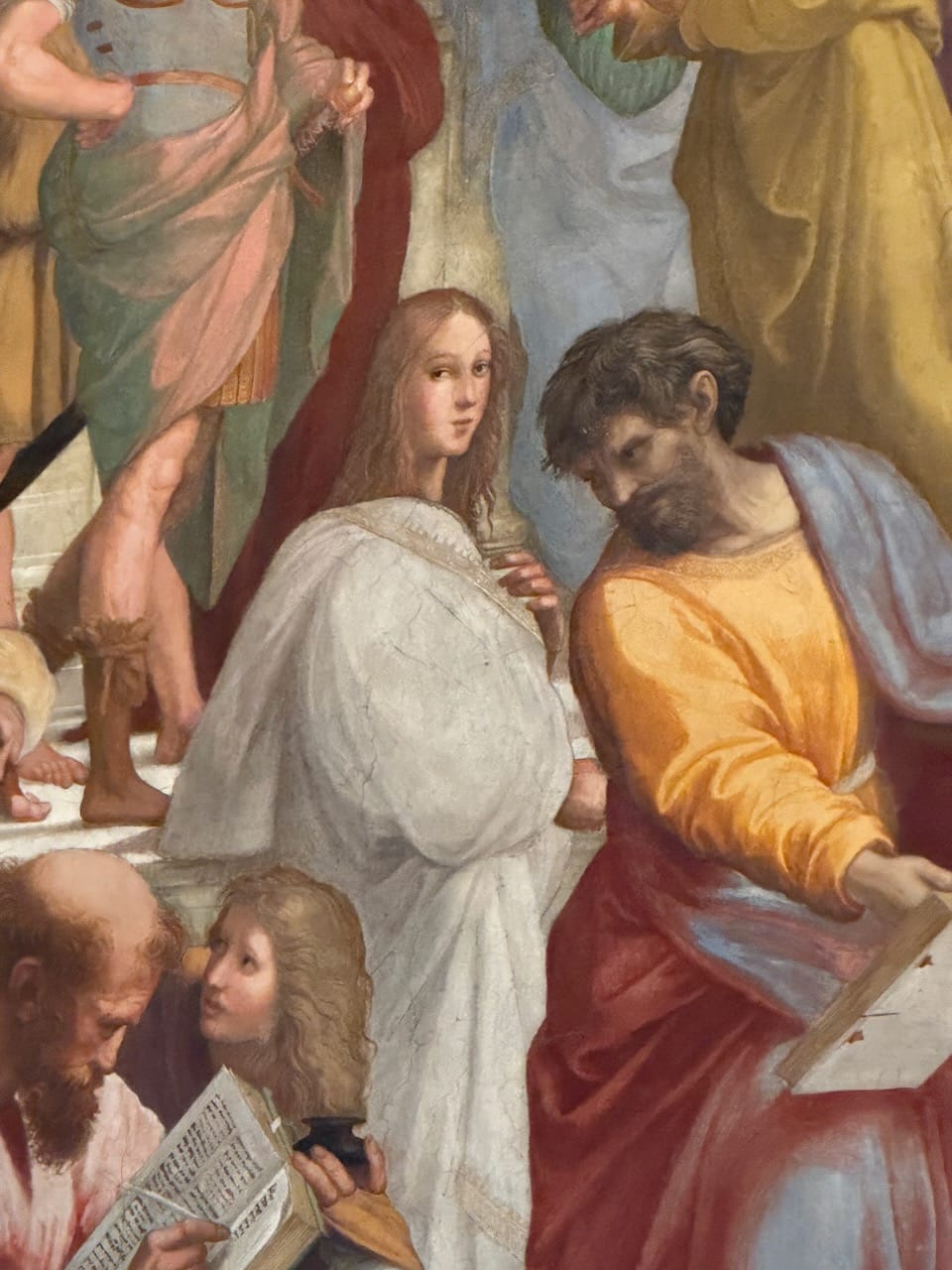
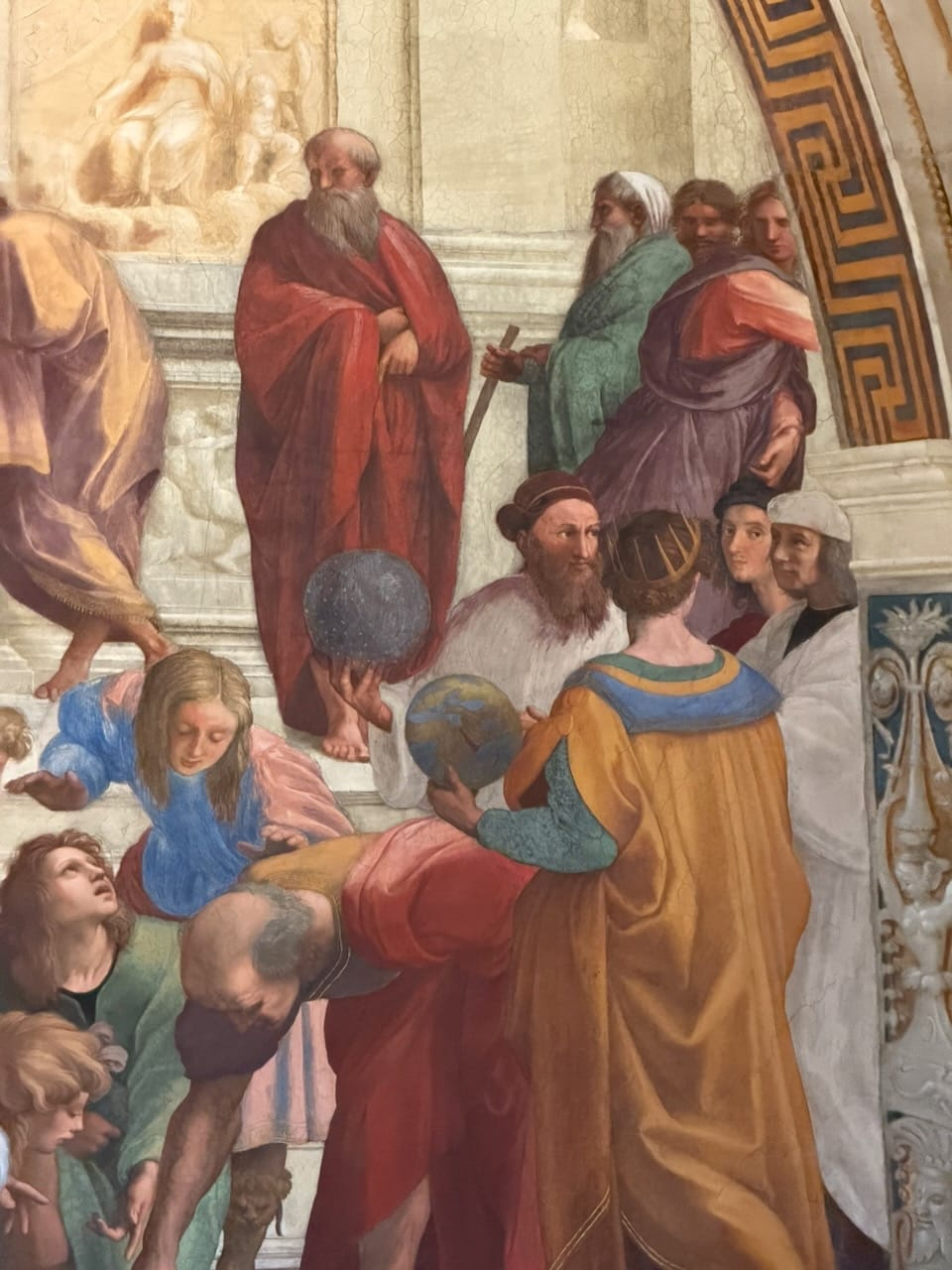
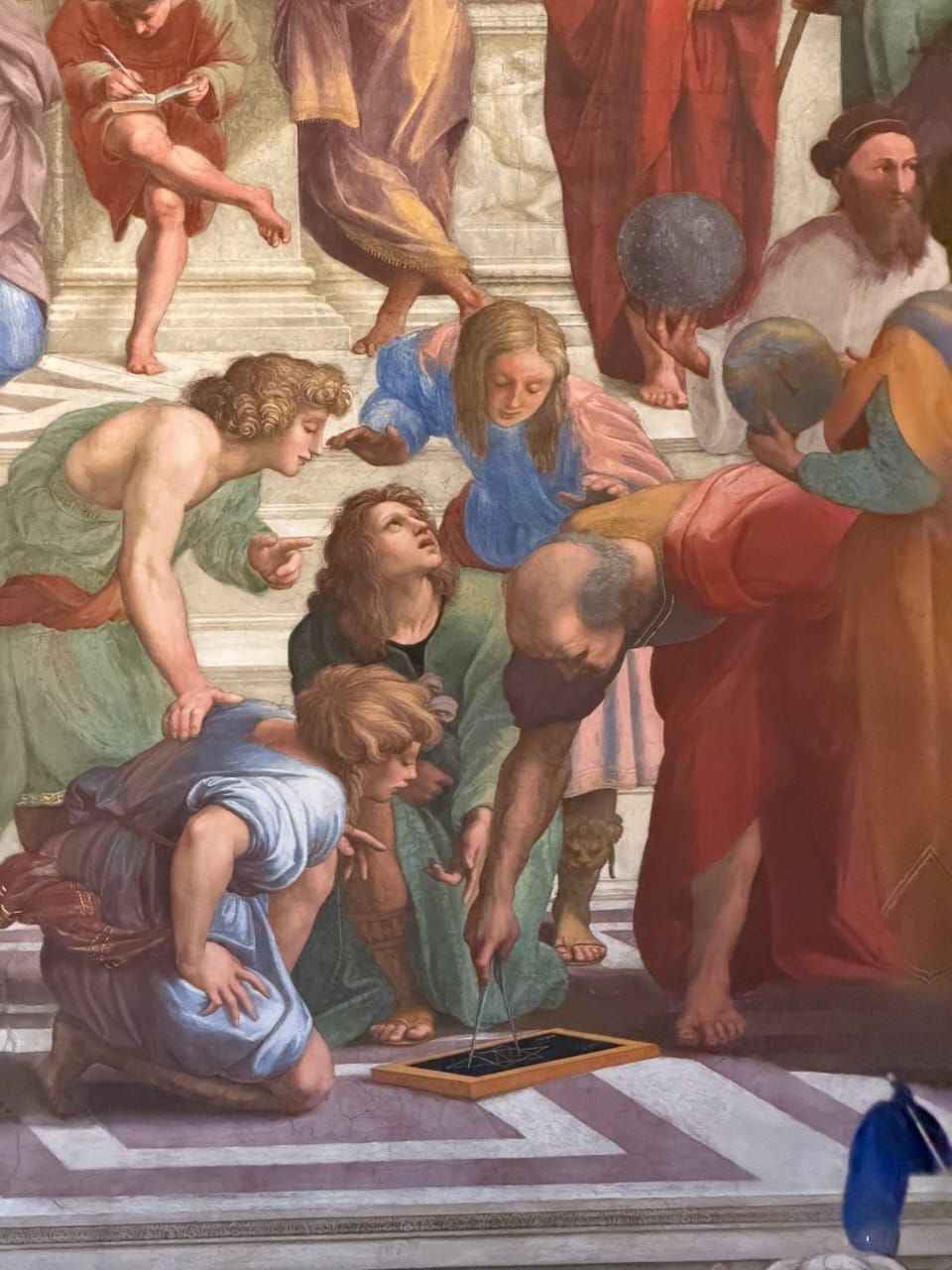
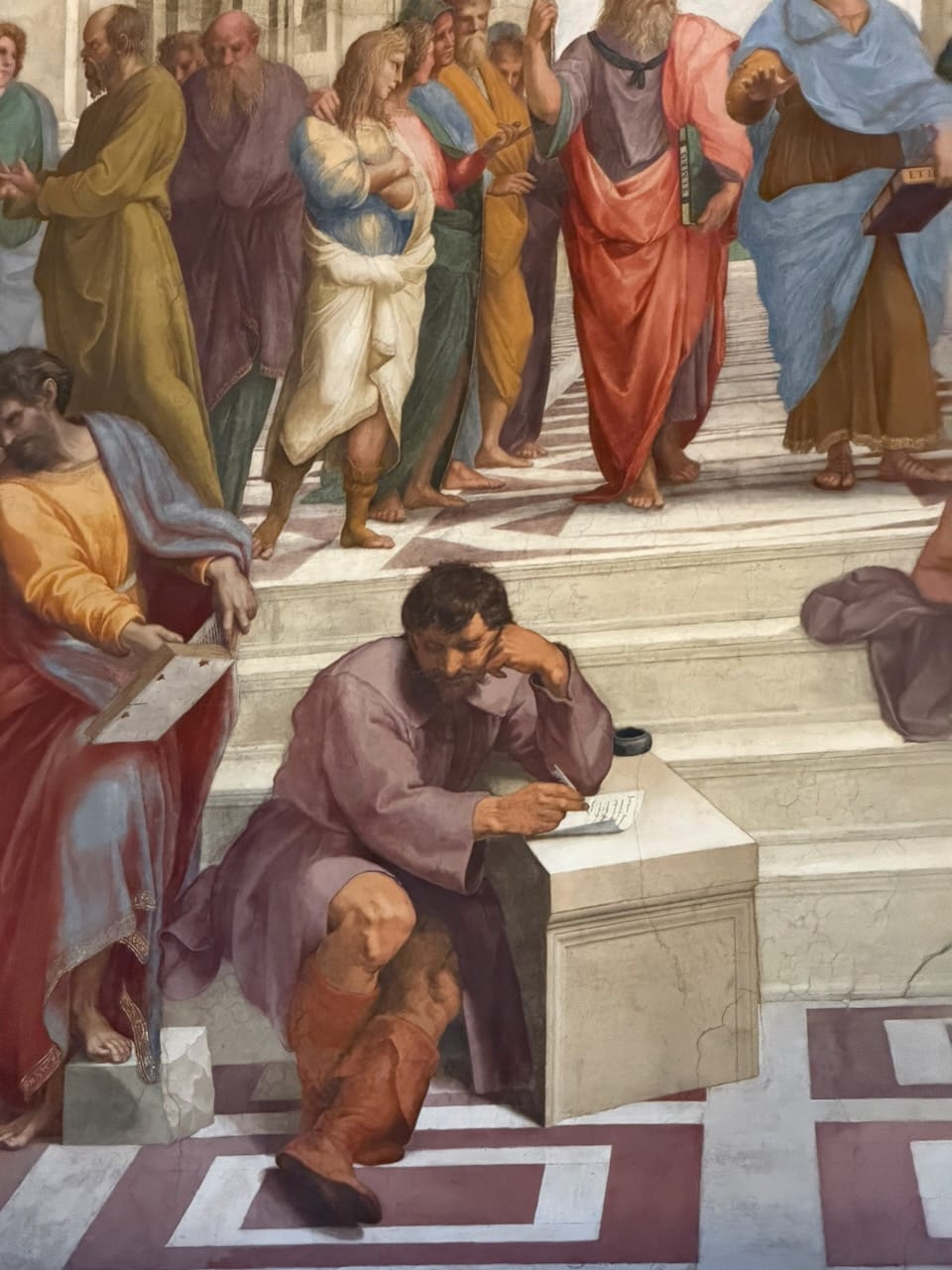
The School of Athens
And then came the Sistine Chapel, the place of The Creation of Adam and The Last Judgment. It was, of course, magnificent, but not quite as overwhelming as I had imagined beforehand. That wasn’t because photography was forbidden and I couldn’t collect enough “inputs” to reinforce the memory (our brains are wonderfully self-associative that way), but partly because of the light and the gloomy weather outside. I found myself wishing the space had been brighter, the colors more radiant. Still, the true greatness of the Sistine Chapel doesn’t come from the immediate visual impact alone. It comes from a far simpler, almost unbelievable fact: that ceiling and wall were painted by one person. And the story of Biagio da Cesena, who was condemned by Michelangelo to suffer eternally in the painted Inferno, felt like a strangely small reward to the maestro.
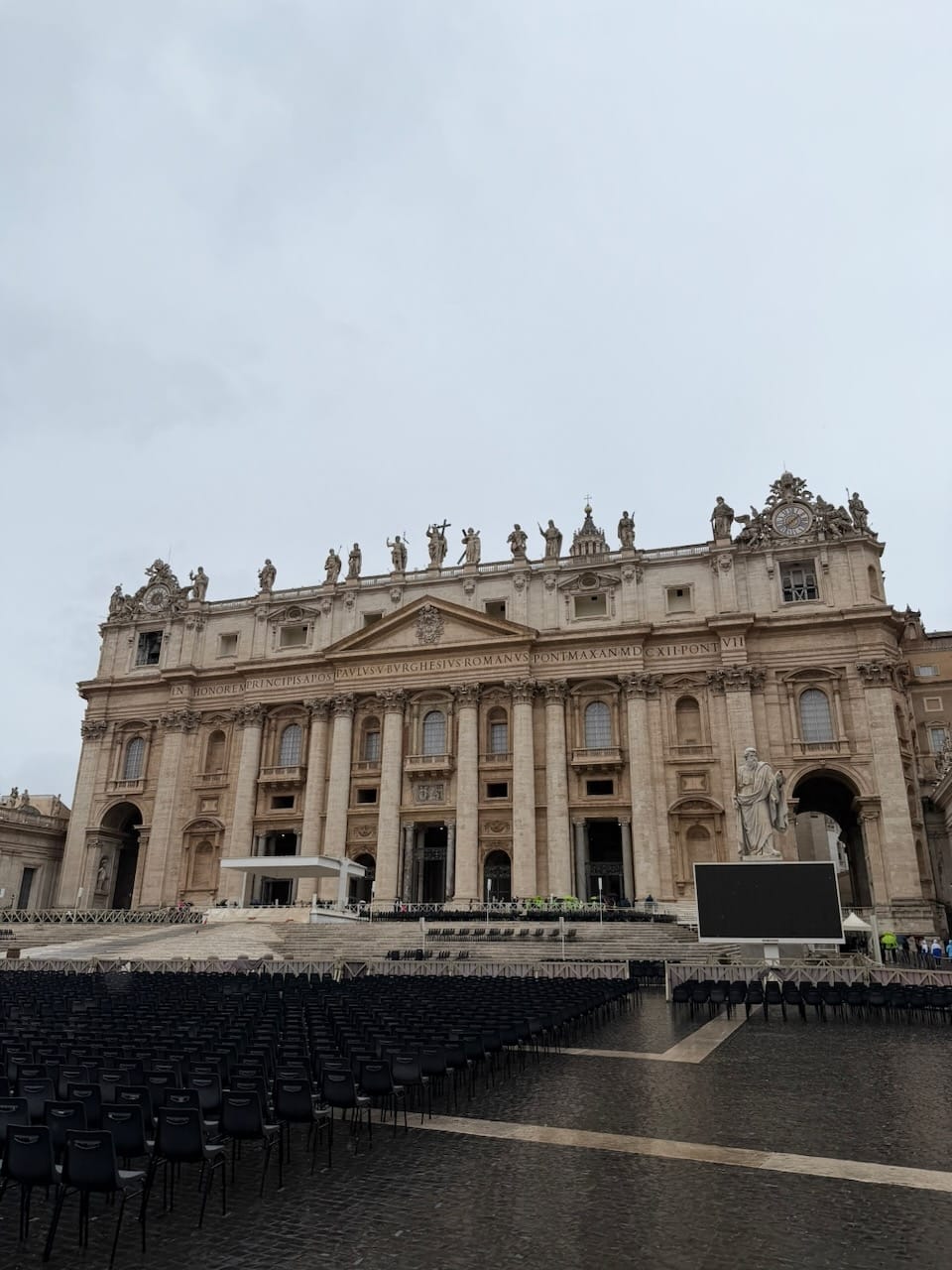
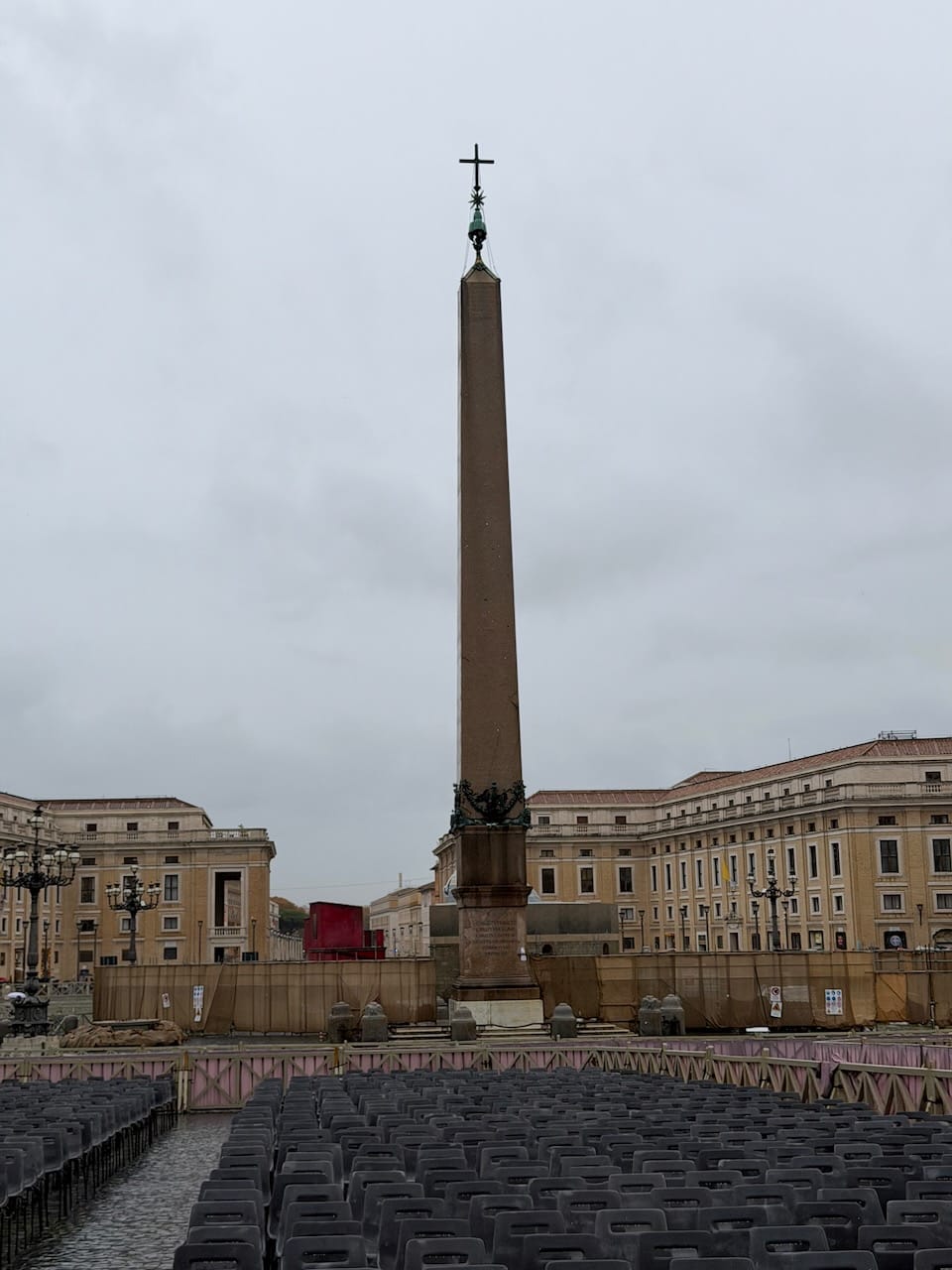
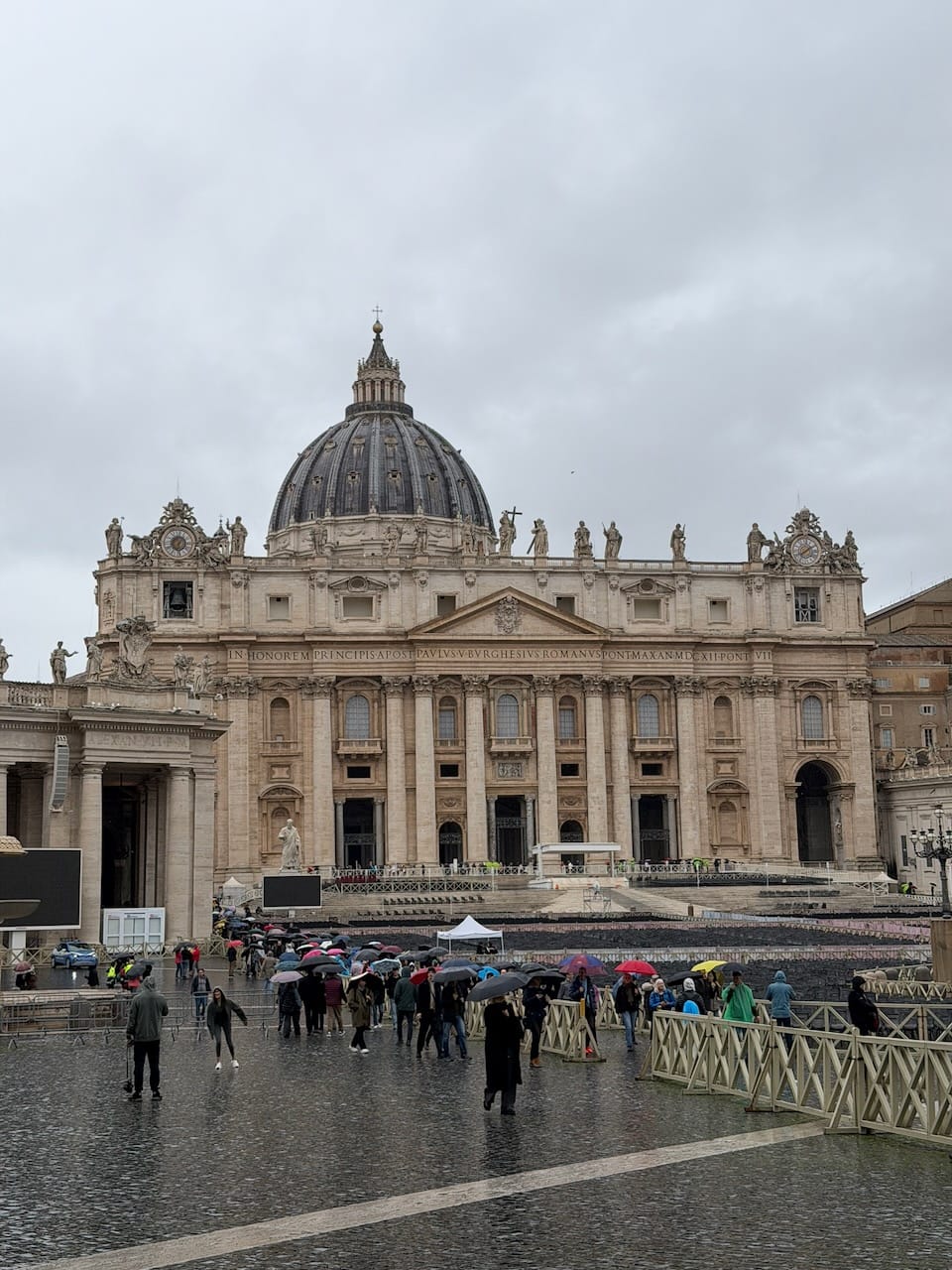
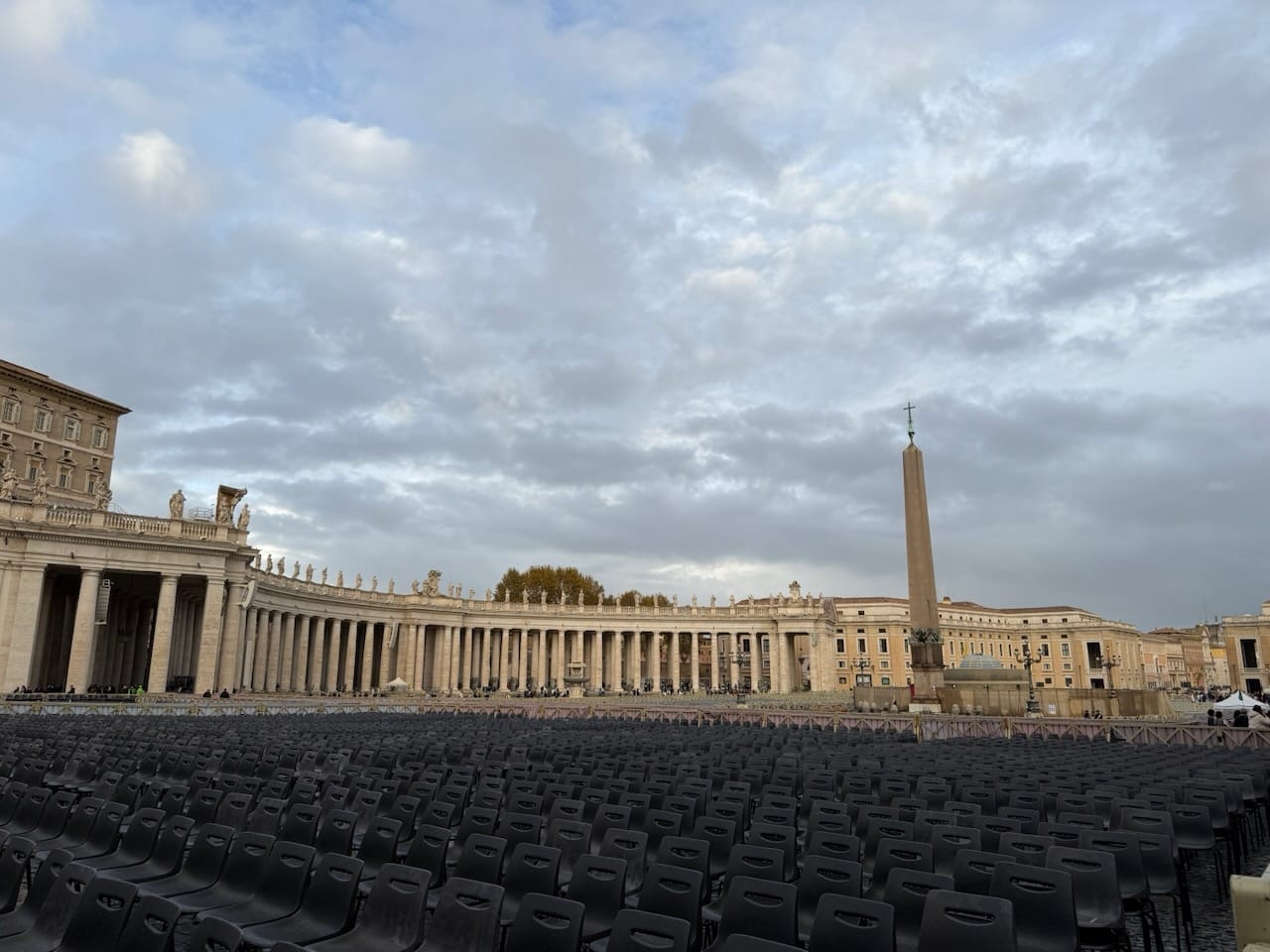
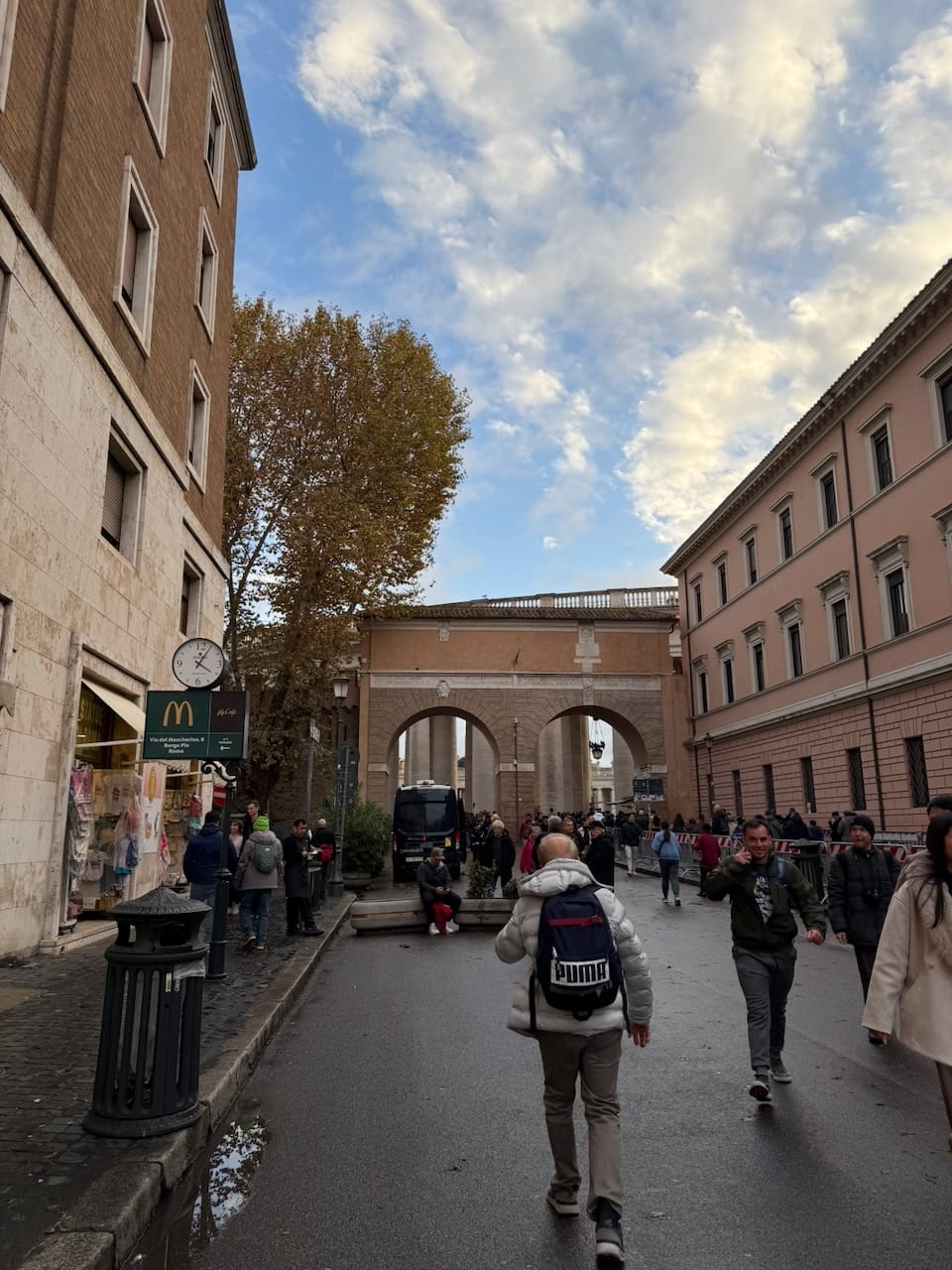
The exit led directly into St. Peter’s Square. We were a bit exhausted, but instead of resting, we decided to head straight into St. Peter’s Basilica to save the time of our last day in Rome. It was still raining, and perhaps because of that, the line for security (the entrance itself is free, but everyone must go through screening) was shorter than expected. We were inside within about 30 minutes, passing once again through a Holy Door.
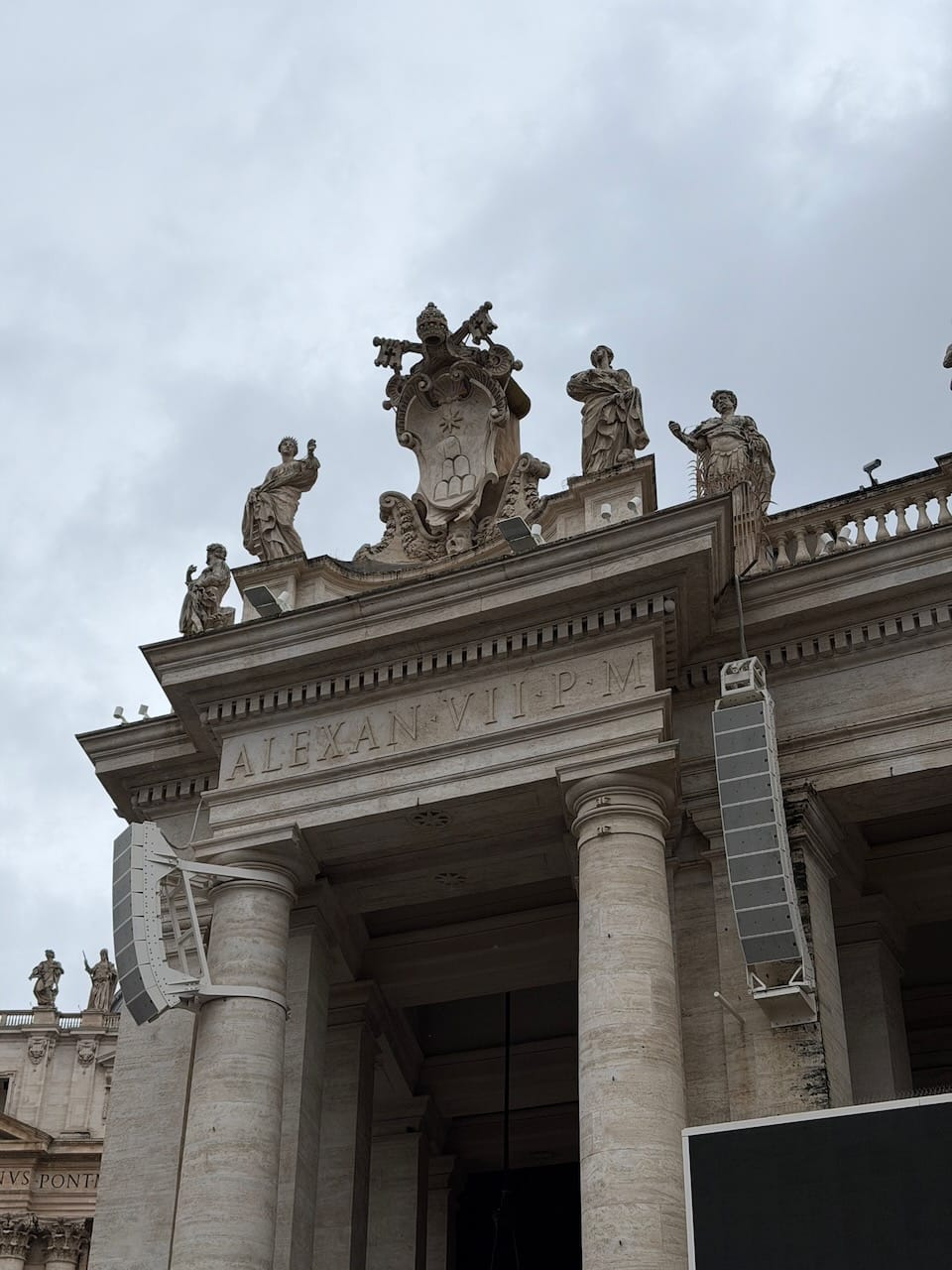
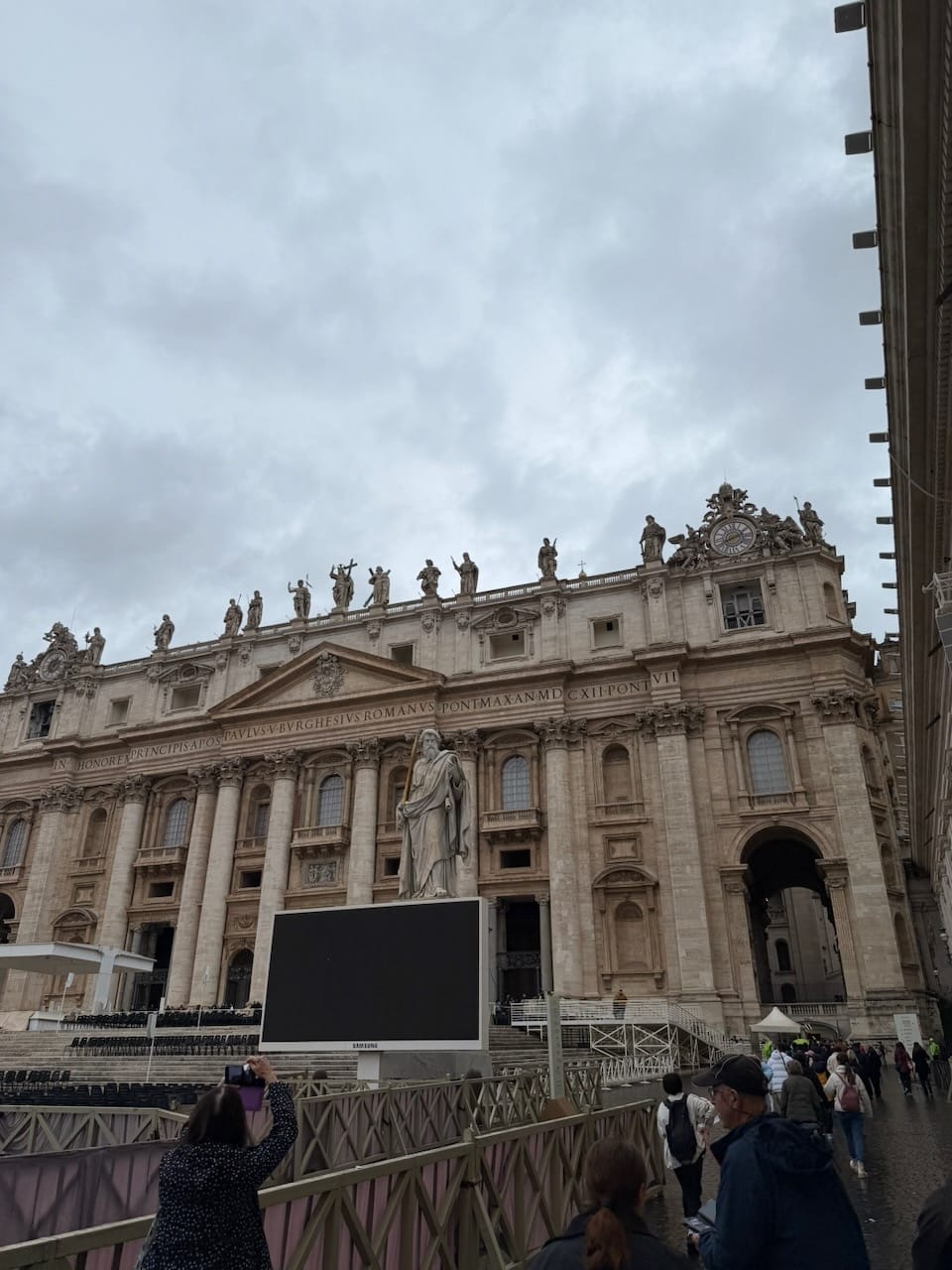
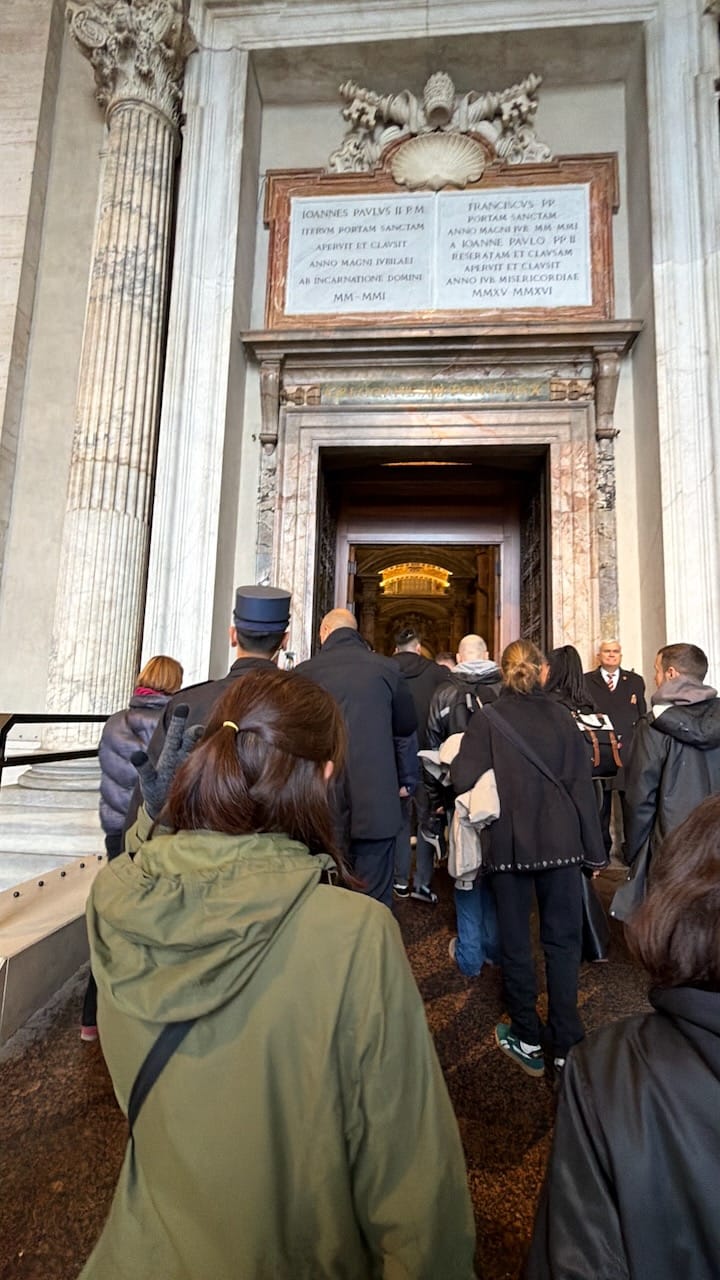
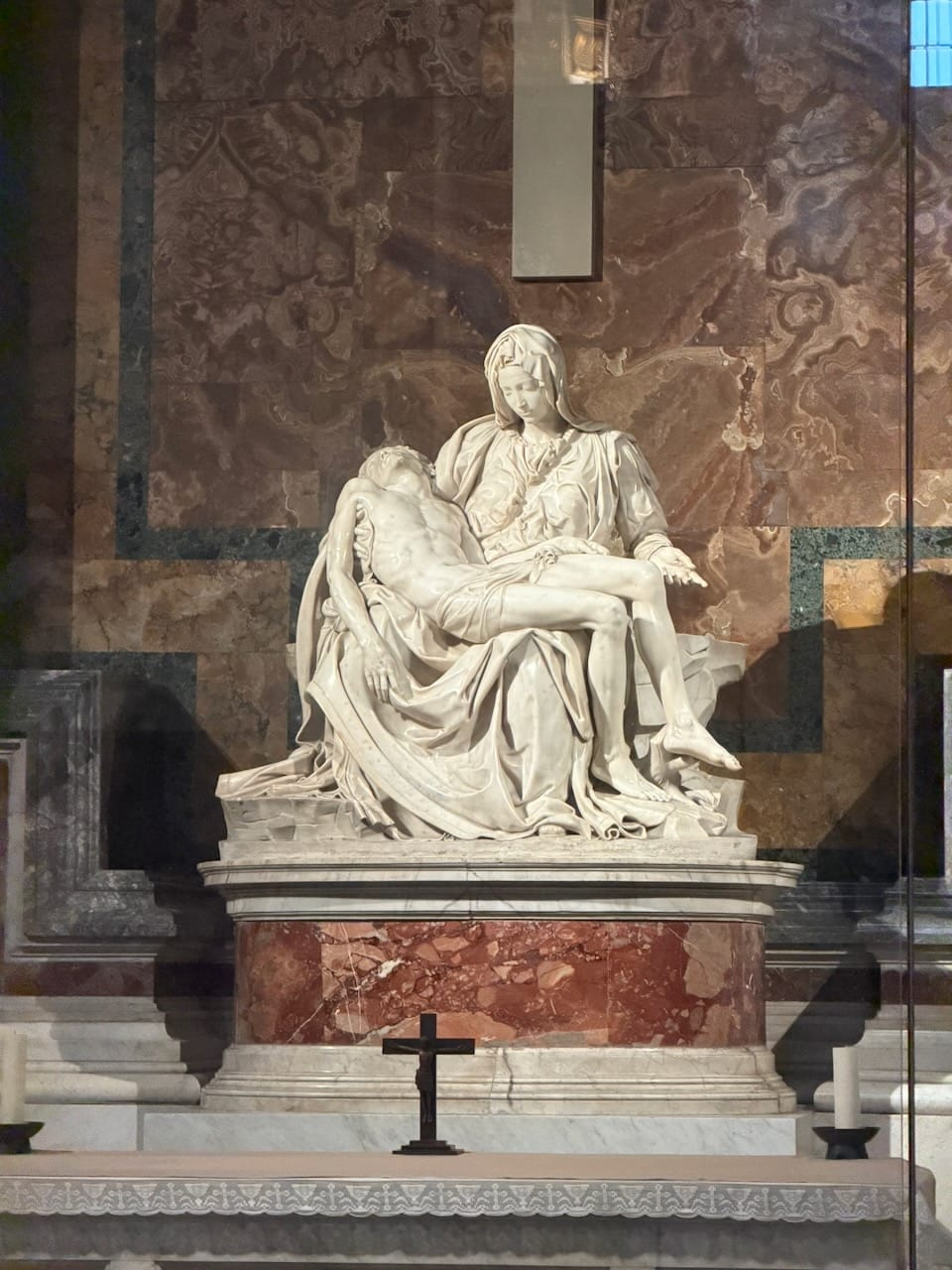
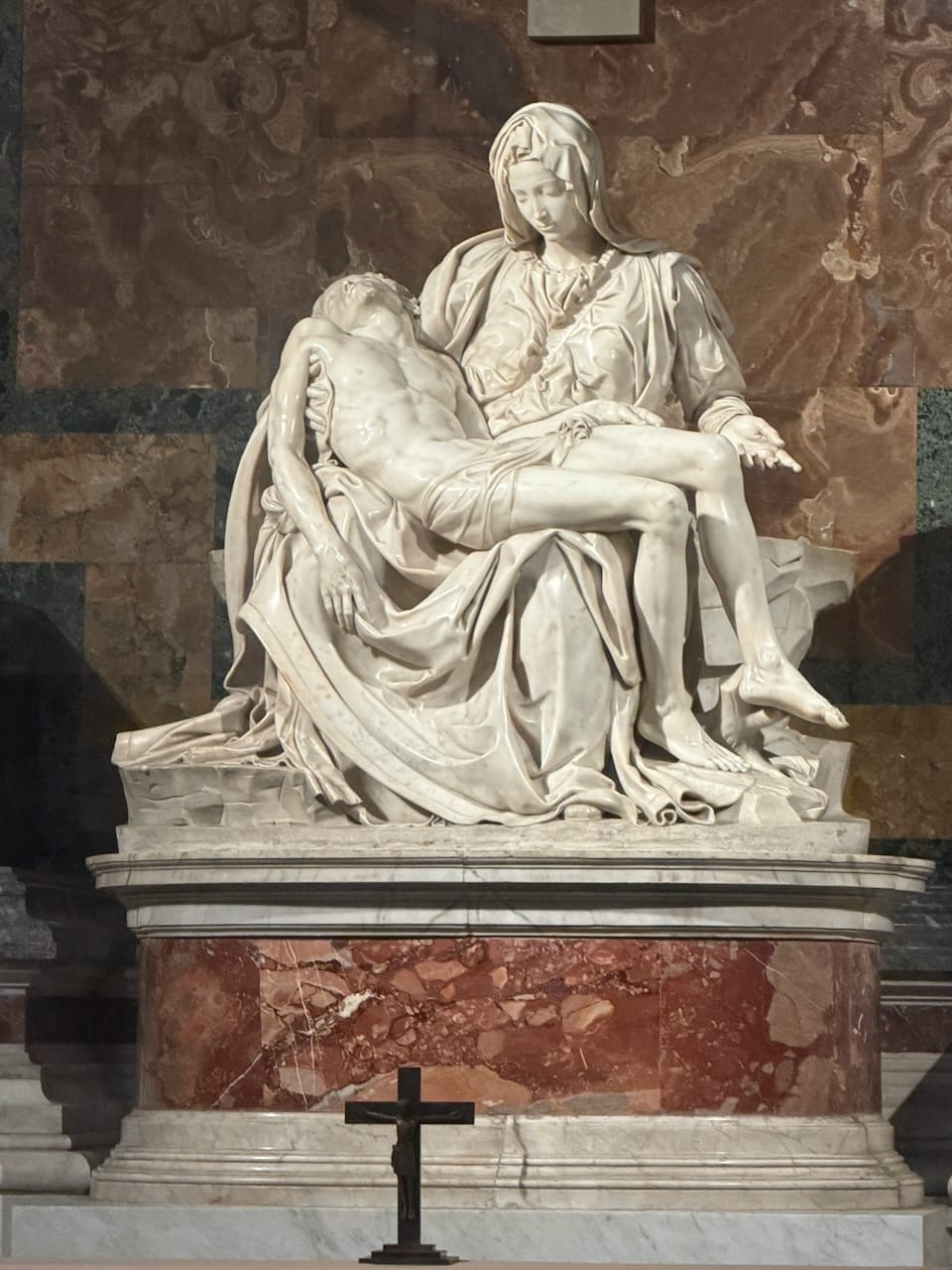
Inside, we finally stood in front of Michelangelo’s Pietà — the real one, not a replica. It now rests behind thick bullet-proof glass, a silent reminder of the tragedy that once damaged it. Even with the barrier, the sculpture felt impossibly close, human, and devastatingly precise.
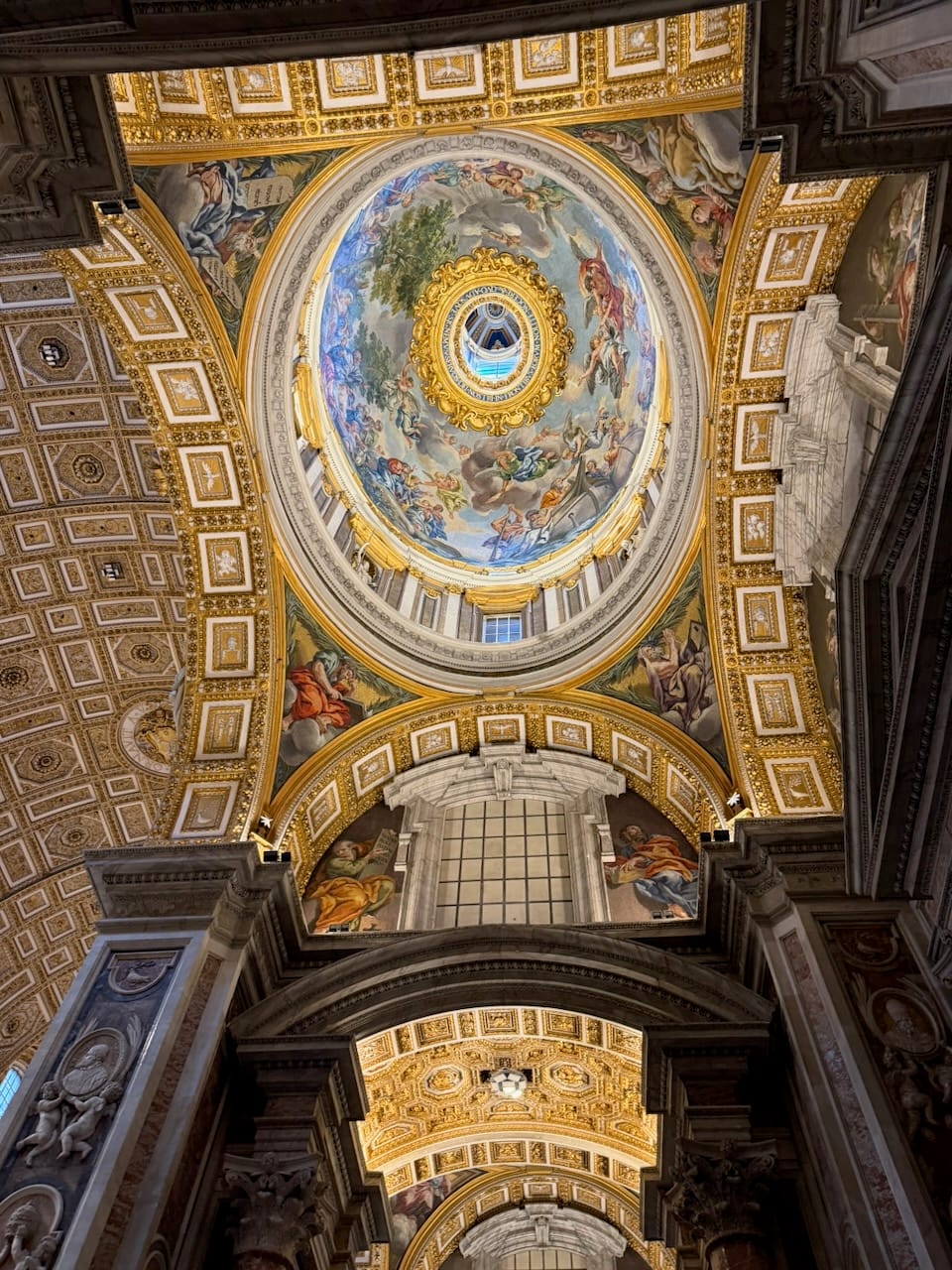
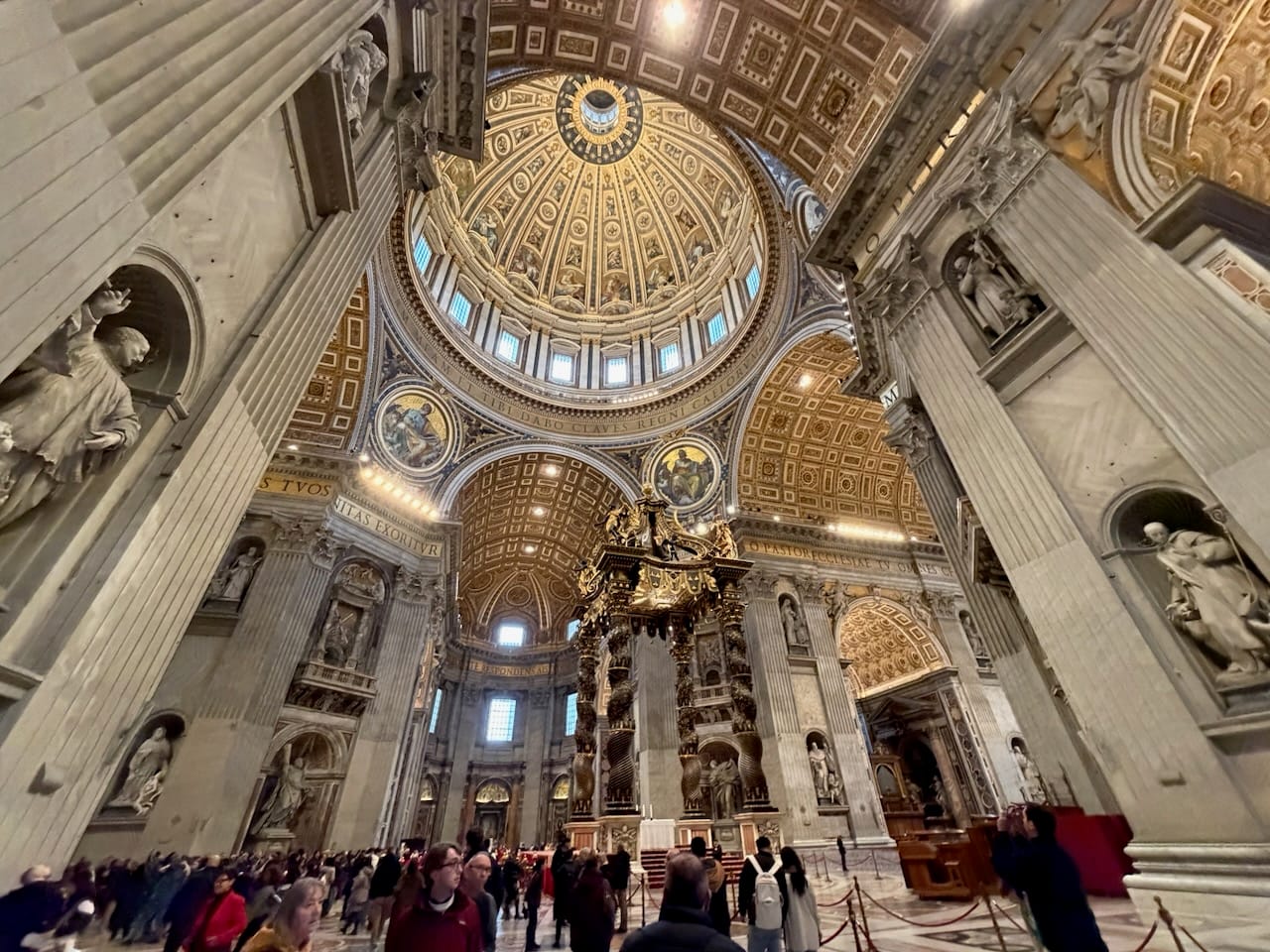
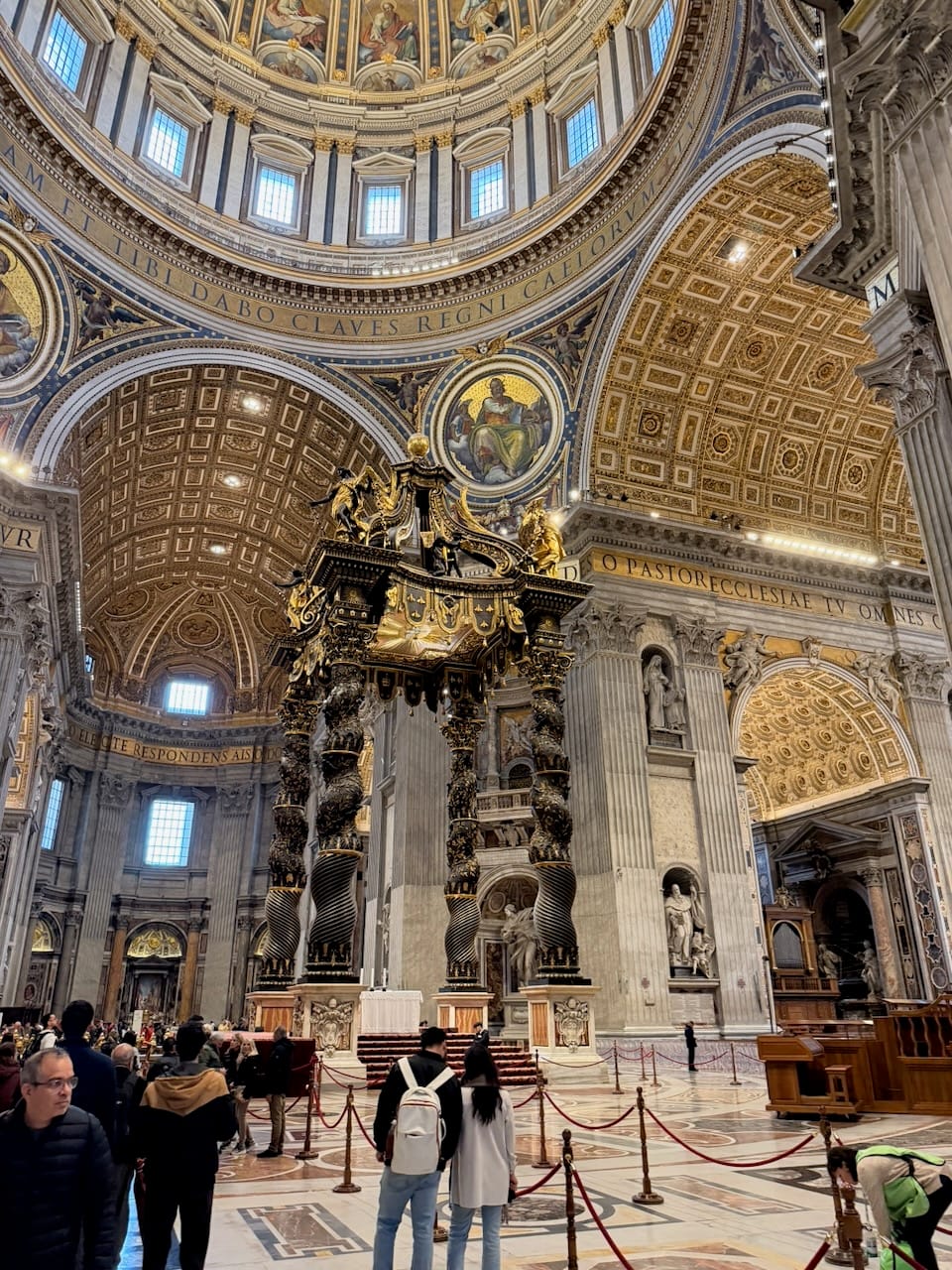
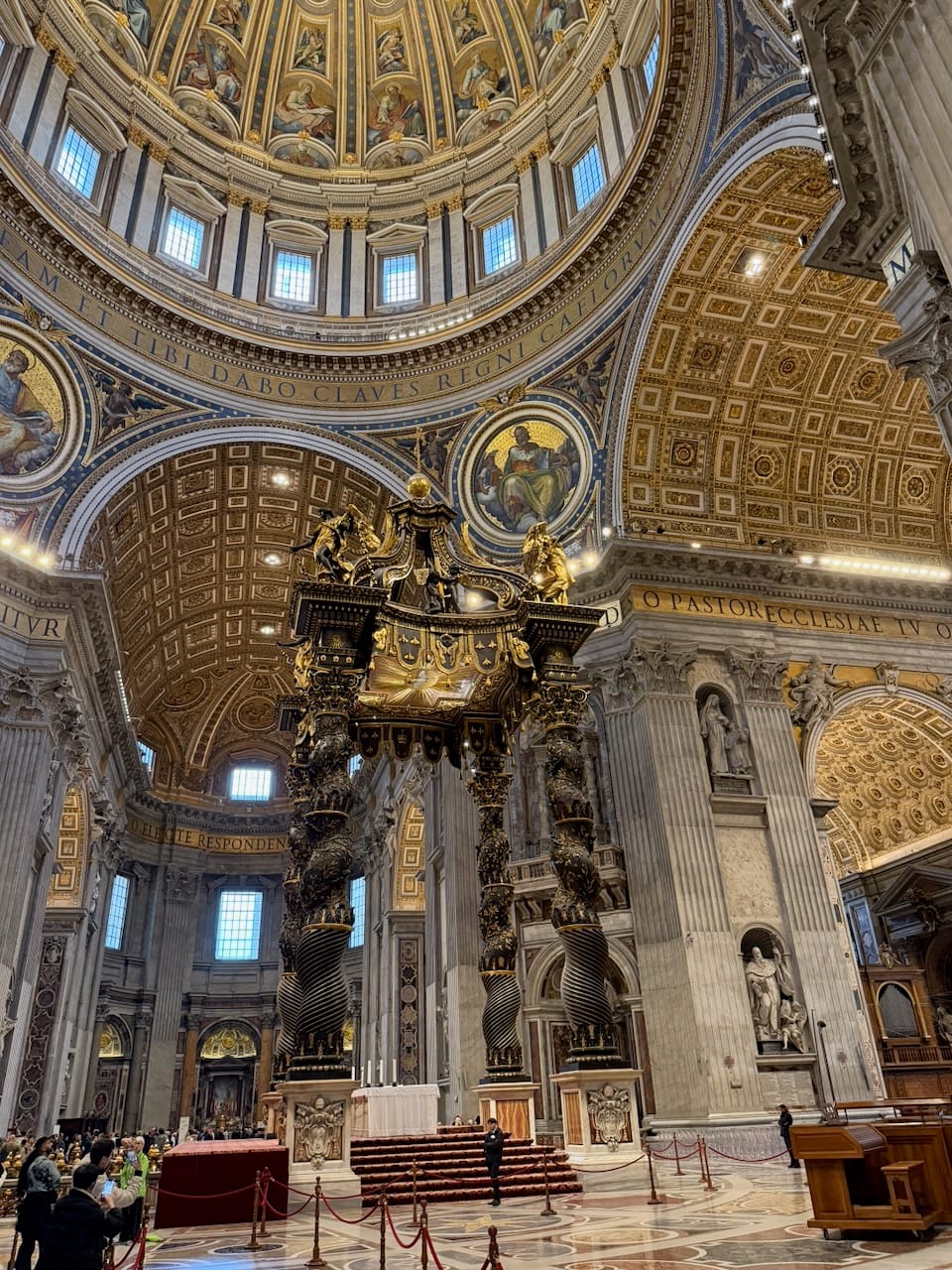
The interior of St. Peter’s Basilica was… enormous. 'Huge' (the word) doesn’t quite work. 'Massive' feels too small. I couldn’t find a word that properly fit the scale of it. Nothing I had seen before, not even all the other great basilicas, prepared me for that space. It might even be larger than Hagia Sophia or the Blue Mosque (though I’m not completely certain). For me, it was the kind of place that could create faith where none existed; although my wife said she could understand why the Reformation happened when she visited here before.
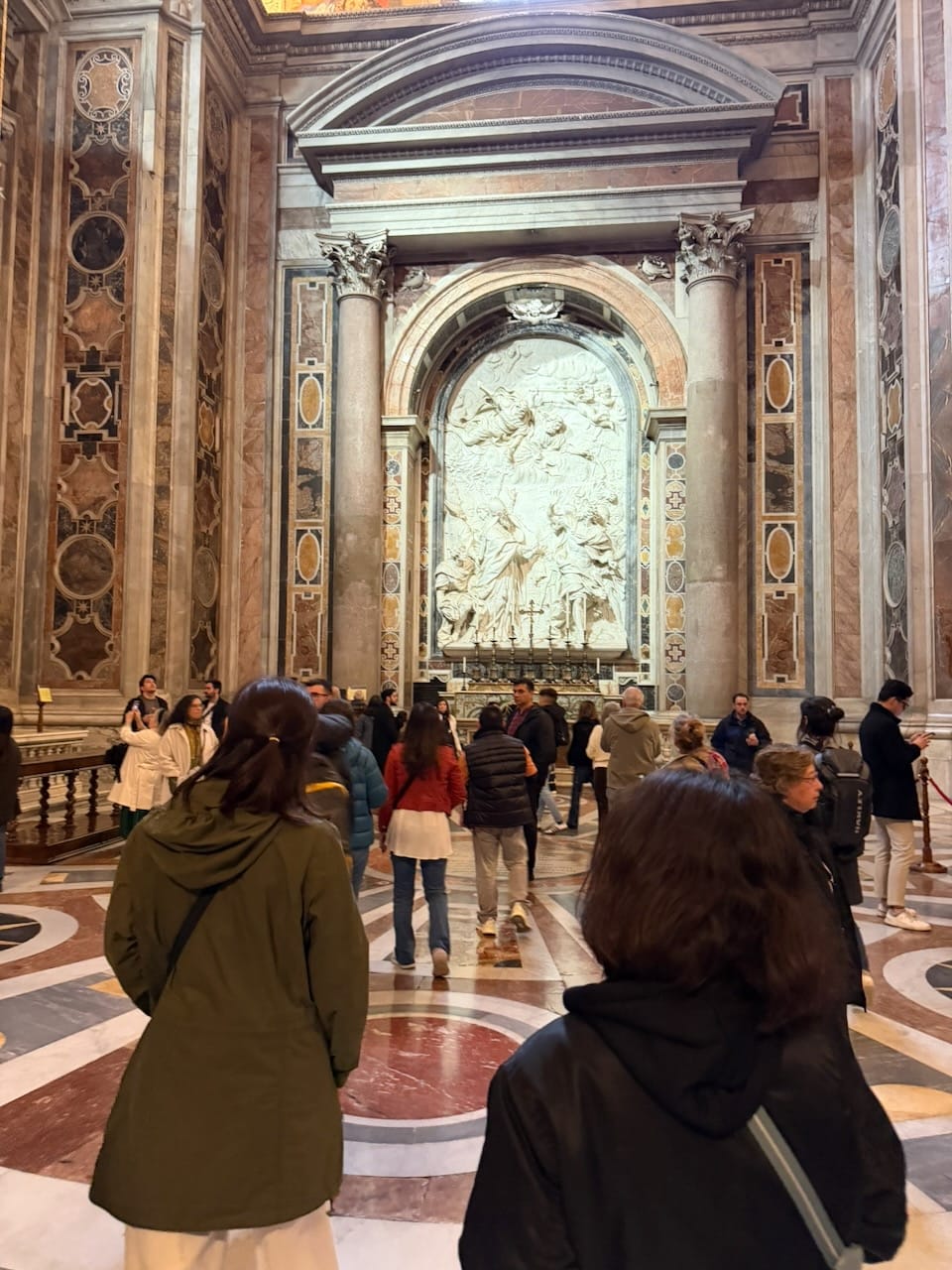
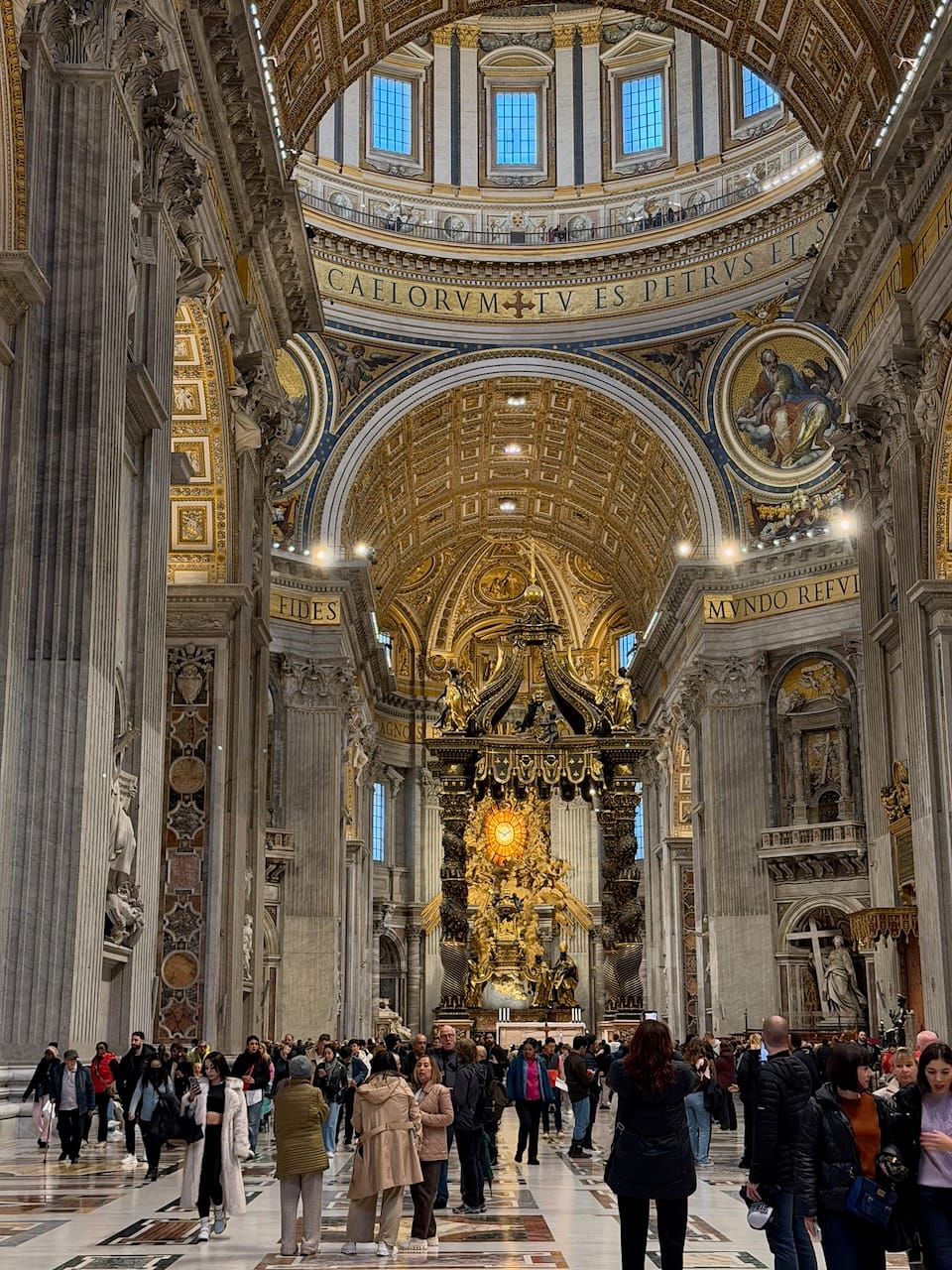

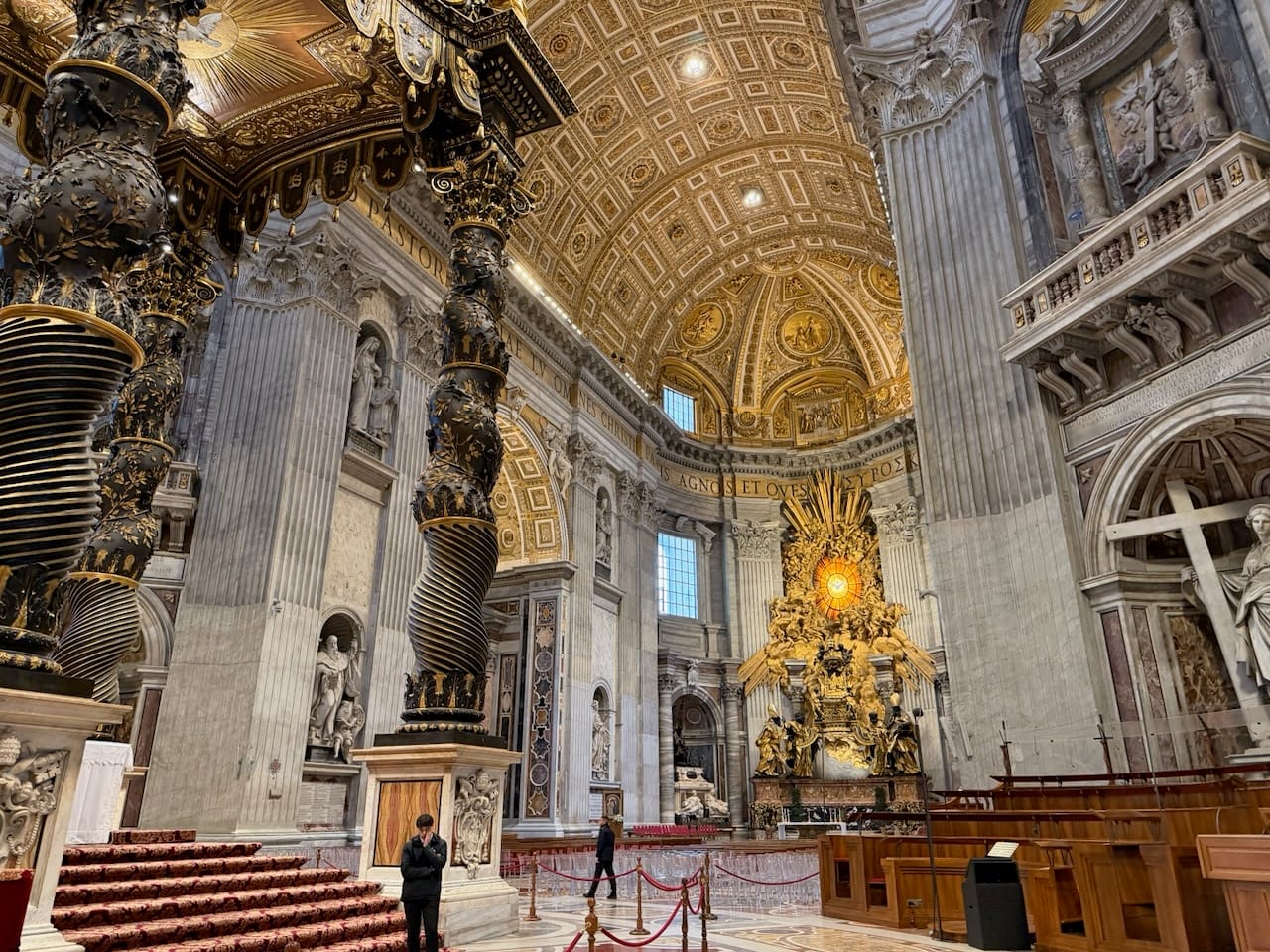
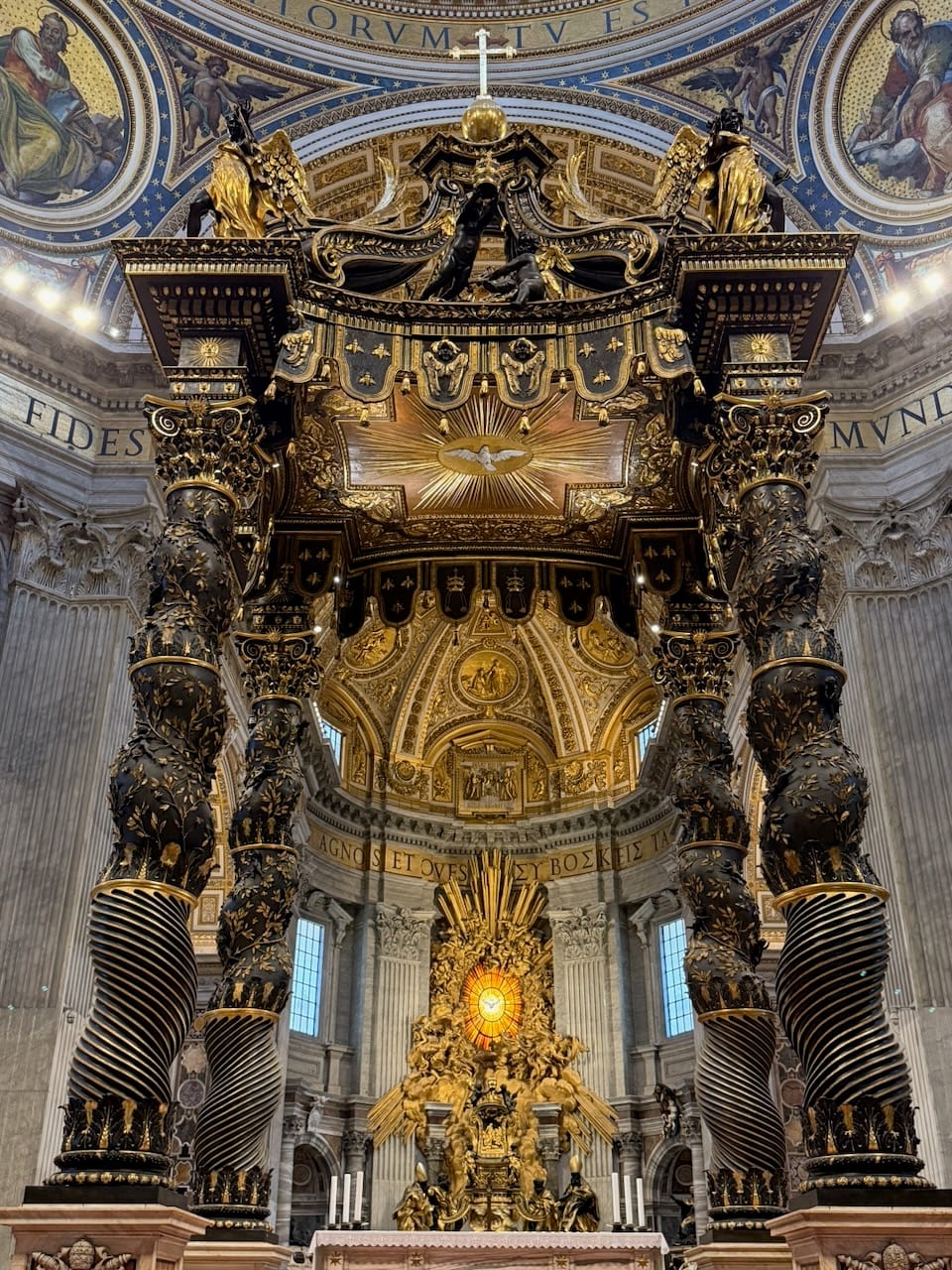
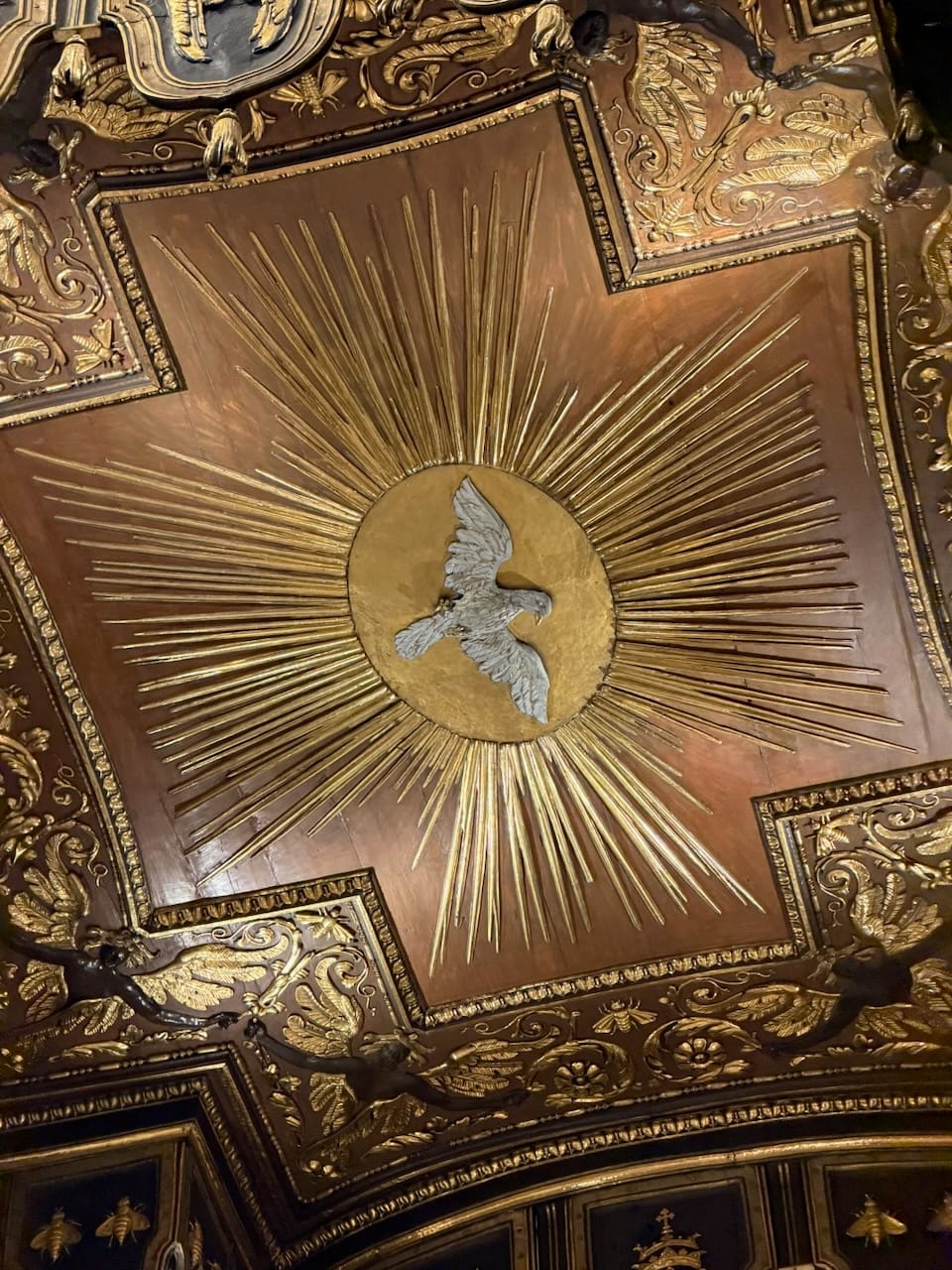

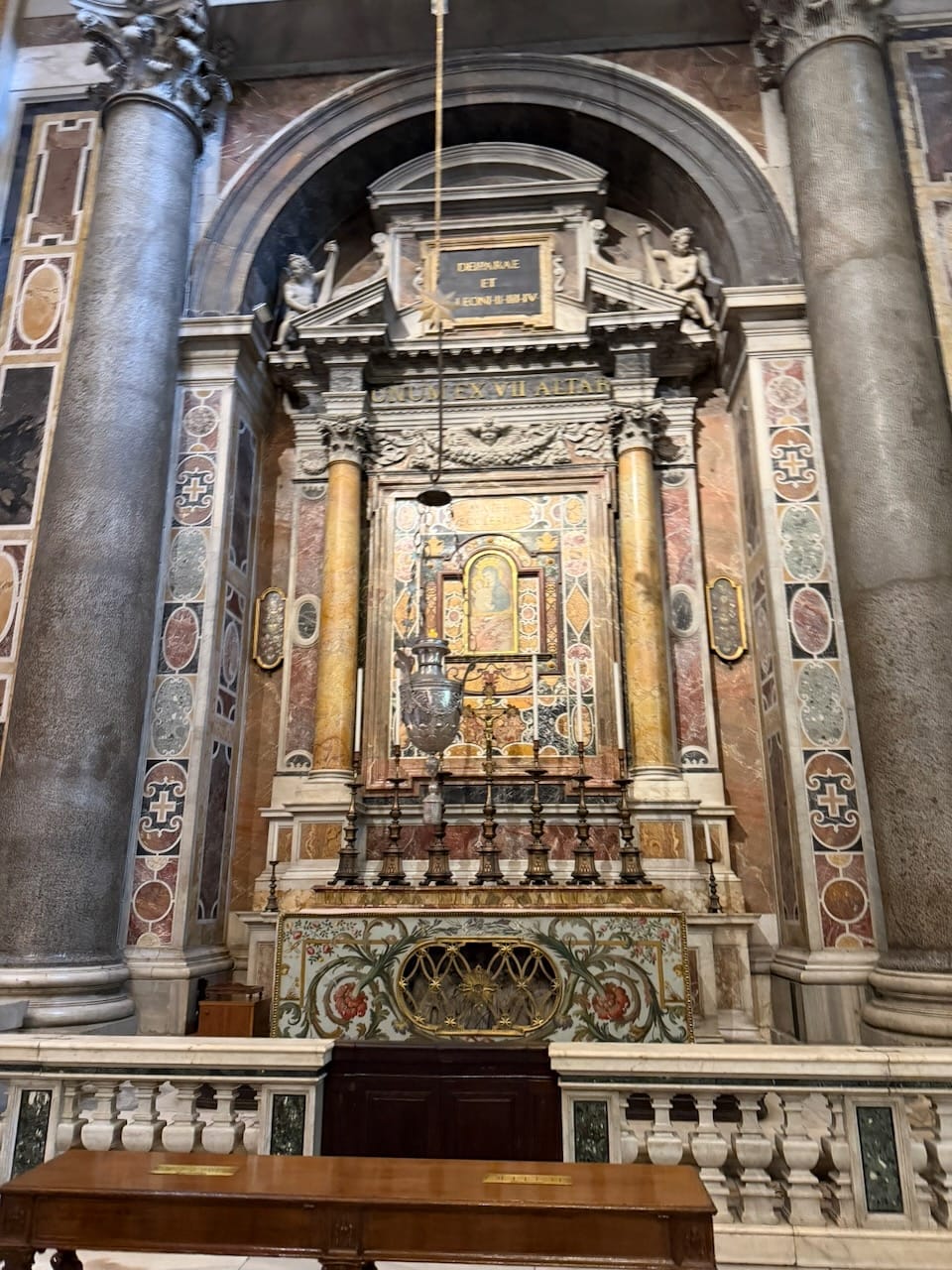
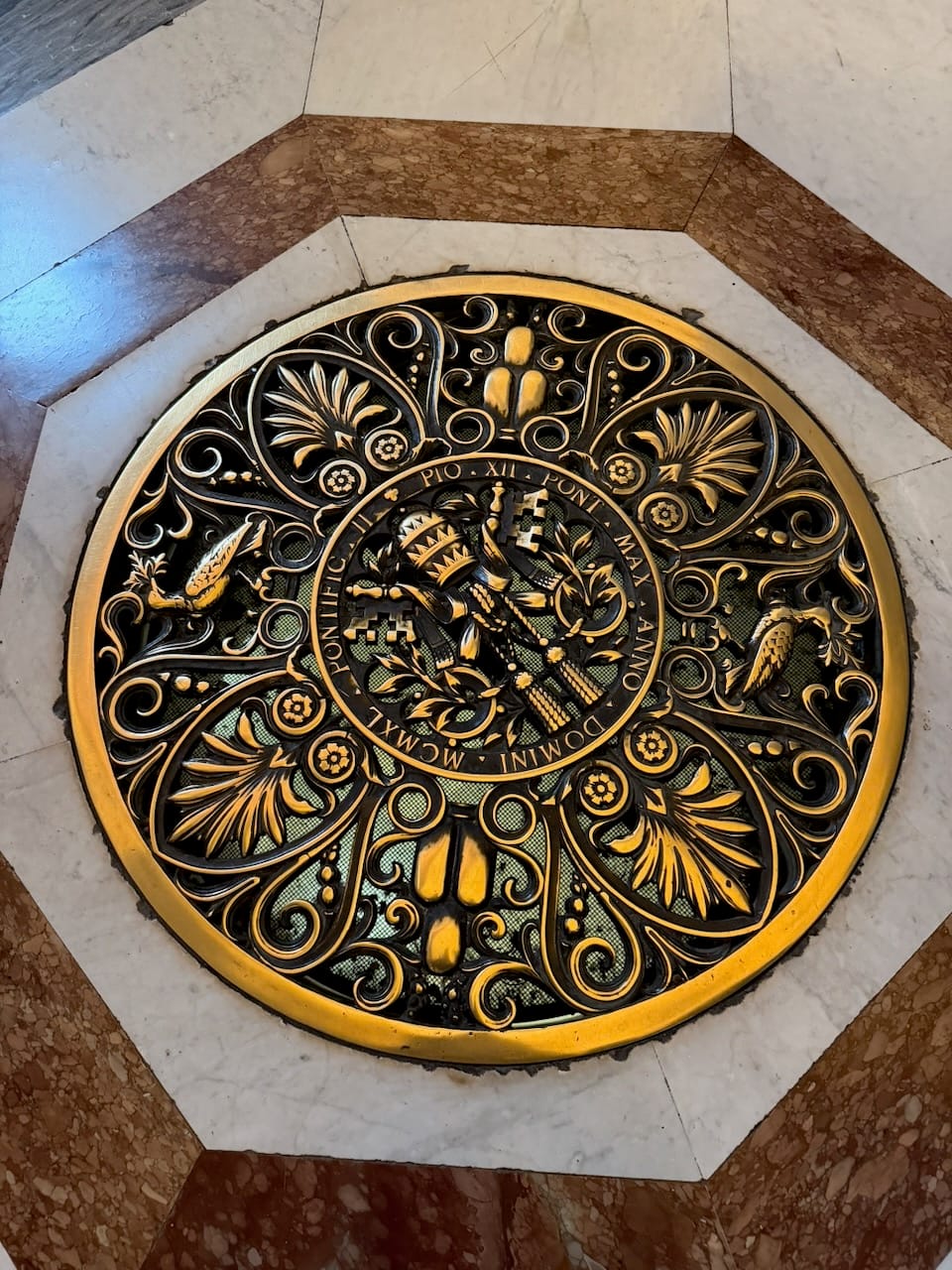
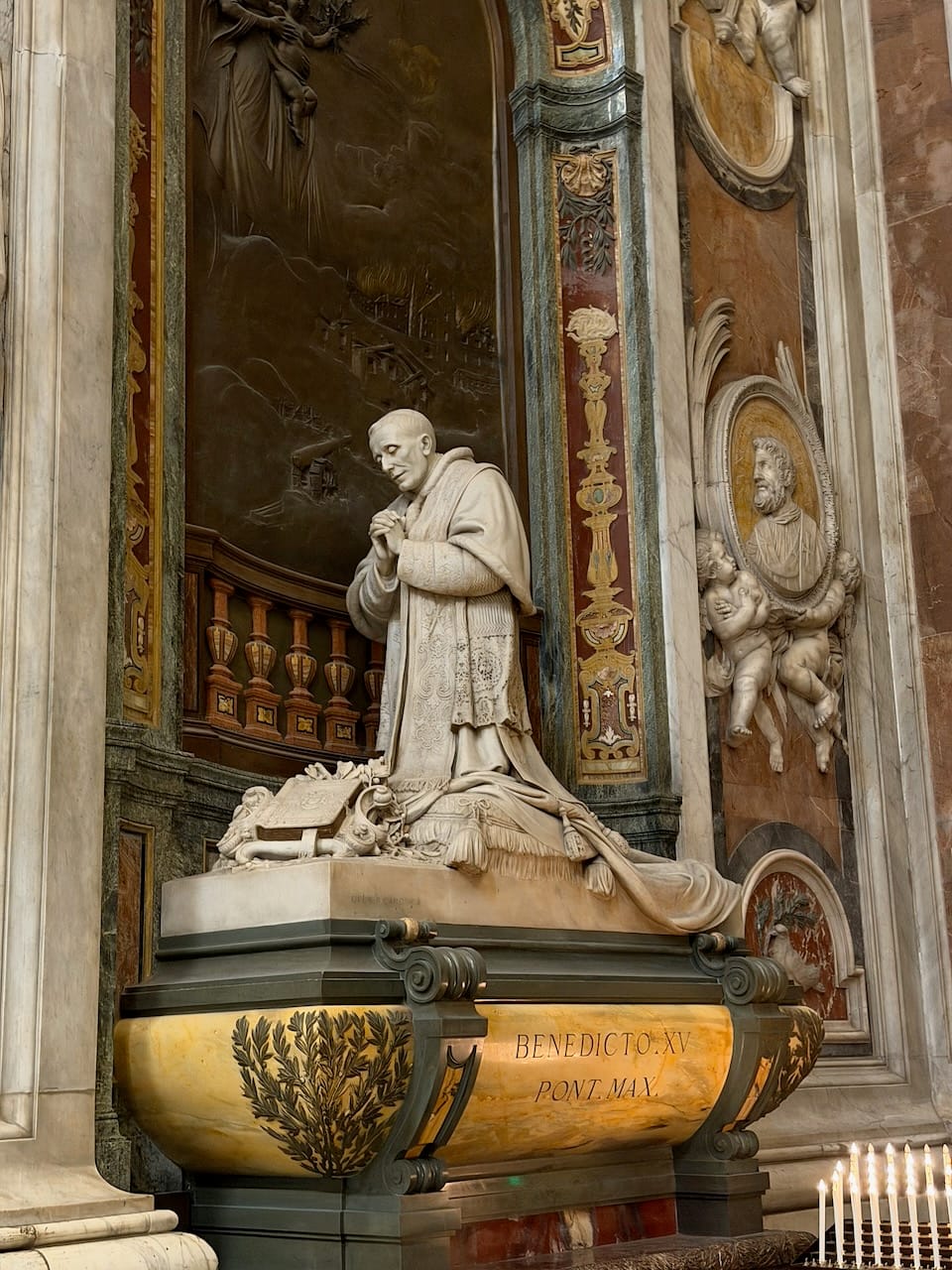
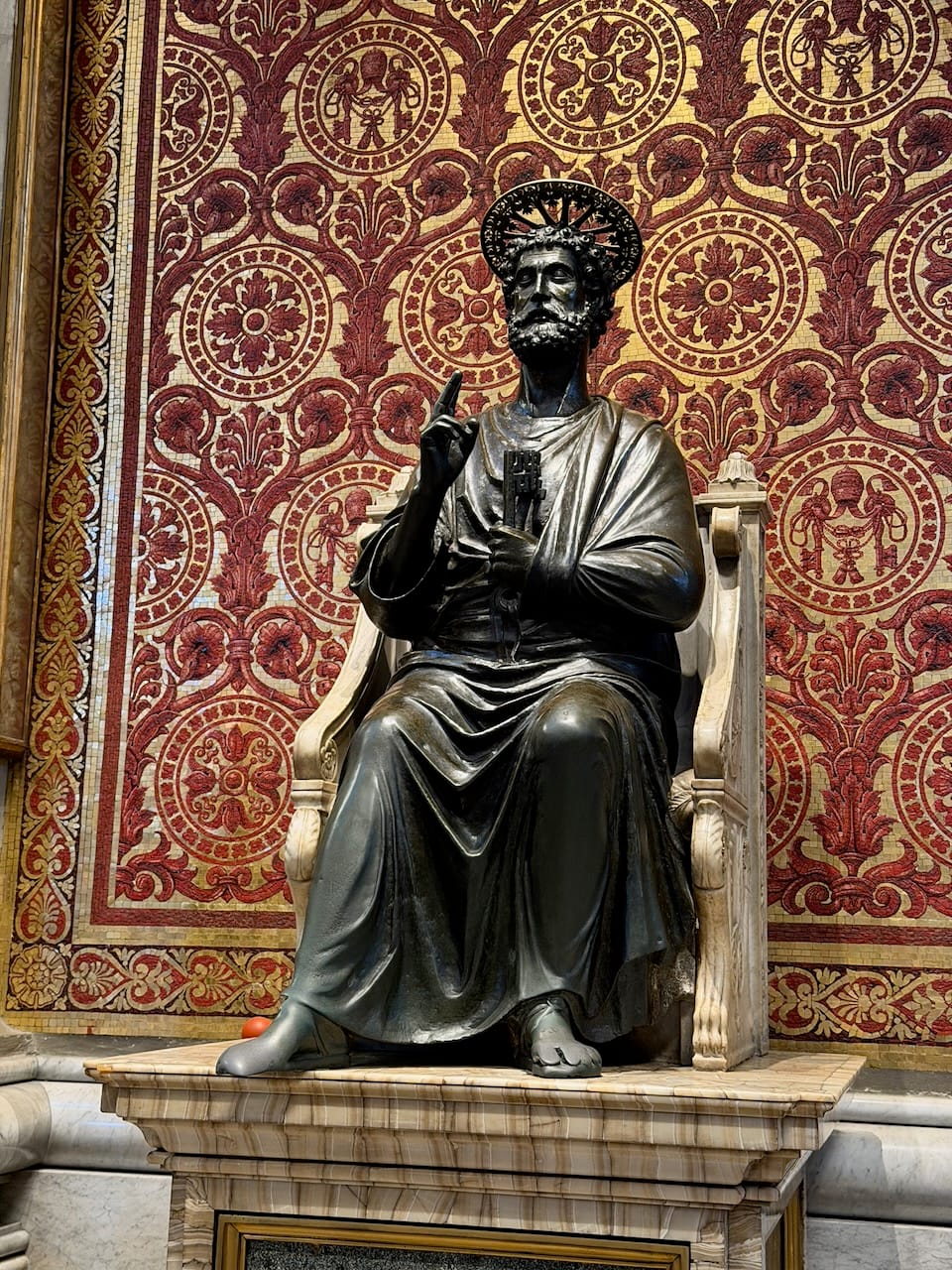
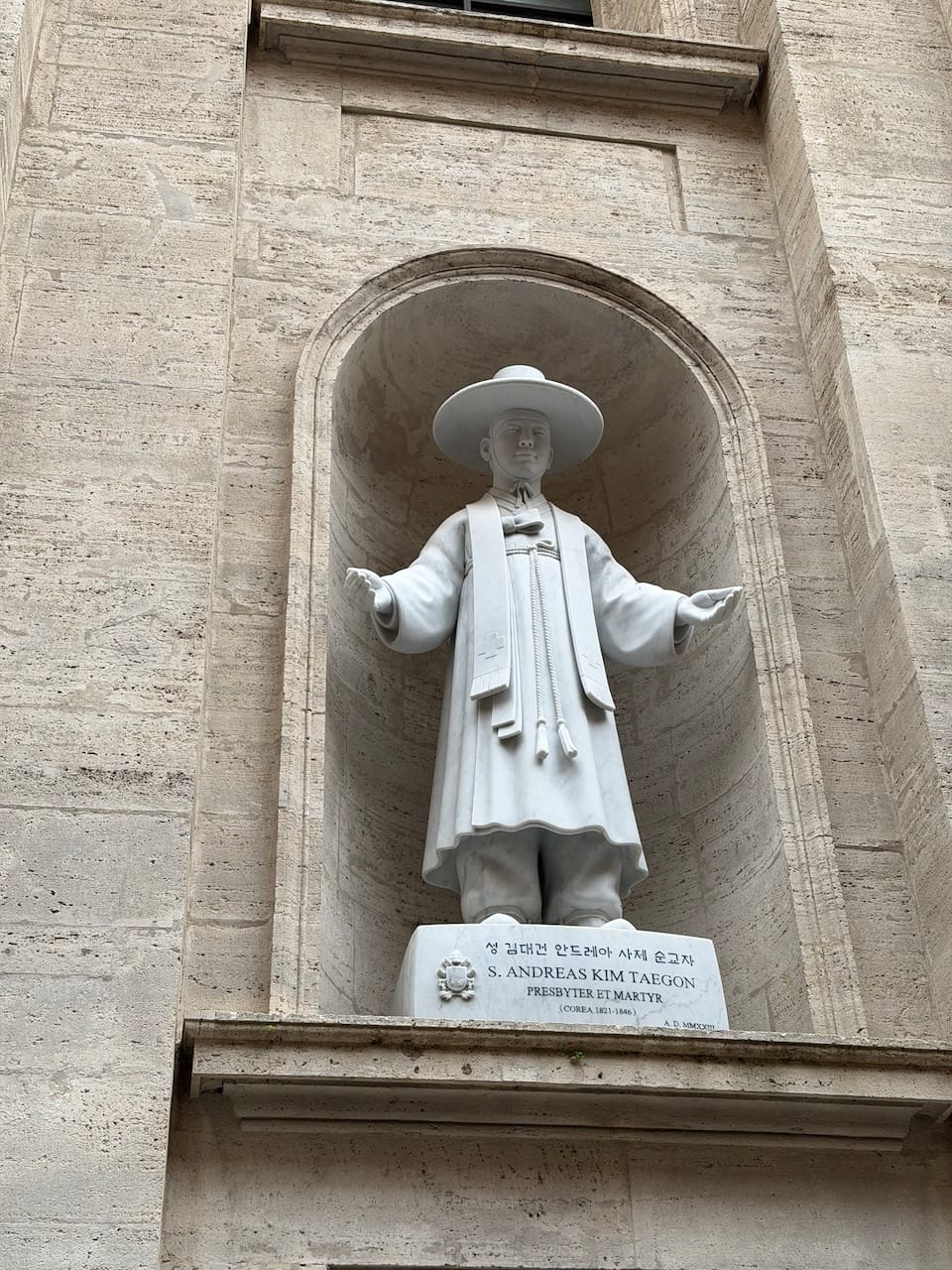
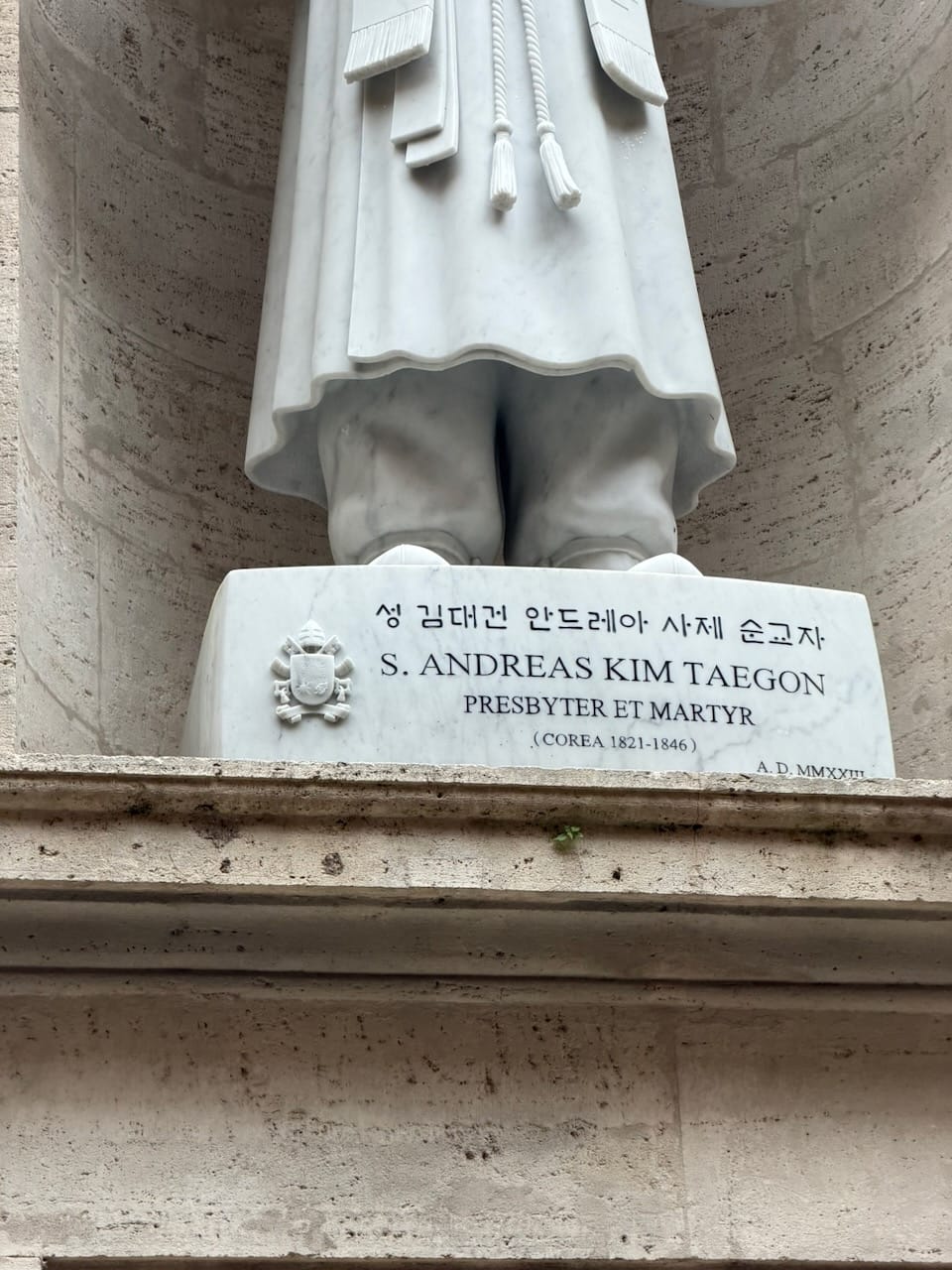
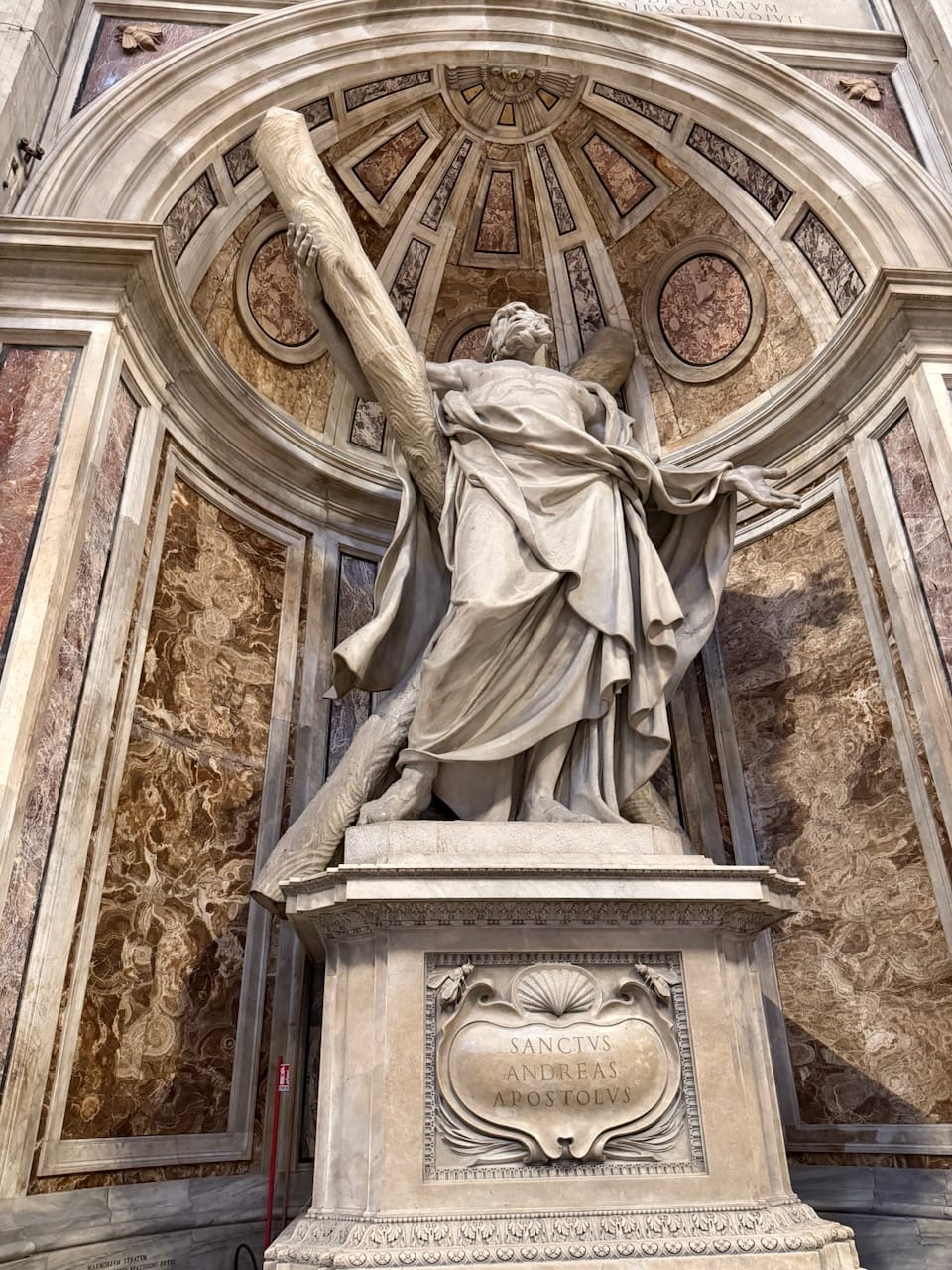
Before leaving, we found the statue of St. Andreas Kim Taegon, the first Catholic saint from Korea — who has recently gained some unexpected popularity thanks to K-Pop Demon Hunters.
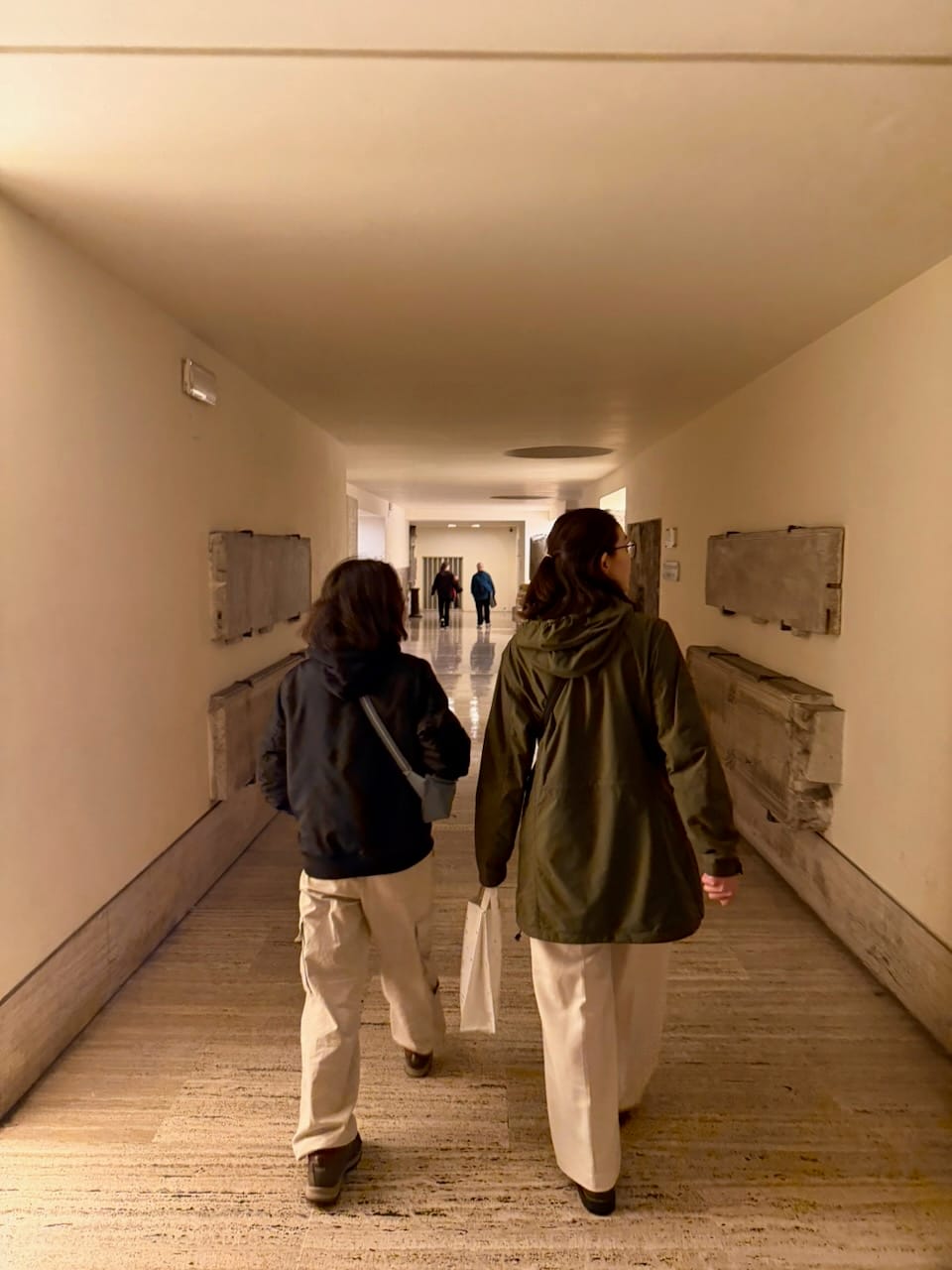
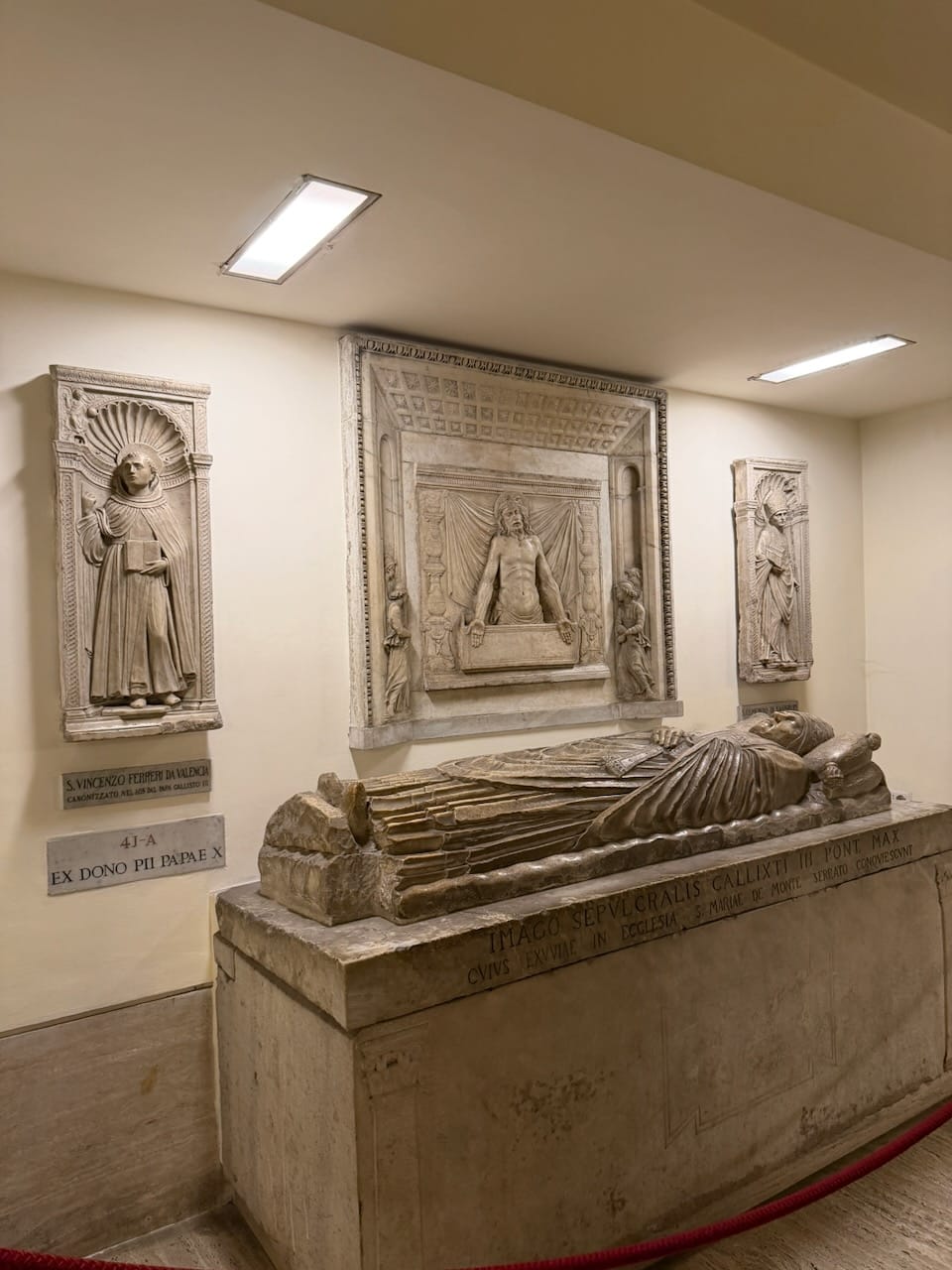
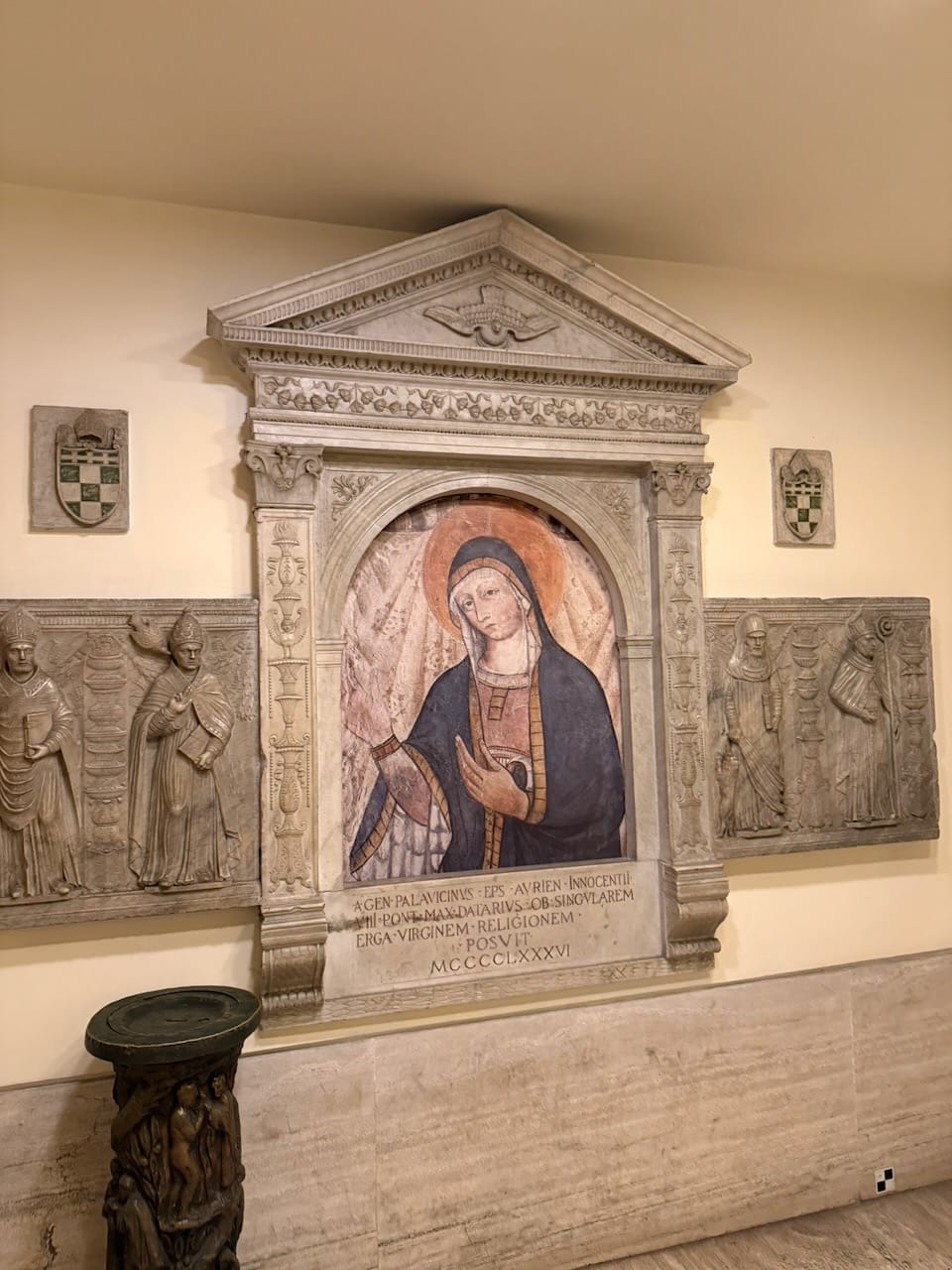
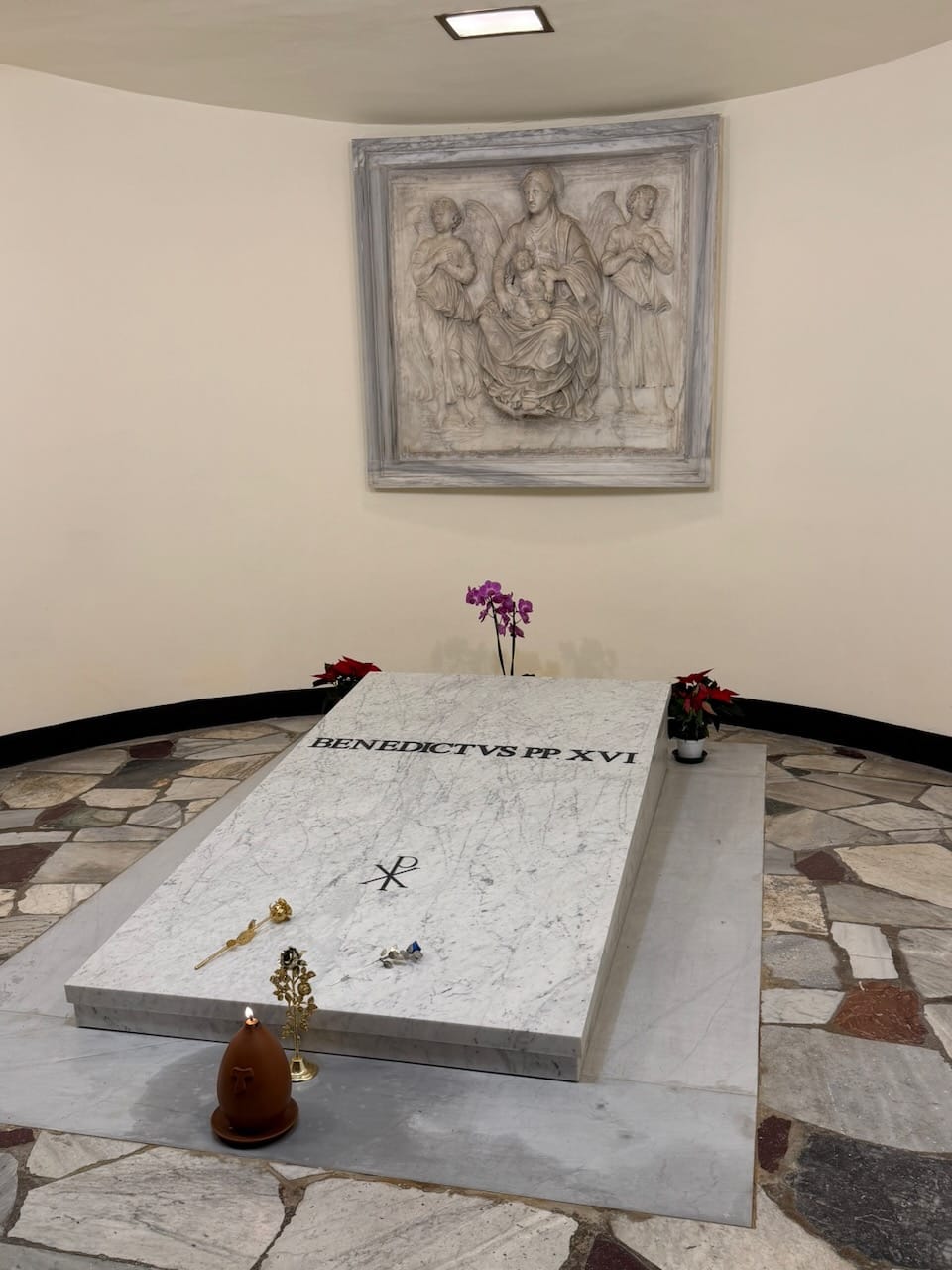
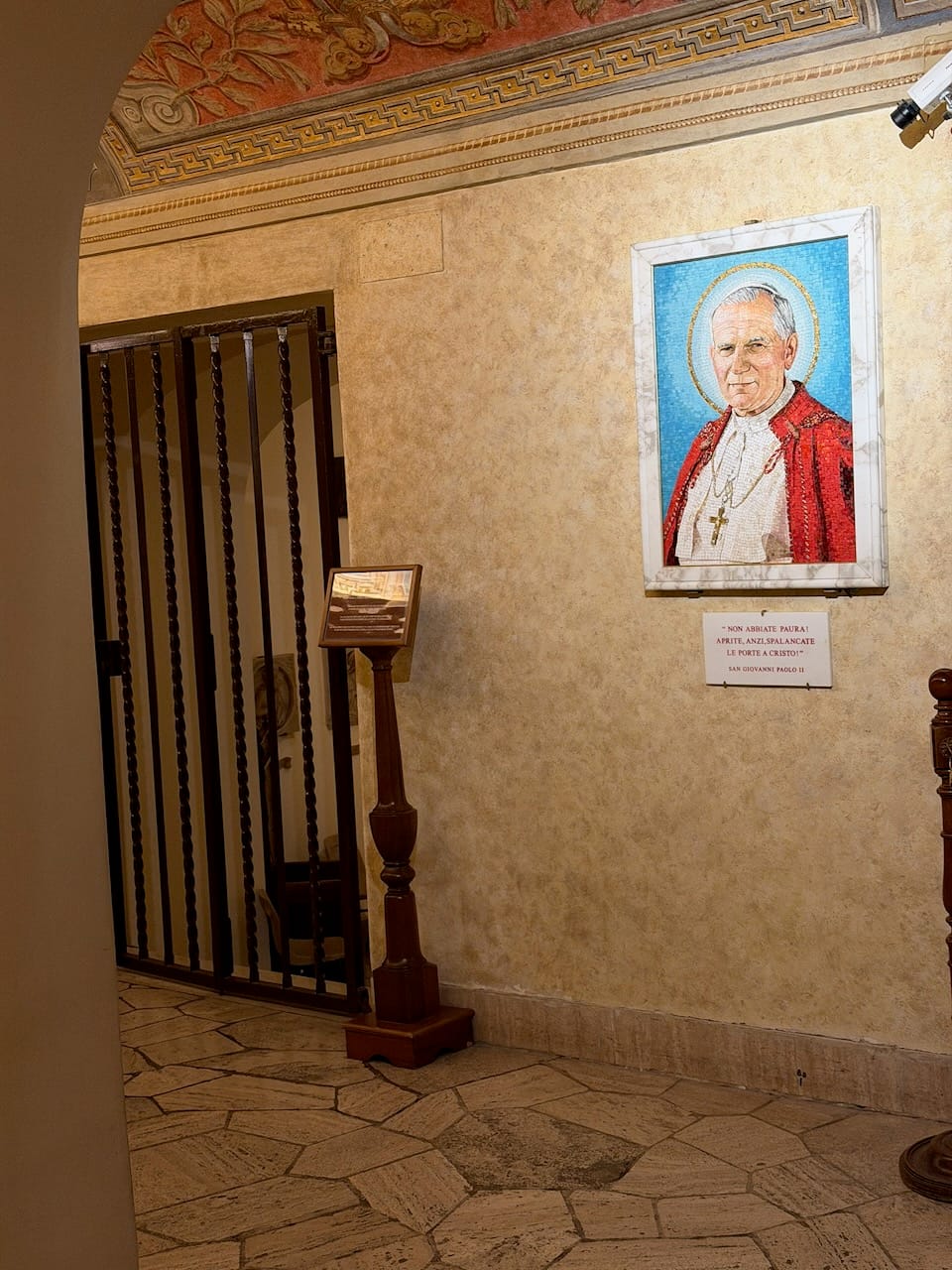
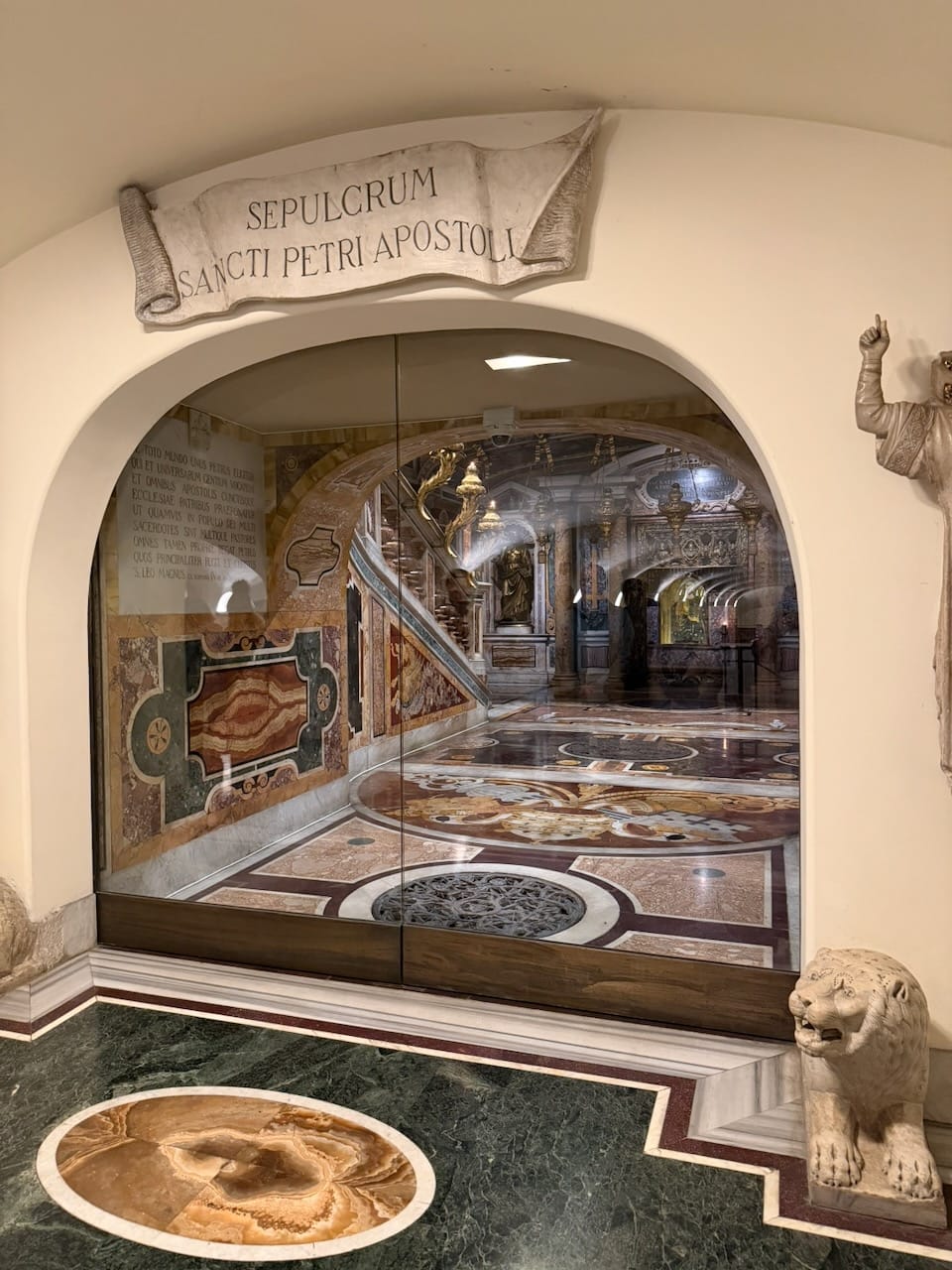
From there, the path led us down into the Vatican Grottoes, located beneath St. Peter’s Basilica, where many former popes now rest in peace. Among them, the one that stayed with me most was Pope Benedict XVI. His resting place was striking in its simplicity — much like that of his successor, Pope Francis, which we had already seen at the Papal Basilica of Saint Mary Major.
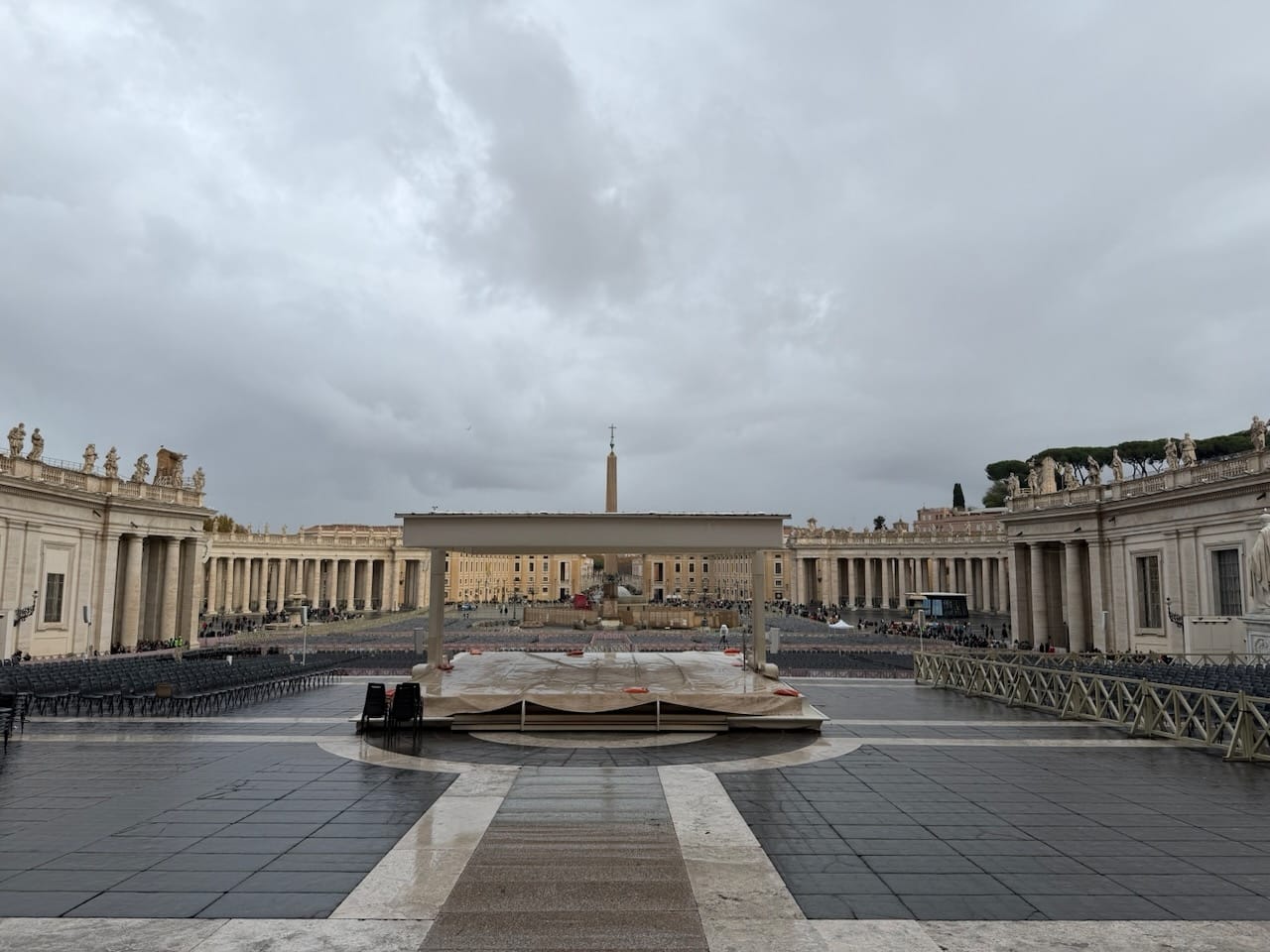
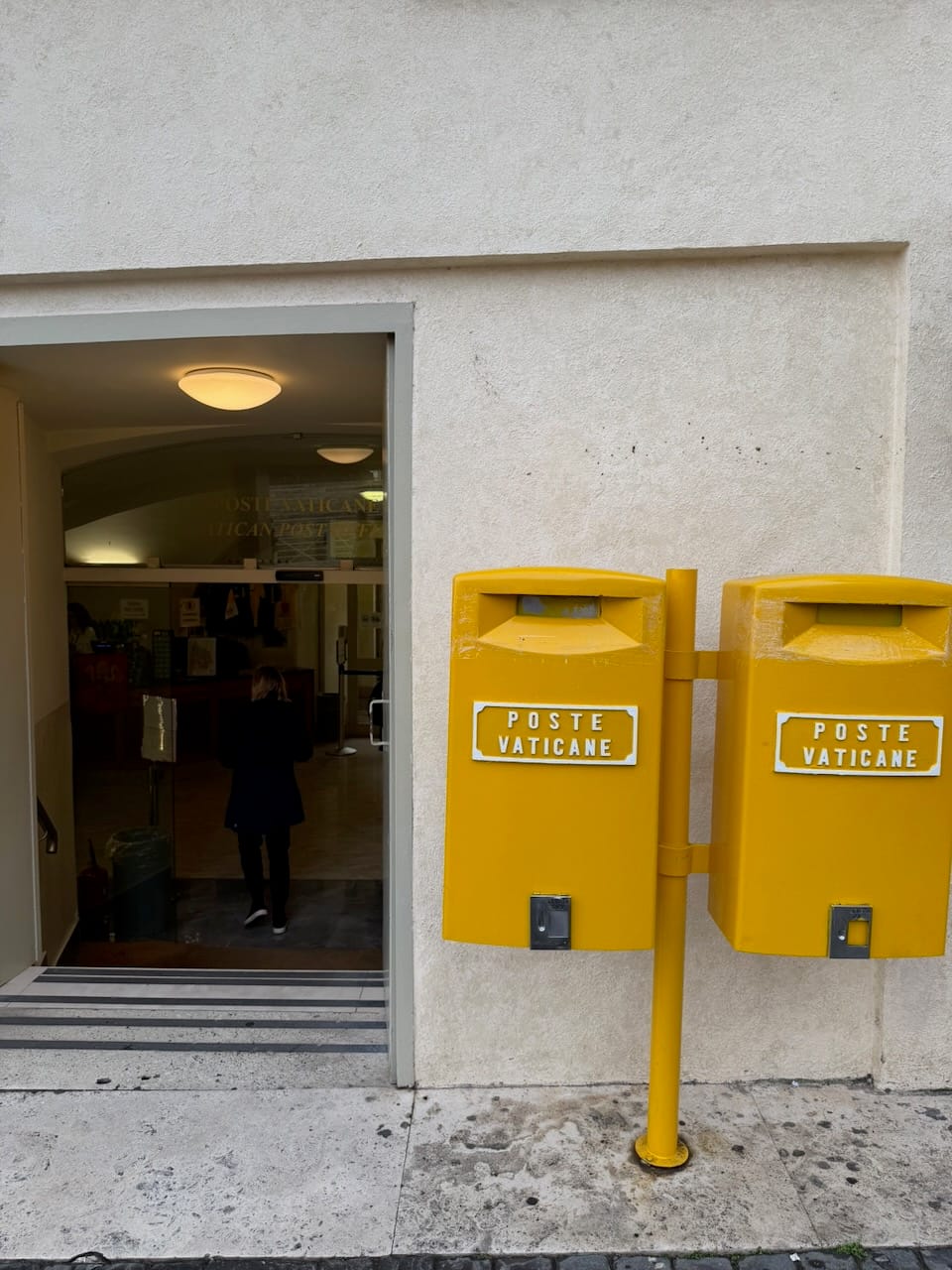
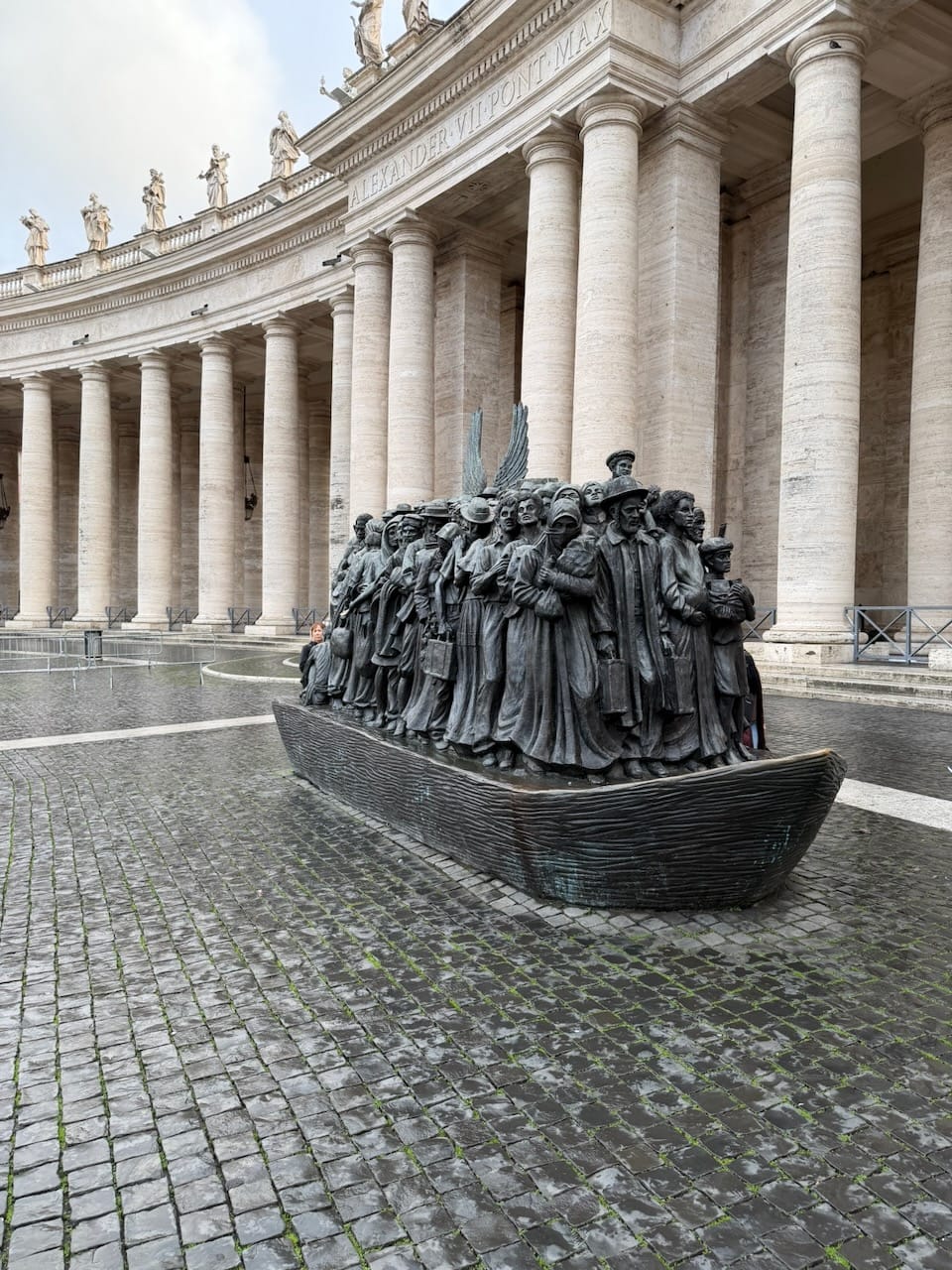
We returned to St. Peter’s Square, and luckily discovered that the post office also served as an official Vatican gift shop. My wife finally bought the jigsaw puzzle of The School of Athens—a puzzle of puzzles, which felt oddly perfect. In the square stood the sculpture Angels Unawares, the last remaining installation (I heard) its series. Looking at it, I couldn’t help but think the world is often too cruel a place for the people, and perhaps this quiet corner of the Vatican is one of the few places they are allowed to rest.
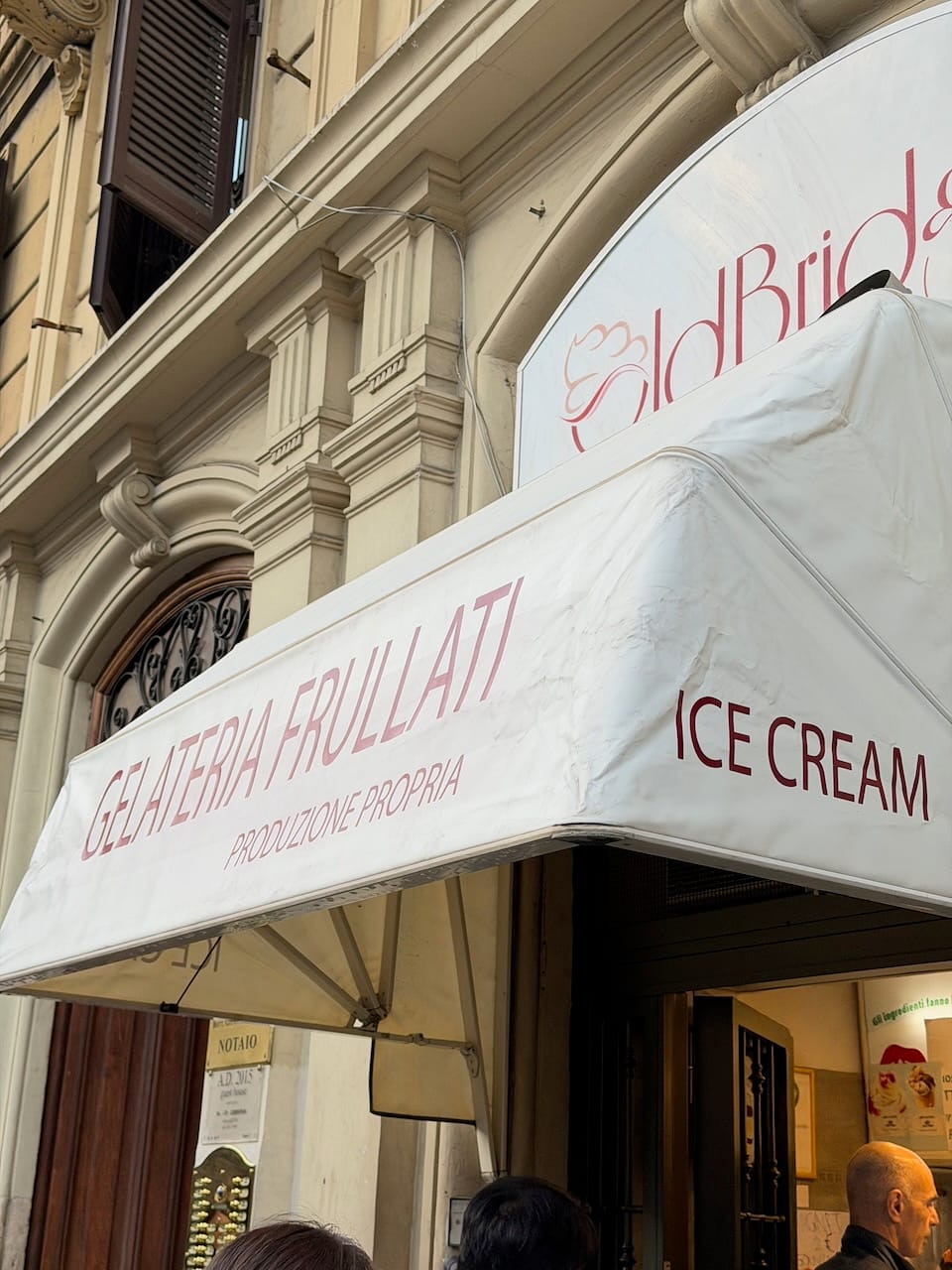
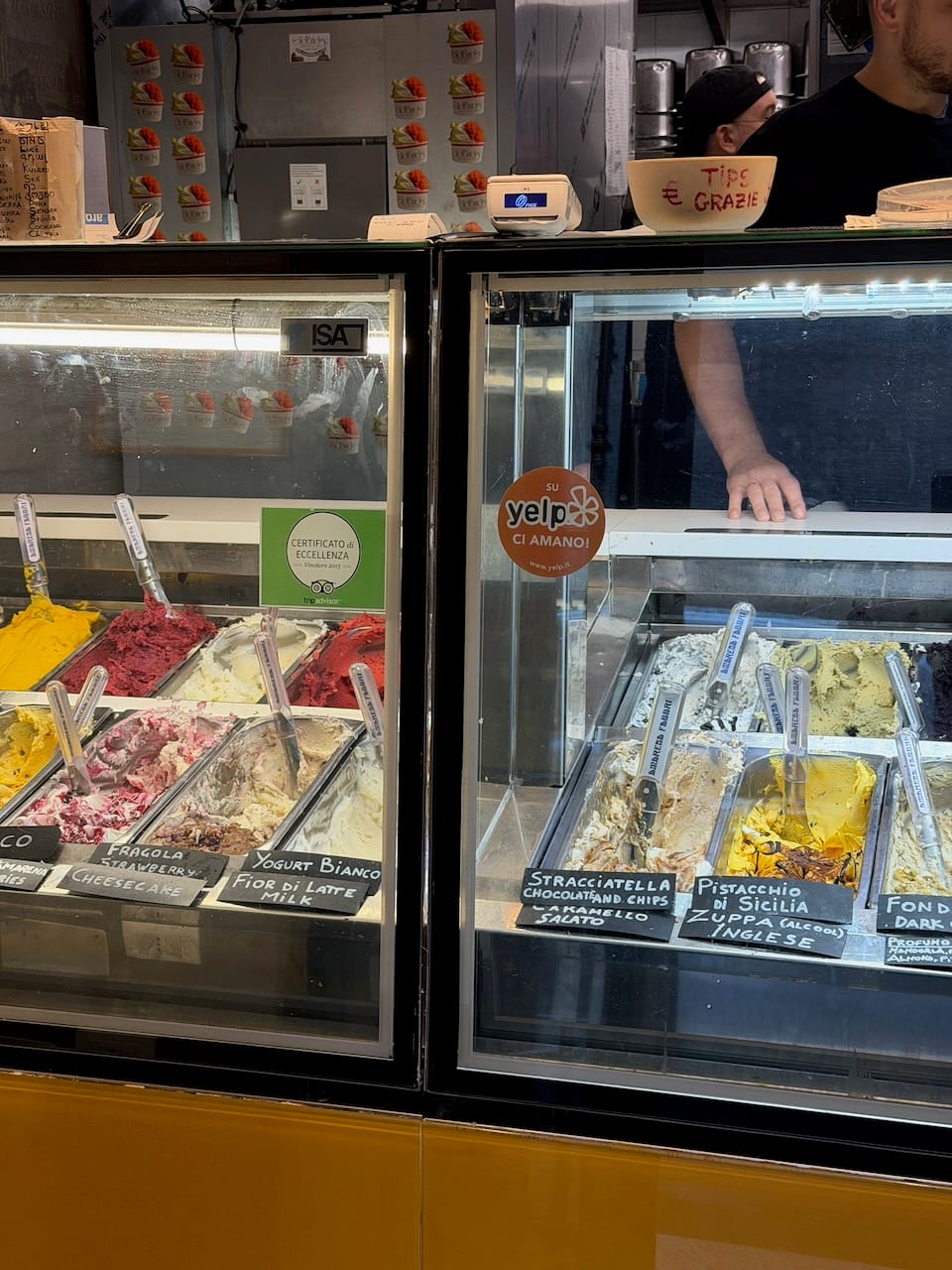
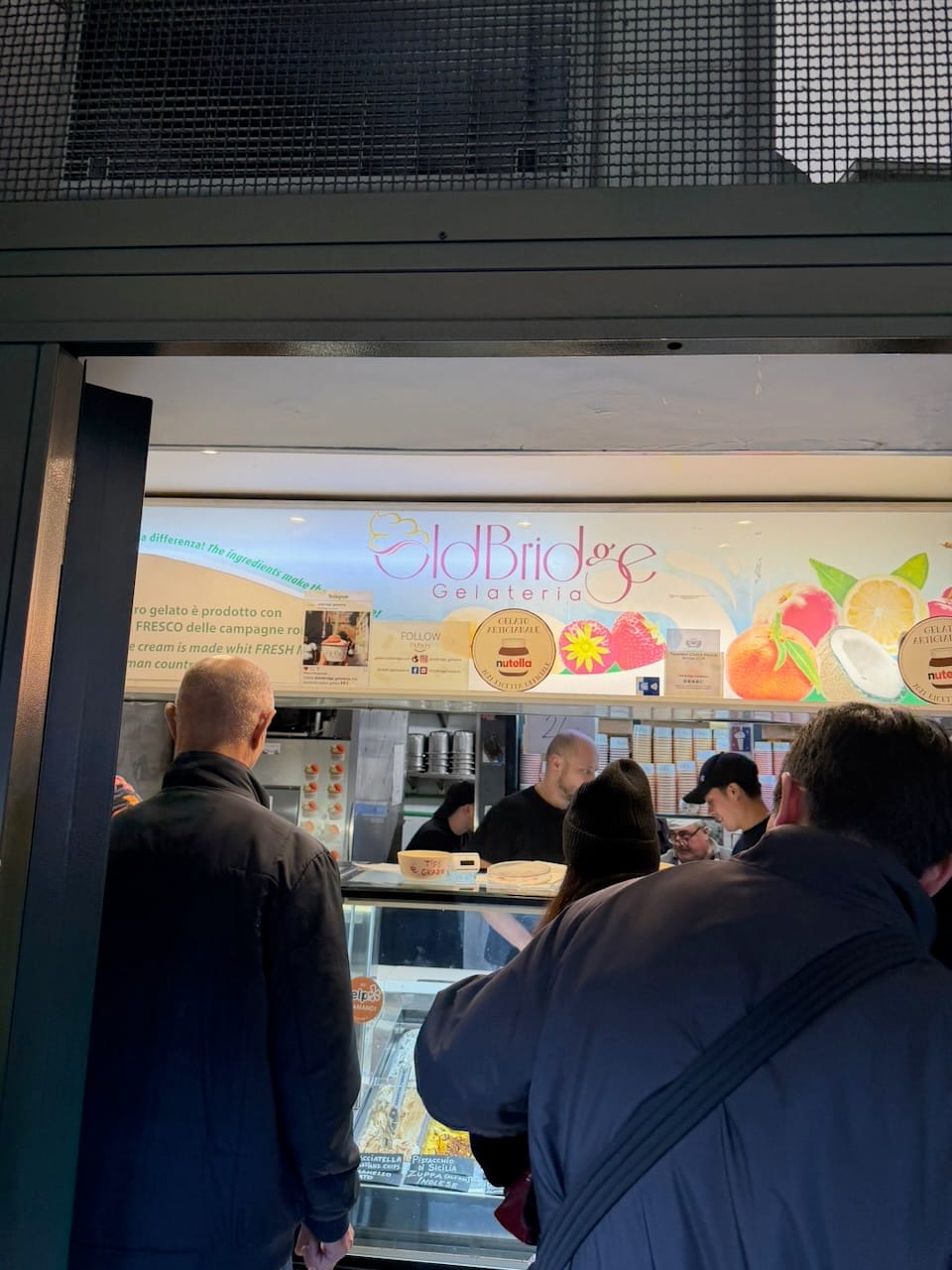
We then stopped by Old Bridge, the last gelateria on our Rome list — and for me, the best one in the city.
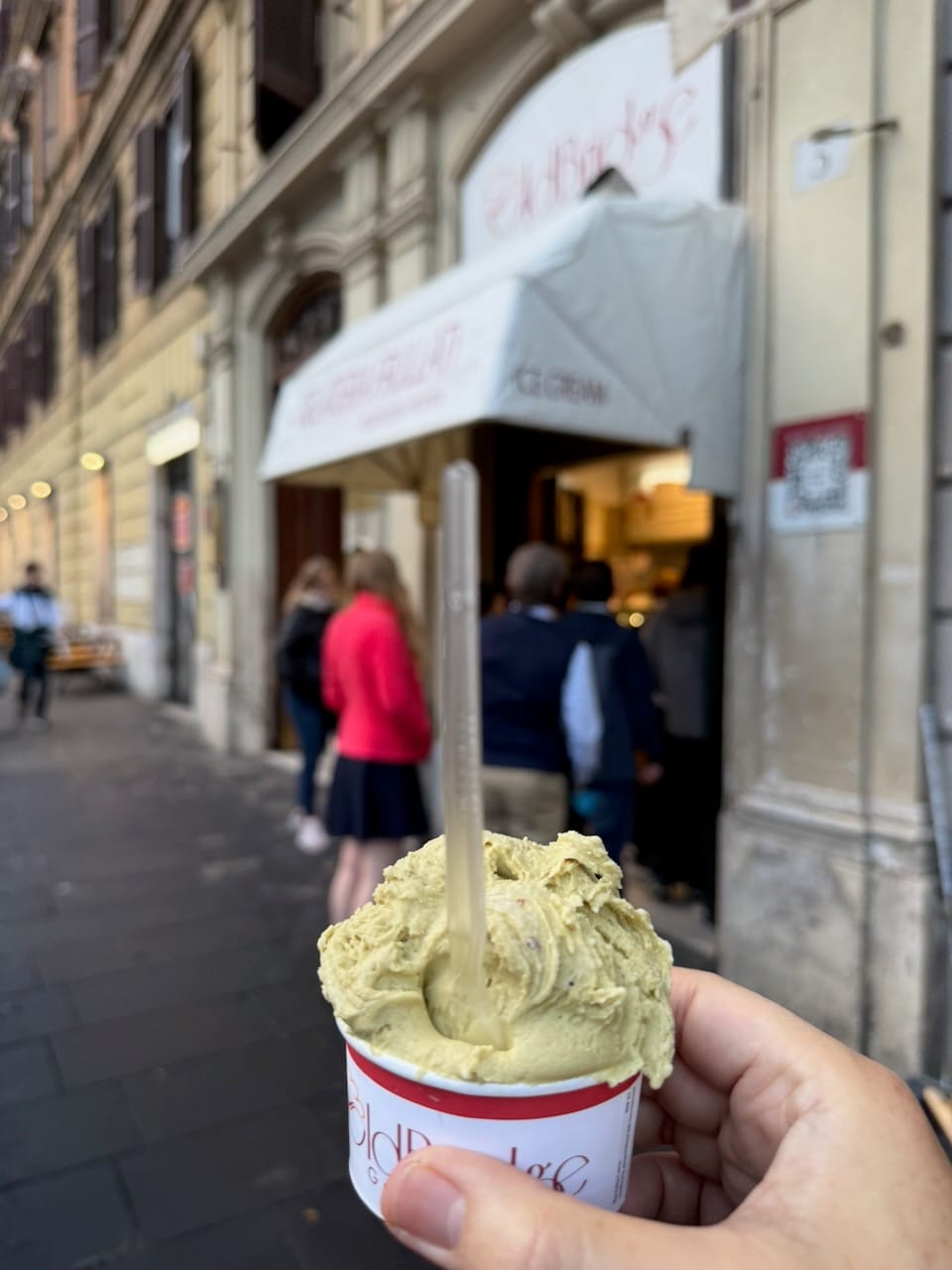
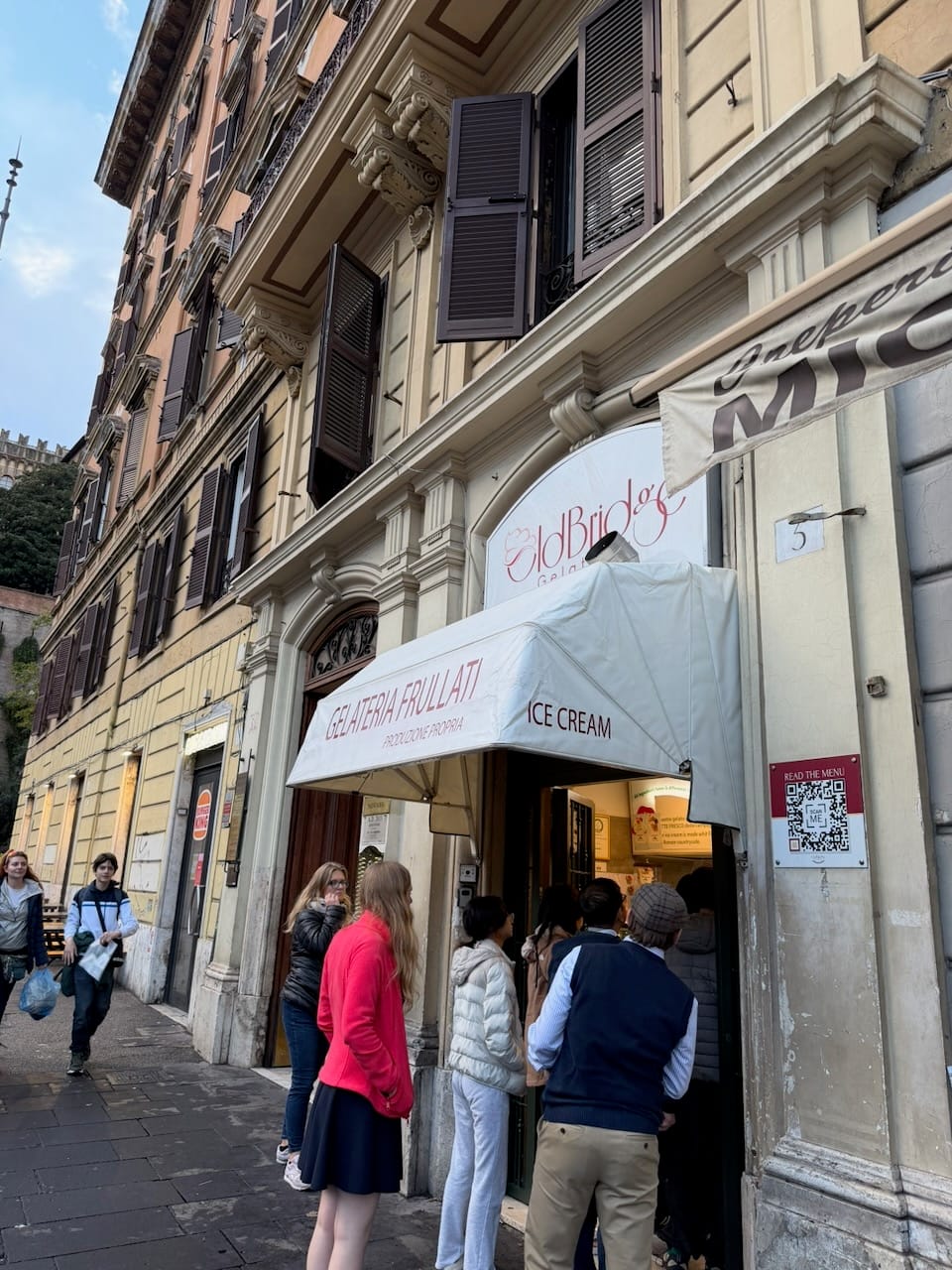
Old Bridge
After refueling with gelato, we made our way to Ghezzi Alessandro (via a taxi), a sandwich shop that was firmly on my daughter’s must-visit list, thanks to Seventeen, who had eaten there and declared it their favorite. This was our second attempt—on Day 1 we had found it closed. This time it was open… but we learned that sandwiches aren’t served in the evening. Timing, once again, was not on our side there.
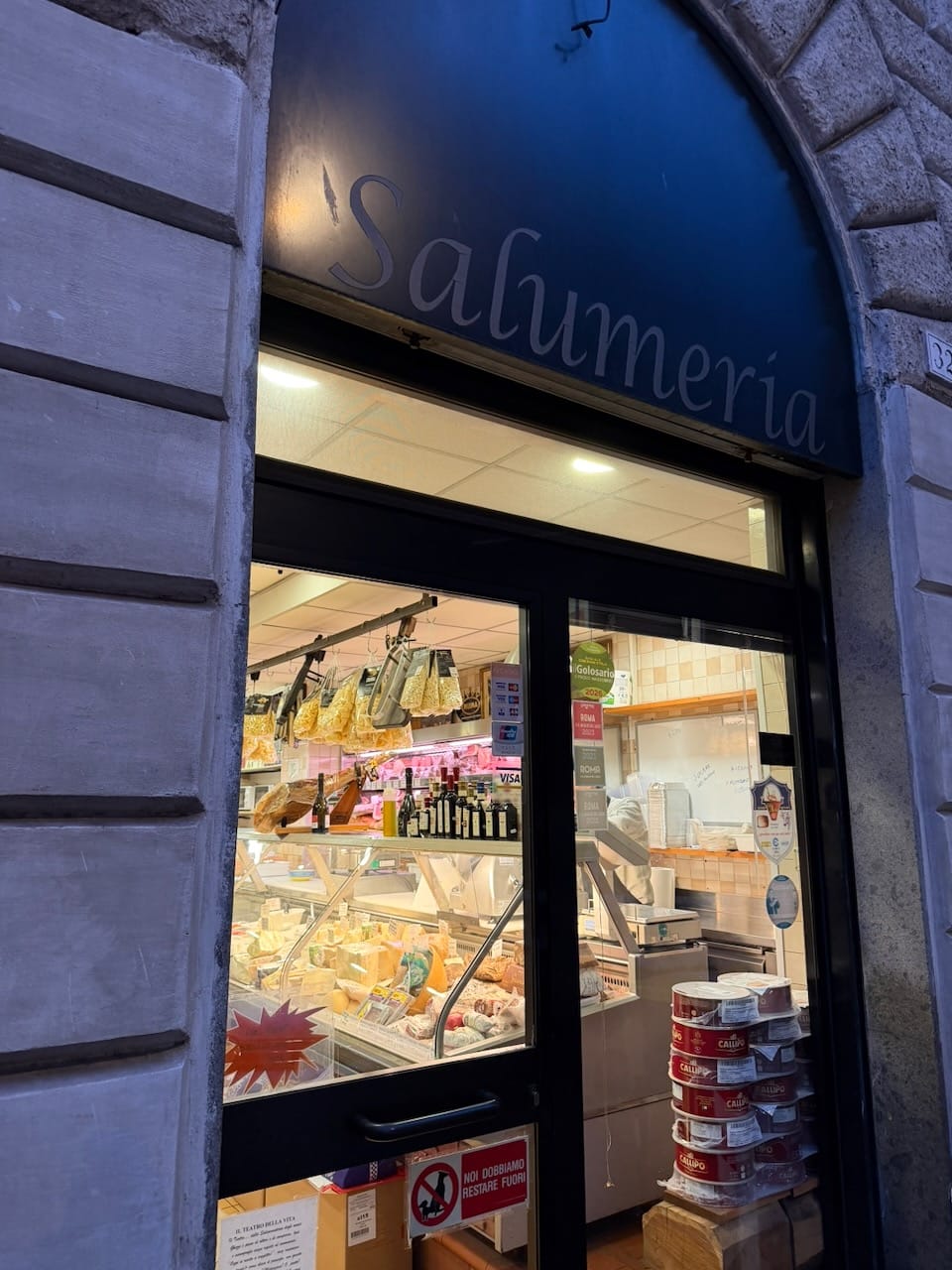
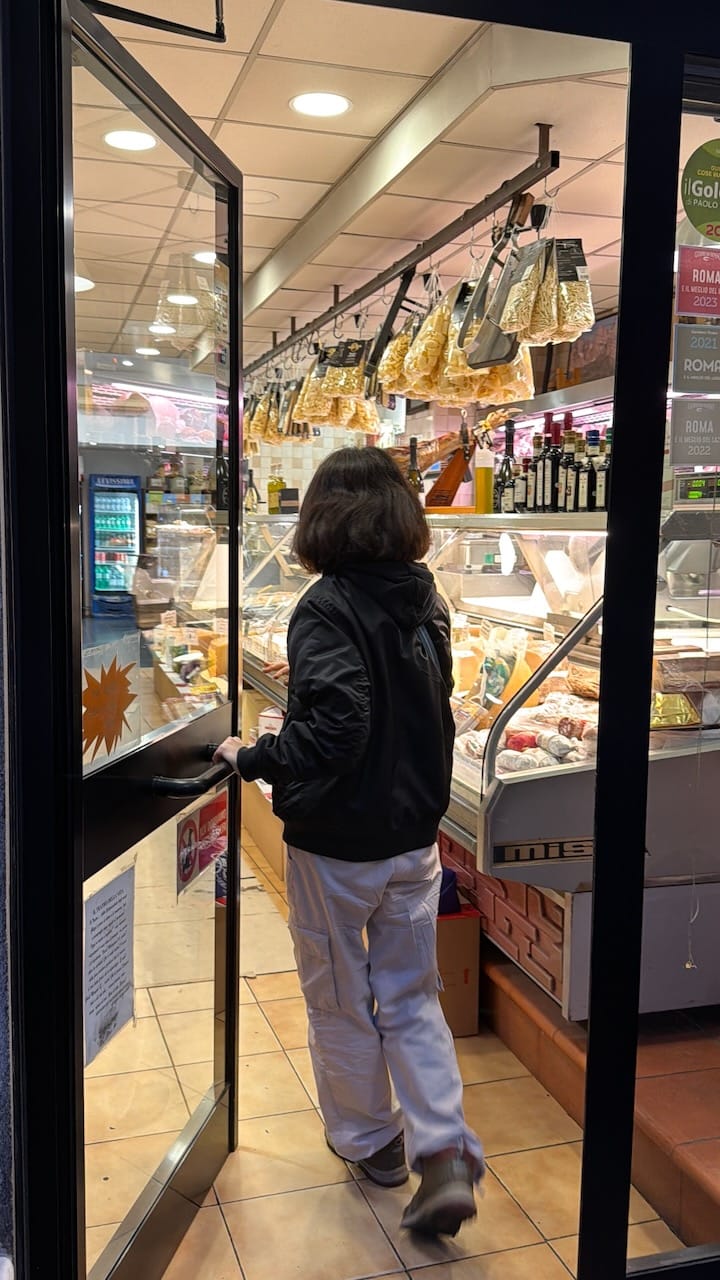
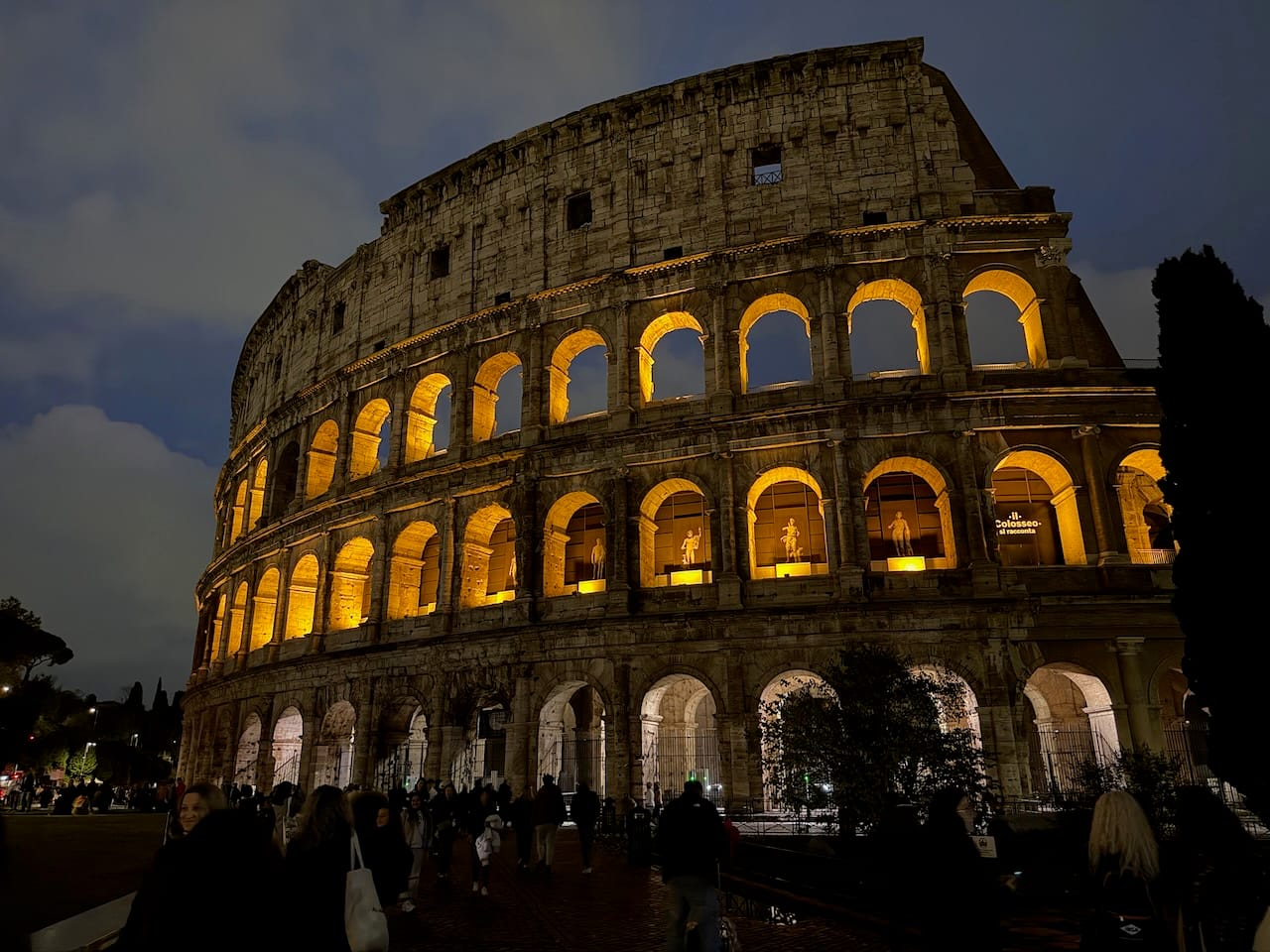
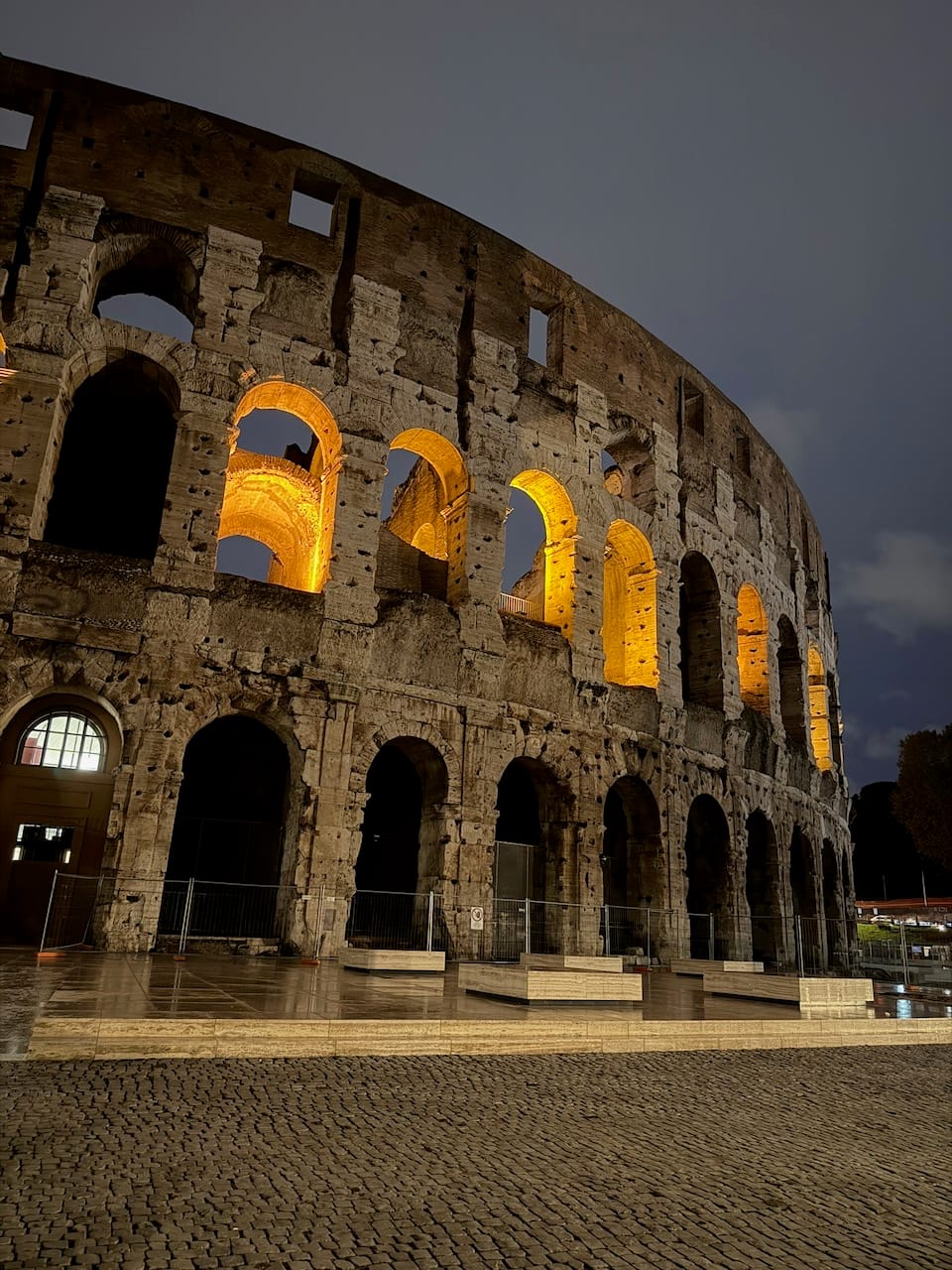
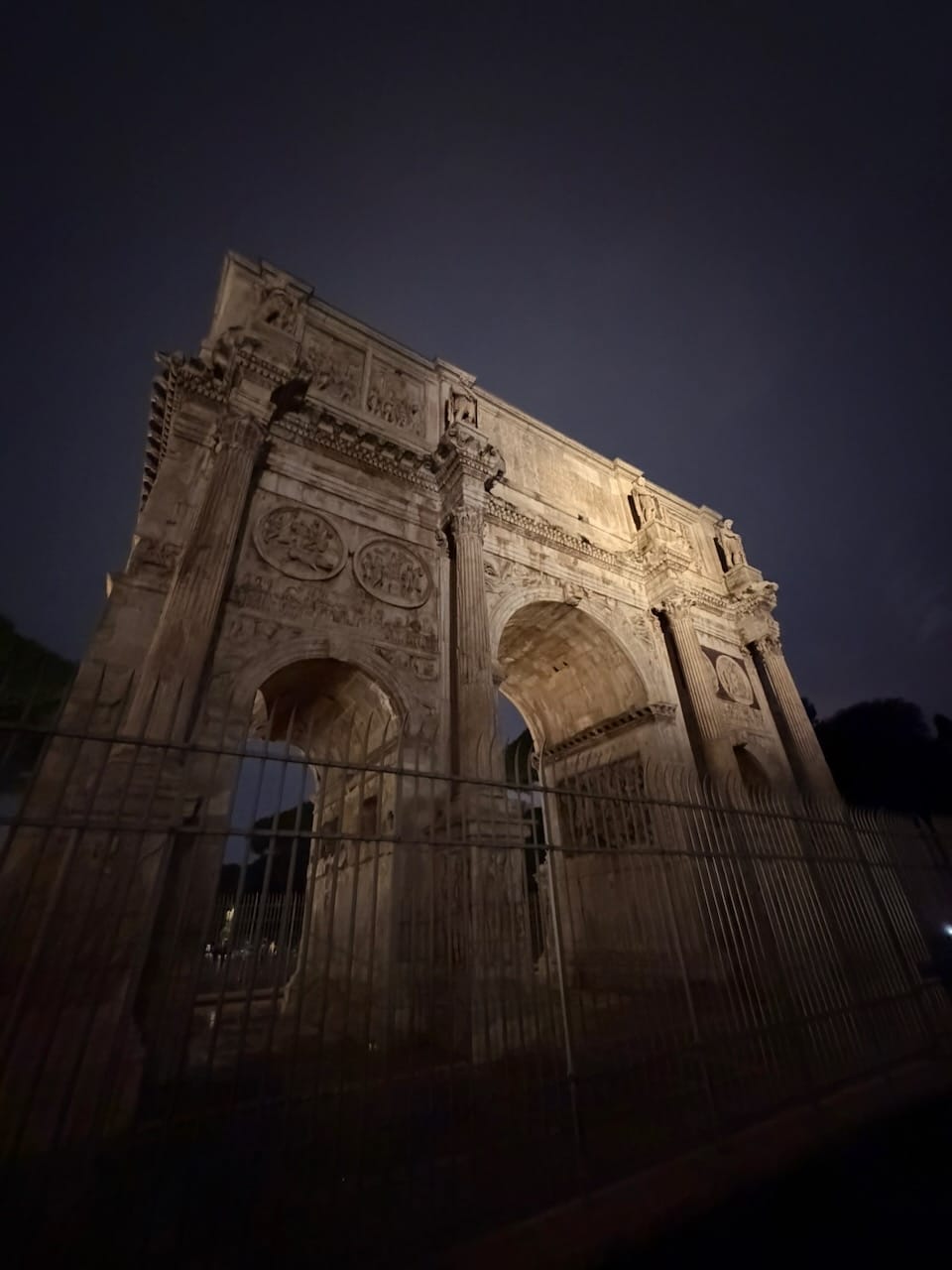
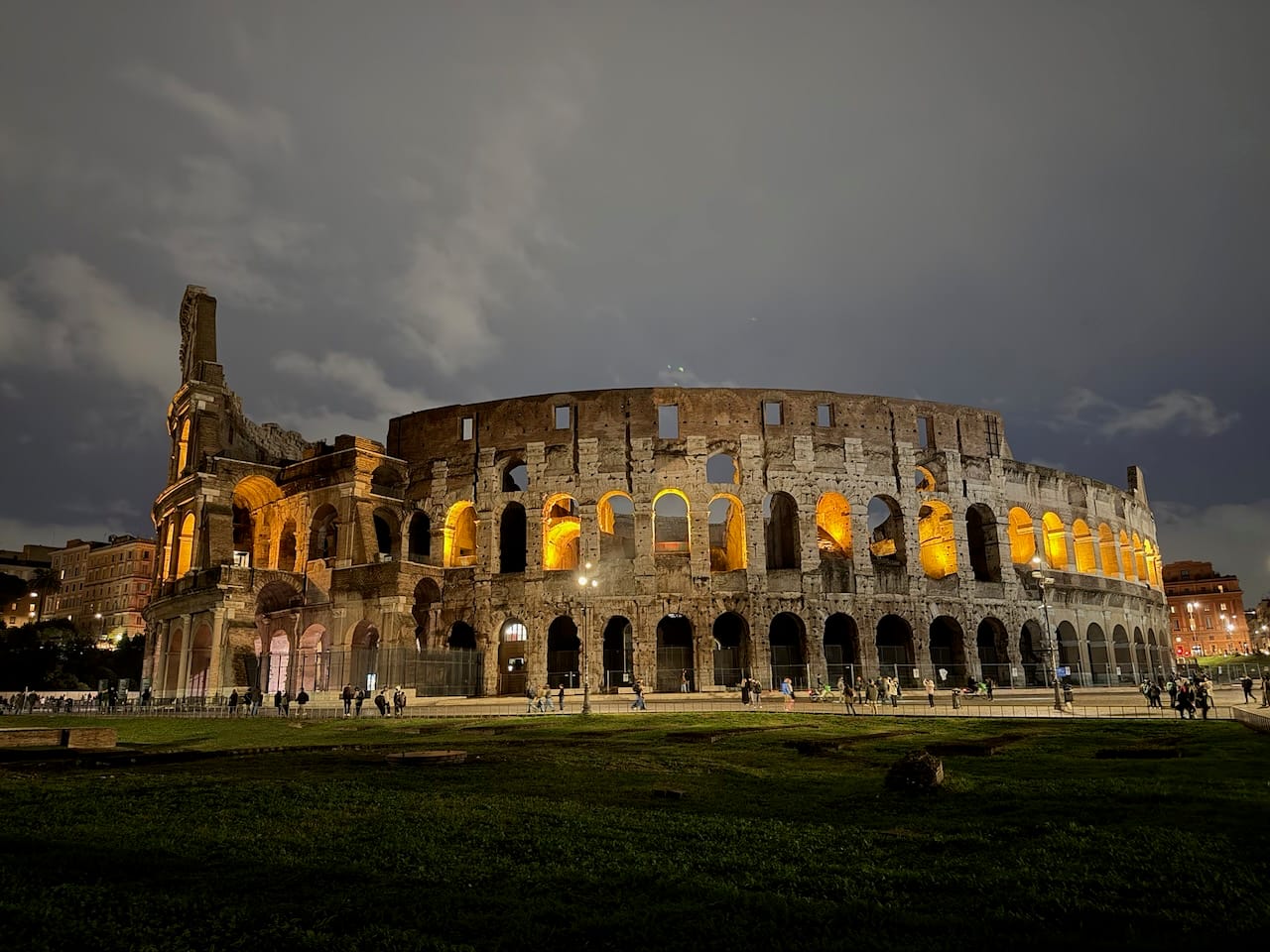
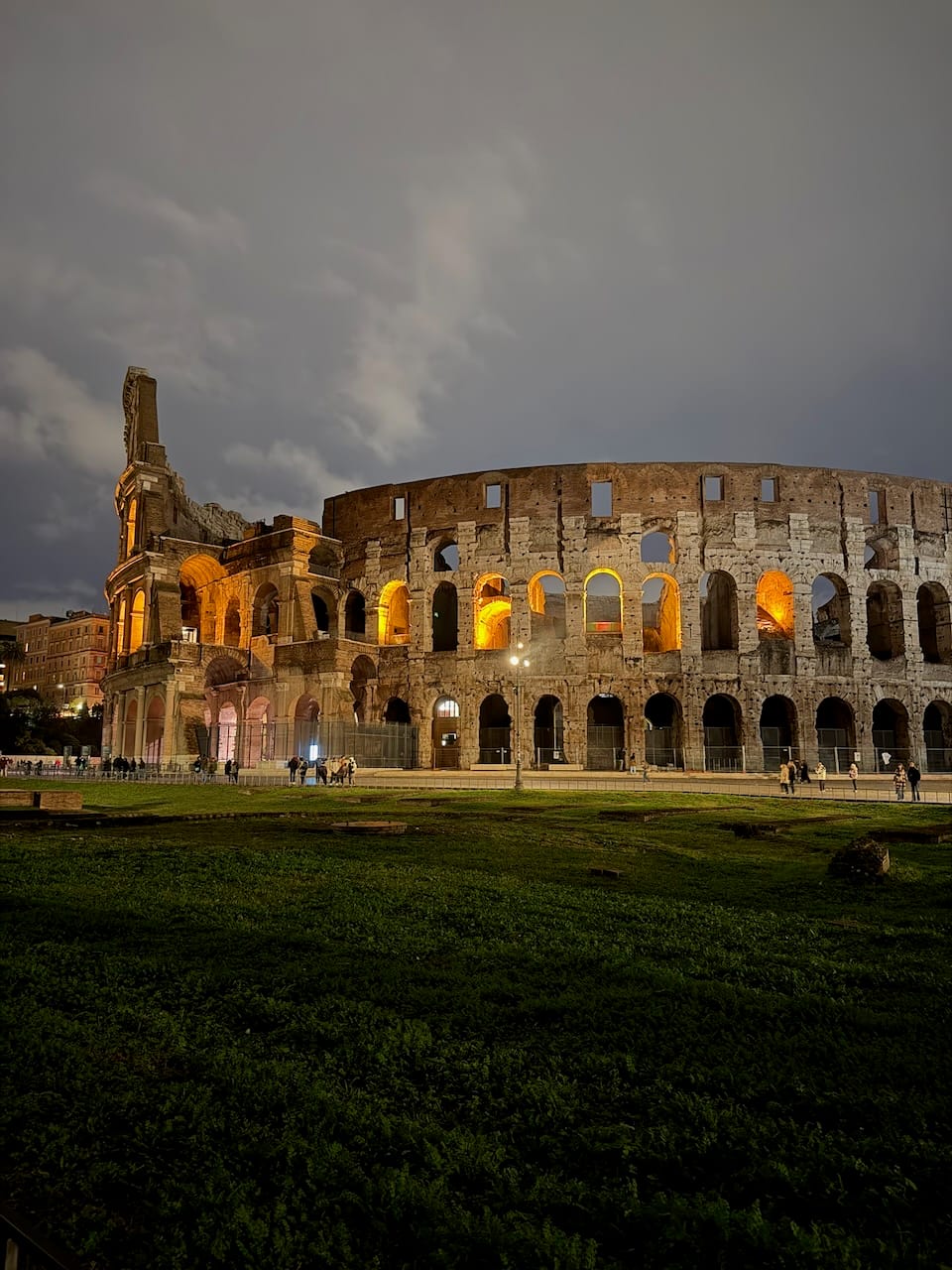
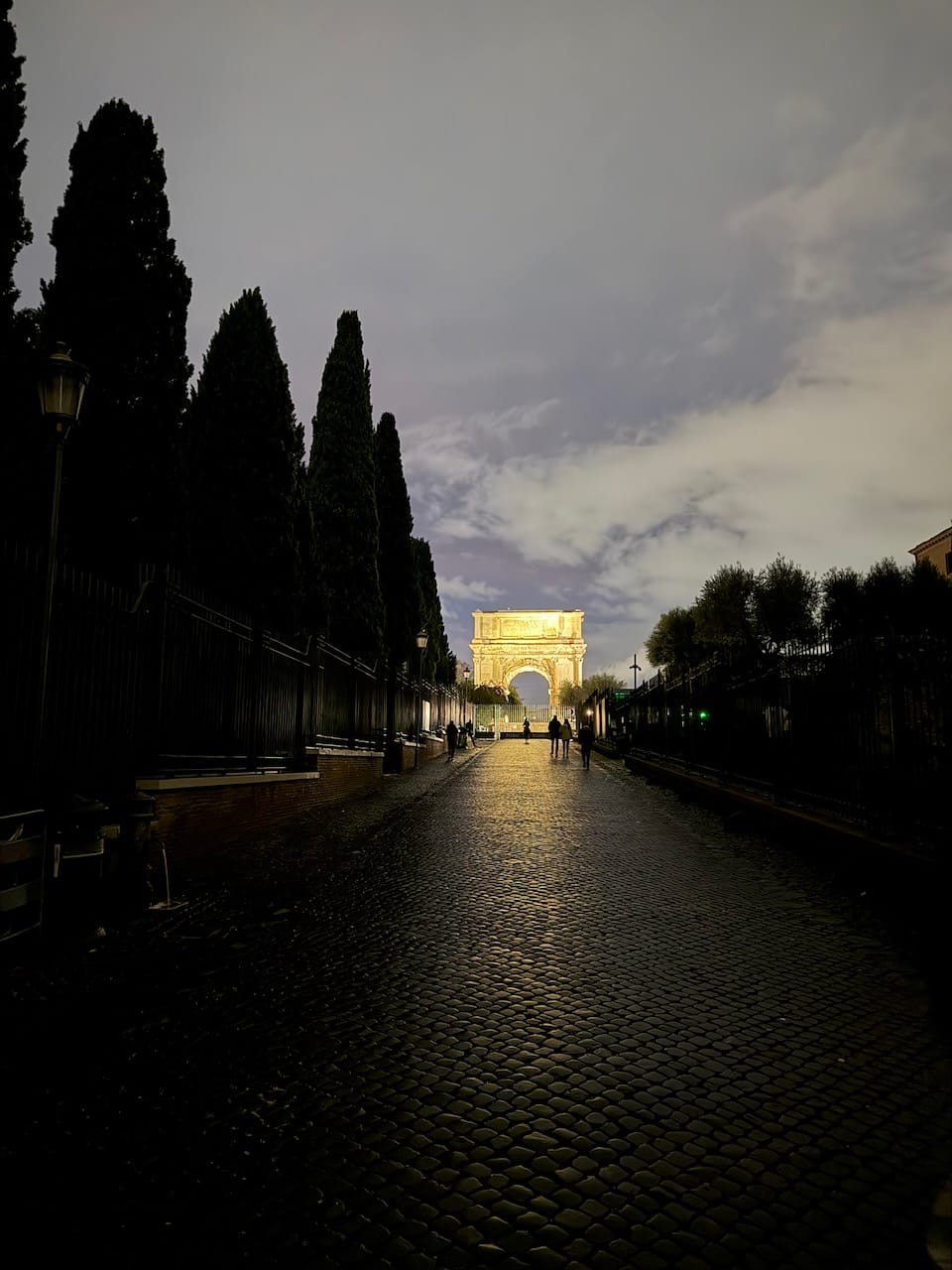
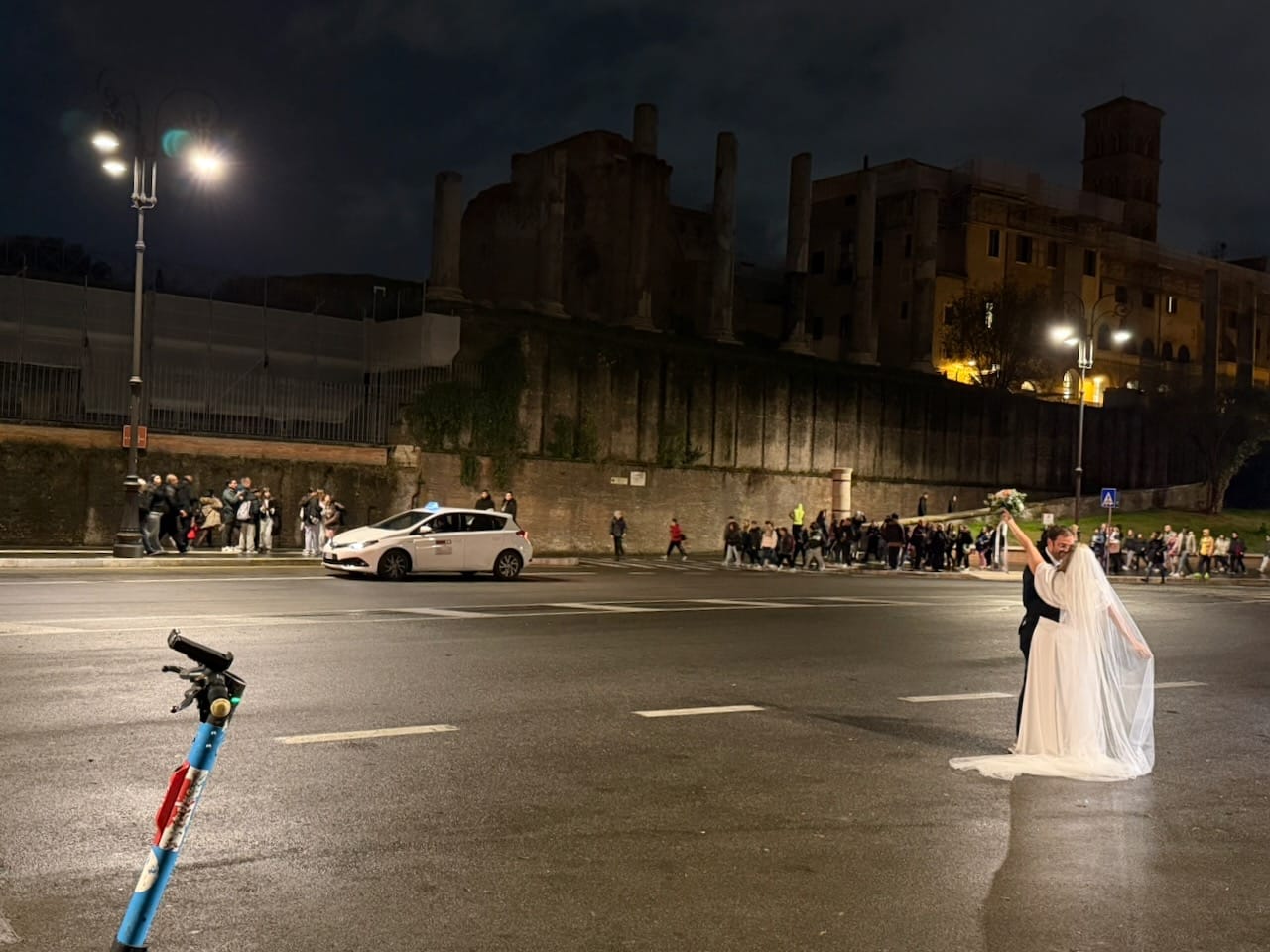
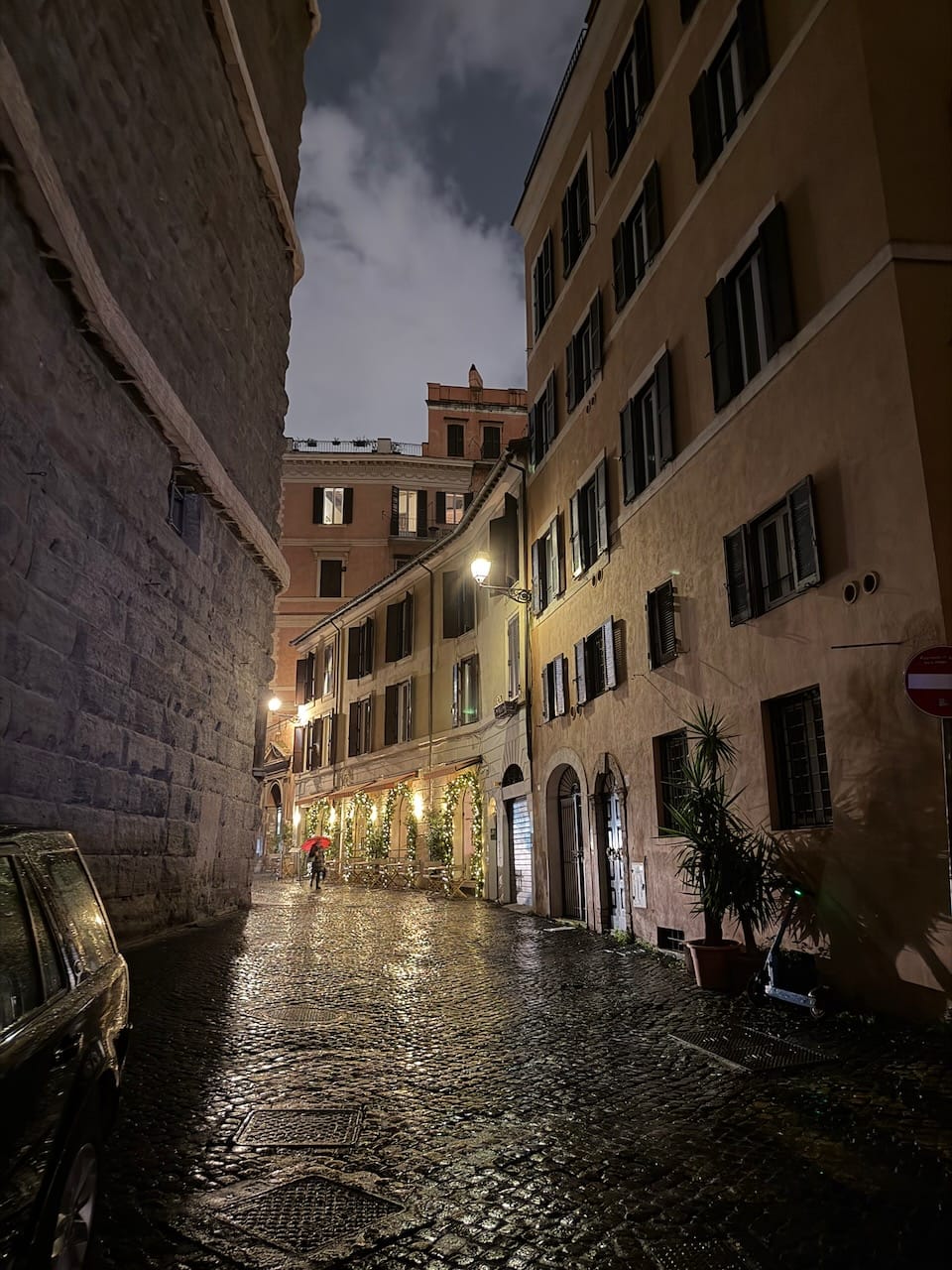
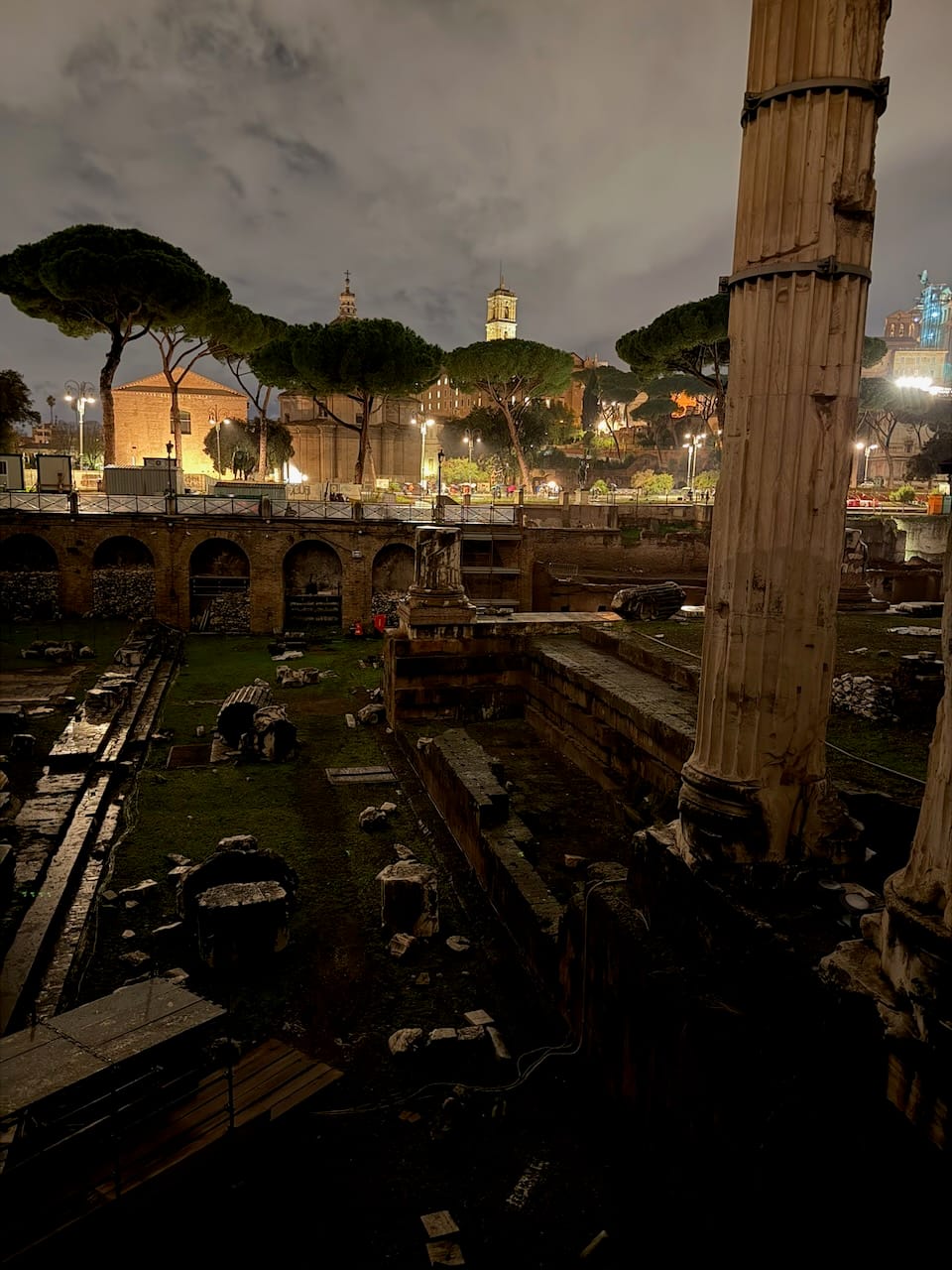
We returned to the hotel (via another taxi) area and ended the night at the Colosseum, this time under the dark sky. It was beautiful — quietly, overwhelmingly beautiful. After the long, rainy day, it felt like luck finally paid us back, giving us this moment of stillness and light.
By then, we were starving and needed to find a place for dinner (as our original plan of Sandwich was void). We checked Google Maps and picked a nearby spot with good reviews: Pizza Della Madonna. It turned out to be an unexpectedly great choice. Or maybe, at this point in the trip, every choice in Rome was destined to be great. Either way, their "Carbonara pizza" became my new all-time best.
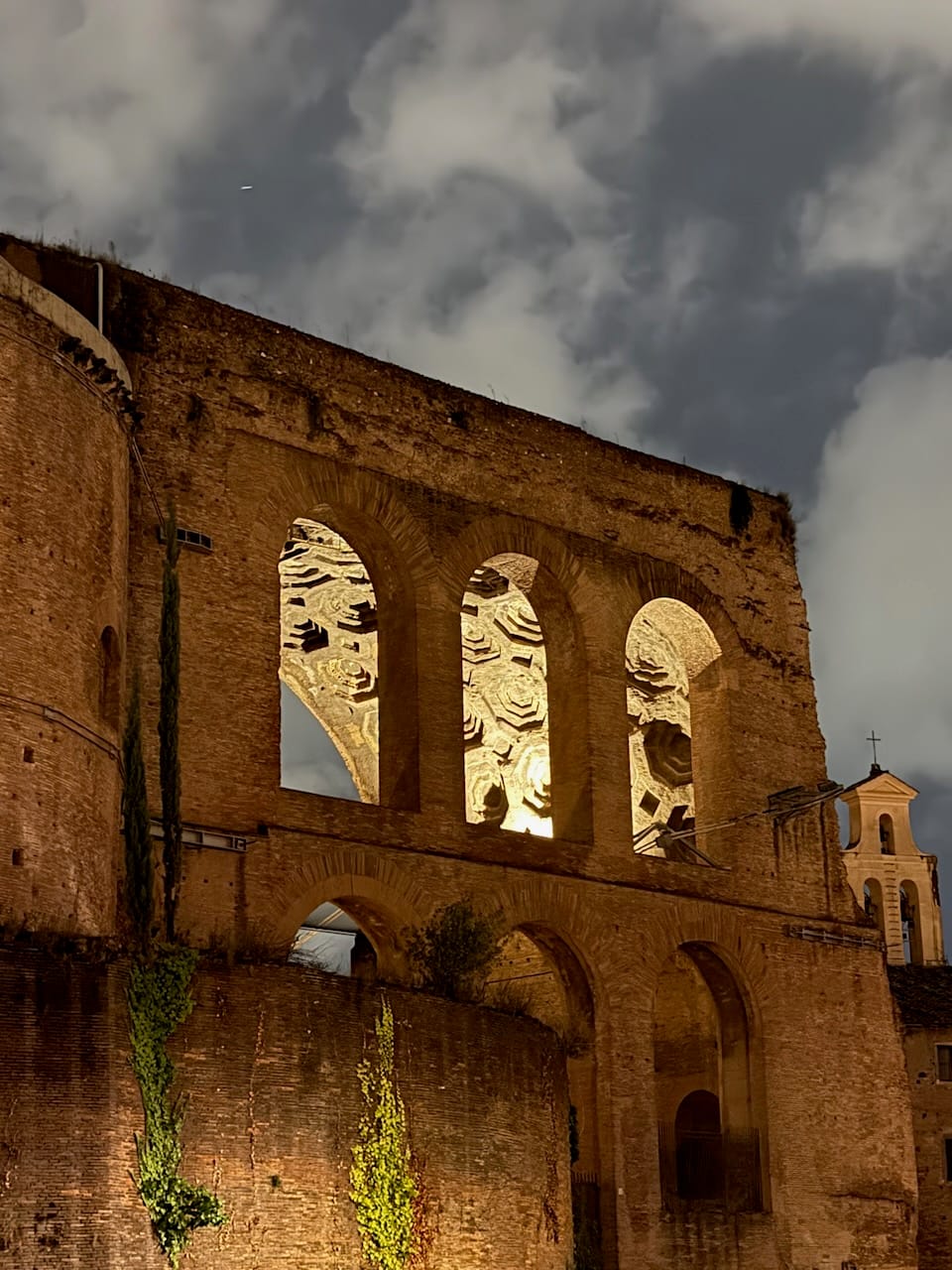

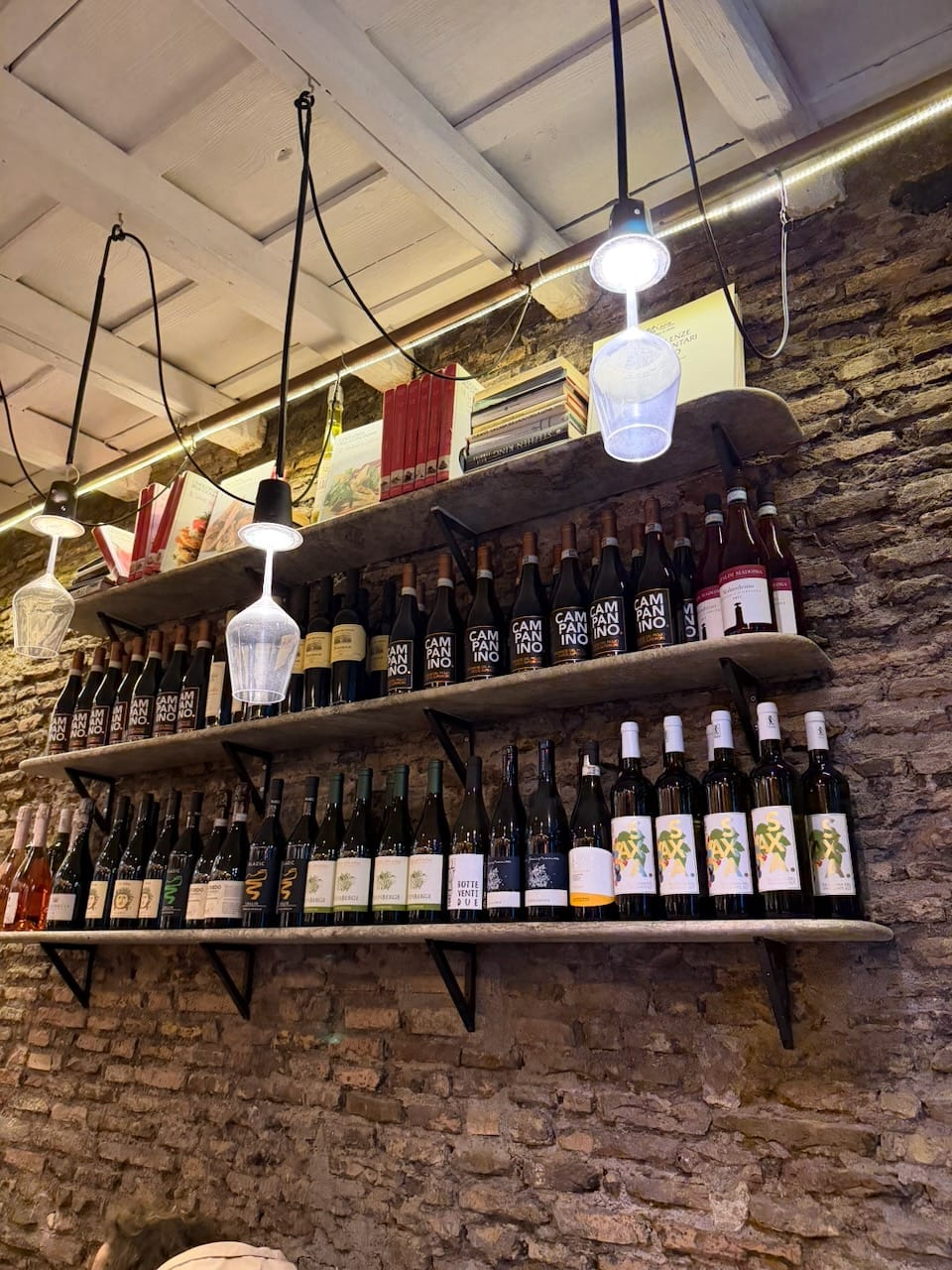
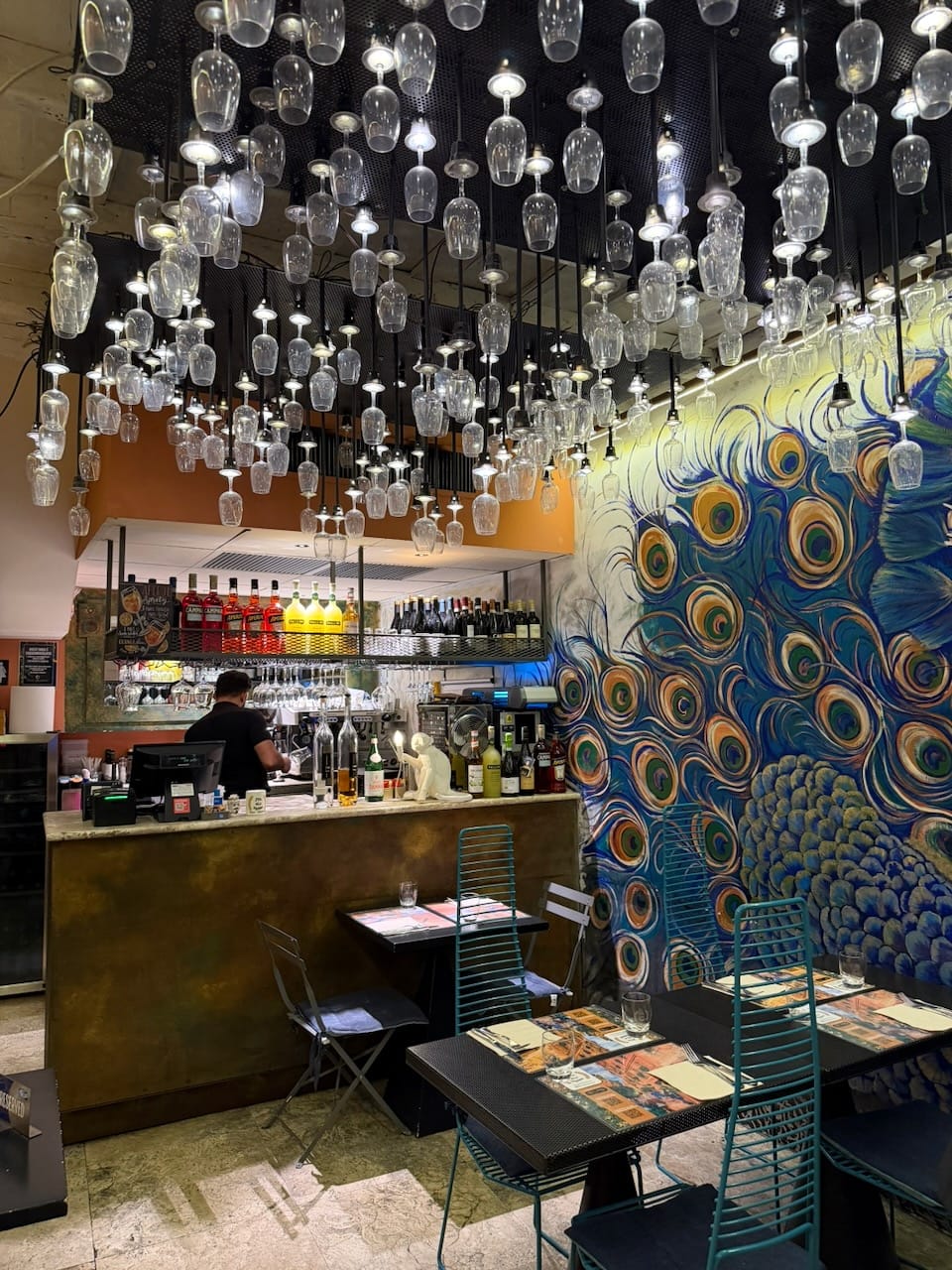
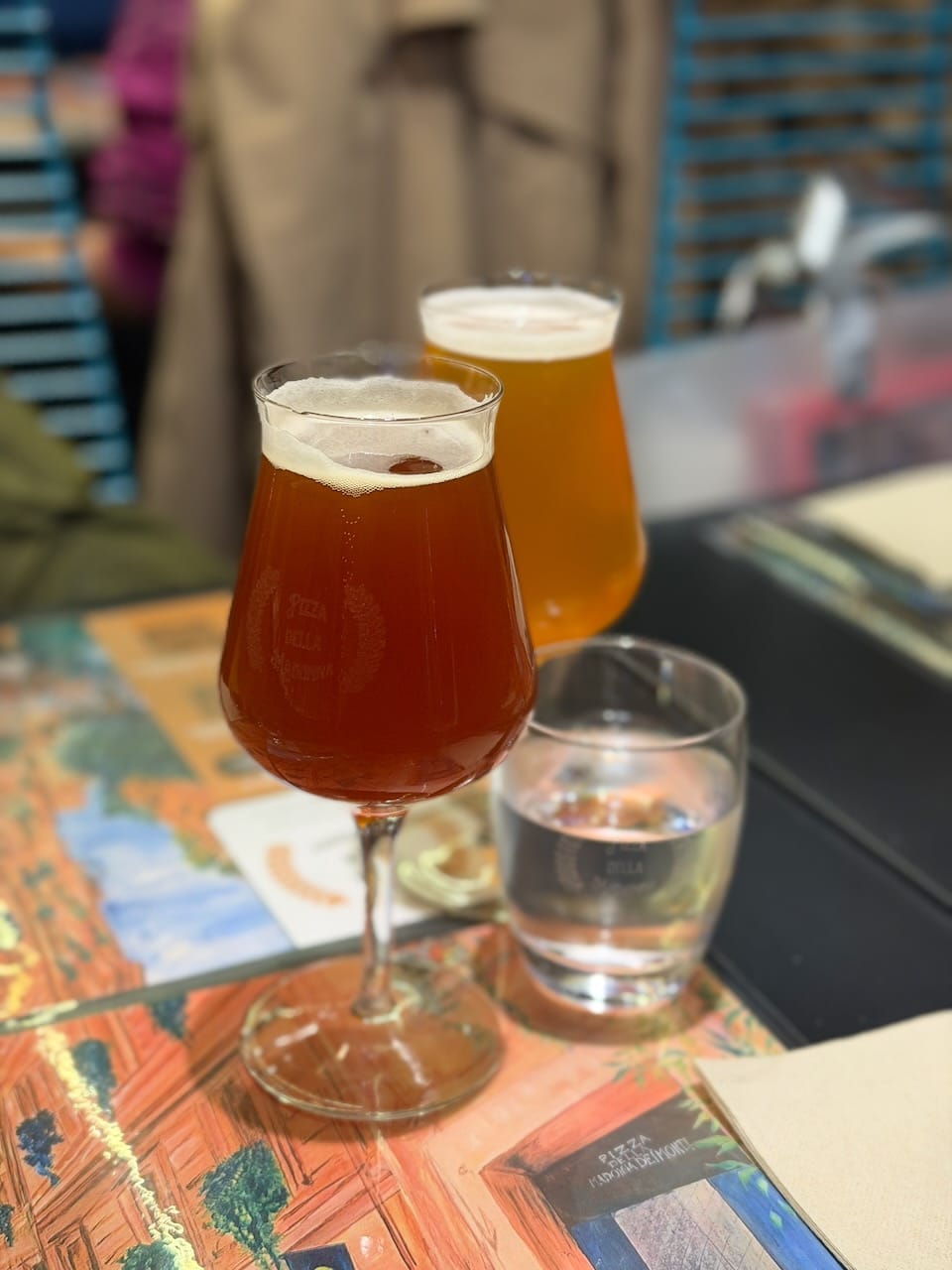
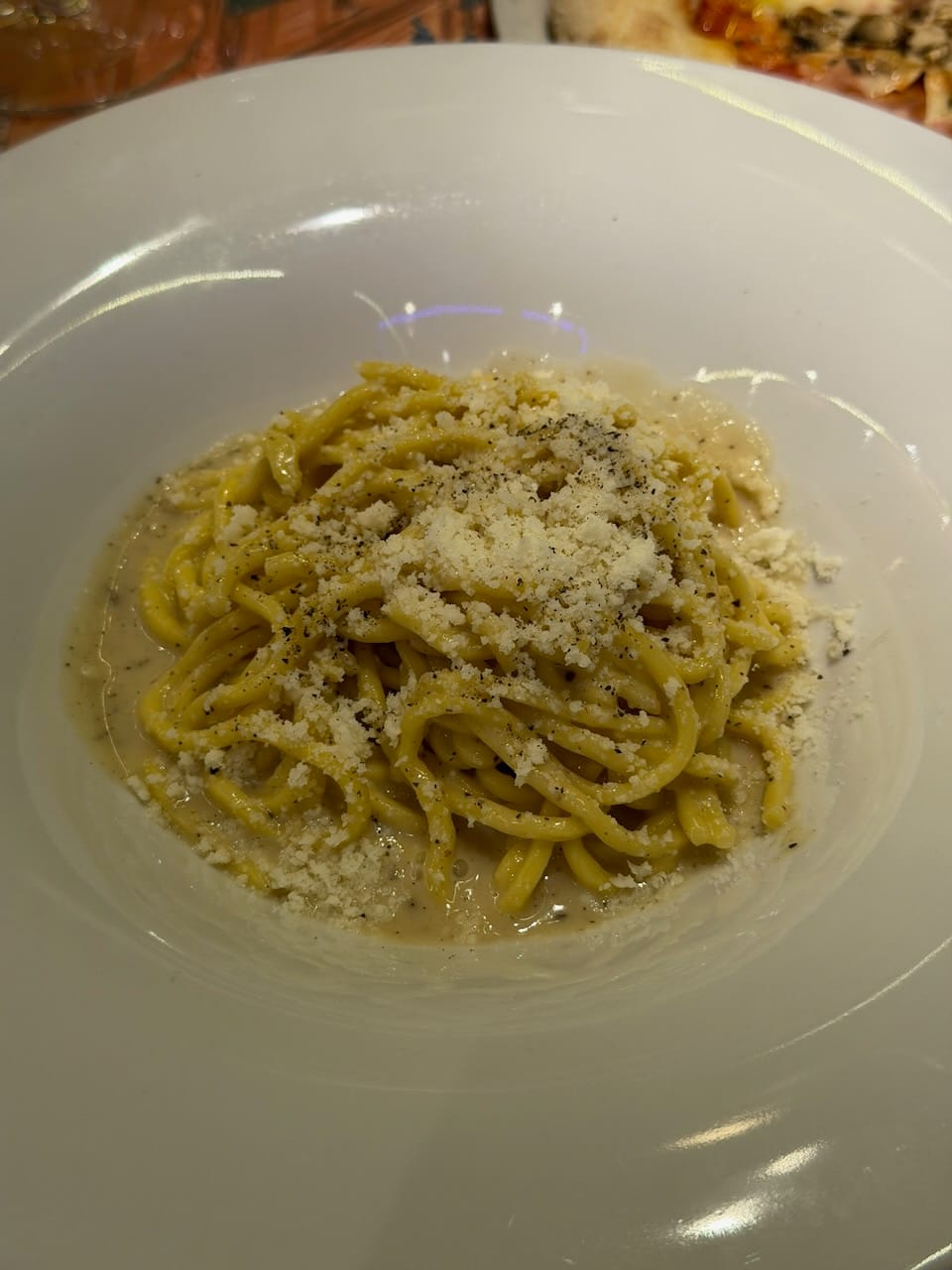
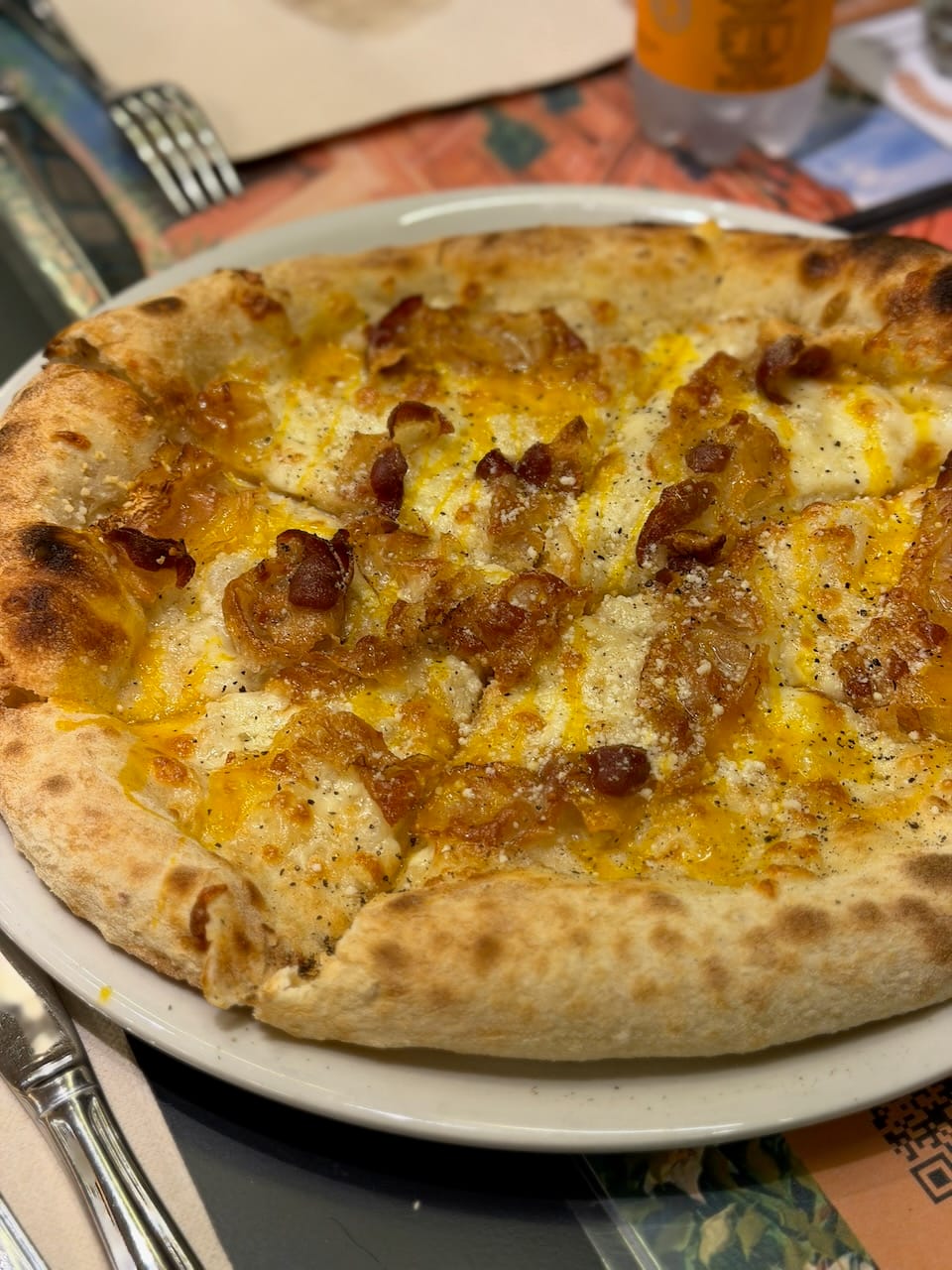
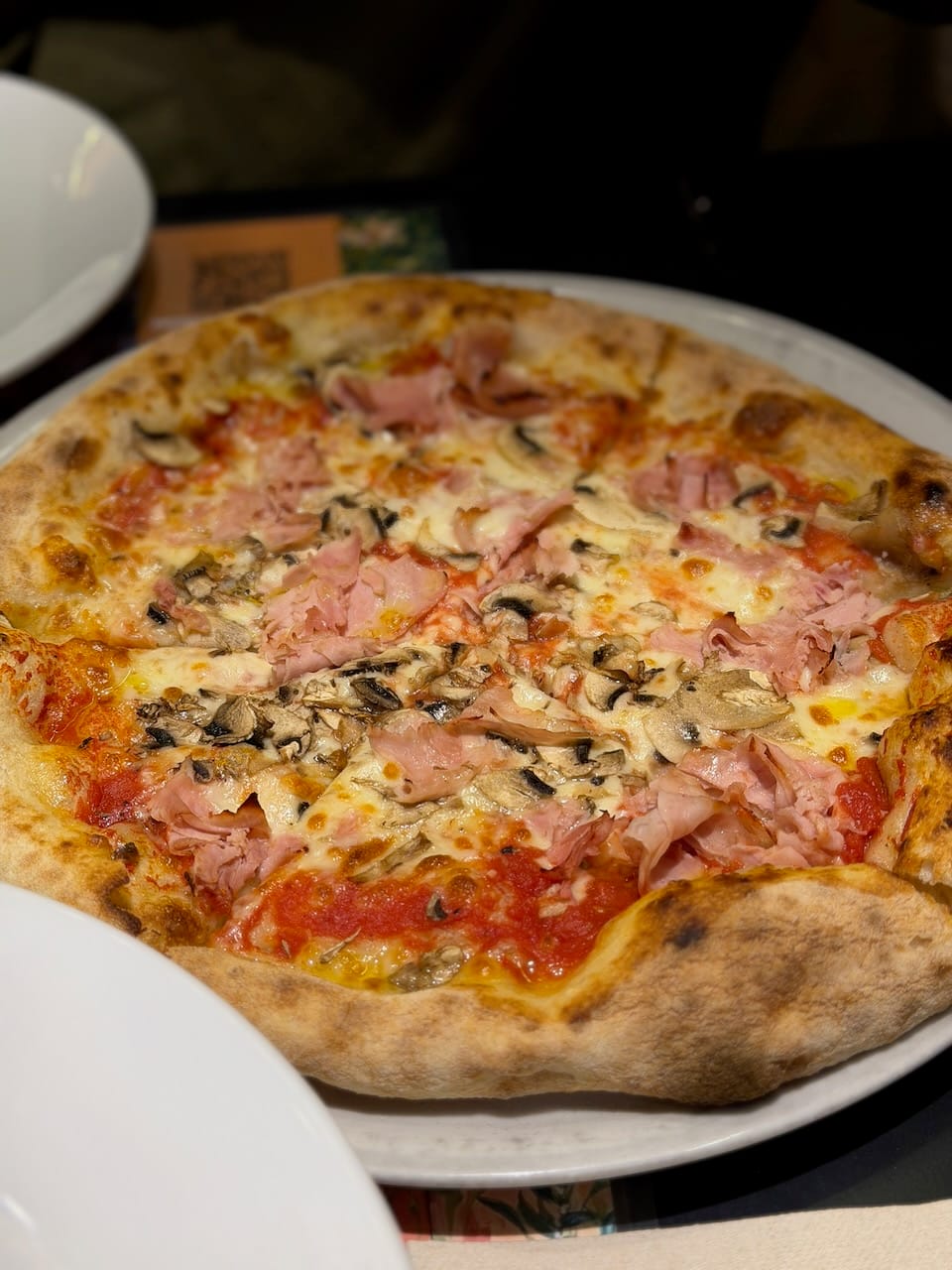
Pizza Della Madonna
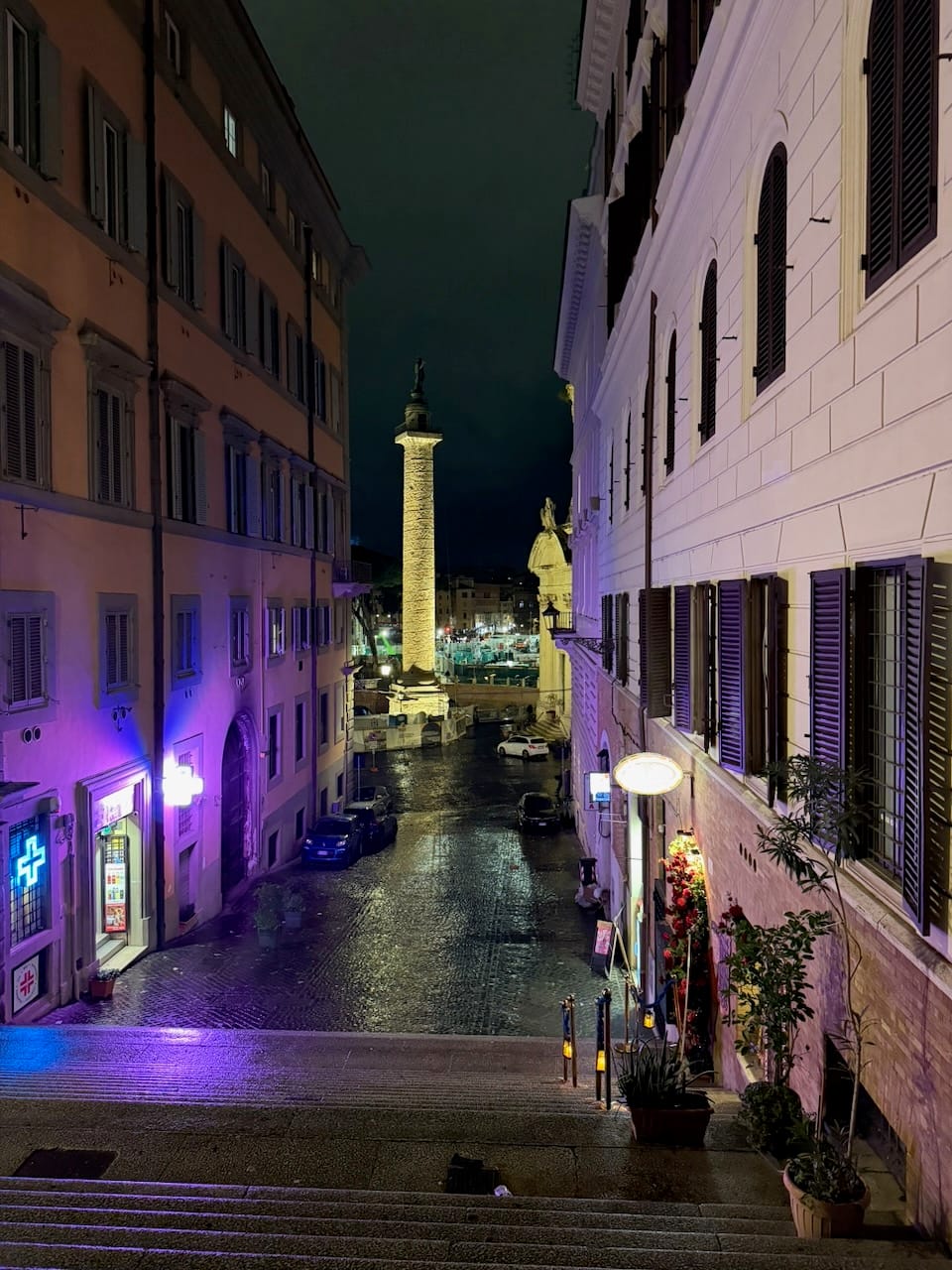
And that was our final night in Rome. Tired, well-fed, and a little overwhelmed in the best way, we walked back through the city knowing that the next morning would carry us new city, my favorite Firenze (Florence).