Thanksgiving 2025: Day 7, Milan

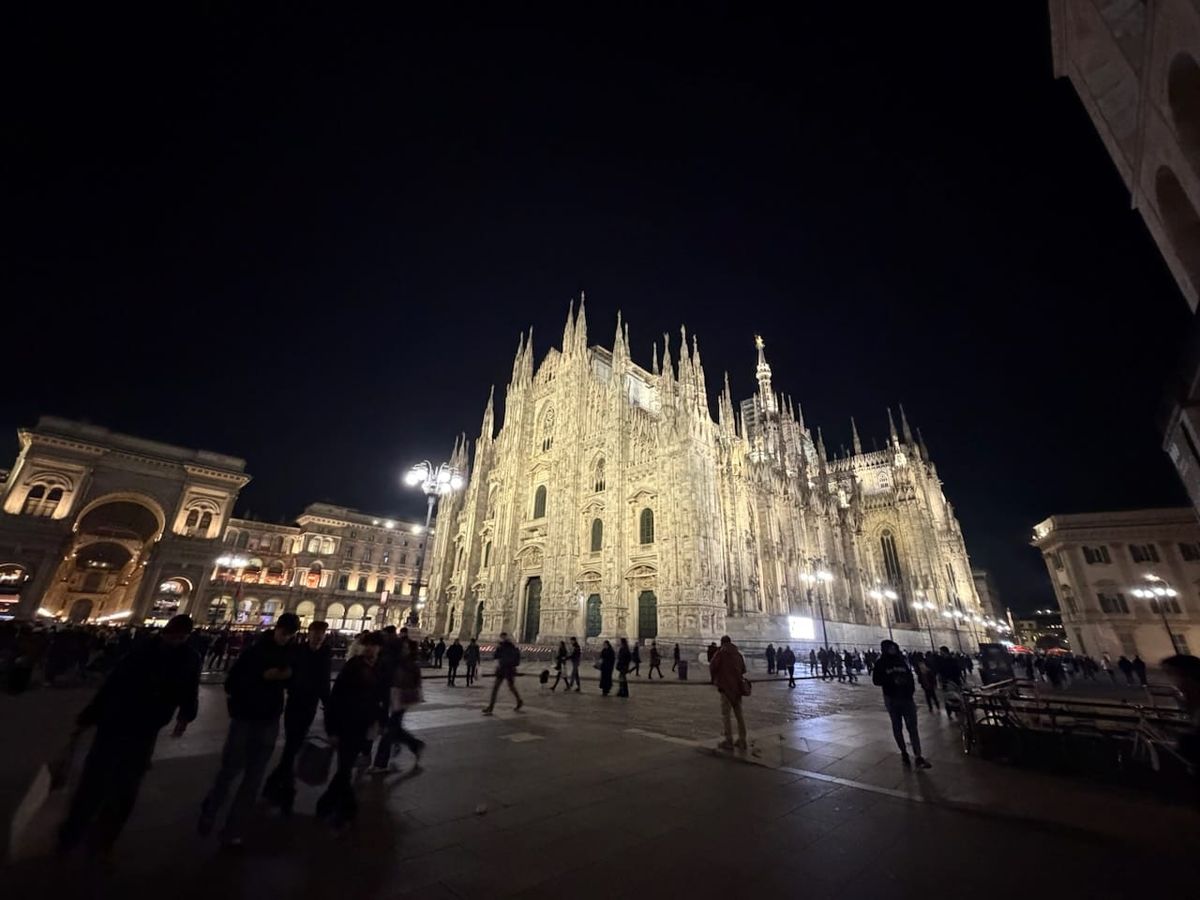
The next and final city of our Italy trip was Milan. Interestingly, I’ve always preferred the name Milan to Milano. It would be probably because of Inter Milan and AC Milan, names I’ve been used to for years. Still, I have to admit that “Milano 2026 Olympics” sounds more natural to me. But for this trip, I’m going with Milan.
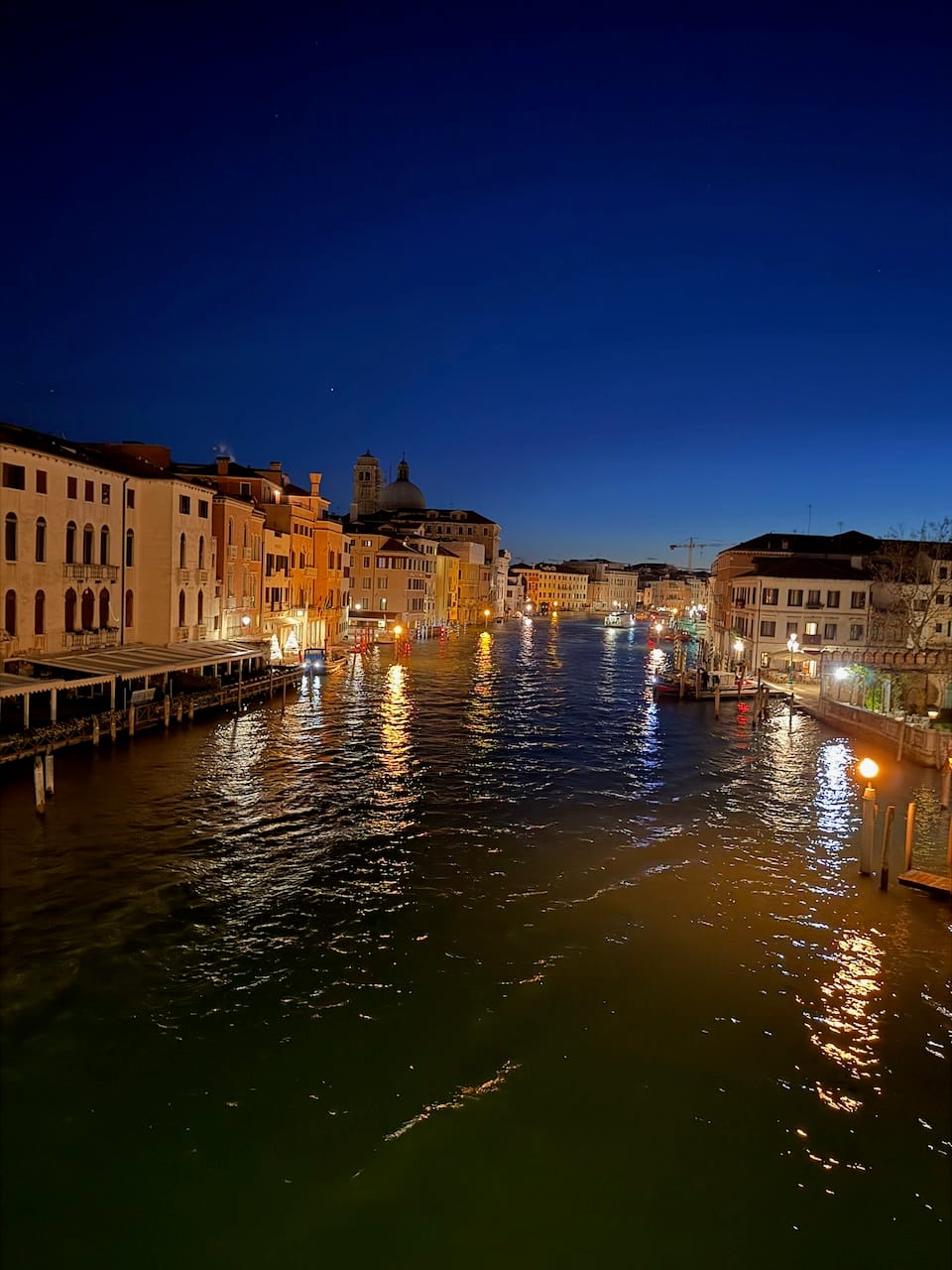
Our train to Milan departed at 6:48 am, which meant another early morning and a bit of rushing. A few small delays in our routine turned into a full sprint through Venezia alleys. What should have been a ten-minute walk became a nervous run through narrow alleys and long tunnel-like corridors. People often say GPS doesn’t work well in Venice because of the tall walls, but I found it usable most of the time, but just not when we were under serious time pressure. I even took a wrong turn or two. Still, we made it to the platform about ten minutes before departure. Barely, but successfully.
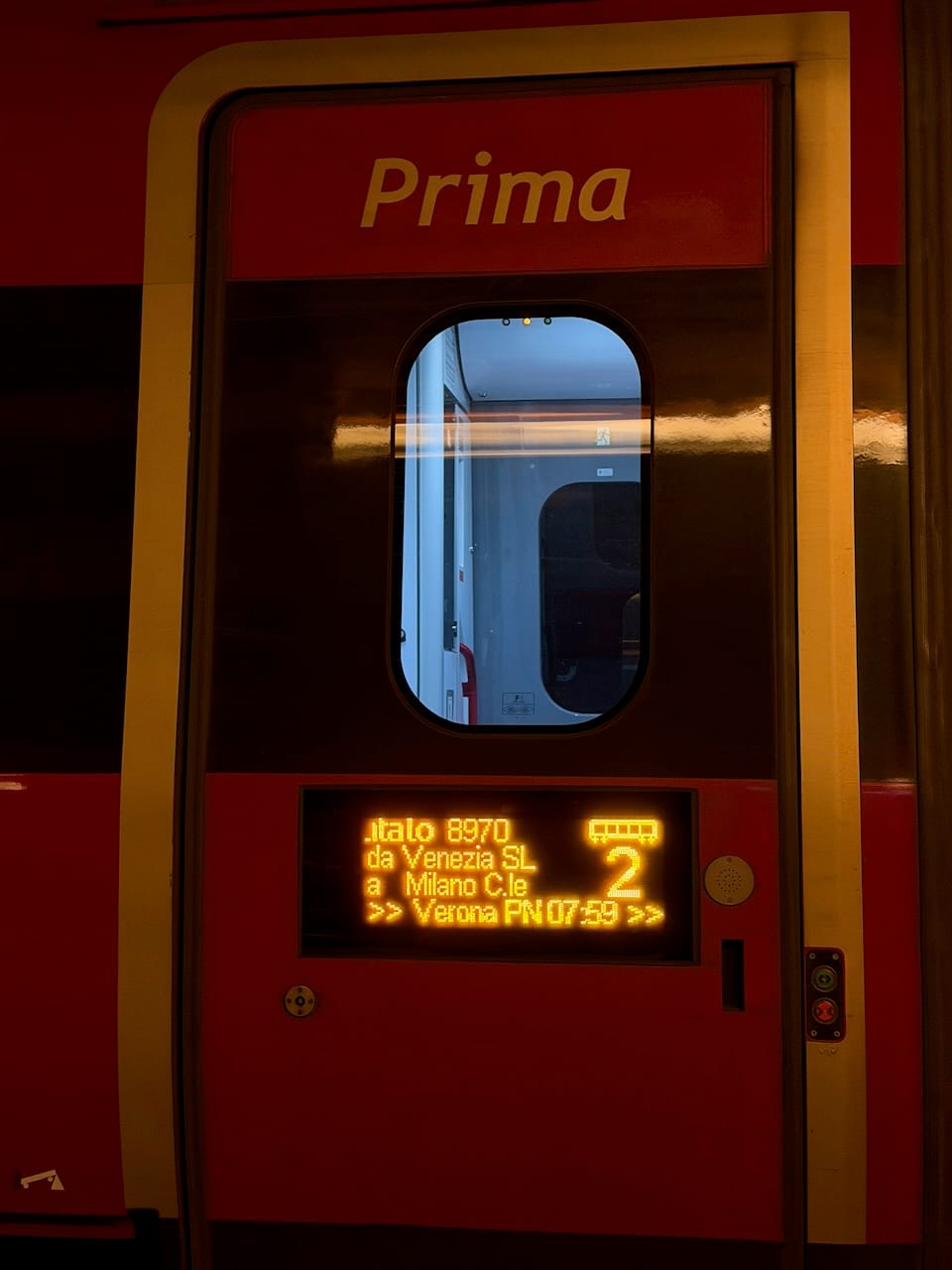
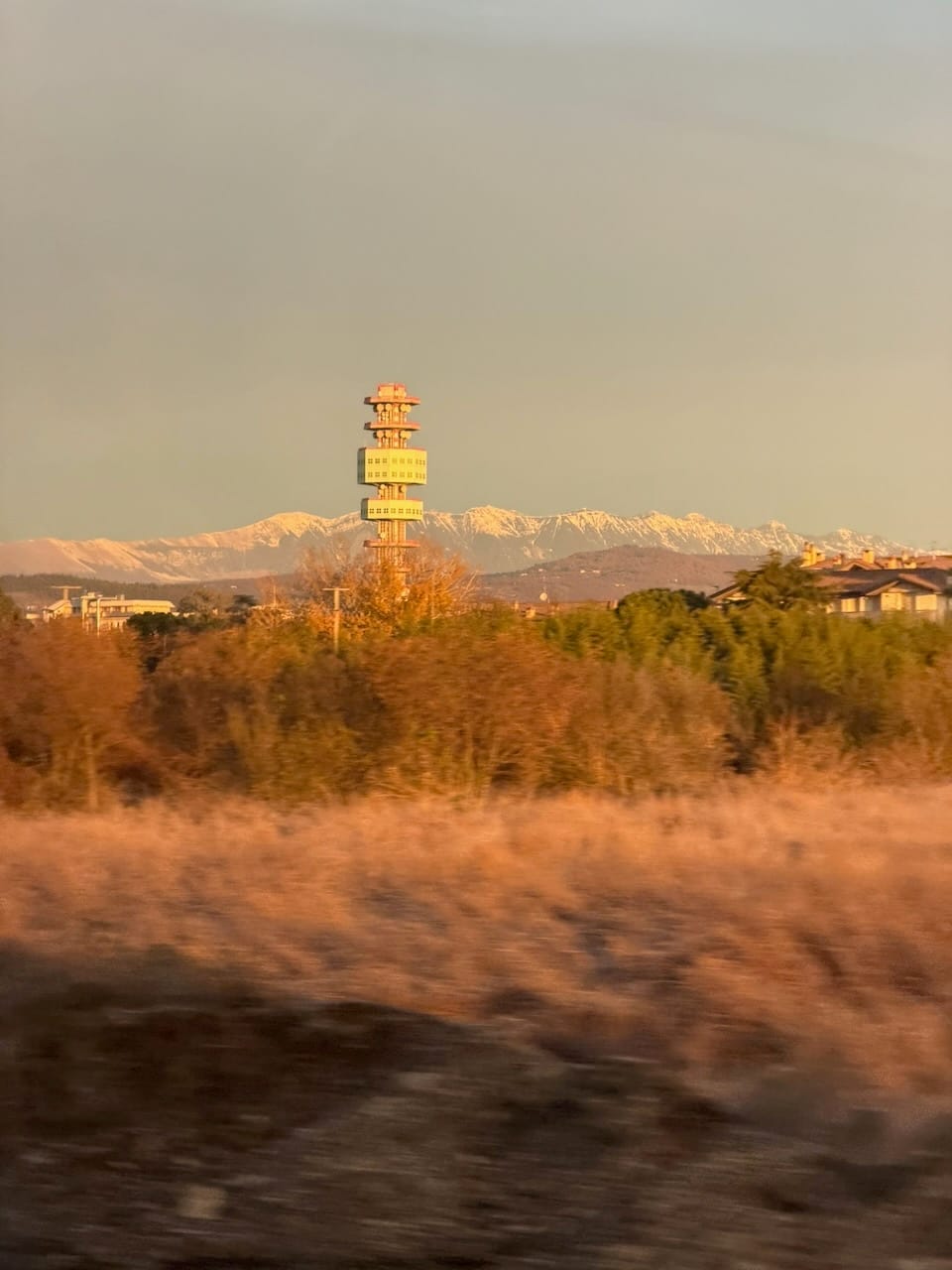
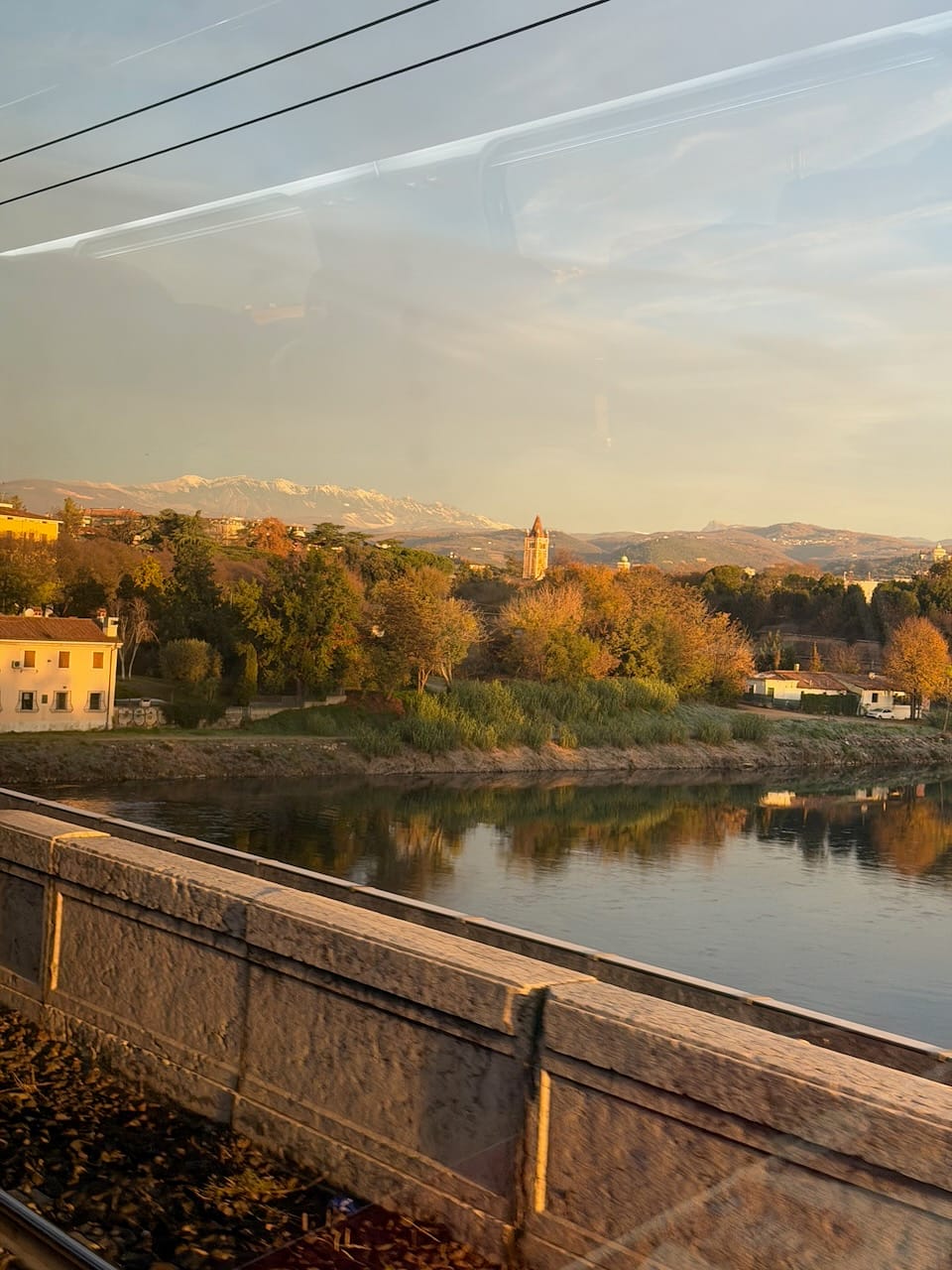
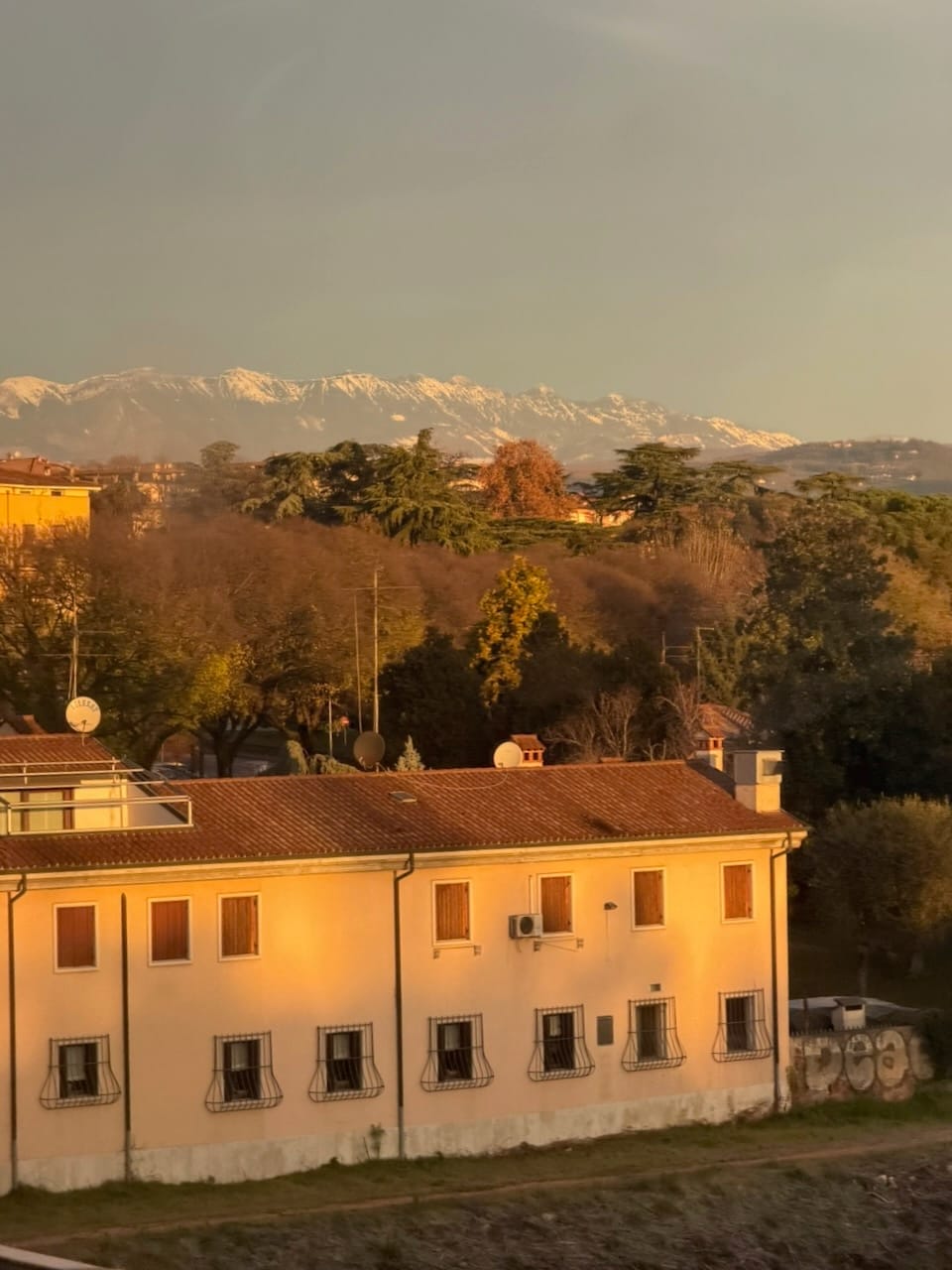
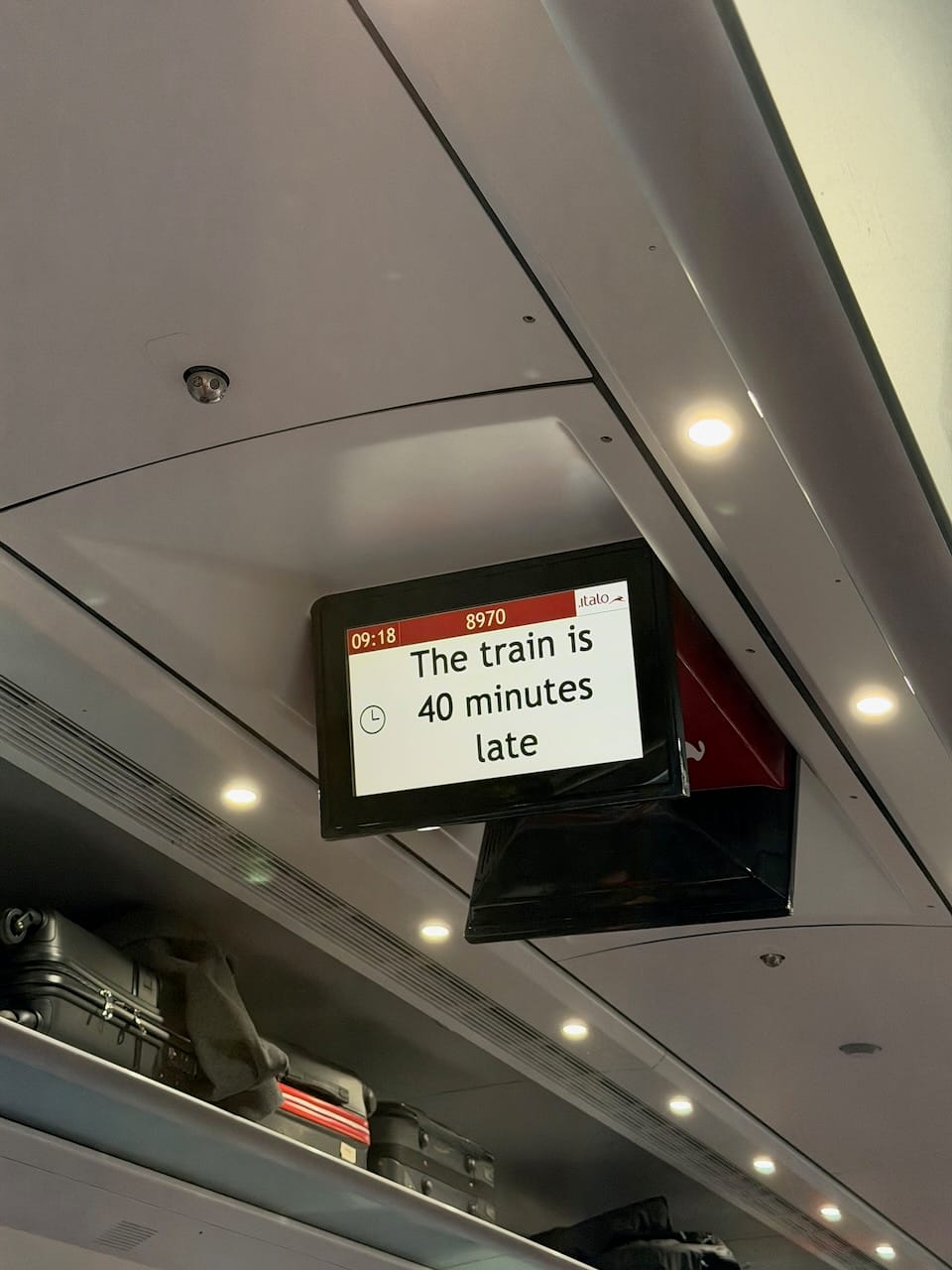
The train was scheduled to arrive at Milano Centrale station at 10:45 am, making it nearly a four-hour ride. As we were moving in north, the scenery changed. The landscape felt sharper, colder. Snow-capped peaks appeared in the distance, and I couldn’t help remembering that both Hannibal and Napoleon once crossed the Alps to reach Italy.
The train paused a few times along the way, and at one point the display even warned of a 40-minute delay. Somehow, though, we arrived only about five minutes late. I still don’t quite understand how they managed that.
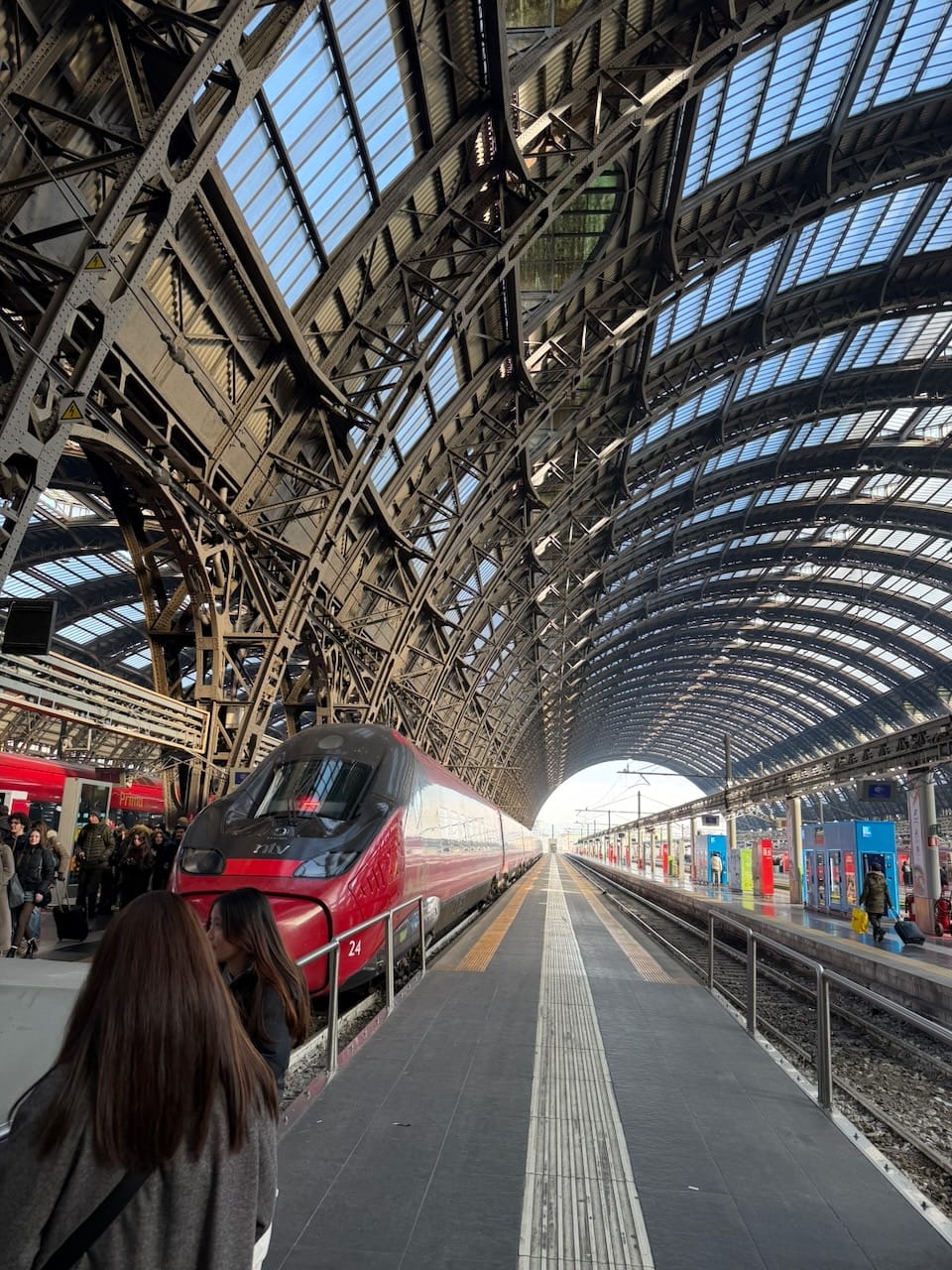
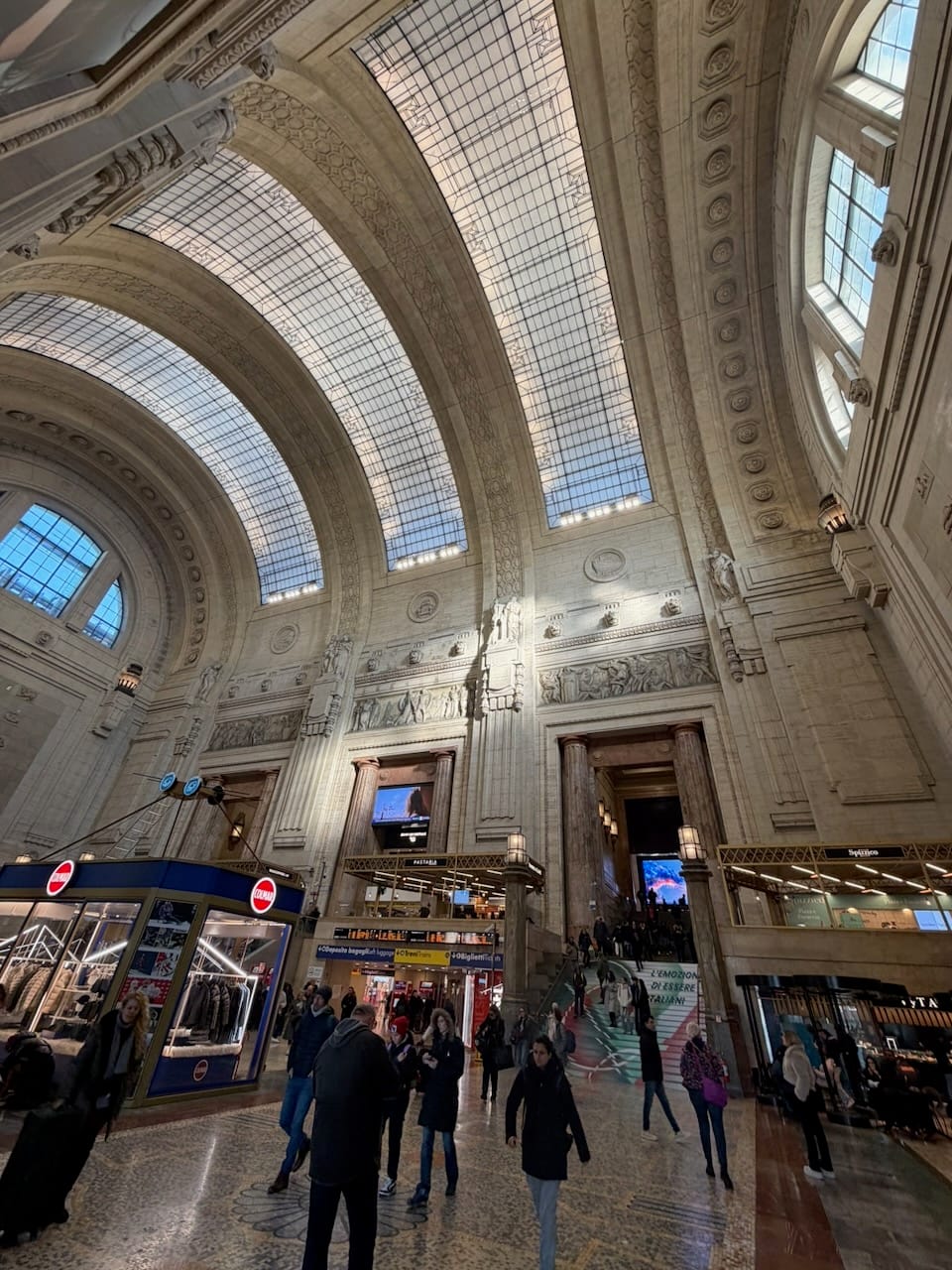
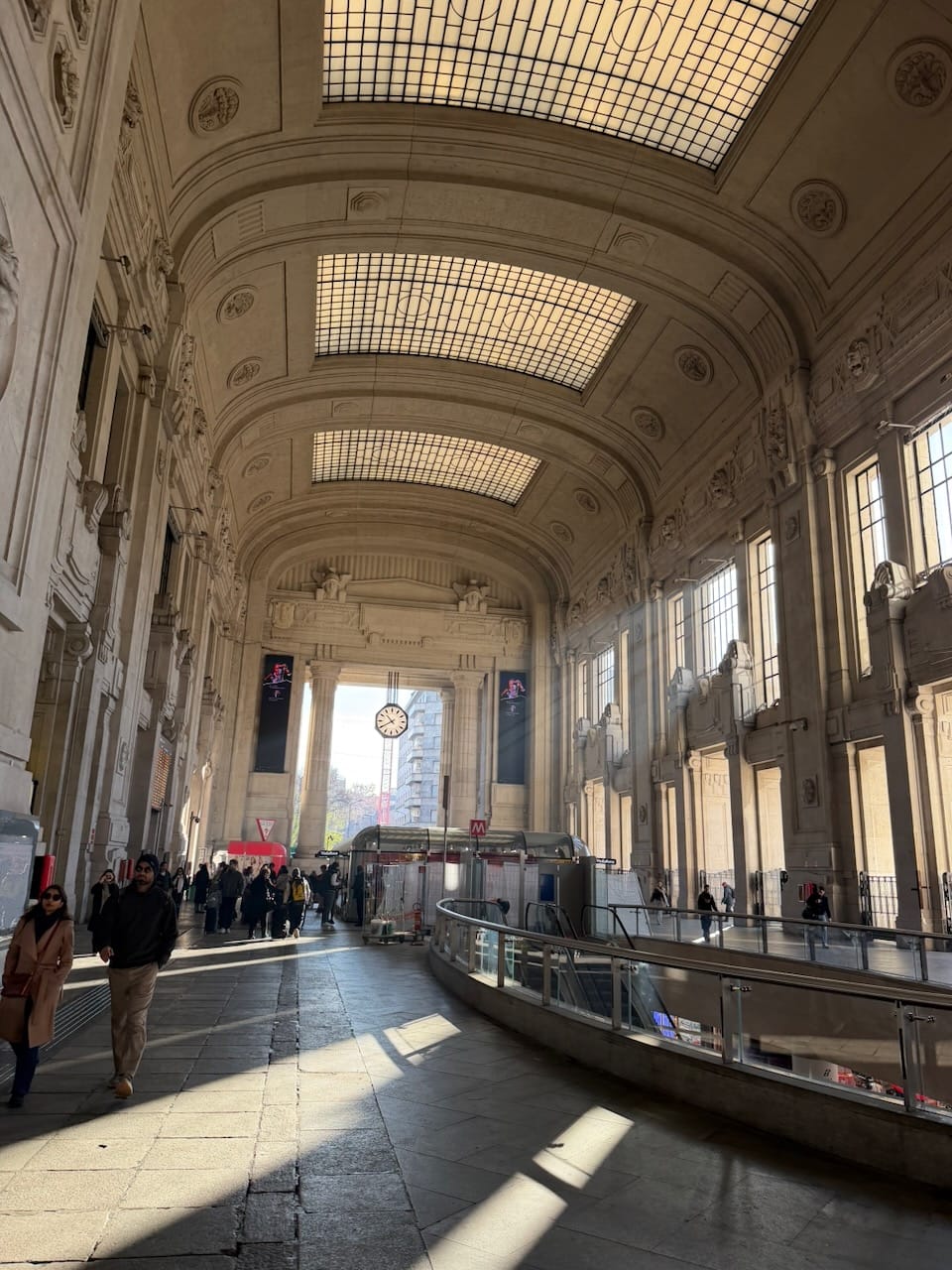
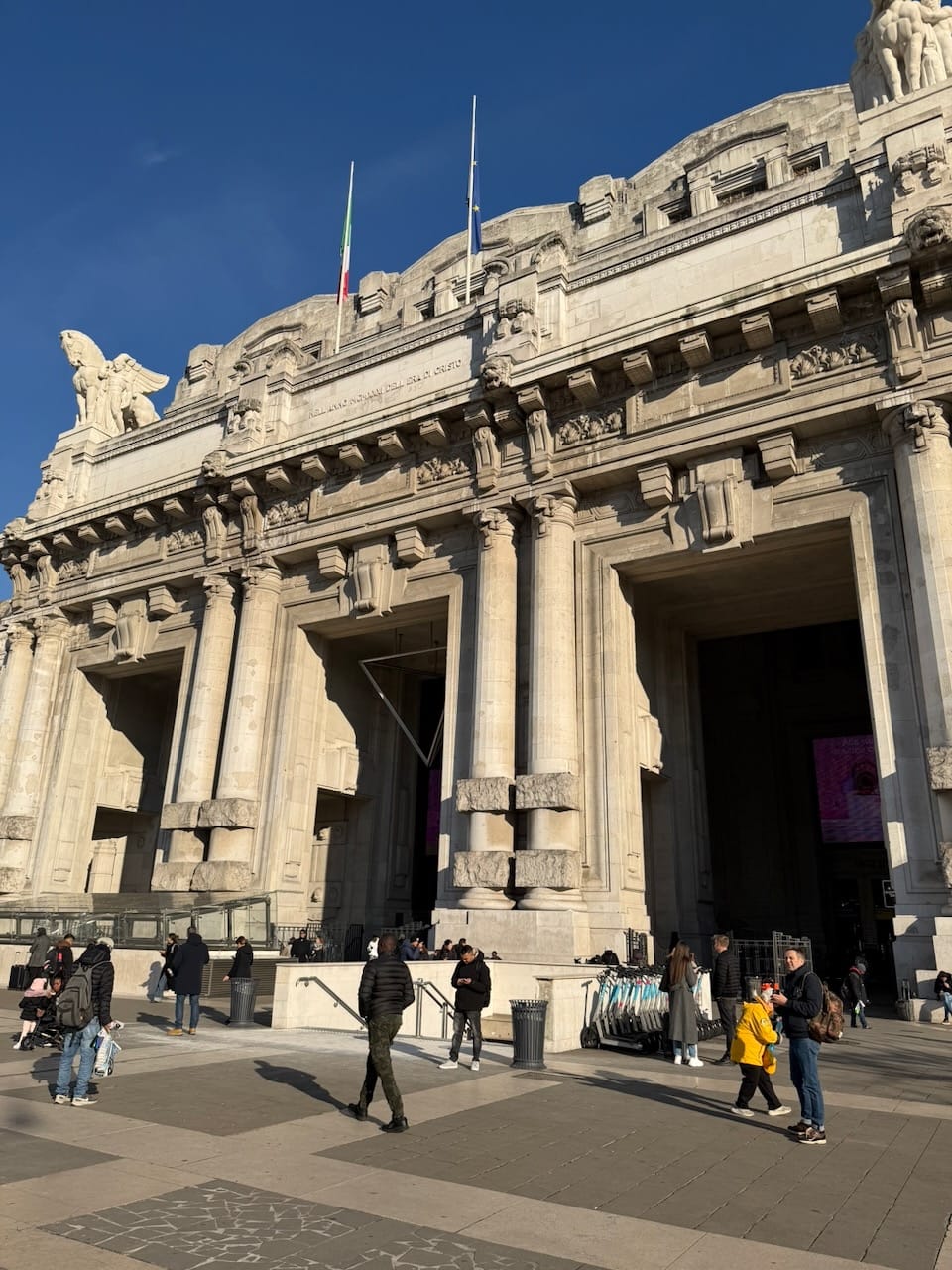
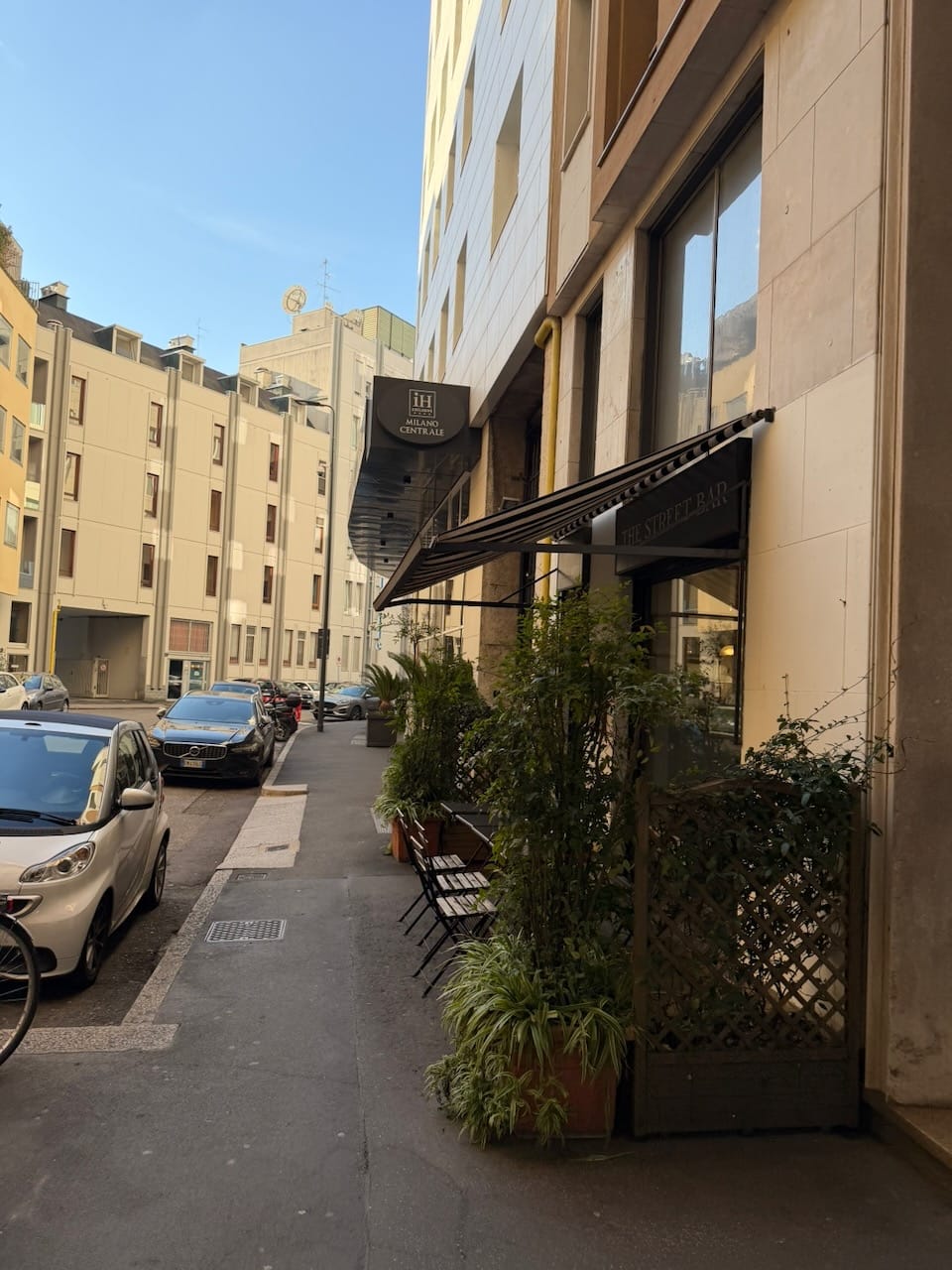
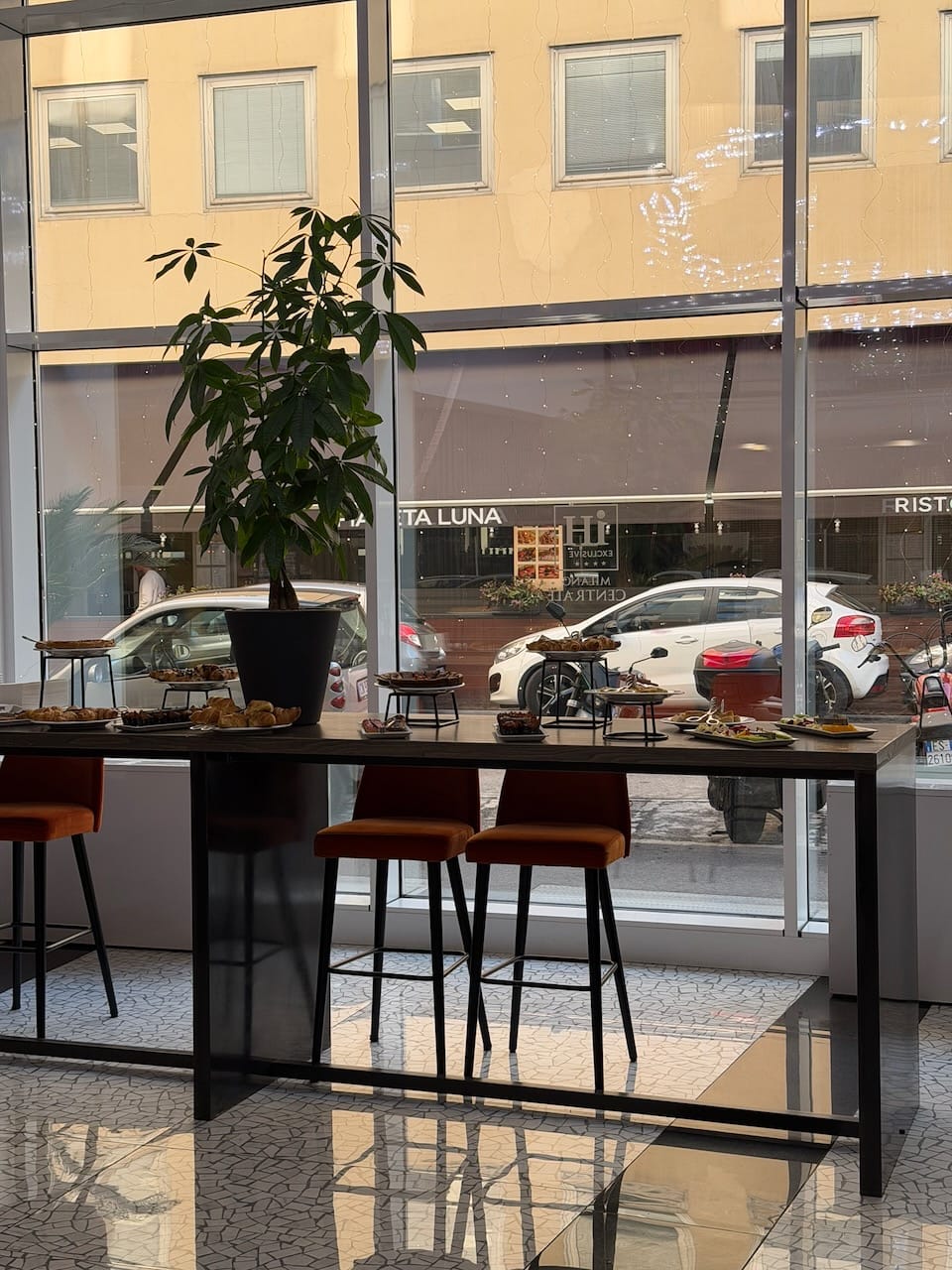
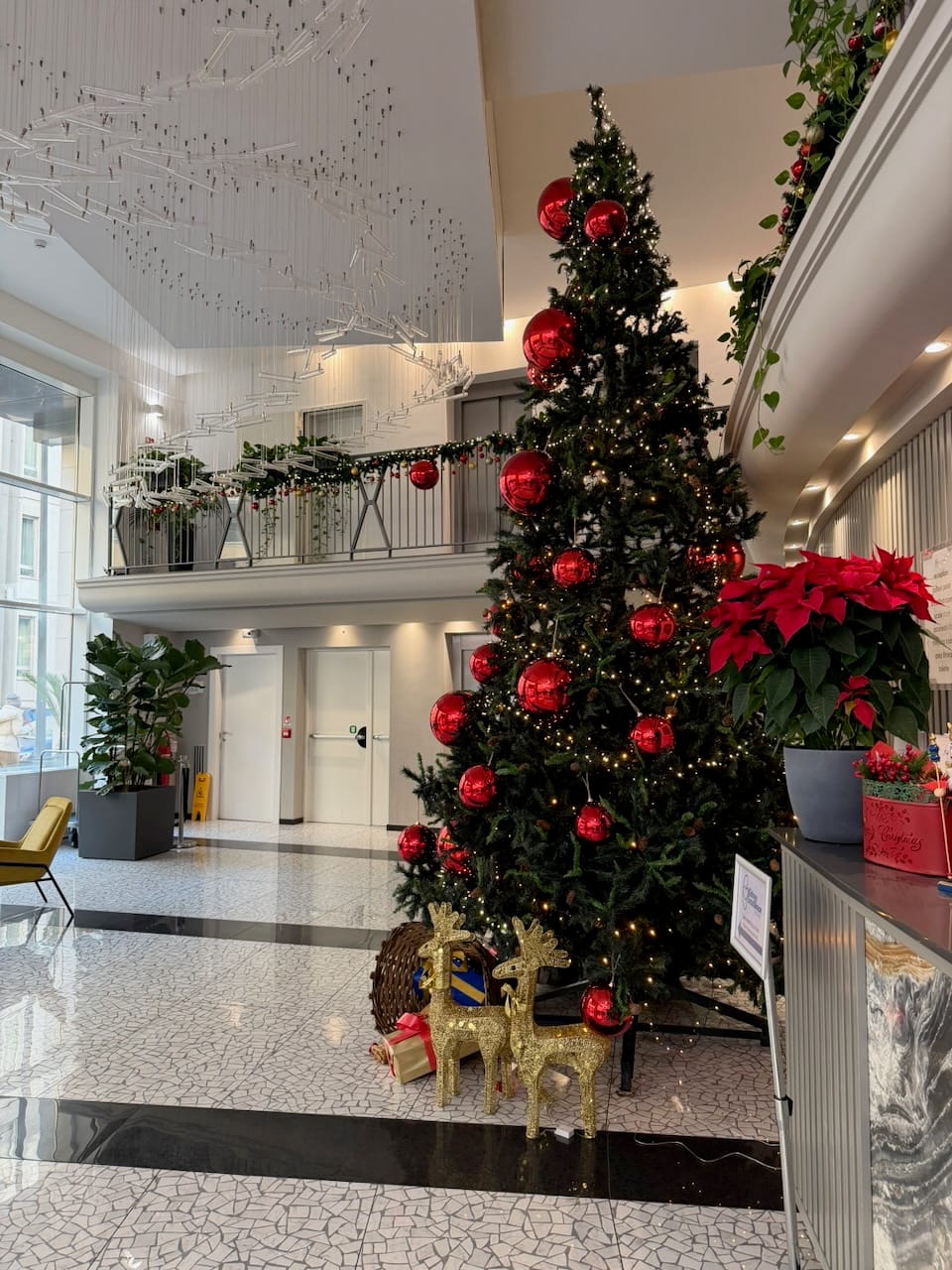
Milano Centrale itself was already a sightseeing destination. Opened in 1931, the station is defined by its massive iron-and-glass arched structure, bold symmetry, and monumental scale, a blend of early 20th-century engineering and grand architecture. Our hotel followed the same strategy as the others: close to the station. We stayed at iH Executive Milano Centrale, just a five-minute walk away. We dropped our bags and headed straight back out into the streets.
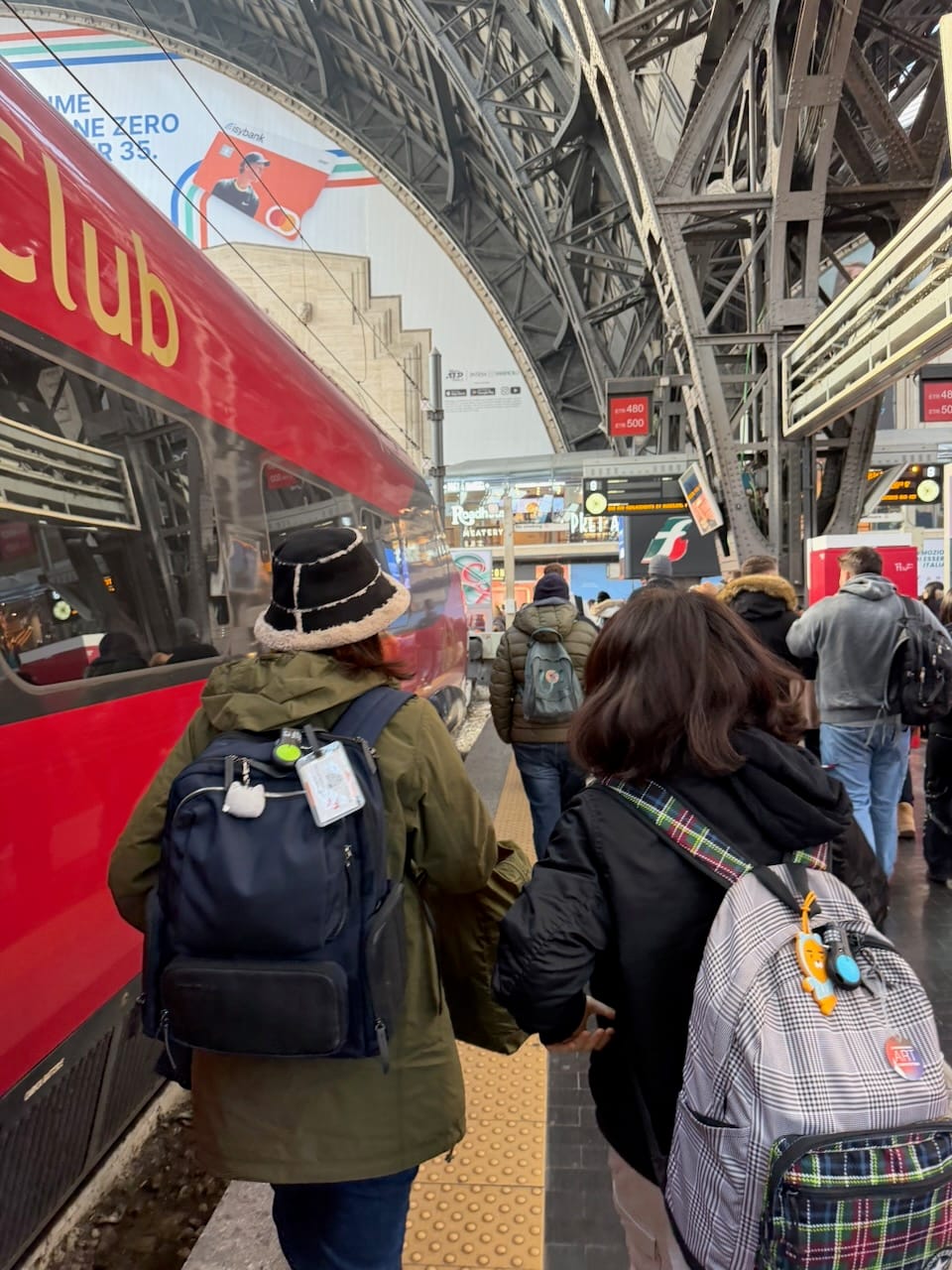
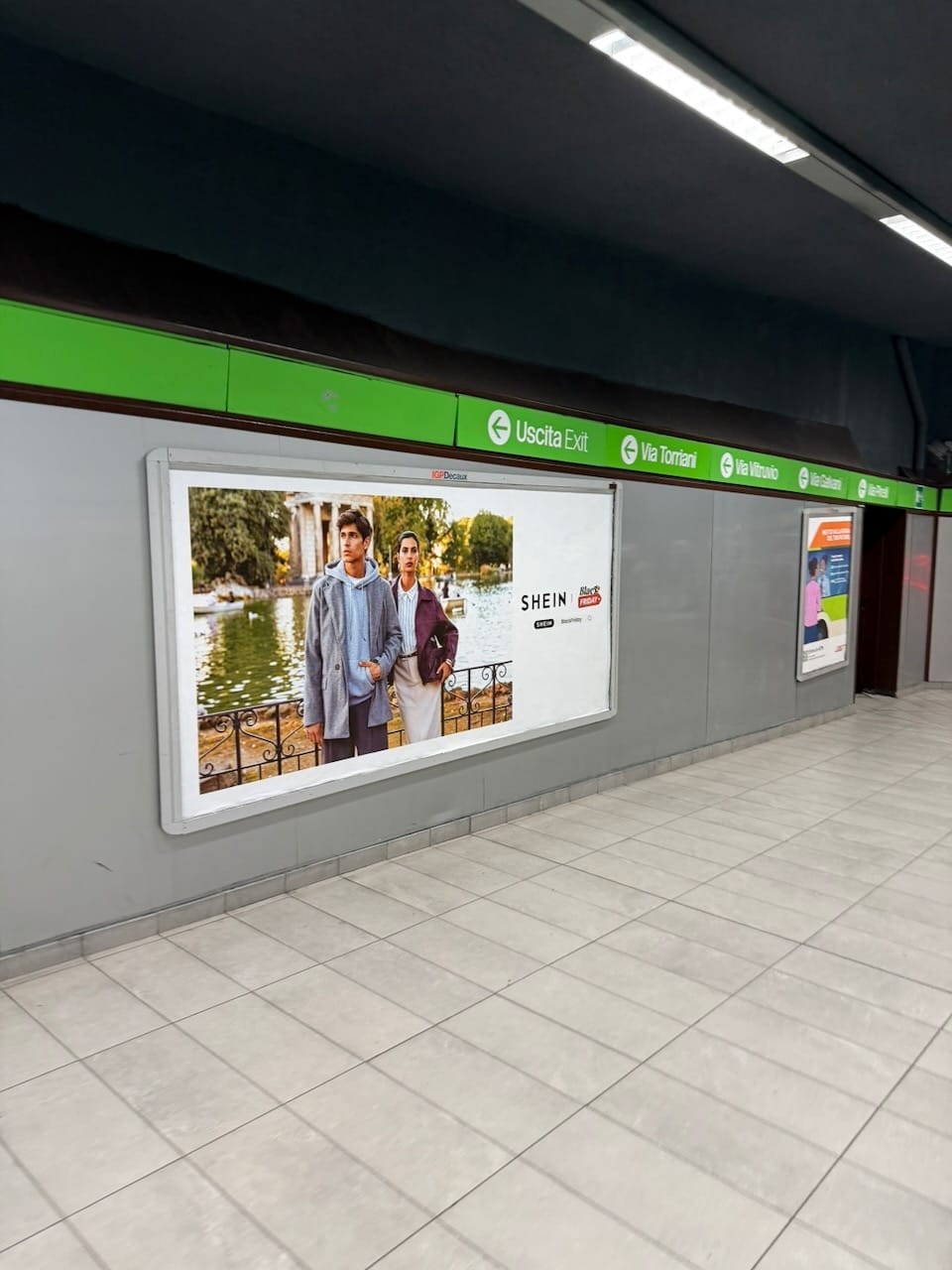
We headed to Piazza del Duomo. We took the subway and bought day passes. There was a long line at the ticket vending machines, but we noticed that the same passes were sold at a small concession shop near the gate, so we grabbed them there and moved on easily.
Almost immediately, Milan felt different from the other cities. In Rome, Firenze, and Venezia, I constantly felt like I was walking through history. Milan, on the other hand, felt like a living, contemporary metropolis. More like Seoul or New York. Not just a place people visit, but a place people actually live. The number of locals, the pace, and the energy all made the difference.
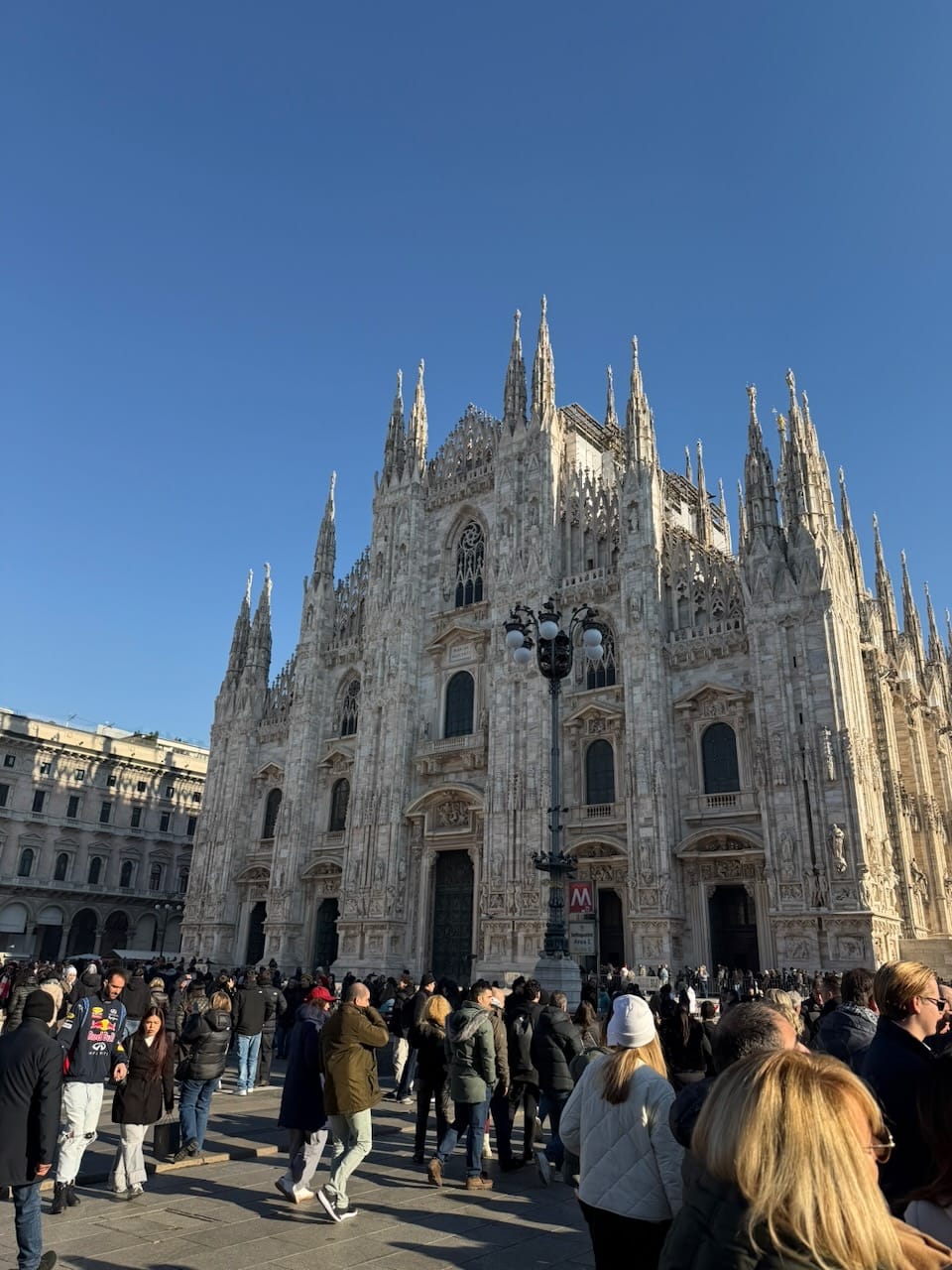
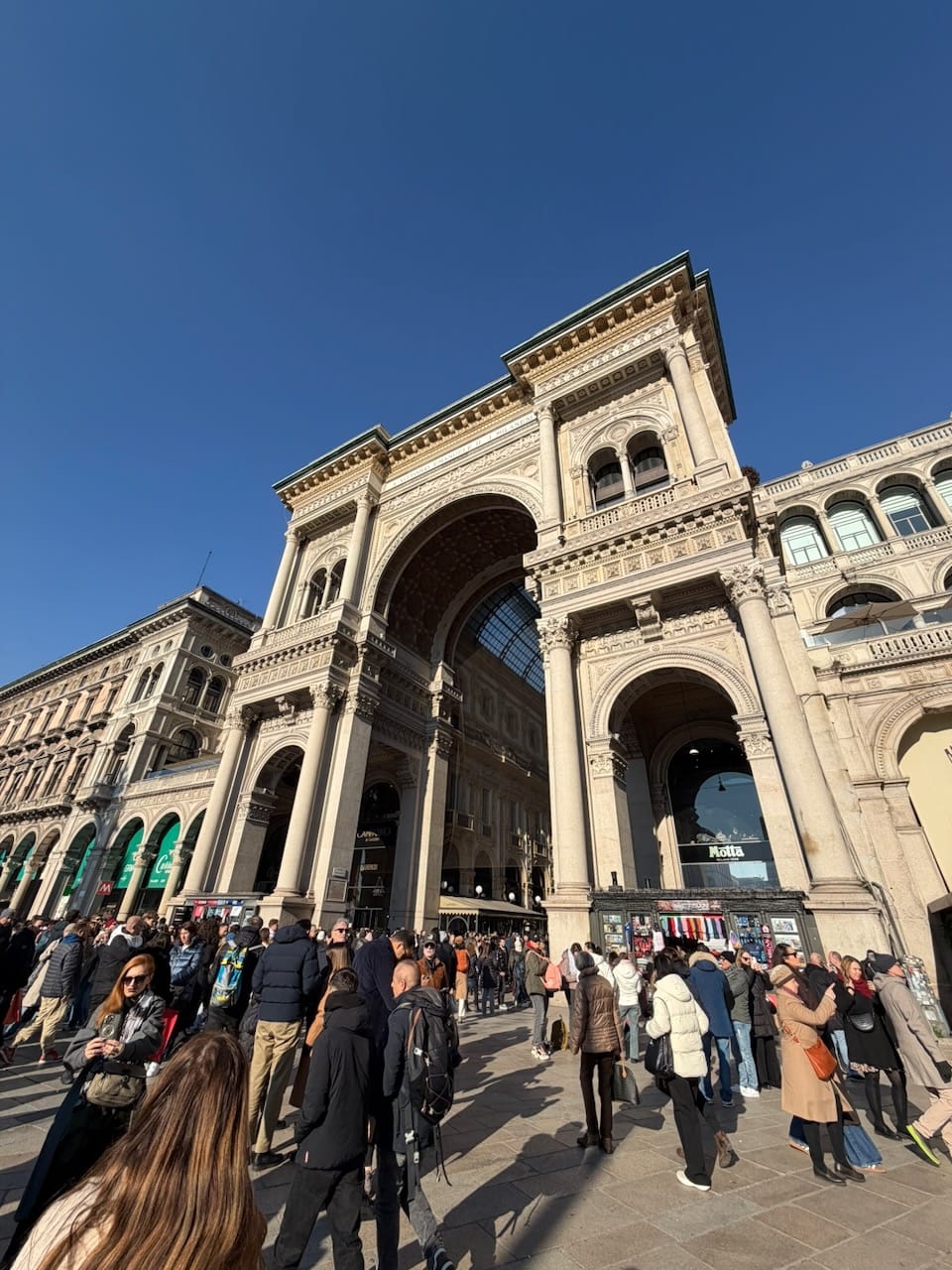
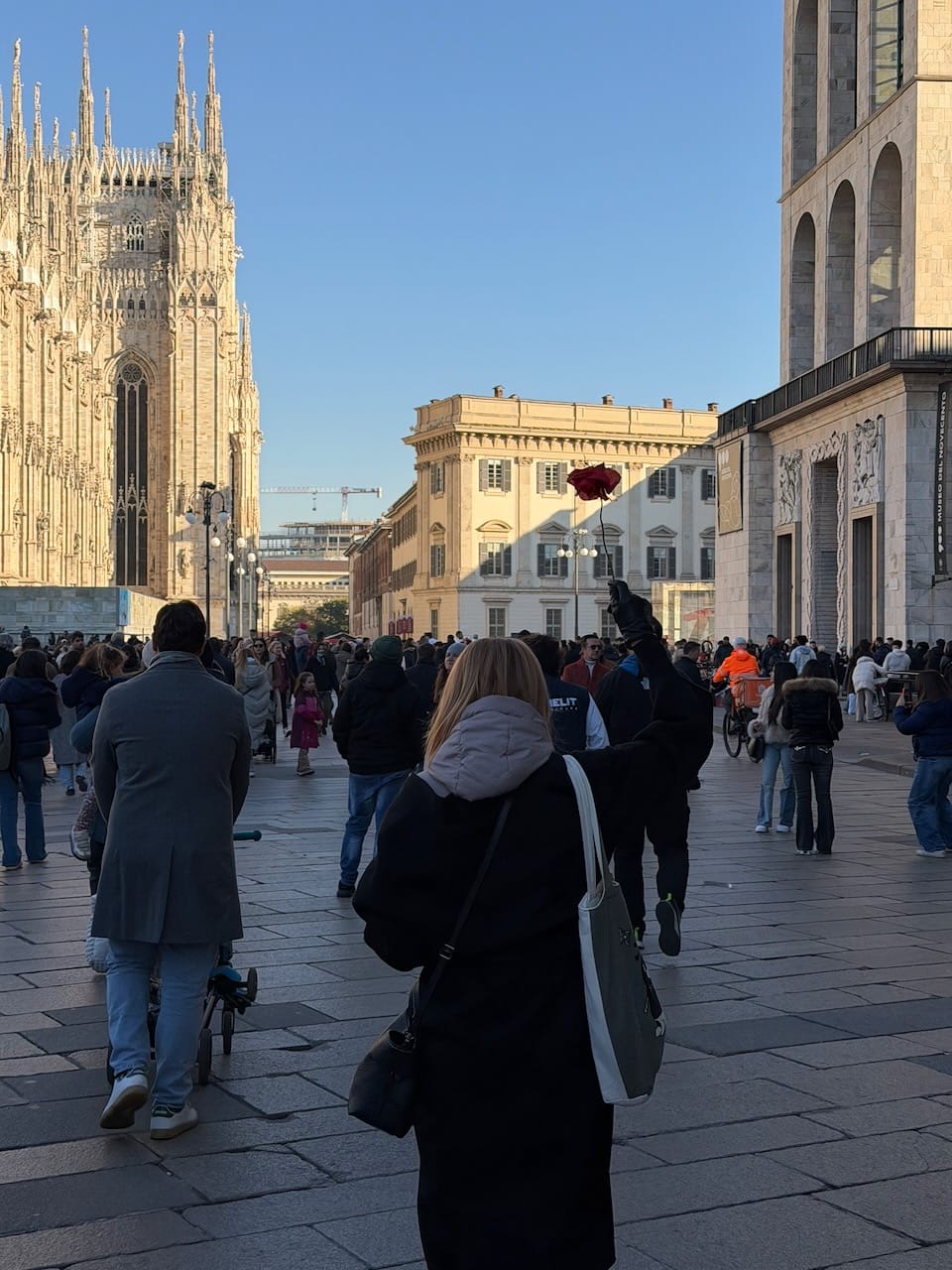
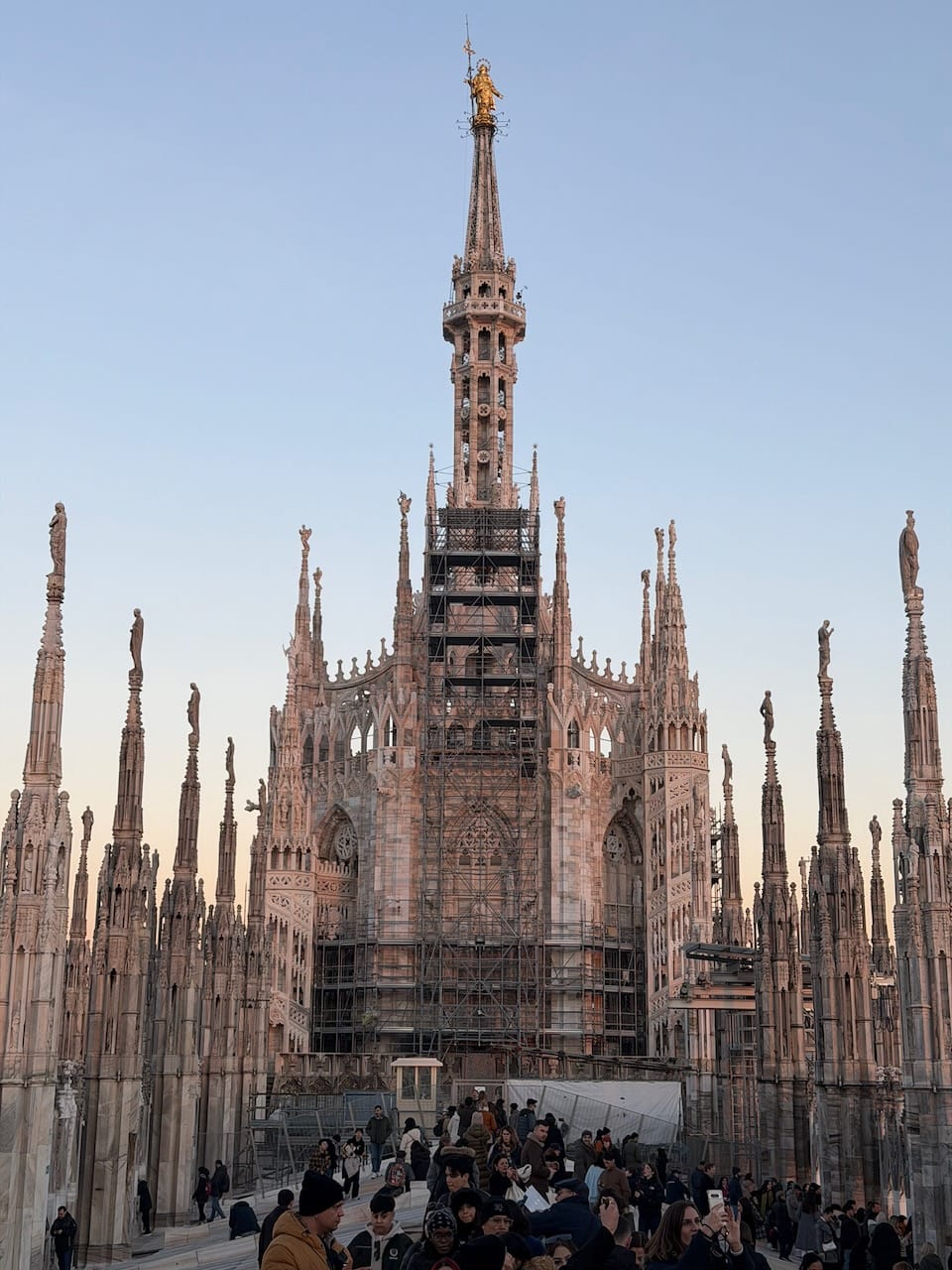
The square itself was overflowing with people and pigeons. Towering above everything was the magnificent Duomo di Milano, its forest of white spires reaching into the sky.
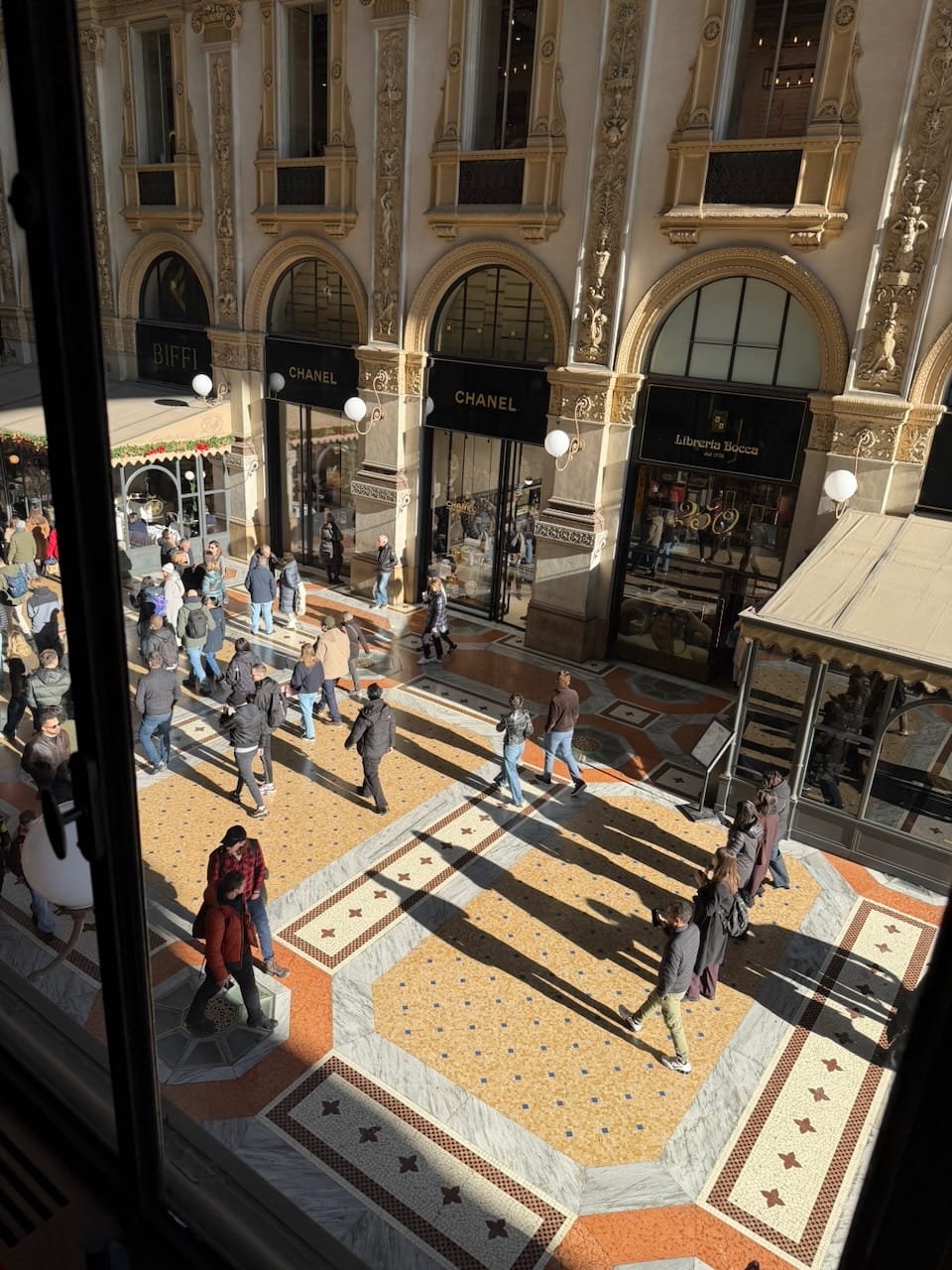
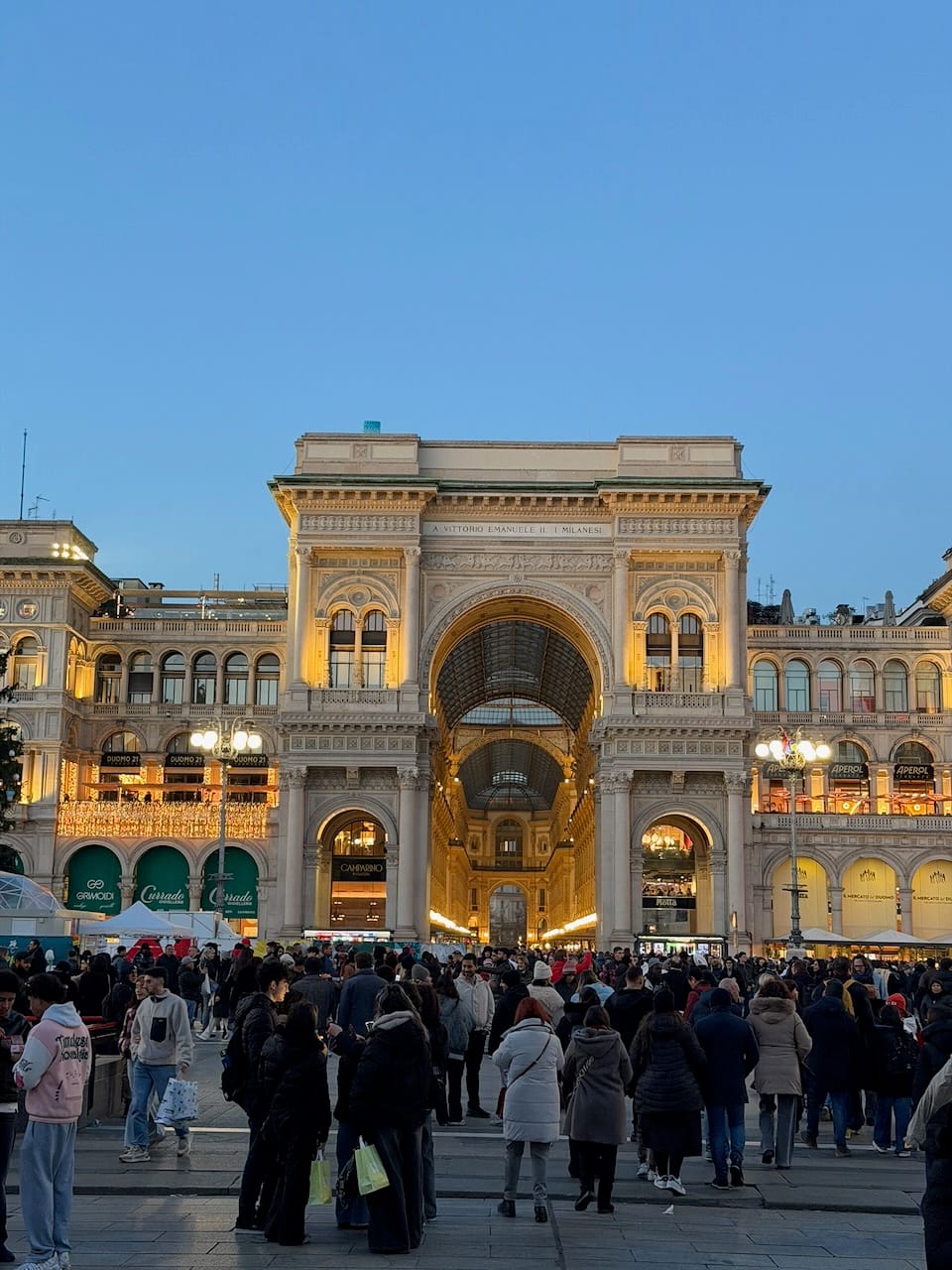
We still had time before lunch, so we wandered through Galleria Vittorio Emanuele II. The place was vibrant and theatrical, with its glass ceiling, polished floors, luxury storefronts, and constant movement. Built in the 19th century, it is one of the world’s oldest shopping malls, and it still feels like the living room of the city.
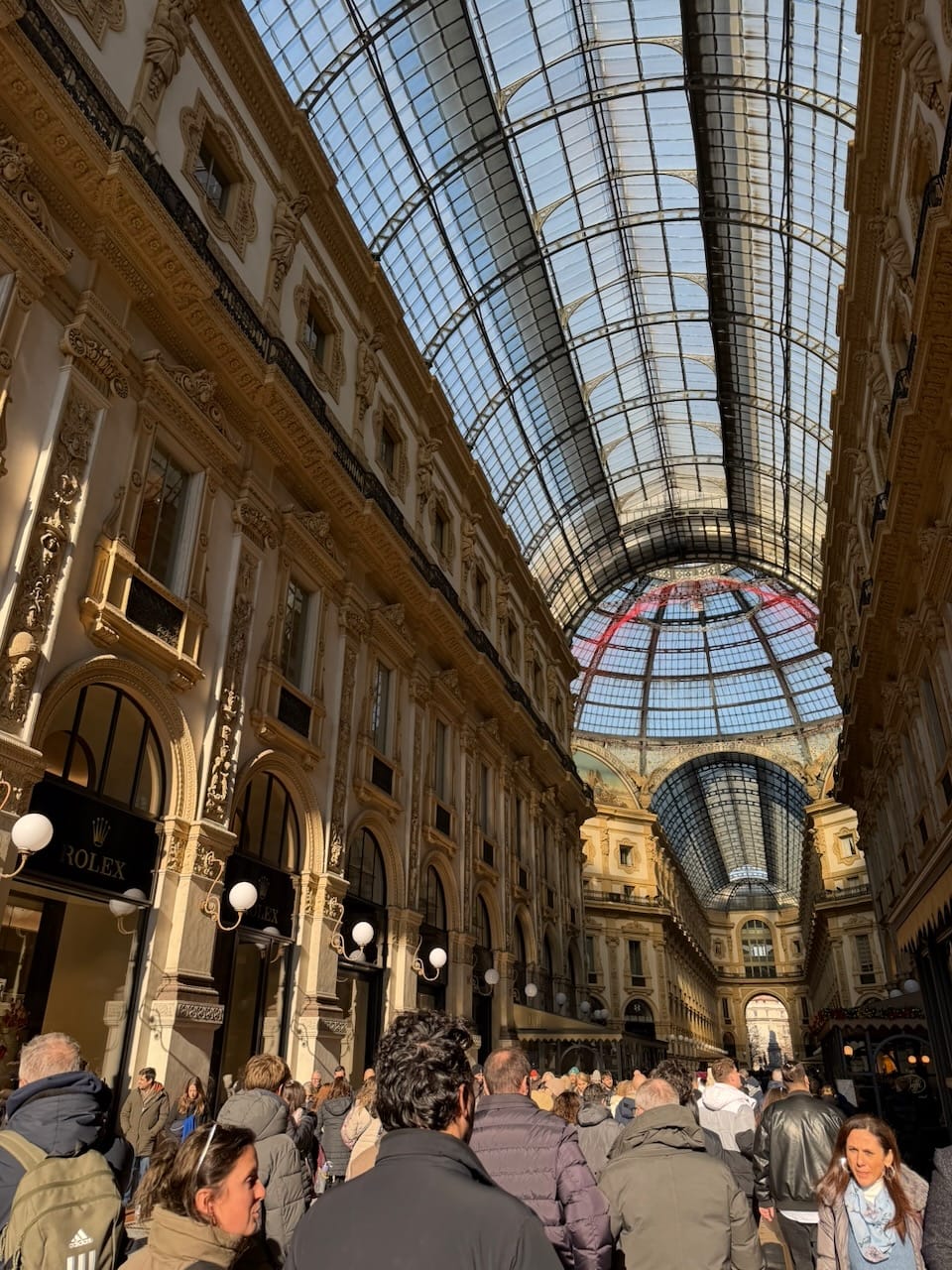
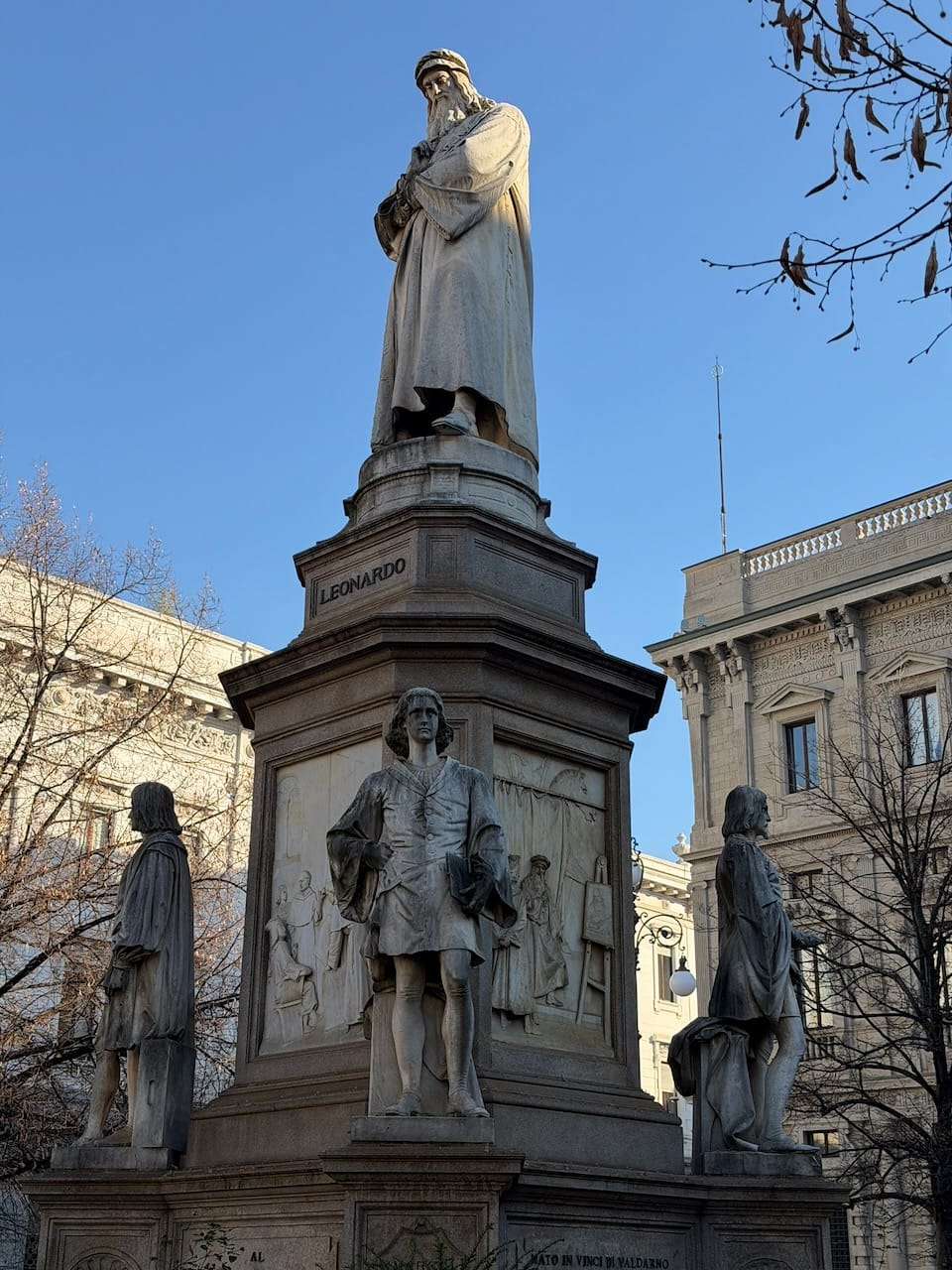
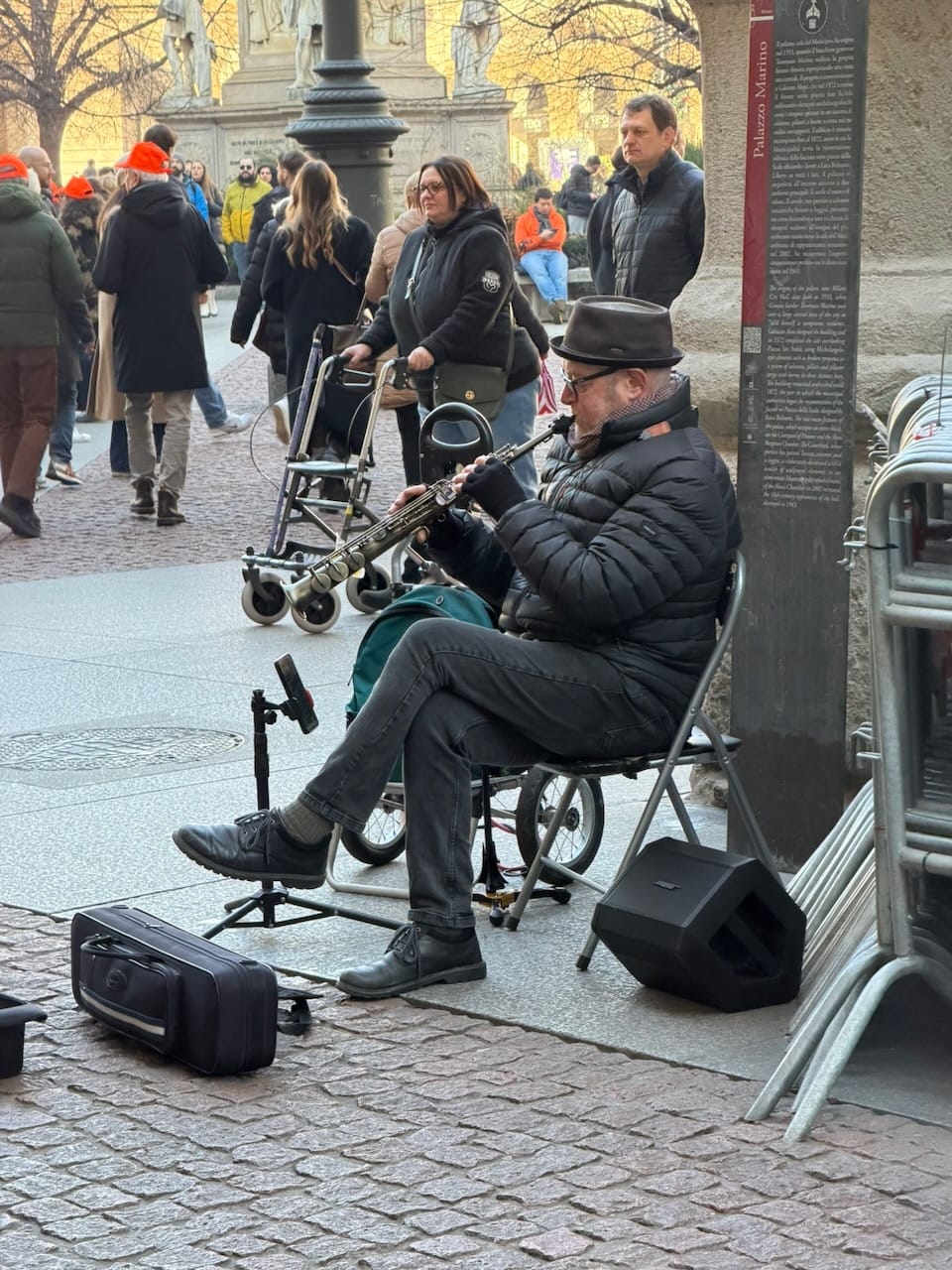
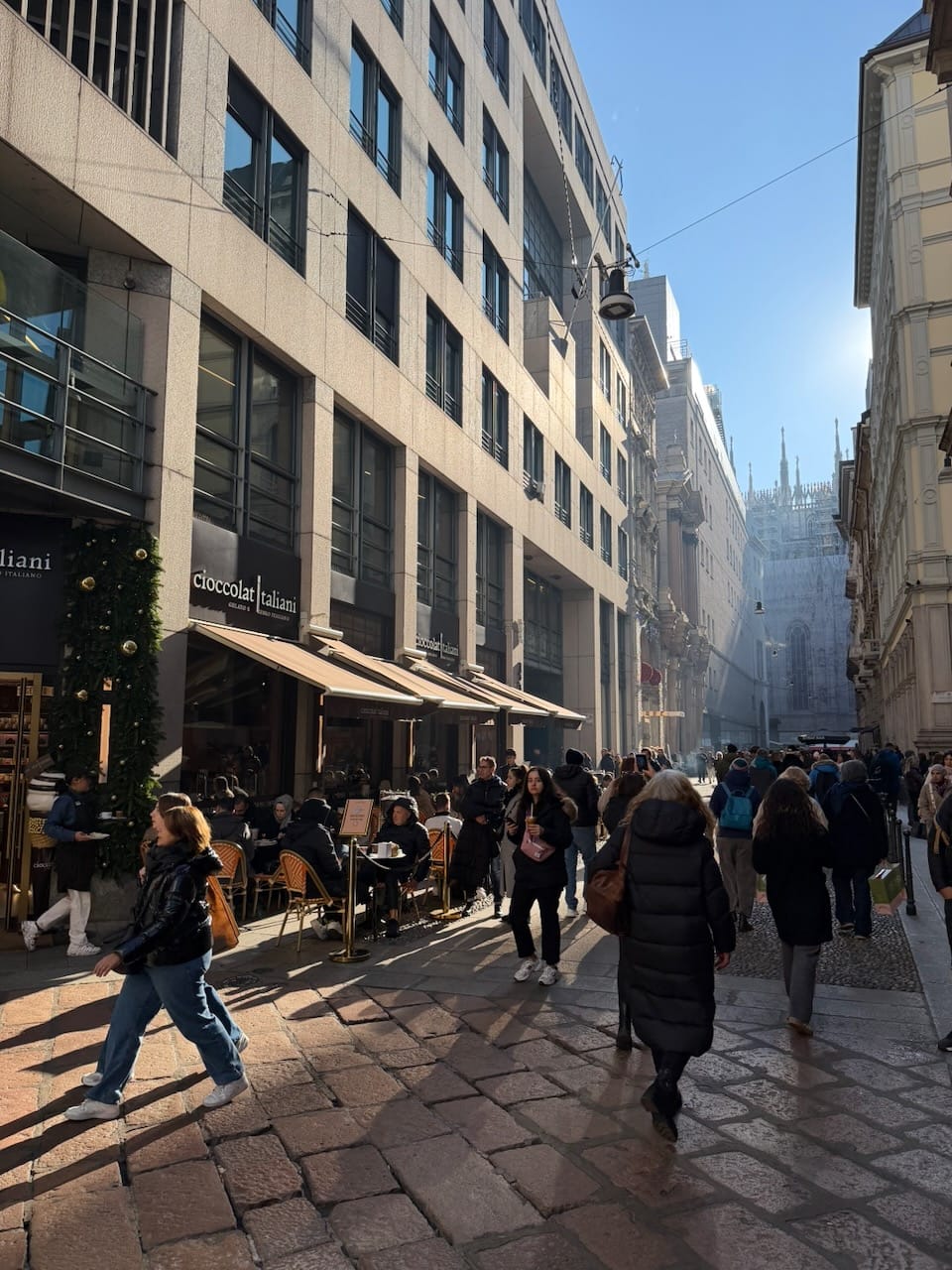
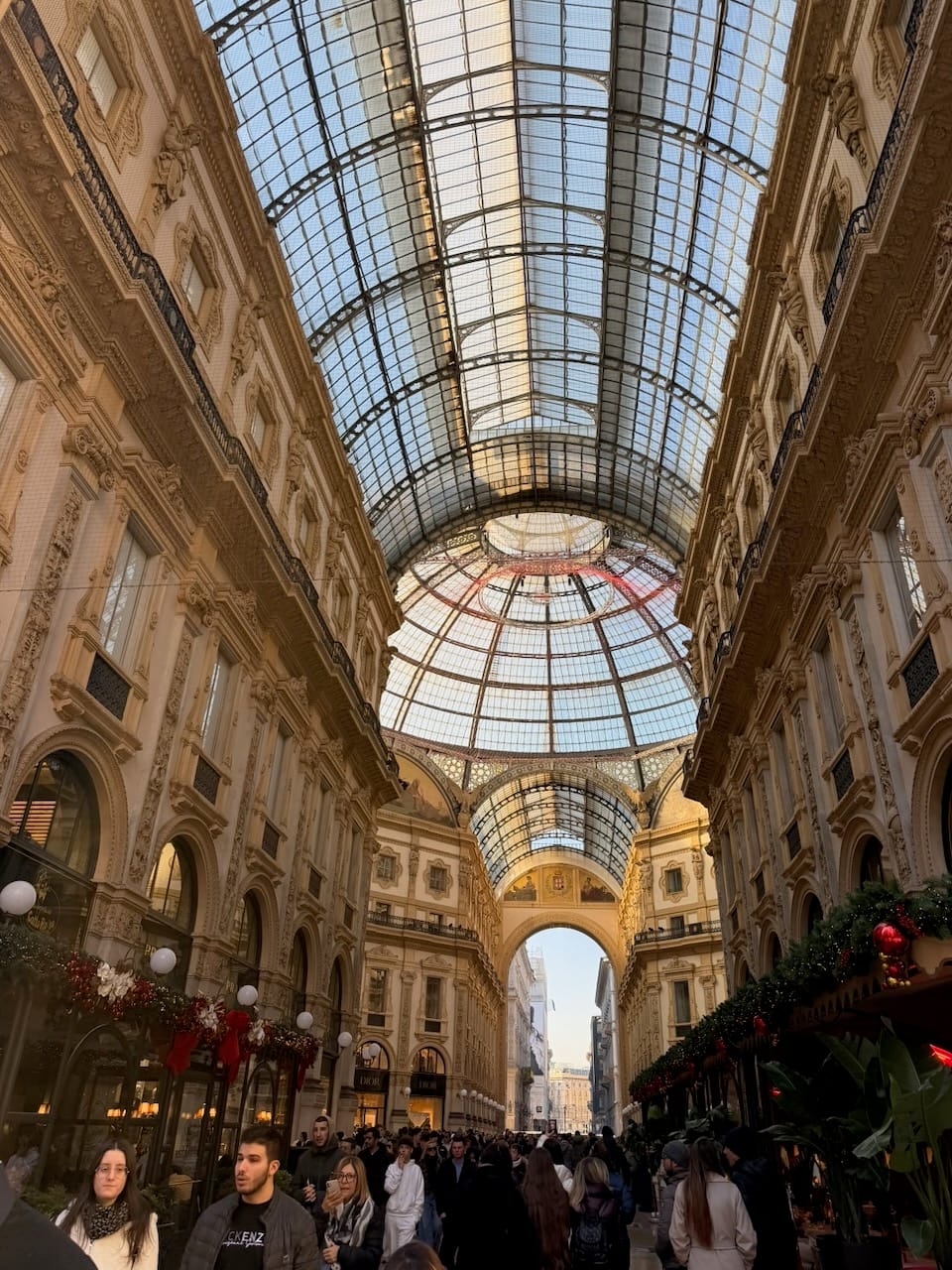
At the far end of the main passage, we came upon a statue of Leonardo da Vinci, quietly watching the crowd, a reminder that even in this very modern city, the giants of the past are never far away.
We had lunch at Camparino in Galleria, one of Milan’s most iconic spots. The bar has a long history with Campari, the famous Italian bitter aperitif invented in nearby Novara in the 19th century. Camparino has been serving classic Campari drinks here for generations, and its location in the heart of the Galleria Vittorio Emanuele II makes it feel like the historic social hub of the city.
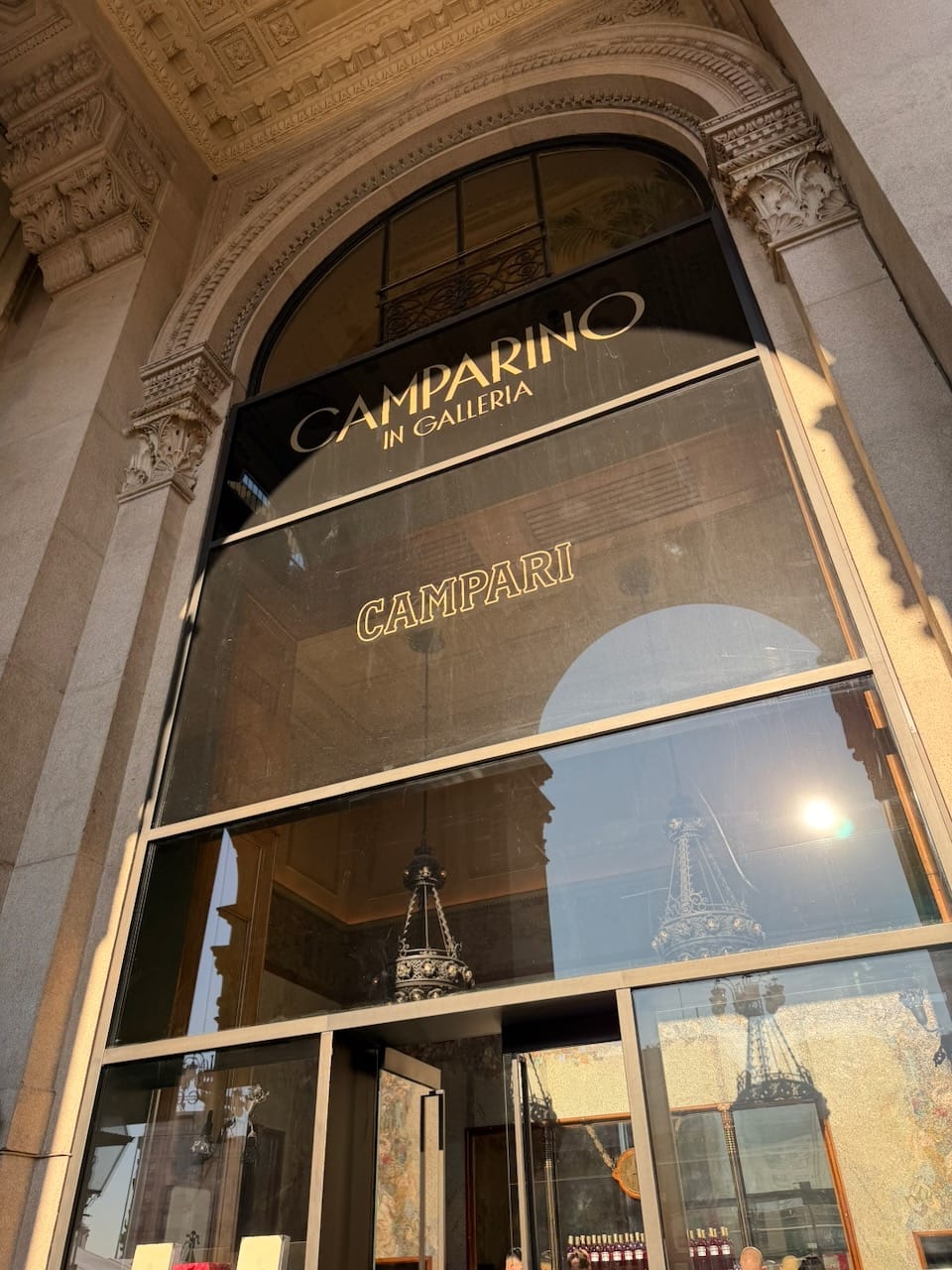
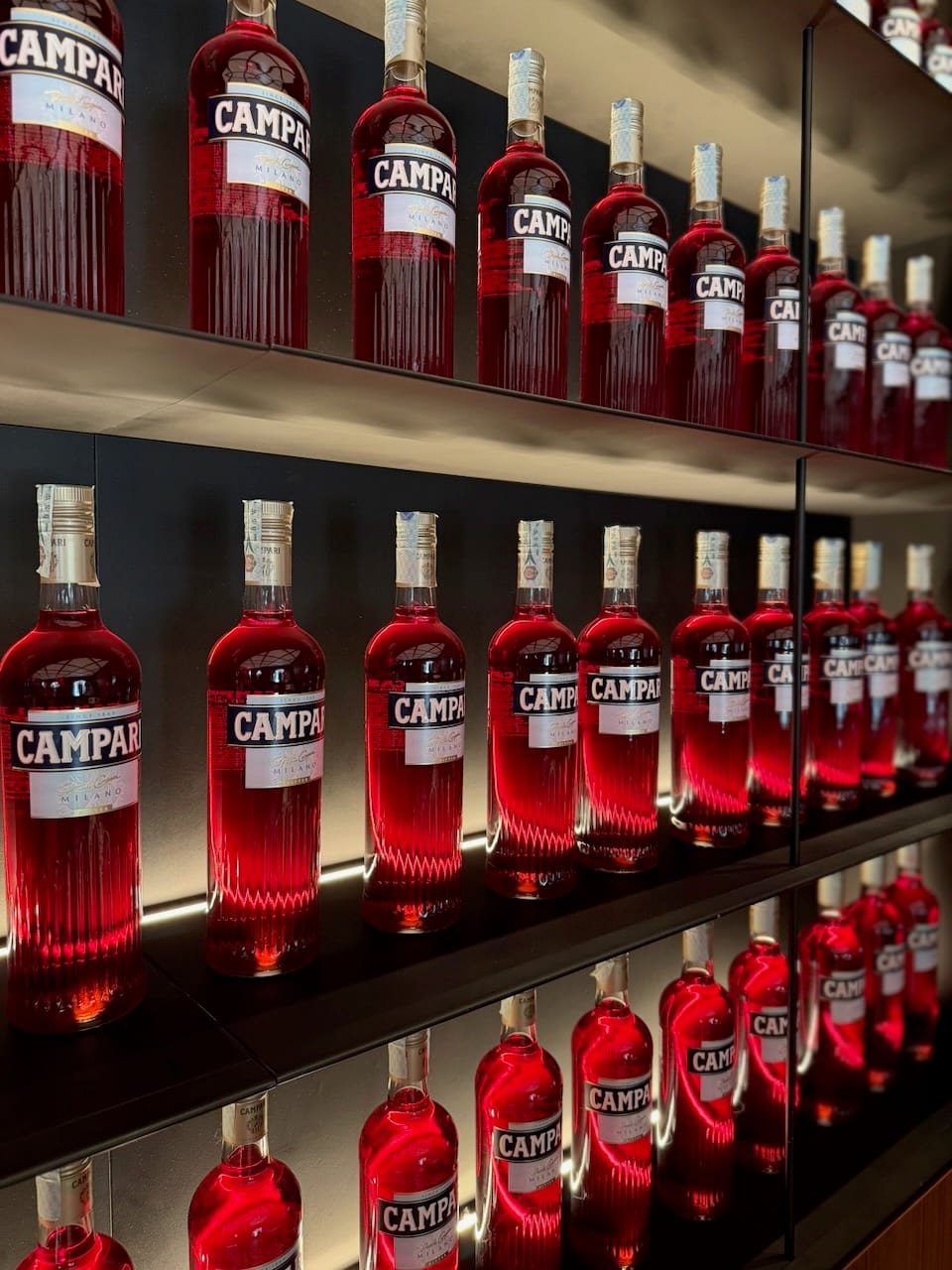
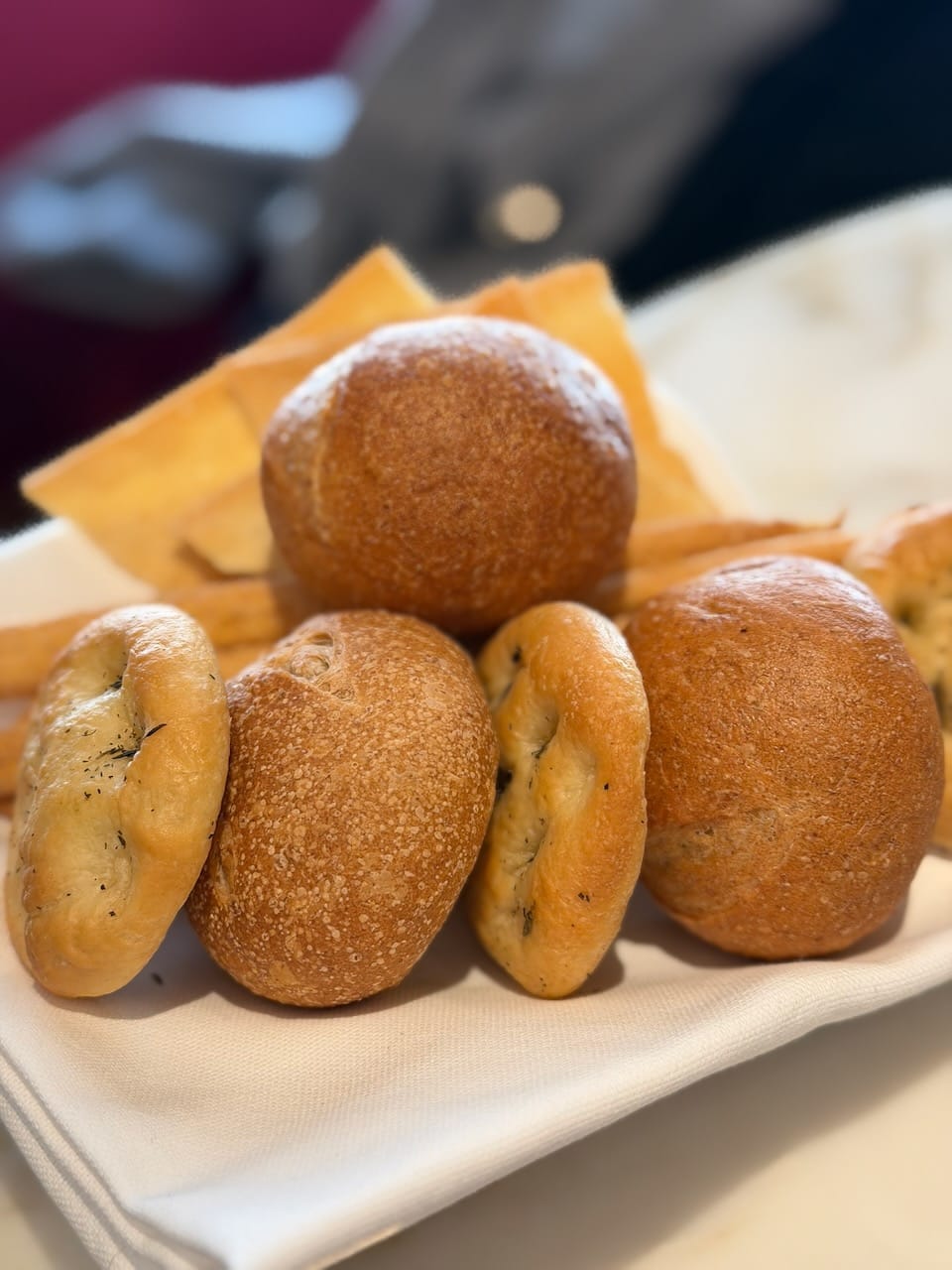
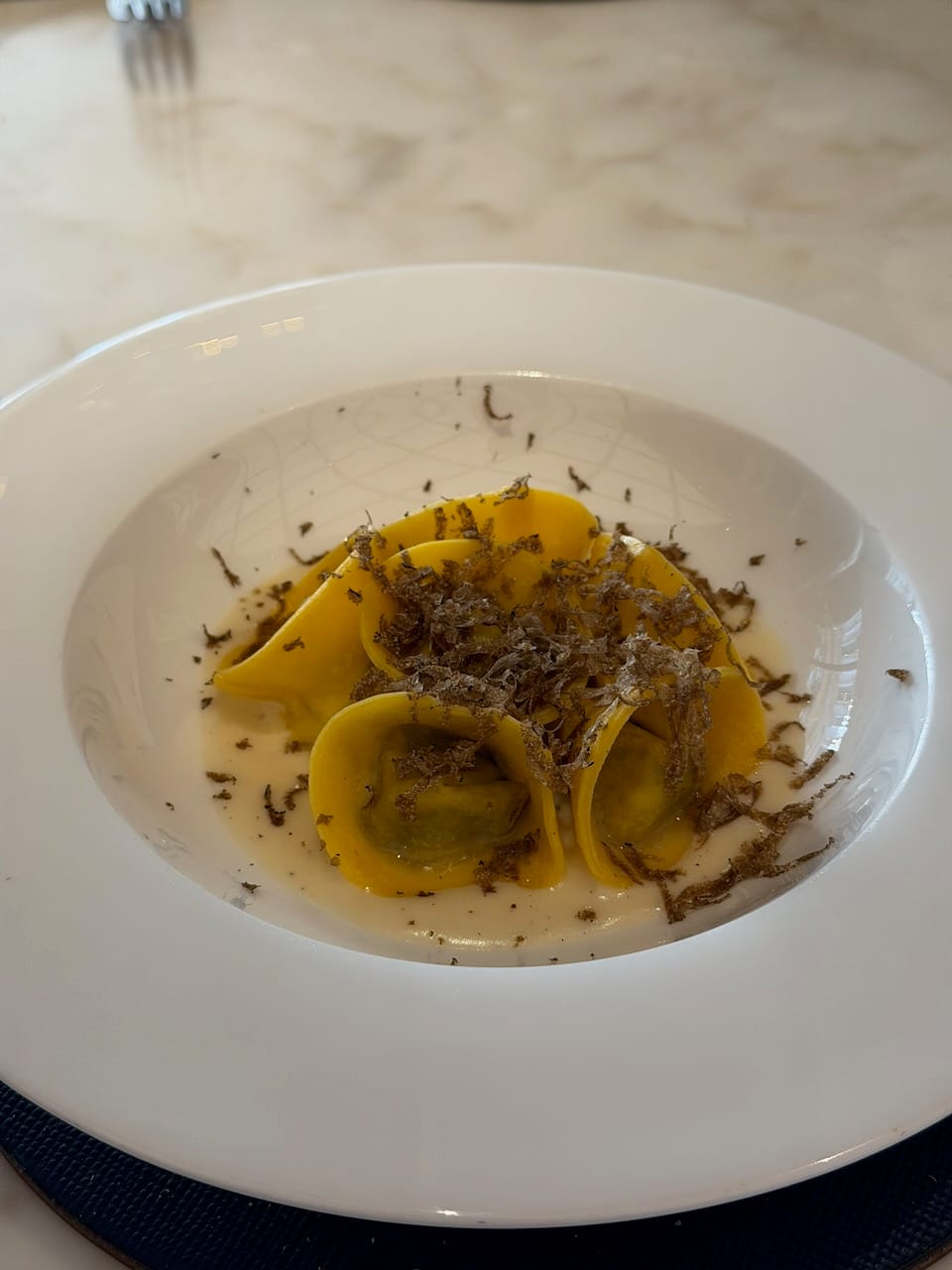
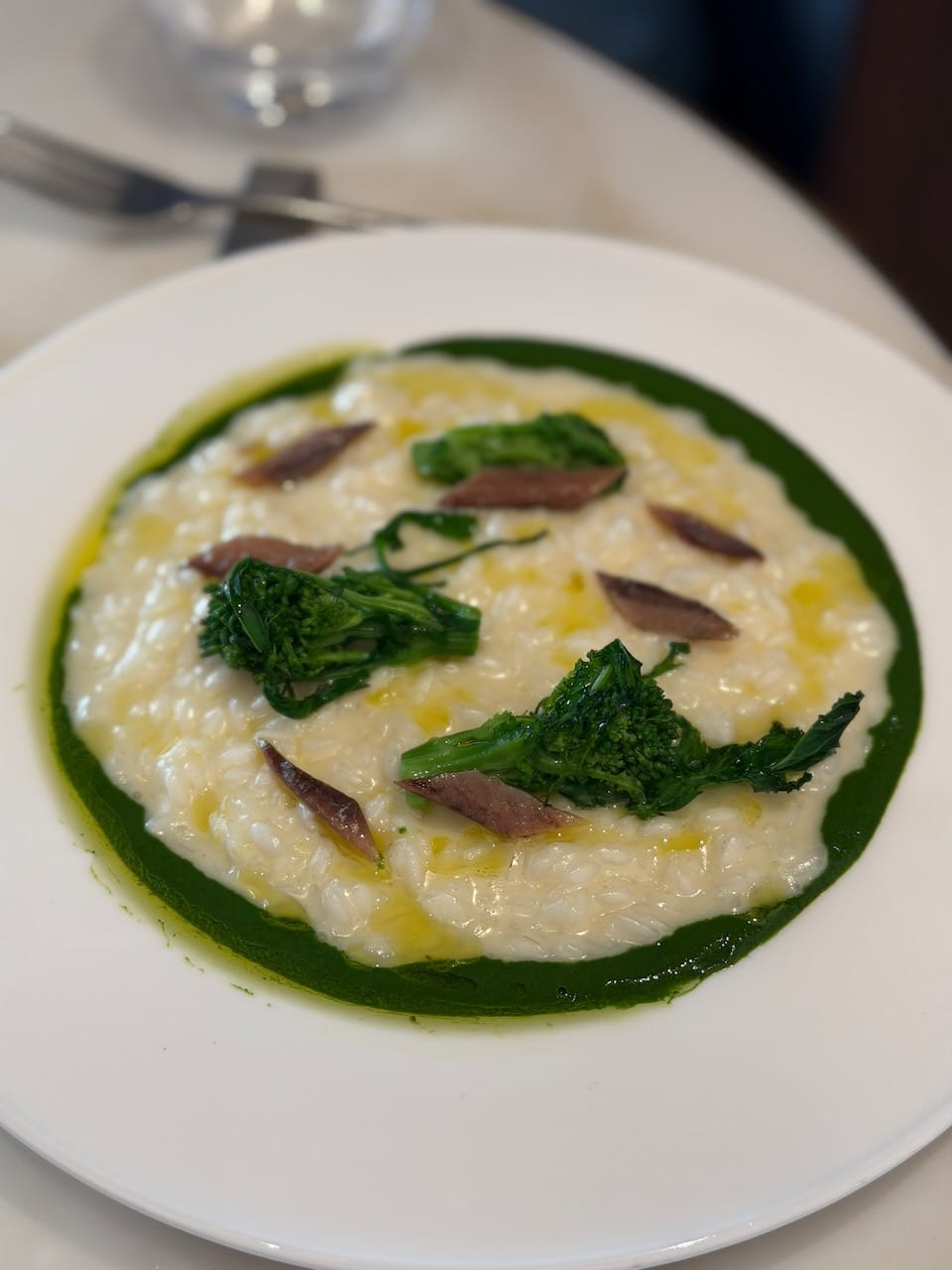
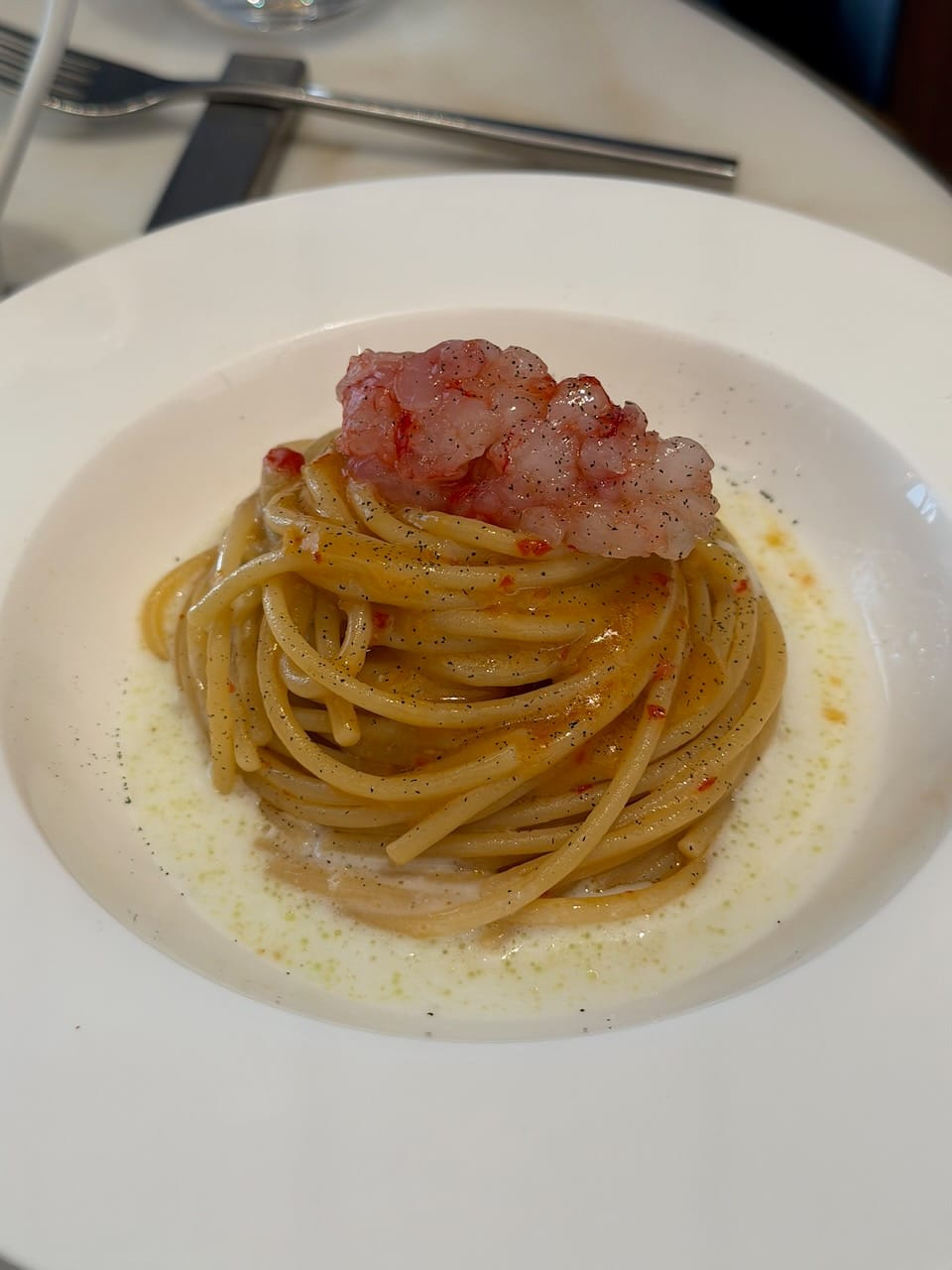
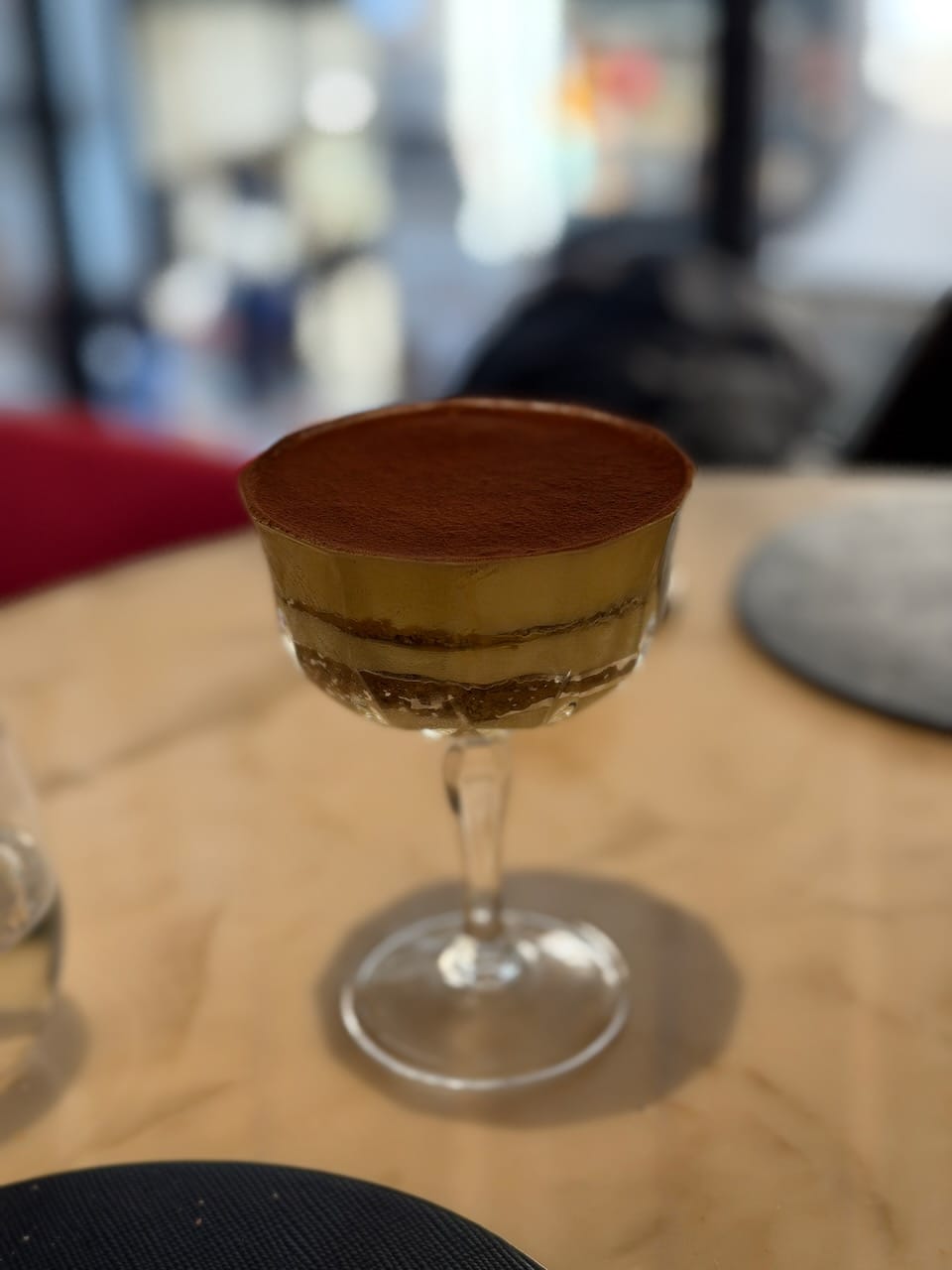
The place has a familiar structure: a lively bar with a casual atmosphere on the ground floor, where many people sipped bright red Campari spritzes and enjoyed light bites, and a more refined restaurant upstairs. (Italians often serve a pre-dining drink, frequently a spritz, before a meal. The classic spritz originated in northern Italy and typically includes a bitter aperitif (like Campari), sparkling wine, and a splash of soda.)
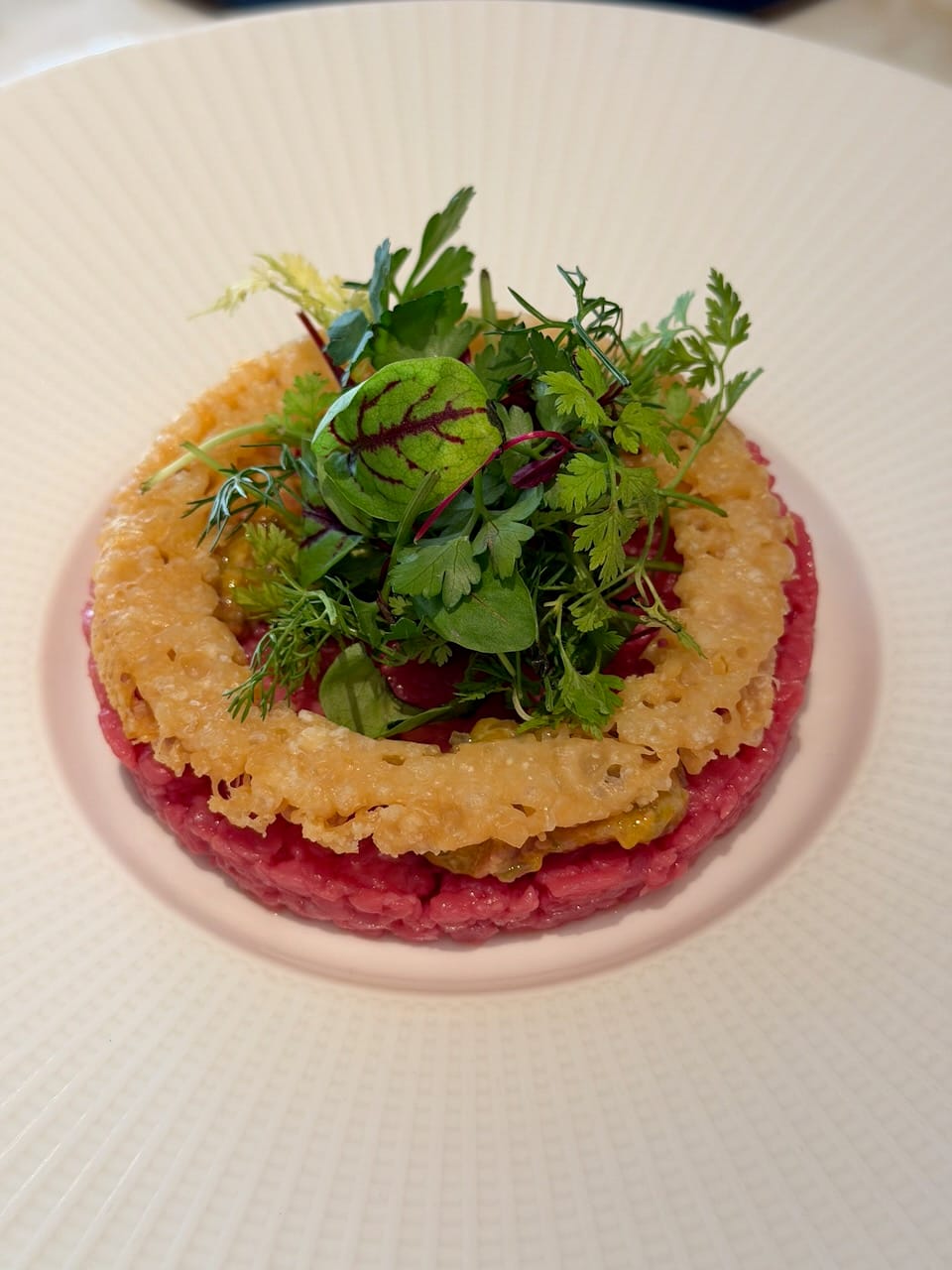
From our table on the second floor, we could look down into the vivid activity of the Galleria below. The meal itself was excellent—the risotto in particular stood out, rich, creamy, and beautifully balanced. It felt like the perfect pause in our day of exploring Milan.
We had booked a Duomo di Milano tour. I’d heard that it ranks somewhere between the third and fifth largest church in the world, depending on how you measure it. We booked through Viator mainly because it offered fast-track access to the rooftop terrace, which was our main goal.
Finding our group was easy. The guide carried a rose-colored flag, and for a moment I felt that this whole “follow the flag” system has truly become a global standard.
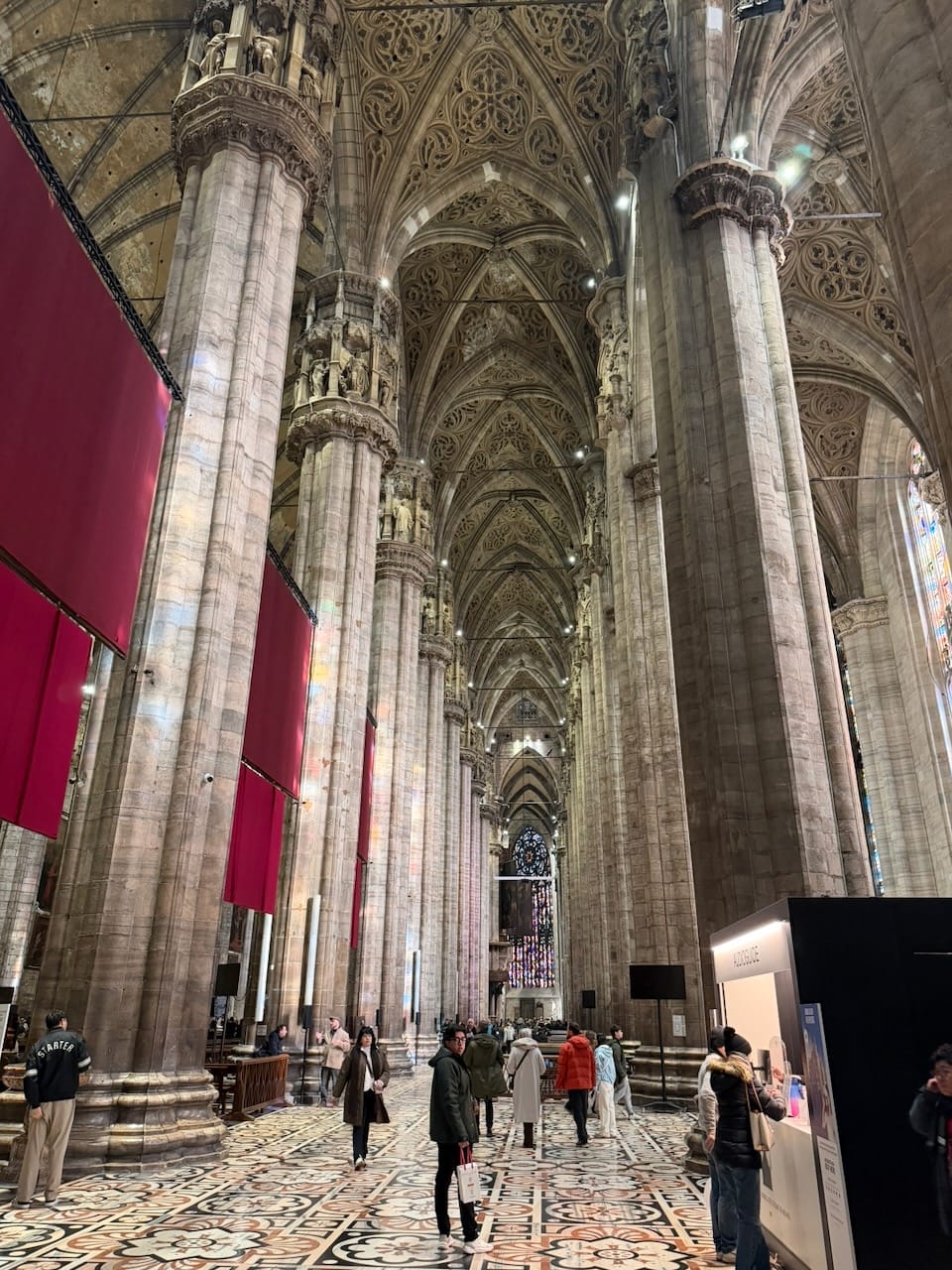
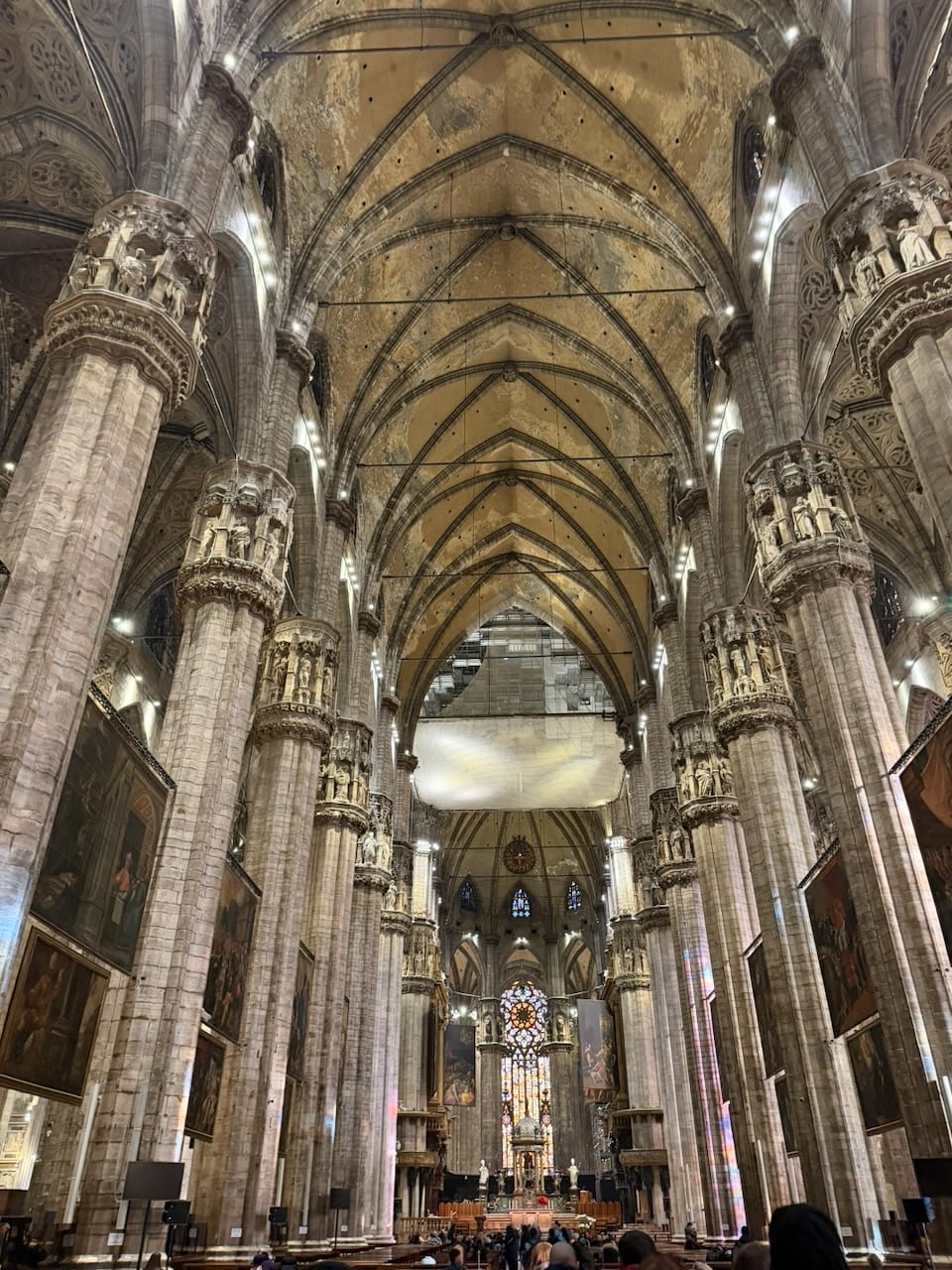
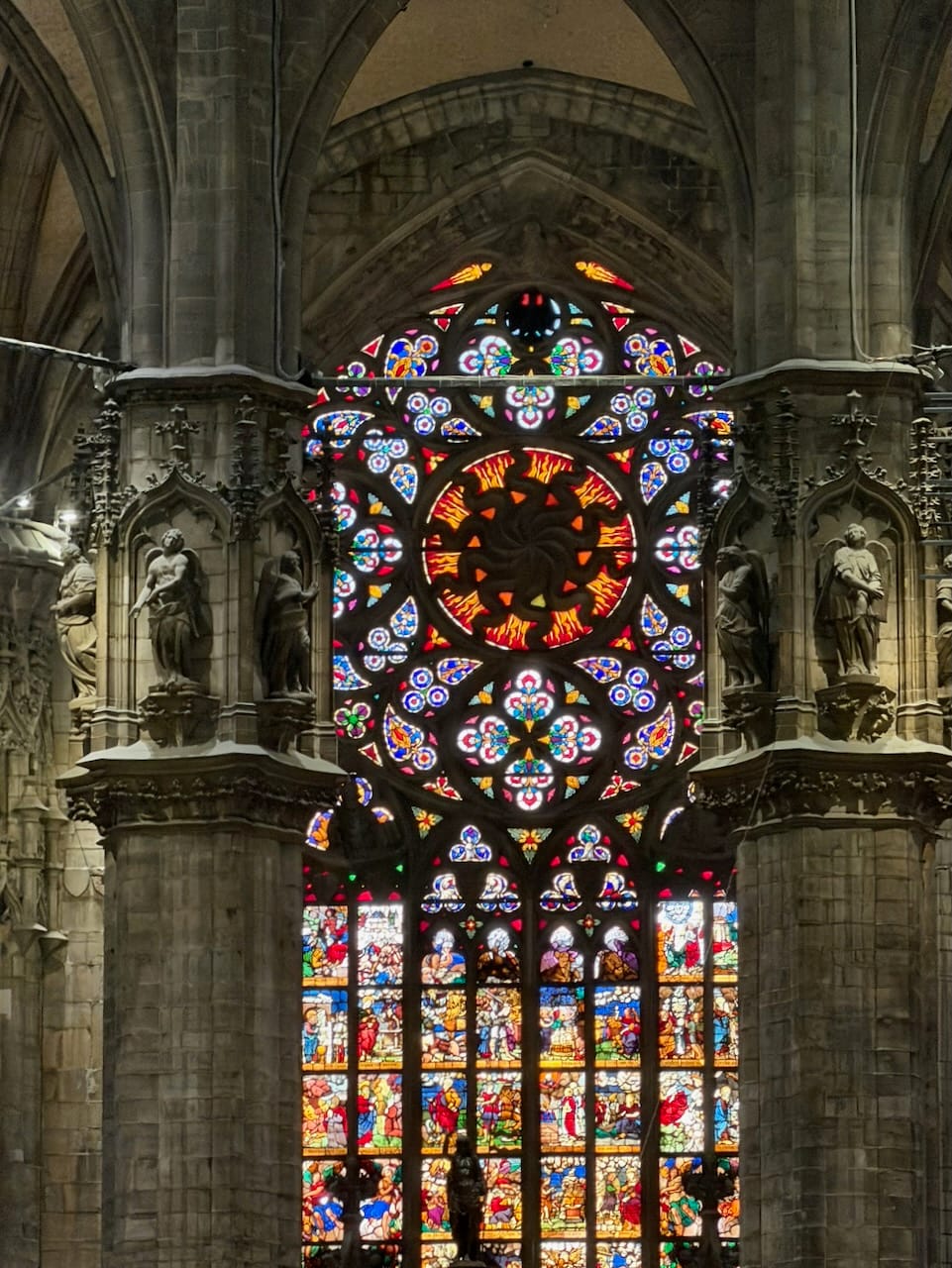
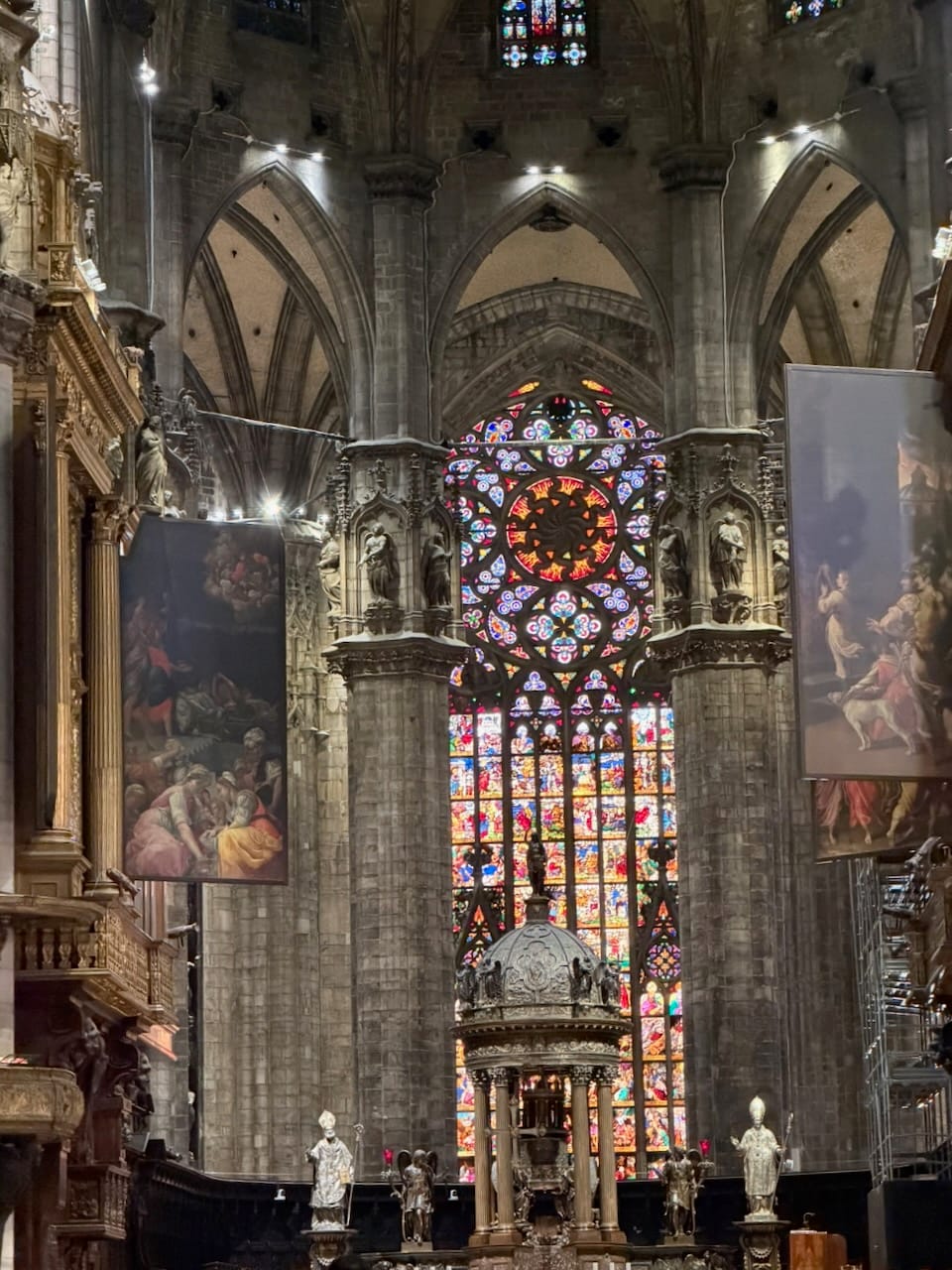
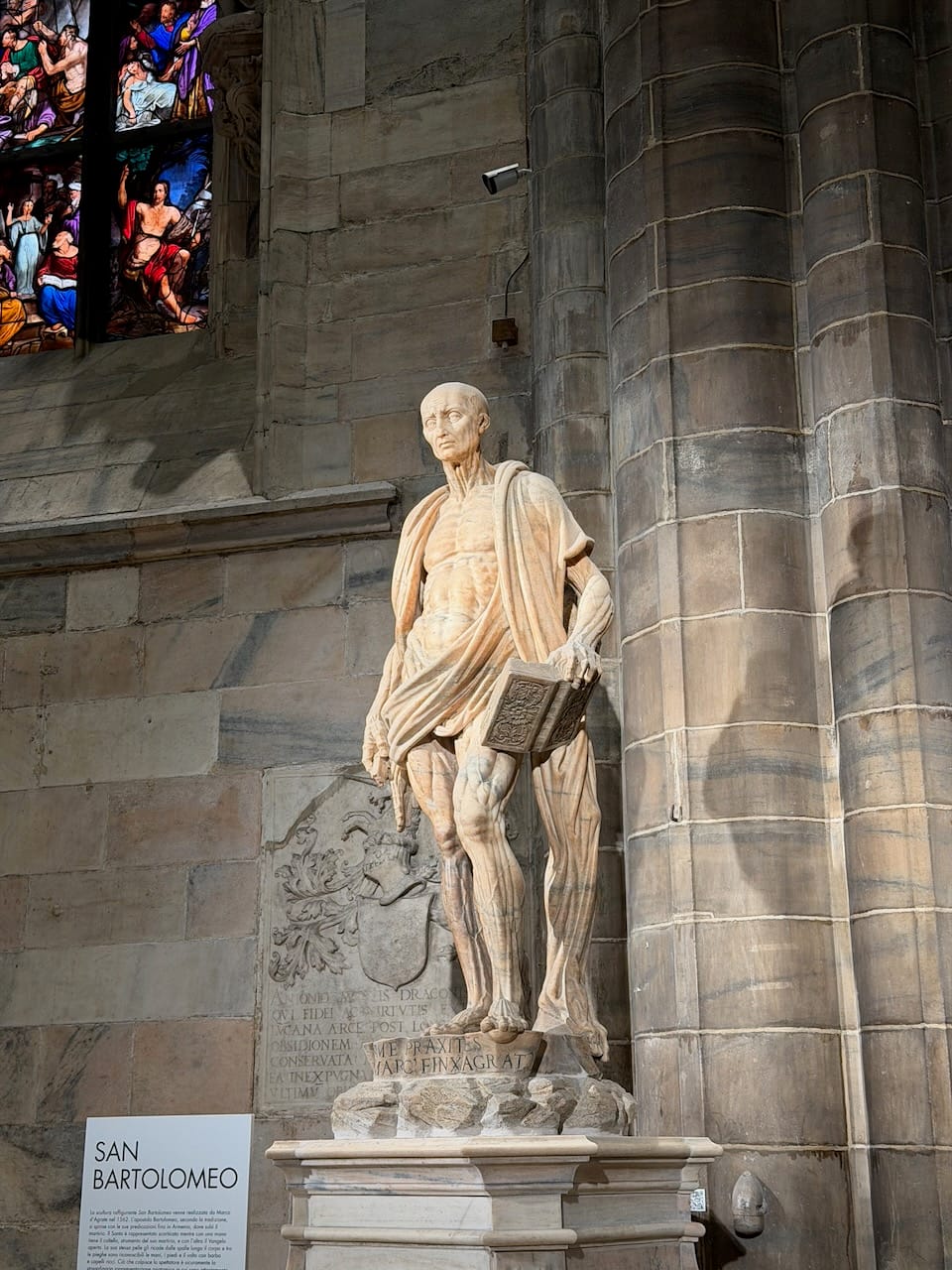
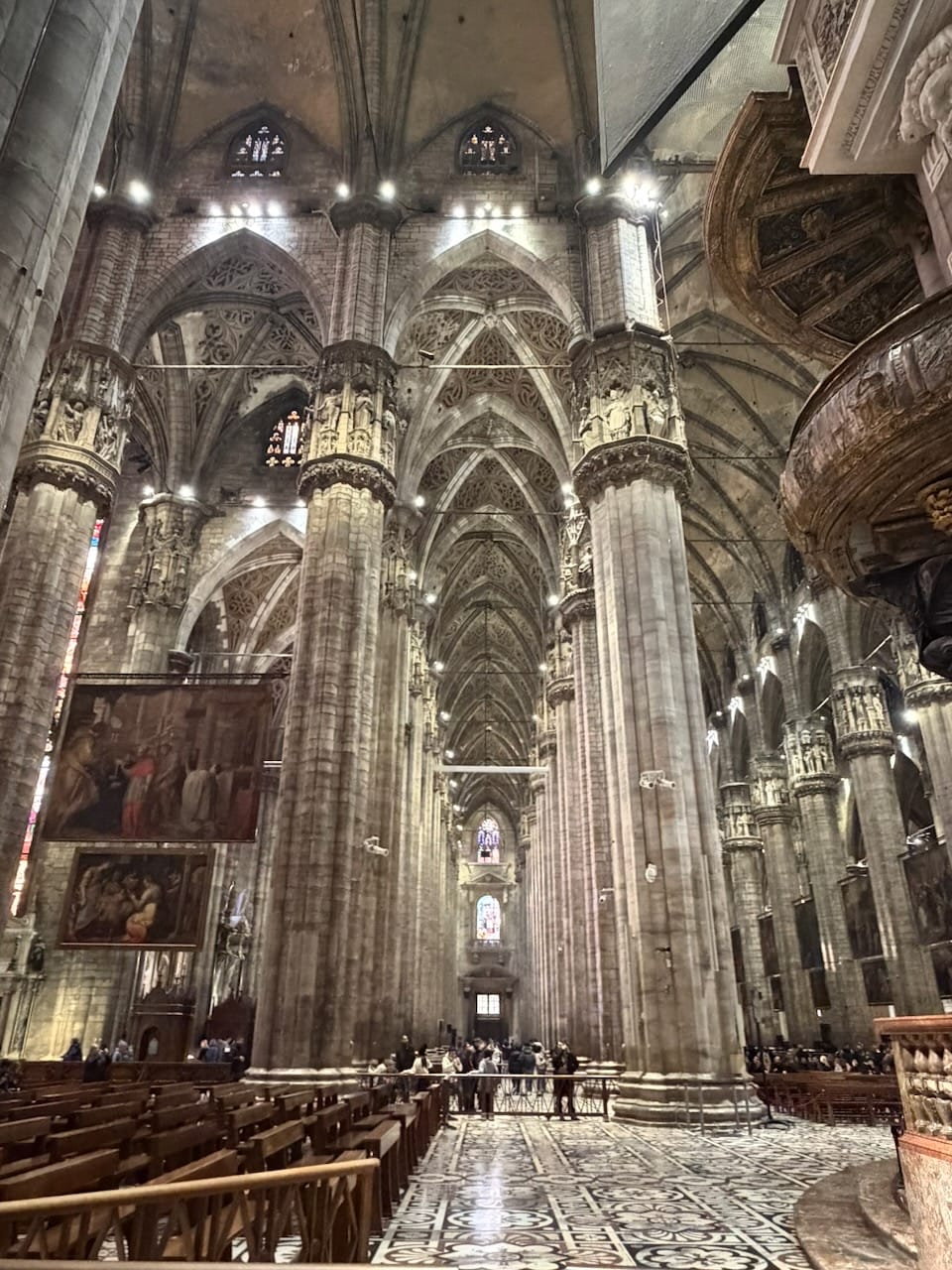
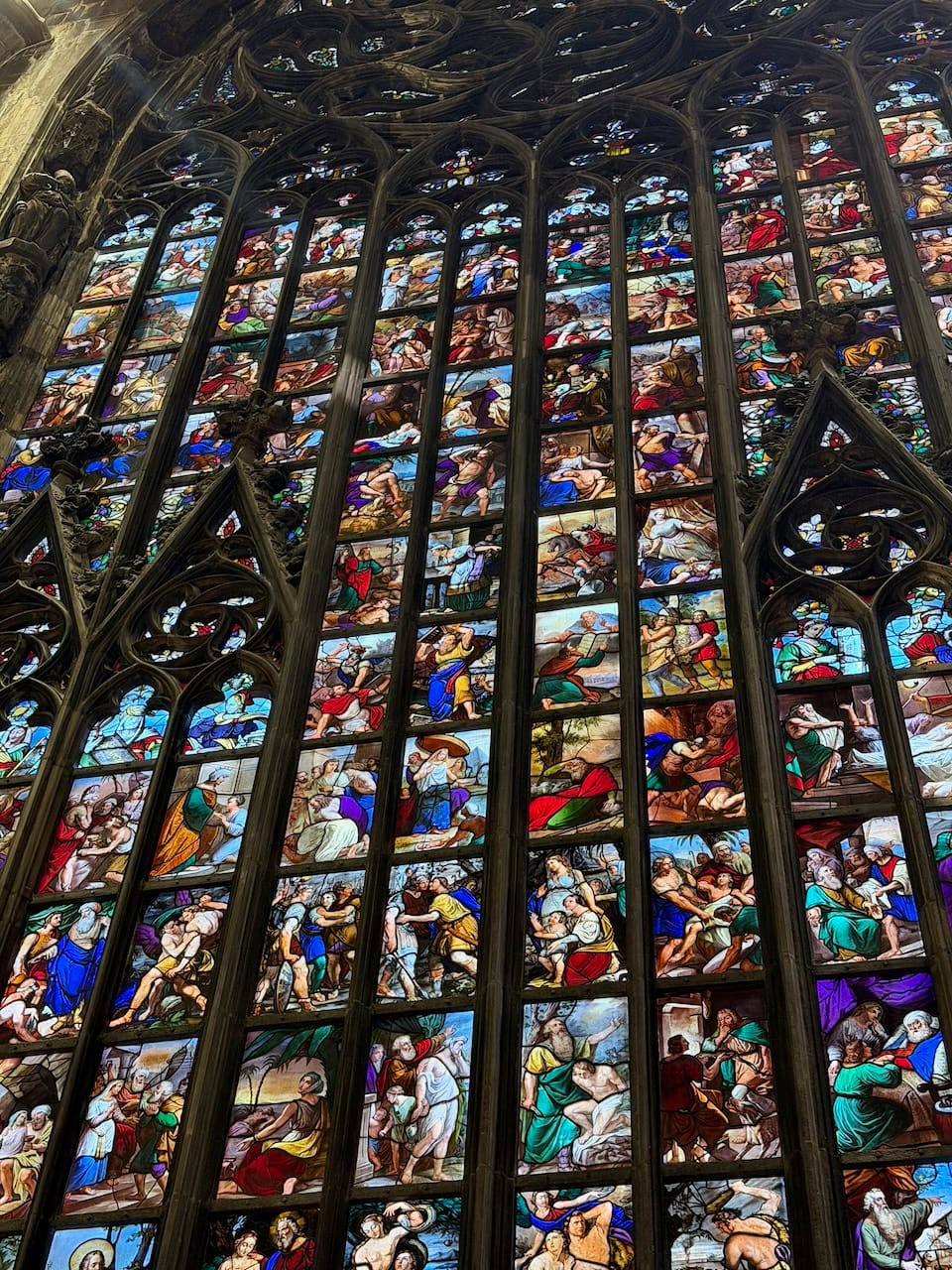
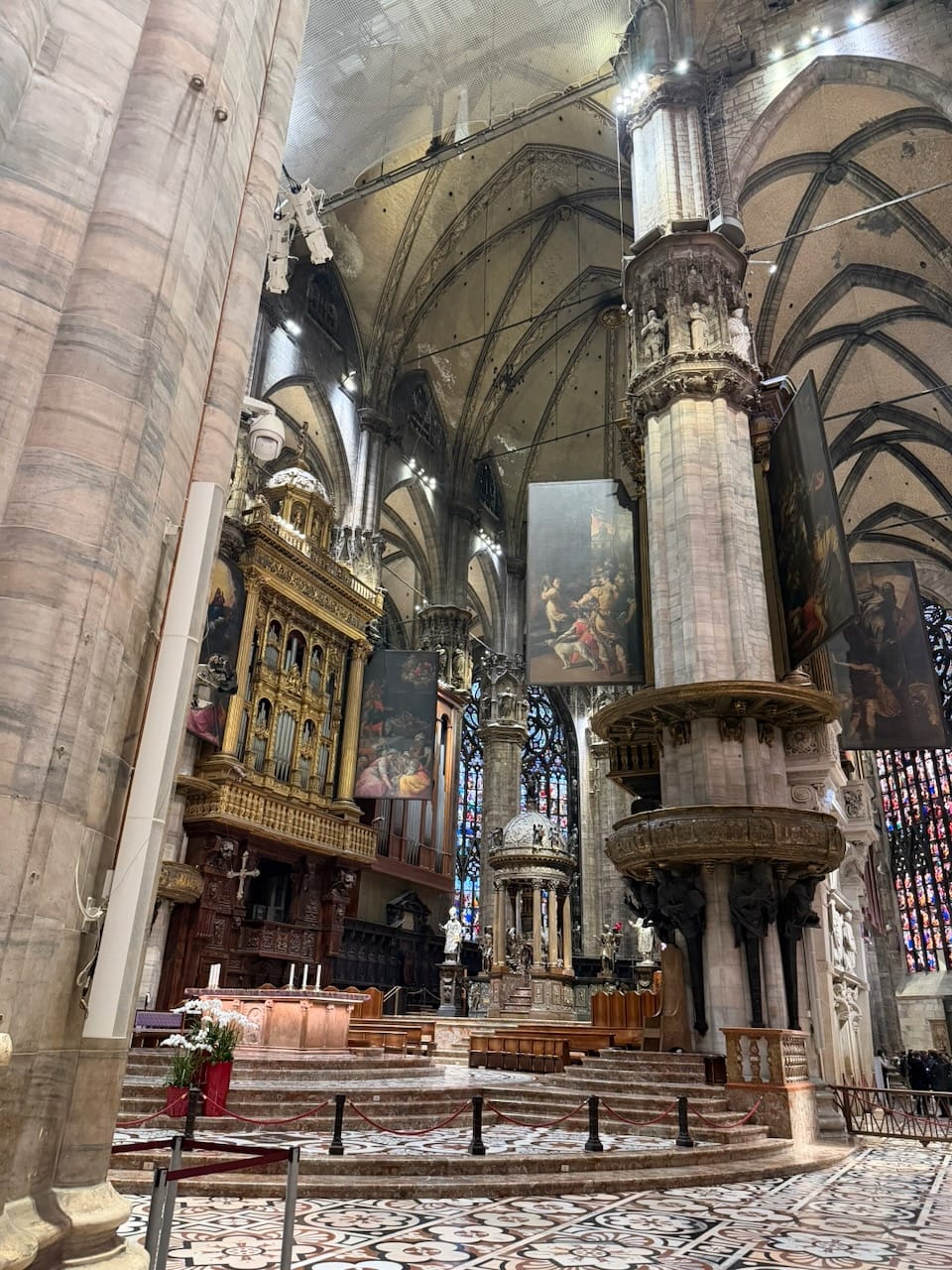
Inside, the cathedral was grand, even after all the great churches we had already seen on this trip. But what stood out most were the stained-glass windows. They were extraordinary, filling the massive interior with color and depth in a way that felt uniquely Milanese. Historically, (the guide said) the cathedral’s Gothic style was not always admired by Renaissance purists from other cities like Firenze, who favored cleaner classical lines over elaborate northern Gothic detail. Standing inside, though, it’s hard not to feel that the building speaks for itself.
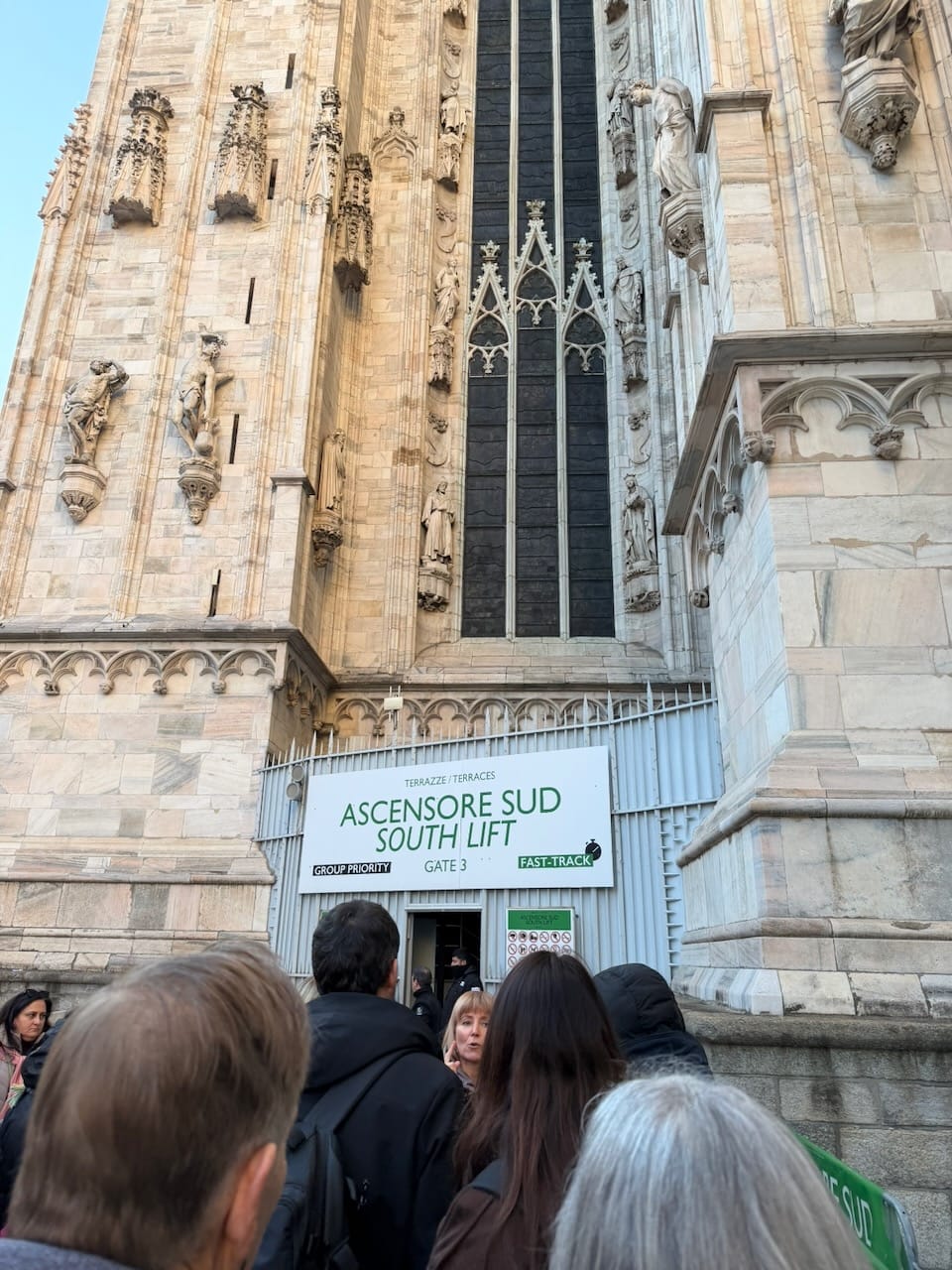
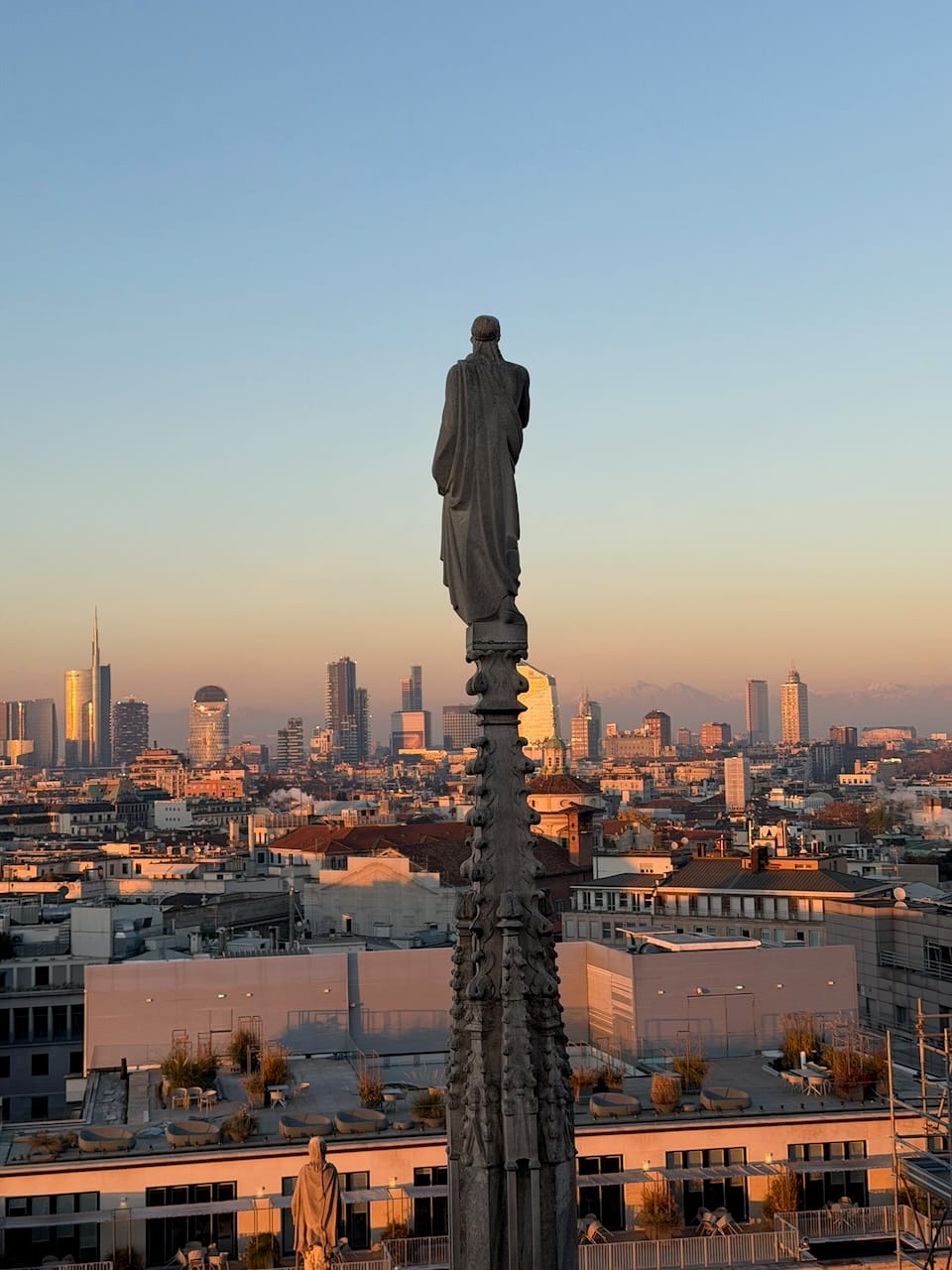
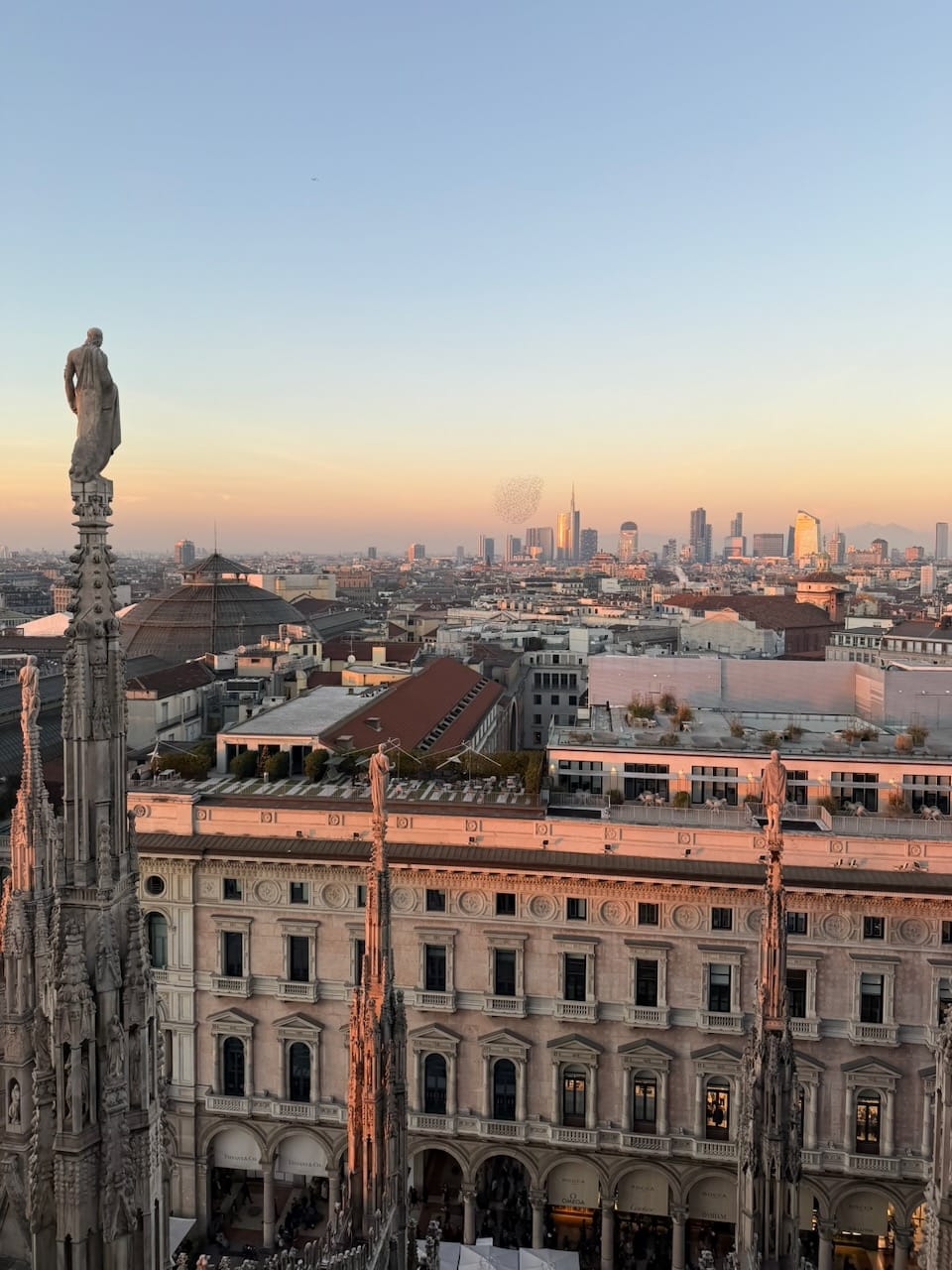
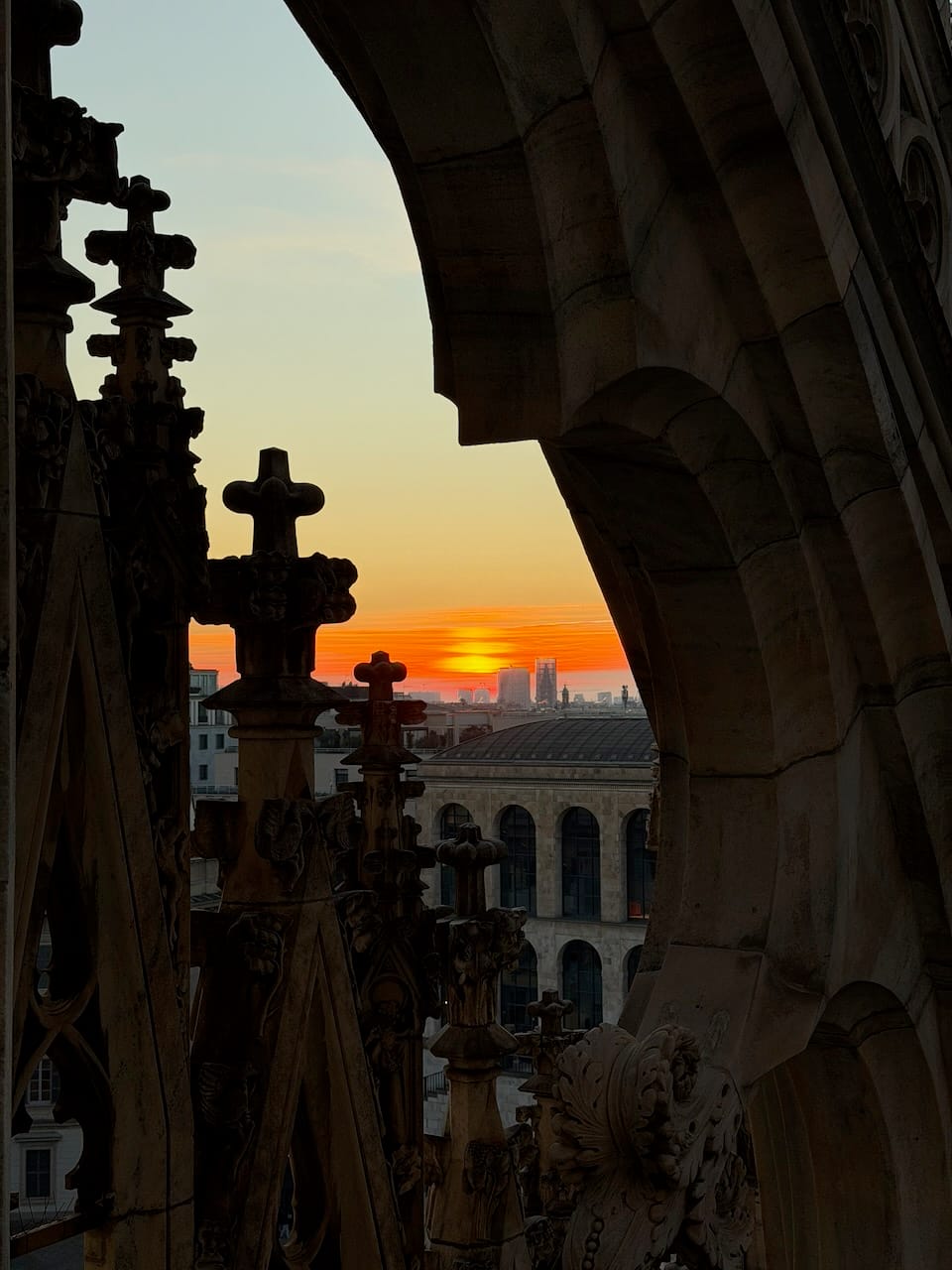
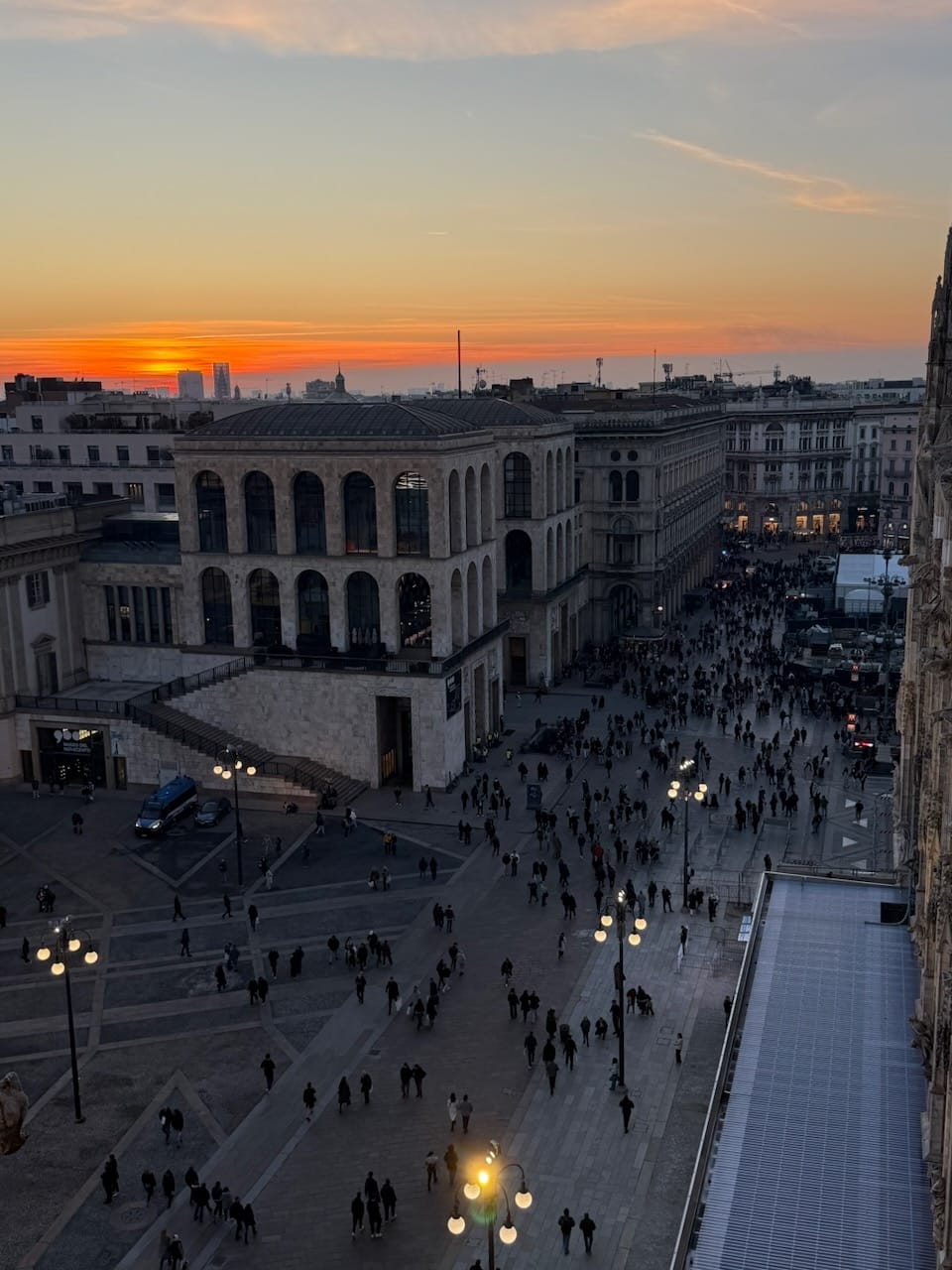
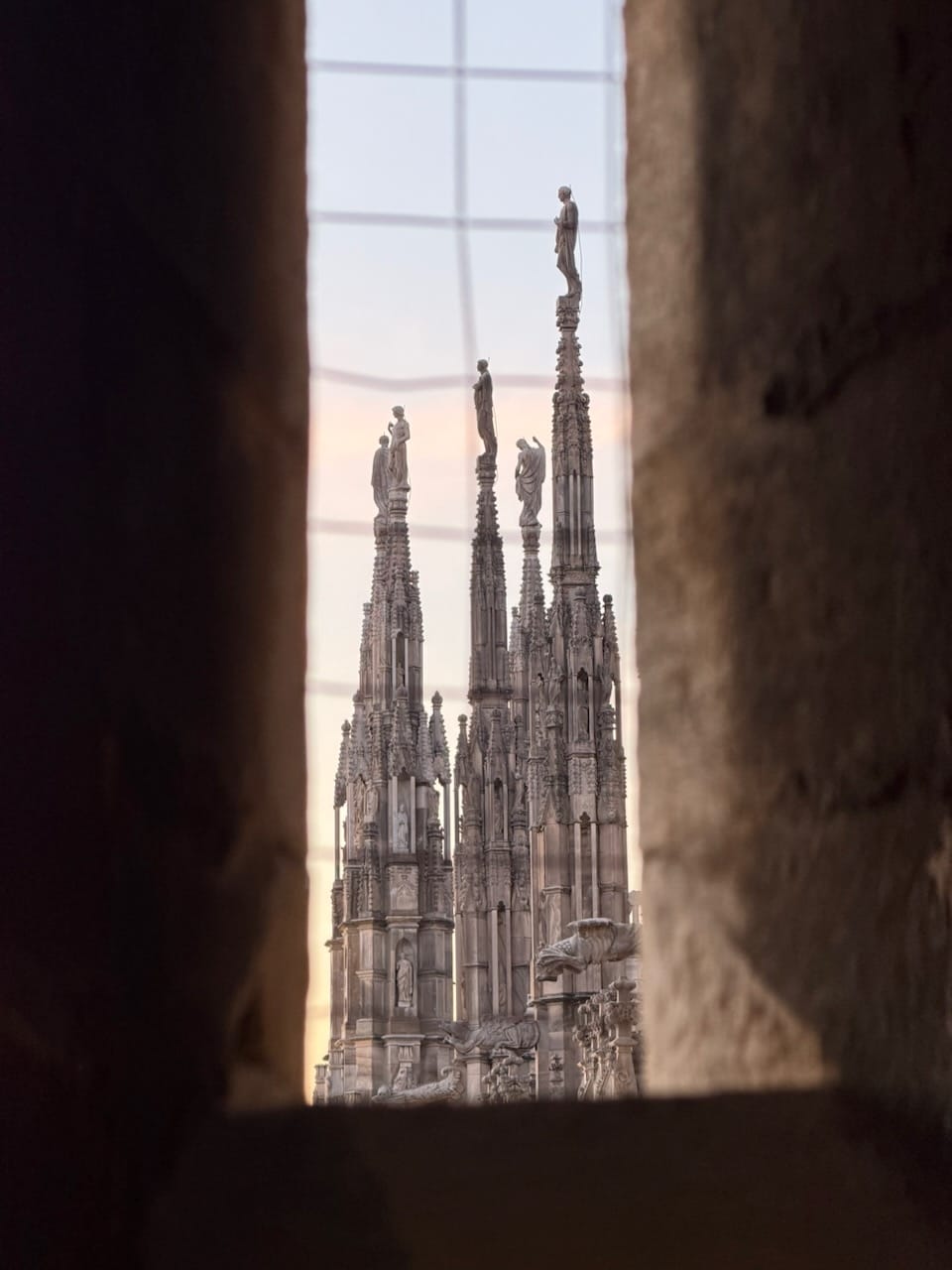
Then we headed up to the terrace. The fast-track access was real, and an elevator lifted us halfway up before we climbed the rest on foot. When we finally stepped onto the rooftop, I realized something I hadn’t planned for at all: it was sunset time.
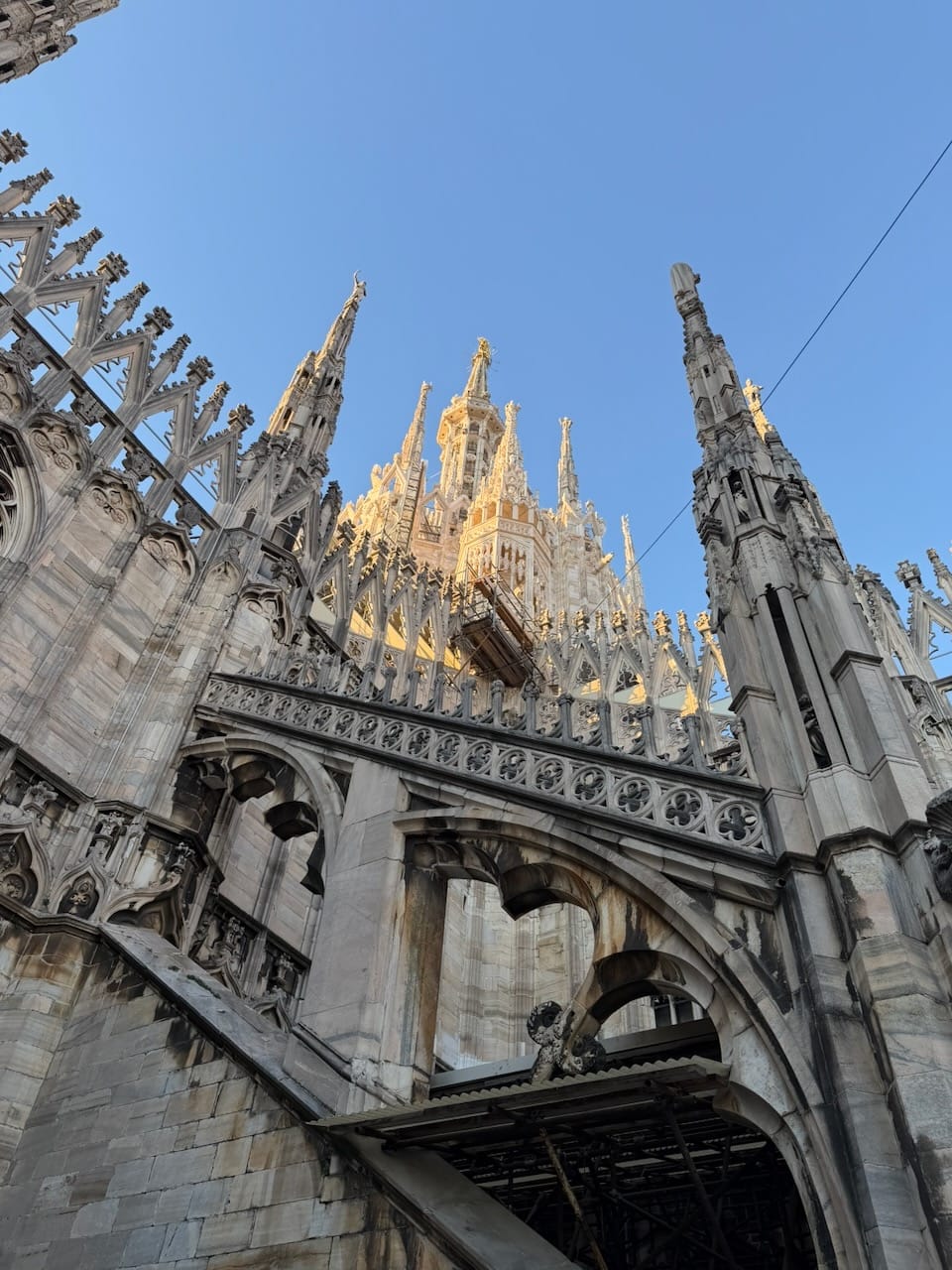
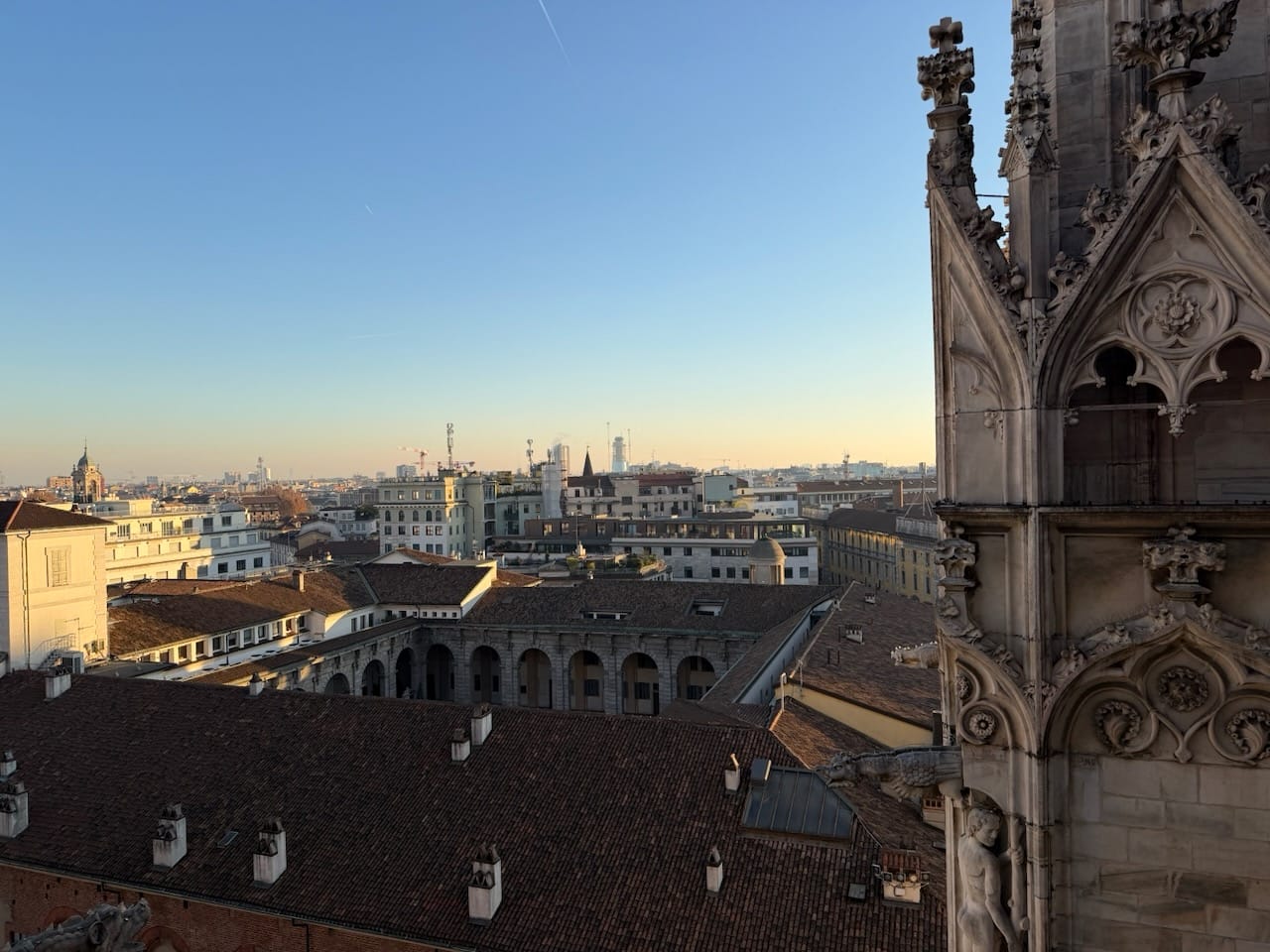
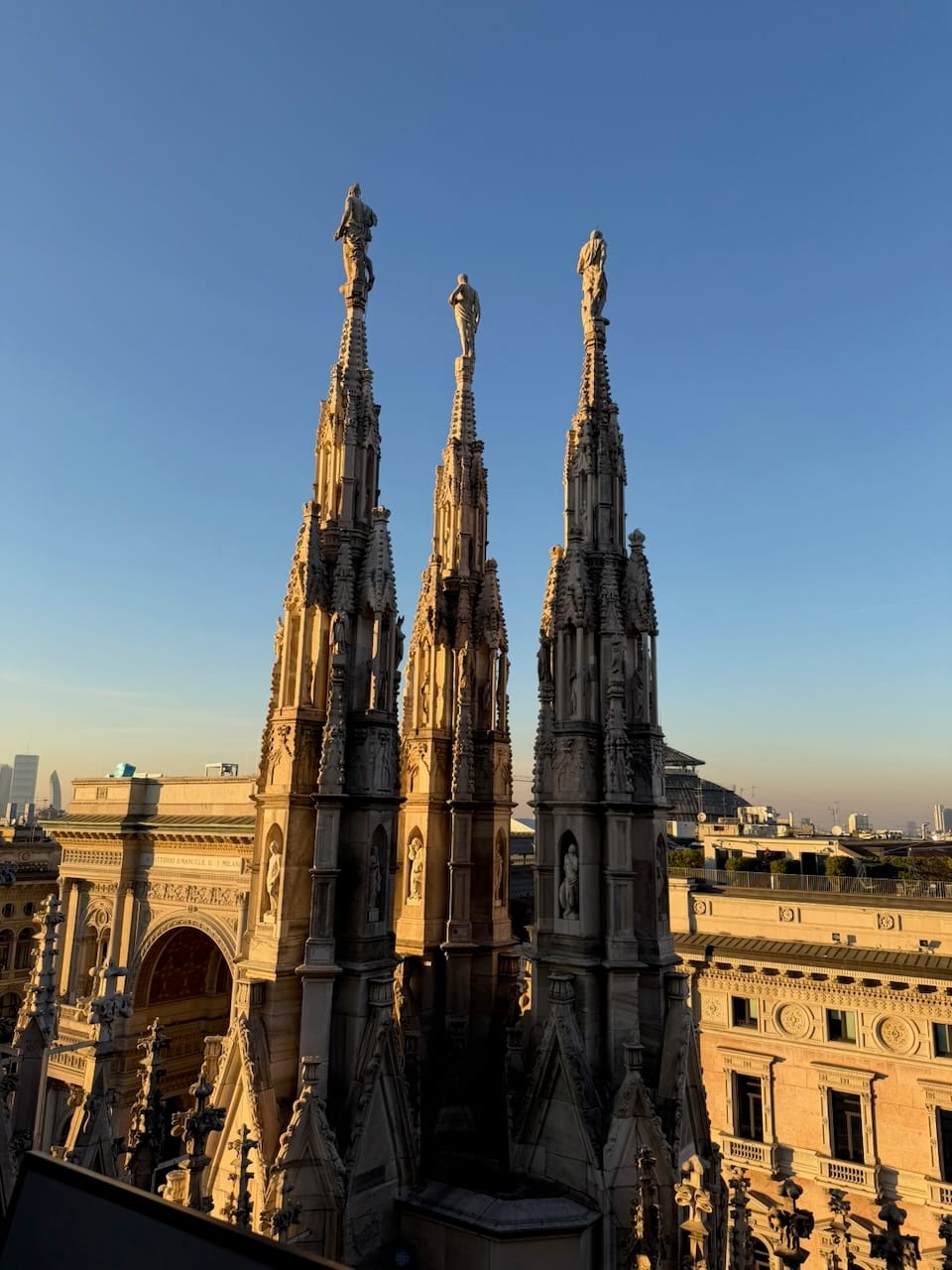
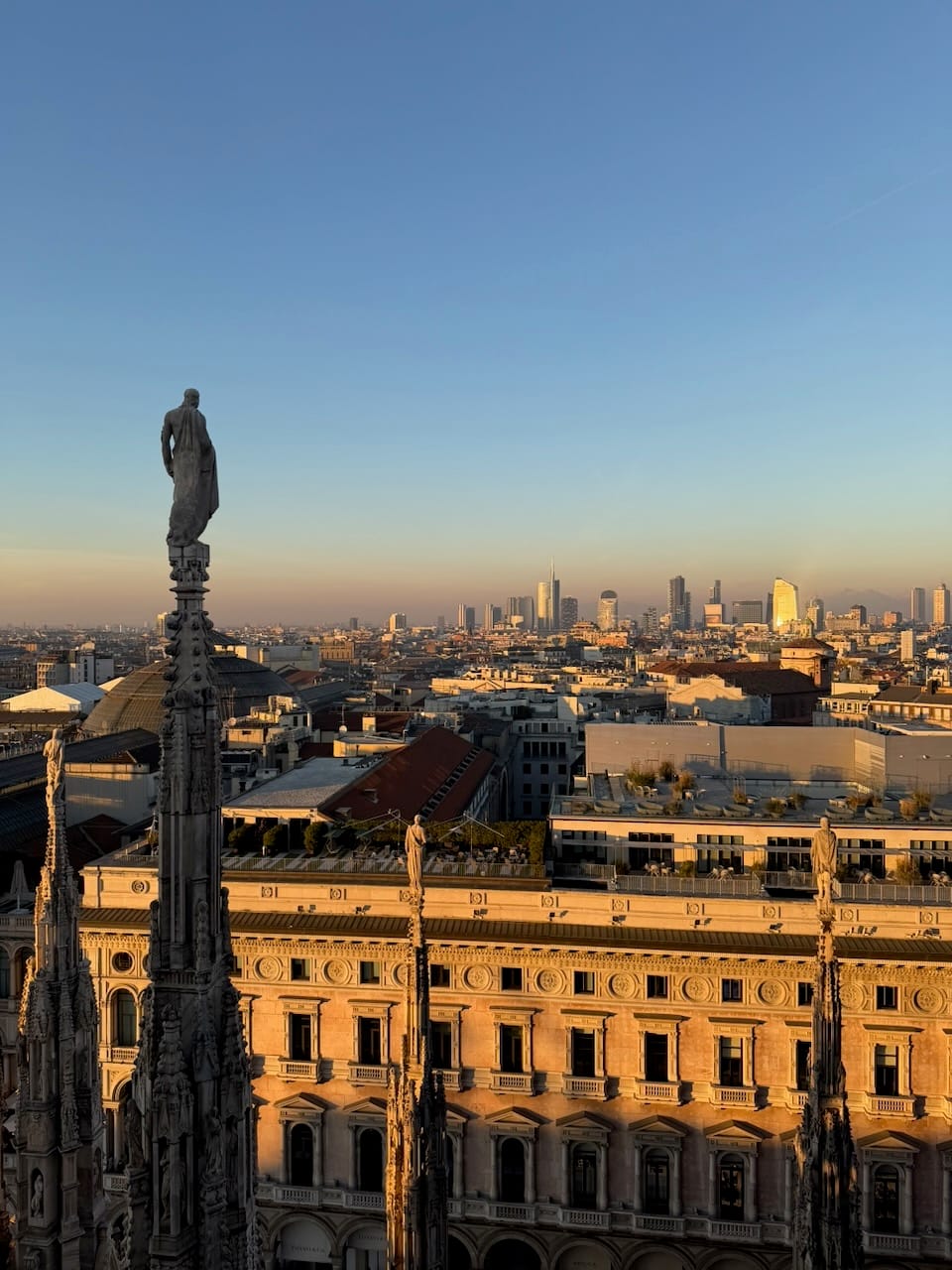
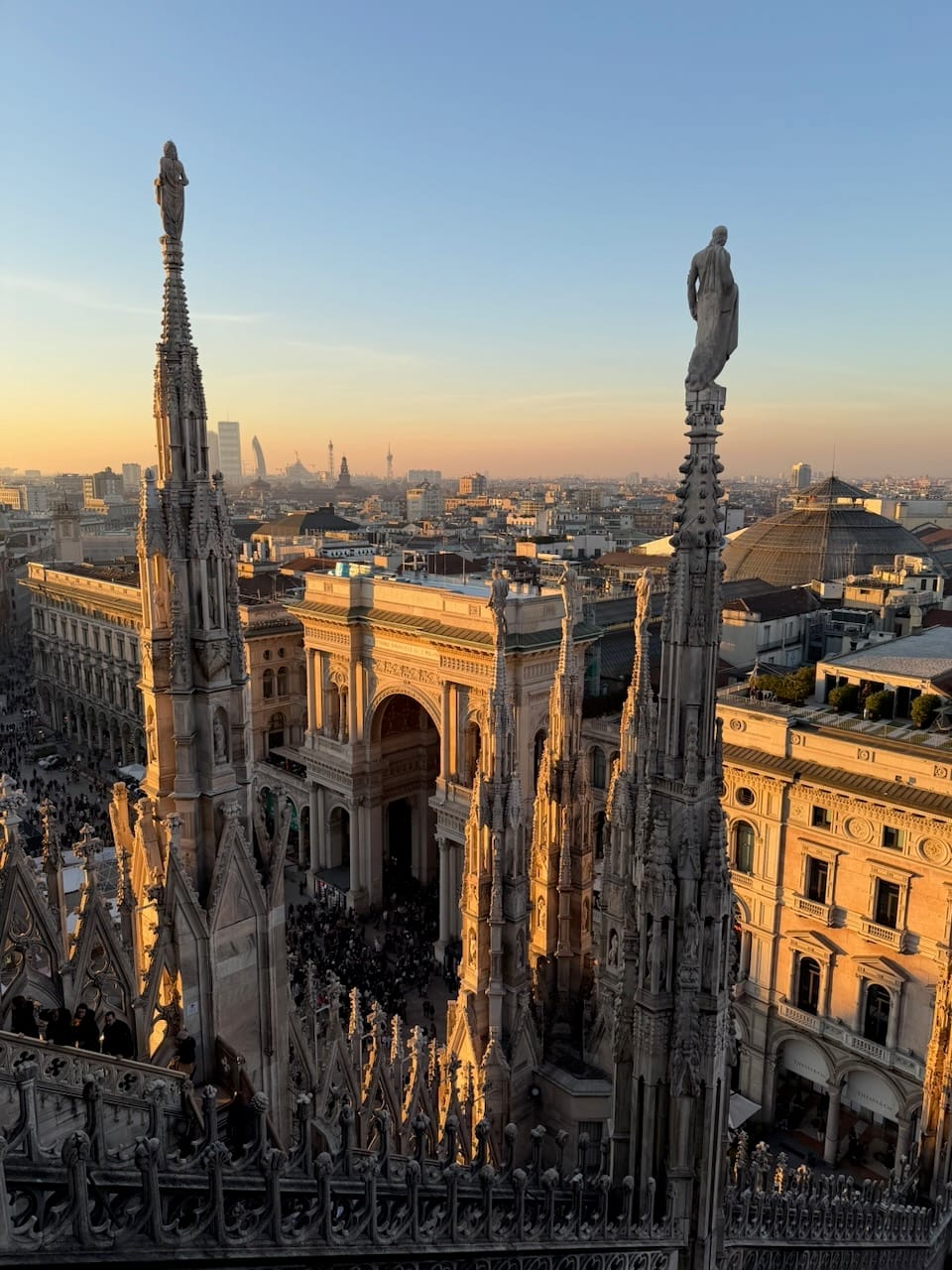
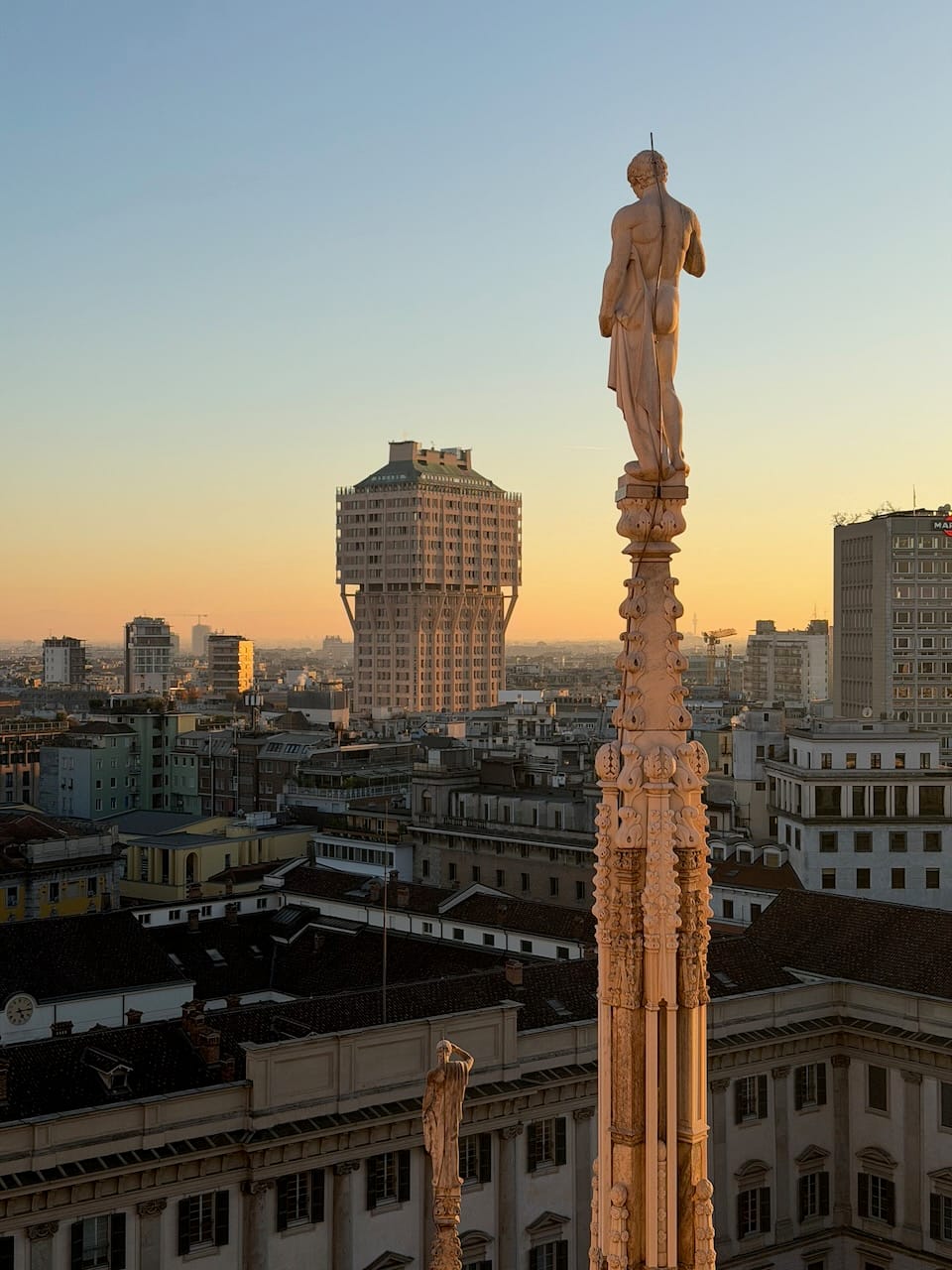
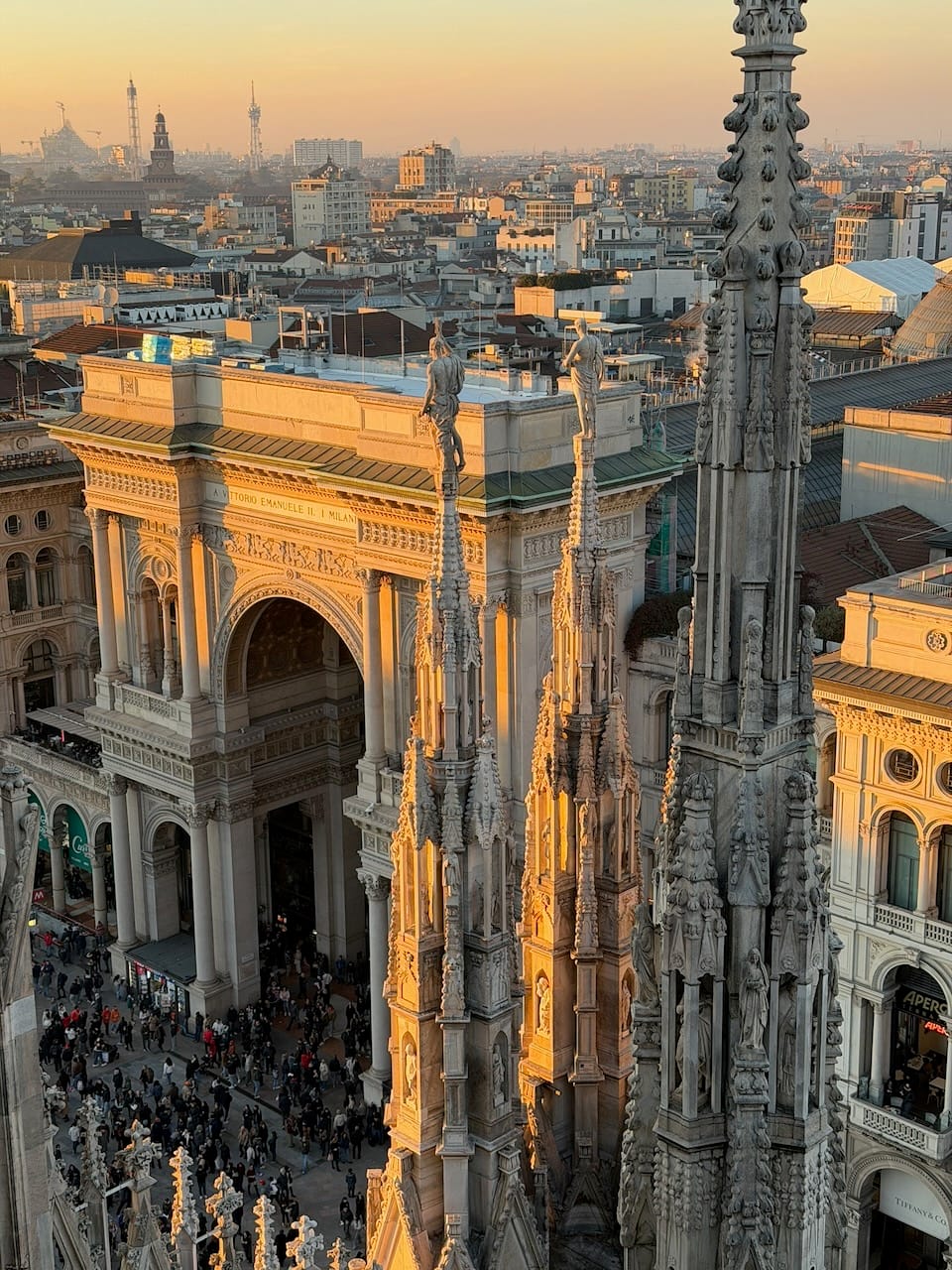
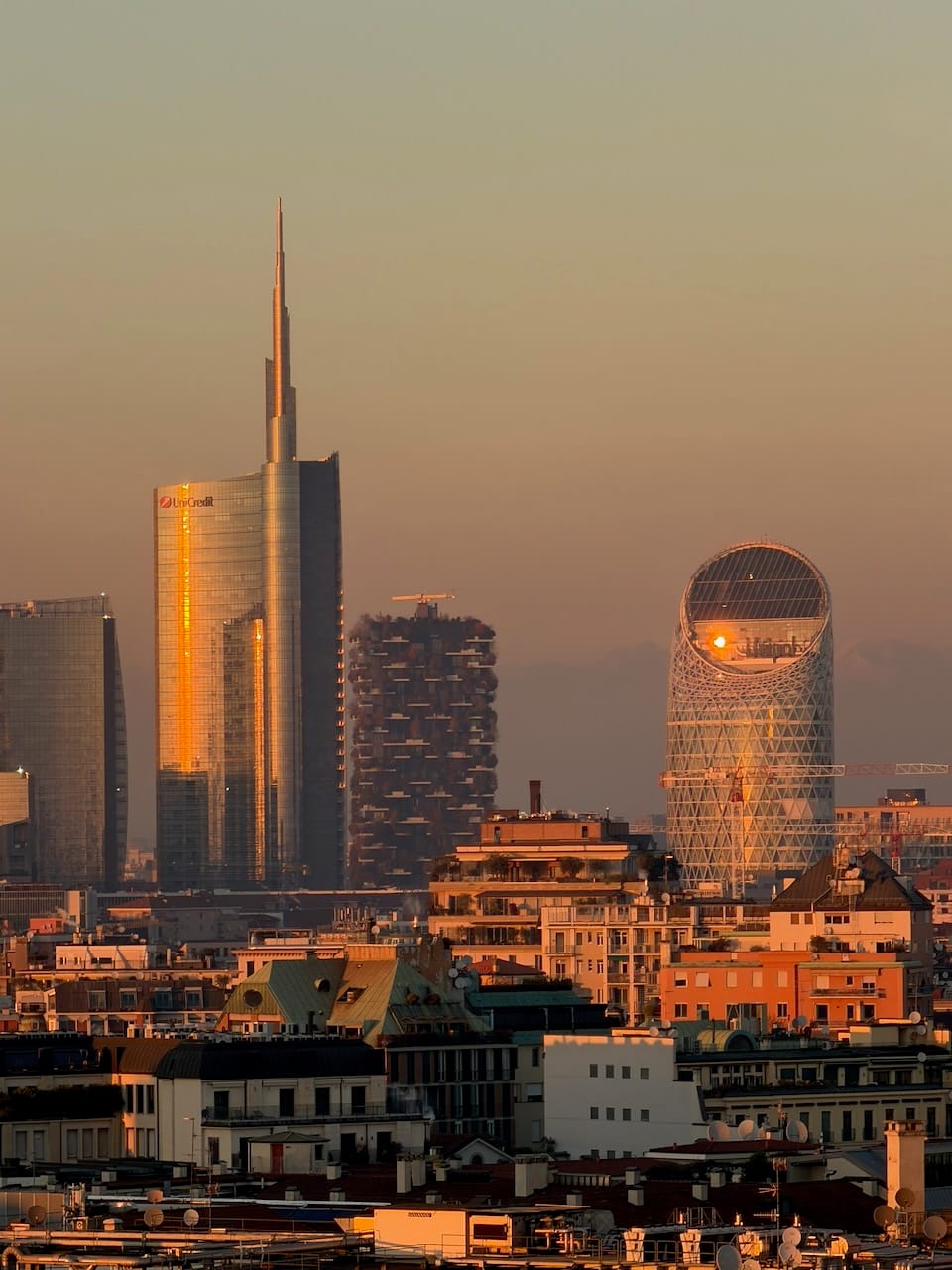
From the top of the Duomo, Milan unfolded beneath us in layers. Closest was the forest of white Gothic spires, sharp and intricate. Beyond that, the softer geometry of the 19th-century city, with the glass dome of the Galleria shimmering in the distance. And farther still, the modern skyline, where contemporary towers—including the Bosco Verticale, the Vertical Forest—rose quietly against the fading light. As the sun sank, the sky turned warm and the marble glowed. It was another one of those moments that didn’t need a schedule to become perfect.
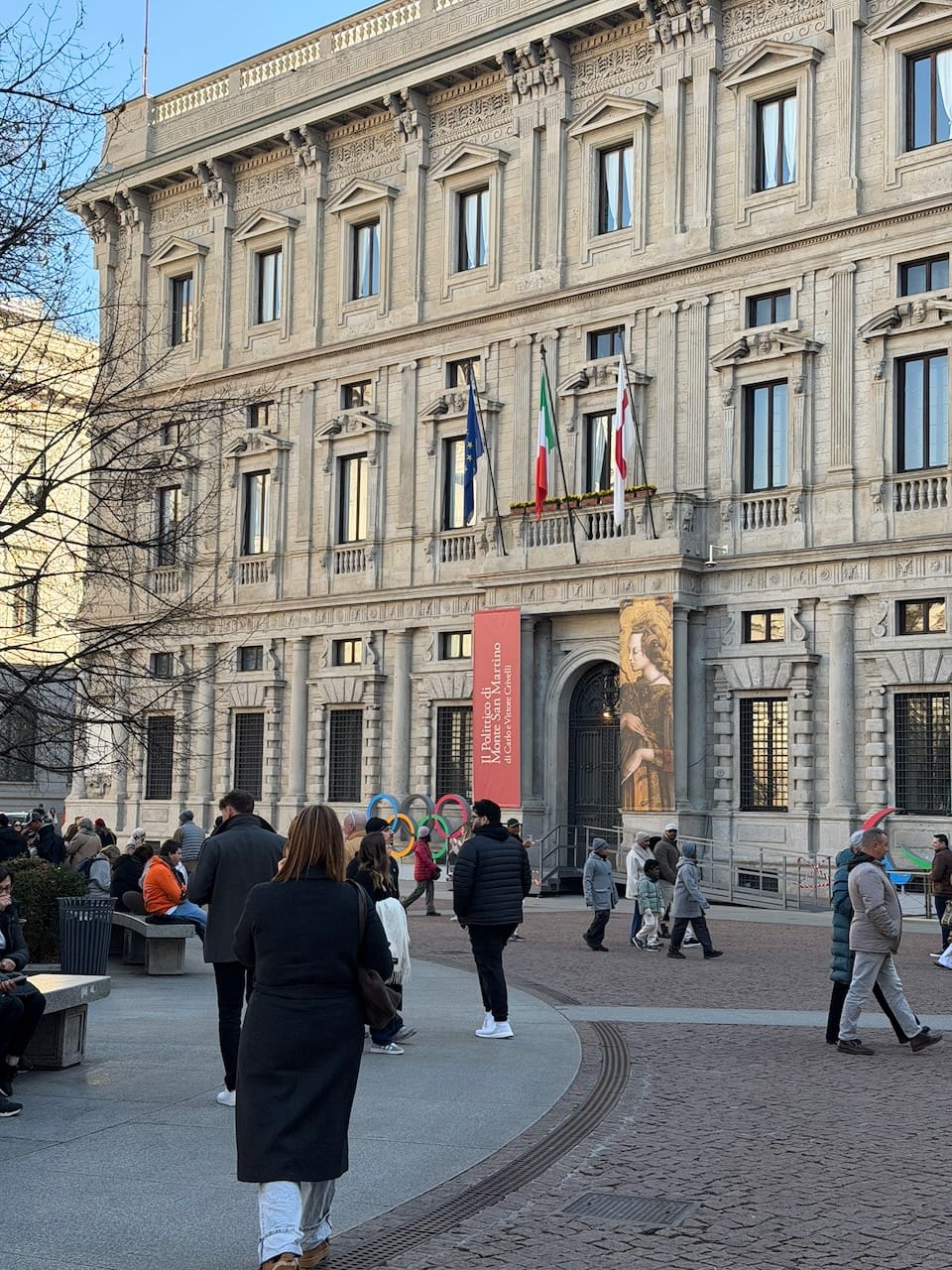
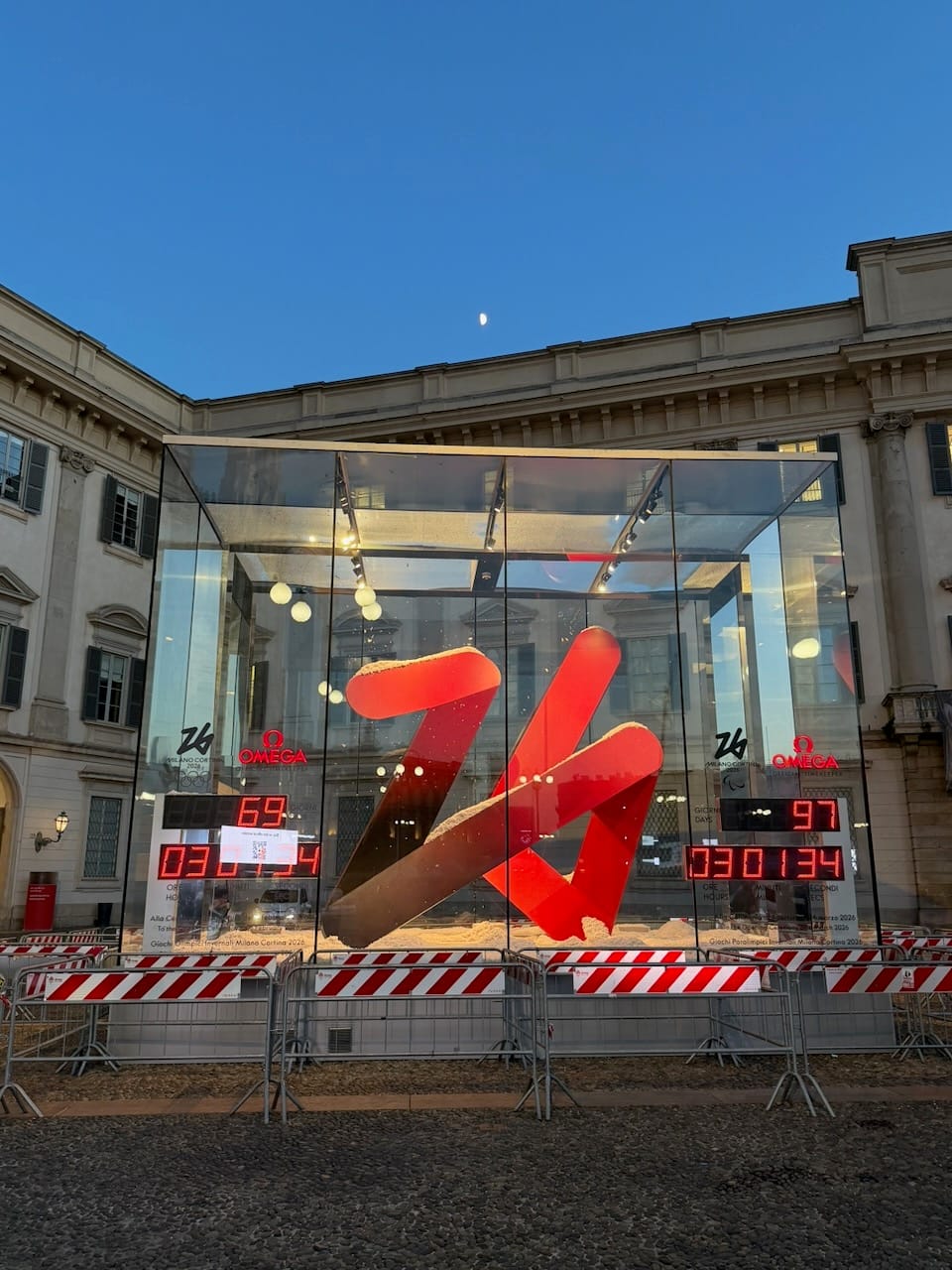
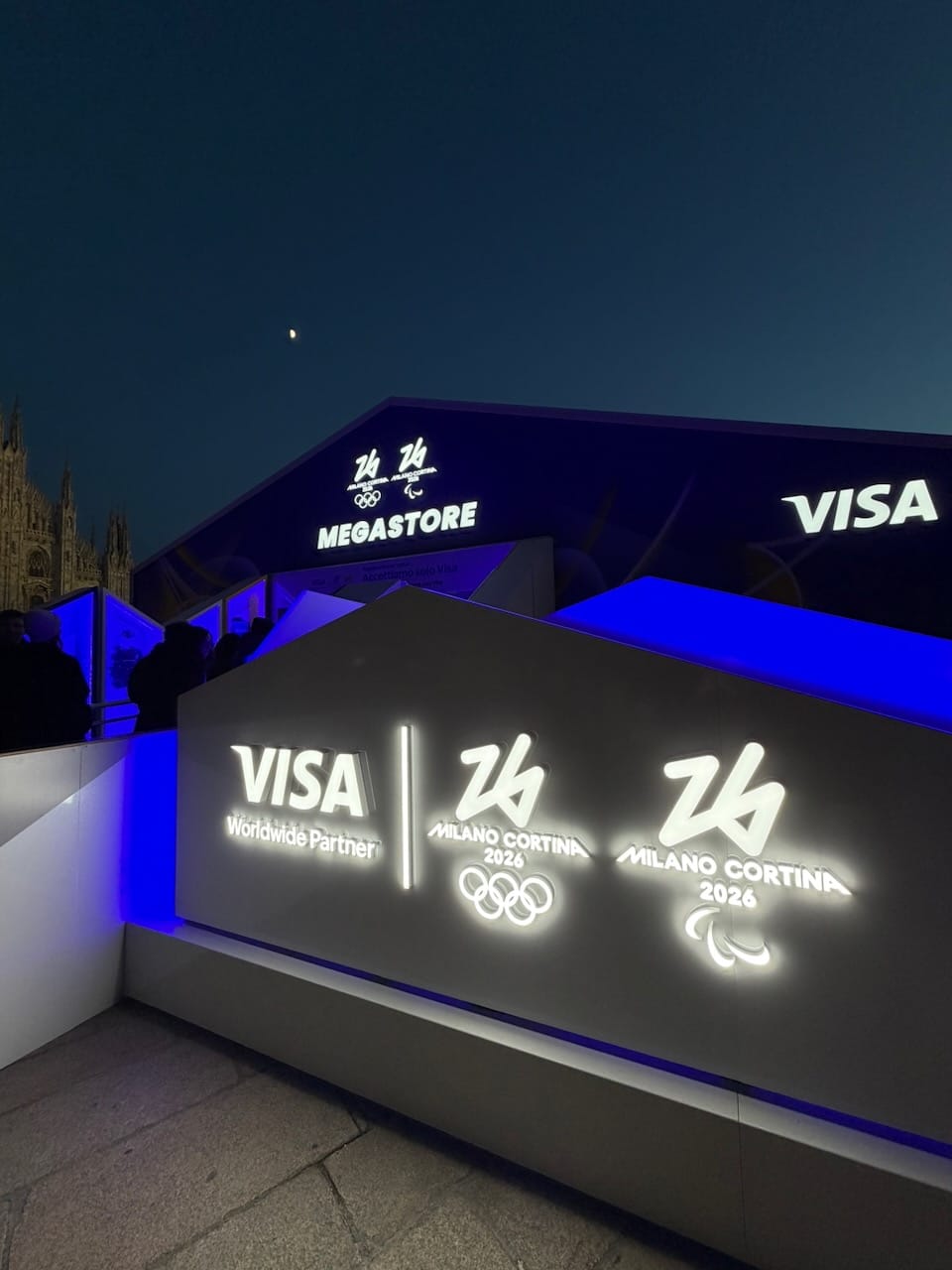
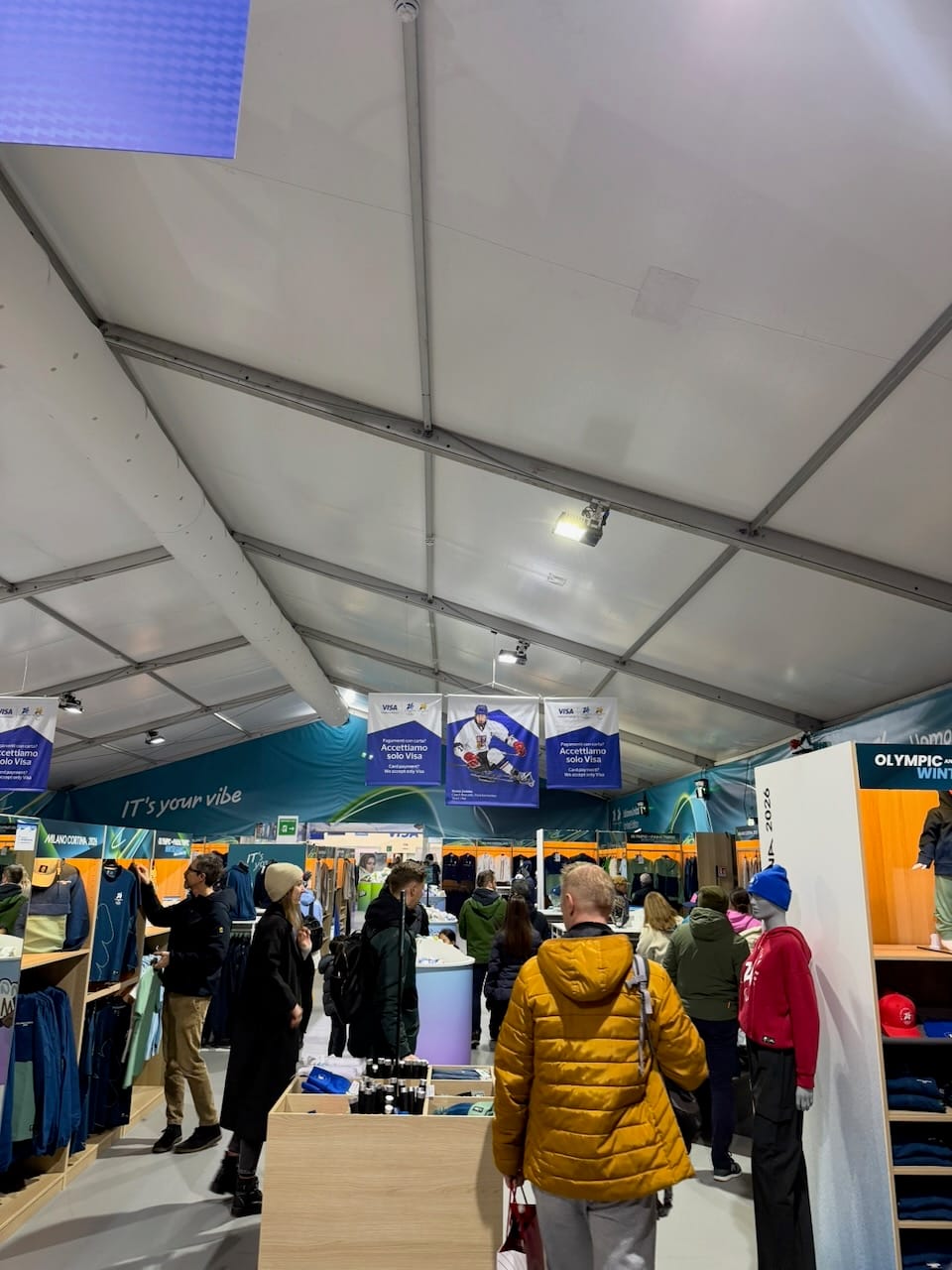
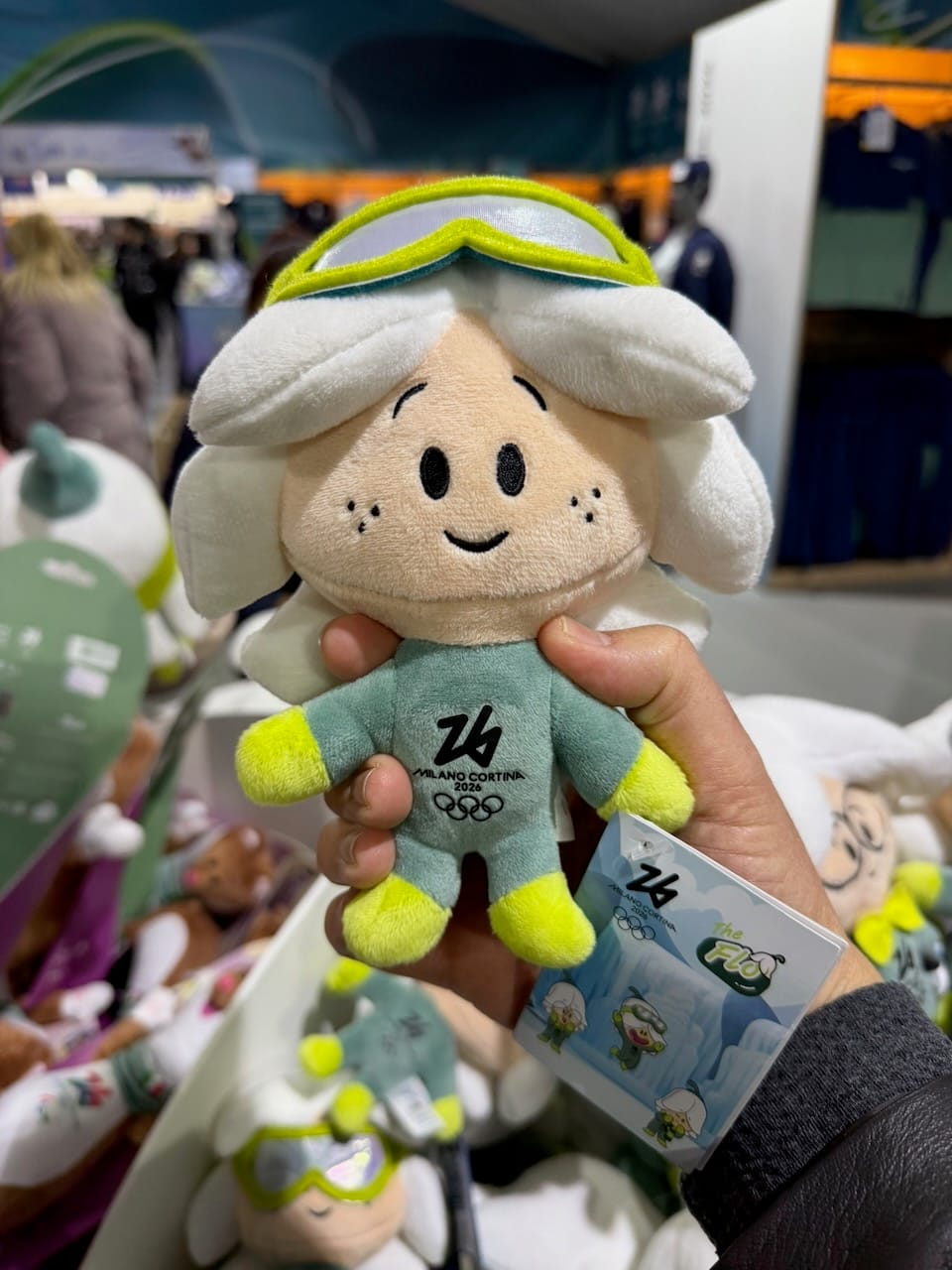
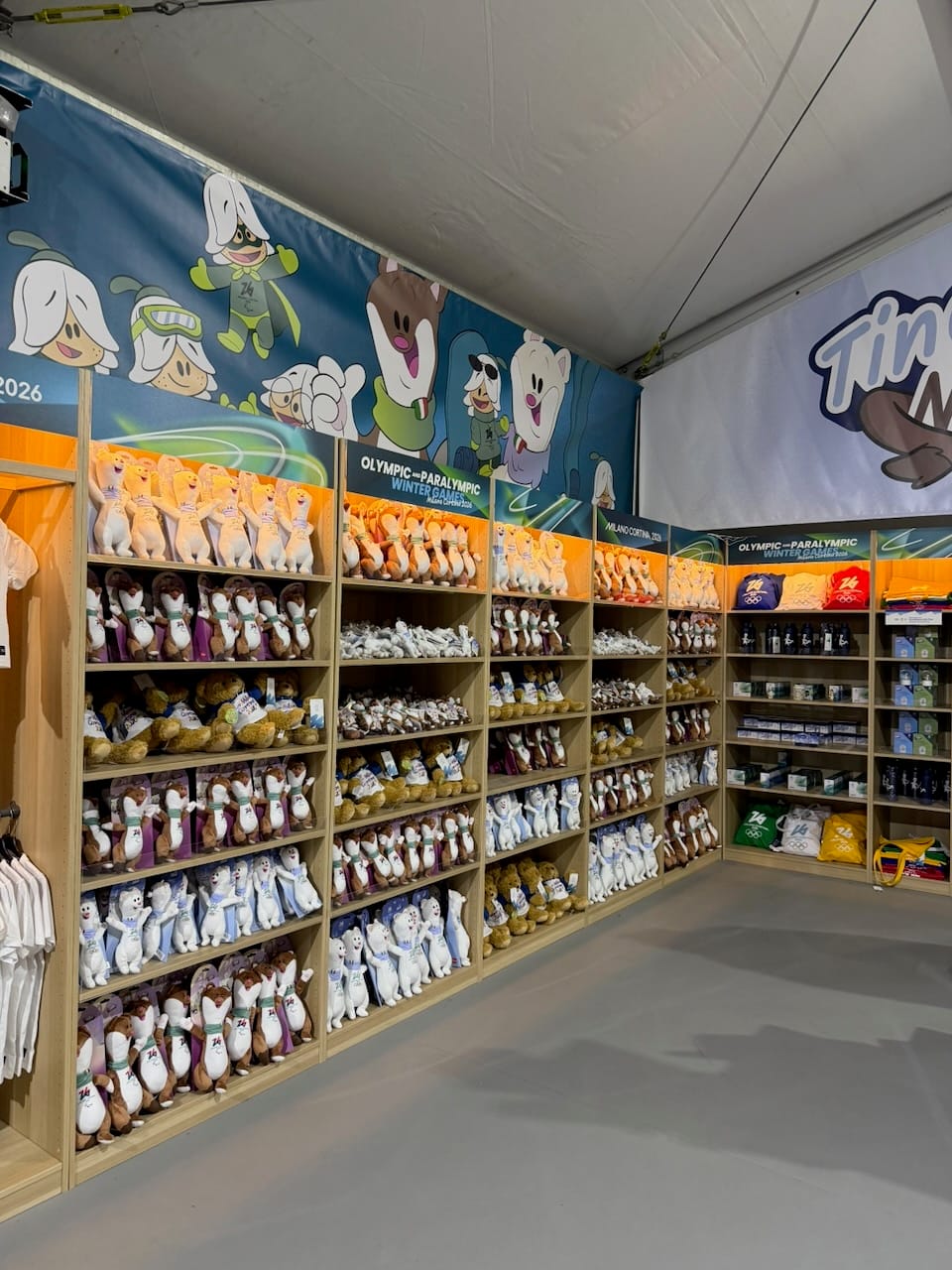
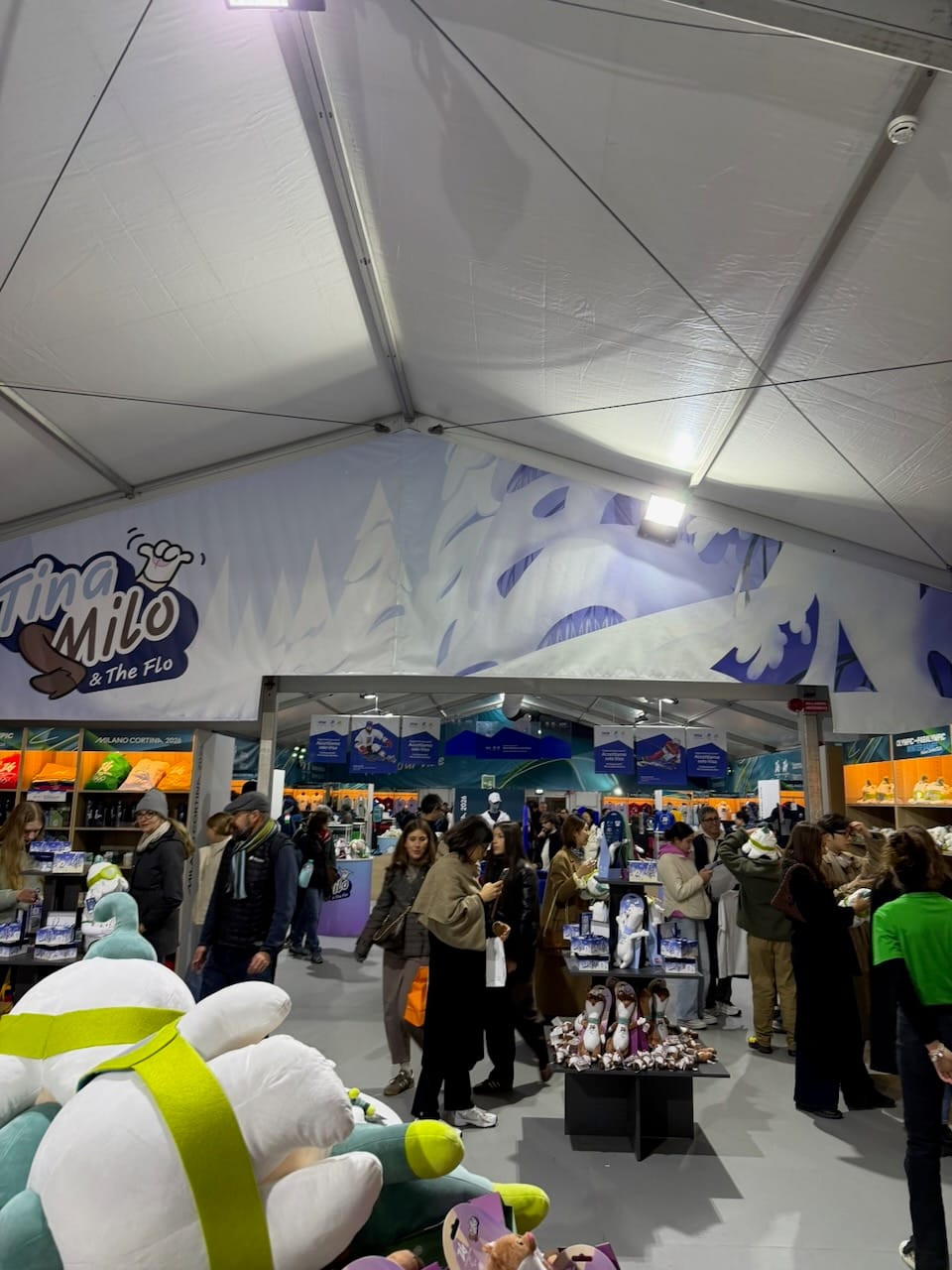
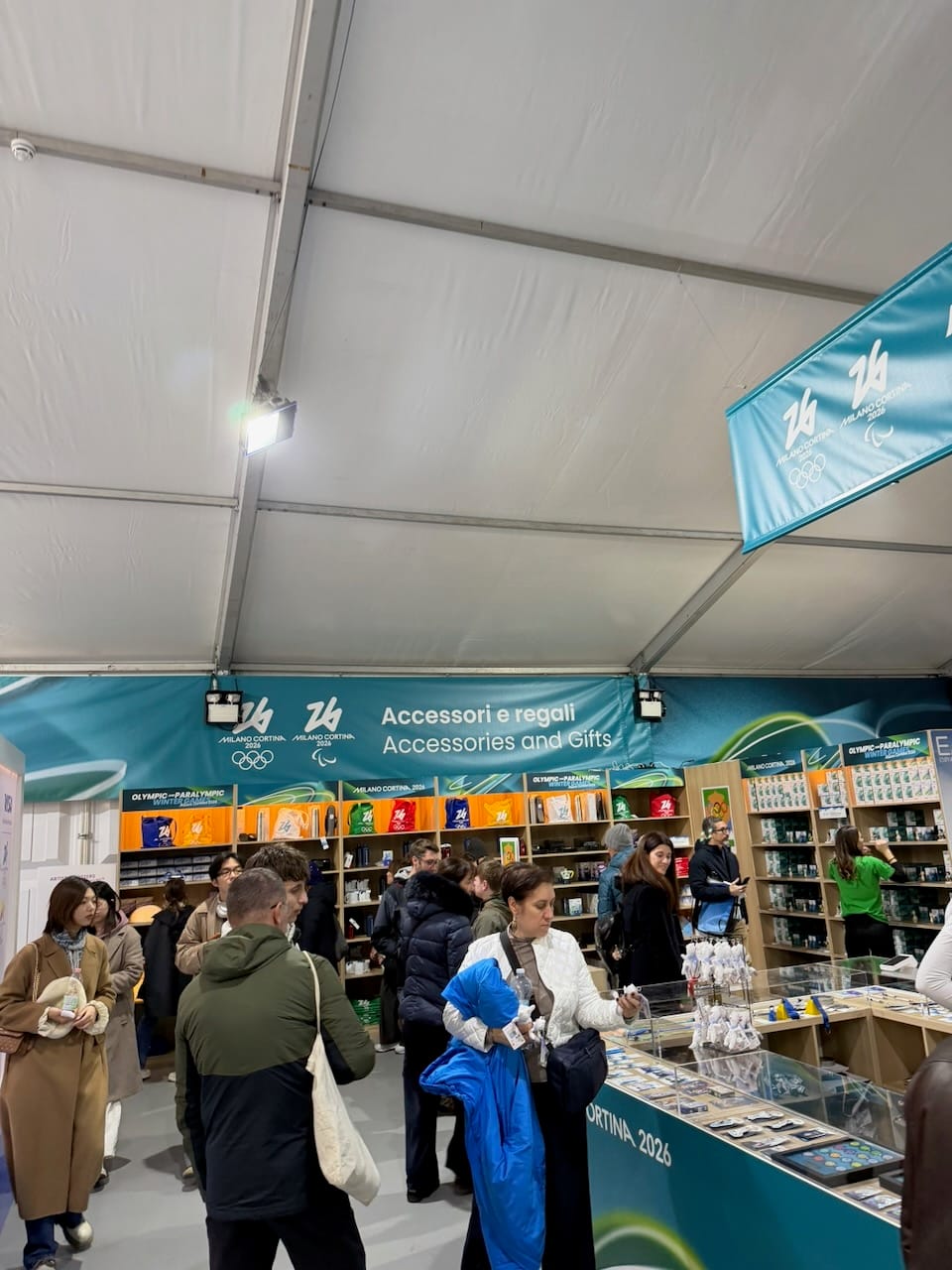
After the tour, we returned to the plaza and could already feel the energy of the upcoming Olympics building around the city. Milano 2026 was everywhere. The Games were only months away, and the excitement was clearly in the air. There was even an official Olympic store nearby, and for the first time in the entire trip, my urge to actually buy some souvenirs finally kicked in (Yes, the mascots this time were genuinely cool.). Standing there, surrounded by flags, posters, and Olympic logos, it was easy to imagine how alive this city would become very soon. I found myself quietly wishing for a great Olympics for Milan, and for everyone who would come to experience it (Though honestly, they really should have a better airport… I’ll talk about that later, maybe in the next post.).
We still had some time before our dinner reservation, so we decided to visit the Museo del Novecento. After days of ancient statues, Renaissance masterpieces, and historic architecture, it felt like the right moment to shift gears and look at some modern and contemporary art.
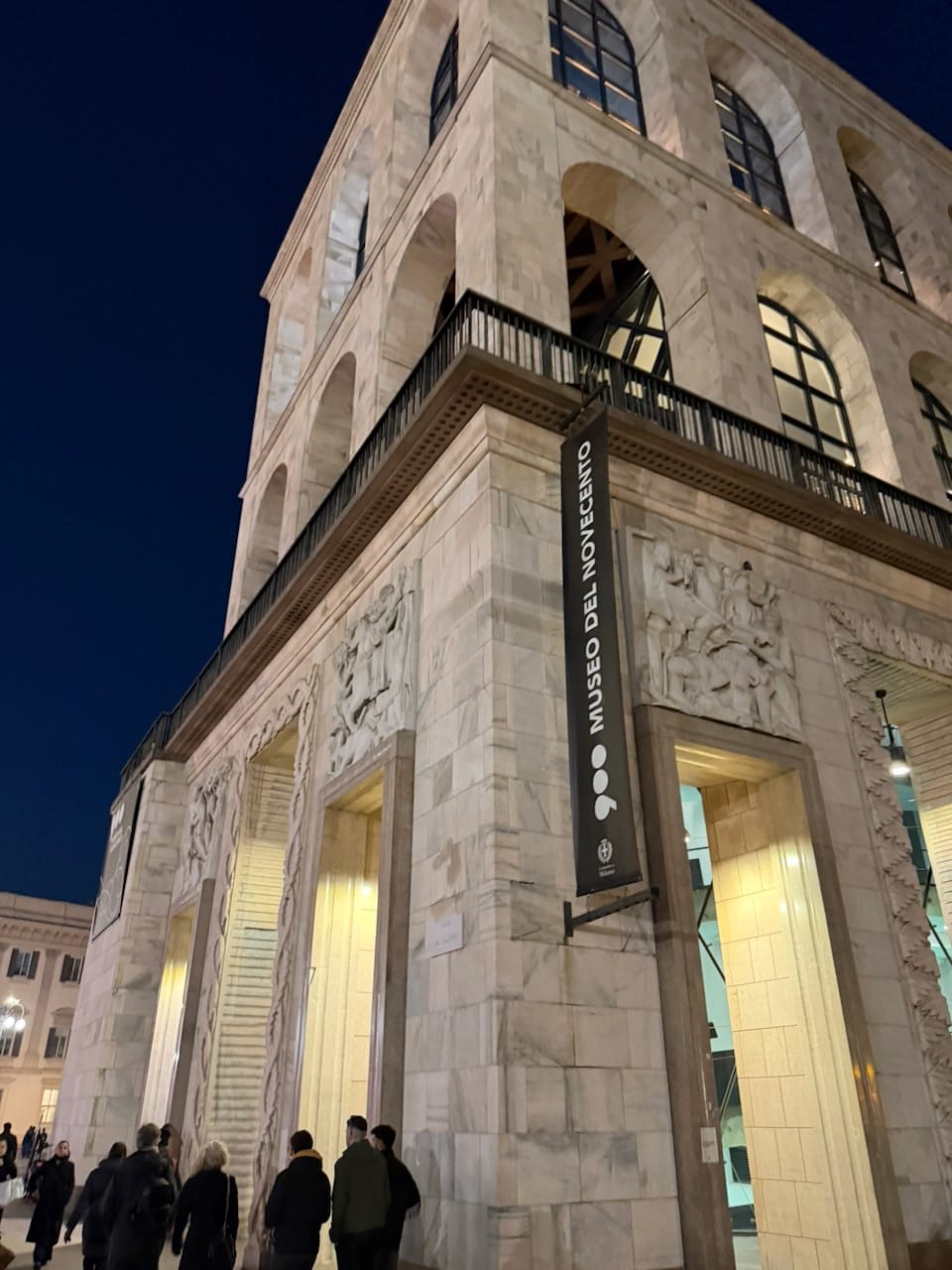
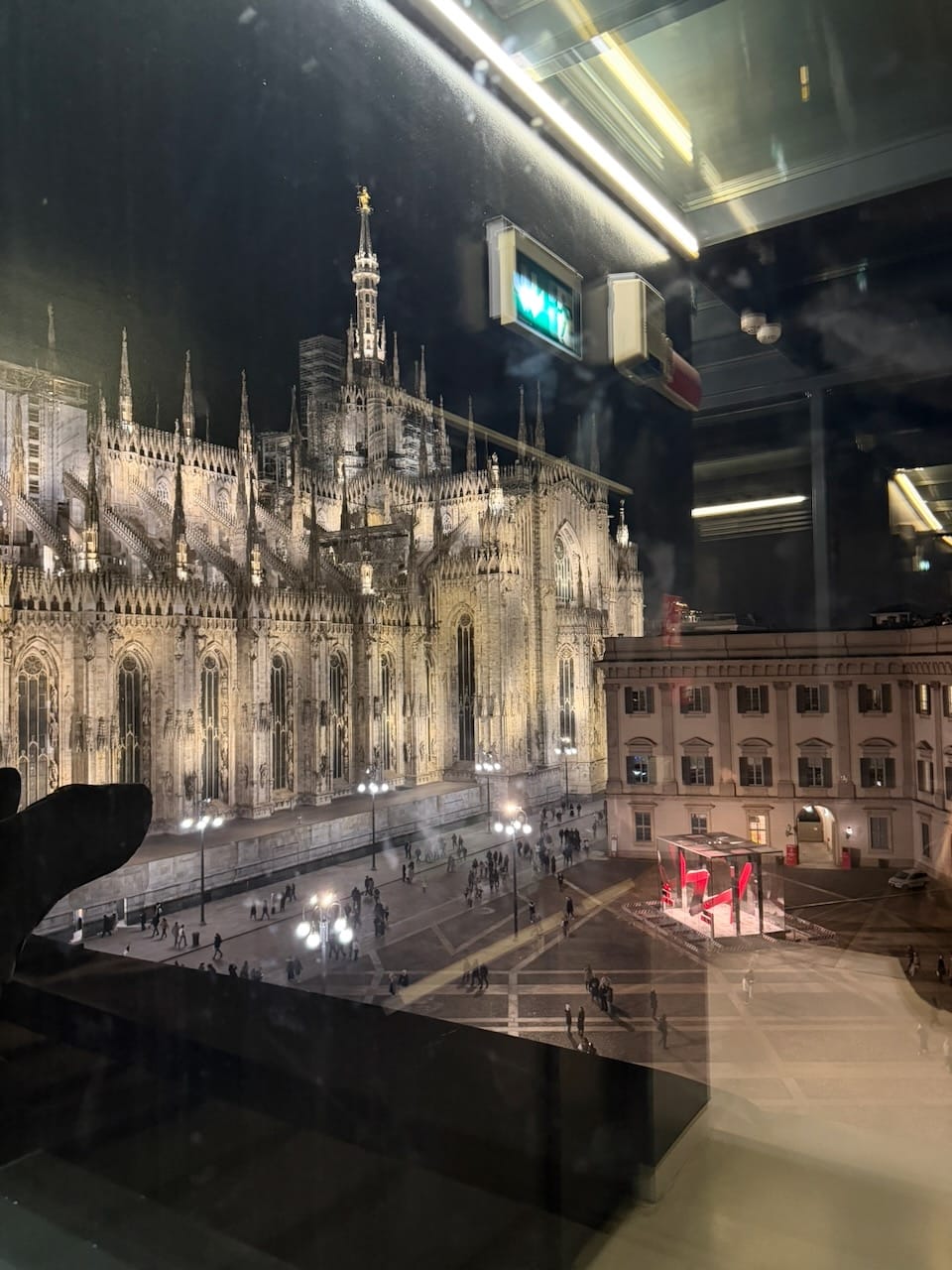
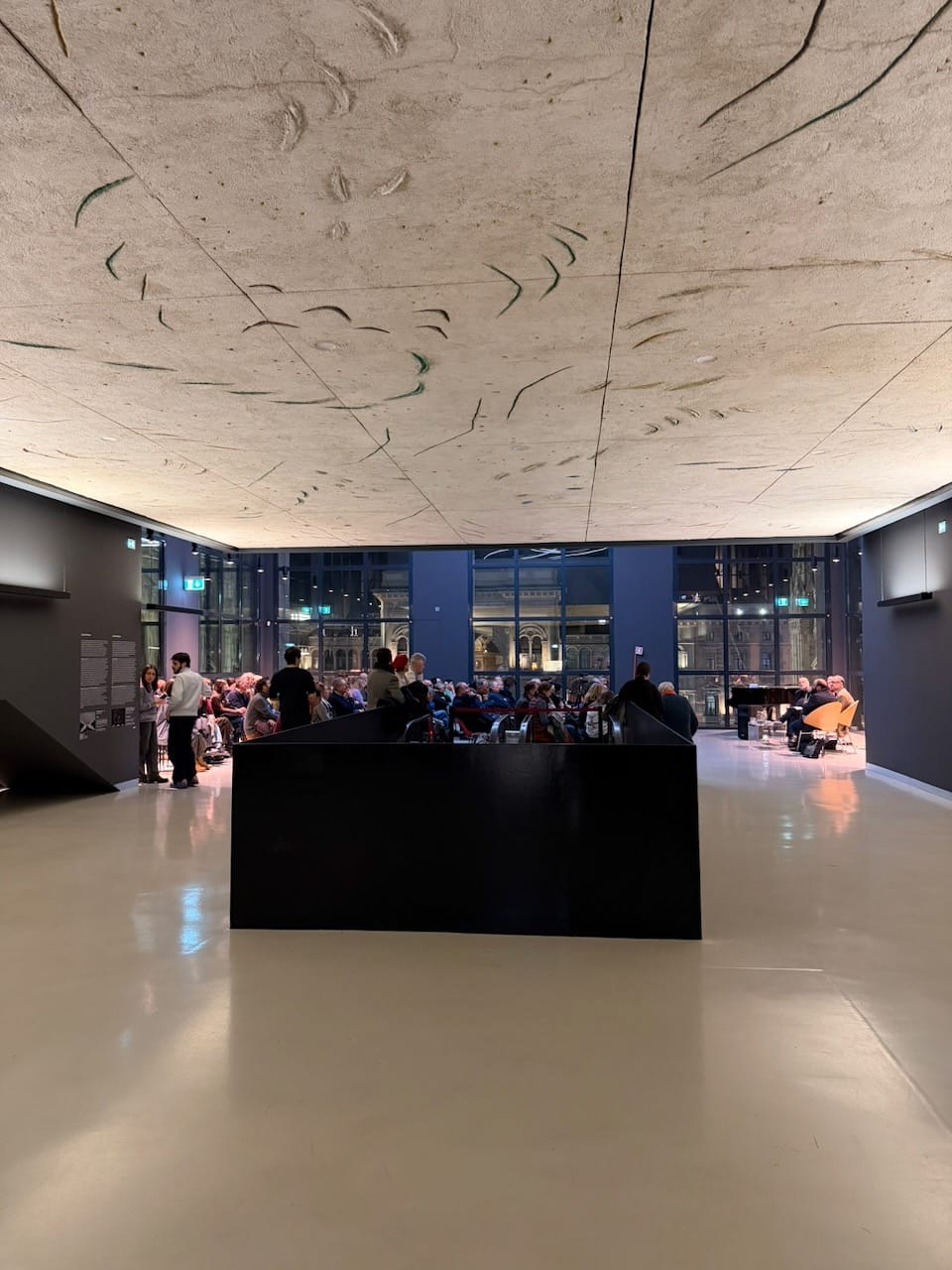
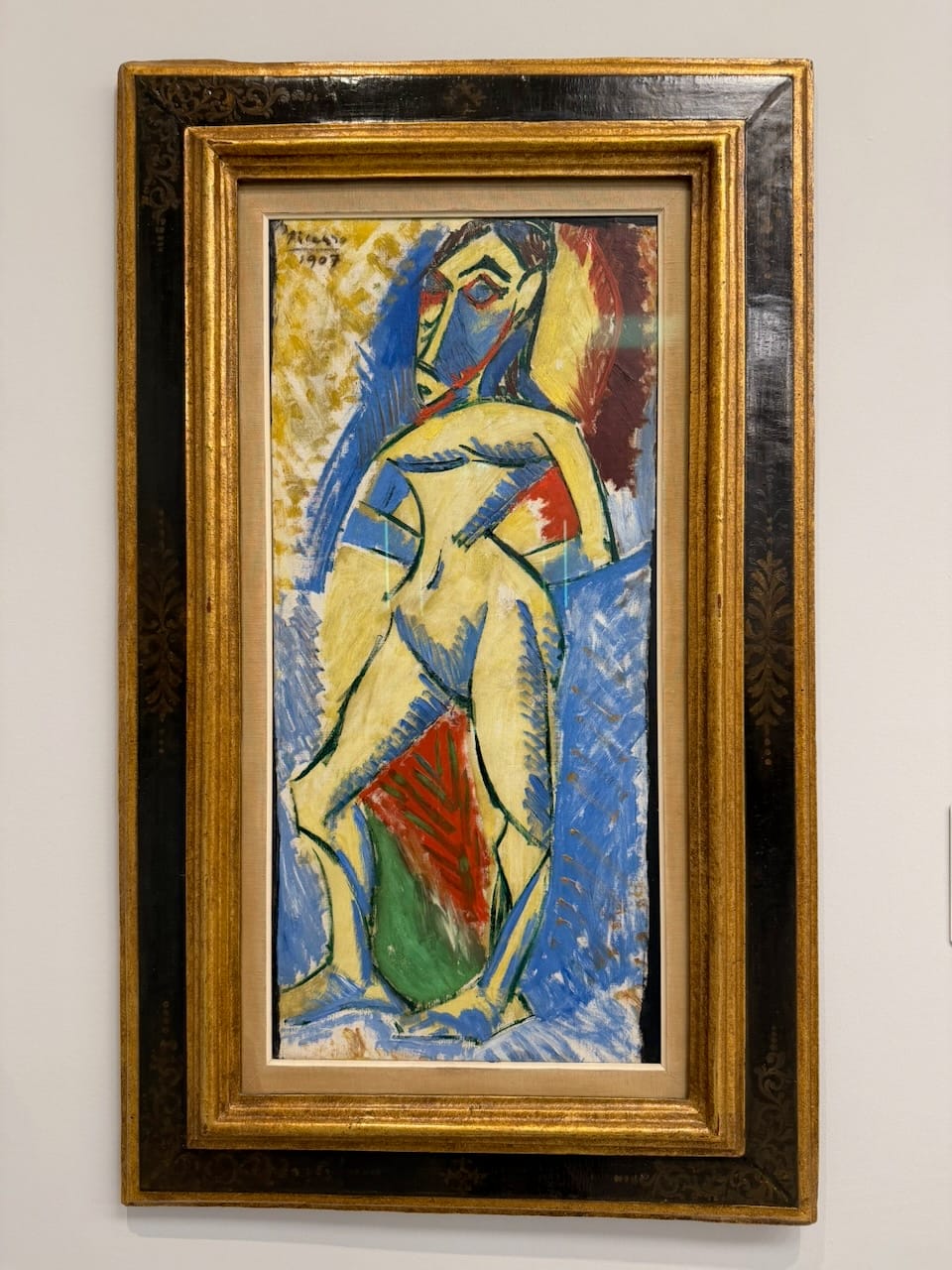
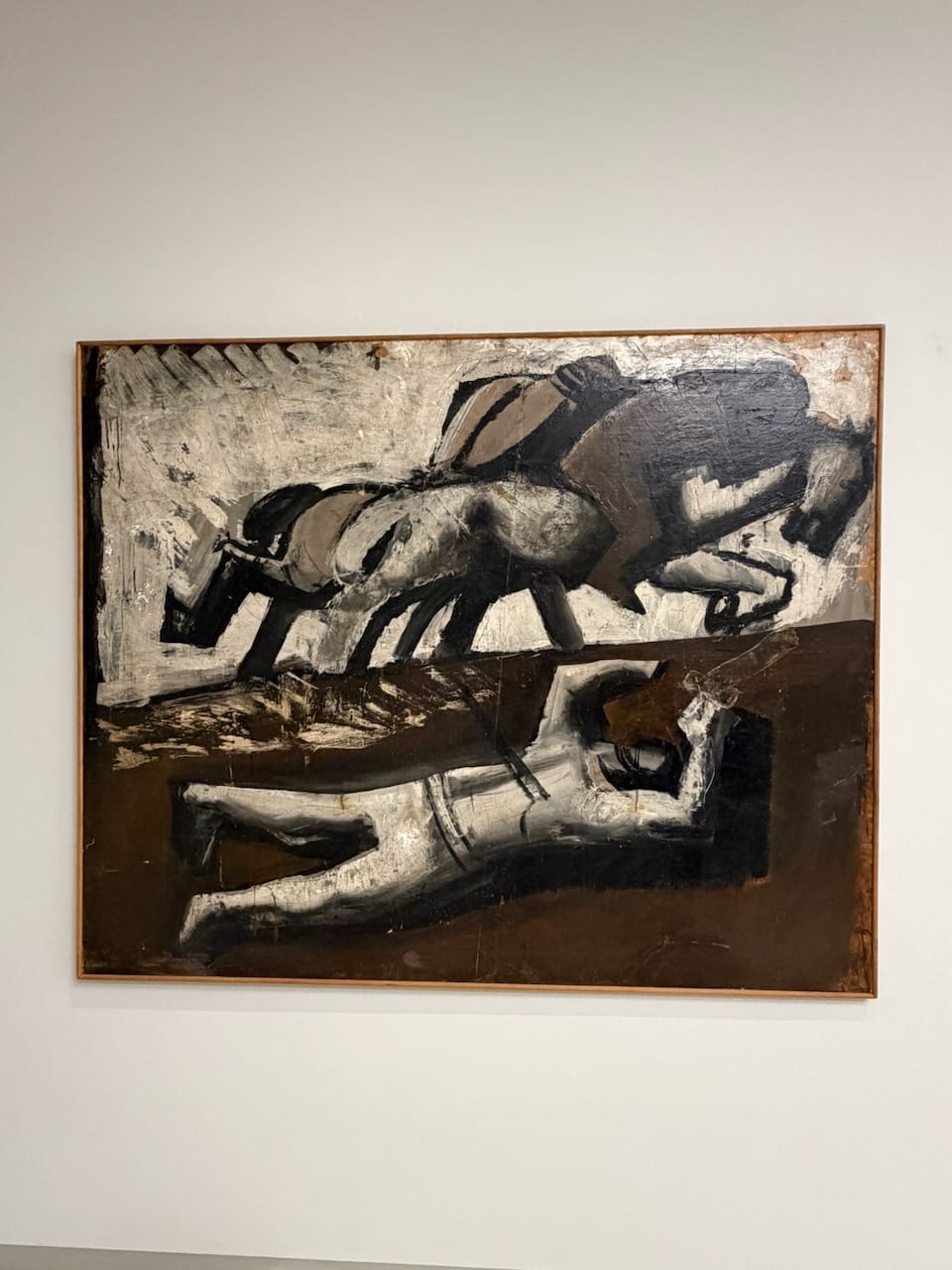
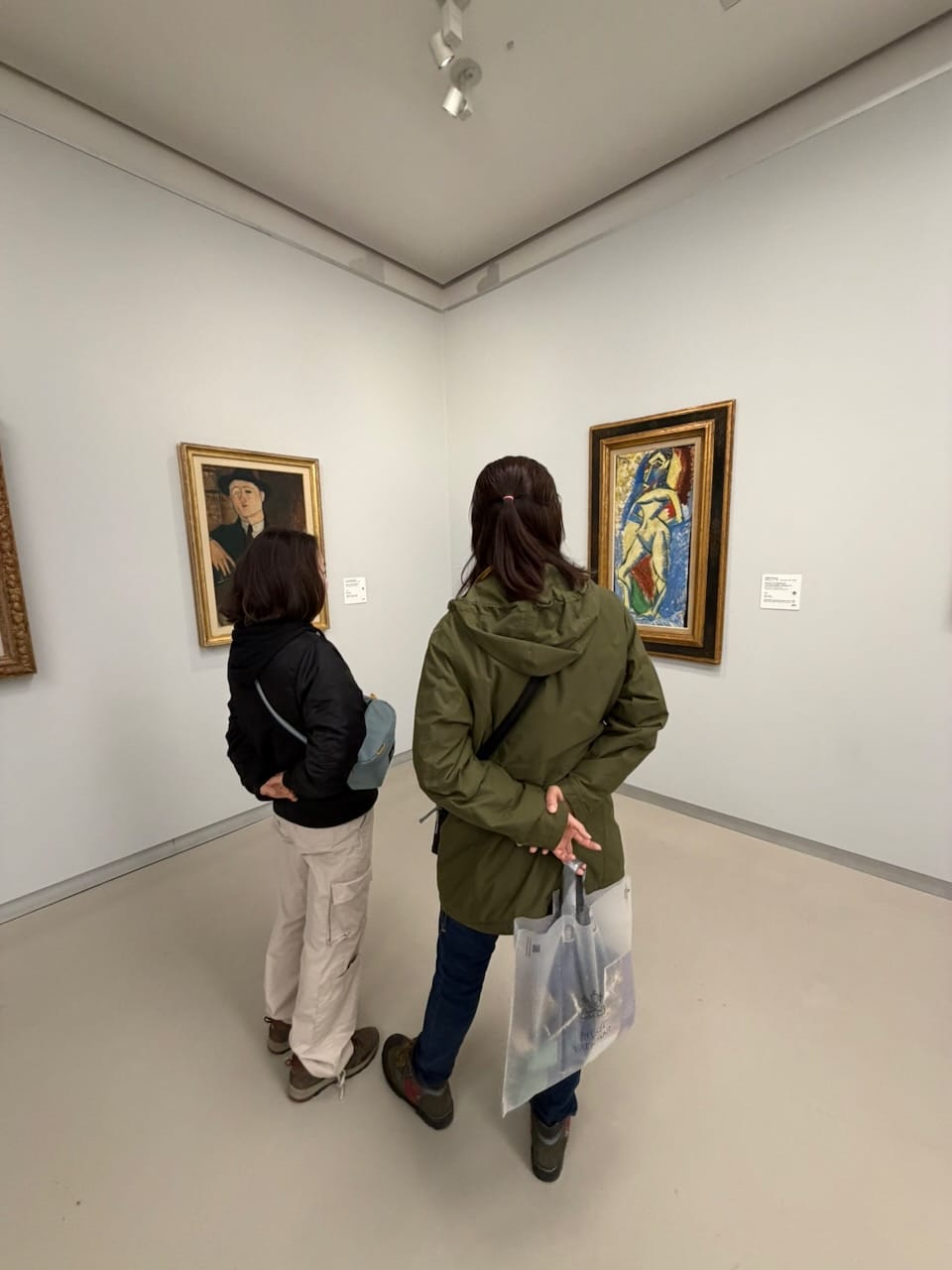
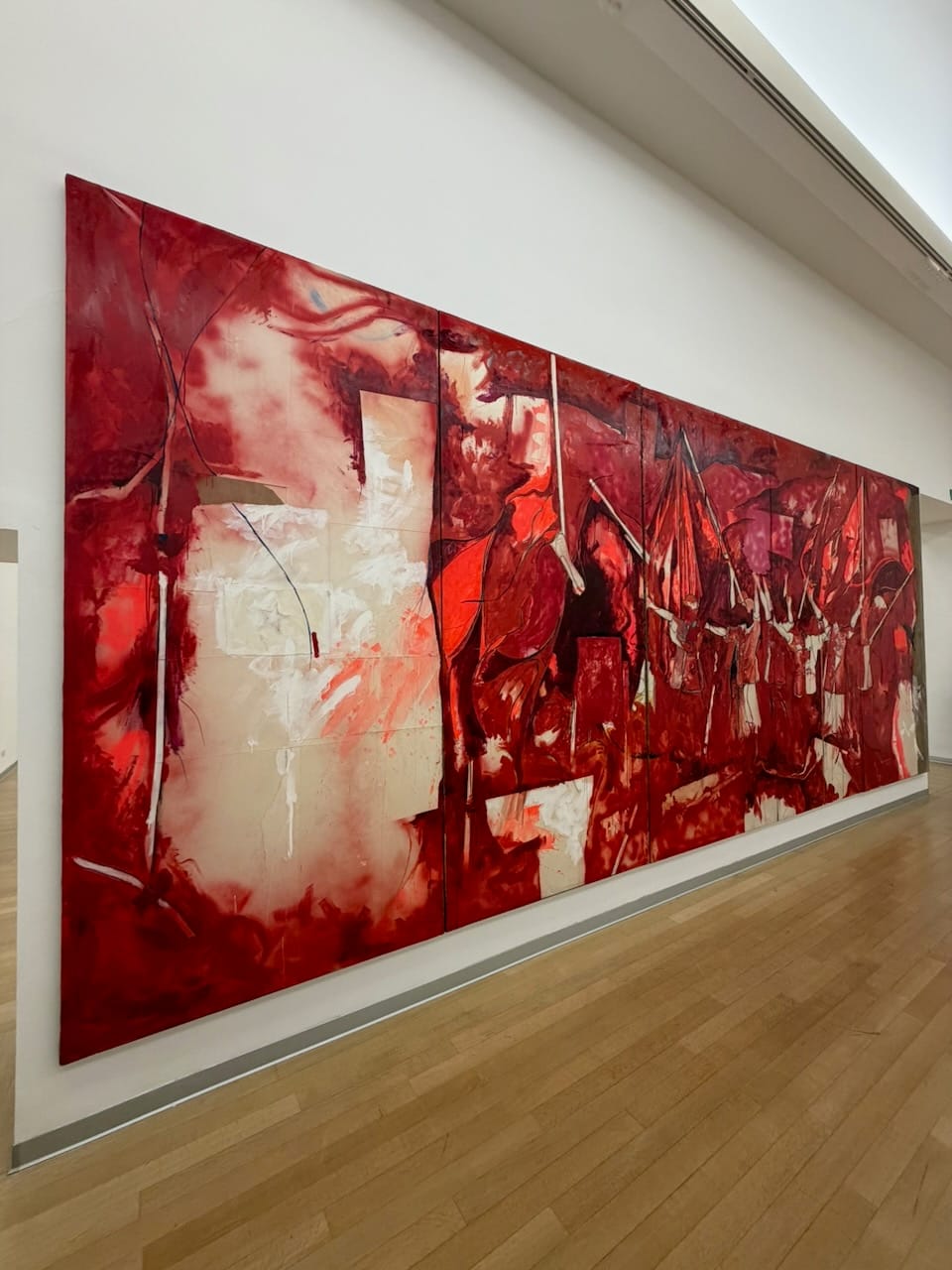
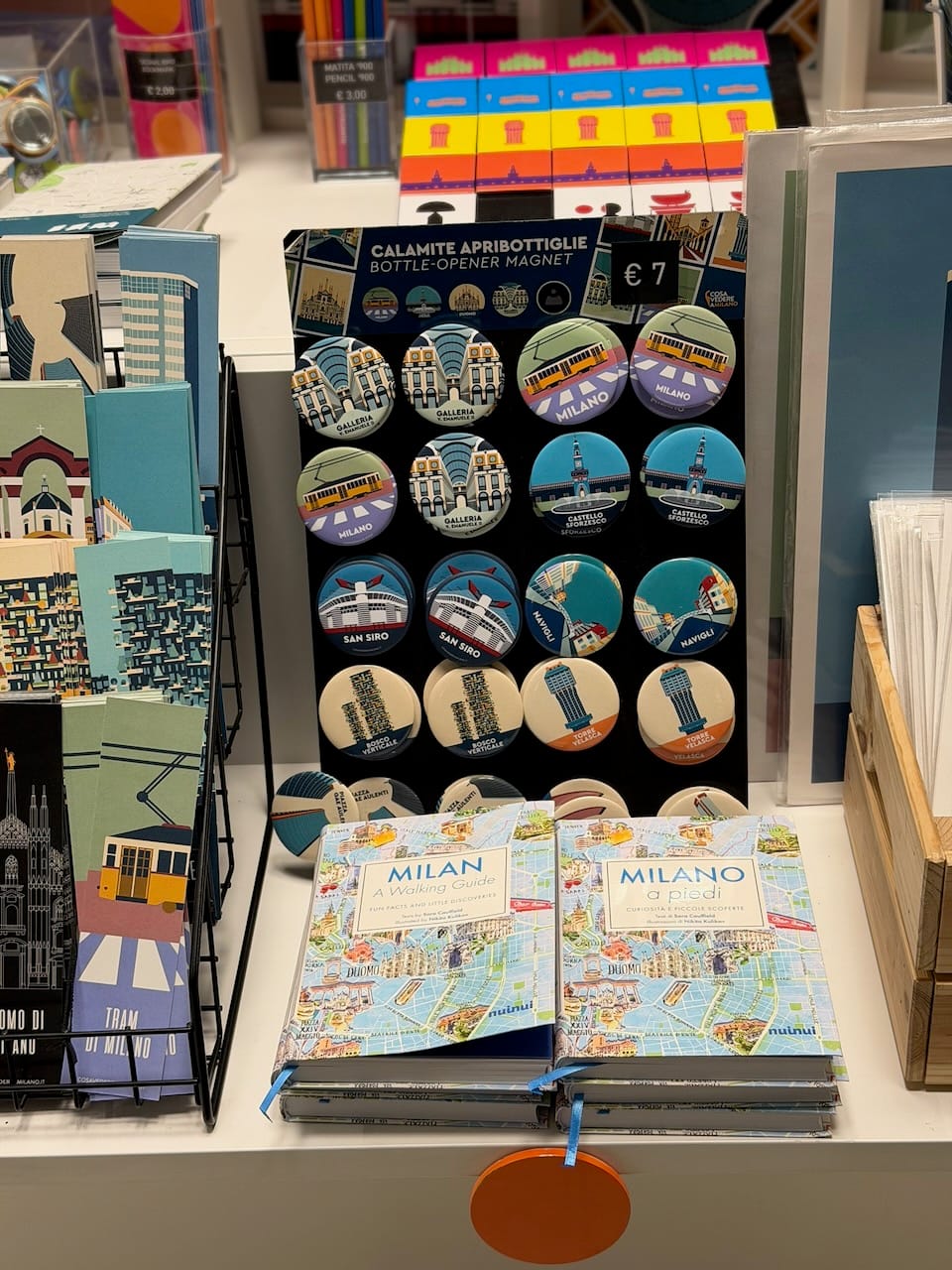
The museum was a refreshing change of pace. The works were bold, experimental, and often challenging, and the overall experience was quietly satisfying. But the most memorable part wasn’t just what was inside the galleries. From the museum’s windows, we could see the Duomo at night, glowing against the dark sky. That view alone felt like an exhibit of its own.
Dinner was at L’Isola del Tesoro, another spot recommended by ChatGPT, and it turned out to be a perfect choice for our final night in Milan. The atmosphere was the most local we had experienced on the trip, with soccer jerseys hanging on the walls, TVs showing matches, and at one point the staff even asking if we wanted to watch the game with them.
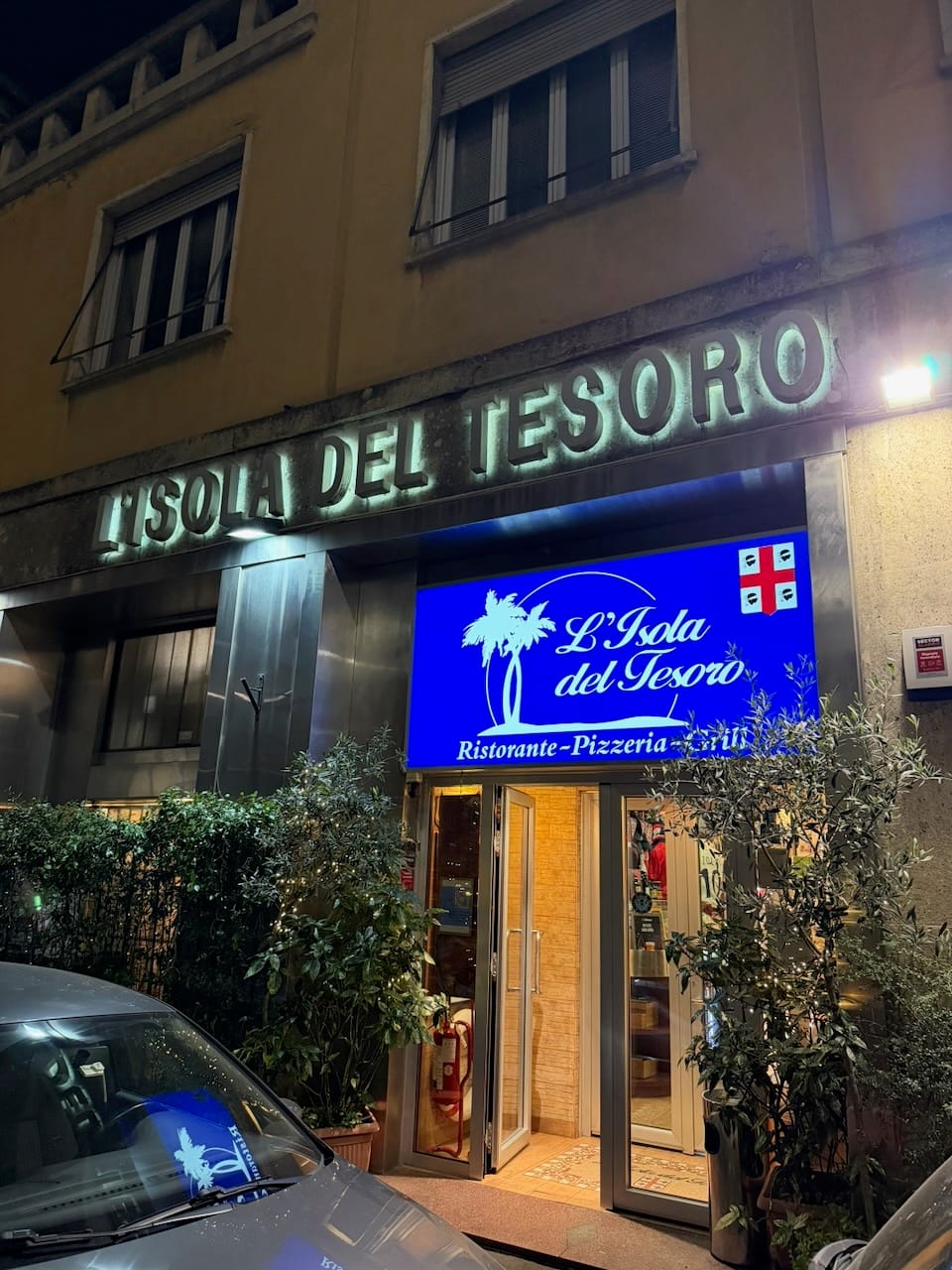
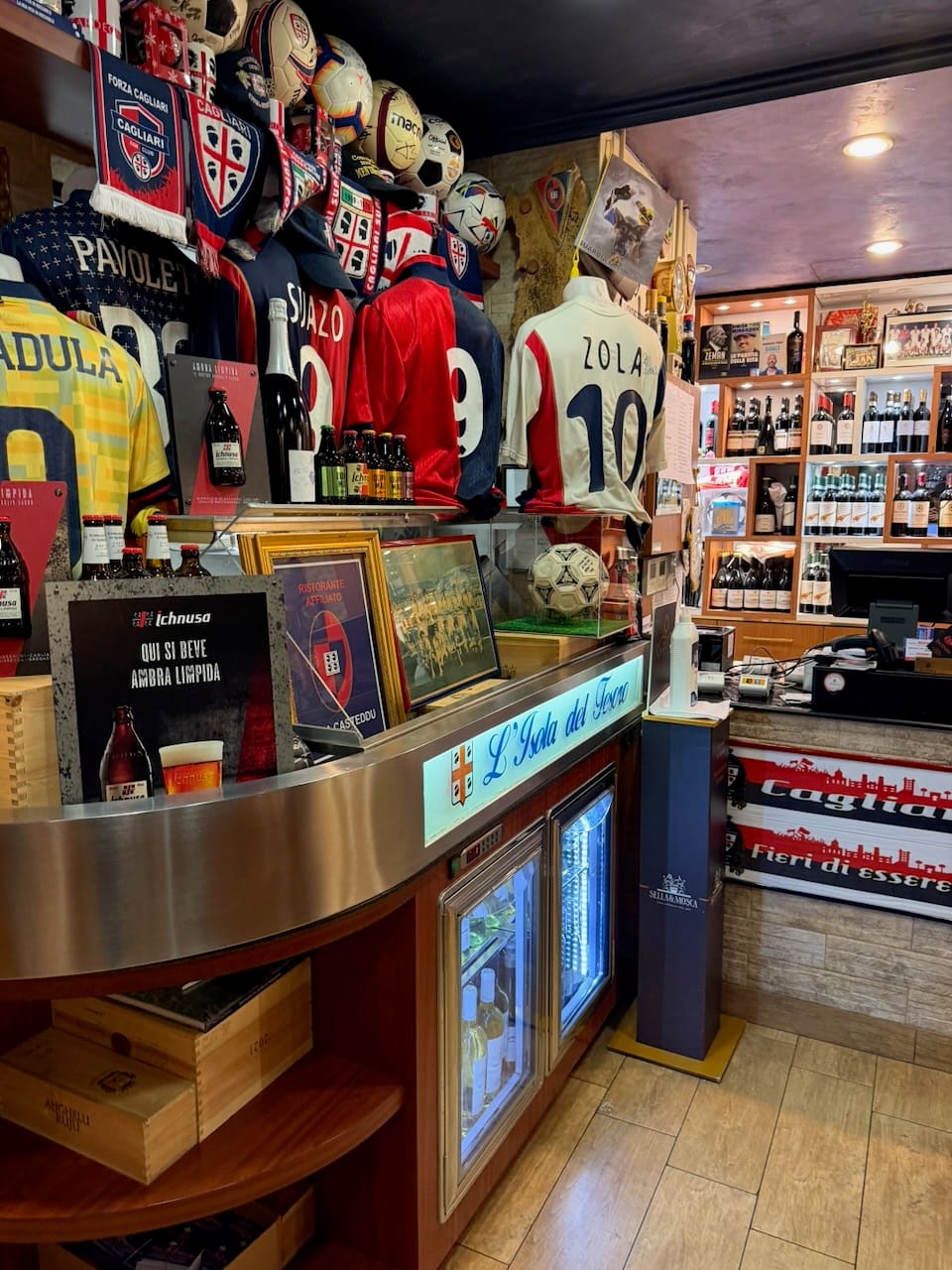
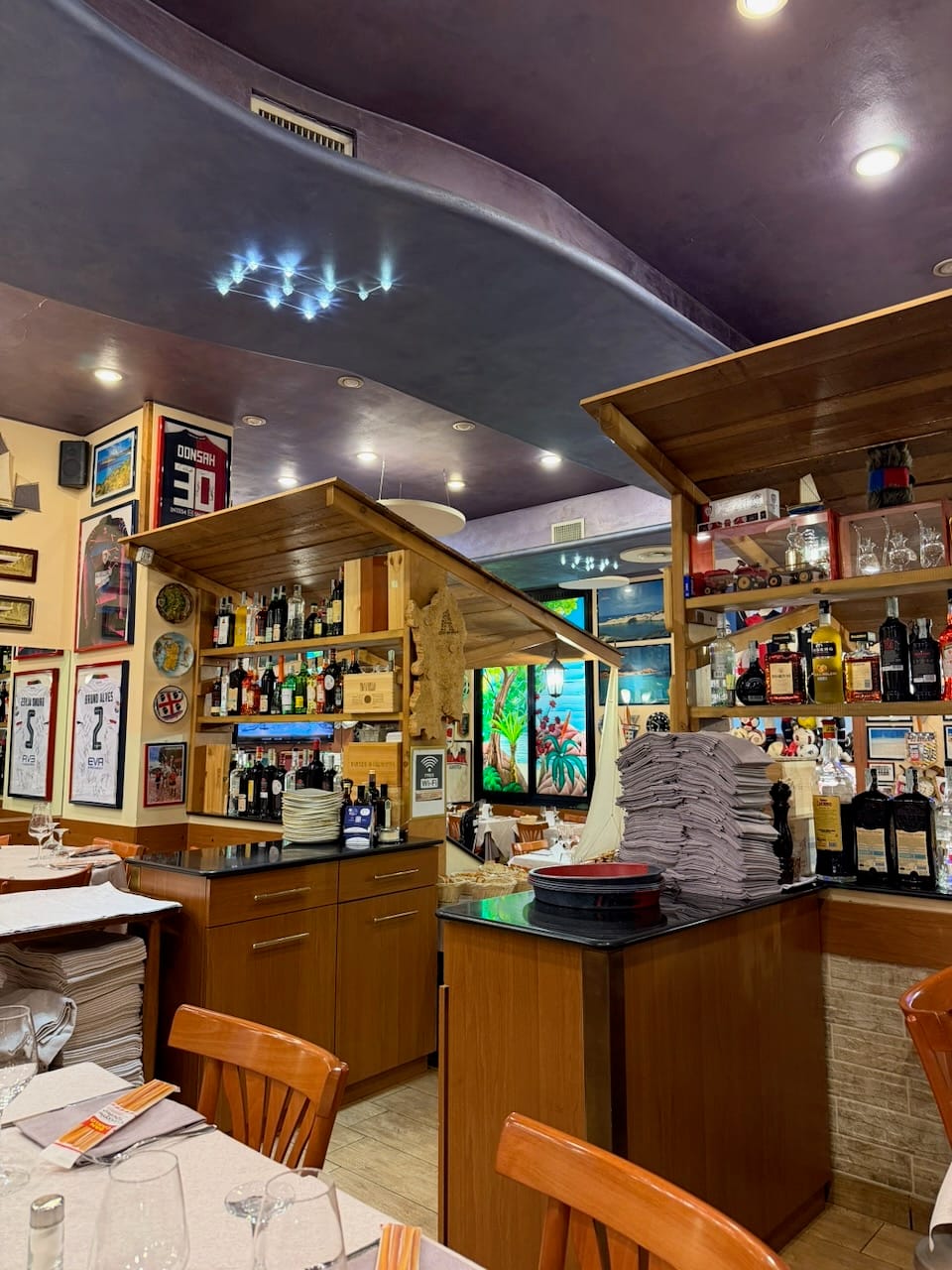
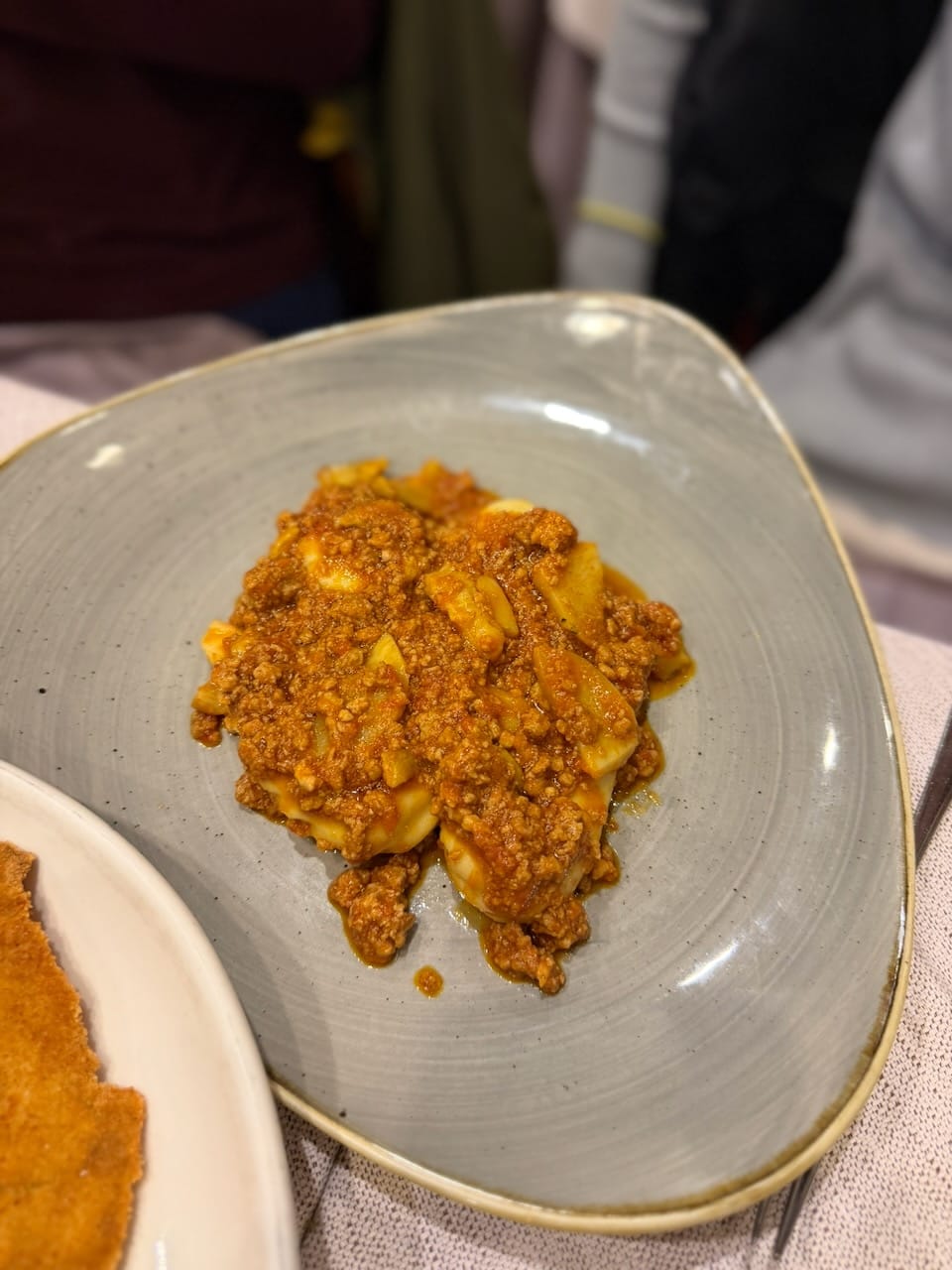
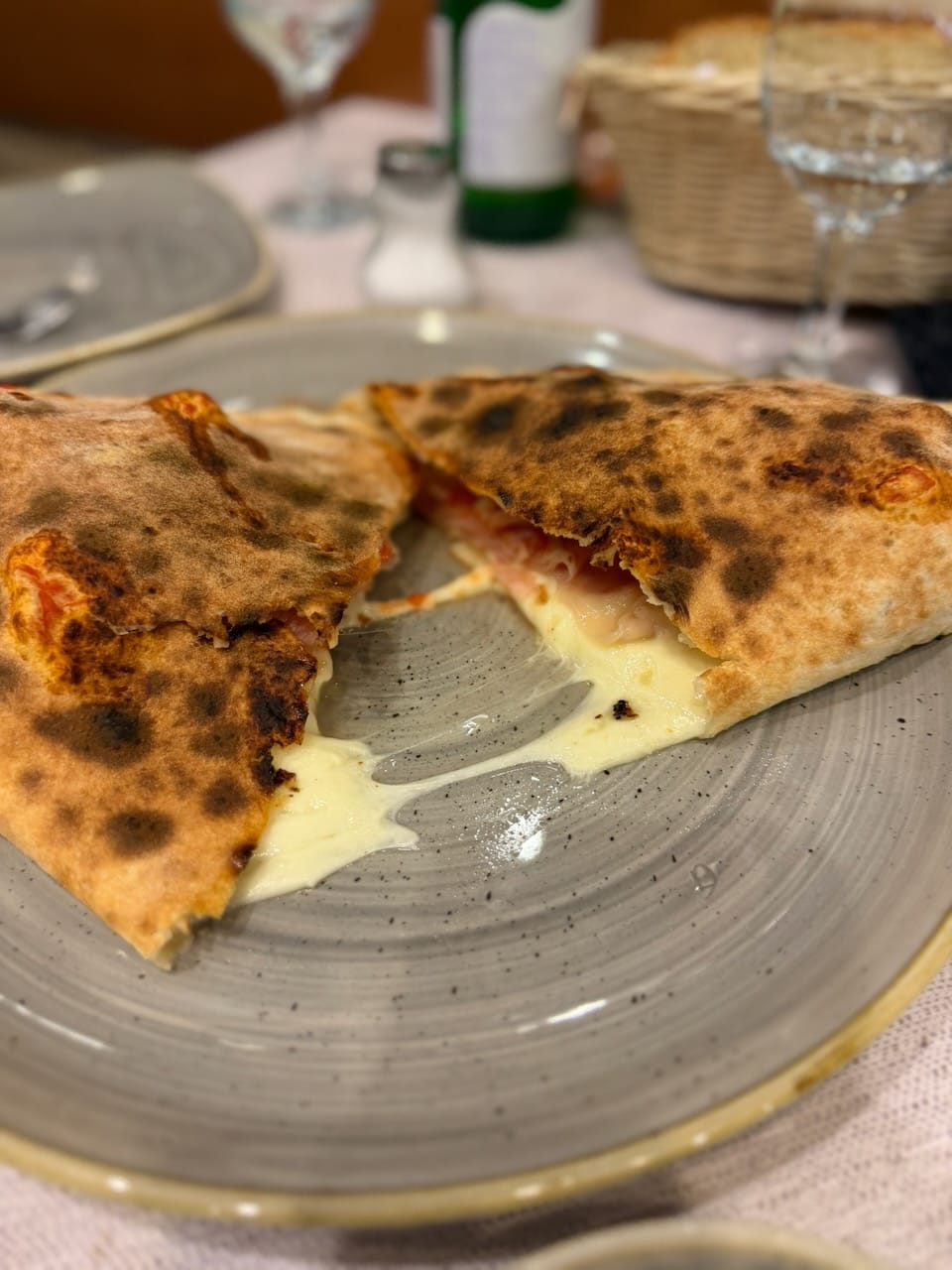
L’Isola del Tesoro
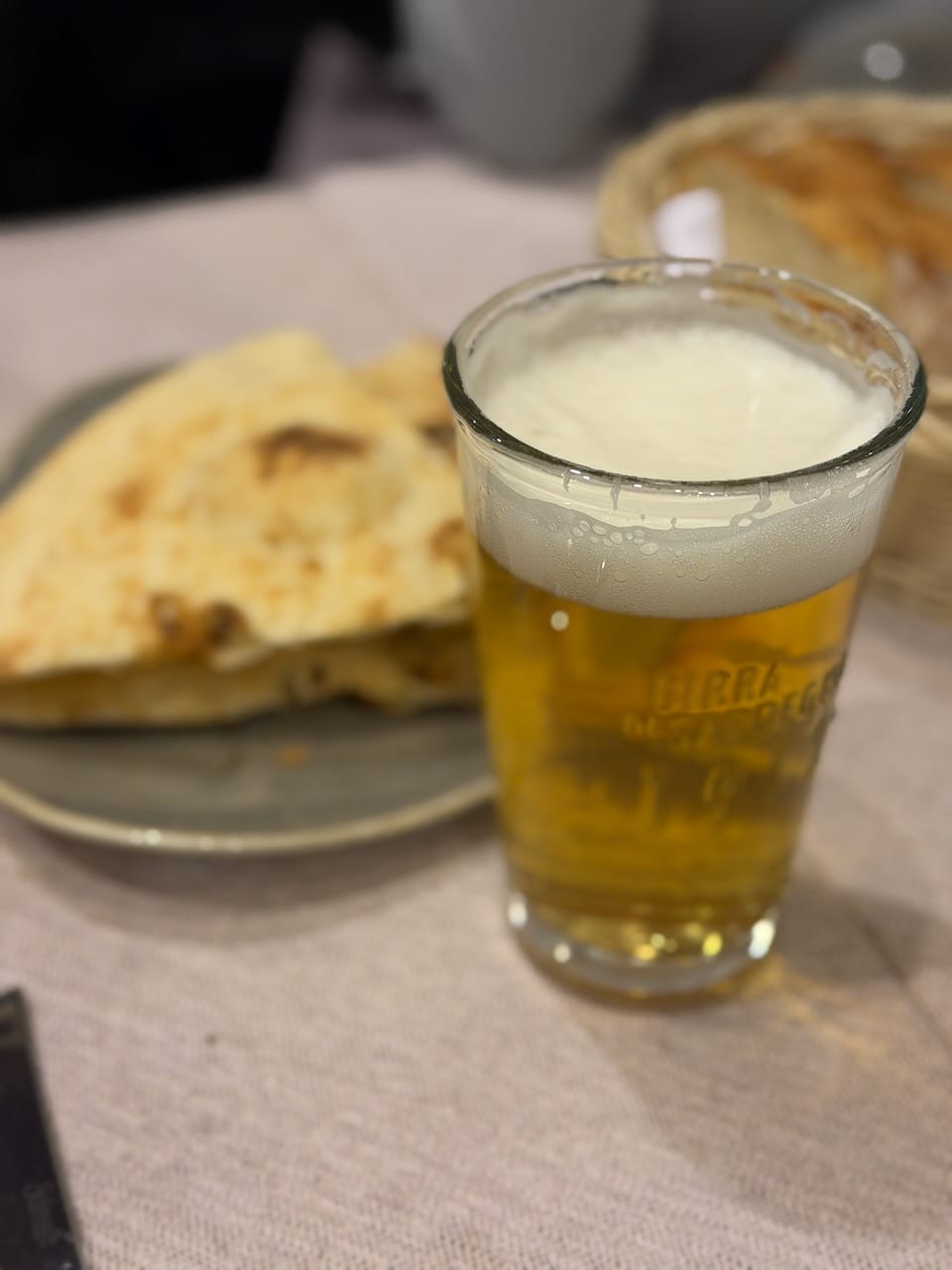
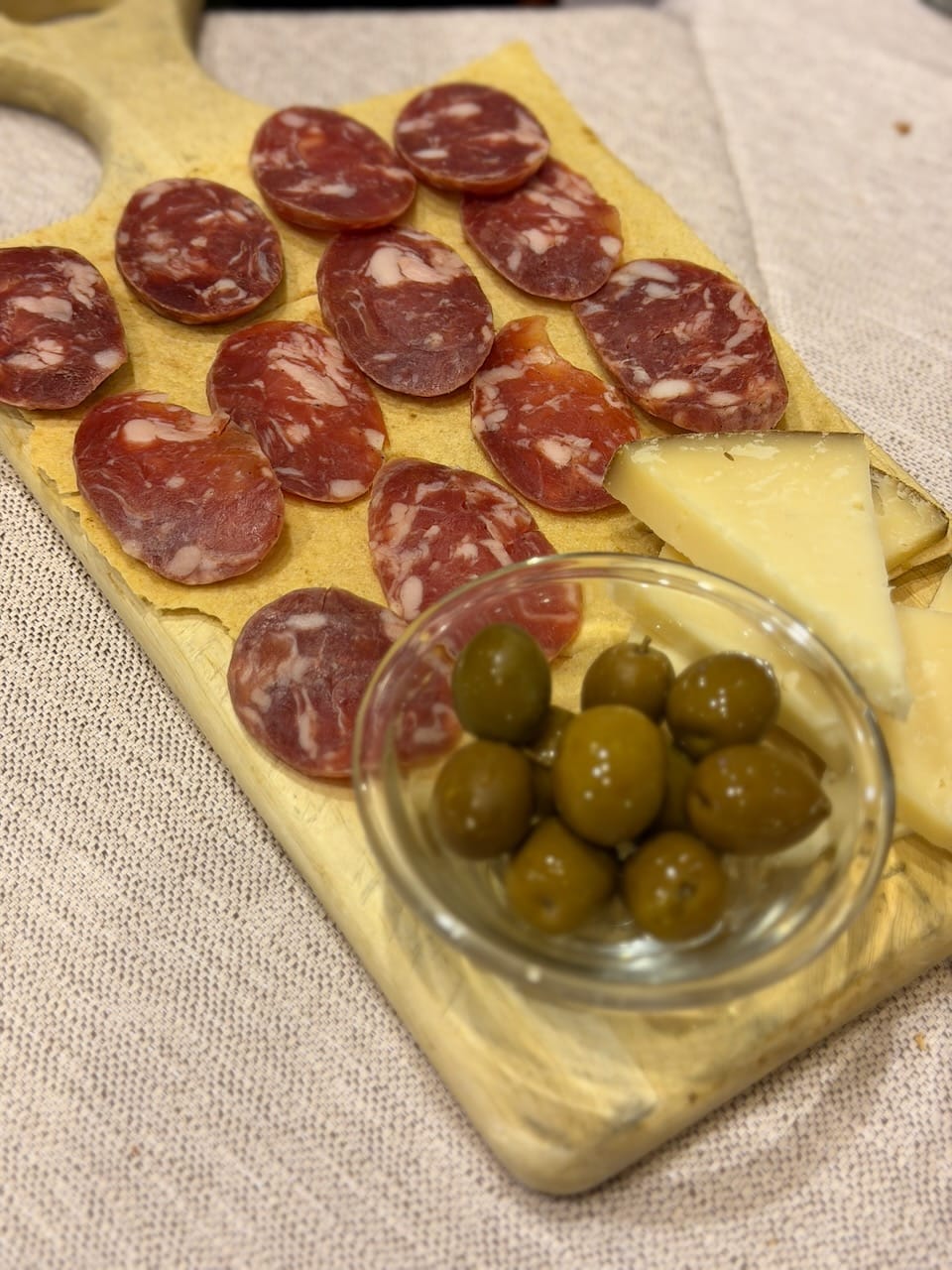
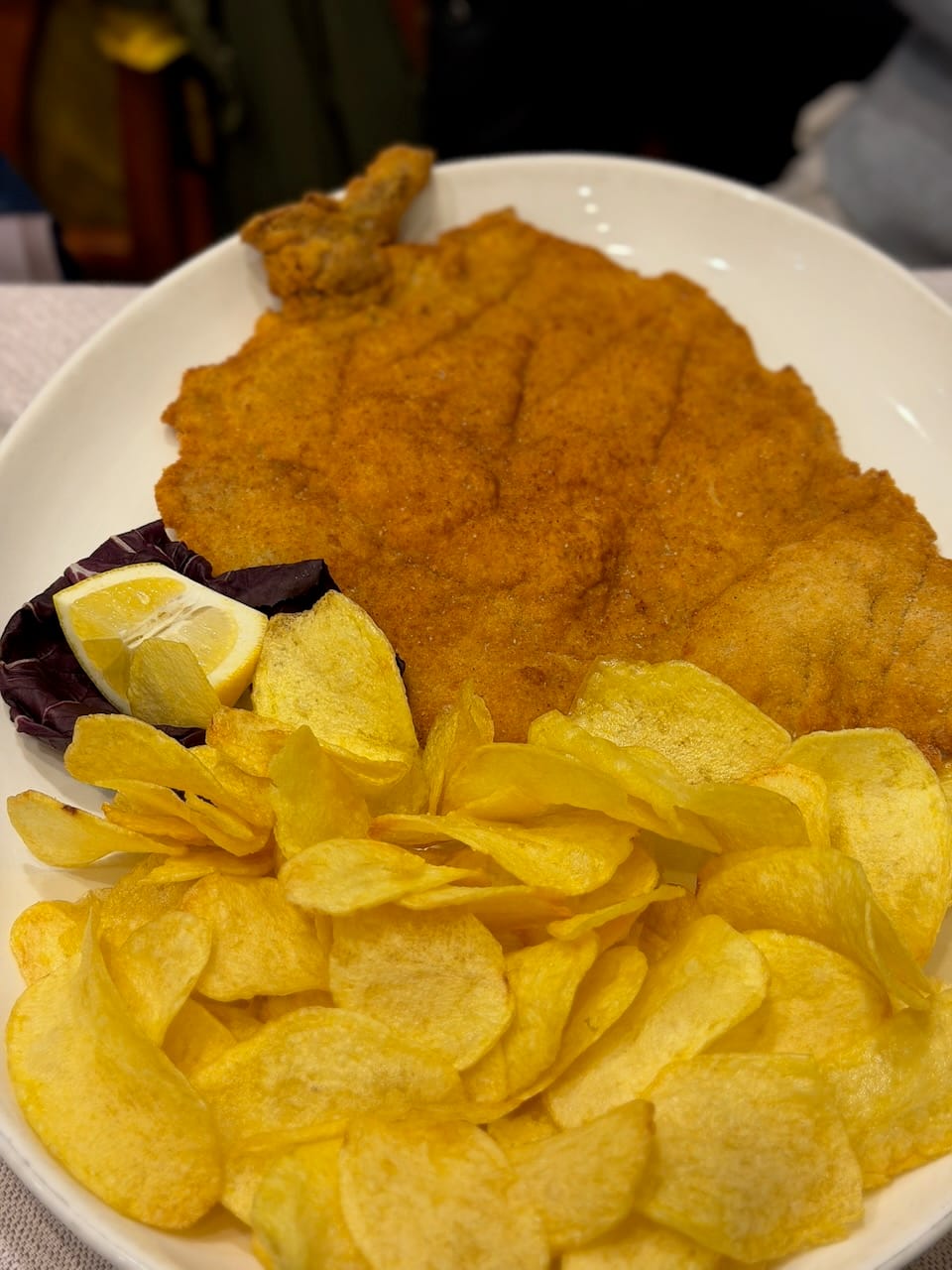
The food, of course, was outstanding. The Milanese-style pork cutlet was far bigger than I expected, practically covering the entire plate, and the calzone, overflowing with molten cheese, was pure comfort food. Everything felt generous and satisfying, the kind of meal that makes you slow down and smile between bites.
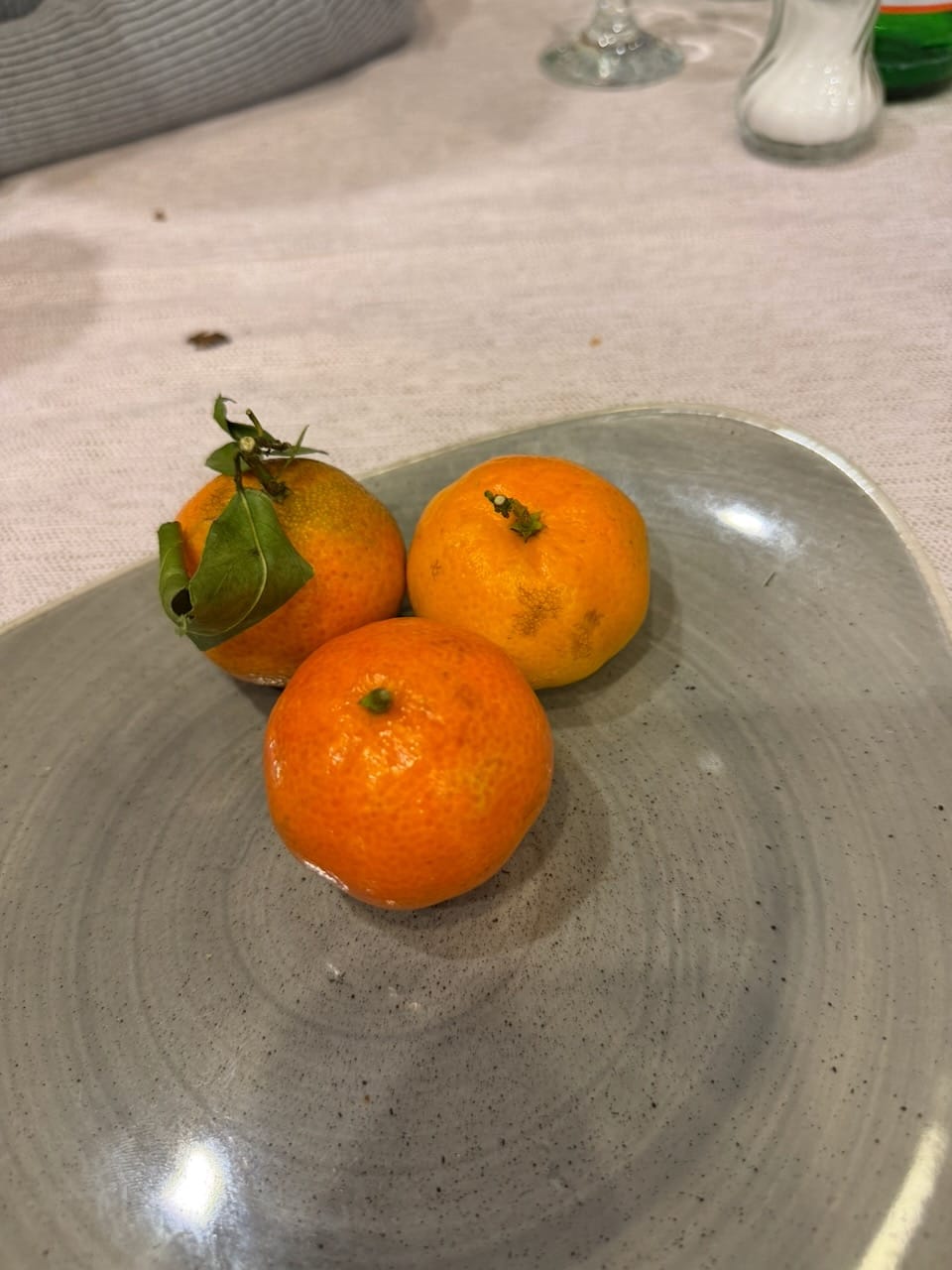
It was a very local place, though the server not subtly hinted at a tip, perhaps because we were clearly tourists from the US. Still, with the warm service, the constant flow of fresh bread, and the unexpected closing treat of sweet tangerines, we were more than happy to show our gratitude. It was a perfect way to wrap up our time in Italy.
At last, we wanted to make the most of our Milan Metro day pass, so we headed to the city’s most contemporary district, Porta Nuova. After spending the afternoon on the ancient terraces of the Duomo and looking out over centuries of history, we were curious to see the modern face of Milan. The contrast was striking. Tall glass buildings, including the soaring UniCredit Tower, reshaped the skyline into something that felt closer to Pangyo, the IT district of Korea, than classical Italy.
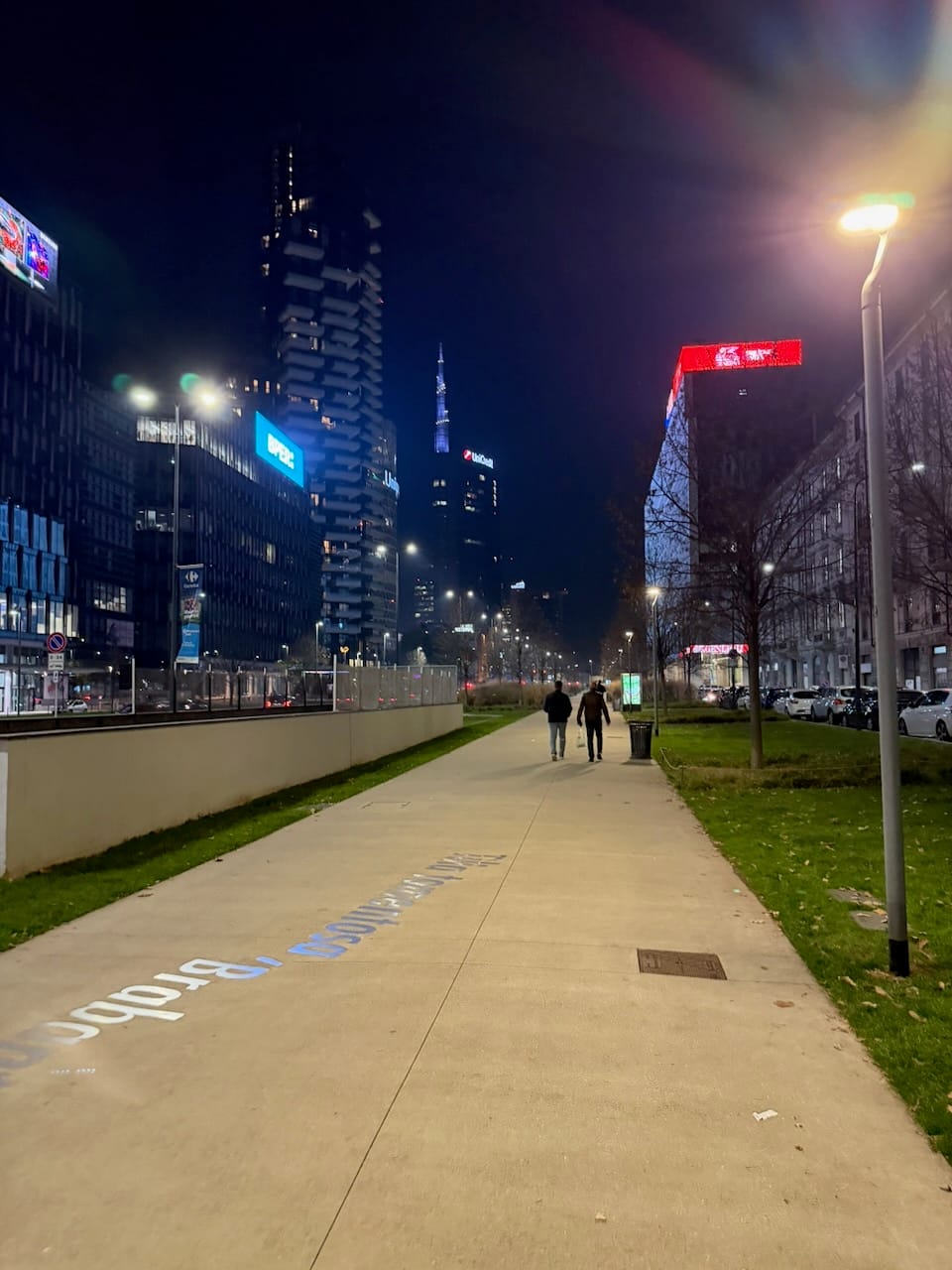
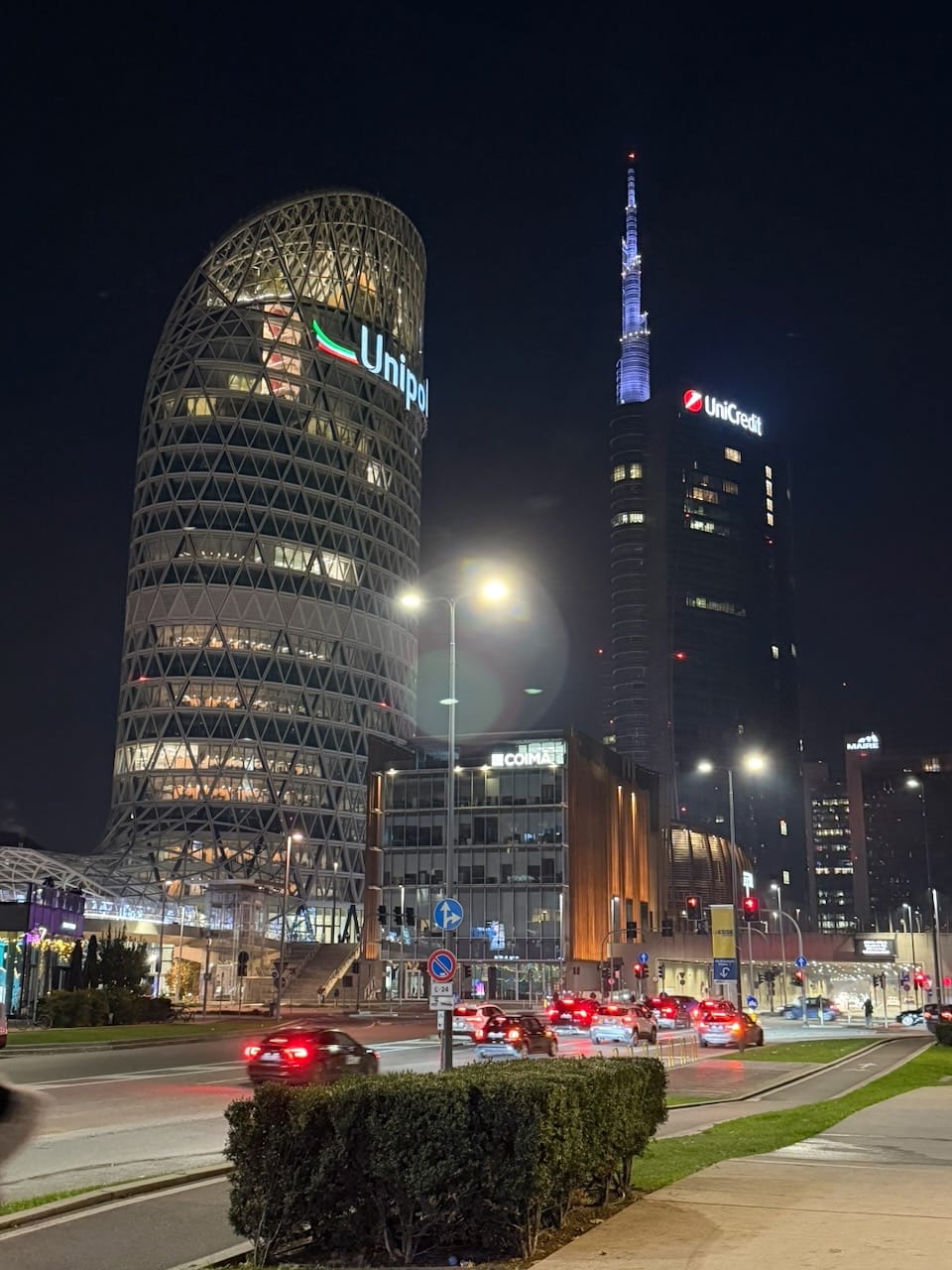
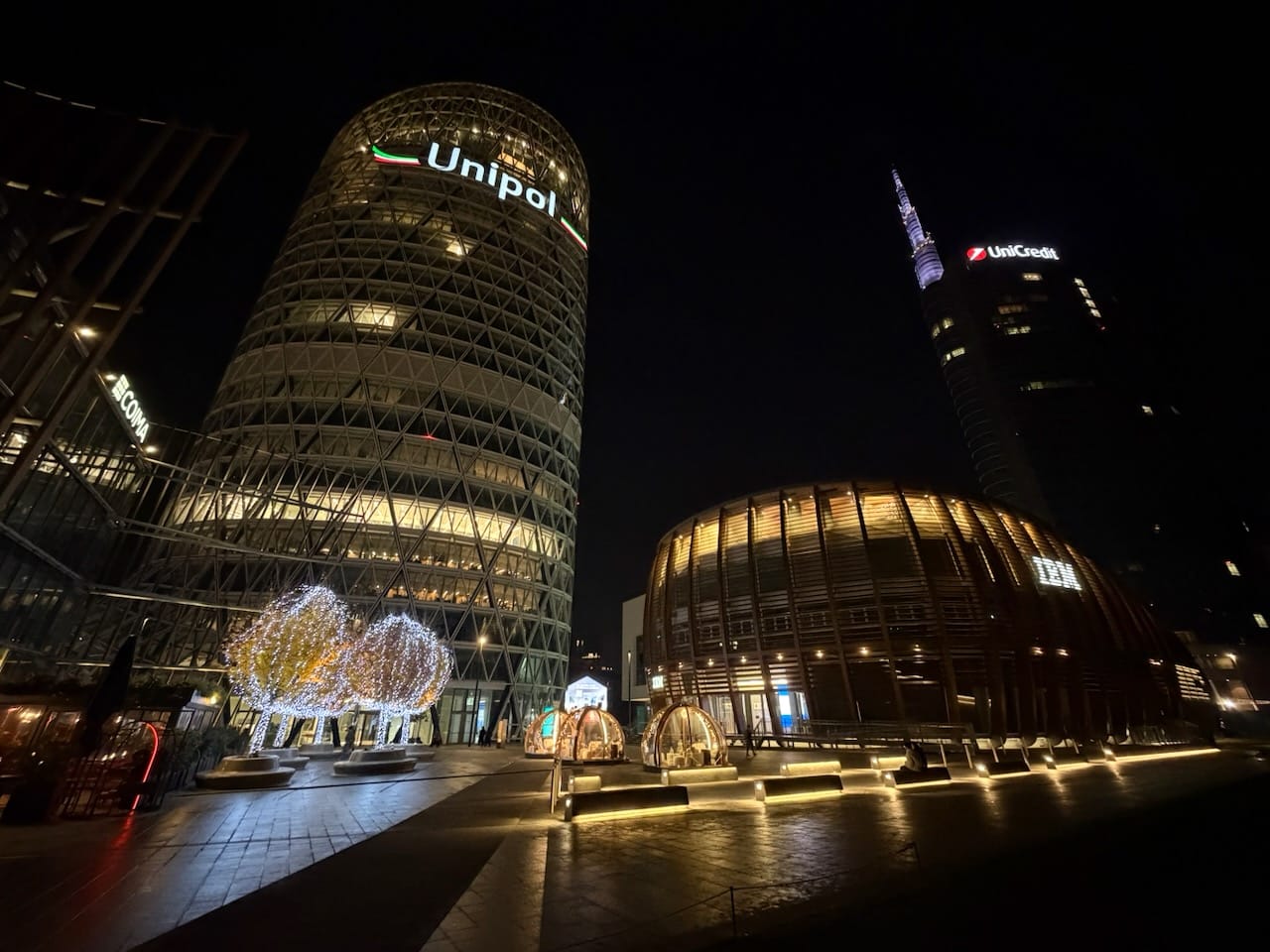
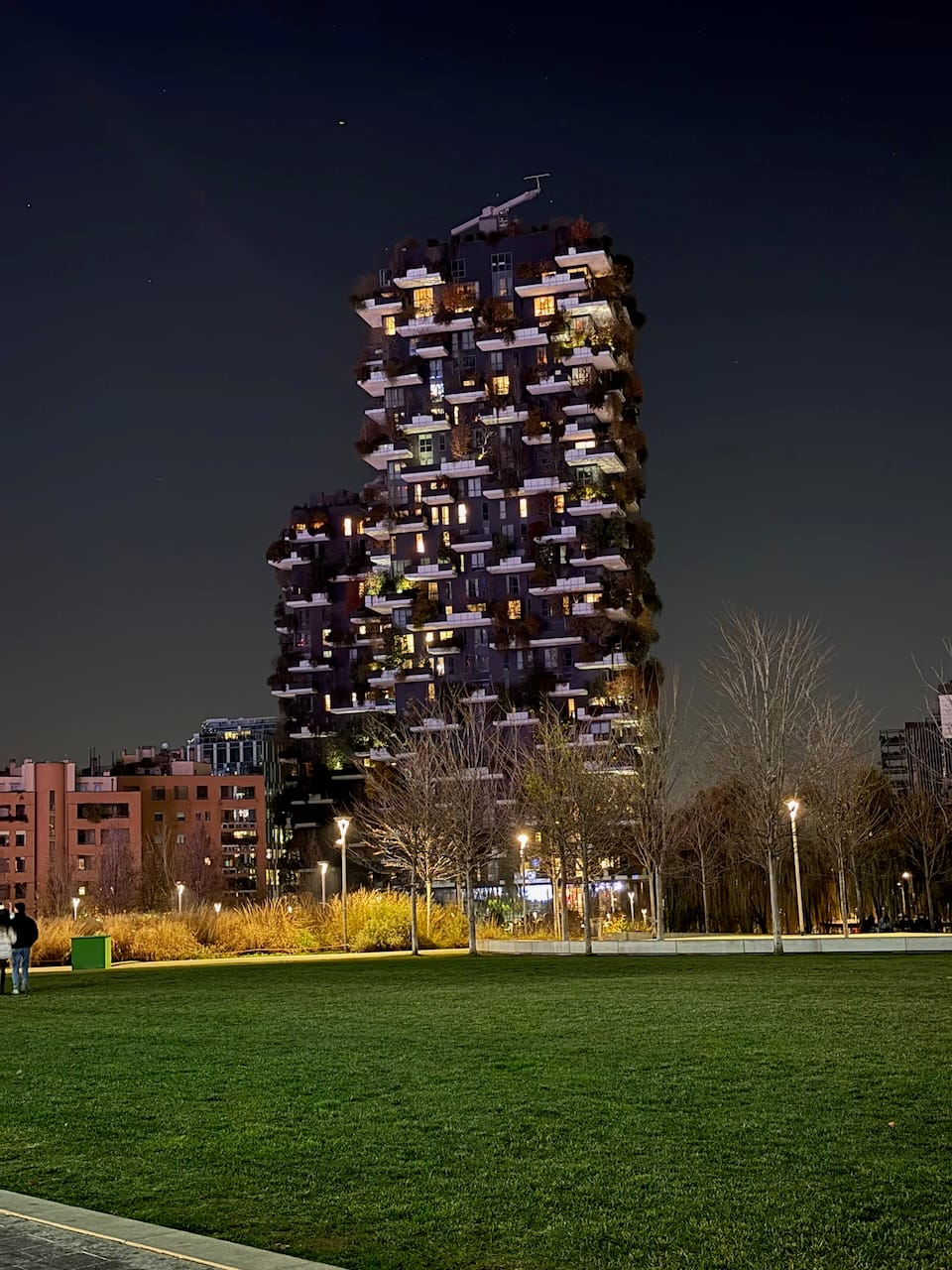
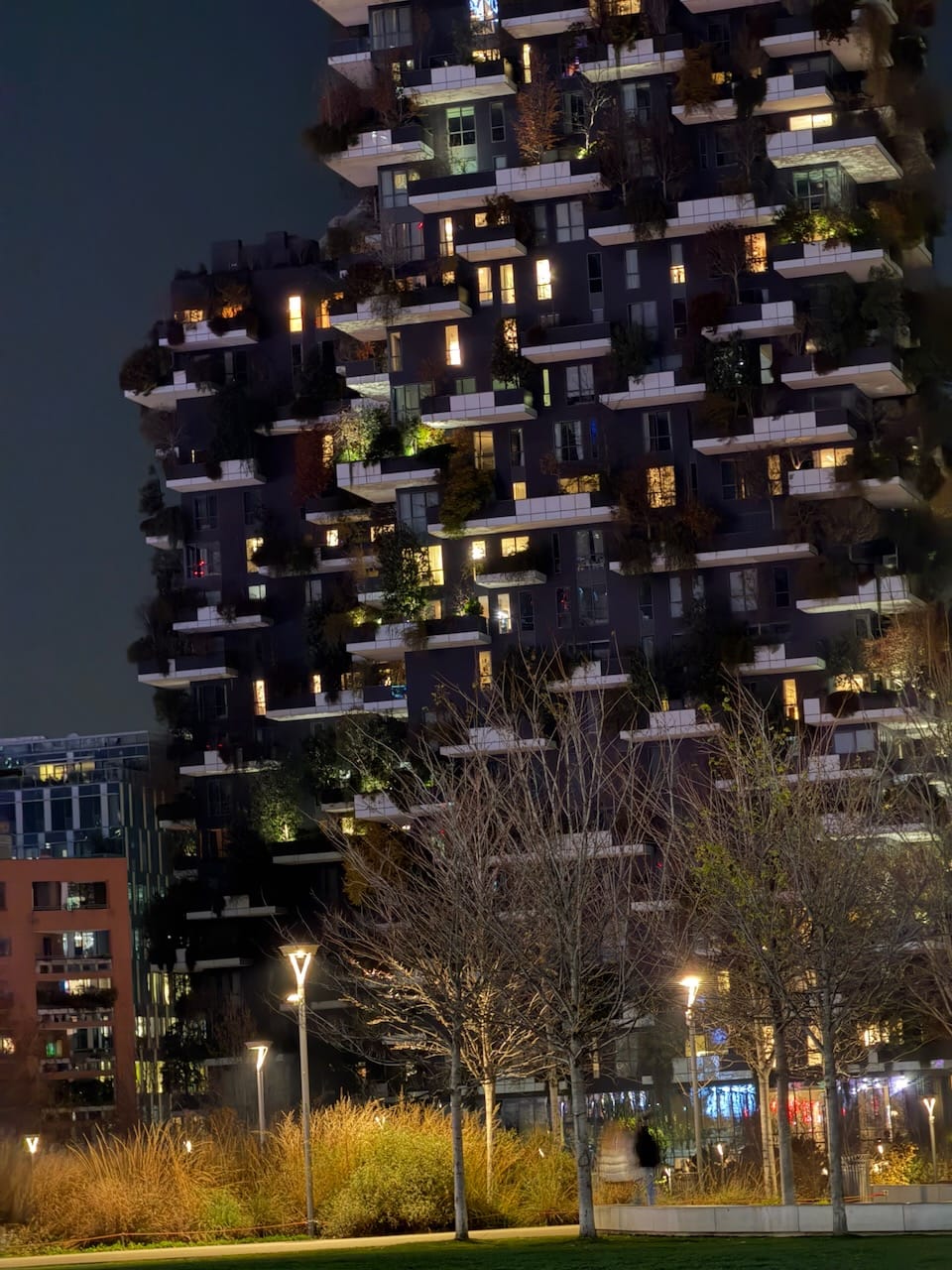
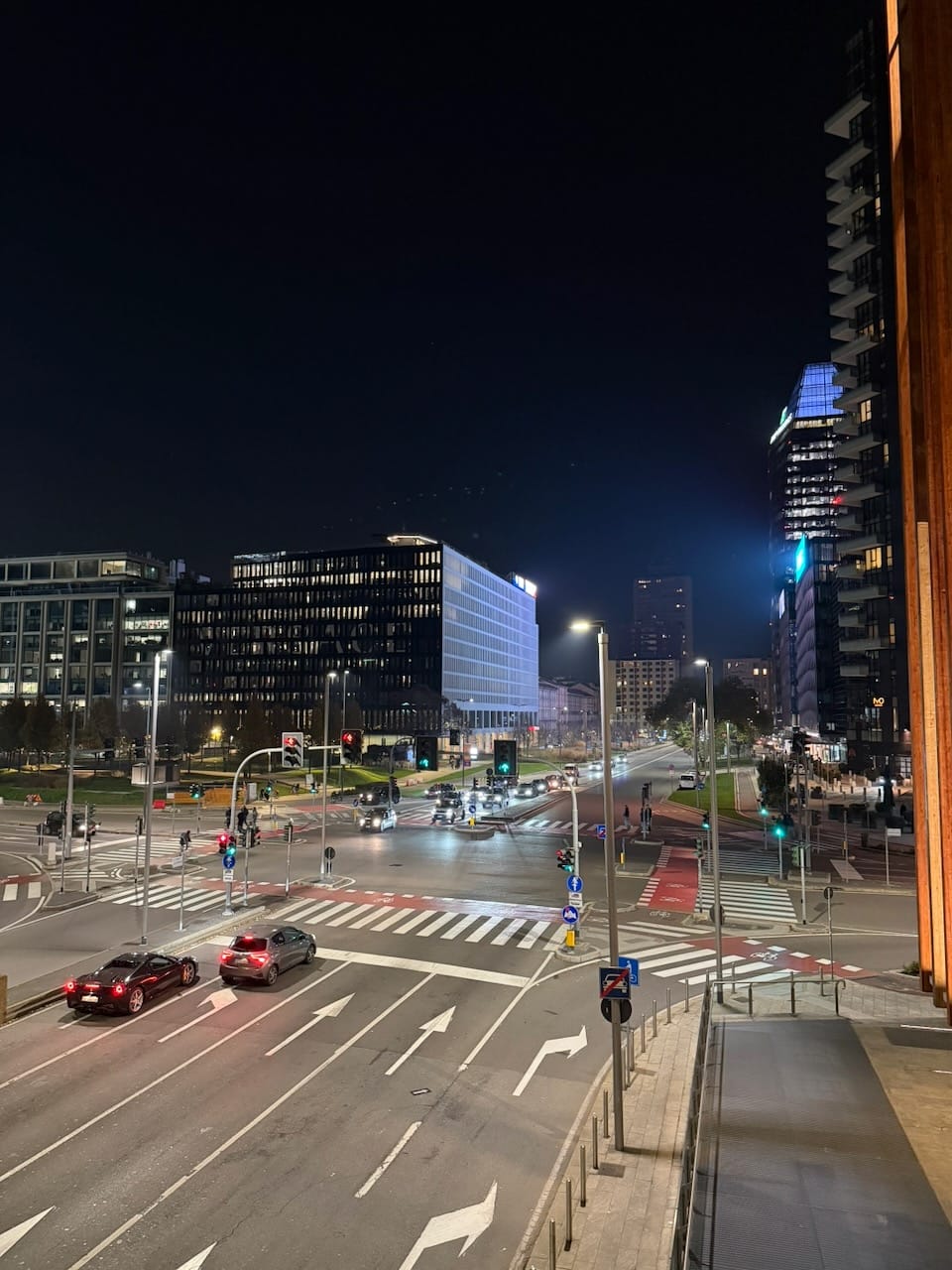
From there, we finally saw Bosco Verticale, the “Vertical Forest.” Two residential towers covered with thousands of trees and plants rise straight into the sky, quietly redefining what a city can look like. It felt like a glimpse of the future of urban living, where architecture, nature, and everyday life exist in the same space. Standing there, after days of walking through ancient streets and Renaissance masterpieces, it was the perfect closing note for Milan, and this Thanksgiving Italy trip.