YOASOBI: Never Ending Stories in Oakland

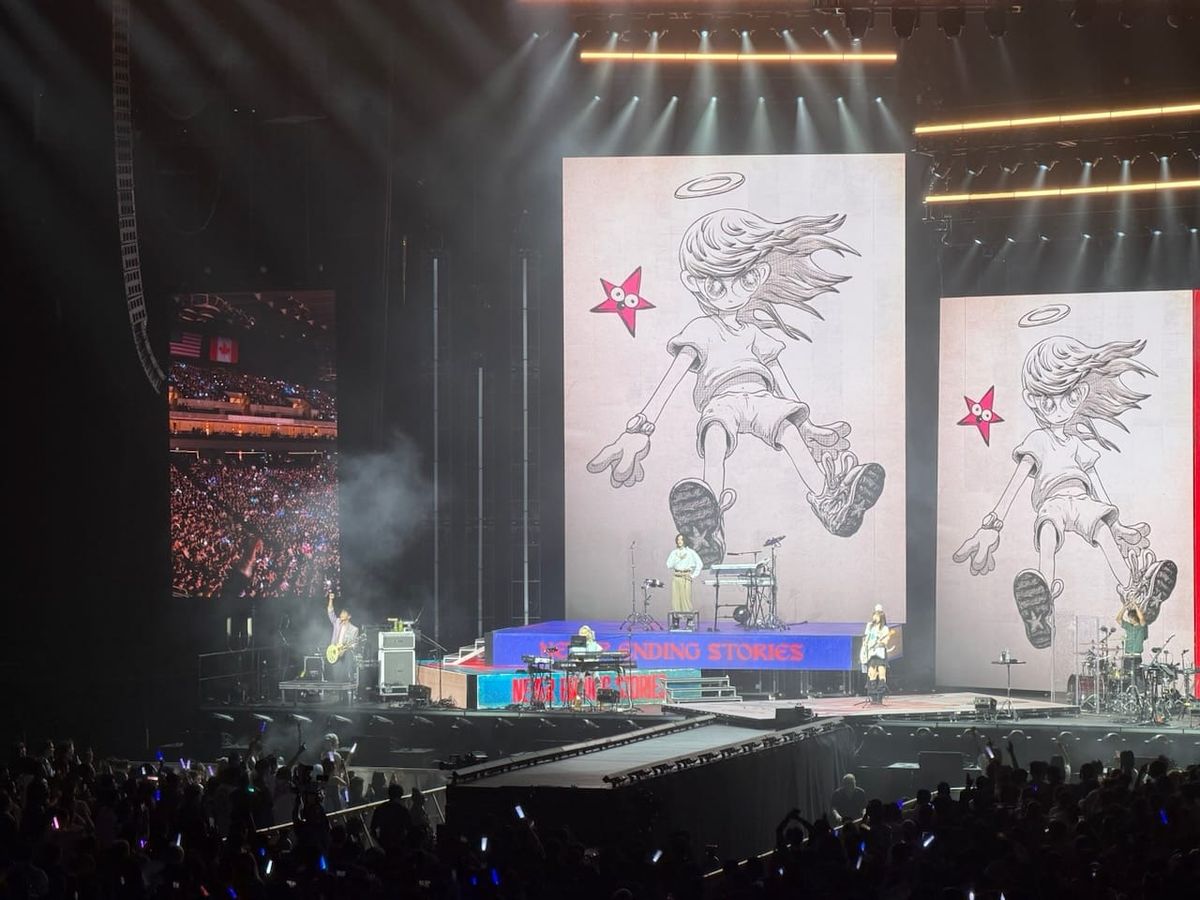
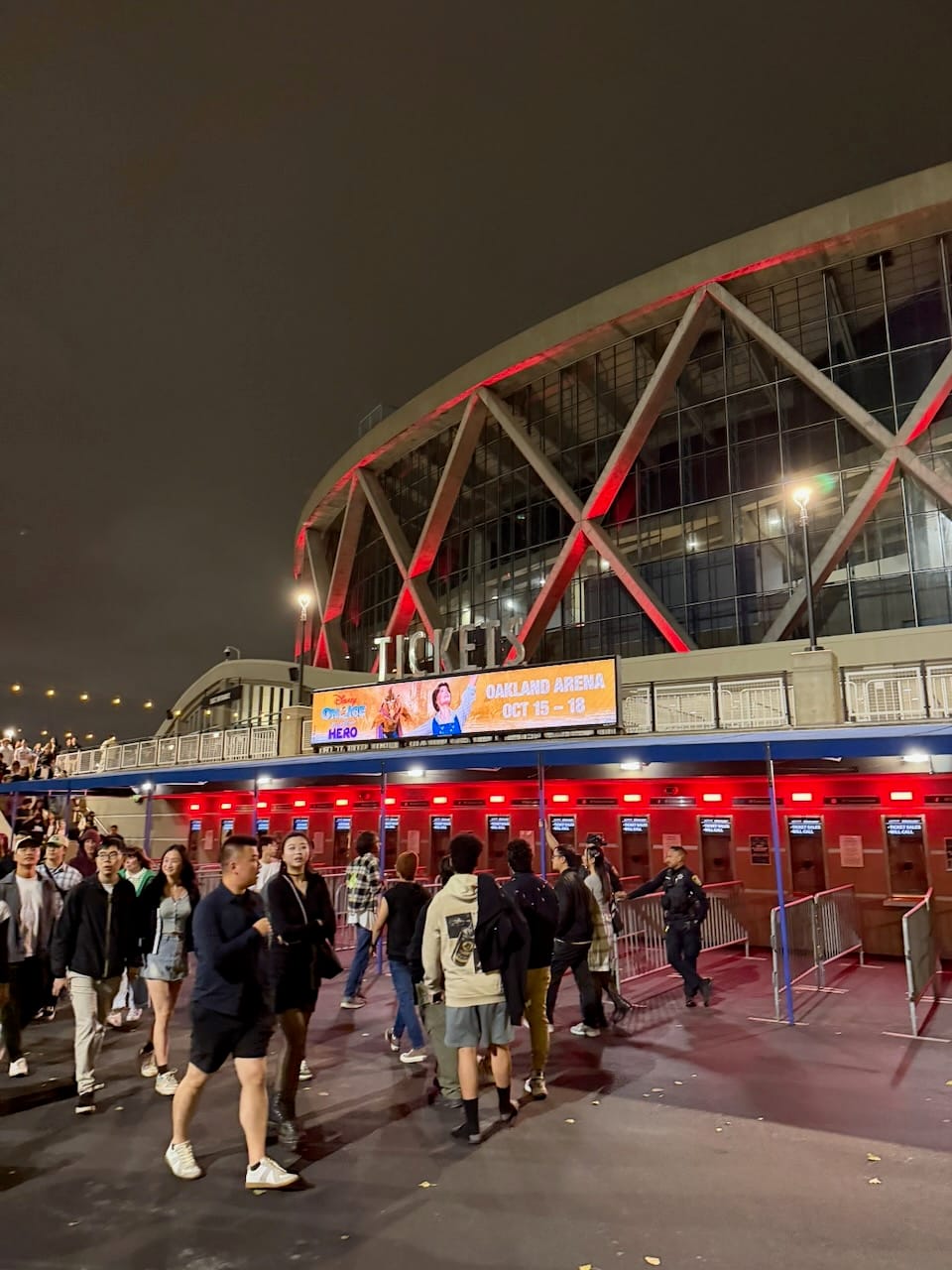
There are few Bay Area plans less appealing to me than getting onto I-880 on a Friday afternoon. Yet on August 14, that was exactly where we were headed. YOASOBI had brought the NORTH AMERICA TOUR 2026 “NEVER ENDING STORIES” to Oakland Arena, and avoiding 880 was not an option.
YOASOBI is the duo of composer and producer Ayase and vocalist Ikura. Their defining idea is simple and unusually durable: turning stories into songs. I first came to know them (though I had heard a lot of the name before that) through “The Blessing,” the opening theme for Mobile Suit Gundam: The Witch from Mercury. At first, I heard it just as another strong anime opening song. It was only after I had watched about half of the series that I understood how closely the lyrics followed the show’s central theme. As I wrote in my post about The Witch from Mercury, the song is not merely attached to the story. It speaks from inside it, almost as a serenade from Aerial to Suletta.
That realization changed the way I listened to YOASOBI. Their songs can be immediately catchy, but the full effect often arrives later, after the story catches up with the music. By 2026, calling them one of Japan’s biggest acts hardly feels controversial. “Idol” reached far beyond the usual audience for Japanese pop, and the sold-out arena in Oakland made their international reach visible.
Still, when the tour was announced, my first question was: why Oakland? I do not mean that Oakland is especially dangerous (especially these days, still... but much better now). That was not my concern. I wondered about the venue itself. After the Warriors, Raiders, and finally the A’s left the Coliseum complex, Oakland Arena seemed like it might offer the right combination of size, availability, and cost. I am genuinely sorry that the city lost all of those teams. But my more immediate problem was simpler: I really did not want to fight Friday afternoon traffic on 880.
However, the drive turned out to be more comfortable than expected, mostly thanks to the FasTrak HOV 3+ lane. We arrived without the ordeal I had imagined, and the gates opened at around 6:30 as announced.
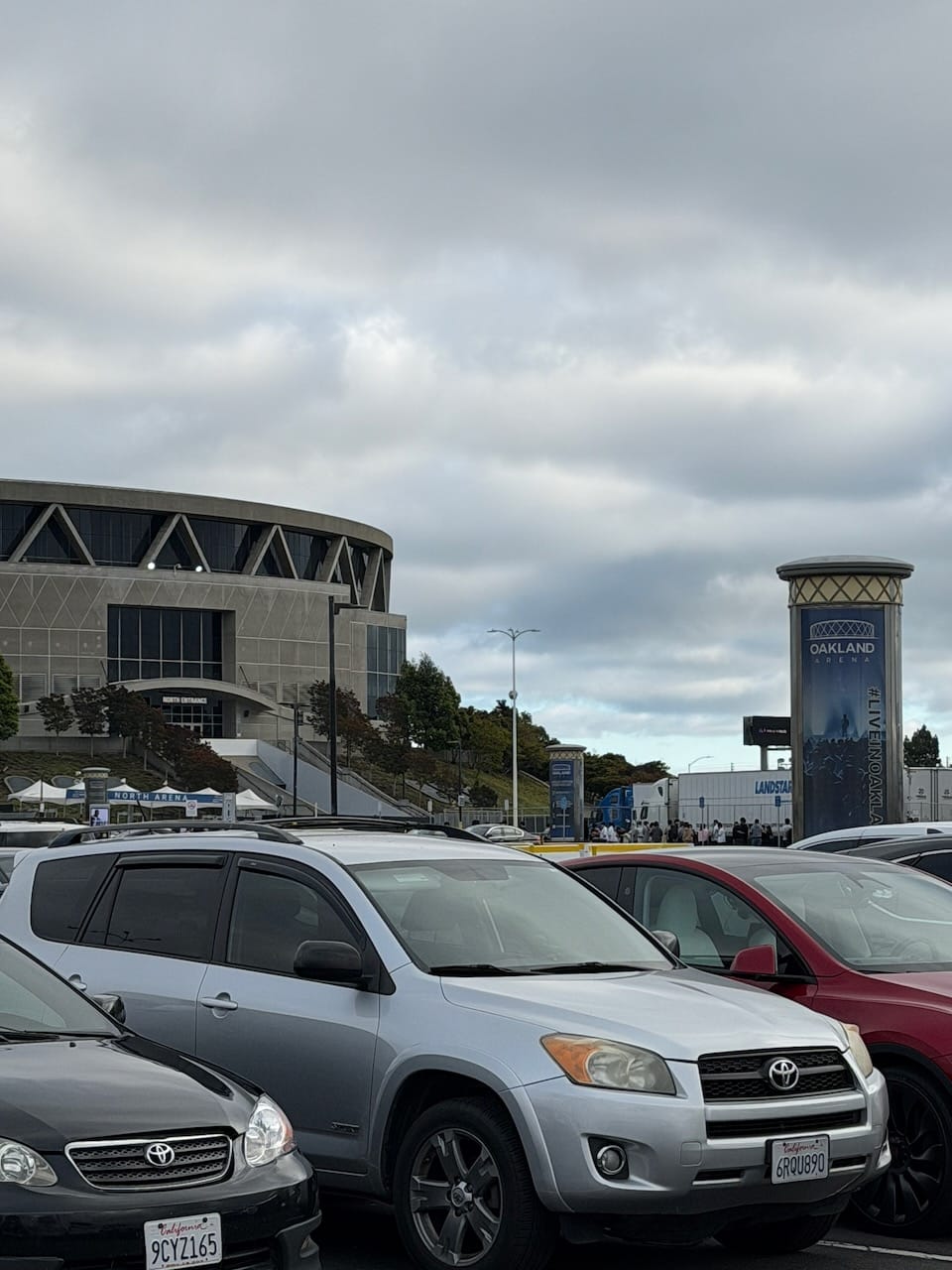
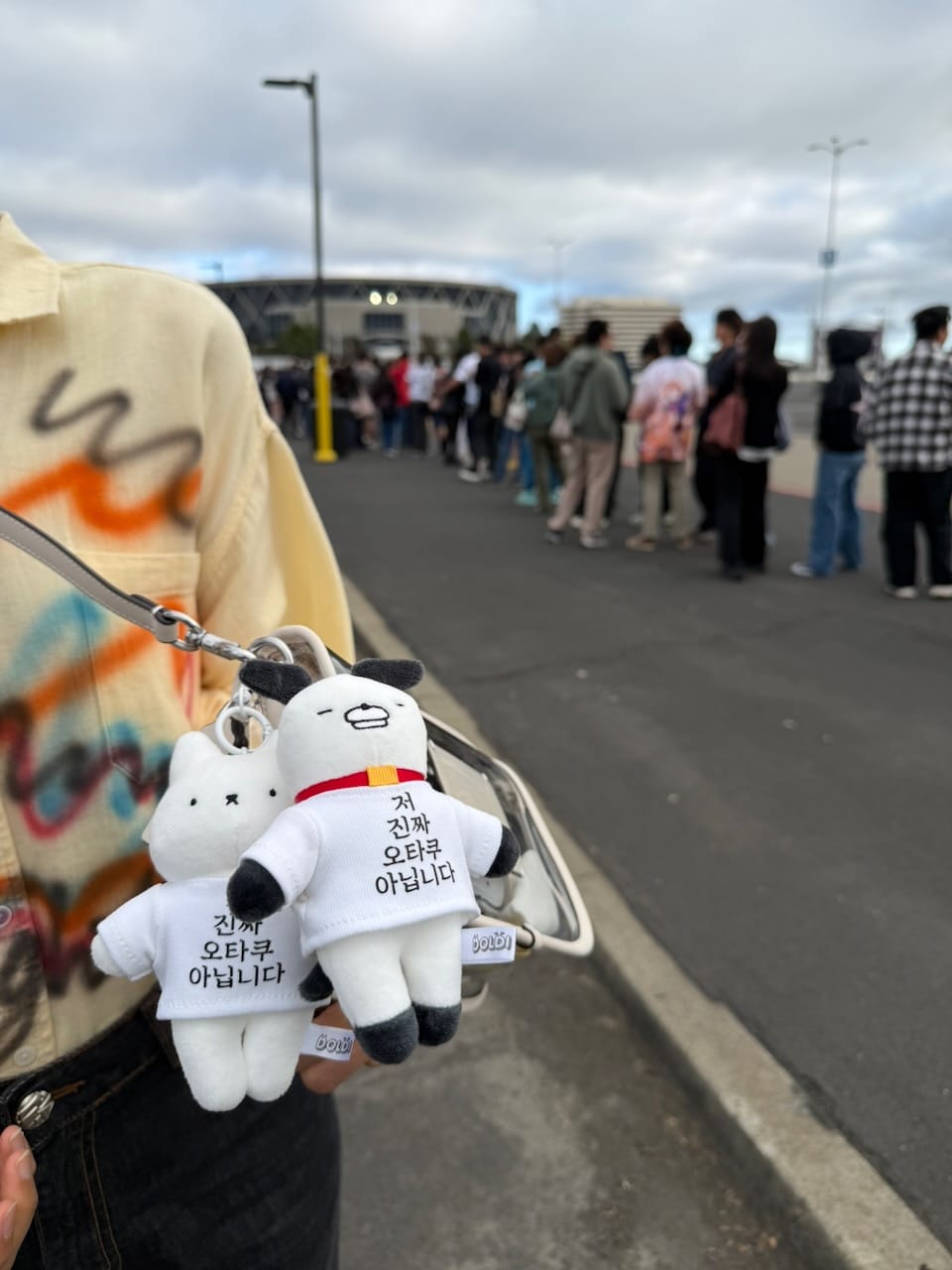
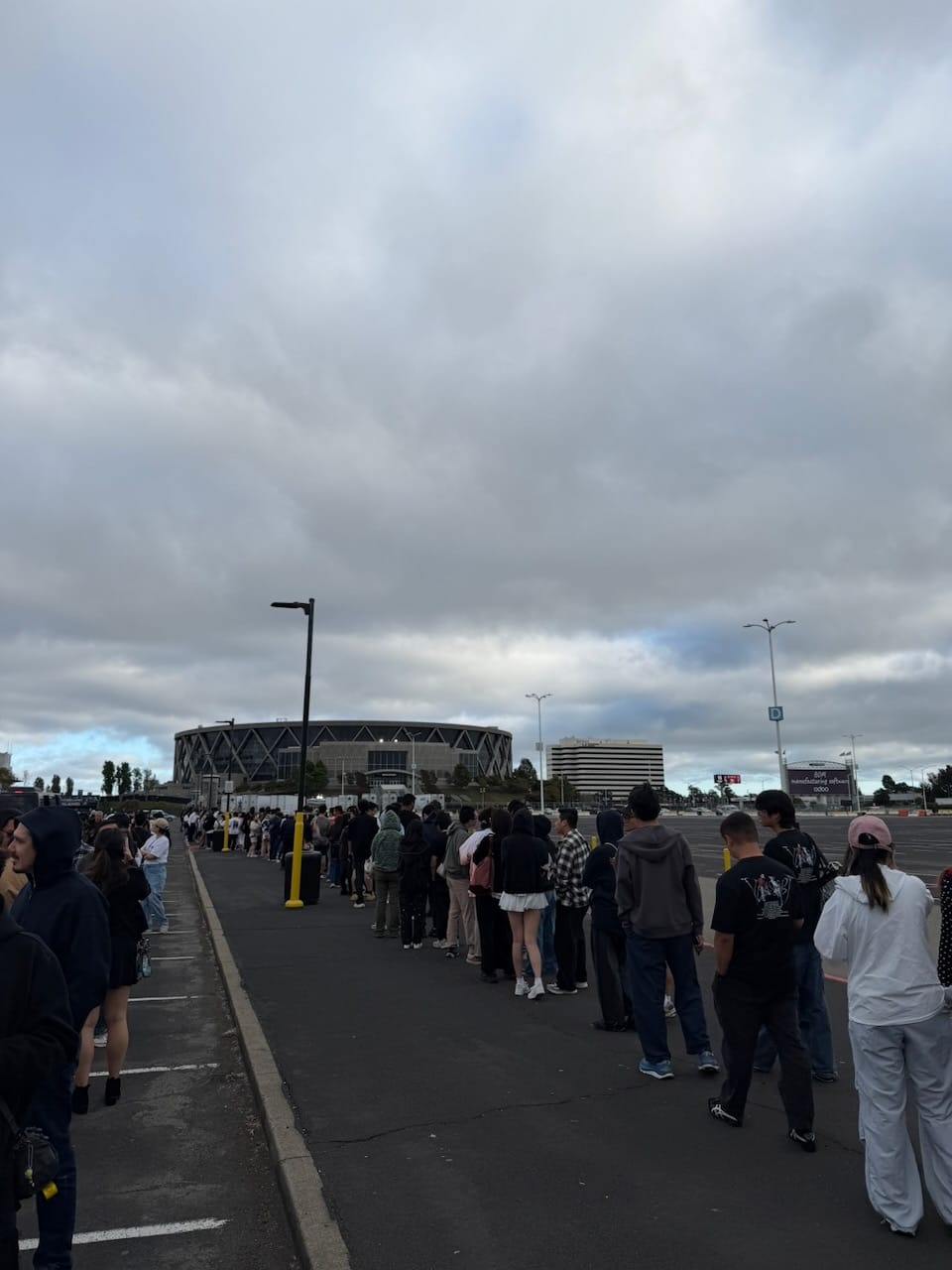
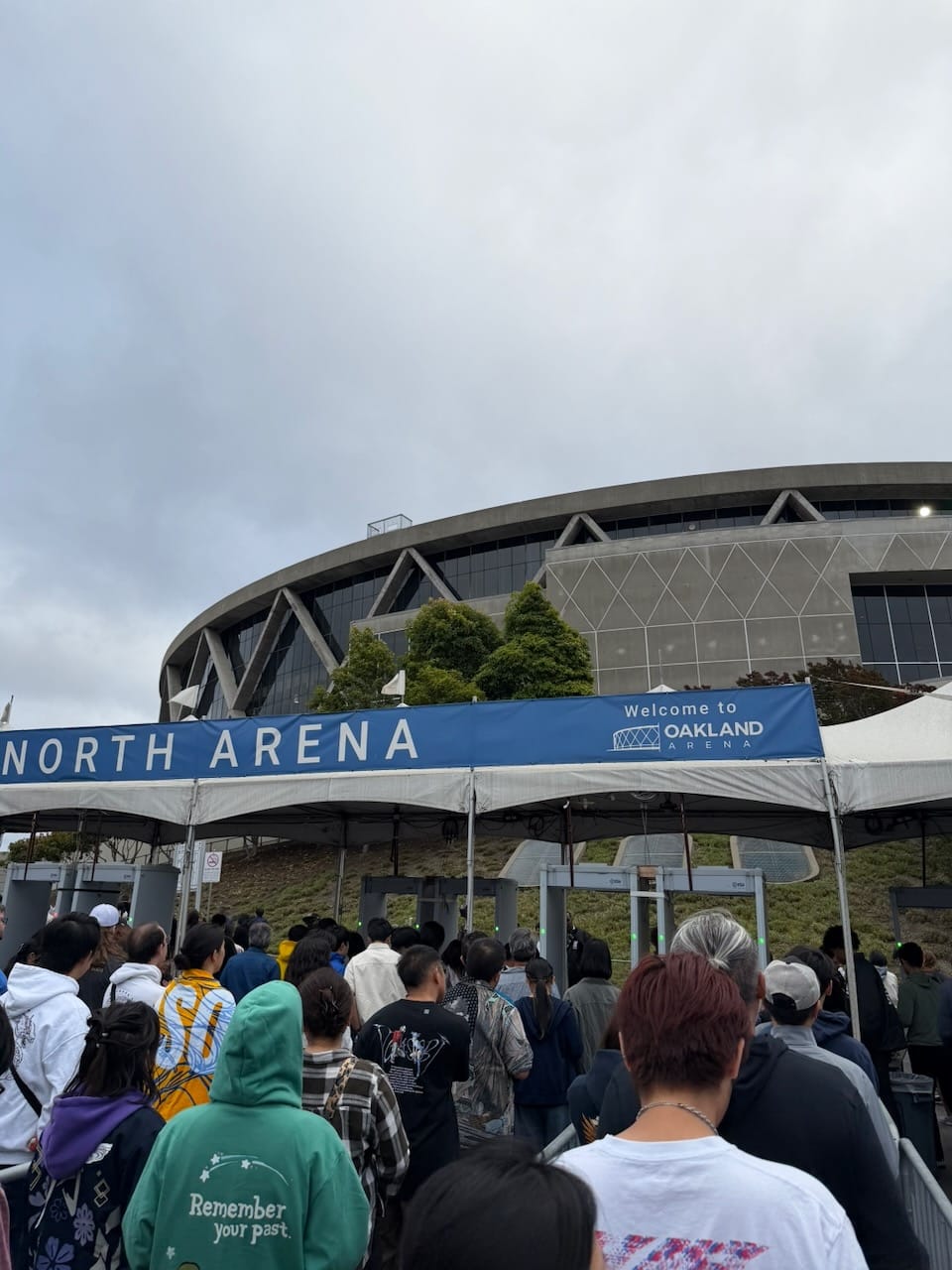
That alone felt refreshing after my experience at Ado’s Hibana concert in San Jose, where the doors opened about ninety minutes late with no useful explanation. Concerts rarely run exactly on schedule, but getting people into the building when promised should not feel like a special achievement. This time, it did.
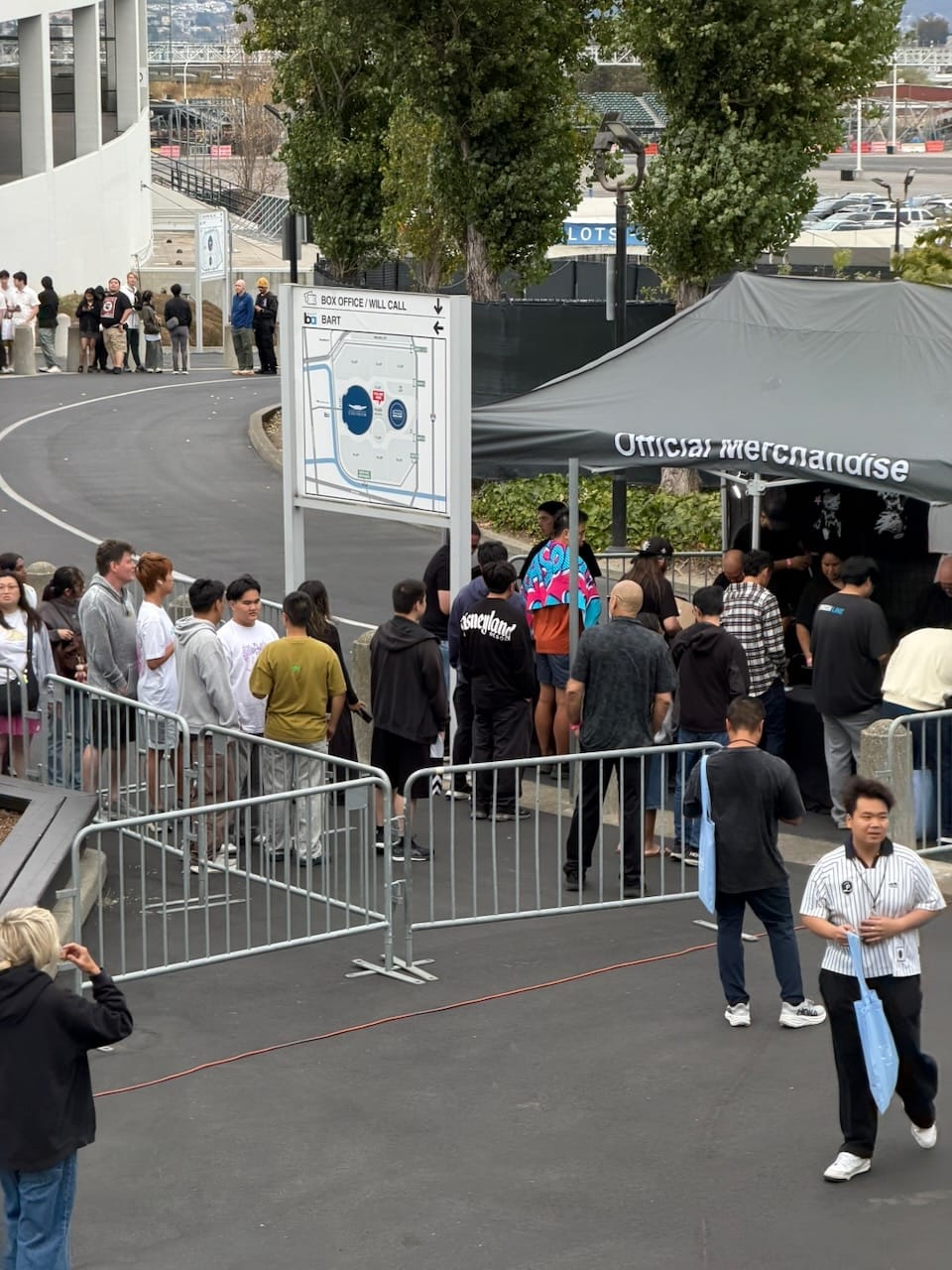
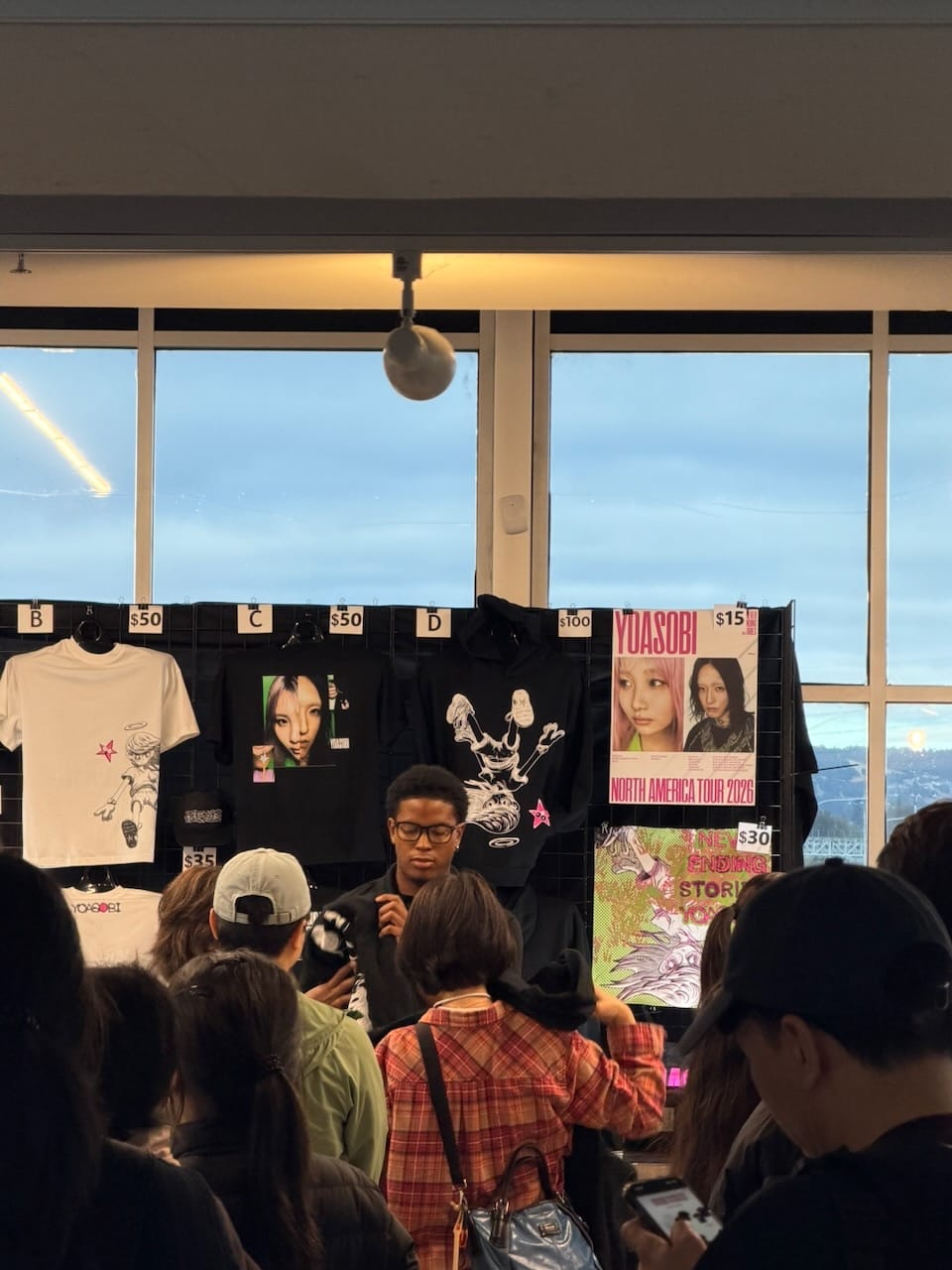
We were less successful with the merchandise. The line was already too long, and we eventually gave up without buying anything.
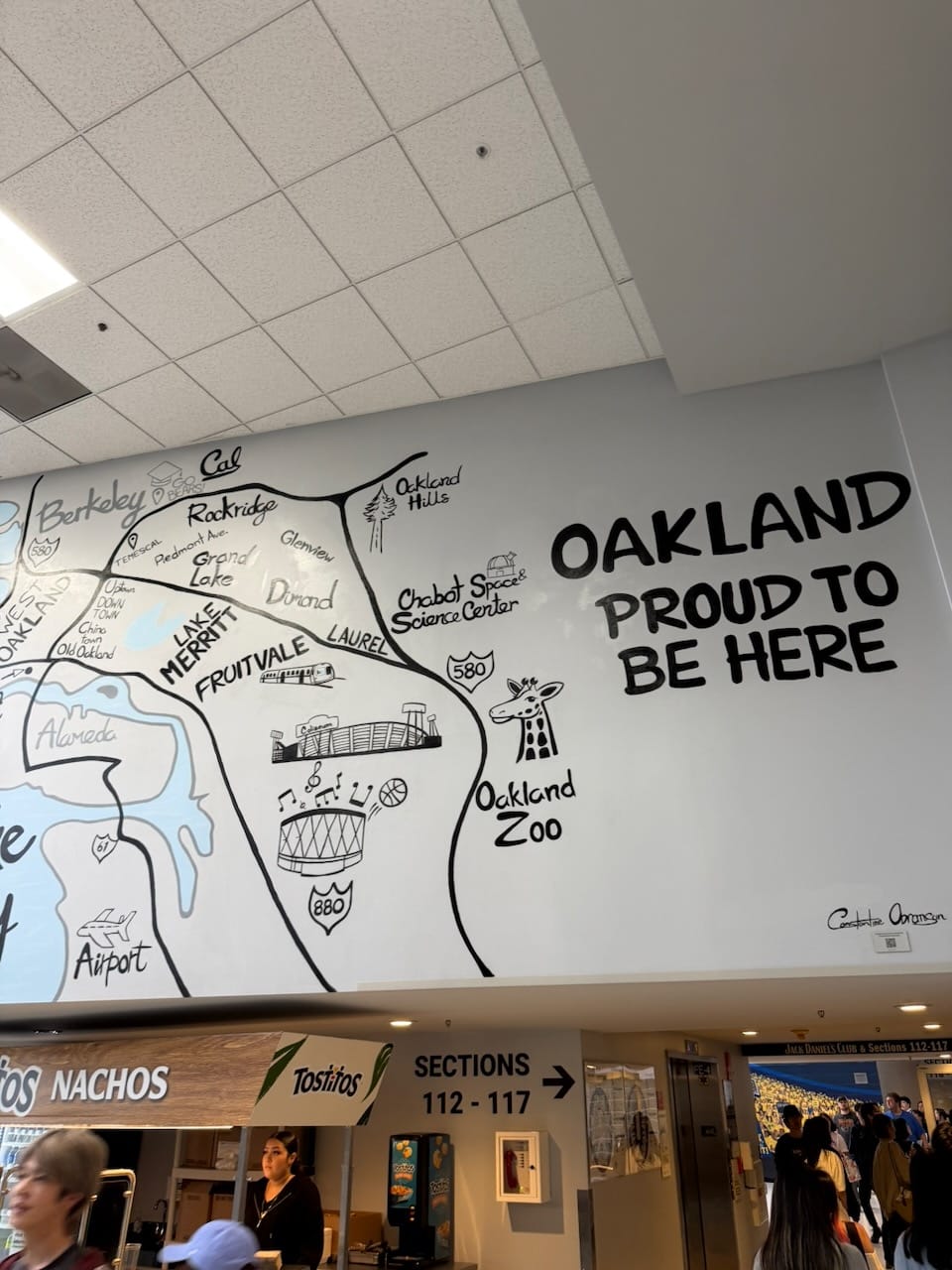
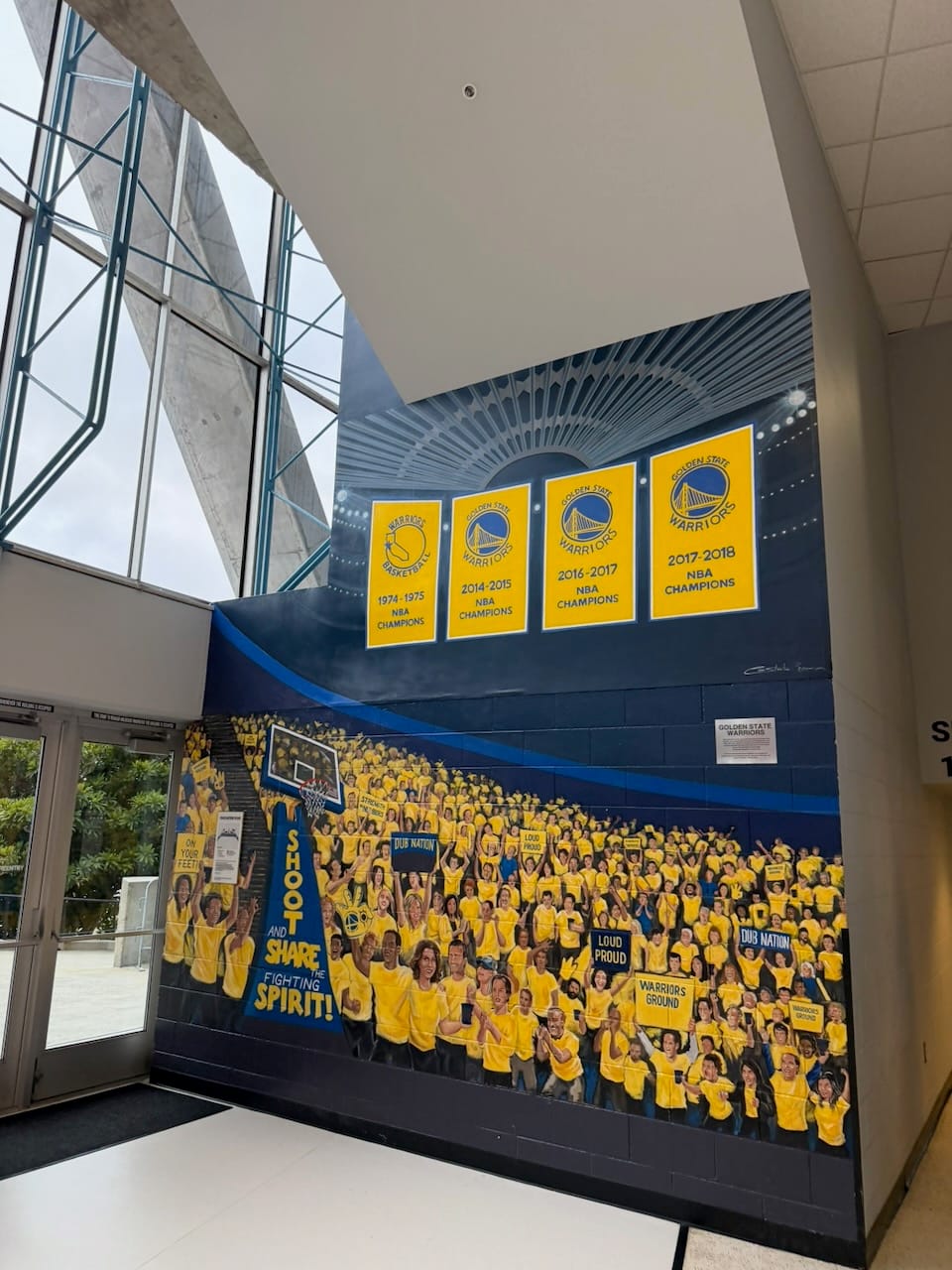
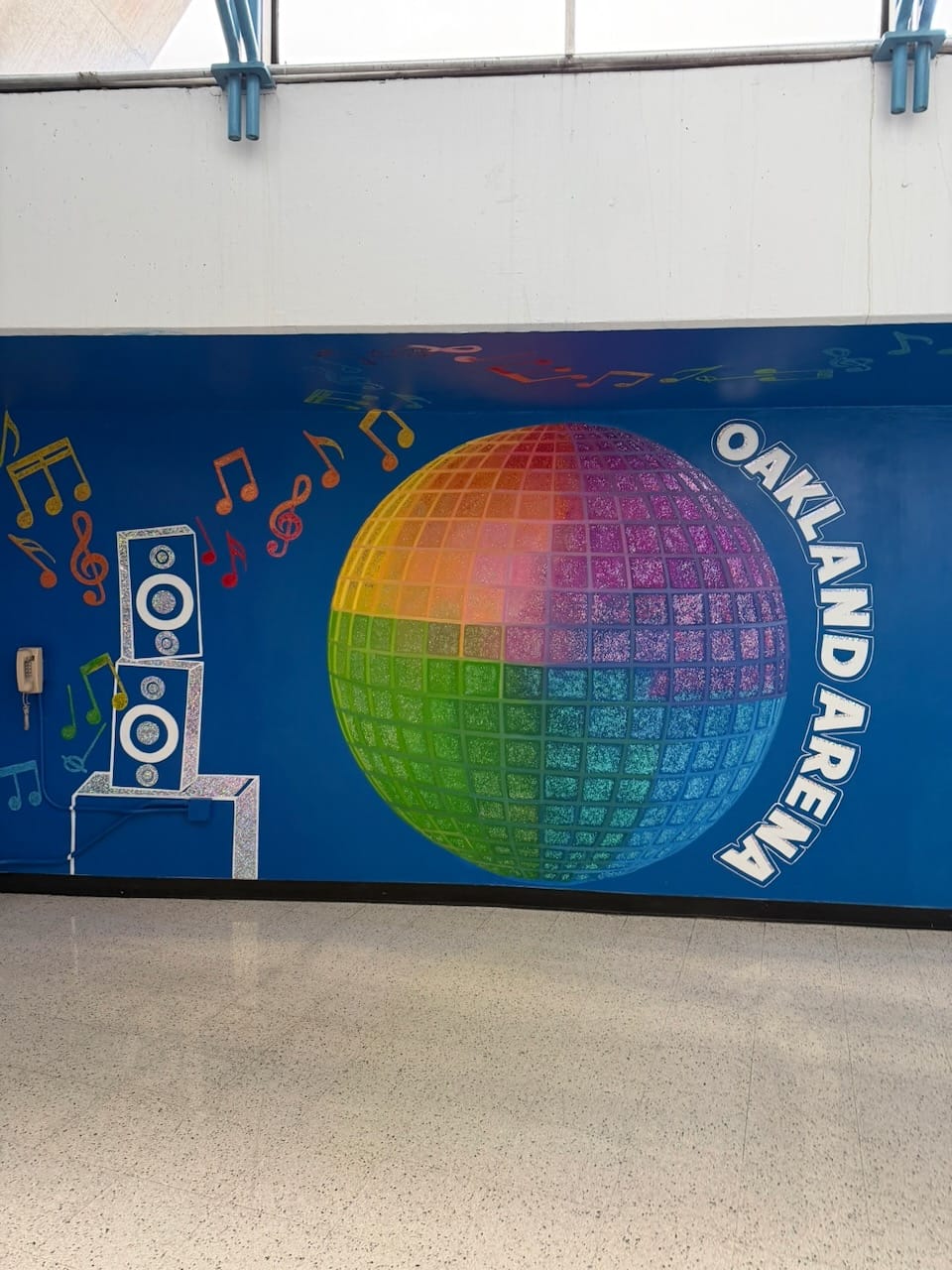
Walking around the arena while we waited, I felt a quiet loneliness in the building. The old Warriors championship mural was still there, celebrating the 1975, 2015, 2017, and 2018 titles. With the team now playing across the Bay, it looked less like a celebration than remains of the building’s earlier, louder life. Oakland Arena was not abandoned or empty, of course. That night was sold out. But the traces of its old life were everywhere, and they made the place feel like a home whose family had moved away while some of the photographs remained on the walls.
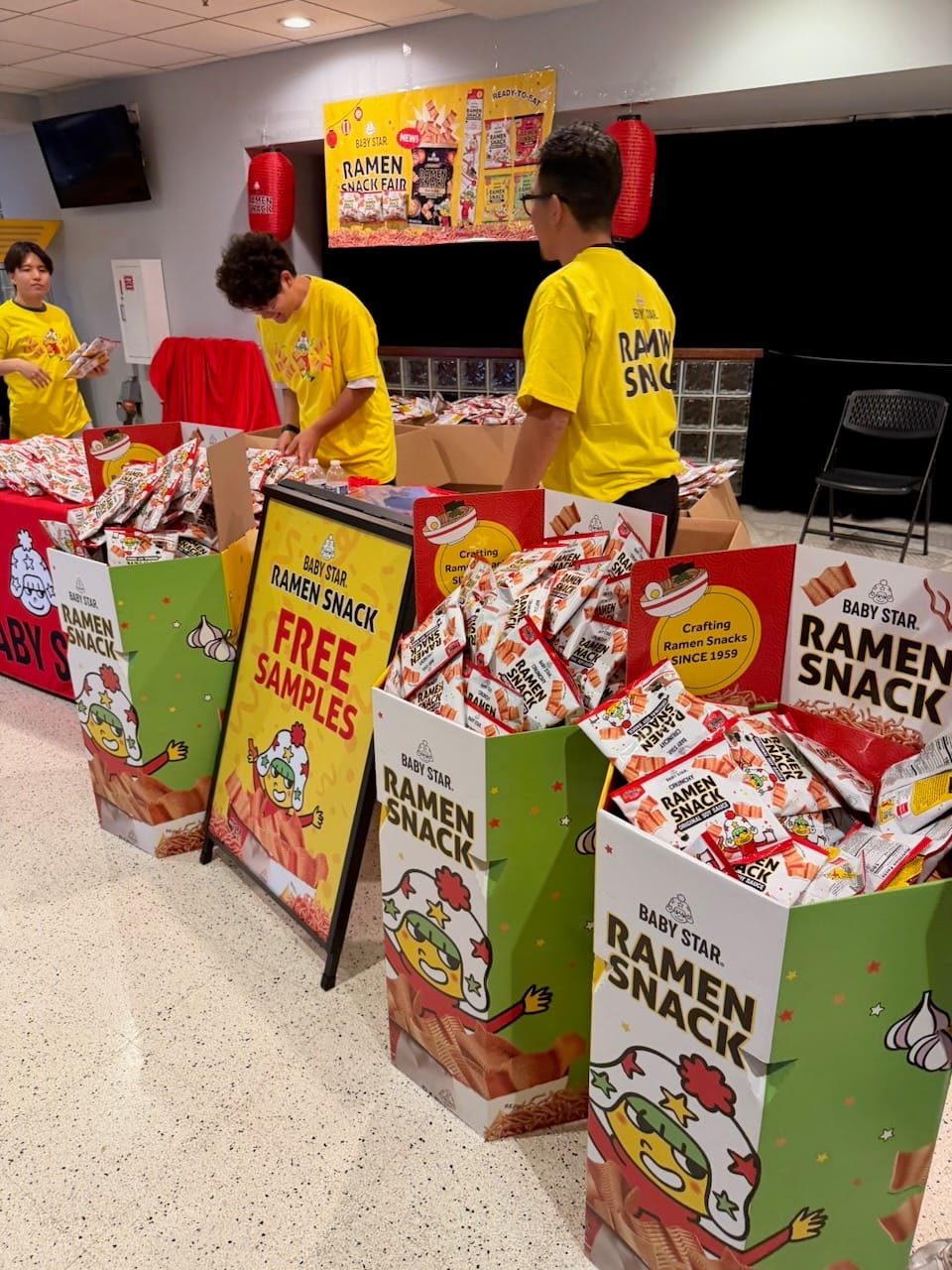

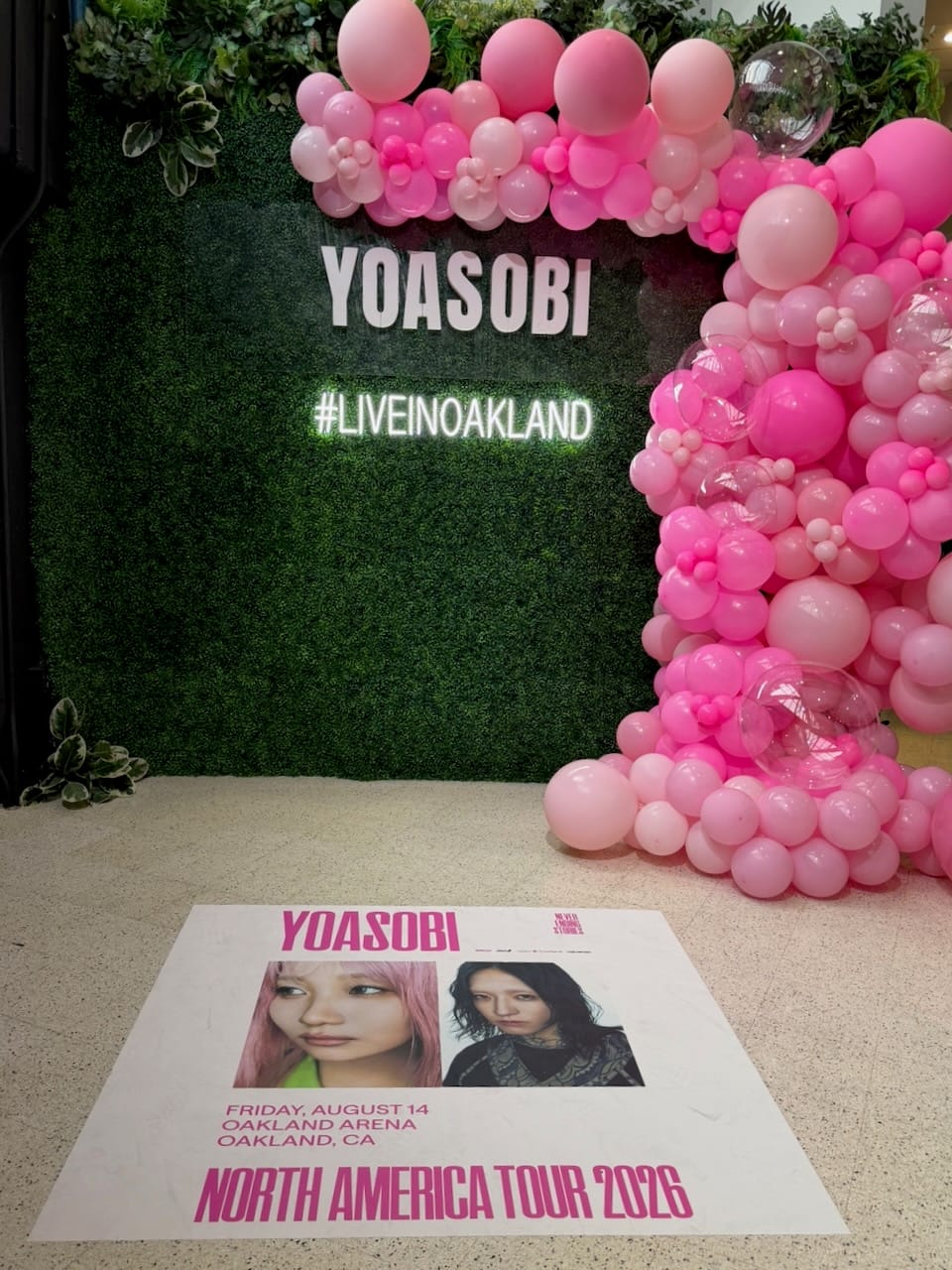
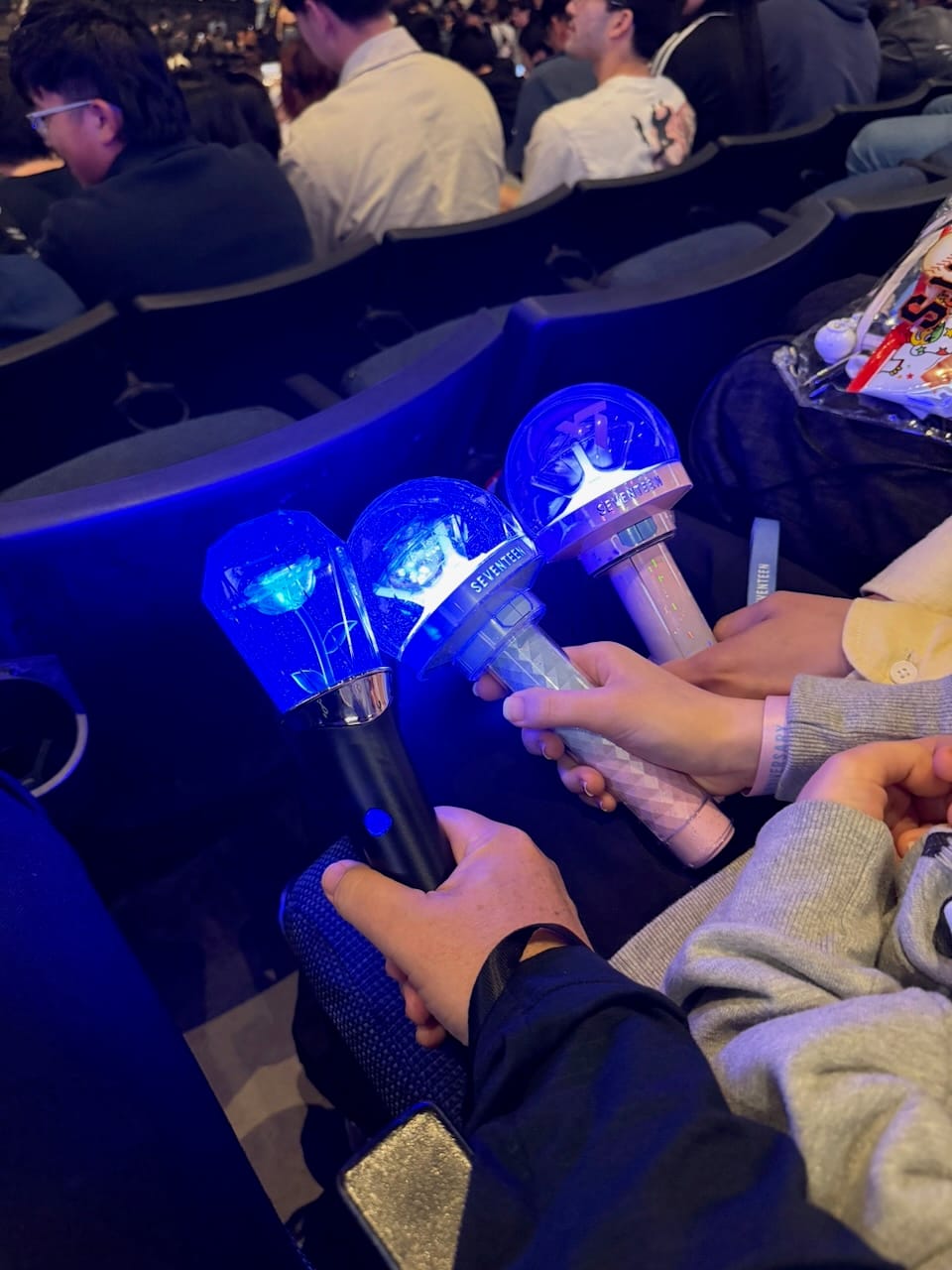
Inside the bowl, there was no loneliness at all. The arena was full, light sticks were already glowing, and fans began cheering well before anyone appeared onstage. The show was scheduled for 8:00 and began at about 8:15. By concert standards, that is almost perfectly on time.
YOASOBI opened with “Idol,” followed by “The Blessing” and “UNDEAD,” three songs that define their extraordinary run over the past few years. It was an aggressive opening, almost like starting a game with the strongest part of the lineup rather than saving it for later.


“UNDEAD” affects me more than I expect every time. When the highlight part arrives, I hear not only the song but the weight of the entire Monogatari series behind it. I have followed that franchise since the anime began in 2009. Seventeen years is a long time to carry a story, its characters, and all their accumulated history. The song somehow compresses that history into a burst of energy, and hearing it live made the years feel present all at once.
UNDEAD
“Halzion” was another personal highlight. It belongs to YOASOBI’s earlier period, and it may still be the song that sounds most essentially like YOASOBI to me. It does not simply accompany a story. It feels like a story has been converted into melody, with the emotions unfolding in sequence rather than being summarized. I understand that is the original promise of the team, and “Halzion” remains one of its clearest expressions.
Halzion
The show itself was excellent, and Ikura was especially good that night. I had seen some live clips on YouTube where her voice seemed less steady, but the Oakland performance made me reconsider how much of that impression came from the recording or the live mix. Her voice was clear and controlled, even while she moved constantly across the long stage. What also struck me was how athletic the performance was. The visible strength in her thighs (sorry... but I actually felt so) made the physical work behind the show tangible. She was not simply standing in front of a microphone and delivering difficult songs. She was sustaining that voice while running, dancing, and carrying the energy of an arena.
The weaker point was the sound mix. At times the band overwhelmed the vocal, and the balance changed enough from song to song (especially the latter part of the show) that it was hard to believe the singer was the main problem. I do not think this was necessarily a limitation of Oakland Arena itself. It sounded more like the touring setup or the way it had been tuned for the room. Whatever the cause, it occasionally worked against Ikura when the performance itself did not. Yes, it is my view, at least.
And there was one small part of the stage talk that left me with mixed feelings. Japanese artists performing in the United States often seem to feel an obligation to introduce themselves as artists “from Japan,” almost as if they are also representing the country. I understand the pride and gratitude behind it, and perhaps some audiences appreciate the gesture. But with YOASOBI, it felt unnecessary. They already have a large, committed audience in the US and around the world. At a sold-out Oakland Arena, that framing created a little distance where none seemed to exist. The crowd was not there to discover a visiting act. It was there because it already knew and loved YOASOBI. Their origin is part of who they are, but they do not need to carry it as a qualification every time they step onto an American stage. They are already great simply as YOASOBI, and the audience knew exactly who had come to see them.
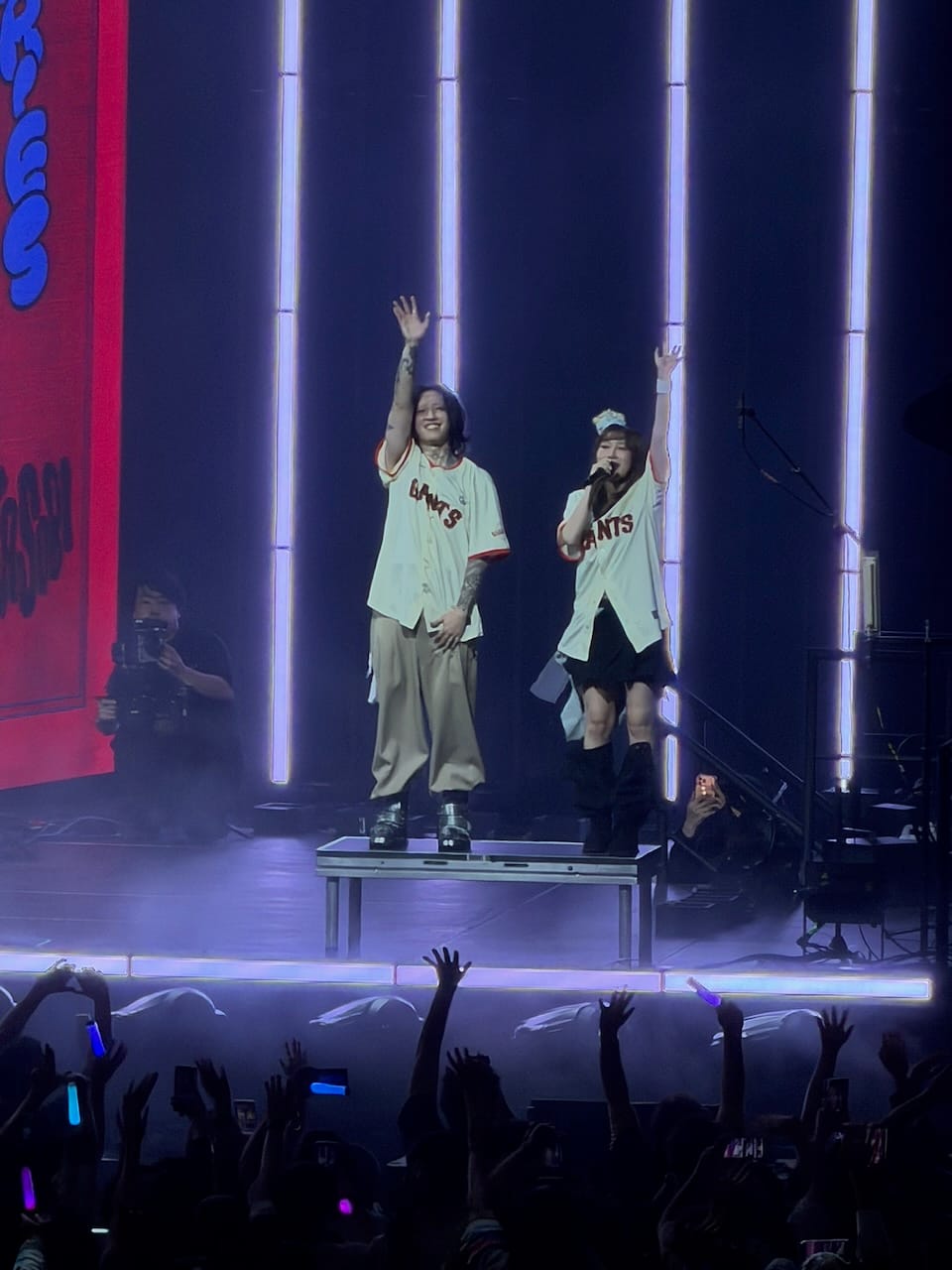
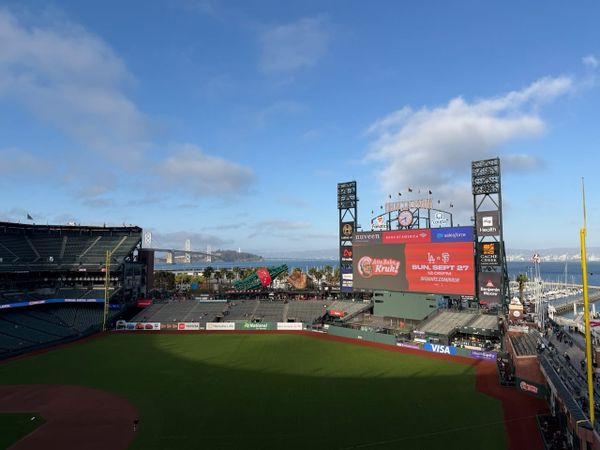
I did, however, appreciate the local wardrobe choice during the encore. Ayase and Ikura came back wearing Giants jerseys. Oakland may have had complicated feelings about that choice, but as a Giants fan I was delighted. (And they didn't choose Dodgers jerseys at their LA performance two days later. I really appreciate it as a Giants' fan).
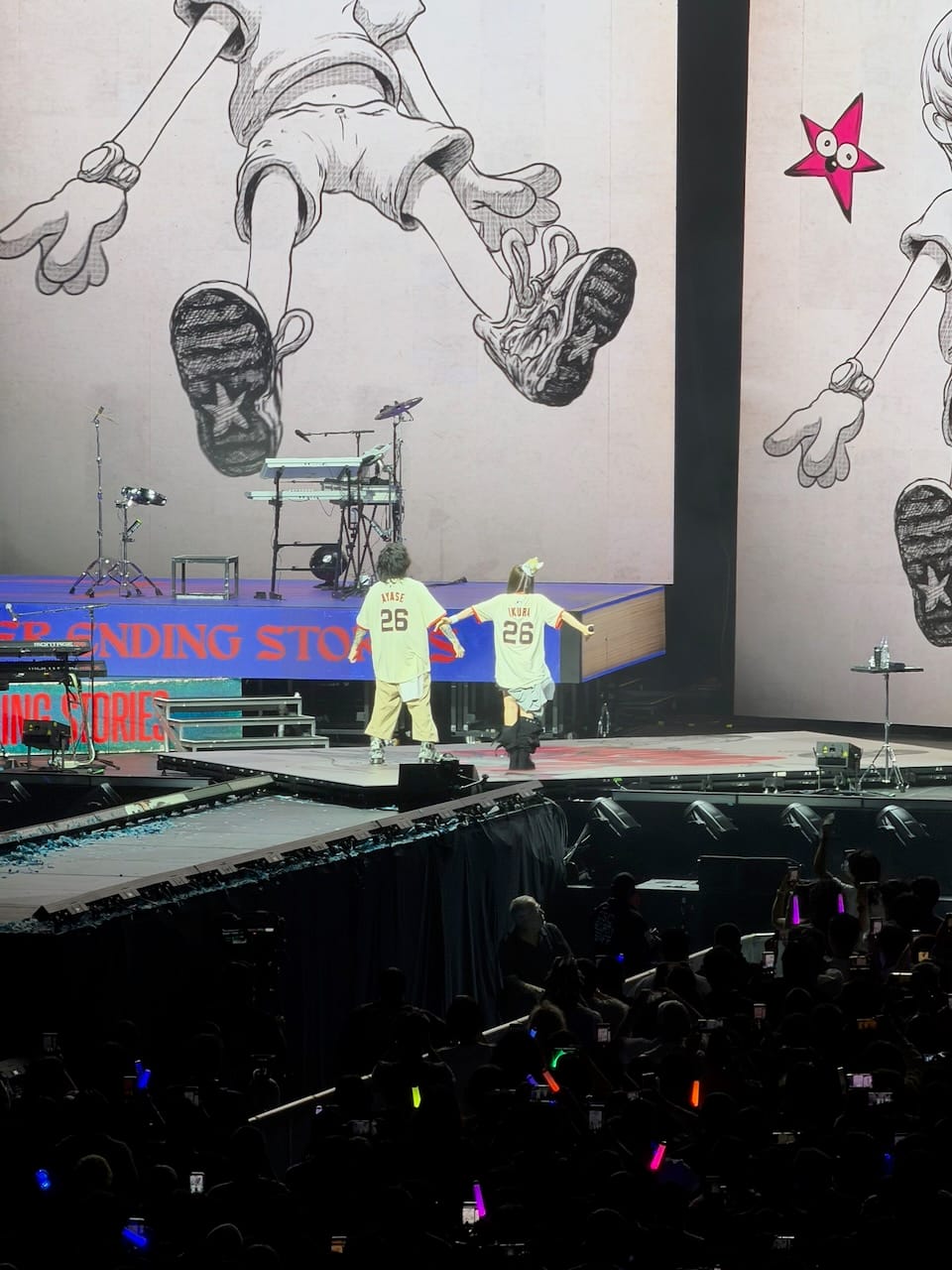
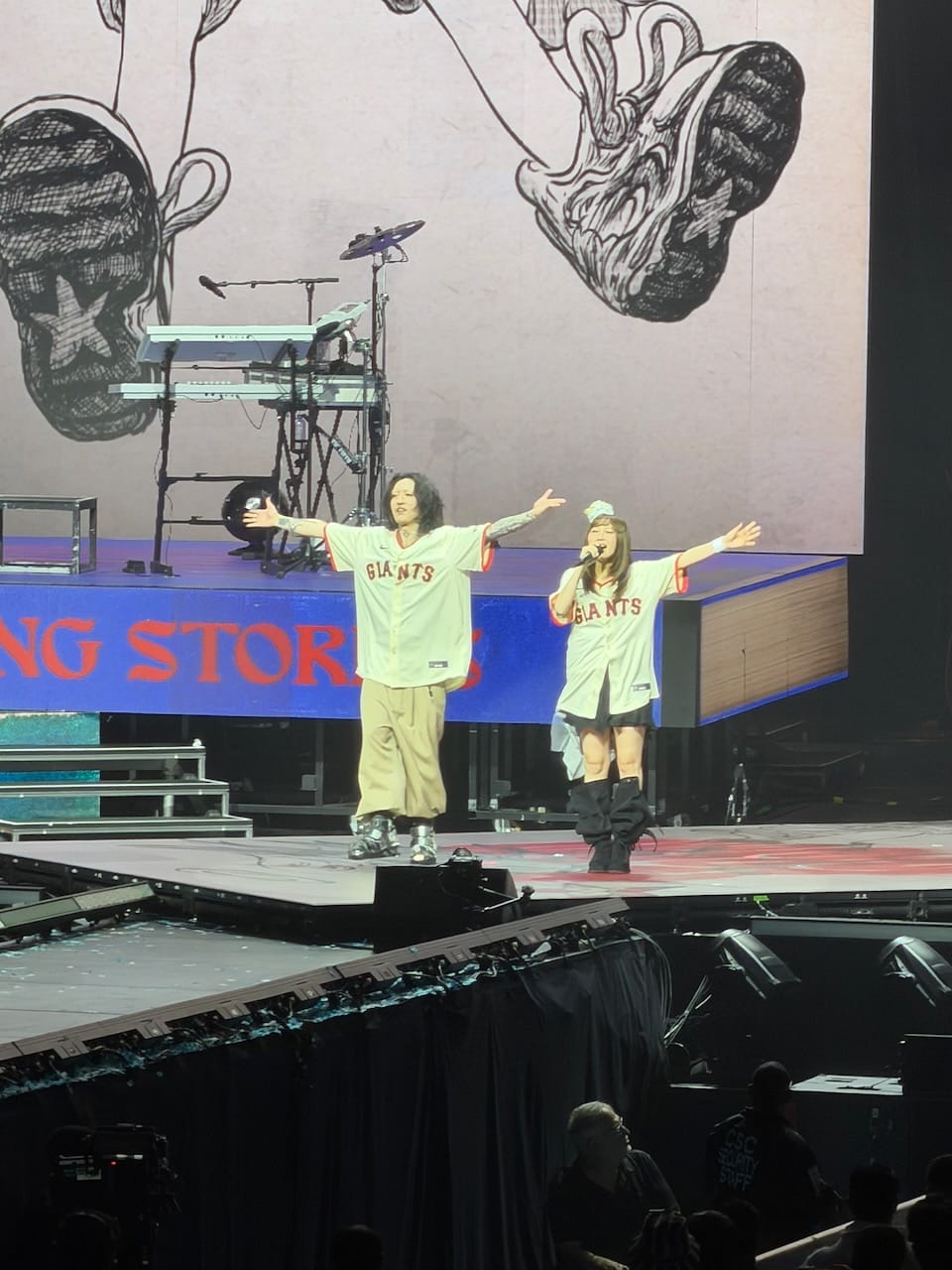
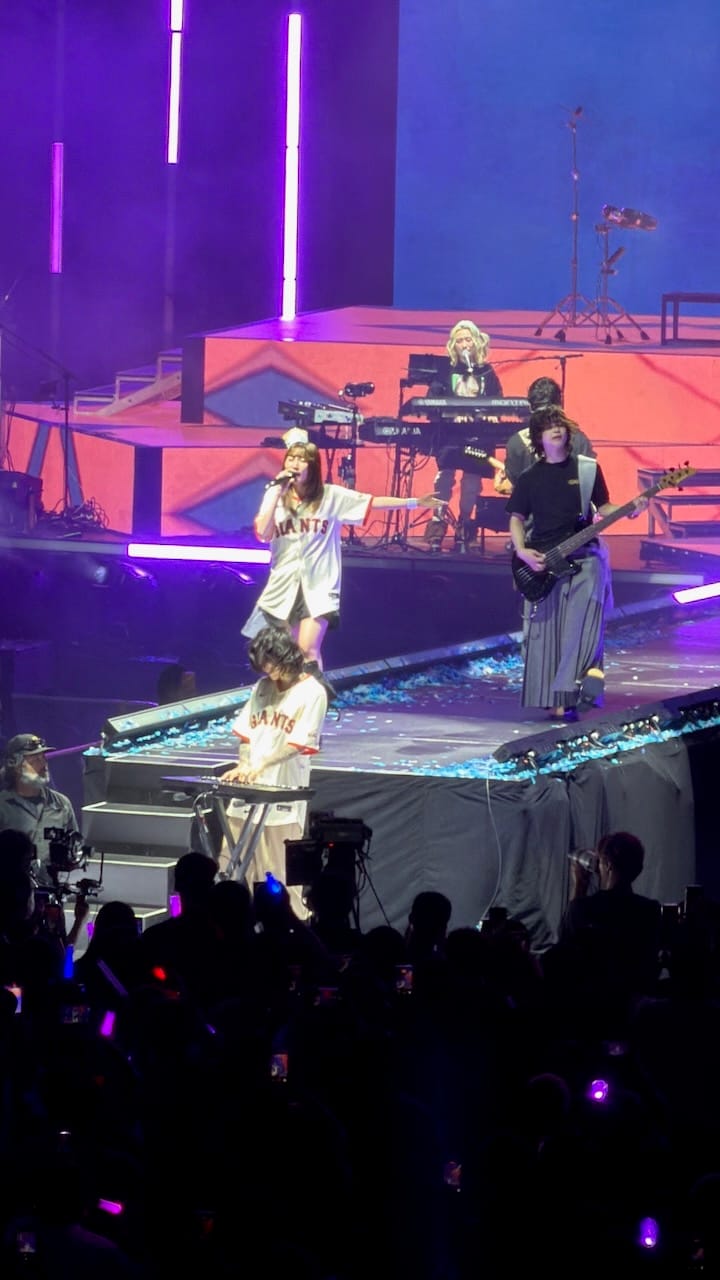
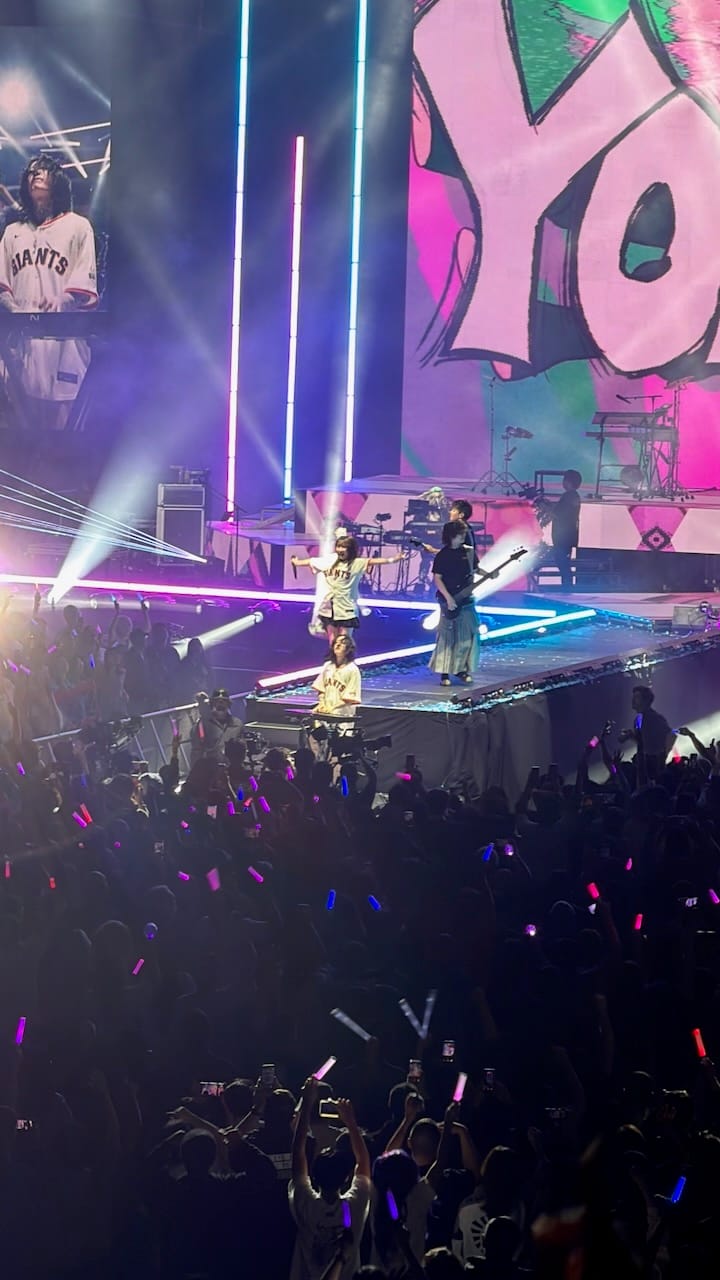
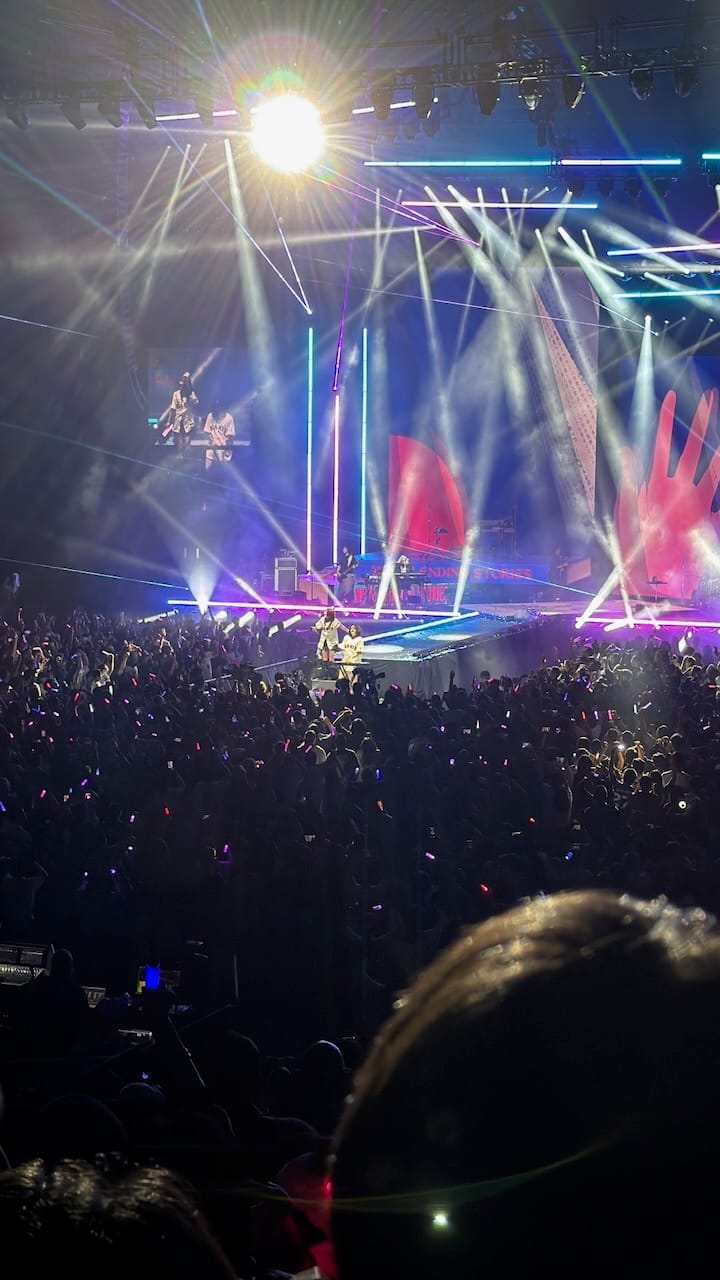
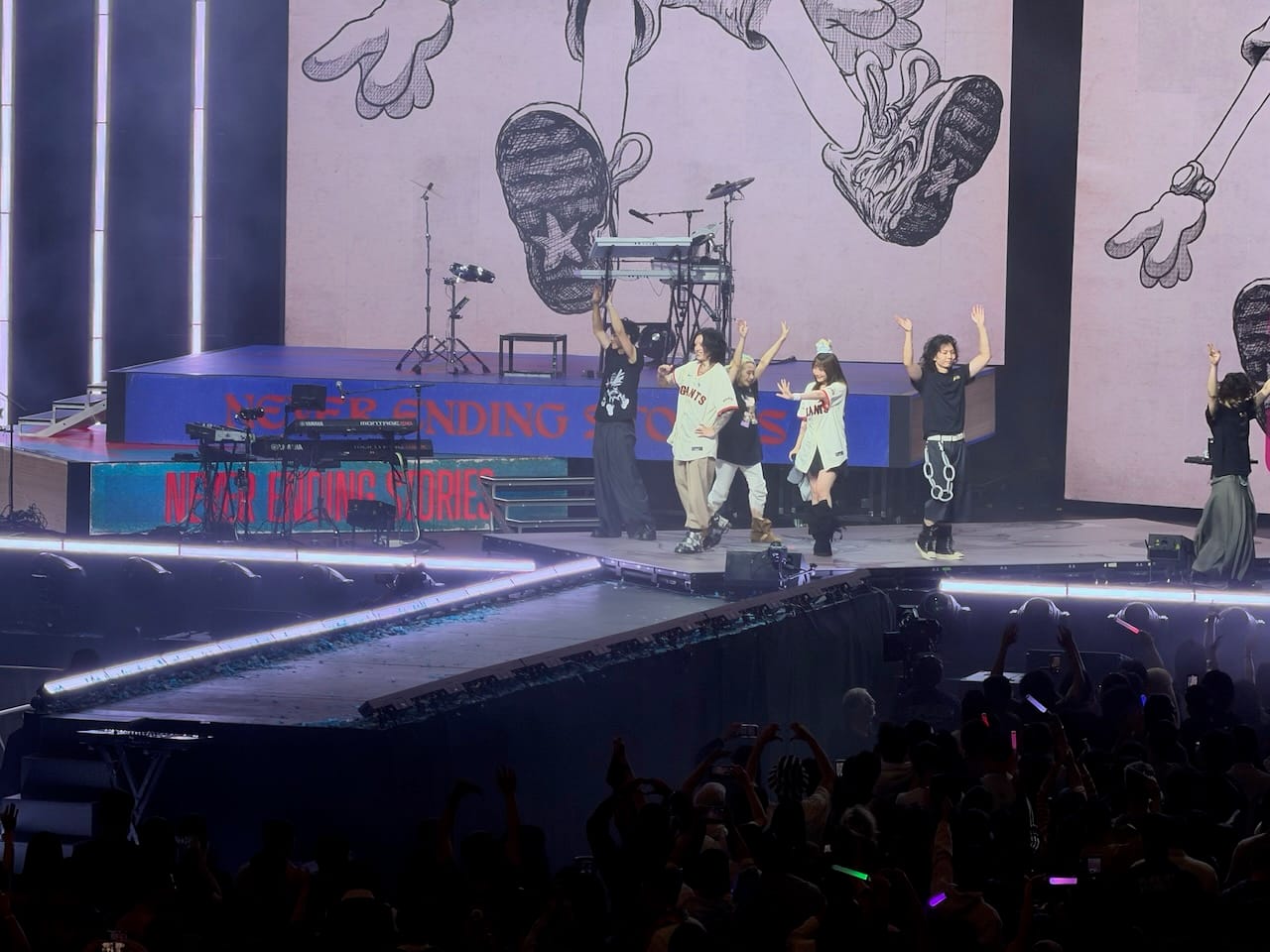
The final song was their debut hit, “Yoru ni Kakeru (夜に駆ける),” usually translated as “Racing into the Night.” I love the song, but I always find it a curious choice for such a celebratory ending. Its momentum feels euphoric, and an arena can shout and jump along with it, while the story underneath is moving somewhere much darker. Perhaps that contradiction is part of why it works. YOASOBI has always been able to make difficult stories move with the speed of pop music, leaving the meaning to arrive after the melody has already taken hold. But... frankly, I always feel it a bit weird.
Racing into the Night
The drive home took another tiring hour. By then, the Friday traffic was gone, the arena was behind us, and the songs were still running through my head and also as a driving playlist. It had been a great concert, and despite 880, the merchandise line, and a sound mix that did not always cooperate, it was a very good night.