Am I in the Bubble?

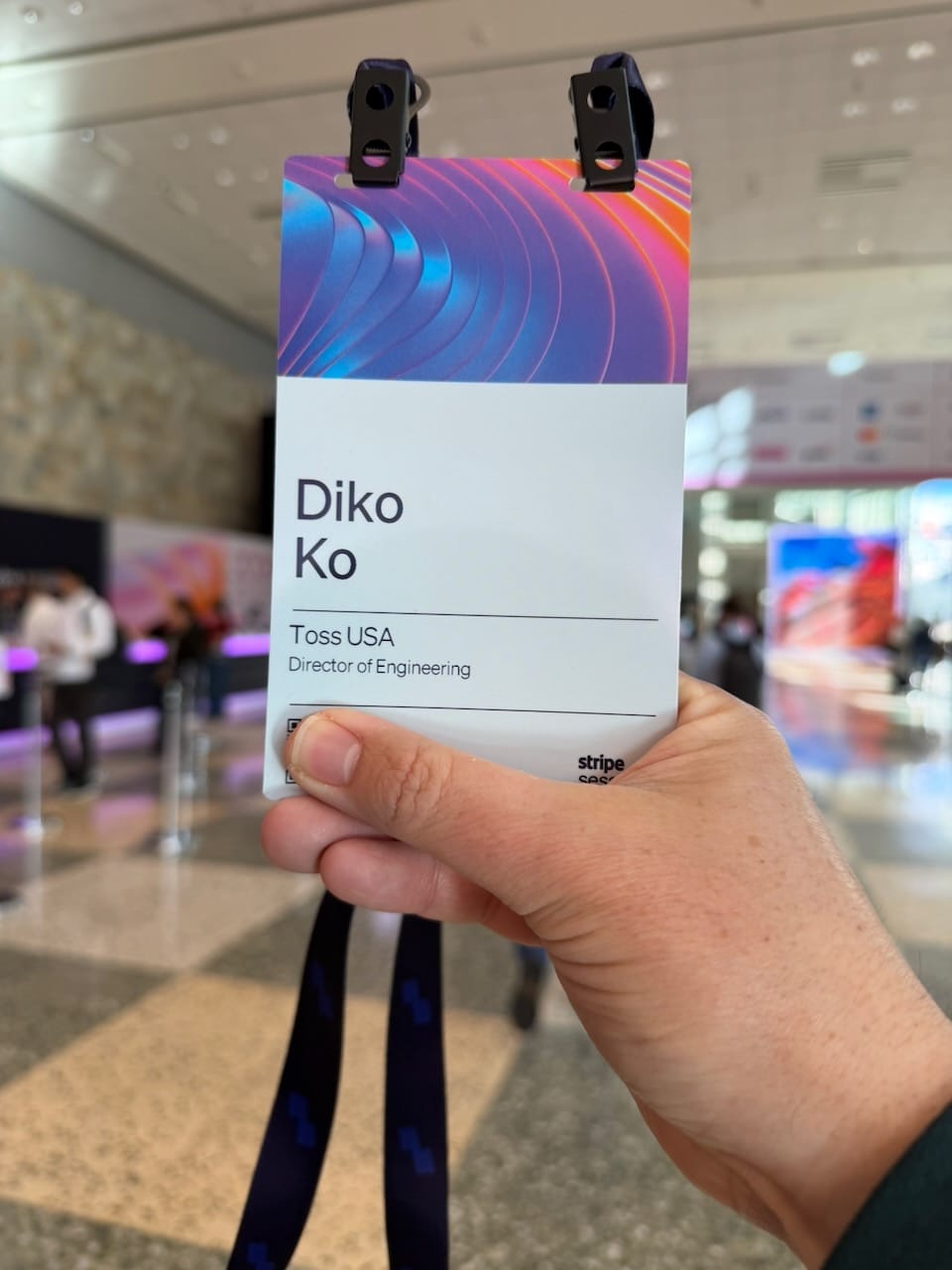
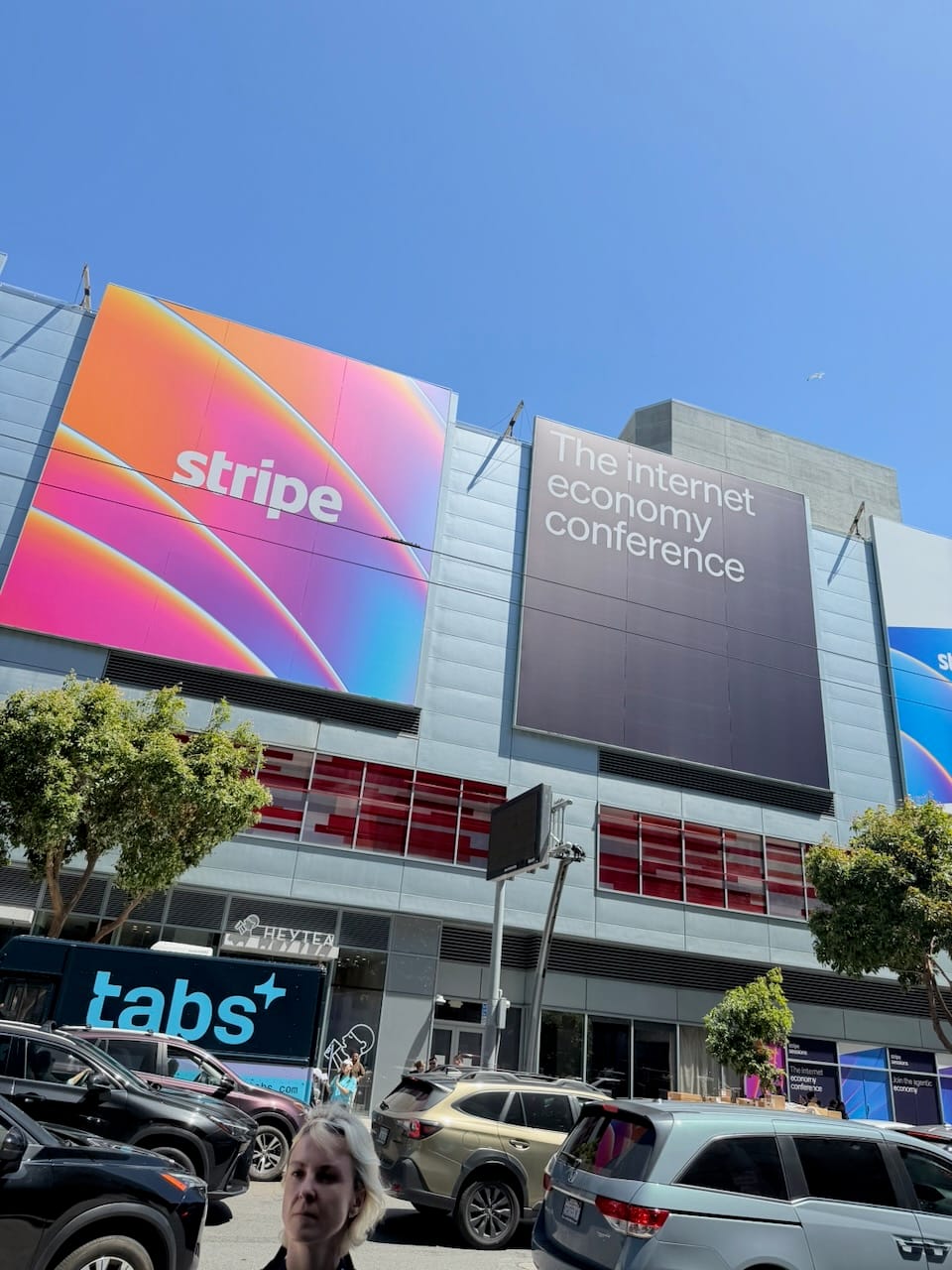
Last month, I got an invitation to Stripe Sessions 2026, and I still do not know exactly why. Maybe it was because my title says Director of Engineering at Toss. Maybe it was because I have been spending too much money on AI tools, and many of those payments quietly went through Link or some Stripe-powered checkout. Maybe Stripe simply knows more about me than I think.
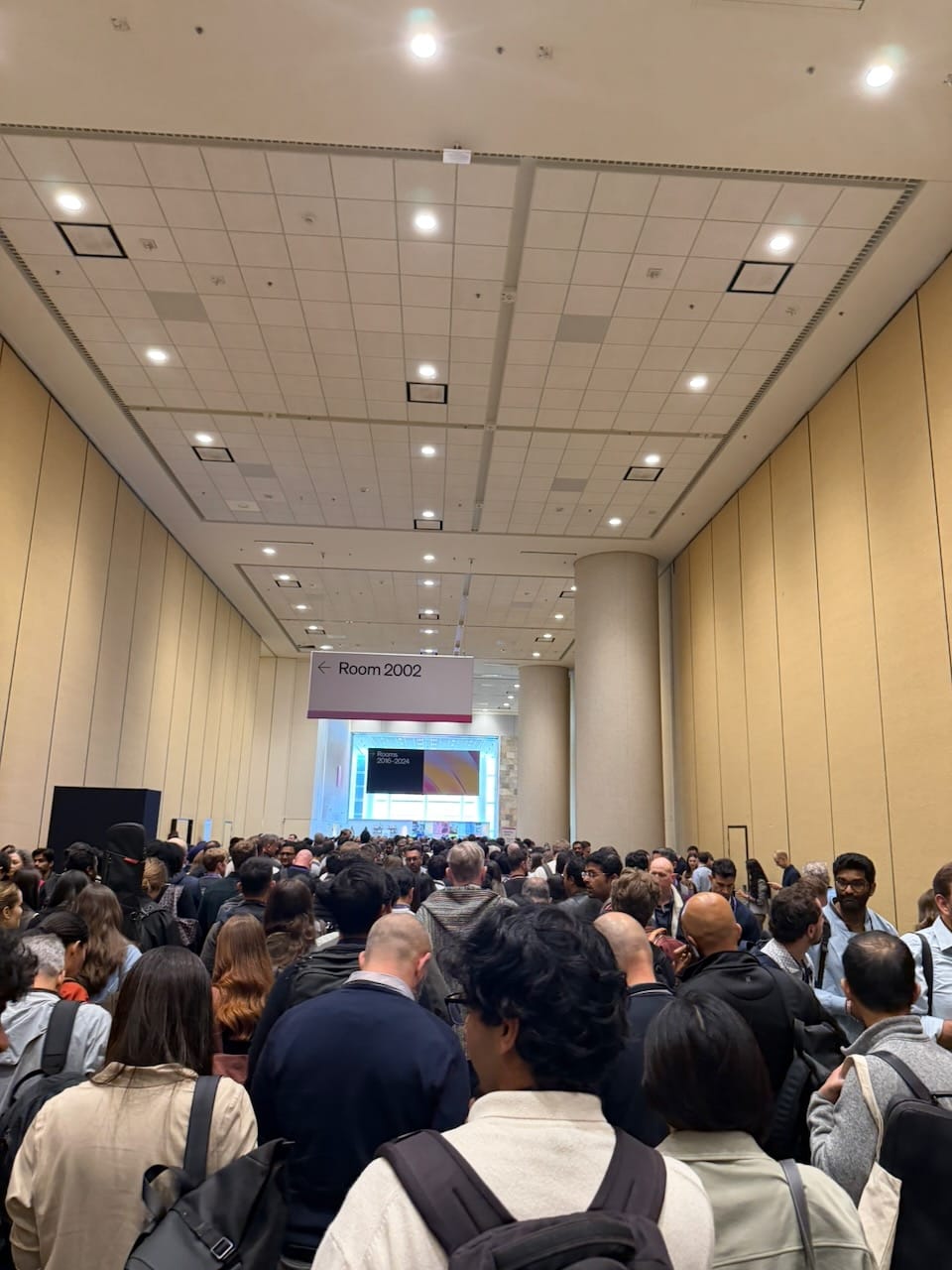
In any case, it was not a small conference. The ticket was around a thousand dollars, and I do not know how many people in the room actually paid the full price. But it felt like a good excuse to go. Payments, fintech, and advertising are close enough to my regular work at Toss that I wanted to see what the current mood was. Not the quarterly report version of the mood, but the hallway version: what people are excited about, what they assume is already obvious, and what language everyone starts using at the same time.
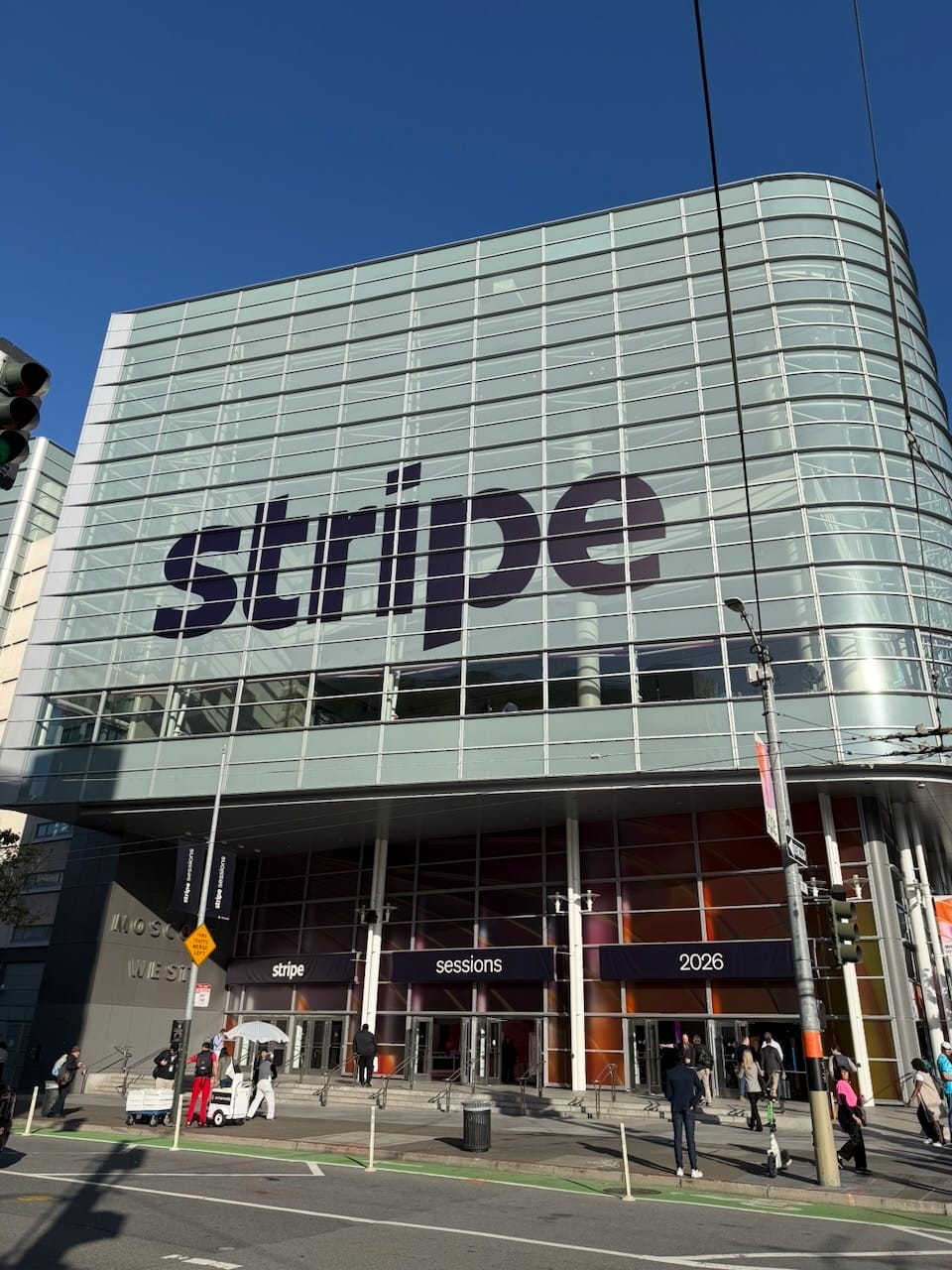
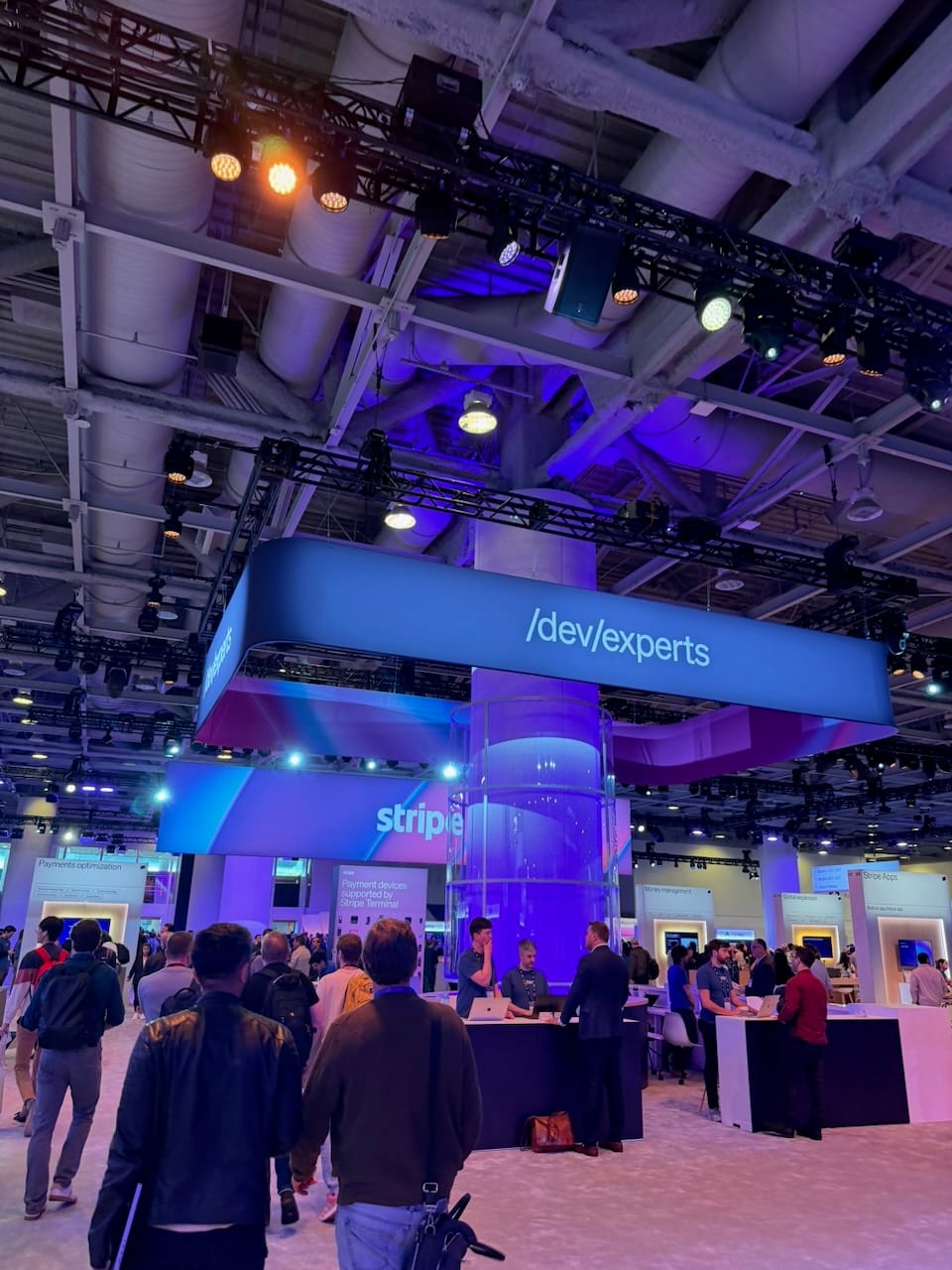
The first thing I noticed was breakfast. This sounds trivial, but it tells you something. Stripe Sessions was at Moscone West, the same venue where I had just spent a week for GDC. GDC had more expensive tickets usually (this year was a bit less expensive though), but no breakfast and no lunch. Stripe had a proper, warm(!), well-prepared breakfast. It was not luxurious in a ridiculous way, but it was comfortable and deliberate. There was enough food, enough coffee, and enough staff that nobody had to think too much about it.
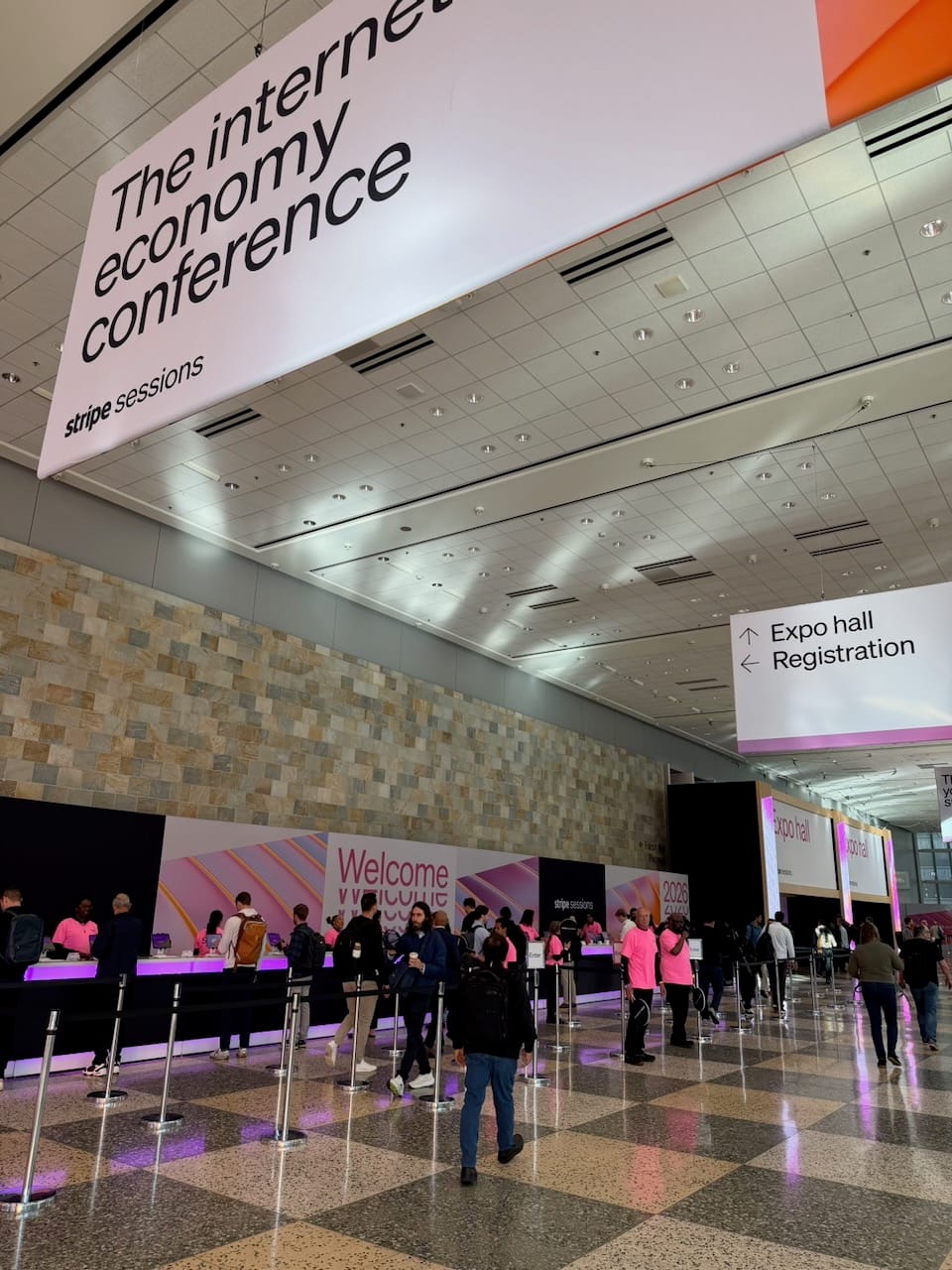
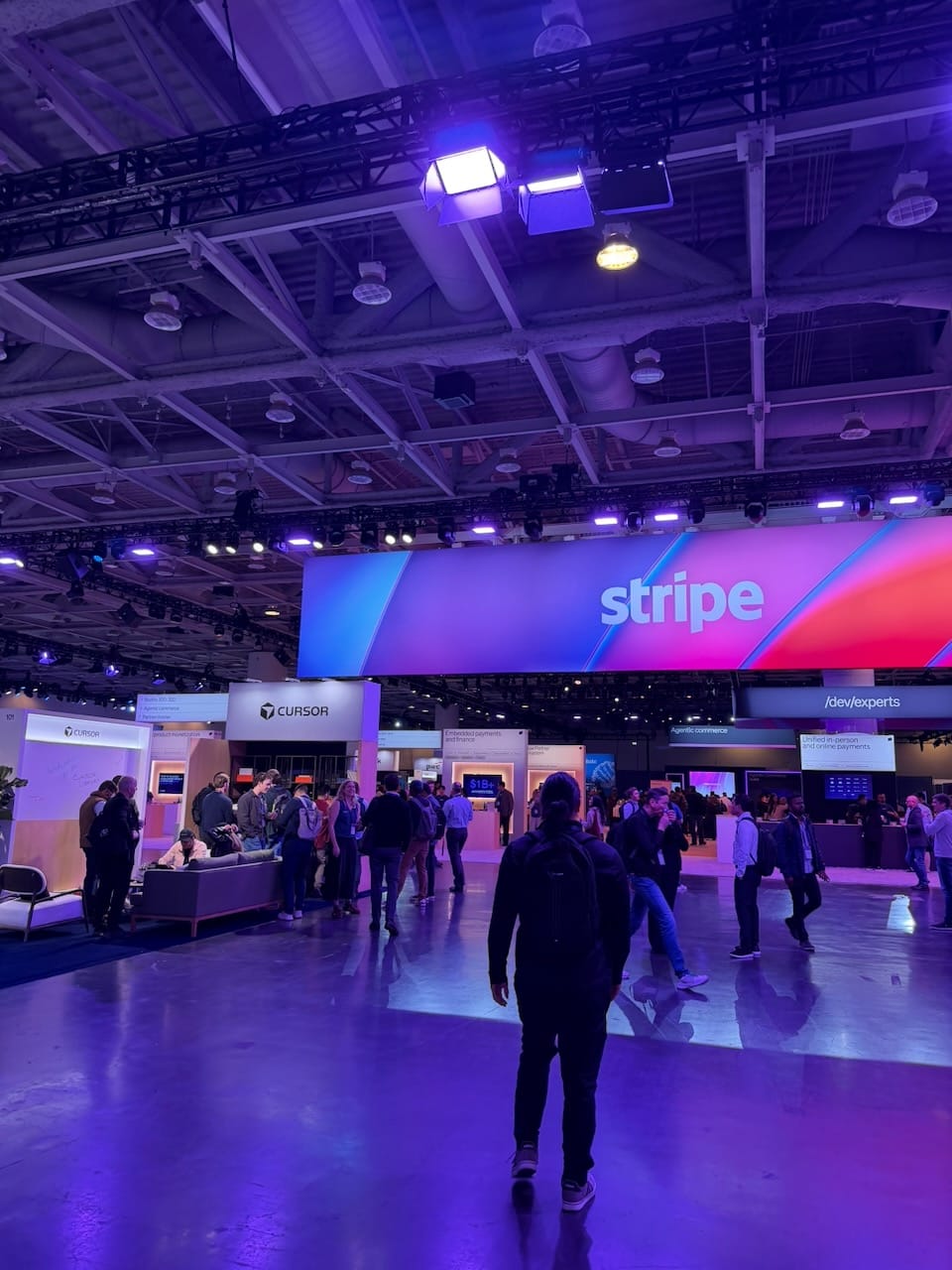



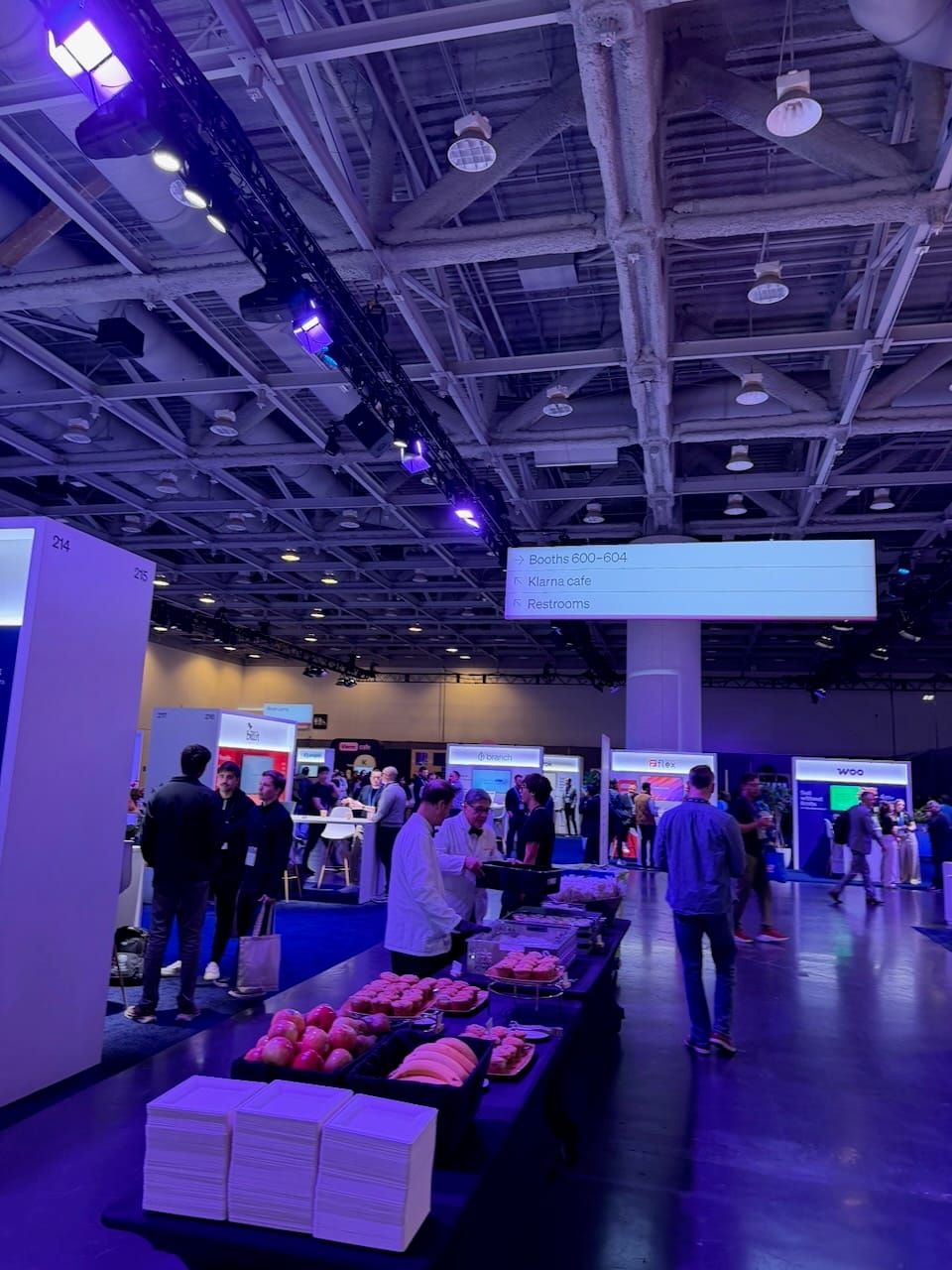
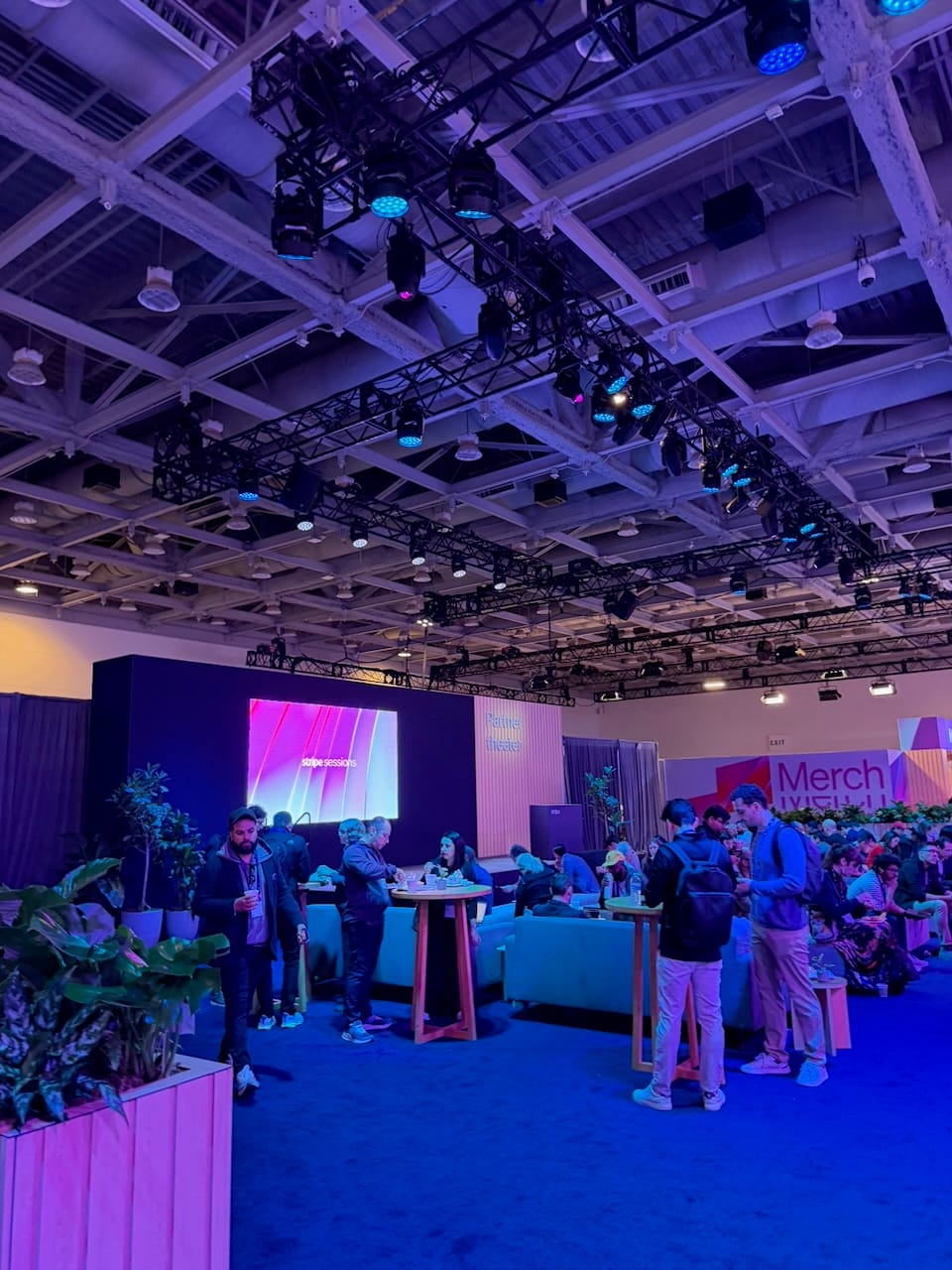
That kind of thing does not happen by accident. Someone is paying for it. And when an organizer can spend that way, it means the money is somewhere nearby. At GDC this year, I often felt the absence of money. At Stripe Sessions, the money was in the walls.
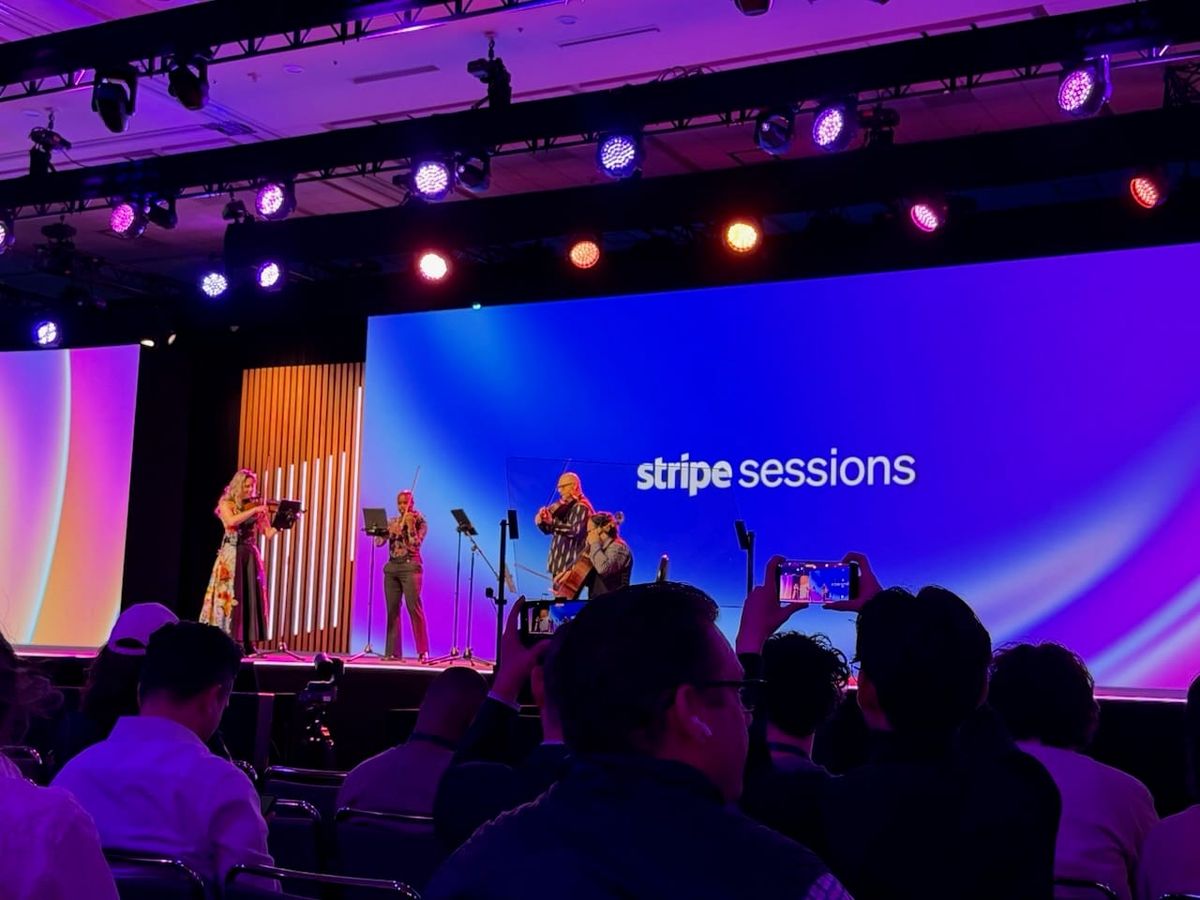
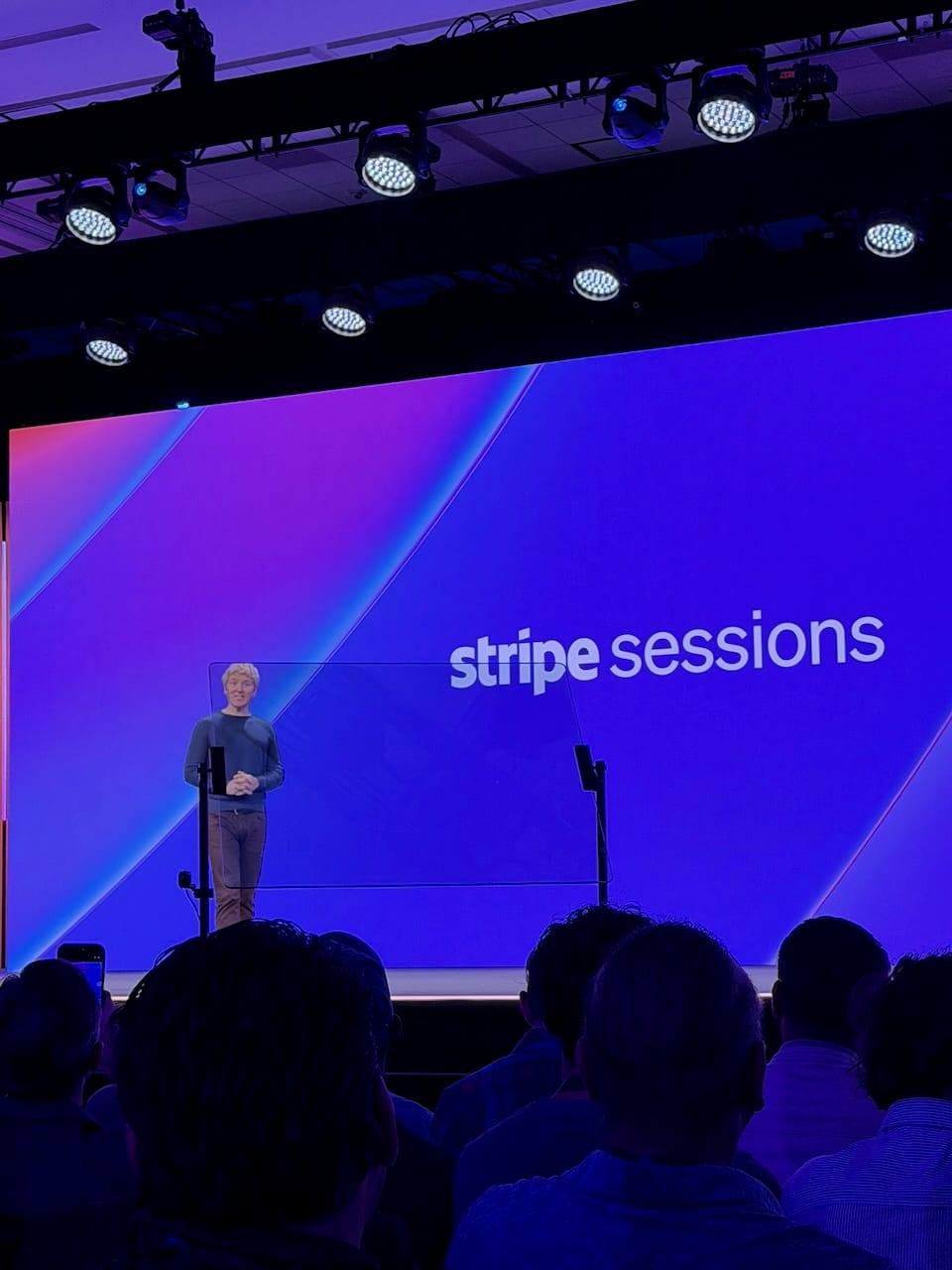
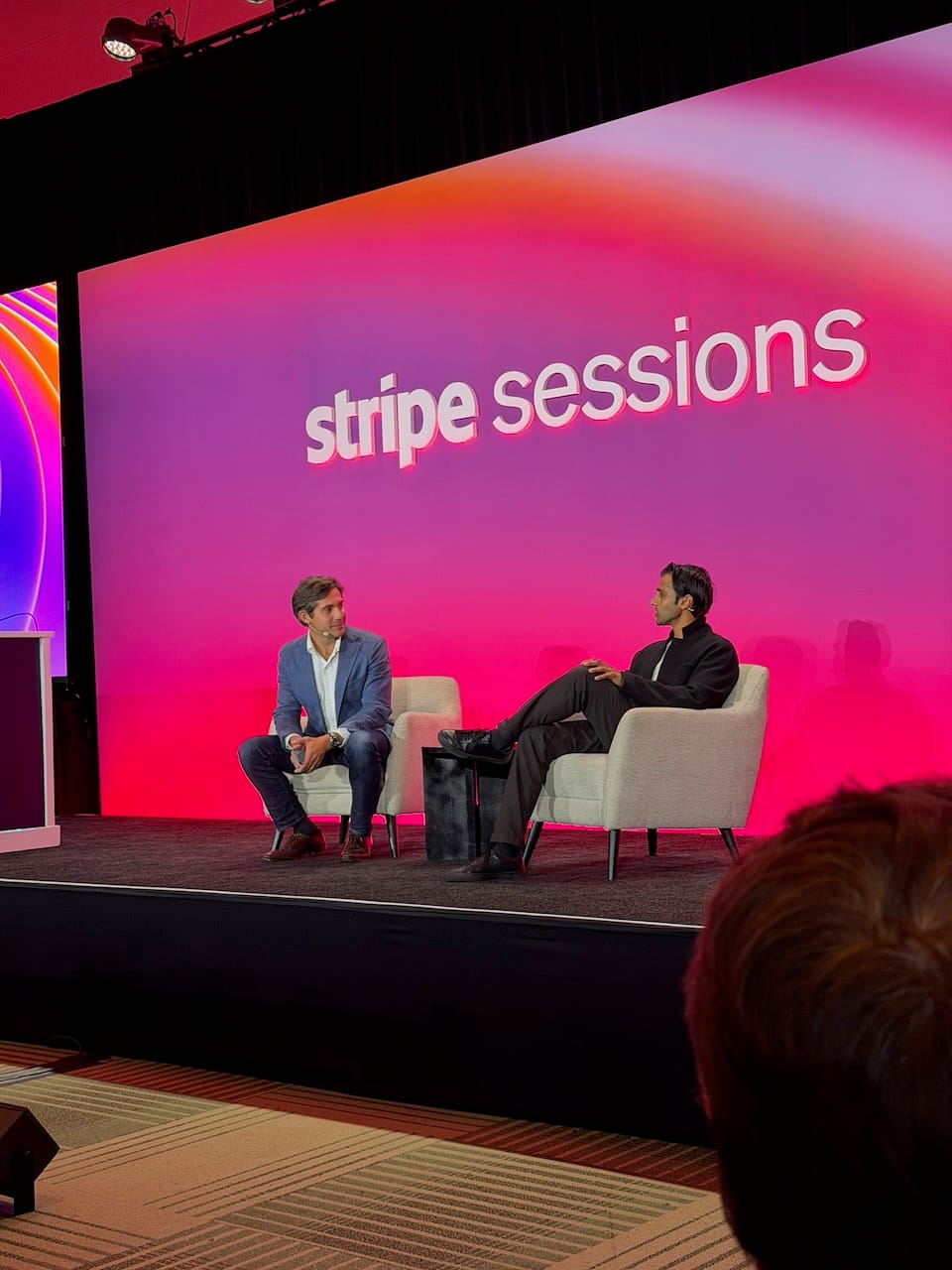
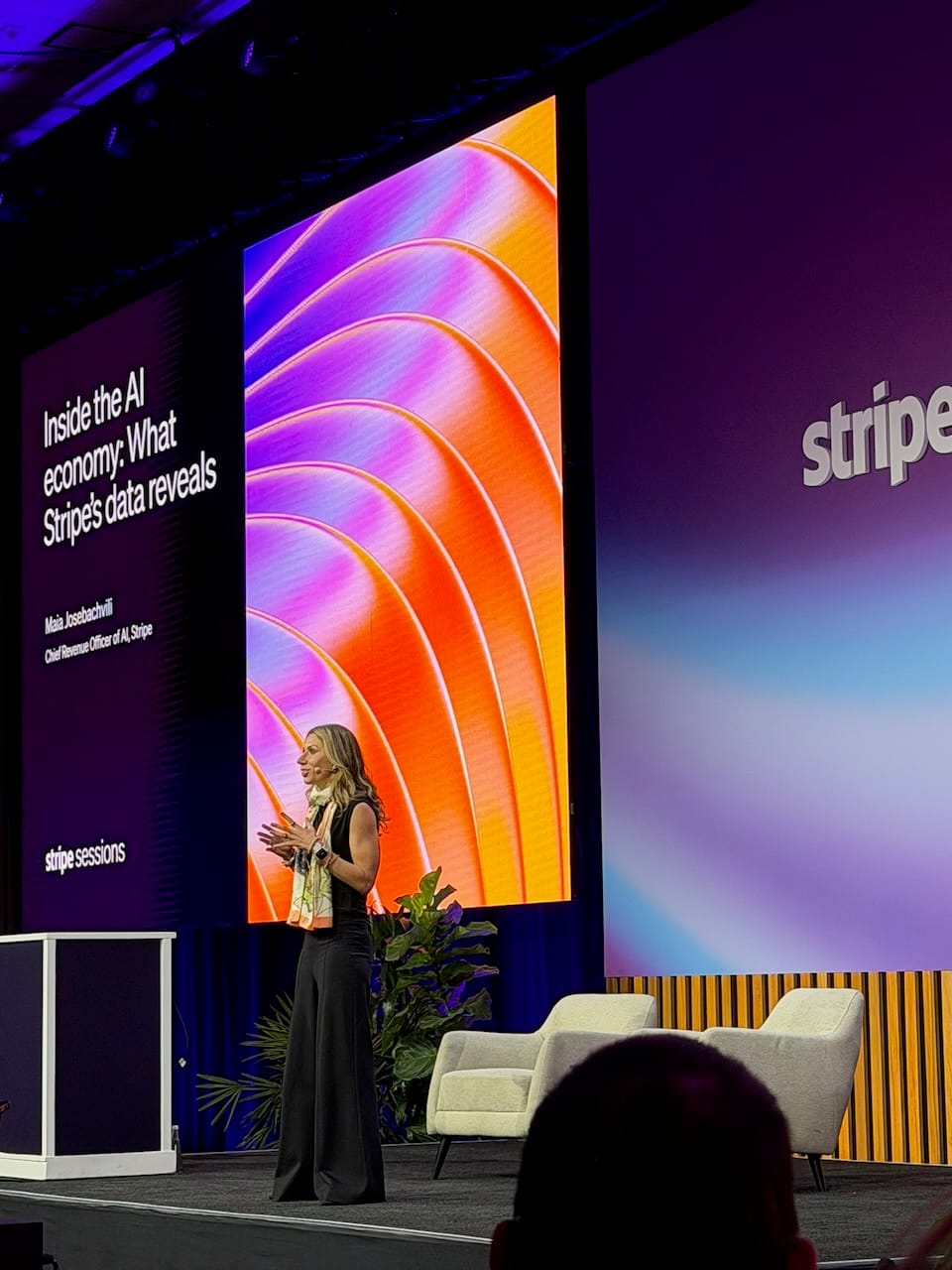
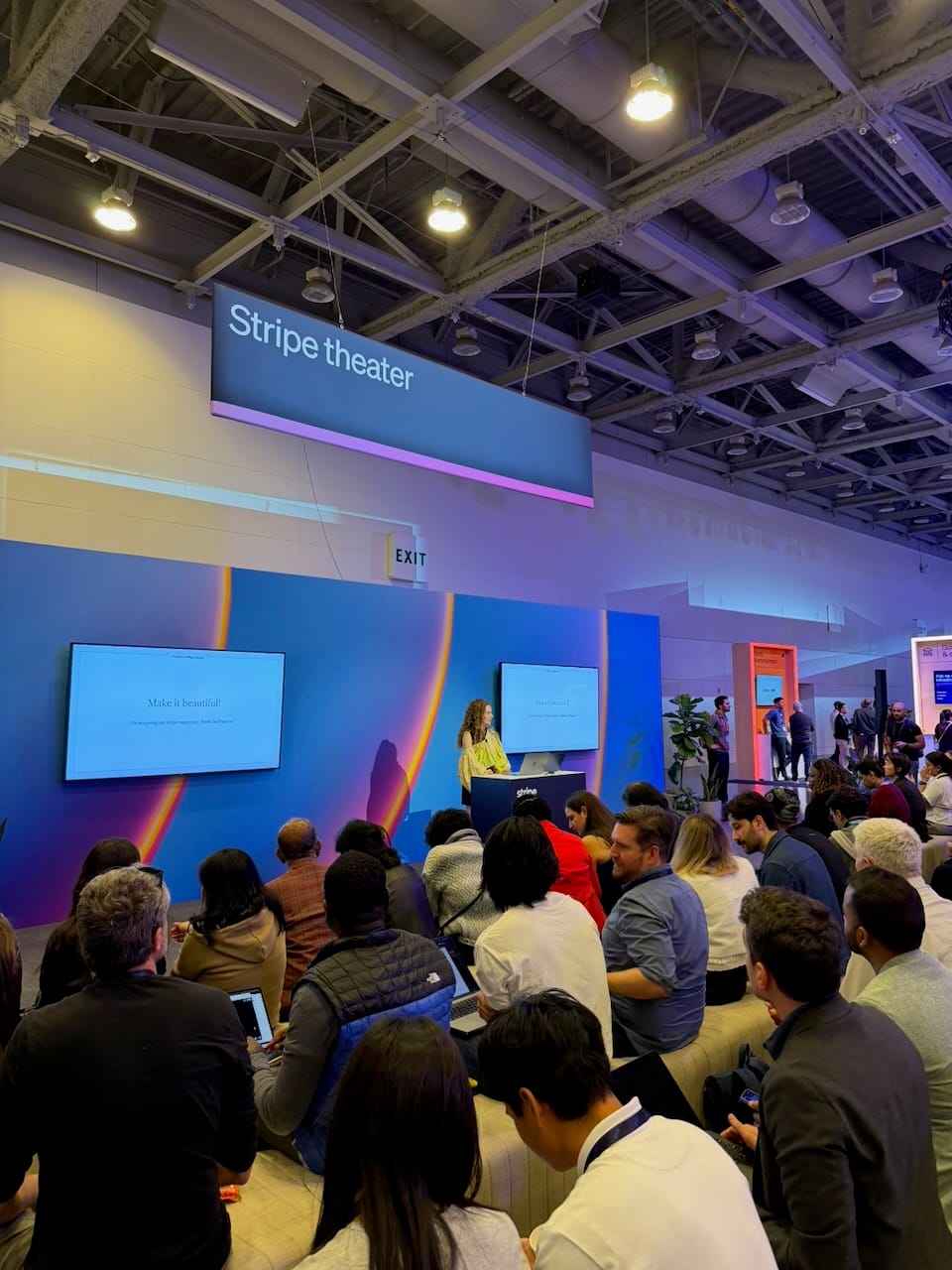
The conference itself was quite decent. The production was smooth, the sessions were practical, and the speakers mostly knew what they were talking about (although there are someone who were not used to typing). Stripe announced an enormous number of products and features, and almost everything was framed around AI: agentic commerce, Link as a wallet for agents, Machine Payments Protocol (MPP), stable coin payouts, streaming payments for AI token usage, "Radar" for token abuse, financial accounts that agents can operate with human approval. It was not just "AI will change payments someday." It was presented as if the new world had already arrived and everyone in the room was already (if not late) to integrate it. That was where I started to feel confused.

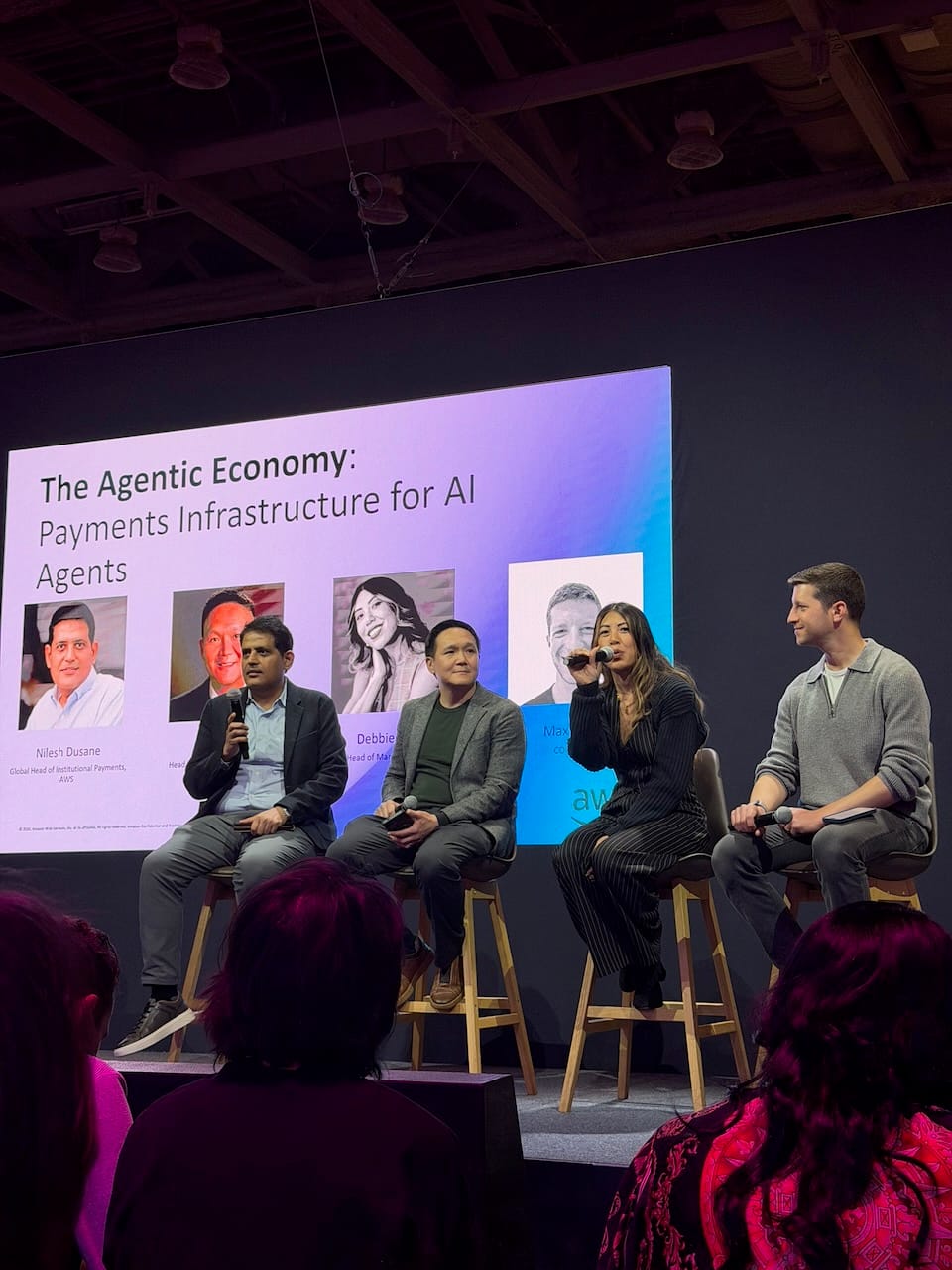
I know these ideas are real. I use AI agents enough to understand why payments, identity, permissions, and fraud controls need to change. If agents can browse, compare, deploy code, buy APIs, and consume tokens at machine speed, the old checkout model is clearly not enough. I also understand why stable coins keep reappearing in this story. For small, fast, global, programmable transactions, the existing rails are awkward. Cards were built for humans. Agents want something else.
Still, sitting there, I felt as if I had accidentally walked a few years into the future. Or into a bubble. Maybe those are the same feeling at the beginning.
The strongest moment was not from the keynote. It was the woman sitting next to me. She was from Nebraska (not sure, I just overheard it) and ran an online mall. She was not a crypto person trying to sell a theory. She should be a business owner, very practical, very awake, and genuinely eager to adopt agents and stable coins for her site. It seemed like she was listening to the sessions as if they were not science fiction, but next quarter's work. That made me pause. In my head, agentic commerce was still an experiment. Something OpenAI, Google, Stripe, Coinbase, Visa, and a handful of infrastructure companies were pushing forward, but not yet something ordinary merchants were ready to care about. Then here was someone already thinking about how to use it.
Maybe that is how platform shifts feel from the inside. First it sounds like a demo. Then it becomes a panel topic. Then someone next to you at breakfast is planning to put it into production.
I am not convinced all of it will become dominant. Stable coins may become a normal part of global payouts and machine payments, or they may remain a specialized rail that looks bigger at conferences than in daily life. Agentic commerce may become a major sales channel, or it may hit the familiar walls: identity, trust, refunds, fraud, customer support, regulation, and the simple fact that people do not always want the most optimized purchase. We will see. The future is usually less clean than the keynote version.
But the mood was undeniable. Stripe Sessions felt like a place where people believed the next economy was already being assembled. Not in a vague way, but in dashboards, APIs, policies, wallets, risk models, and checkout flows. That was exciting. It was also a little lonely.
Maybe "bitter" is the better word. Compared with GDC, which felt less active and less funded, Stripe Sessions made me wonder whether games are drifting into sunset while fintech and AI are moving into sunrise. That is probably too simple. Industries go through seasons. Games have looked tired before and come back with something nobody expected. Money moves toward one place, then another. People get bored, then rediscover play.
Still, for a few hours at Moscone West, it felt very clear where the heat was. Payments people were talking as if agents were already customers. A mall owner was ready to prepare for stable coins. Stripe was serving warm breakfast (and lunch too!) in the same building where game developers had recently been buying their own coffee.
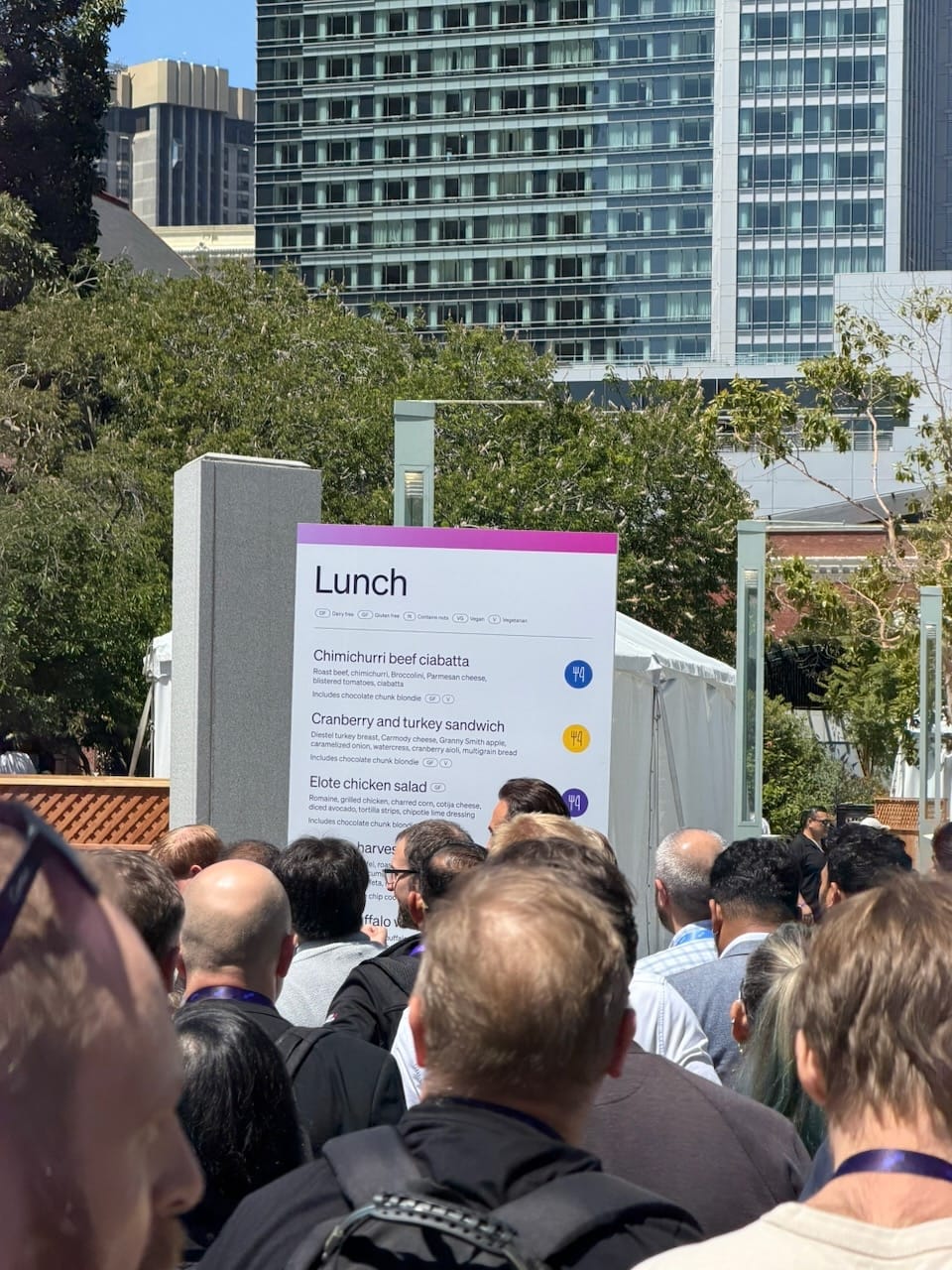
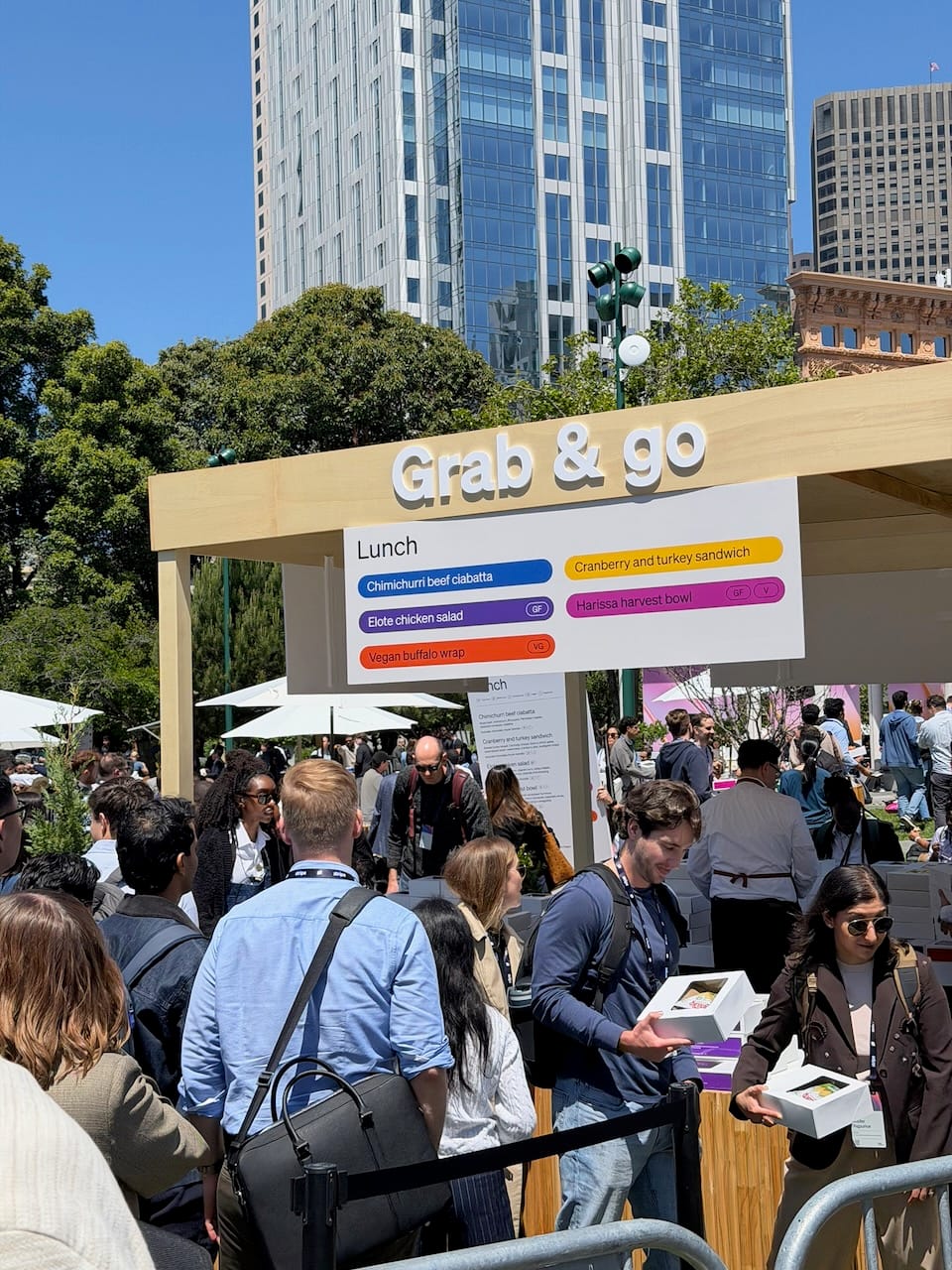

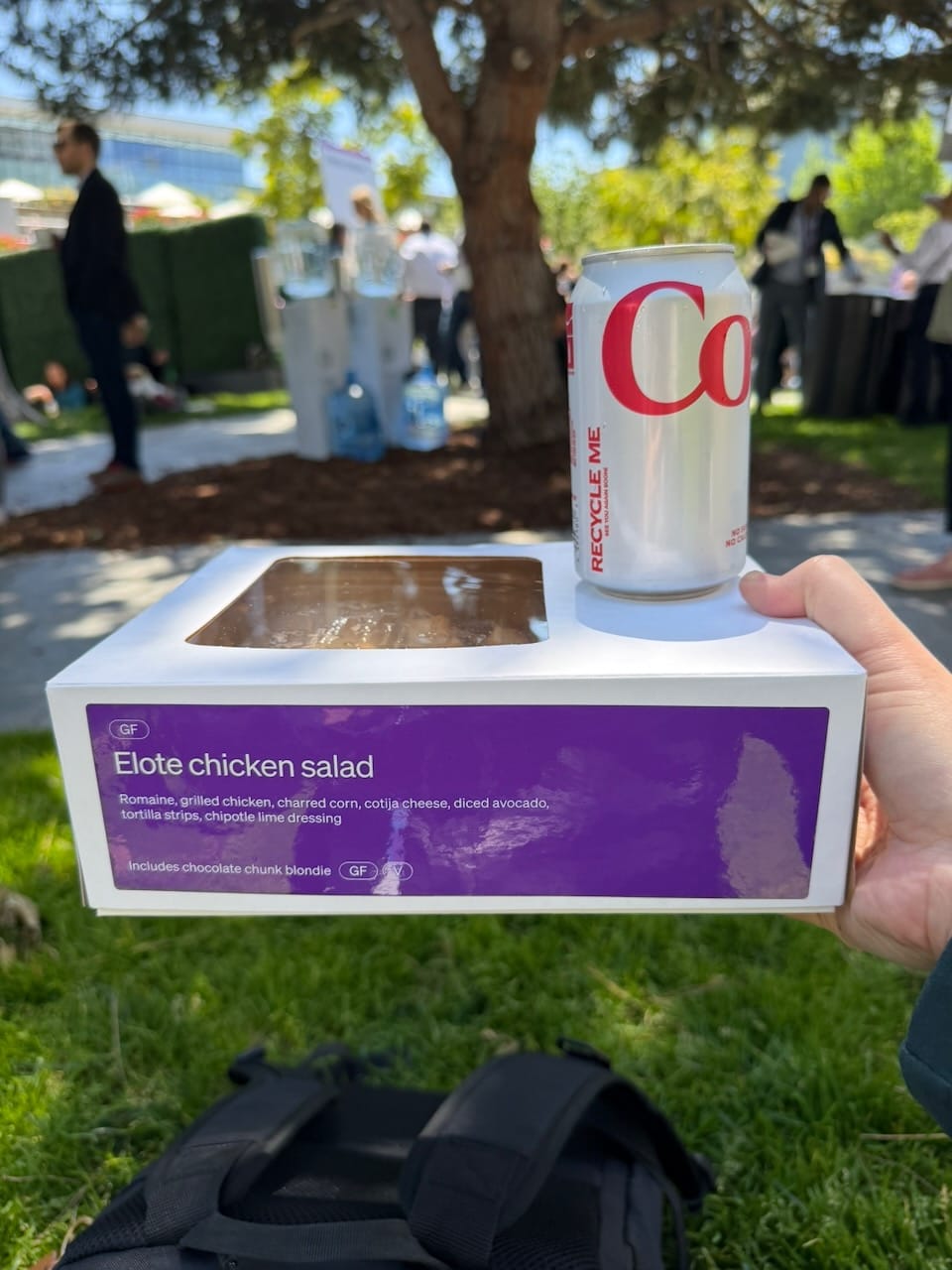
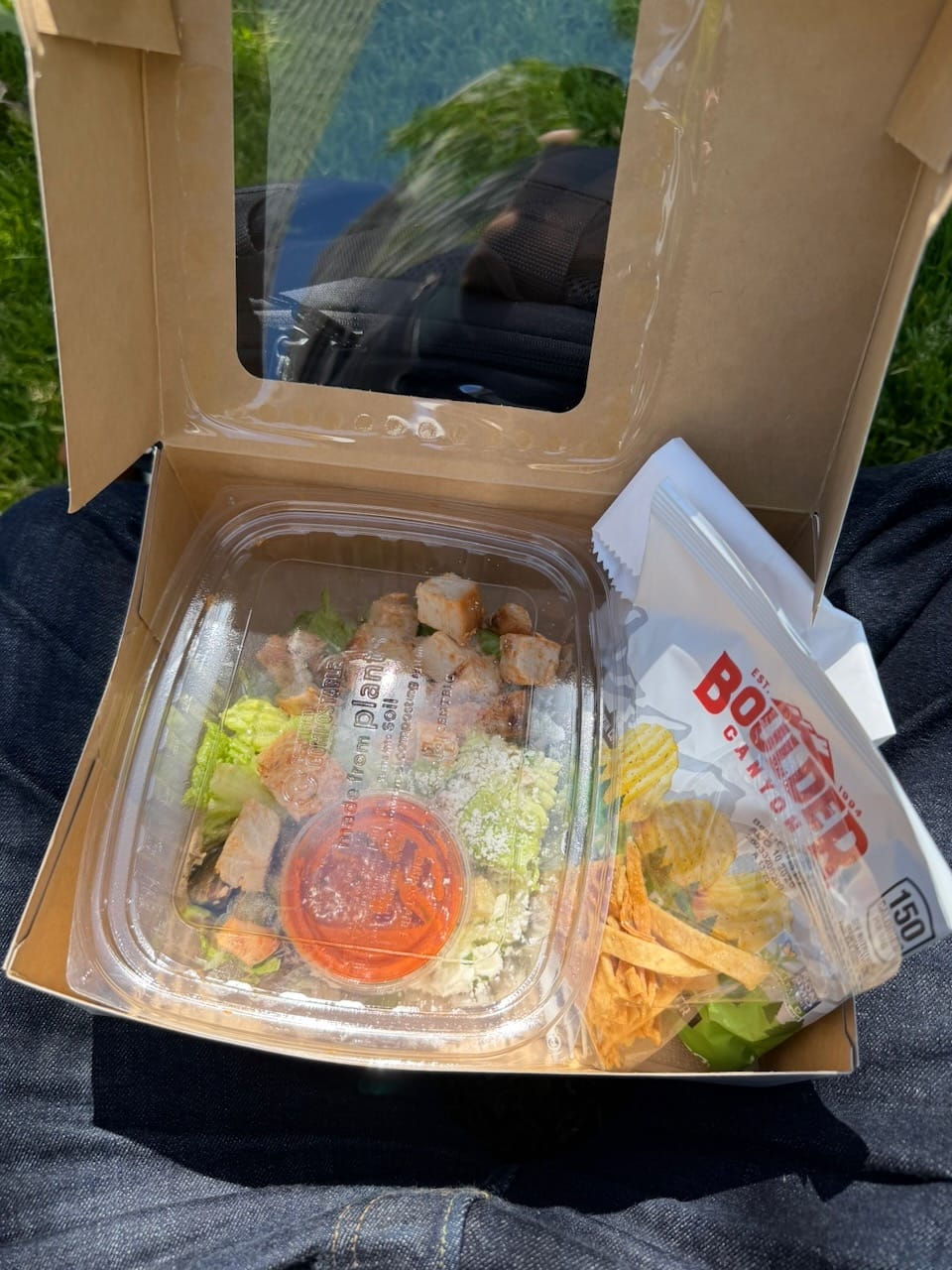

Yes, it was the best free conference lunch box I ever had
I walked out unsure whether I had seen the future or the bubble. Maybe the honest answer is that I had seen both.