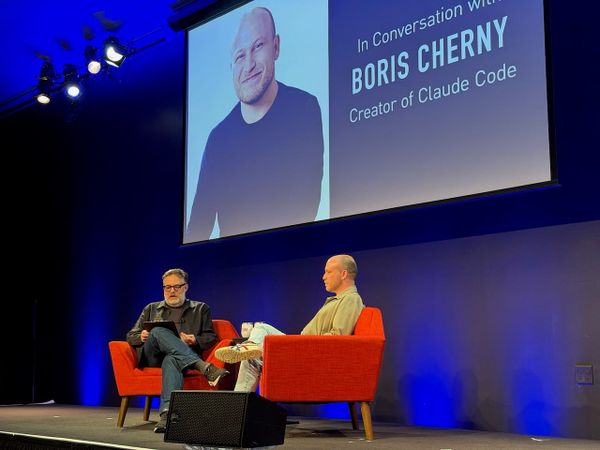
MAMAMOO 4WARD at SAP Center

About ten years ago, when we were still living in Korea, my family went camping on weekends and holidays. Music was always a part when we were on the road. We used Google Music playlists, including one built around the best Korean girl groups, and MAMAMOO was one of the artists who appeared again and again. We still usually make a new playlist whenever we plan a road trip, and MAMAMOO remains part of the music that travels with us.
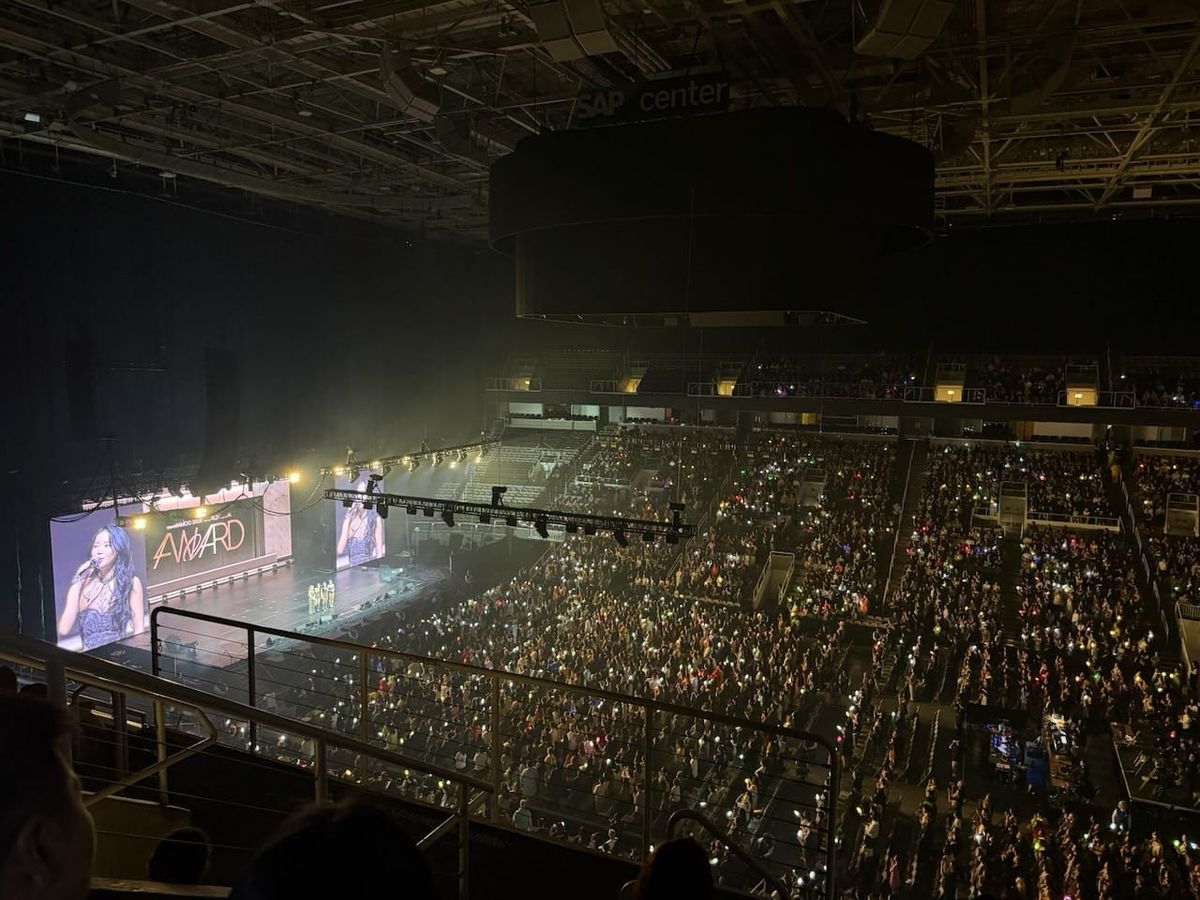
That made seeing them at SAP Center on August 27 feel like more than another concert. Their music had already been traveling with us for a decade, and now we were finally watching them perform together onstage.
This year, though, we have not taken as many road trips. My daughter is in her senior year, and her schedule has become too busy for the kind of weekends we used to spend on the road. Instead, we have been going to concerts, musicals, and sports events when we can fit them in. We saw BTS at Stanford Stadium, then YOASOBI at Oakland Arena. Next came MAMAMOO in San Jose.
SAP Center usually feels like one of the easier Bay Area venues for us. It is normally about a 30-minute drive from home, close enough that going there does not require much mental preparation. I forgot, however, that a weekday concert begins with weekday traffic. We left during the evening commute and learned again what Highway 101 can become at that hour in the South Bay. The familiar half-hour trip took more than an hour.
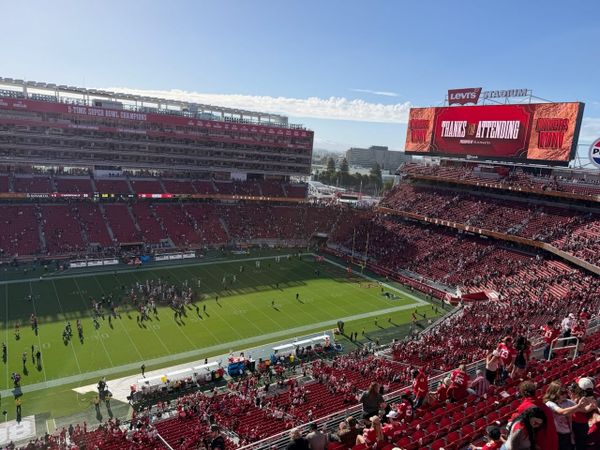
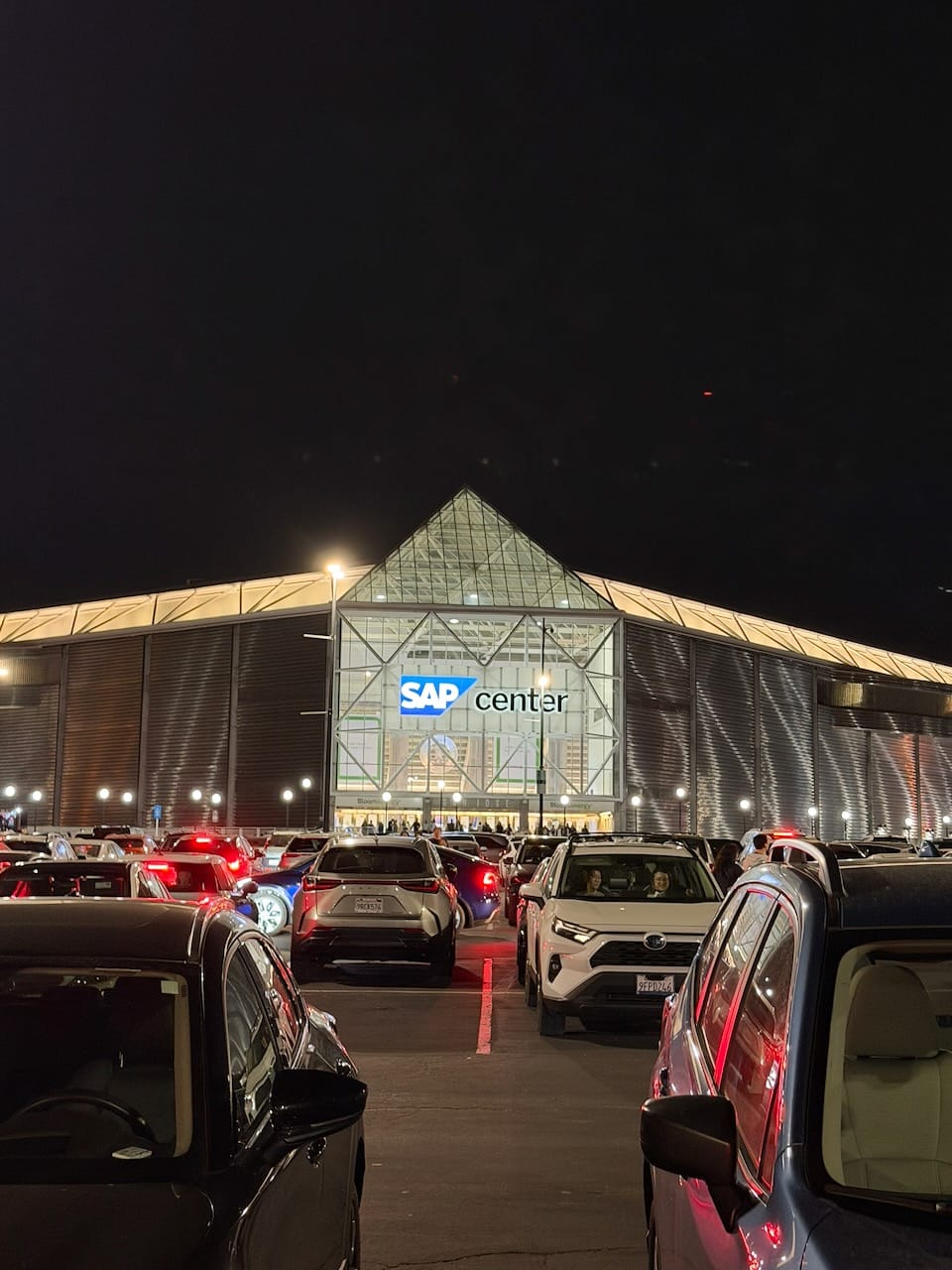
Once we arrived, everything became easy. We used the official stadium parking, and both entering and leaving were convenient. It was nothing like the parking-lot hell at Levi's Stadium. The parking there is mostly based on reservations, but getting in and out can still be painful, especially after an event. After the Karol G concert, it took us more than an hour and a half just to leave the lot. At SAP Center, there was no such ordeal.
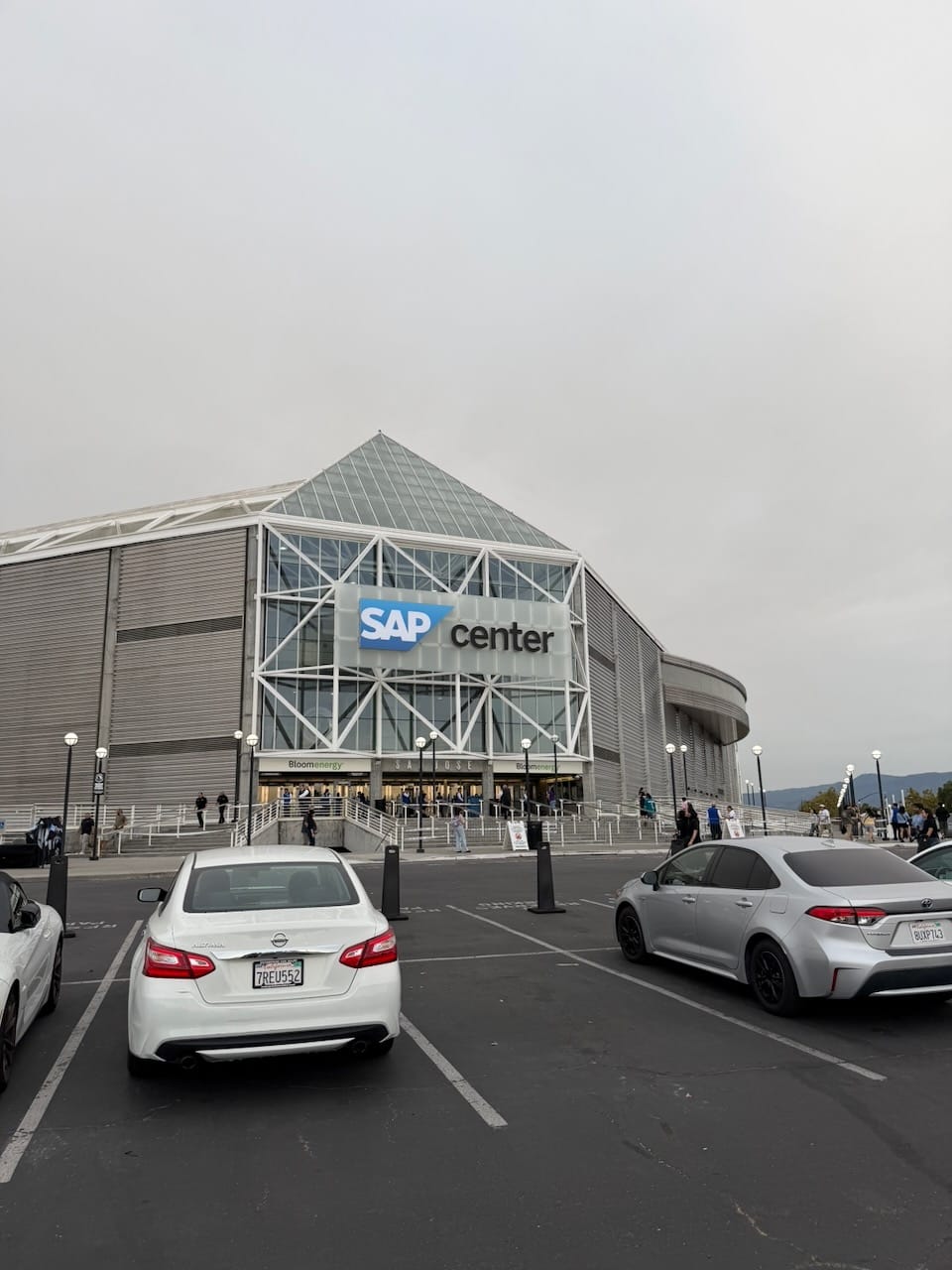
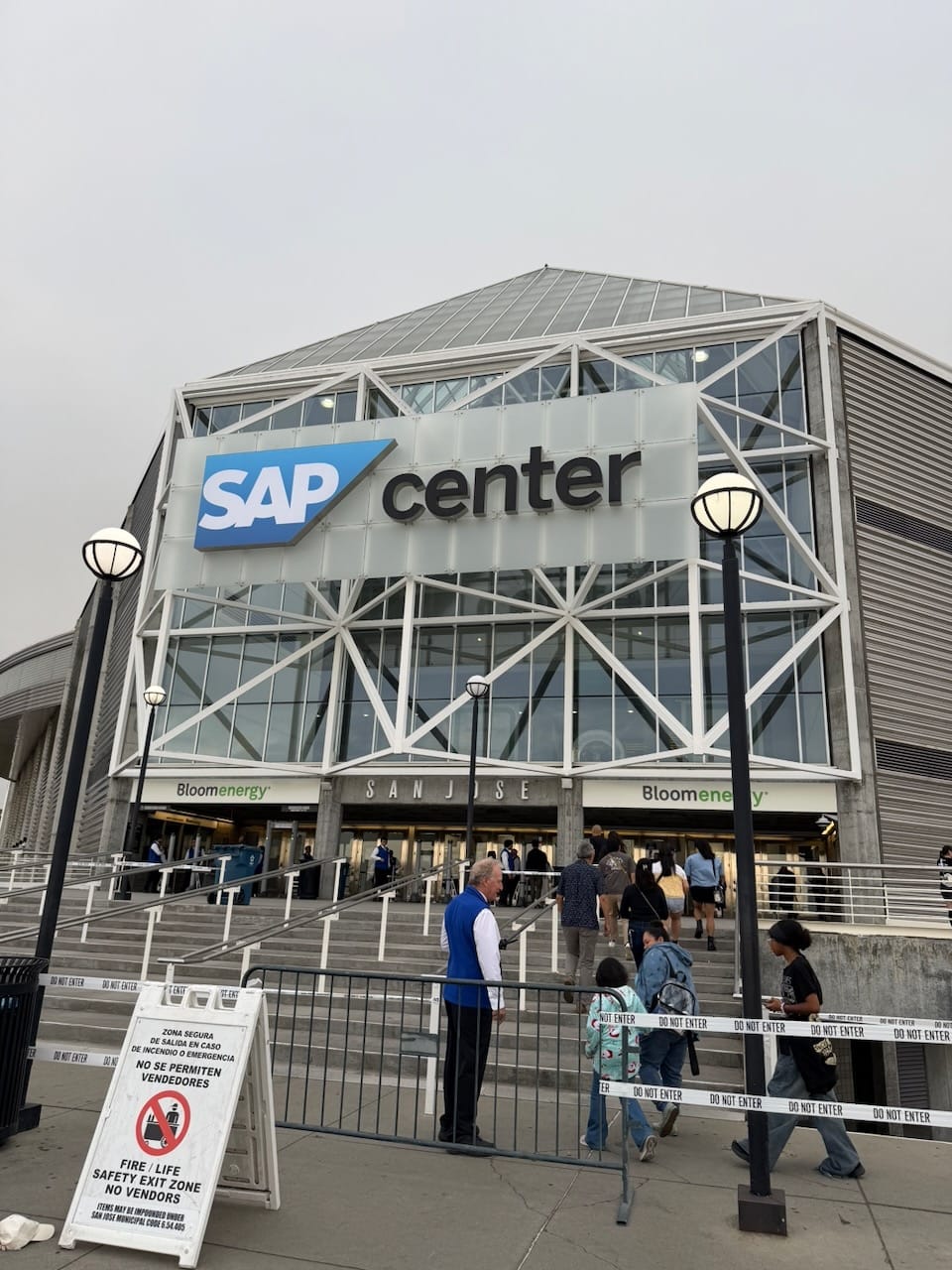
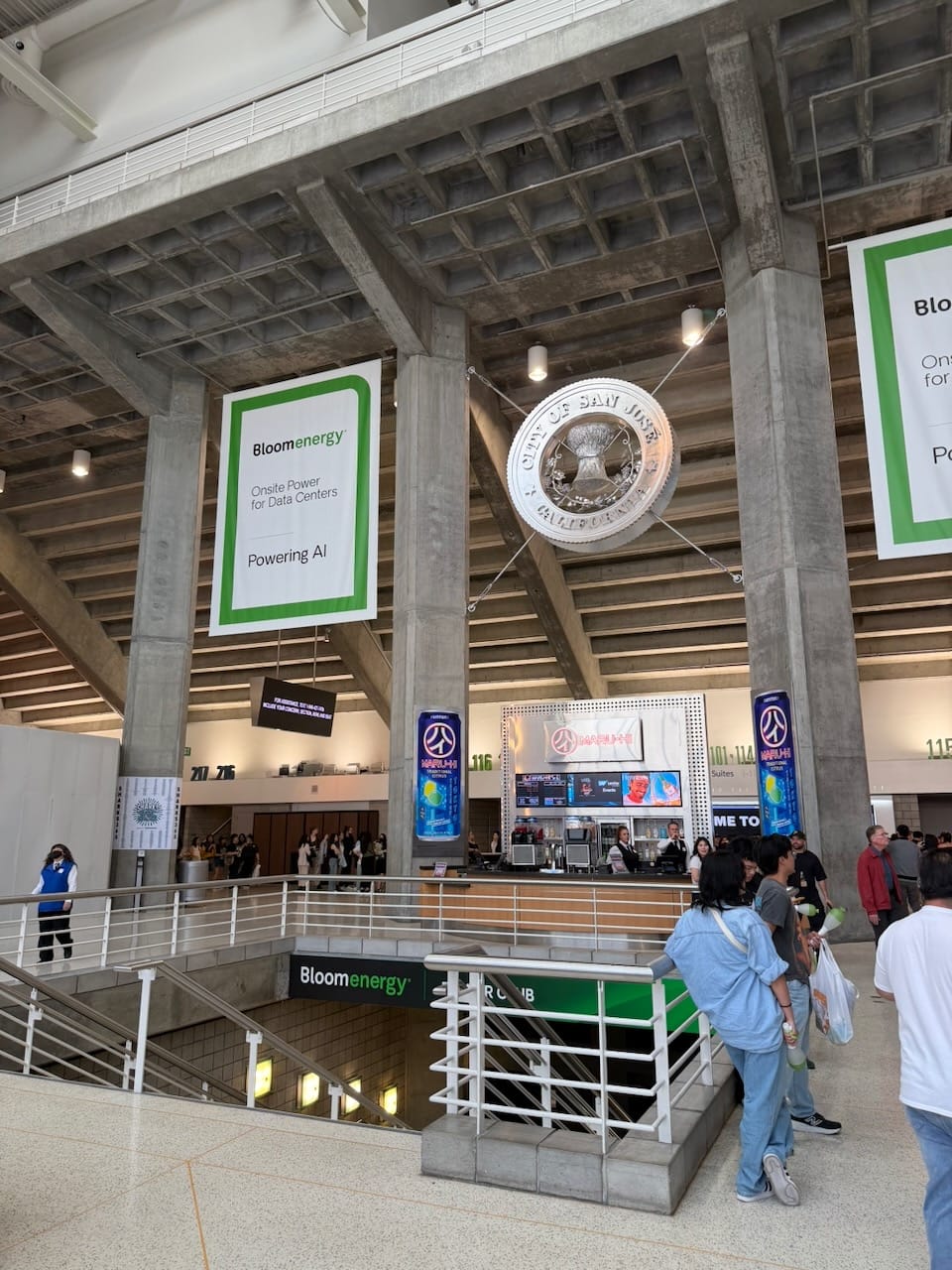
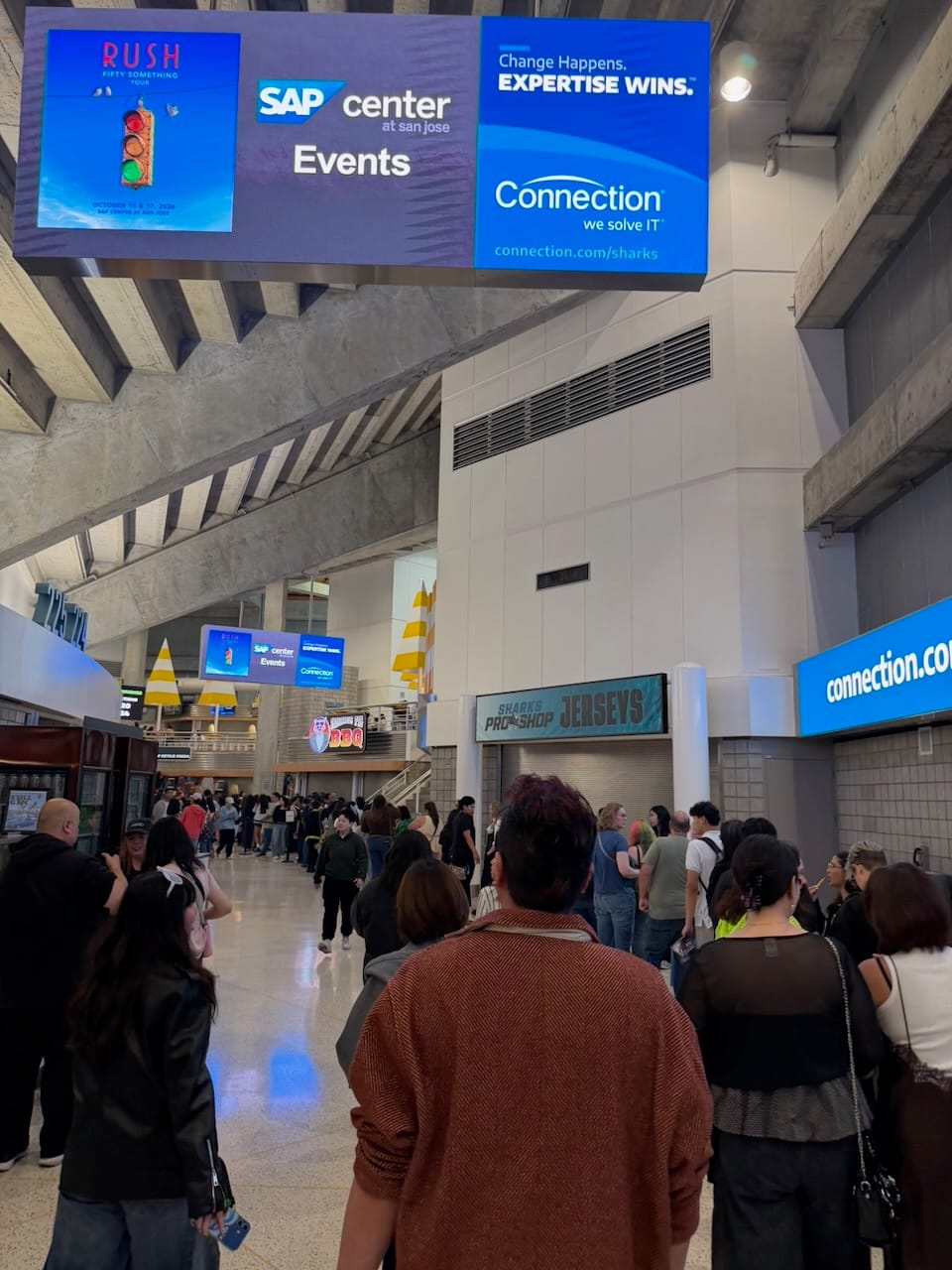
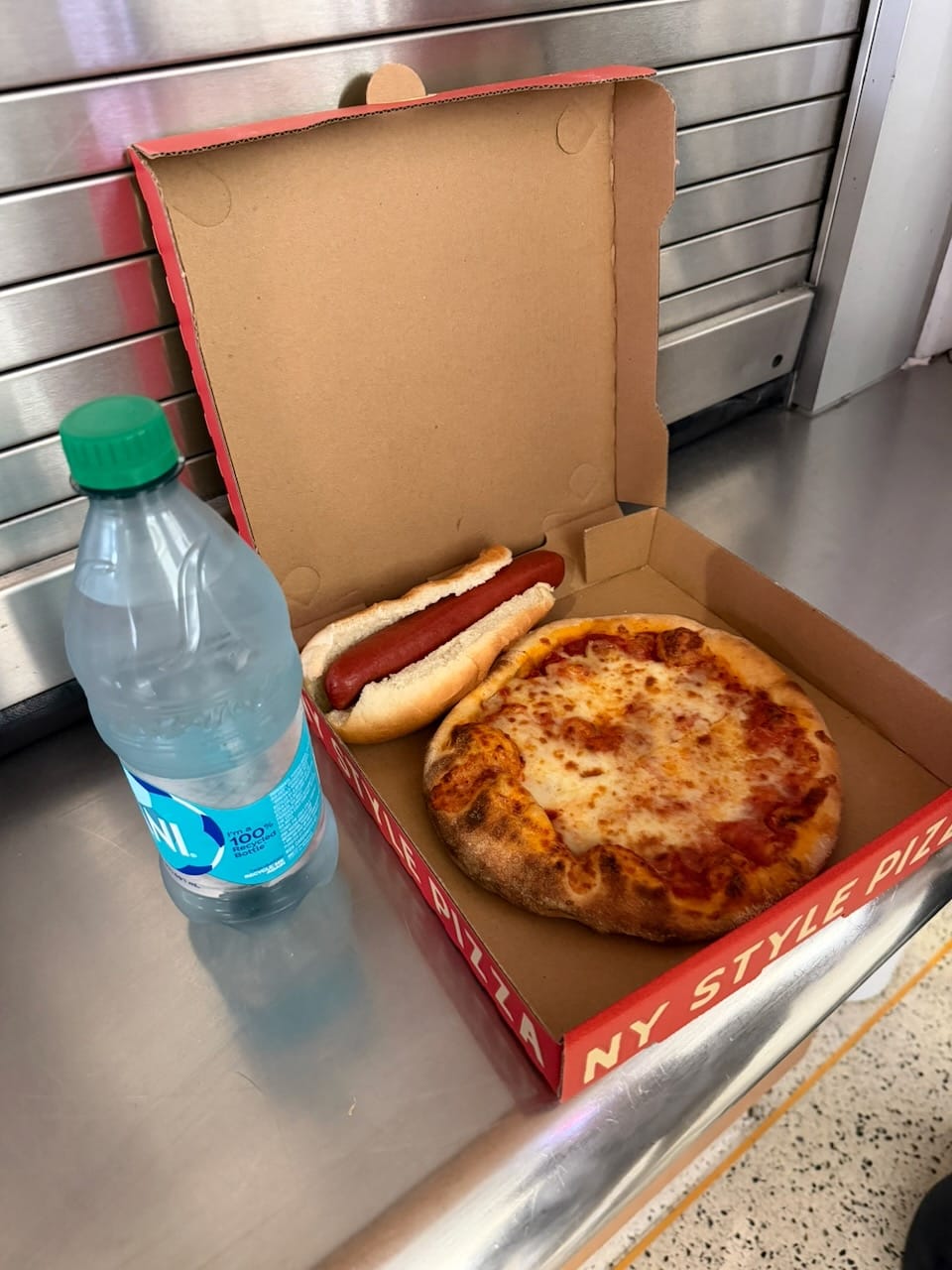
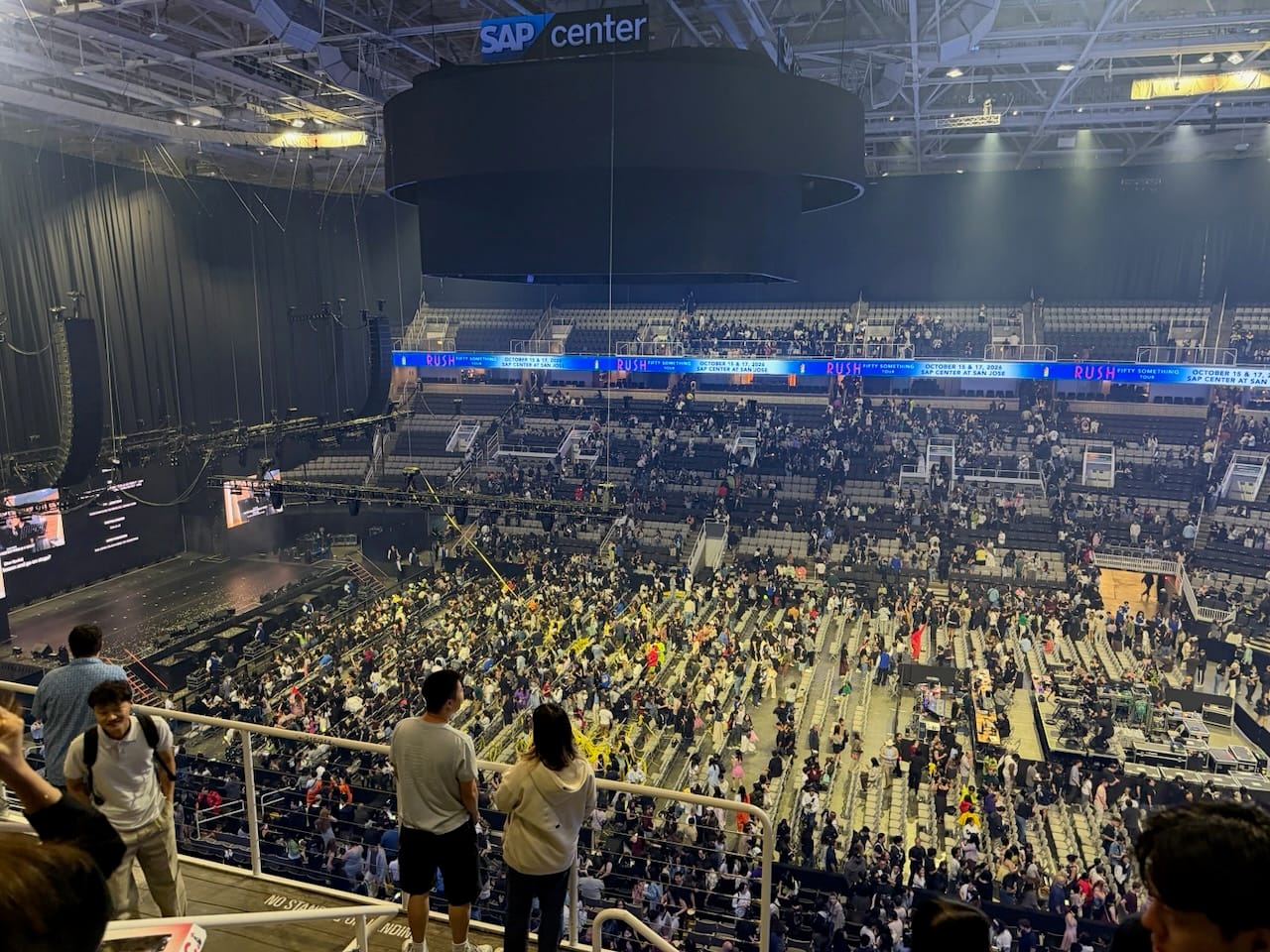
We reached SAP Center at around 6pm. The gates had been scheduled to open at 5:30, and when we arrived, they were already open. This should be an ordinary detail, but after last year's Ado concert at the same venue, it did not feel ordinary. That night, the doors opened about 90 minutes late, communication was poor, and the delay created an awkward beginning before the performance had even started. I had wondered whether some of that confusion came from SAP Center itself. This concert answered the question. The doors opened on time, the crowd moved smoothly, and the show began at 7:35, only five minutes after the announced time. The entire evening was managed almost perfectly. Whatever happened last year, the venue was not the problem.
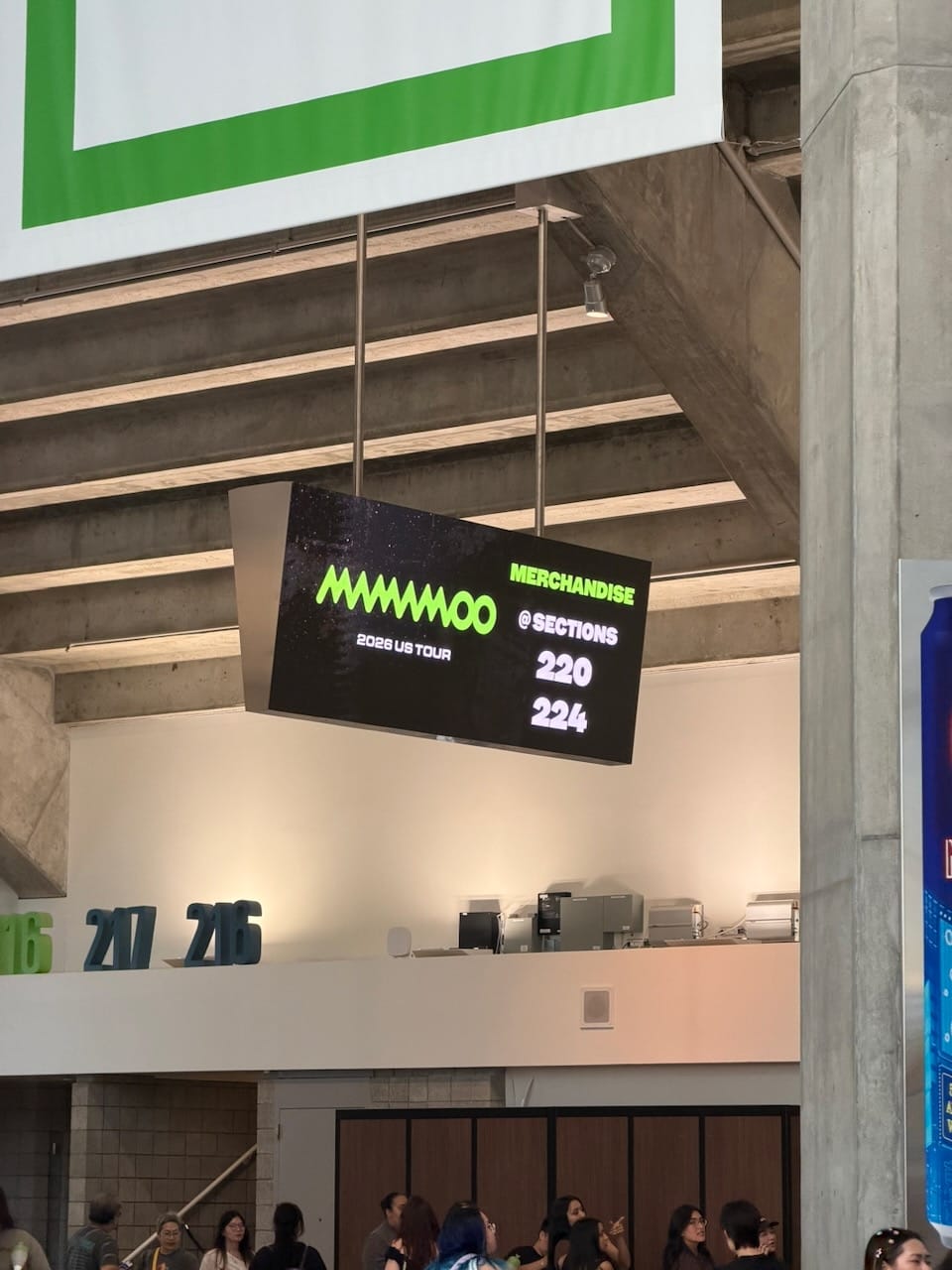
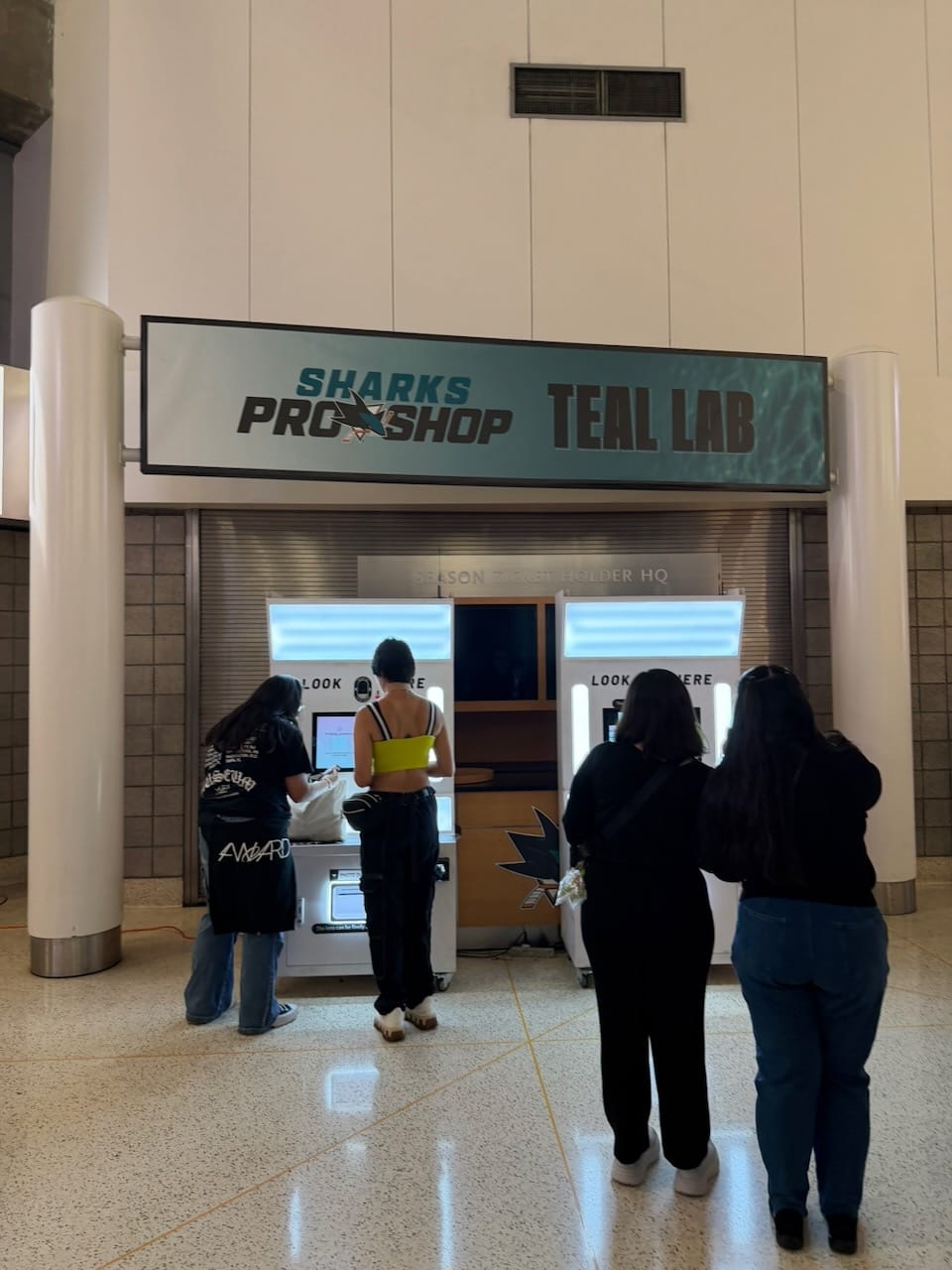
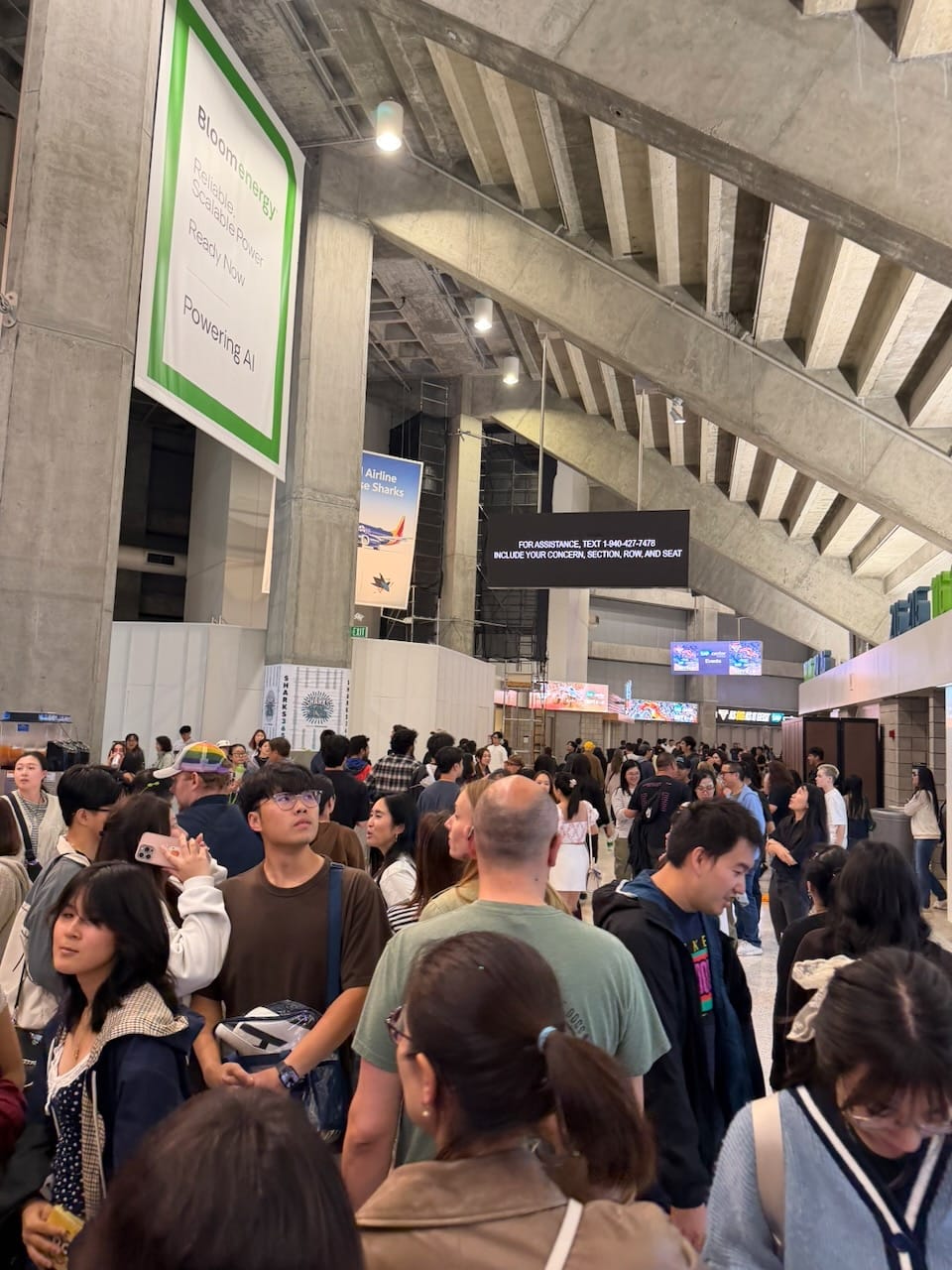
The merchandise line was already too long, so we gave up on buying anything. Instead, we took some four-cut photos and walked around the venue. SAP Center still feels alive in a way Oakland Arena no longer quite does. The San Jose Sharks continue to use it as their home, and perhaps that is why the concourses feel less like the remains of another era. SAP Center felt active even before we entered our seats. The atmosphere was bright, crowded, and expectant.
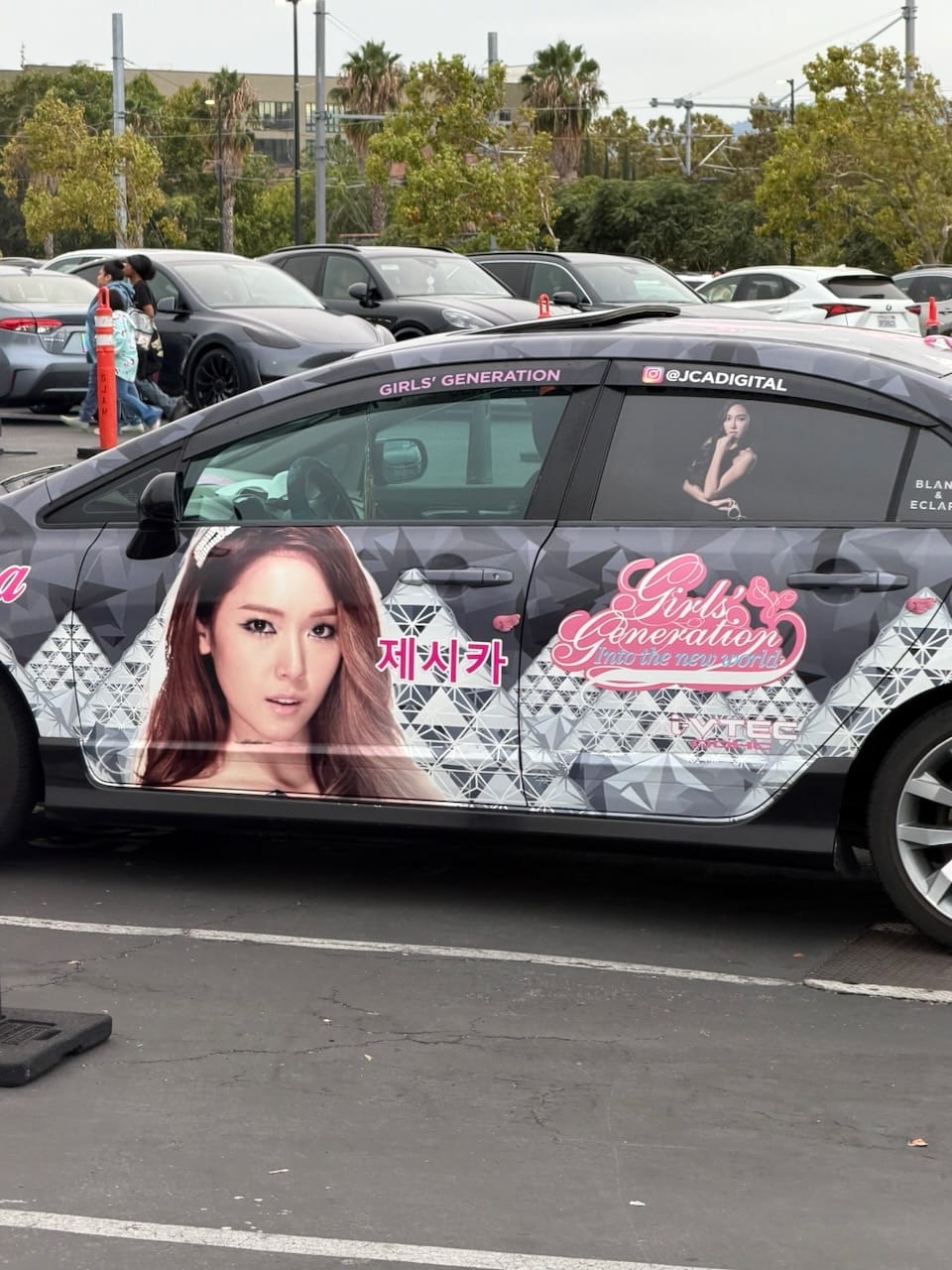
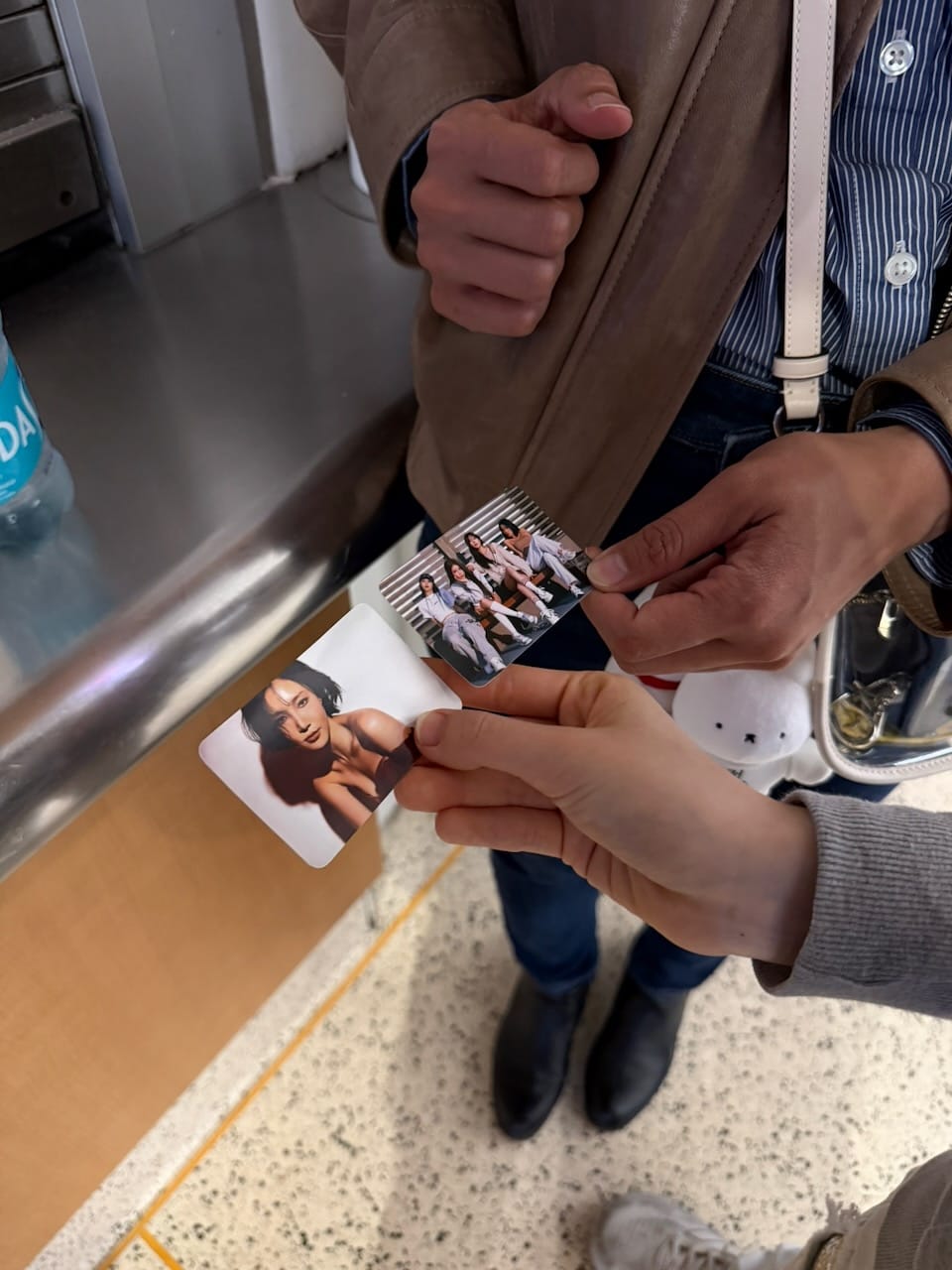
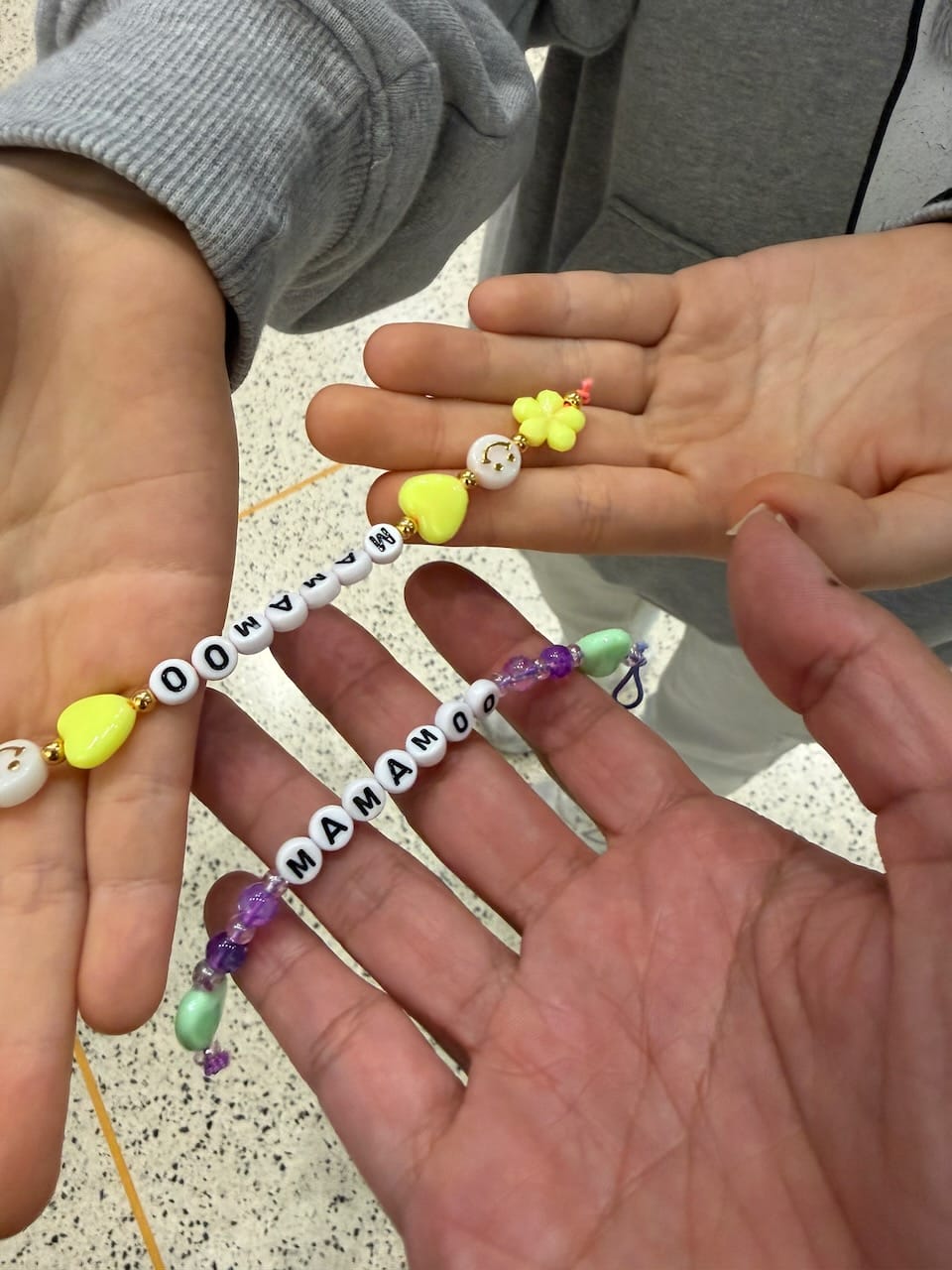
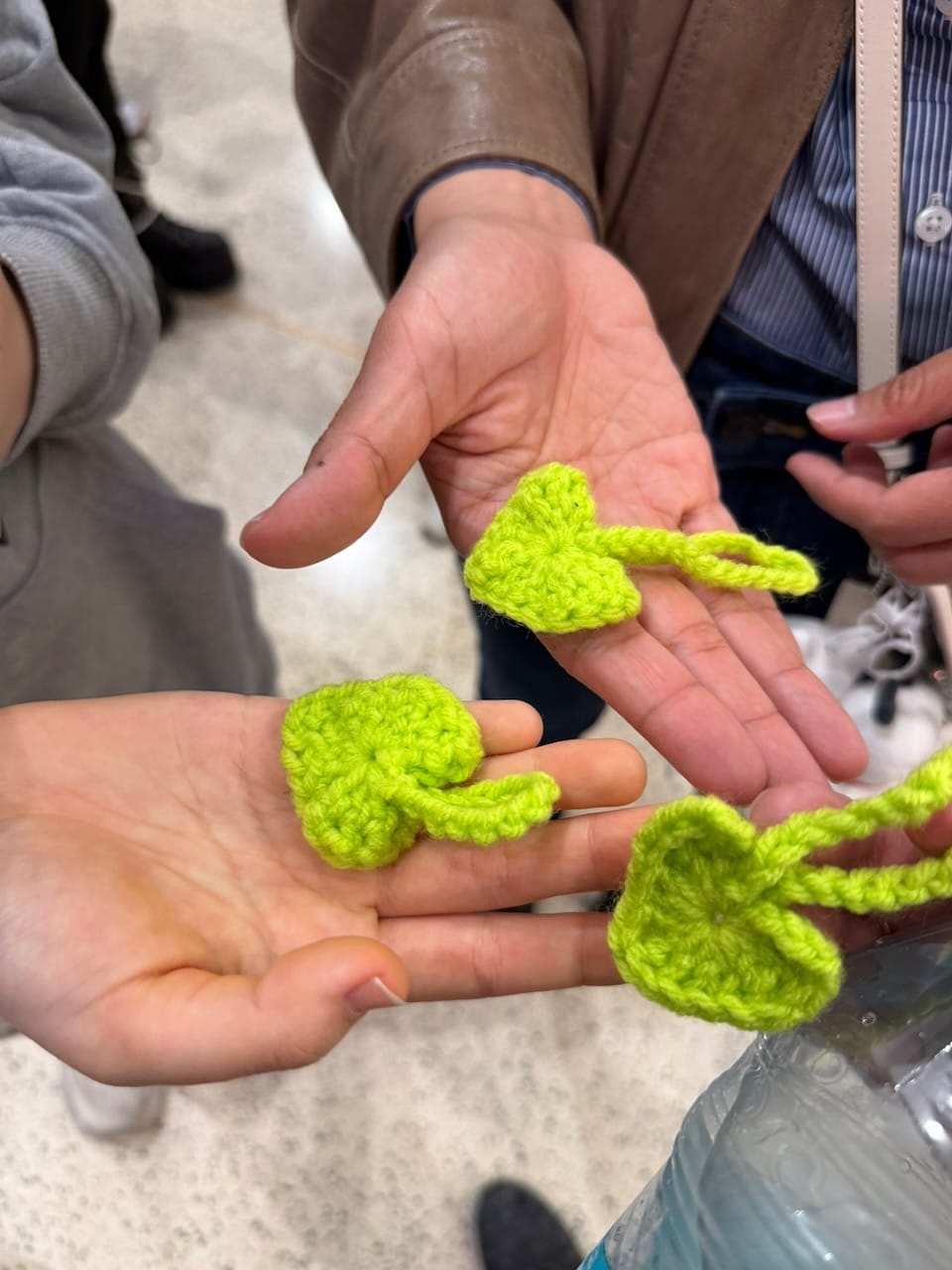
We also encountered one of the nicest parts of Korean concert culture: Nanum (freebies), which literally means sharing. Fans make small goods connected to the artists and give them to other fans for free. We received some photo cards, bracelets, and knitted green leaves. None of these objects were expensive, but that was part of their charm. They were small signs that the audience had helped create the occasion too. Before MAMAMOO appeared, the concert had already begun in a quieter form.
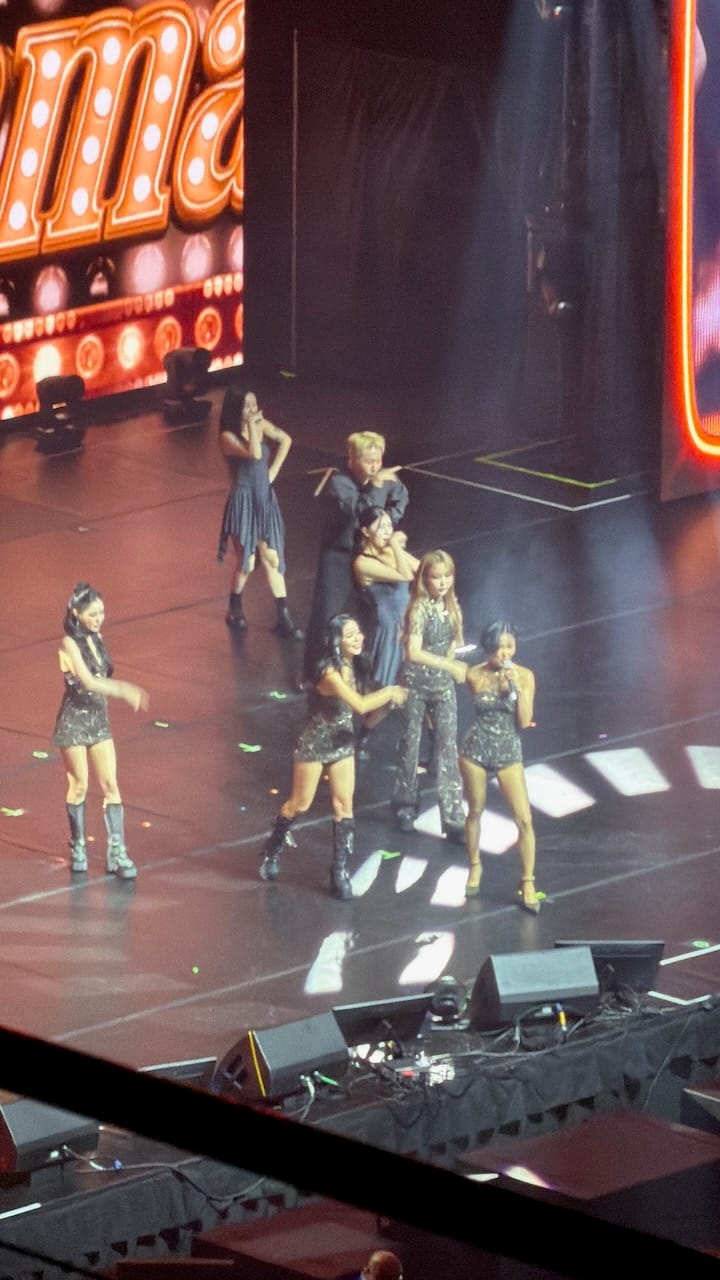
MAMAMOO has often attracted attention for bold and revealing stage outfits, and the members certainly understand how to command a stage visually. But their real power has always been their voices. That was immediately clear at SAP Center. The vocals were powerful, distinct, and remarkably present in the room. The sound was much better than at the recent YOASOBI concert and at last year's Ado show. Some of that difference may have come from the musical setup. YOASOBI performed with a live band, and at times the instruments overwhelmed Ikura's voice. MAMAMOO's production could keep its focus more directly on the vocals. They might also have simply used SAP Center's own sound equipment, which should already be engineered for the venue. Whatever the technical reason, the result was excellent. Each member's voice had room, the harmonies stayed clear.
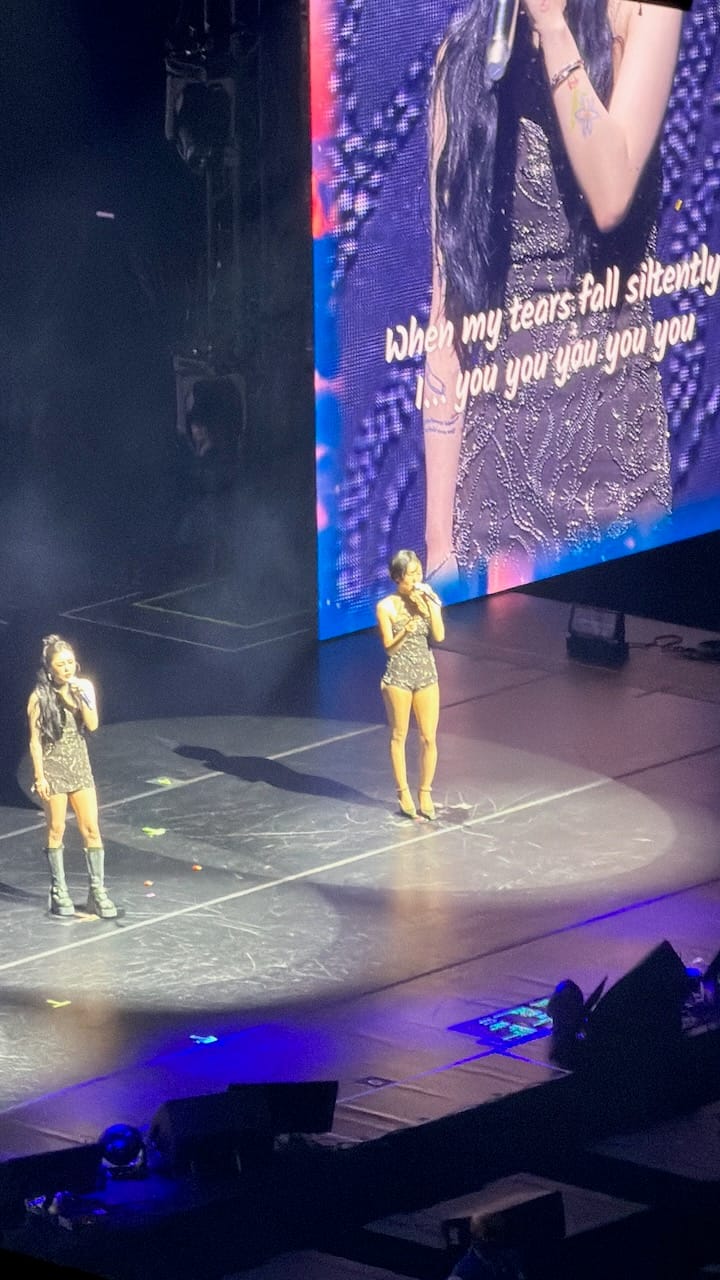
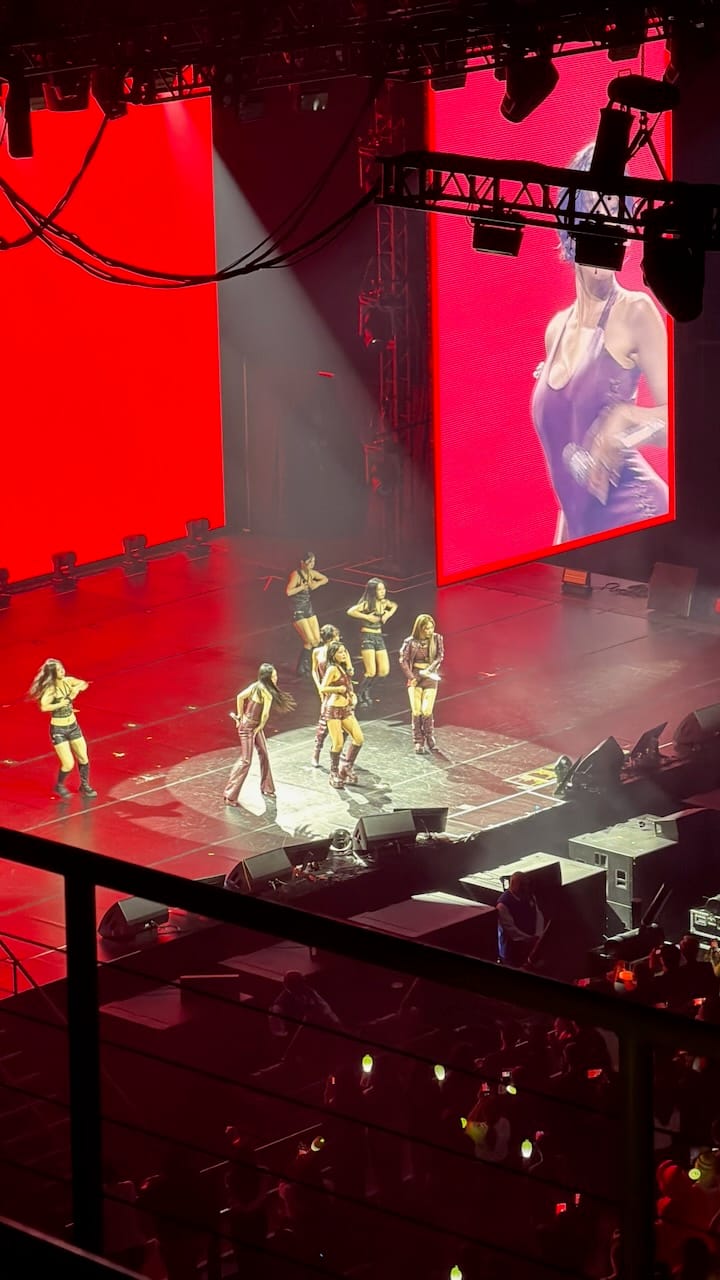
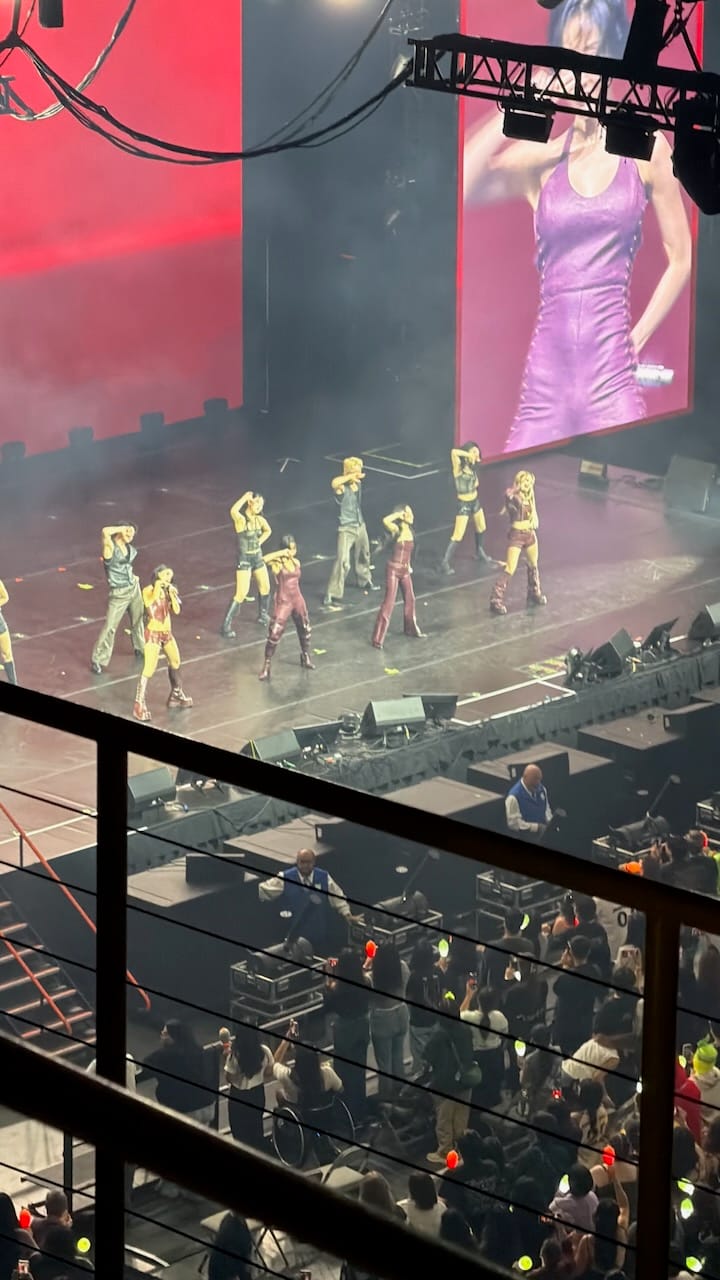
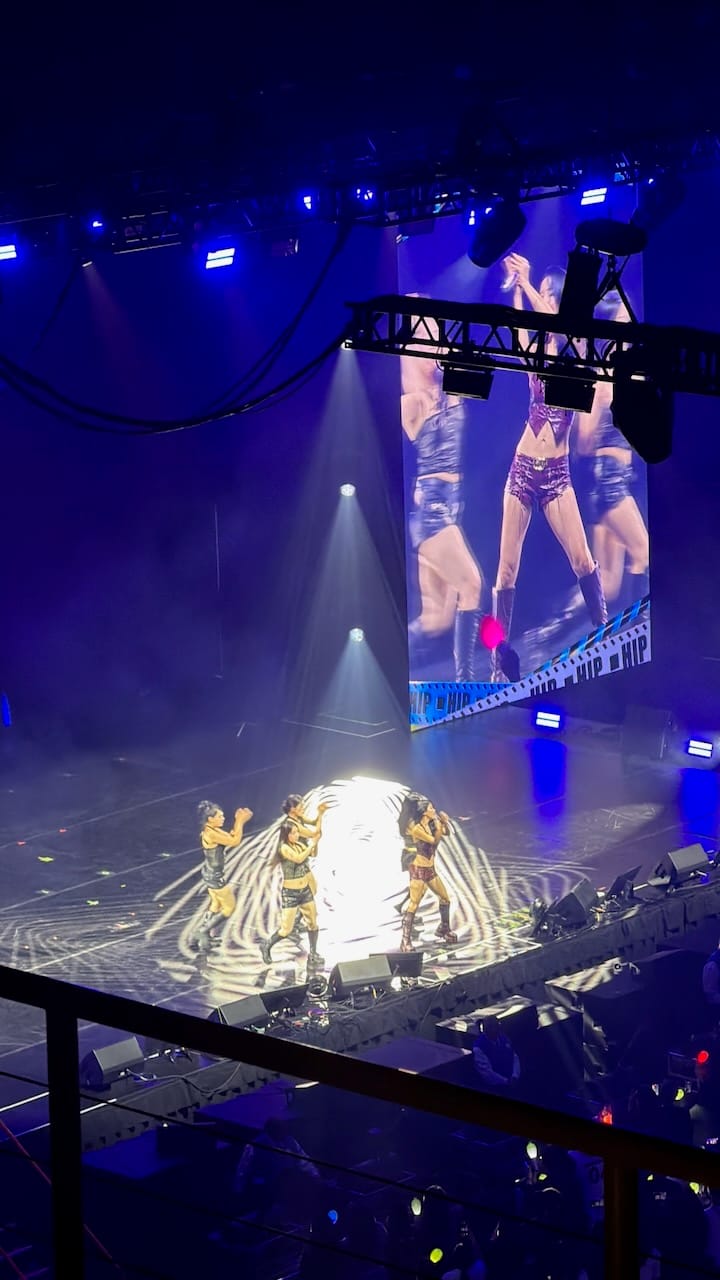
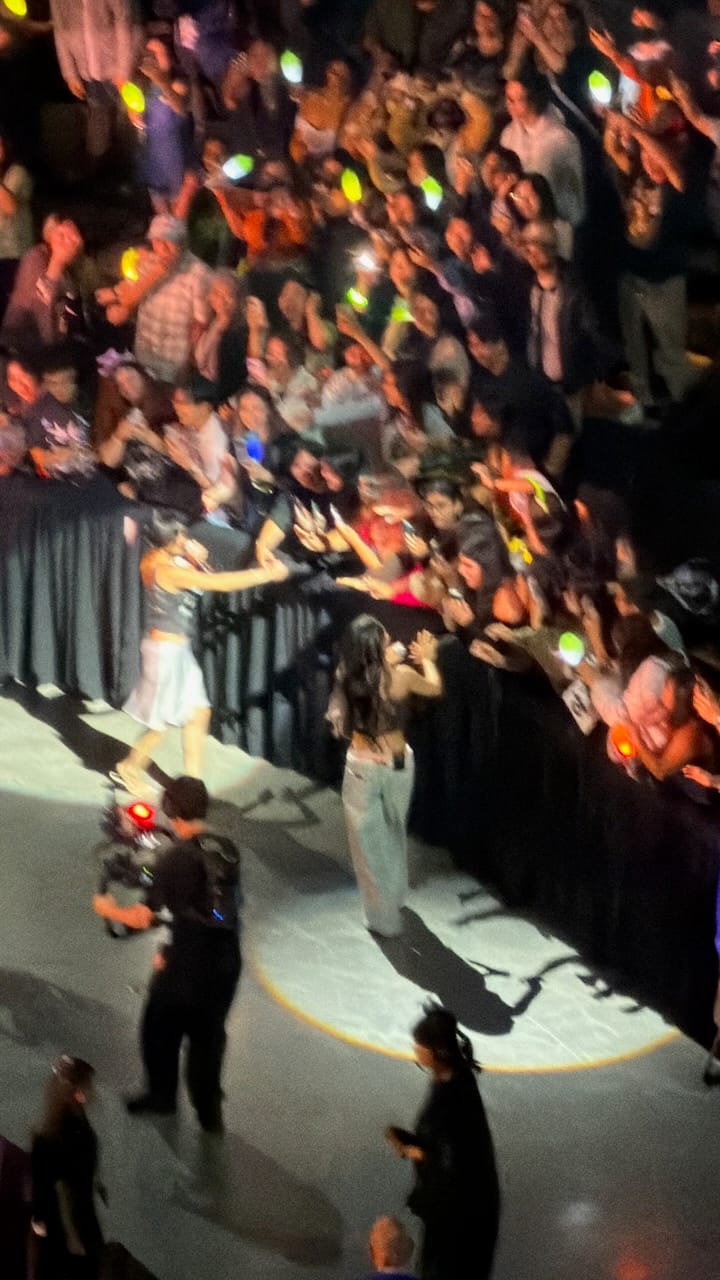
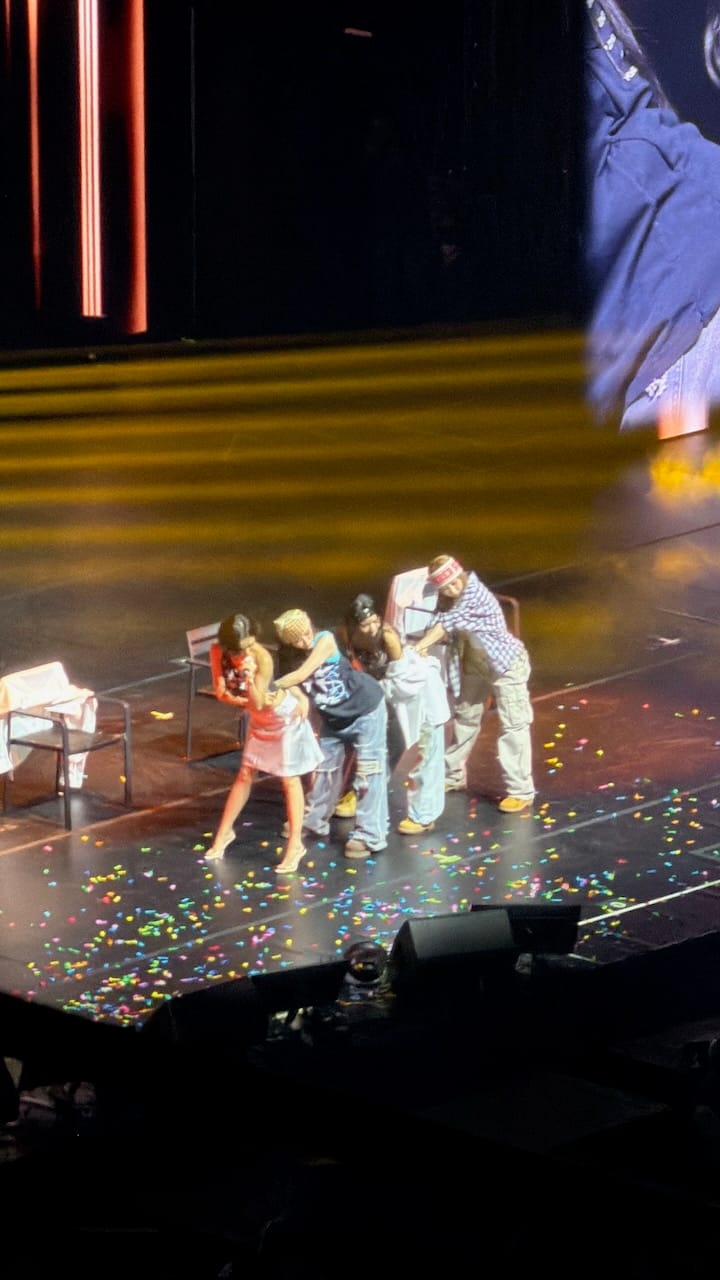
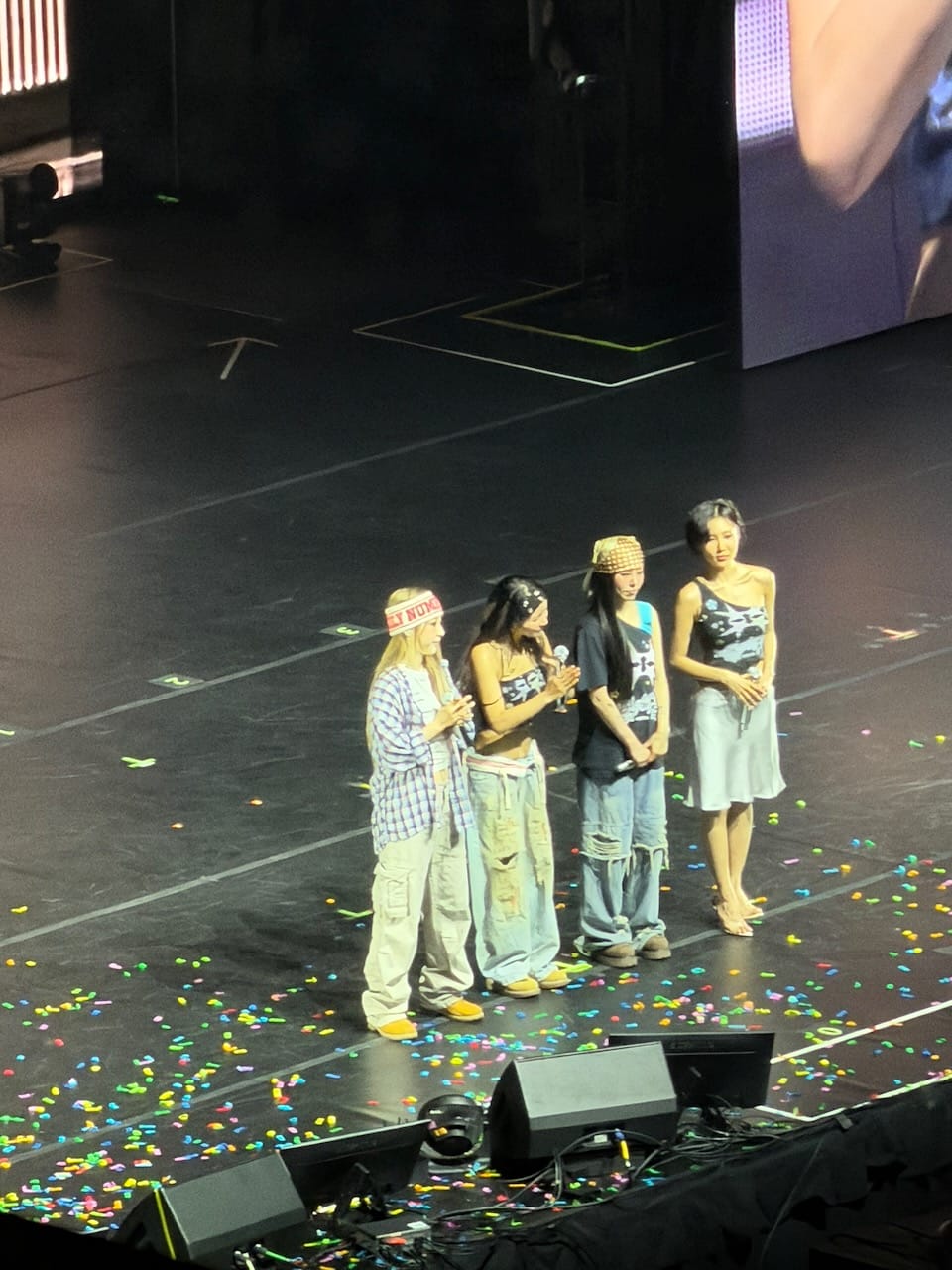
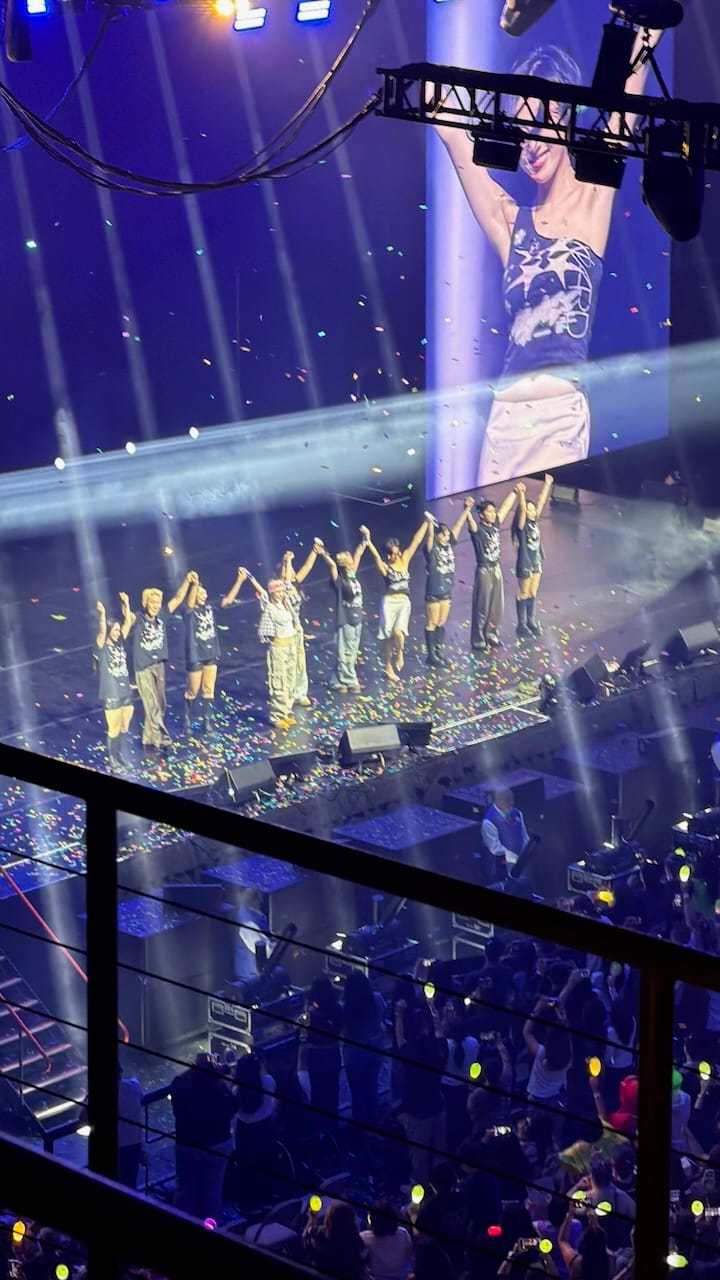
The moment that impressed me most came during Hwasa's solo section. She did not begin safely separated from the audience on the main stage. She appeared inside the floor crowd, then ran and danced through the corridors, reaching toward fans and making contact with people along the way. In an arena, the distance between a performer and the audience is usually carefully engineered. While barriers and security preserve the actual separation, Hwasa briefly collapsed that distance.
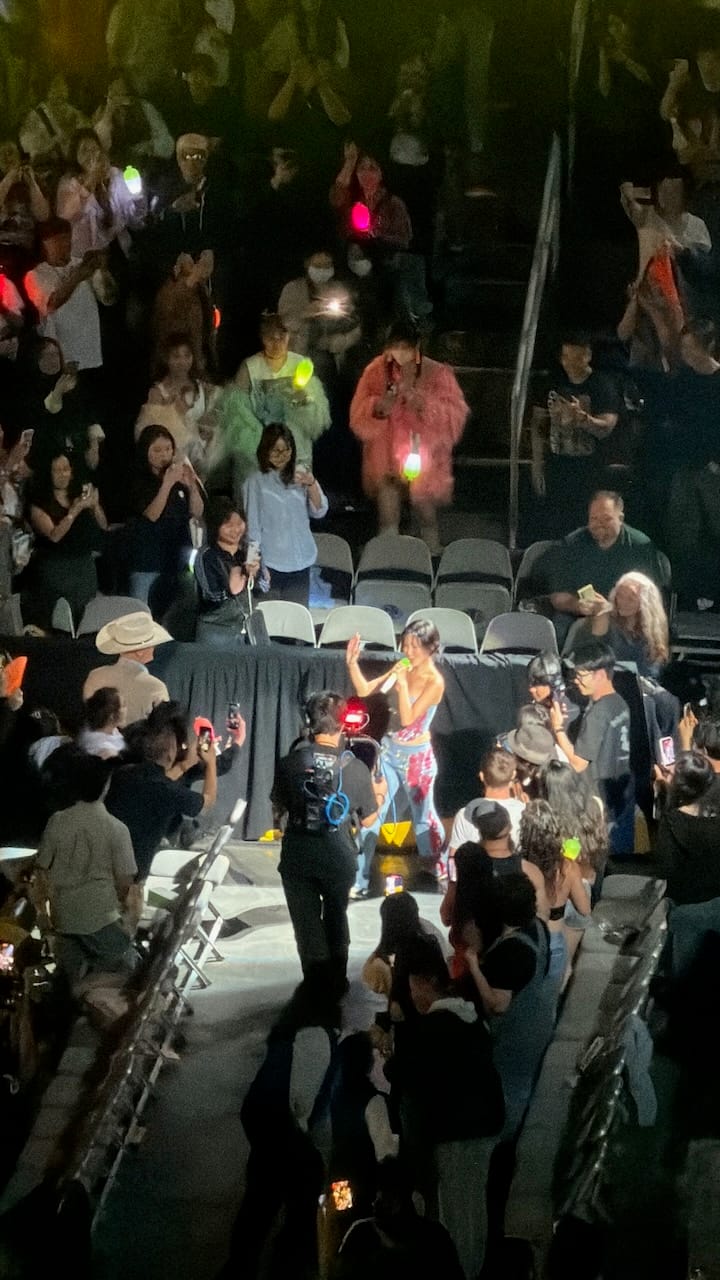
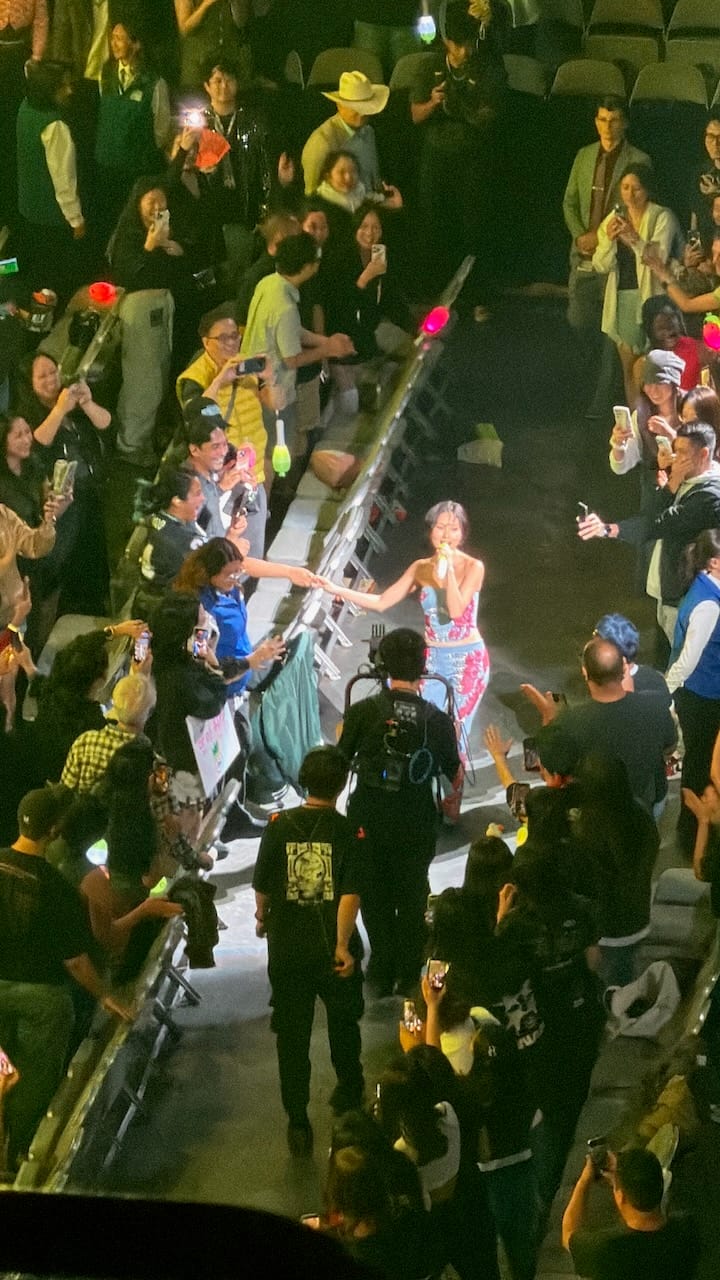
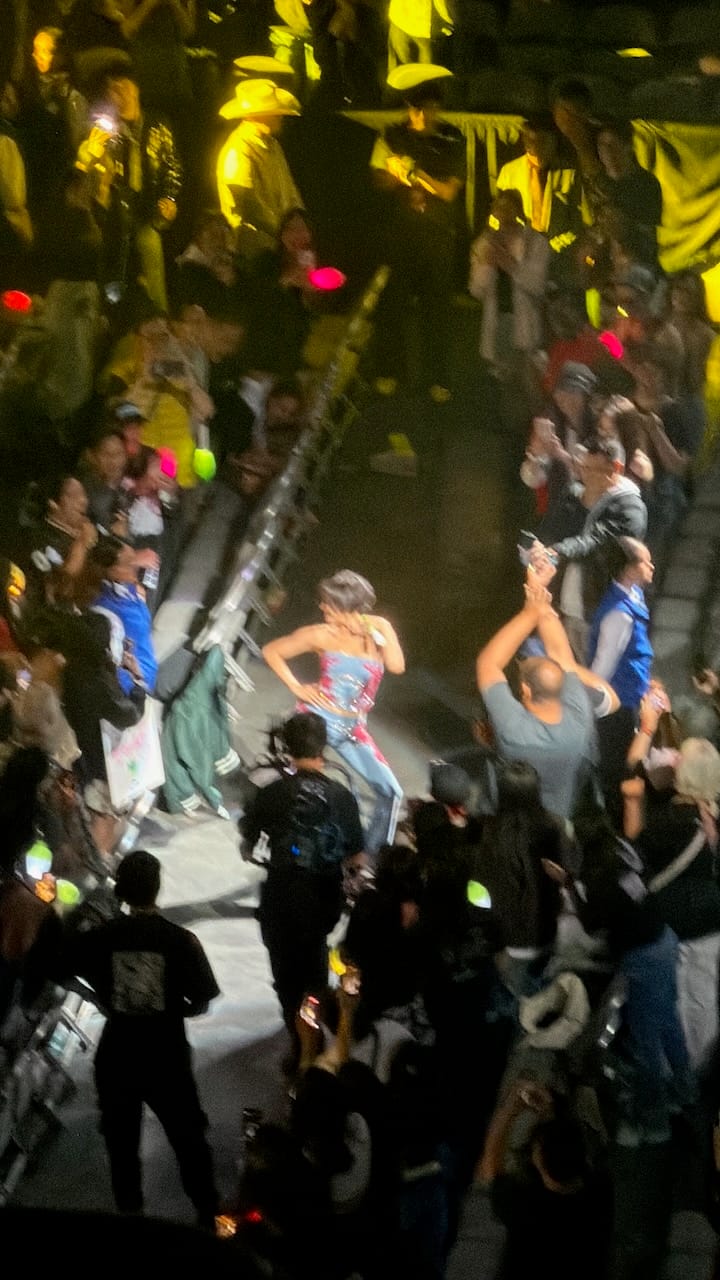
What stayed with me was not only the surprise of seeing her in the crowd. It was the energy she carried through the space. Even surrounded by movement, phones, security, and people reaching toward her, she seemed completely in control of everyone's attention. Her charm was almost visible, sparkling as she moved. Watching her, I felt that there really is something different in the people we call entertainers.
MAMAMOO was the last concert we had scheduled for this year. After such a joyful night, I am no longer sure it should remain the last. If long road trips are harder to make for a while, perhaps live performances can become another way for us to mark time together.
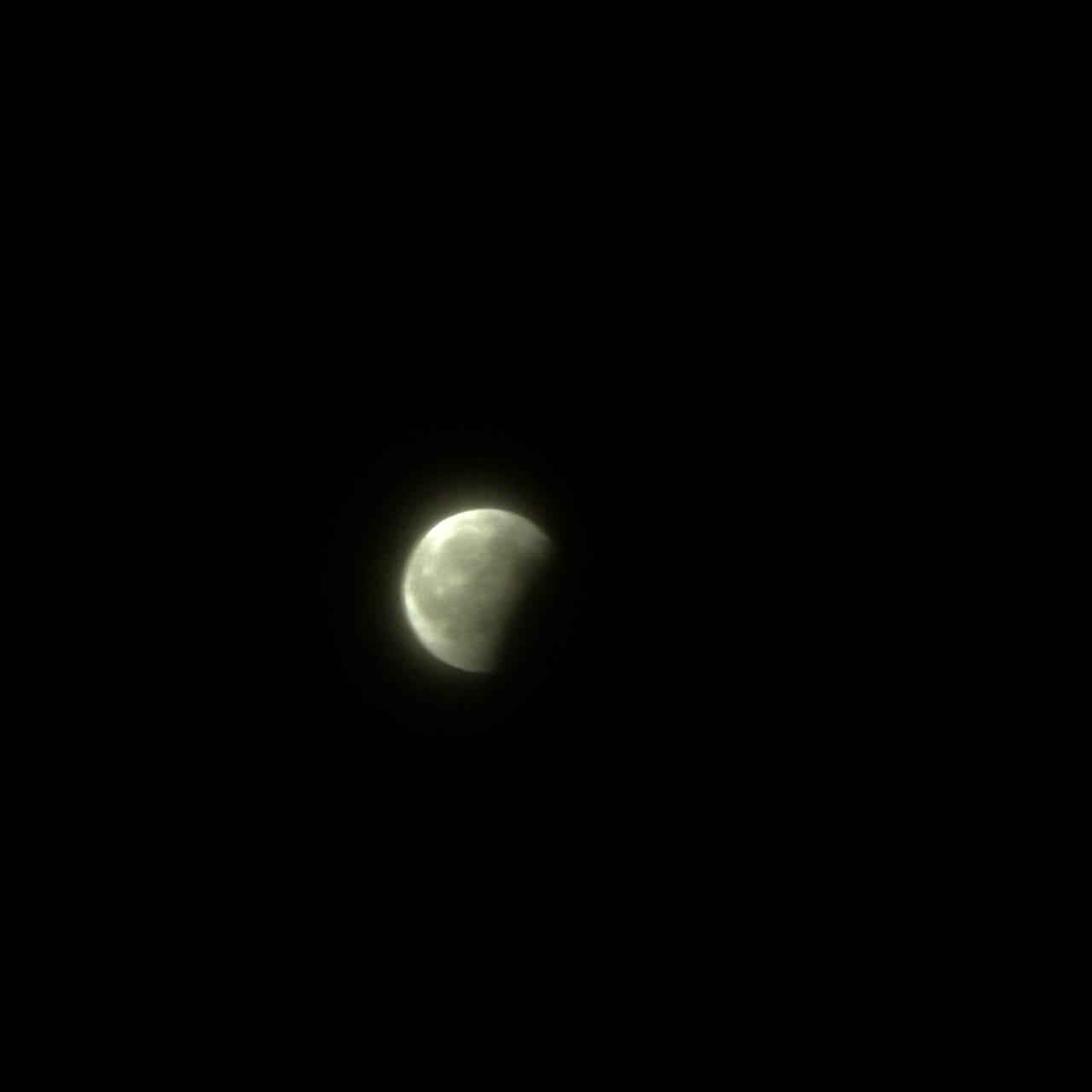
When we returned home, the night still had one more event waiting for us. We went outside and saw the partial lunar eclipse. After the traffic on 101, the crowd, the light sticks, Hwasa running through the aisles, and MAMAMOO's voices filling SAP Center, the quiet shadow crossing the moon felt like an unlikely encore.